Banana leaves are one of the most practical tools in a Belizean kitchen. They wrap tamales, line pots, soften fish on the grill, and carry food to the table. In Belize, a banana leaf is not a garnish. It is how cooking gets done.
The tradition comes from the Maya, who cooked in and with whatever grew nearby: banana, plantain, corn, chaya. That knowledge moved through generations and across borders. If you grew up in Belize or in a Belizean household, you know the smell: that faint green fragrance when a leaf hits a flame, the steam rising from a pot of tamales, the char on a fish wrapped tight for the grill.
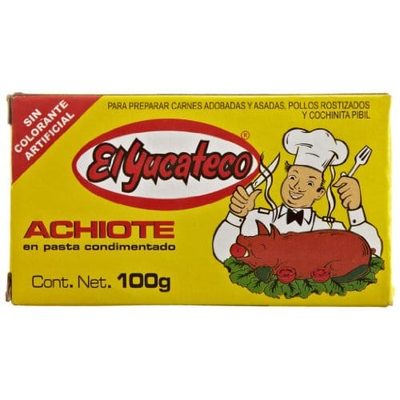
Cochinita pibil, poc chuc, and escabeche all start with red recado. A prepared achiote paste dissolves into sour orange in minutes instead of the hour it takes to grind annatto, oregano, and clove from seed.
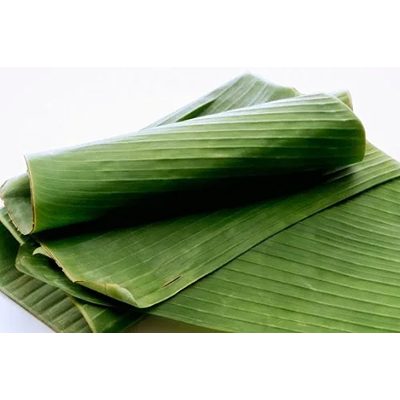
Frozen banana leaves for tamales, mukbil pollo, pibil, conkies, dukunu, and the Garifuna wrappers on hudut and bundiga — pass over a flame to make them pliable before wrapping; far easier than chasing fresh leaves outside the tropics.
How to Prepare Banana Leaves for Cooking
In a Belizean household, preparing the leaves was traditionally the boys’ job. Before anyone started spreading masa or assembling filling, the leaves had to be softened over the fire. Each section passed over the flame until it turned a deeper shade of green and became pliable enough to fold without cracking. There are two methods:
- Open flame: Pass each leaf section over a gas burner for a few seconds per side, moving it constantly. The leaf will turn a deeper green and become pliable. This is the traditional method and gives the best result.
- Hot water: Dip the leaf in boiling water for 10 to 20 seconds. This works for frozen leaves, which are already partially softened from the freeze-thaw cycle.
Wipe the softened leaf clean with a damp cloth on both sides. Cut away the thick center rib if it runs through the section you are using. It will cause the leaf to tear when you fold it. Cut to the size you need: tamales take a large sheet, fish wraps need something that covers the whole fillet.
Banana Leaf Uses in Belizean Cooking
Wrapping Tamales
This is the main use. Belizean tamales are wrapped in banana leaf, not corn husk. The leaf holds the masa and filling together during steaming and imparts a faint grassy sweetness to the dough. Corozal-style tamales use a large flat sheet; the masa is spread across the whole surface, filled, then folded into a packet and tied. After an hour in the steamer, the leaf peels away cleanly.
Banana leaf is also the wrapper for dzotobichay, the Yucatecan Mayan chaya tamale, for tamales colados, strained masa tamales with achiote chicken filling common across northern Belize and the Yucatan, and for conkies, the sweet Independence Day pudding made with coconut, cornmeal, and raisins.
Cochinita Pibil
Cochinita pibil is a slow-roasted pork dish from the Yucatan, common in Belizean Maya households. The pork is marinated in recado rojo and sour orange, then wrapped tightly in banana leaves and cooked low and slow in the oven or pit. The leaf seals in moisture and adds a layer of flavor foil cannot replicate. Pibil means “buried” in Yucatec Maya. The original preparation was a pit oven, and the banana leaf was the vessel.
Cassava Bread (Bammie)
Traditional cassava bread, also called bammie or casabe, is cooked on a dry comal, but banana leaf wrapping is used to store and soften the finished rounds. The leaf traps steam around the bread, which keeps it pliable instead of hardening into a cracker. In the Caribbean, bammie is traditionally soaked in coconut milk before serving; in Belize, the leaf wrap serves a similar softening function.
Dukunu
Dukunu is a sweet steamed pudding made from fresh green corn, coconut, and sugar. Some cooks wrap it in banana leaf, others in corn husks. Either way, it goes into a pot of boiling water and cooks for 45 minutes to an hour. The leaf contributes a subtle perfume to the finished pudding.
Grilling Fish
Wrapping fish in banana leaf for the grill is common along the Belizean coast. Season the fish — barracuda, snapper, jack — with garlic, salt, lime, and habanero, wrap tight in a double layer of banana leaf, and place on a hot grill. The leaf protects the fish from direct flame, creates a steam pocket, and prevents sticking. The fish cooks in about 15 to 20 minutes depending on thickness and comes out tender throughout, with a faint smoky-green flavor from the leaf.
Steaming Rice and Beans
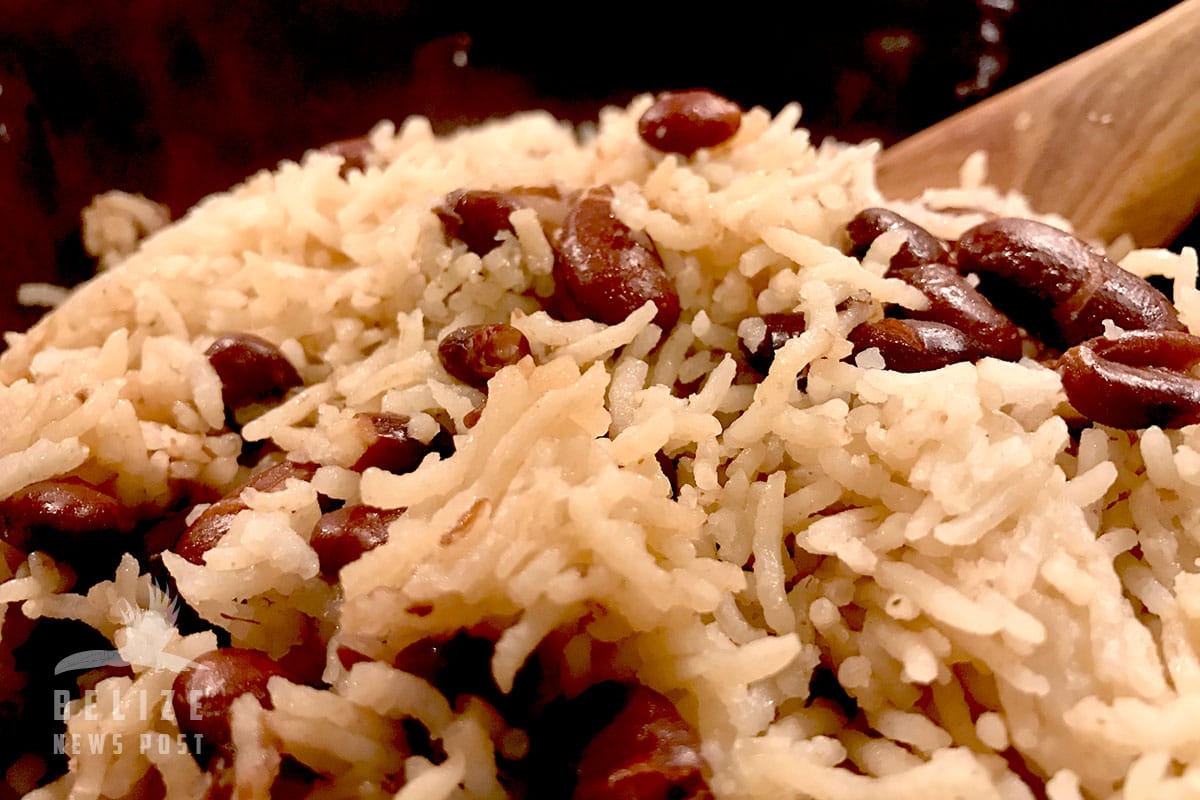
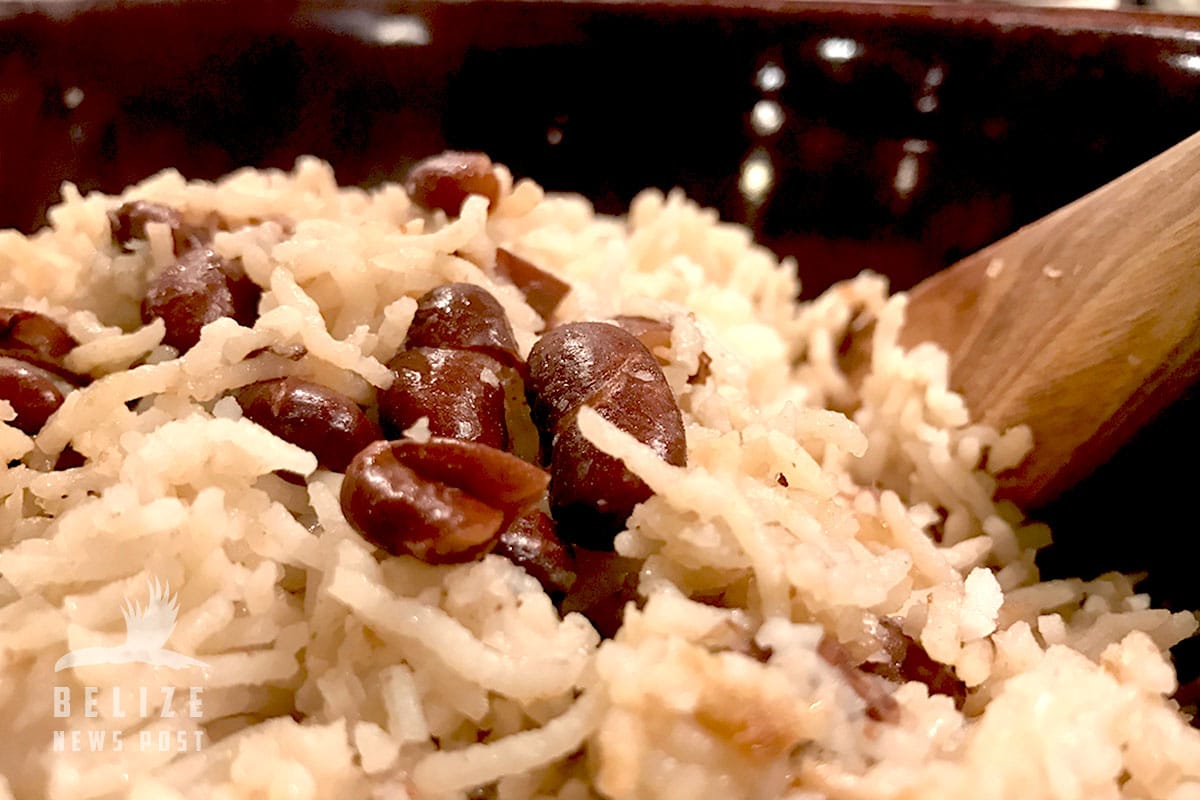
Some Belizean cooks lay a banana leaf over rice and beans before putting the lid on the pot. It functions as a secondary lid that traps steam close to the rice rather than letting it collect on the metal lid and drip back in. The result is fluffier, more evenly cooked rice. This technique is common across the Caribbean and South Asia for the same reason.
Where to Find Banana Leaves
In Belize, banana leaves are available year-round. They grow everywhere. Outside of Belize, your best sources are:
- Asian grocery stores: frozen banana leaves are stocked in most Southeast Asian, Filipino, and Indian grocery stores. Look in the freezer section near the frozen tropical produce.
- Latin grocery stores: especially those serving Mexican or Central American communities. They often carry fresh leaves when available, frozen otherwise.
- Online: frozen banana leaves ship well and are available through major online retailers.
Frozen leaves work for everything except decoration. Fresh leaves are better for open-flame softening and for wrapping dishes where the aroma matters most, like cochinita pibil.
Frequently Asked Questions
Can you eat banana leaves?
The leaf itself is not eaten. It is too fibrous and tough. It is used as a cooking and serving vessel. The food cooked inside absorbs flavor from the leaf, but the leaf is discarded or composted after use.
Do banana leaves add flavor to food?
Yes. When heated, banana leaves release a faint grassy, slightly sweet aroma that transfers to whatever is cooking inside them. The effect is subtle. You will notice it most in tamales and pibil, where the leaf is in contact with the food for a long time.
What is the difference between banana leaf and plantain leaf?
In Belizean cooking, the terms are used interchangeably. Botanically they are different plants, but the leaves behave the same way in cooking: both soften with heat, both impart a similar flavor, and both are large enough for wrapping. Most Belizean recipes that call for “banana leaf” will work with plantain leaf and vice versa.
Can you substitute aluminum foil for banana leaf?
Foil is used as a substitute regularly, but it is not the same. The leaf adds flavor foil cannot.
When leaves are running short, the practical middle ground is to use one layer of leaf instead of full coverage and secure the package with foil. The leaf still makes contact with the food and contributes some flavor, and the foil holds everything together for steaming or grilling.
If you have no leaves at all, foil will work. It retains moisture and holds the package together. But the dish will lack the grassy, faintly sweet aroma that the leaf brings, and in dishes like cochinita pibil where the leaf is doing real work, the difference is noticeable.
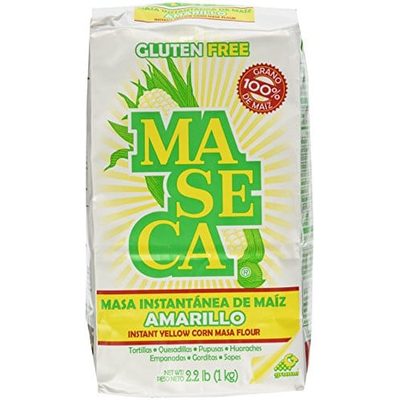
Maseca brand yellow corn masa harina, pre-ground and treated for immediate use in dough for tortillas, tamales, and other corn dough applications.