
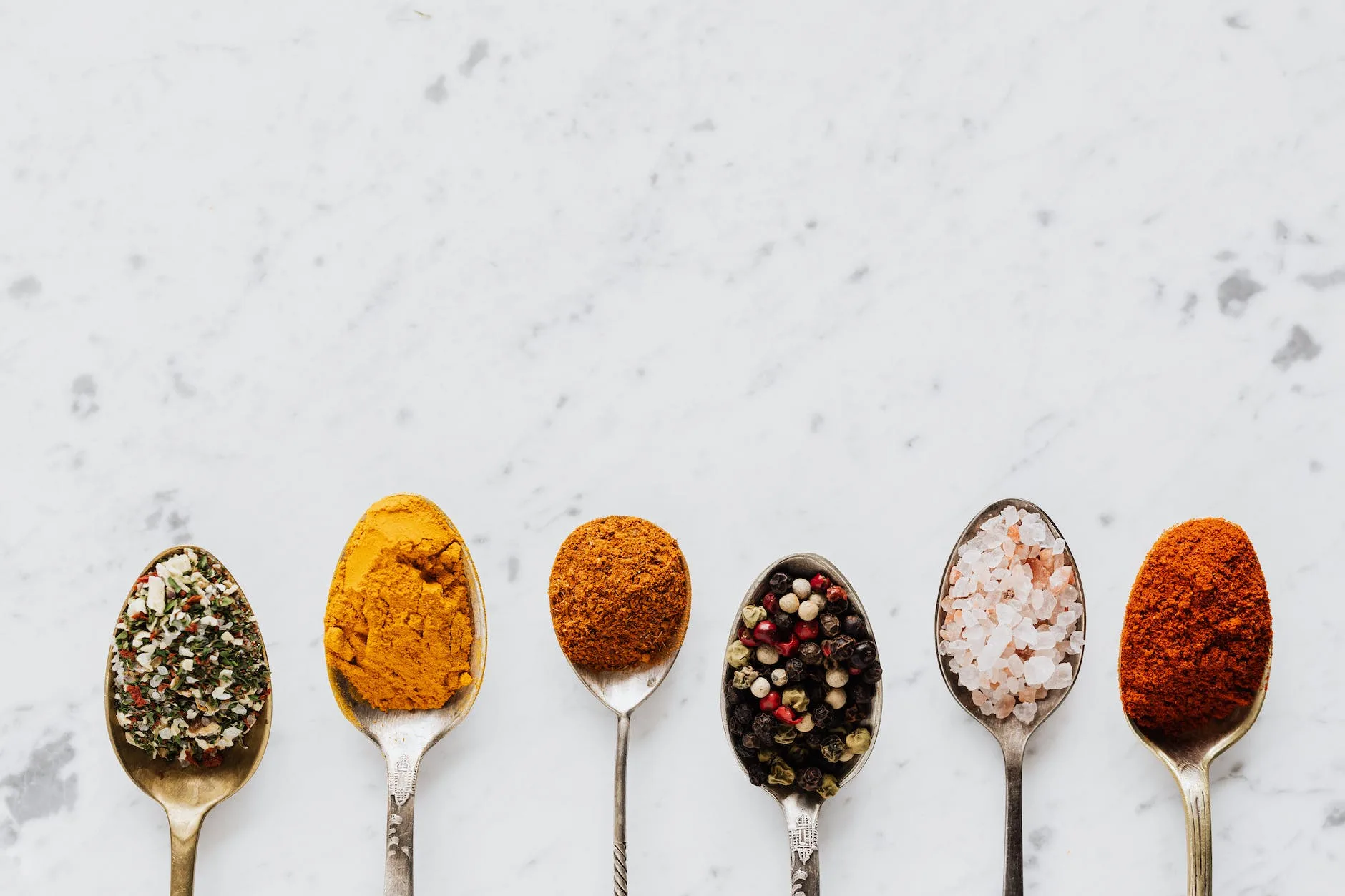
Belizean cooking draws from Maya, Mestizo, Garifuna, Creole, and East Indian traditions — and the ingredients reflect that rich cultural blend. This guide covers the essential ingredients you will encounter in Belizean recipes, from everyday staples like coconut and lime to distinctive seasonings like recado and chaya that are hard to find outside the region.
Use the alphabet bar below to jump to any ingredient, or scroll through to discover something new.
A
Allspice (Pimenta dioica)
Known locally as “pimento,” allspice is native to the region and shows up in everything from rice and beans to desserts. The dried berries carry warm notes of clove, cinnamon, and nutmeg all in one — which is exactly how it got its English name. In Belize, you are just as likely to find it ground into recado paste as you are simmering whole in a pot of stewed chicken.
Where to buy: Available at most grocery stores. For whole berries with stronger flavor, look for Jamaican or Central American origin. Shop whole allspice berries
Annatto / Achiote (Bixa orellana)
The small, rust-red seeds of the annatto tree are the base of Belizean recado paste and give many dishes their signature golden-orange color. Annatto has a mild, slightly earthy flavor — it is used more for color than taste. You can buy the seeds whole or ground, and they are essential for making authentic recado from scratch.
Where to buy: Latin grocery stores carry annatto seeds reliably. Shop annatto/achiote seeds
B
Banana Leaf
Featured Ingredient
Banana leaves are not eaten on their own but serve as nature’s wrapper and steamer in Belizean cooking. They are used to encase tamales, wrap fish for grilling, and line pits for slow-roasting meat underground. The leaves impart a subtle, slightly grassy fragrance to food as it cooks — something parchment paper simply cannot replicate. In Belize, banana trees grow abundantly, so fresh leaves are always available. If you are cooking outside of Belize, frozen banana leaves from Asian or Latin markets work well.
Where to buy: Frozen banana leaves are stocked in most Asian and Latin grocery stores. Shop frozen banana leaves
Breadfruit (Artocarpus altilis)
Featured Ingredient
Breadfruit is a starchy, football-sized fruit that grows on towering tropical trees across Belize. When cooked, its texture falls somewhere between fresh bread and a potato — dense, satisfying, and mildly sweet. Garifuna communities along the southern coast have long relied on breadfruit as a staple carbohydrate, roasting it over open flame or boiling it as a side dish. It can also be sliced and fried into chips. Breadfruit is gaining renewed international attention as a sustainable, high-yield food crop, but in Belize it never went out of style.
C
Cacao (Theobroma cacao)
Featured Ingredient
Cacao has been cultivated in Belize for thousands of years — the ancient Maya believed it was a gift from the gods, and the Toledo district in southern Belize is still home to some of the world’s finest fine-flavor cacao. The Toledo Cacao Growers’ Association, a cooperative of Maya and Garifuna farmers, produces cacao that supplies premium chocolate makers internationally. In traditional Maya cooking, cacao was ground and mixed with water, chile, and spices to make a ceremonial drink — nothing like the sweetened hot chocolate most people know. Today, Belizean cacao appears in everything from drinking chocolate to single-origin bars. If you are buying chocolate and want to taste what Belize grows, look for Toledo-origin labels.
Callaloo
Callaloo is a leafy green similar to spinach or amaranth, widely used in Caribbean and Belizean cooking. It cooks down quickly and pairs well with garlic, onion, and coconut milk. In Belize, callaloo is often sauteed as a simple side dish or stirred into soups.
Cassava / Yuca (Manihot esculenta)
Cassava is one of the oldest cultivated crops in the Americas, and it remains a staple across Belize. The starchy root is peeled, boiled, and served as a side — similar to how you might use potatoes. It is also the base for cassava pudding, a beloved Belizean dessert made with coconut milk, sugar, and spices. Garifuna communities use cassava to make ereba (cassava bread), a thin, crispy flatbread that has been part of Garifuna foodways for centuries.
Where to buy: Fresh cassava is available at Latin grocery stores and many supermarkets. Shop cassava flour for baking
Chaya (Cnidoscolus aconitifolius)
Featured Ingredient
Chaya is sometimes called the “Maya spinach,” and for good reason — it has been cultivated in the Yucatan and Belize for thousands of years. The large, dark green leaves are packed with iron, calcium, and protein, making it one of the most nutritious leafy greens in the tropics. Important: chaya must always be cooked before eating, as the raw leaves contain hydrocyanic acid. Once boiled for at least 10 minutes, it is perfectly safe and delicious. In Belize, chaya is most commonly scrambled with eggs or blended into fresh juices.
Recipes using chaya:
Chayote (Sechium edule)
Chayote is a mild, pear-shaped squash that grows on vigorous climbing vines across Belize. Its crisp, slightly watery flesh takes on the flavors of whatever it is cooked with, making it versatile in soups, stews, and stir-fries. It can also be eaten raw in salads. Belizeans sometimes call it “cho-cho.”
Coconut
Featured Ingredient
Coconut is foundational to Belizean cooking — especially along the coast and in Garifuna and Creole kitchens. Coconut milk is what gives Belizean rice and beans its signature flavor, and grated coconut appears in desserts, breads, and candies throughout the country. Fresh coconut water is a common street drink, and coconut oil was the primary cooking fat in coastal Belize for generations before vegetable oils became widely available. If there is one ingredient that ties Belizean cuisine together across ethnic lines, it is coconut.
Recipes using coconut:
Where to buy: For authentic results, use full-fat coconut milk (not “lite”). Shop full-fat coconut milk | Shop desiccated coconut
Cohune Oil
Cohune oil comes from the nut of the cohune palm, one of the most prominent trees in the Belizean landscape. The oil has a rich, slightly nutty flavor and a high smoke point. It was once the primary cooking oil in many Belizean households before cheaper imported oils took its place. Today, cohune oil is making a comeback as an artisanal product, prized for both cooking and skincare. It is one of the most distinctly Belizean ingredients you can find.
Conkies
Conkies are a Belizean steamed sweet made from corn flour, grated pumpkin, coconut, raisins, and spices, wrapped in banana leaves and steamed until firm. They are closely associated with Belizean Independence Day on September 21, when batches are made communally — the work of singeing and folding banana leaves, grating a whole coconut and a full pumpkin, is not a solo task. The banana leaf is not decoration; it gives conkies their distinctive green, slightly smoky perfume that no other wrapper replicates. A single batch yields at least 24.
Recipe: Belizean Conkies
Craboo (Byrsonima crassifolia)
Craboo is a small, round yellow fruit that grows wild across Belizean pine savannas and is deeply woven into everyday Belizean life — especially in the north and west. Known throughout Latin America as nance or nanche, the fruit has a distinctive sweet-tart flavor and a strong, almost fermented aroma that makes it instantly recognizable. Belizeans eat it fresh out of hand, blend it into juice, freeze it into ice cream, and cook it down into a sugar syrup candy. It also ferments into a traditional fruit wine. Craboo season draws people to roadside stands the way mango season does elsewhere — it is one of those fruits that marks a time of year in Belize.
Culantro (Eryngium foetidum)
Not to be confused with cilantro, culantro has long, serrated leaves and a much stronger flavor. It is widely used across the Caribbean and in Belizean cooking, where it goes by “shado beni” or “fitweed” depending on who you ask. Culantro holds up better in cooked dishes than cilantro does, which is why Belizean cooks prefer it for stews, soups, and recado marinades. If you cannot find fresh culantro, cilantro is an acceptable substitute — just use more of it.
D
Dried Shrimp
Small sun-dried shrimp are used in Garifuna cooking to add umami depth to soups, stews, and sauces. They are pounded or ground and stirred into dishes like hudut and tapado. Dried shrimp are available at Asian and Caribbean grocery stores.
E
Epazote (Dysphania ambrosioides)
Epazote is the herb that makes Belizean black beans taste like Belizean black beans. A sprig goes into the pot early and simmers the whole time — it has a sharp, medicinal aroma that is hard to describe and impossible to substitute. Most people outside of Mexico and Central America have never encountered it, which is exactly why black beans cooked without it taste flat by comparison. Epazote is used across the Yucatan and northern Belize, particularly in Mestizo kitchens. It also has a long history as a medicinal plant in Maya tradition.
Where to buy: Fresh epazote is rare outside Latin markets but dried works well for beans. Shop dried epazote
G
Green Seasoning
Across the Caribbean, cooks blend fresh herbs — culantro, thyme, garlic, green onion, habanero — into an aromatic paste used to season chicken, fish, and pork before cooking. The named product “green seasoning” is most associated with Trinidad, but the technique is the same one Belizean cooks use when they blend herbs for a marinade. Isela does exactly this for her arroz con gandules — the herbs go in the blender, not the mortar. The underlying ingredients are all covered individually in this guide.
H
Habanero Pepper (Capsicum chinense)
Featured Ingredient
The habanero is the signature chile pepper of Belize, and it appears on nearly every table in the country — whether as a fresh pepper on the side, a vinegar-based hot sauce, or the fiery Marie Sharp’s that has become synonymous with Belizean flavor. Habaneros are intensely hot (100,000–350,000 Scoville units), but they also carry a distinctive fruity, floral aroma that sets them apart from other hot peppers. In Belizean cooking, habaneros are used with restraint to add heat without overwhelming a dish. Homemade habanero sauce is a rite of passage for anyone serious about Belizean cooking.
Recipes using habanero:
Where to buy: Fresh habaneros are available at most grocery stores. For dried habanero flakes: Shop dried habanero peppers
J
Jicama (Pachyrhizus erosus)
Jicama is a crisp, mildly sweet root vegetable that Belizeans enjoy raw — often sliced and sprinkled with lime juice and chili powder as a street snack. Its crunchy texture holds up well in salads and slaws. Jicama is sometimes called the “Mexican turnip,” but it has deep roots in Central American cuisine going back to pre-Columbian times.
L
Lime
Limes are everywhere in Belizean cooking. They are squeezed over fish, stirred into drinks, used to “wash” raw chicken before cooking (a standard Caribbean practice), and combined with habanero for quick table sauces. The limes in Belize are typically Key limes — smaller, seedier, and more aromatic than the Persian limes common in U.S. supermarkets. If a Belizean recipe calls for lime, Key limes will give you the most authentic flavor.
M
Maize / Corn
Corn is sacred to the Maya and central to Belizean food culture. It is the base for tortillas, tamales, atole (a warm corn drink), and dozens of other preparations. In Belize, dried corn is nixtamalized — soaked in lime water to remove the hull — then ground into masa for tortillas and tamales. This process, which dates back thousands of years, unlocks nutrients and gives the masa its characteristic flavor. Fresh corn on the cob, roasted or boiled, is also a common snack.
Where to buy: Masa harina (nixtamalized corn flour) is the easiest way to make tortillas at home. Shop masa harina
O
Oregano (Mexican)
Mexican oregano (Lippia graveolens) is a different plant from Mediterranean oregano, with a more citrusy, slightly peppery flavor. It is used in recado pastes, stews, and marinades throughout Belize. If a Belizean recipe calls for oregano, reach for the Mexican variety for the most accurate flavor.
P
Plantain
Featured Ingredient
Plantains are a kitchen staple across Belize, used at every stage of ripeness. Green plantains are starchy and savory — sliced and fried into tostones or boiled as a side. As they ripen and the skin turns black, they become sweet and caramelized when fried, yielding the beloved fried ripe plantains (tajadas) that accompany rice and beans, stewed meats, and breakfast plates. Plantains are not bananas — they are larger, starchier, and always cooked before eating.
Recipes using plantain:
Pumpkin Sweet (Dulce de Calabaza)
Pumpkin sweet — dulce de calabaza in Spanish — is one of the oldest Belizean confections. Pumpkin pieces are layered in a heavy pot with brown sugar, cinnamon, and allspice, then cooked low and slow for hours until the syrup caramelizes to a deep amber. It is traditionally made on the fogón, the wood-burning clay stove that holds a steady, patient heat. The dish is a confection, not a side dish — the result is a glossy, spiced caramel pumpkin that keeps well for a week. A tablespoon of baking soda added at the one-hour mark drives the color darker and the syrup thicker; both the lighter and darker versions are made in Belizean kitchens.
Recipe: Belizean Pumpkin Sweet (Dulce de Calabaza)
R
Recado (Red, Black, and Blanco)
Featured Ingredient
Recado is the seasoning paste at the heart of Belizean cooking, and it comes in three forms. Red recado (recado rojo) is the most common — a blend of annatto, cumin, oregano, black pepper, garlic, and vinegar that gives stewed chicken and pork their unmistakable color and flavor. Black recado (chilmole) uses charred peppers and spices for a darker, smokier paste — it is the base for chirmole (black soup). Recado blanco is lighter and more herbal, used for fish and lighter poultry dishes. No Belizean kitchen is complete without at least a block of red recado in the refrigerator.
Recipes using recado:
Where to buy: Red recado paste is available online if you cannot make your own. Shop red recado paste
Rice and Beans (Foundational Combo)
Technically two ingredients, but in Belize, “rice and beans” is a single concept — red kidney beans cooked in coconut milk with the rice until everything melds together. It is the national dish, served at nearly every meal. This is distinct from “beans and rice,” where the beans are served separately (often as a stewed side). The coconut milk is what makes Belizean rice and beans unique in the Caribbean. If you are learning to cook Belizean food, this is where you start.
S
Sapodilla (Manilkara zapota)
Featured Ingredient
Sapodilla is a brown, rough-skinned fruit with flesh the color of caramel and a flavor that lands somewhere between brown sugar and pear — sweet, dense, and deeply tropical. It grows throughout Belize and is eaten fresh, churned into ice cream, and made into ideals and other traditional sweets. The same tree, called the chicle tree, produces the latex that was harvested by chicleros across the Peten and Belize for most of the twentieth century — it was the original base for chewing gum before synthetic substitutes took over. In Belize, old chicle camps still dot the forest. The fruit is the sweeter side of that same tree’s story.
Sour Orange (Citrus aurantium)
Featured Ingredient
Sour orange — also called bitter orange or naranja agria — is one of the most important citrus fruits in Belizean and Yucatecan cooking. Its juice is too bitter and sour to drink straight, but as a marinade ingredient it is irreplaceable. Sour orange juice is a key component of recado marinades, escabeche, and cochinita pibil. The flavor is complex: sharper than regular orange, more fragrant than lime, with a distinctive bitter edge. Outside of Belize, you can approximate it by mixing equal parts fresh orange juice and lime juice, though the real thing is always better.
Where to buy: Sour orange juice is available bottled at Latin grocery stores. Shop sour orange juice (naranja agria)
Soursop (Annona muricata)
Featured Ingredient
Soursop is a large, spiny tropical fruit with creamy white flesh that tastes like a blend of strawberry, pineapple, and coconut. In Belize, soursop is most commonly blended into juice or ice cream — soursop juice is one of the most popular fresh drinks in the country. The fruit is also used in cheesecakes, smoothies, and traditional remedies. Soursop trees grow well in Belize’s climate, and during season the fruit is abundant and inexpensive at local markets. The flavor is genuinely unique and worth seeking out.
Where to buy: Frozen soursop pulp is the most practical option outside the tropics. Shop frozen soursop pulp
T
Taro Root / Dasheen (Colocasia esculenta)
Taro root — called dasheen in Garifuna and wider Caribbean tradition — is a starchy tuber with a slightly earthy flavor and a texture similar to potato when boiled. In Belize, it is most closely associated with Garifuna cooking in the south, where it shows up in hudut (fish and plantain stew) and heavy soups. The corm is peeled, boiled, and sometimes pounded or left in chunks. The leaves are also edible and used as a wrapper similar to banana leaves. Taro requires thorough cooking — the raw root contains calcium oxalate crystals that cause irritation.
Thyme
Thyme is a quiet workhorse in Belizean cooking, inherited from the British Caribbean tradition. It is used in stews, rice dishes, and green seasoning blends. Belizean cooks typically use fresh thyme sprigs rather than dried, adding them whole to the pot and removing them before serving.
Tamarind
Tamarind pods grow on large shade trees across Belize. The sticky, tart-sweet pulp inside is used to make tamarind juice (agua de tamarindo), candy, and sauces. Tamarind’s tangy flavor also appears in some Belizean hot sauces and chutneys. The East Indian communities in Belize have particularly deep tamarind traditions.
Want to explore more? Browse our full recipe collection to see these ingredients in action.