
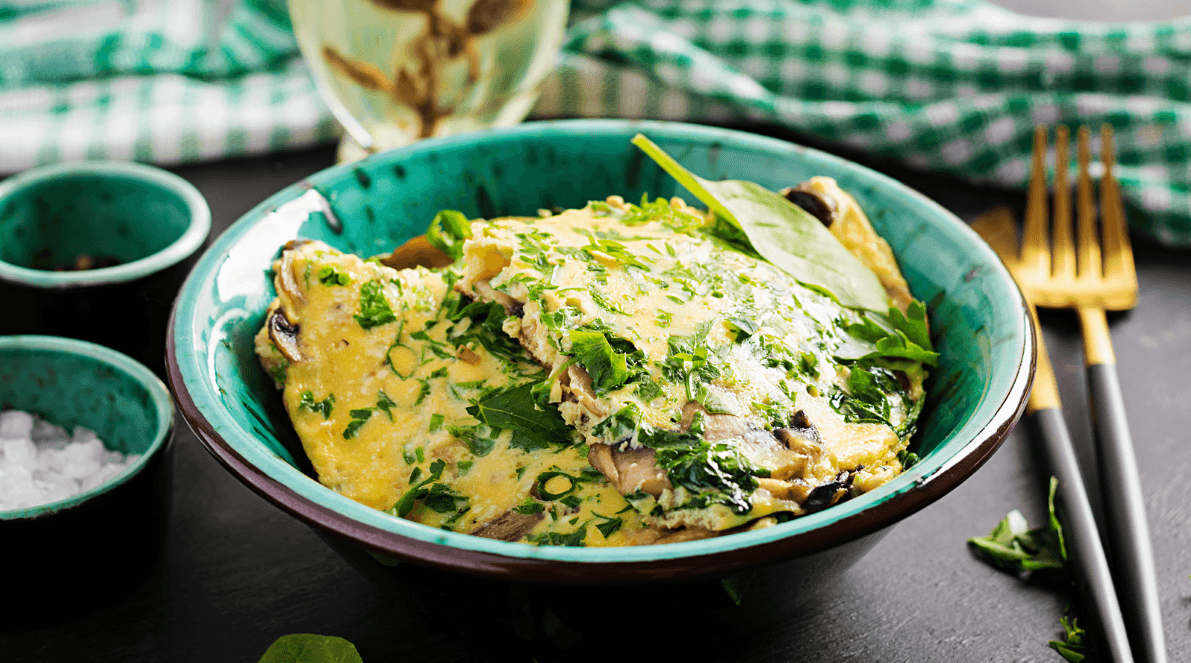
Eggs with chaya is a Mayan breakfast from the Yucatan Peninsula, eaten across northern Belize. Boiled chaya leaves and onion go into the pan, the eggs go in on top, and it comes out somewhere between a scramble and an omelette. In Spanish it is huevos con chaya or huevo con chaya. It goes with handmade tortillas and pureed black beans as a Belizean breakfast. Similar Mayan recipes from the Yucatan are Huevos Rancheros and Pirix P’aak.
Read the first step before you start. Chaya cannot be eaten raw and sautéing is not enough. The leaves are boiled and the water thrown away.

Cuisinart Pro Custom 11-Cup Food Processor with Slicing & Shredding Discs (DLC-8SBCYP1)
Spice pastes built from garlic, citrus and dried chiles need a processor that grinds them smooth in one pass. An 11-cup bowl is sized for batches that get portioned and frozen.

Pure lard (manteca) for making masa dough and frying - the fat traditional recipes rely on for texture and flavor.
Eggs with Chaya Recipe Ingredients
- Recipe Yield: 6 servings
- Preparation Time: Approximately 3 minutes
- Cook Time: About 8 minutes (not including the stew beans)

For the Eggs with Chaya:
- 7 eggs
- 20 chaya leaves, about 4 packed cups (150 g), well cleaned. They are boiled and drained first, see step 1. Spinach can be a substitute if chaya is unavailable
- 1/4 red onion, finely chopped, about 1/4 cup (35 g)
- 2 tablespoons (28 g) lard, or butter for a lighter version
For the Pureed Beans:
- 1/2 kilo (1.1 lb / 500 g) black beans
- 1 sprig of epazote (for authentic flavor)
- Water, as needed for cooking
- 1 Habanero Chile, finely chopped (optional, for heat)
- 1 Xcatik Chile, finely chopped (optional, for a milder heat)
- 2 tablespoons (28 g) lard
Optional Sides:
- Handmade tortillas
- Stewed Black Beans

How to make Mayan Eggs with Chaya:
- Prepare and Boil the Chaya: Wash the leaves and strip them off their stems. Boil the leaves in plenty of water for at least 15 minutes, then drain them and throw the cooking water away. This is not optional and sautéing alone will not do it. Raw chaya contains cyanogenic glycosides, which release hydrogen cyanide; boiling in water you discard is what removes them (source). Twenty minutes is the duration most often recommended, so 15 is the floor rather than the target. Do not use an aluminium pot. Chaya’s toxins can react with aluminium and make the dish unsafe (source). Chop the boiled leaves and set aside.
- Cook the Ingredients: In a large skillet (Amazon), heat the lard over medium heat. Add the chopped onion and sauté until translucent. Add the chaya you already boiled and drained, and cook it through with the onion, about 5 minutes. The skillet is for flavor, not for making the chaya safe. The boil did that.
- Add the Eggs: Break the eggs into a bowl, beat them well, then pour them into the skillet with the onion and chaya mixture. Add salt to taste. Stir continuously until the eggs are fully cooked and well incorporated with the chaya. We like our eggs at about 3 minutes of cooking.
- Serve Warm: Serve the Mayan eggs with chaya hot, accompanied by handmade tortillas on the side for a complete and satisfying meal.
Pureed Beans:
- Cook the Beans: Rinse the black beans and place them in a large pot (Amazon). Cover with water, add the epazote sprig, and bring to a boil. Reduce the heat and simmer until the beans are tender about 1-2 hours.
- Season: Once the beans are cooked and tender, add the chopped habanero and xkatik chiles (Wikipedia) to the pot along with 2 tablespoons of lard. Continue to cook for an additional 10 minutes to meld the flavors.
- Puree: Using a blender or a food processor, puree the beans until smooth. If the mixture is too thick, add a bit of water to reach your desired consistency.
- Serve: The pureed beans can be served as a side dish with the Mayan eggs and chaya, offering a rich and creamy complement to the meal.
Enjoy this traditional Mayan dish as a hearty Belizean breakfast or a nourishing main meal, bringing a taste of the Yucatan Peninsula’s rich culinary heritage to your home.
Estimated Nutritional Information
- Calories: 268 kcal
- Protein: 14.45 g
- Carbohydrates: 19.9 g
- Fiber: 5.22 g
- Fat: 14.82 g
Frequently Asked Questions about Chaya
What is Chaya?
Chaya, often referred to as “Mayan Spinach,” is also known as “Tree Spinach (Amazon)” and “Spinach Tree” is a leafy green vegetable native to the Yucatán Peninsula of Mexico and Central America. Its botanical name is Cnidoscolus aconitifolius, and it belongs to the Euphorbiaceae family. Chaya is highly prized in traditional Mayan cuisine for its nutritional benefits and versatility in various dishes.
What is Chaya plant good for?
Chaya leaves are rich in vitamins (especially A and C), minerals, and antioxidants, surpassing many common leafy greens in nutrient content, including spinach. Its leaves are typically used in cooked dishes such as soups, stews, and the Mayan eggs recipe mentioned earlier. Chaya is known for its slightly bitter taste, which becomes more palatable when cooked.
Can Chaya leaves be eaten raw?
Due to the presence of cyanogenic glycosides, which can release cyanide when ingested, chaya leaves should never be eaten raw. Cooking the leaves thoroughly neutralizes these compounds, making them safe and beneficial to eat.
Chaya is a staple green in Belizean cooking. Learn more in our guide to Belizean ingredients.
How long do chaya leaves need to be boiled?
At least 15 minutes in plenty of water, and 20 minutes is the duration most often recommended (source). Throw the cooking water away. That water is where the glycosides go, so it is not stock and it does not go back in the pan.
Can I cook chaya in an aluminium pot?
No. Aluminium utensils should not be used for chaya, because the plant’s toxins can react with the metal and make the dish unsafe (source). Stainless steel, enamel or clay are all fine.
Can I use spinach instead of chaya?
Yes, and you skip the boiling entirely because spinach has none of the same problem. Use about the same volume, wilt it in the pan with the onion, and squeeze the water out before the eggs go in or the eggs will be loose. The flavour is milder and less mineral than chaya.
Is chaya actually more nutritious than spinach?
Chaya is rich in protein, vitamins, calcium, iron and antioxidants, and carries two to three times more nutrients than other common leafy vegetables (source). That is where the tree spinach name comes from.
Where can I get chaya outside Belize?
It is cultivated in warm regions well beyond Central America, including northern South America, tropical Africa, Southeast Asia and the Pacific (source). In the United States it turns up in Mexican and Caribbean groceries, and in Florida and Texas nurseries under the name tree spinach. It grows readily from a cutting.
How many does this serve, and can I halve it?
Six, from 7 eggs and about 4 packed cups of chaya. It halves cleanly to 3 or 4 eggs. Boil the full quantity of chaya anyway and keep the rest, since the boiling is the slow part and boiled chaya keeps three days.
Storage and Make-Ahead
Boiled, drained chaya keeps three days refrigerated in a sealed container and freezes for three months. Doing the boil ahead is what turns this into a ten-minute breakfast, and it is how a household with a chaya bush in the yard actually works.
The cooked eggs are best straight from the pan. They keep a day refrigerated and reheat in a covered pan over low heat, though the texture tightens. Do not freeze the finished dish.
The pureed beans keep five days refrigerated and freeze for three months, and like most bean pots they are better on the second day.
Equipment
A pot for the chaya that is not aluminium, and one large enough to hold the leaves in plenty of water rather than packed tight. Stainless steel or enamel.
A wide skillet for the eggs. Chaya holds water even after draining, and a crowded pan steams the eggs instead of setting them.
Gloves are worth wearing while stripping the leaves. Chaya is in the Euphorbiaceae family and the sap irritates skin (source).
Shop This Recipe
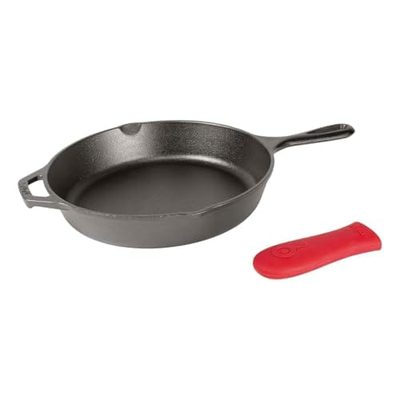
Scrambled eggs with chaya cook in a single skillet — cast iron holds the heat and gives the eggs a clean release.
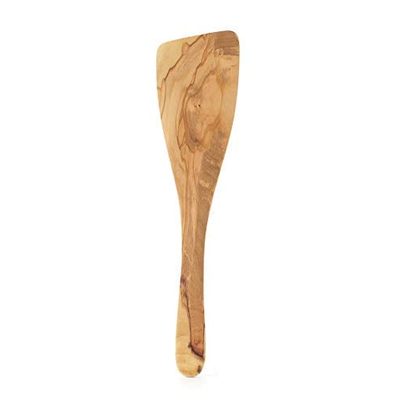
Folding eggs and wilted chaya wants a wooden spatula that won't tear the curds or scrape into the cast iron's seasoning.


I normally just steem the leaves for about a minute then fry it.
Thanks Fausto! We appreciate the tips.