Belizean Creole Bun with Coconut and Raisins
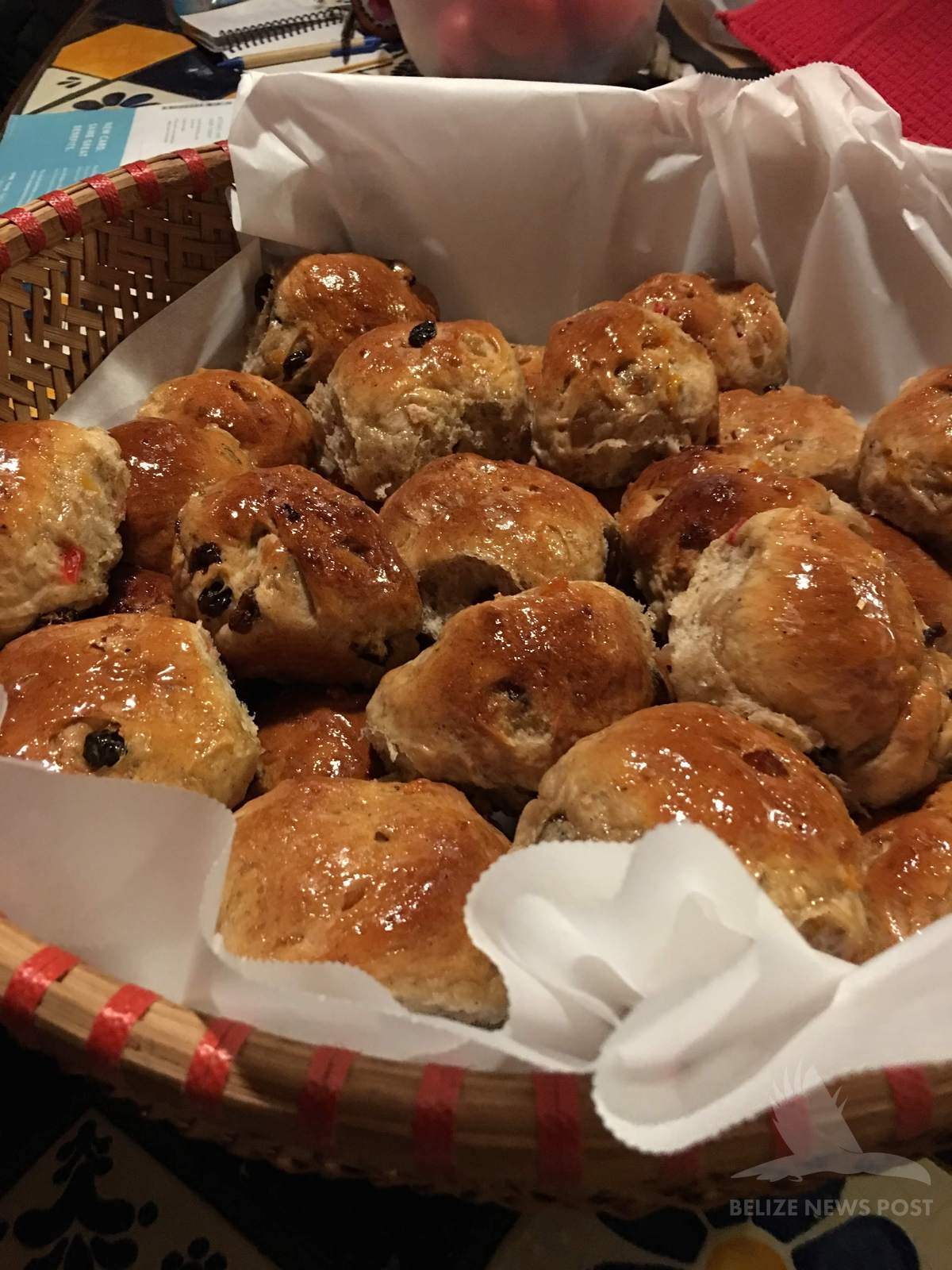
Creole bun is the sweet, spiced, raisin-studded bun Belizeans buy by the bag from the bakery and eat with coffee. Coconut milk goes into the dough, cinnamon and nutmeg and allspice go in with it, and the tops get brushed with hot sugar syrup the minute they come out of the oven. Kriol bun sits alongside Creole bread, johnny cakes and fry jacks as a Kriol breakfast staple (source), and coconut milk is one of the defining ingredients of that kitchen (source).
This recipe makes 24 buns. It is a big batch on purpose, because that is how bun gets made in Belize.

medicube PDRN Pink Peptide Serum
An evening over a hot stove and a day in the sun both show up on your skin by night. A PDRN peptide serum is the overnight step for exactly that: after cleansing, before moisturizer, no routine to overhaul.
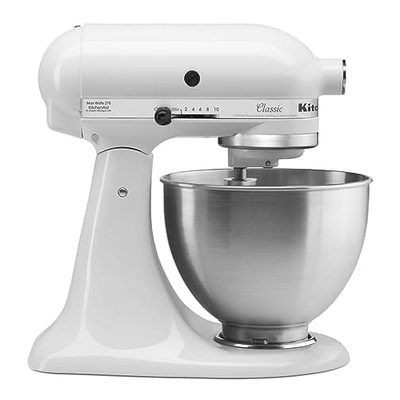
KitchenAid Classic Series 4.5 Quart Tilt-Head Stand Mixer K45SS, White
For batches that need real volume, wedding fruit cake or double-batch bread, a tilt-head stand mixer is the lifetime tool. Belizean celebration baking assumes this kind of capacity.
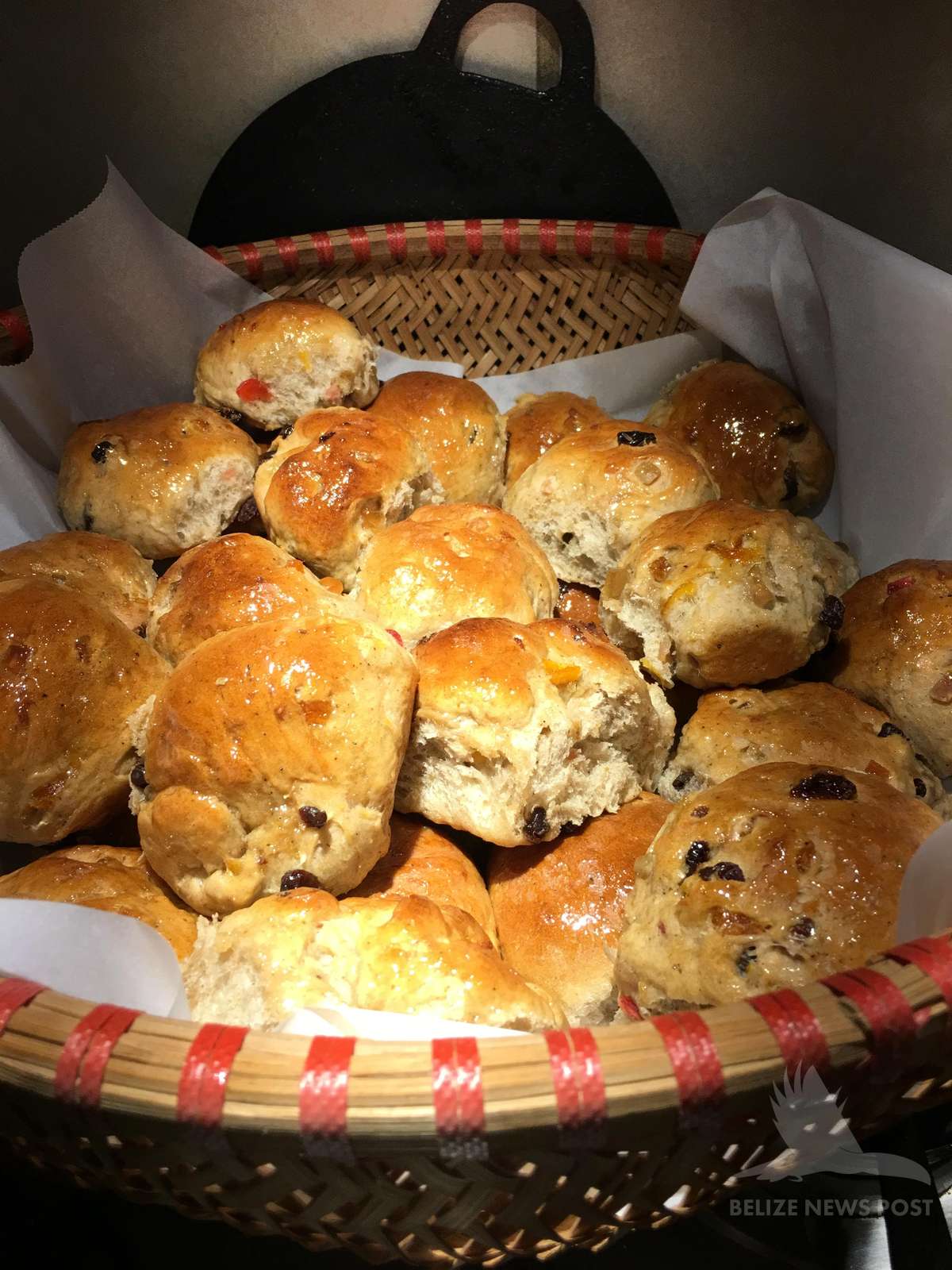
Creole Bun, Creole Bread and Hot Cross Bun Are Three Different Things
These three get mixed up constantly, including by people who grew up eating all of them.
Creole bun is what this page is about. Sweet dough, coconut milk, raisins, warm spices, baked as round individual buns and glazed.
Creole bread is the plain loaf. Coconut milk again, but no raisins, barely any sugar, baked as a loaf and eaten with butter or cheese alongside a savoury meal.
Hot cross buns are the Good Friday bun, marked with a cross on top (source). The spices are close, but the occasion is different and the cross is not decoration.
Ingredients
- 2 tablespoons (18 g) active dry yeast
- 1/2 cup (120 ml) lukewarm water
- 2 teaspoons (8 g) white cane sugar (for the yeast)
- 1 stick (113 g) butter, softened, or Blue Bonnet margarine
- 3/4 to 1 cup (150 to 200 g) sugar, white or brown sugar, to taste
- 2 teaspoons (5 g) ground cinnamon
- 1 teaspoon (2 g) ground nutmeg
- 1/2 teaspoon (1 g) ground cloves
- 1/2 teaspoon (1 g) ground allspice
- 1 teaspoon (6 g) sea salt
- 2 cups (480 ml) whole milk, heated until very hot, or evaporated milk, or 1 can (13.5 oz / 400 ml) coconut milk
- 2 large eggs, lightly beaten
- 8 cups (2 lb / 960 g) all-purpose flour or bread flour
- 1 cup (150 g) raisins, soaked in a little hot water or Caribbean rum
For the glaze
- 1/2 cup (100 g) sugar
- 1/4 cup (60 ml) water
Instructions
- In a small mixing bowl, combine the yeast, lukewarm water, and 2 teaspoons of sugar. Let the mixture rest for 10 minutes until it becomes bubbly and frothy.
- In a large mixing bowl, mix softened butter, sugar, cinnamon, nutmeg, cloves, allspice, and salt. Stir in the scalded milk and let the mixture cool until lukewarm. Add the yeast mixture and lightly beaten eggs.
- Gradually incorporate 7 cups (840 g) of flour or enough to form a soft dough, and the soaked raisins. Let the dough rest for 20 minutes before kneading.
- Knead the dough for 10 minutes until it becomes soft and elastic, adding more flour if necessary but not exceeding 1 cup (120 g).
- Lightly butter the top of the dough and place it in a well-greased bowl or proofing basket. Cover and let the dough rise in a warm place for 1 1/2 hours or until doubled in size.
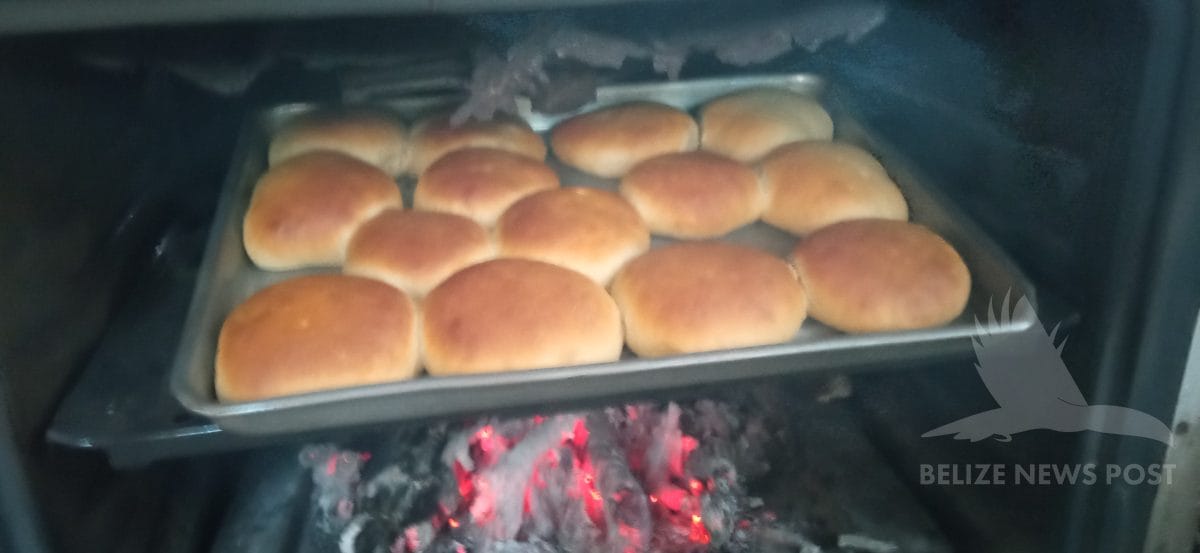
- Preheat the oven to 400°F (200°C). Punch down the dough and divide it into 4-inch (10 cm) balls. Arrange the balls on a buttered baking sheet at least 1 inch (2.5 cm) apart and flatten them slightly. Let them rise, covered, in a warm place for 45 minutes or until doubled in size.
- Bake the buns for 20 to 25 minutes, or until golden brown. Transfer them to a cooling rack.
- For the glaze, heat 1/2 cup (100 g) sugar with 1/4 cup (60 ml) water in a saucepan until boiling. Brush the warm buns with the hot syrup for a shiny finish.
Storage and Make-Ahead
Coconut milk and butter keep this dough soft for longer than a plain bread dough will. In a bread bag or an airtight container at room temperature the buns stay good for three days, and the sugar glaze helps seal the crust. Do not refrigerate them. The fridge stales enriched dough faster than the counter does.
They freeze well for three months. Cool them completely, wrap each one, and freeze in a bag with the air pressed out. Thaw at room temperature for an hour, then warm through at 300°F (150°C) for 5 to 8 minutes and they come back close to fresh.
To split the work across two days, do the first rise, punch the dough down, and refrigerate it overnight covered. Shape the buns straight from the fridge the next morning and allow 60 to 75 minutes for the second rise instead of 45, since cold dough is slow to wake up. Day-old buns are also the best ones to split and toast in butter.
Equipment
Eight cups of flour is a heavy dough. A stand mixer with a dough hook handles it in 6 to 8 minutes on low, but the mixer needs a 5 quart (4.7 L) bowl or larger or it will climb. By hand, give it the full 10 minutes and expect to work for it.
You need two large baking sheets for 24 buns. Baking them in two batches is fine, and the second tray simply gets a longer second rise while the first one bakes.
A kitchen scale is worth using here. Flour measured by the cup swings by as much as 20 percent depending on how it is scooped, and in a dough this size that is a full cup of difference.
Tips and Variations
Fresh coconut milk beats canned if you can get it, and in Belize that is what goes in. Anywhere else, one can of full-fat coconut milk in place of the 2 cups of dairy milk gets you most of the way there.
Soak the raisins. Dry raisins pull moisture out of the dough around them and leave hard spots. Hot water works, rum works better, and 20 minutes is enough either way.
Glaze while the buns are hot. Syrup brushed on a cooled bun sits on the surface and stays sticky; brushed on straight out of the oven it sets into a thin shine.
Plenty of cooks leave the raisins out entirely. Nutrition is estimated from standard ingredient labels, per bun, 24 buns to the batch, and it counts the sugar glaze.
Belizean Bun Memories
In the olden days, Sunny and Tan’s bun was the rage of the day. One of my favorite memories of a trip to Belize City was coming back home with several loaves of the bun. Now sadly, the bakery is not the same. It is still a good bun but the new owners lost the original recipe, I think. Bun is still made by several other bakeries but they just don’t have the same old-time favorites. Bun is made throughout Belize and everyone has their own favorite recipe. Some don’t like any raisins in it. I love raisins so my recipe has them. I also love the coconut flavor so I always use fresh coconut milk when I am in Belize but anywhere else I use one can of coconut milk.
Related Recipes
The other bun in the Belizean bakery case is the powder bun, which skips the yeast entirely and uses baking powder. It is the quick one, ready in under an hour, where this dough wants most of a morning.
For the savoury side of the same coconut-milk dough, make Creole bread. Same kitchen and the same coconut milk, without the sugar or the raisins.
Other Belizean baking to work through: dinner rolls, honey buns, pan de muerto, and coconut crusts.
Frequently Asked Questions
What is Belizean Creole bun?
A sweet yeast bun made with coconut milk, raisins, cinnamon, nutmeg, cloves and allspice, baked as individual round buns and brushed with sugar syrup. Kriol bun is one of the Kriol breakfast staples in Belize, eaten alongside Creole bread, johnny cakes and fry jacks (source).
What is the difference between Creole bun and Creole bread?
Sugar, raisins and shape. Both use coconut milk, but bun is sweet, spiced, full of raisins and baked as individual rounds. Creole bread is a plain loaf that goes with a savoury plate.
Is Creole bun the same as a hot cross bun?
No. The spices overlap, but hot cross buns are a Good Friday bun and carry a cross on top (source). Creole bun is eaten year round and has no cross.
Can I use canned coconut milk instead of fresh?
Yes. One 13.5 oz (400 ml) can of full-fat coconut milk replaces the 2 cups of dairy milk. Heat it the same way. Light coconut milk gives a noticeably drier bun, so use the full-fat one.
Why did my buns come out dense?
Usually too much flour or a rushed second rise. Stop adding flour once the dough is soft and only slightly tacky, and give the shaped buns the full 45 minutes until they have visibly doubled. Milk added while still hot will also kill the yeast, so let it cool to lukewarm before the yeast mixture goes in.
How many buns does this make, and how do I scale it down?
Twenty-four 4-inch buns, which is one or two per person for a crowd of a dozen or more. Everything halves cleanly for 12 buns, including the yeast. Timings do not change.
Can I leave the raisins out?
Yes, and plenty of Belizean households do. The dough needs no other adjustment. Mixed peel or currants can go in instead, at the same 1 cup (150 g).
Shop This Recipe
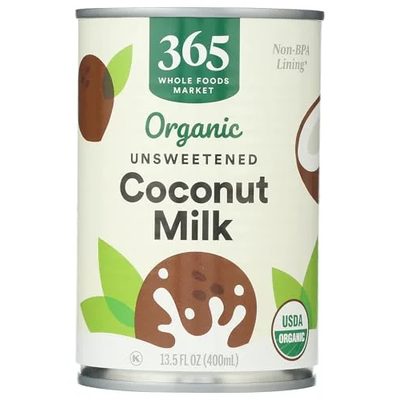
The recipe calls for one can of coconut milk as the preferred milk swap - full-fat is what gives Belizean buns their richness outside of Belize where fresh coconut isn't an option.

The recipe specifies two pounds of flour by weight - a kitchen scale removes the guesswork on flour packing that throws off yeast dough hydration.
Belizean bun dough uses one bowl for the yeast bloom and a second large bowl for the butter-spice-milk base before combining - two sizes running at once is how the timing works.