
Belizean food is the cooking of a small country where seven or eight peoples have lived side by side for generations: Maya, Mestizo, Creole, Garifuna, East Indian, Mennonite, Chinese, and the British who drew the borders. There is no single Belizean dish that explains the country. There is a plate of rice and beans with stew chicken that most of the country eats most weeks, and around it sits everything the different communities brought with them and kept. This is a guide to how that food fits together: what to eat, what each culture contributes, and what the pantry is built on.

What Belizean food actually is
Belize is one country with six districts, and each district carries its own weight. The north, Corozal and Orange Walk, is heavily Mestizo and eats close to the Yucatecan kitchen across the Mexican border. The Belize District is majority Creole. Stann Creek and Toledo in the south hold most of the Garifuna and Maya population. That demographic map is the food map. When people ask what Belizean food is, the honest answer is that it depends which part of the country you are standing in, and who is cooking.
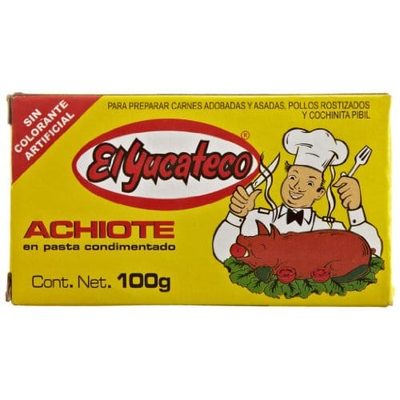
Cochinita pibil, poc chuc, and escabeche all start with red recado. A prepared achiote paste dissolves into sour orange in minutes instead of the hour it takes to grind annatto, oregano, and clove from seed.
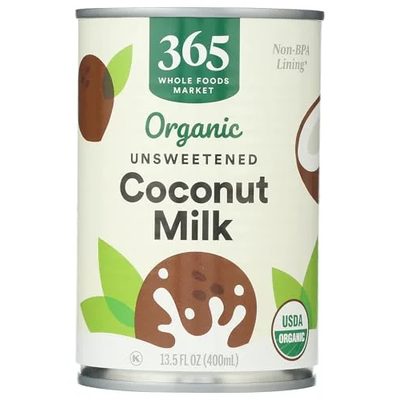
The common base under all of it is corn, beans, rice, coconut, and plantain, with recado and habanero doing most of the seasoning work. Here is how each community built on that base.
The peoples and what they brought
- Maya: The oldest layer. Corn, beans, and squash, ground recado, and dishes still cooked today like chirmole, tamales, and atole, the warm corn drink.
- Mestizo: The Yucatecan kitchen of the north. Salbutes, panades, escabeche, and the recado-based stews that the Corozal and Orange Walk districts share with Mexico.
- Creole: The dish most people name first. Rice and beans cooked in coconut milk, stew chicken, and the Saturday boil up.
- Garifuna: Coconut and fish. Hudut, mashed plantain in a coconut fish broth, and sere. The Garifuna kitchen is its own tradition, strongest in Dangriga and the southern coast.
- East Indian: Curry and the spices that came with indentured laborers, folded into stews and rice across the country.
- Mennonite: Not a cuisine you order in a restaurant, but the dairy, poultry, and produce behind much of what you cook. The cheese, milk, and chicken in a Belizean kitchen often come from Mennonite farms in Spanish Lookout and Blue Creek.
For the full breakdown of each tradition and the dishes that belong to it, see our guide to Belizean food by culture.
The everyday plate
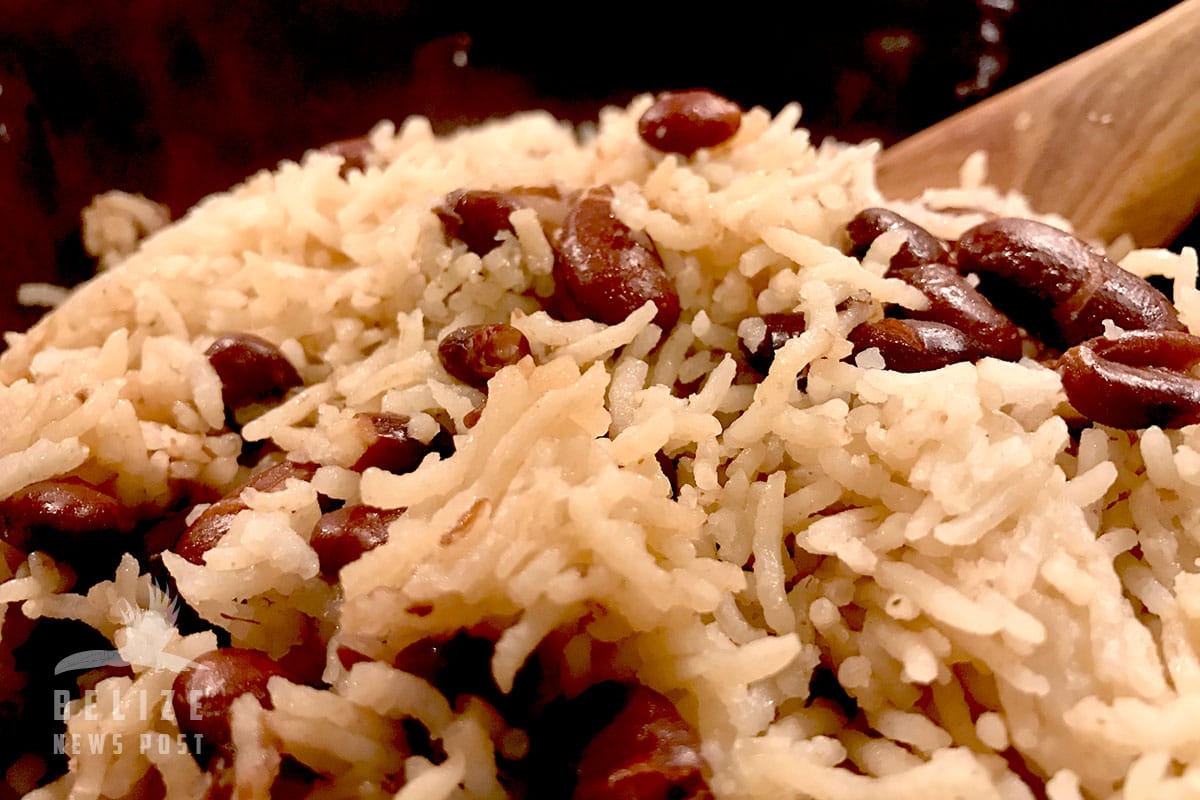
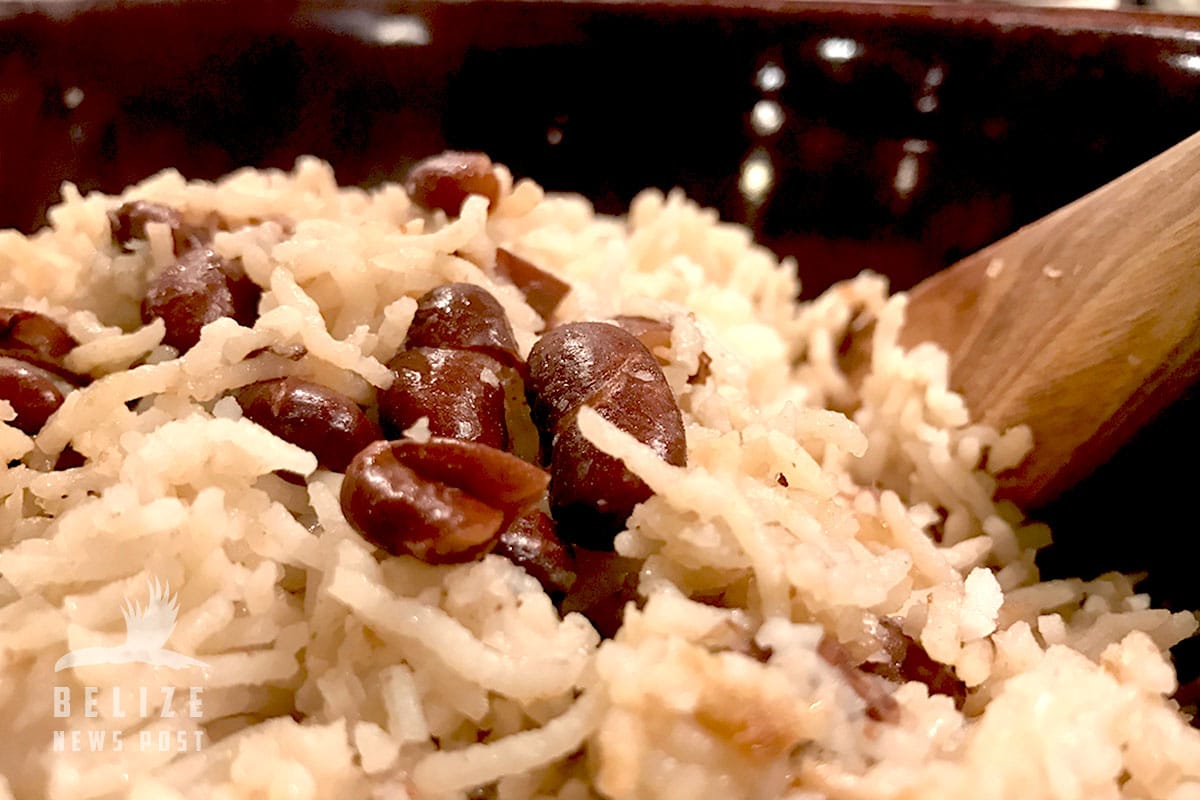
If you eat one thing in Belize, it is rice and beans with stew chicken. This is the closest thing the country has to a national dish. Red kidney beans and rice cooked together in coconut milk, served with chicken stewed in red recado, a little potato salad, and fried plantain on the side.
One thing worth getting right, because tourists trip on it constantly: rice and beans is not the same as beans and rice. Rice and beans means the two are cooked together in one pot with coconut milk. Beans and rice means stewed red beans ladled over a separate pot of white rice. Belizeans order them by name and they are different meals. The stewed chicken that goes with either is built on recado, the seasoning paste that does the heavy lifting in this kitchen.
From the coast
The coast and the cayes run on seafood. Conch and lobster are the headline catches, both managed by season, and snapper is the everyday fish. Eat the conch fritters, the ceviche, the whole fried snapper. One correction for visitors: Belize is a Caribbean reef country, not a cold-water one. Asking for salmon in San Pedro misses the point. Eat what the reef gives you. The full rundown of what to eat, what to leave in the water, and the recipes for each is in our guide to fish and seafood in Belize.

Breakfast and the bread
Belizean breakfast is built on bread and eggs. Fry jacks, puffed fried dough eaten with beans, eggs, cheese, or jam, are the one most visitors fall for. Alongside them are johnny cakes, the dense baked Creole biscuit, and Creole bread. In the north you are as likely to start the day with salbutes or panades, the Mestizo corn snacks, as with anything baked.
The Belizean pantry
A few ingredients explain most of the cooking. Learn these and the rest follows. The full list is in our ingredients A to Z.
- Recado: The ground seasoning paste behind most stews. Red recado, colored and flavored with annatto, is the common one; there are several distinct preparations.
- Coconut: Milk for rice and beans, stews, and Garifuna cooking; oil and grated meat for sweets.
- Sour orange and habanero: The acid and the heat. Sour orange marinates the meat; habanero, usually on the side as a sauce or a few slices, brings the fire.
- Corn and plantain: Corn becomes tortillas, tamales, and atole; plantain is fried as a side, boiled, or pounded for hudut.
What to drink
The oldest drink is atole, the warm corn drink that comes straight from the Maya kitchen. On the cayes, street vendors sell seaweed shake, a sweet milk drink made with Irish moss seaweed. Both are worth trying once for what they tell you about where the food comes from.

What people get wrong about Belizean food
Two things. First, Belizean food is not Mexican food, even in the Mestizo north where the kitchens overlap. The recado, the salbutes, the tamales share a Yucatecan root, but rice and beans, boil up, hudut, and the Creole and Garifuna dishes have no Mexican equivalent. Second, it is not a hot-sauce cuisine the way visitors expect. The heat lives on the side. Habanero is offered, not forced into the pot. You decide how far to take it.
Ready to cook? Start with the rice and beans, then work outward through the full Belizean recipe collection.

Shop This Recipe
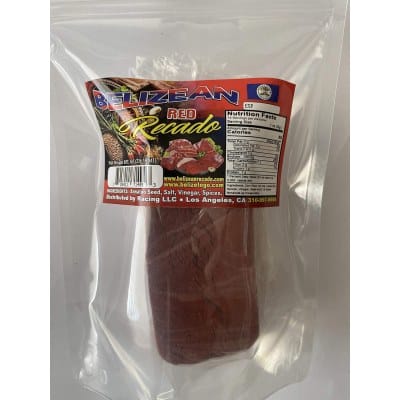
The achiote-based paste behind stew chicken, pibil, and escabeche. Sold ready-made so you skip toasting and grinding annatto, cumin, oregano, and clove from seed.
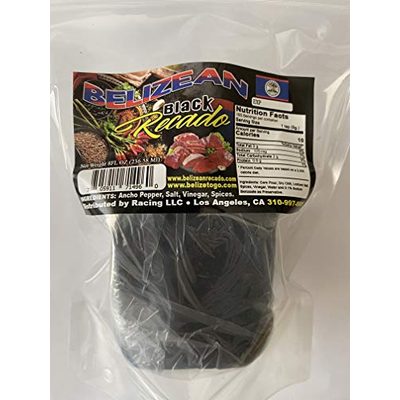
An 8 oz charred-chile seasoning paste ready to use in cooking, replacing the time spent charring and preparing dried chiles from scratch.
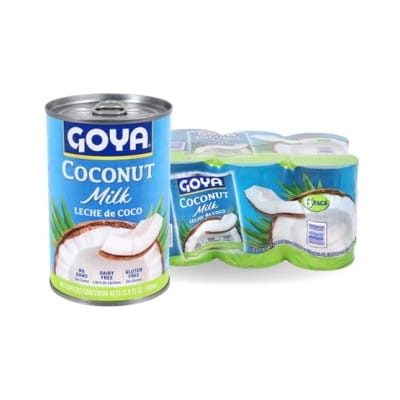
Goya Coconut Milk 13.5 oz (6-pack)
Creole bread's richness is two full cups of coconut milk kneaded into the dough. A six-pack means the next bake is already covered.