
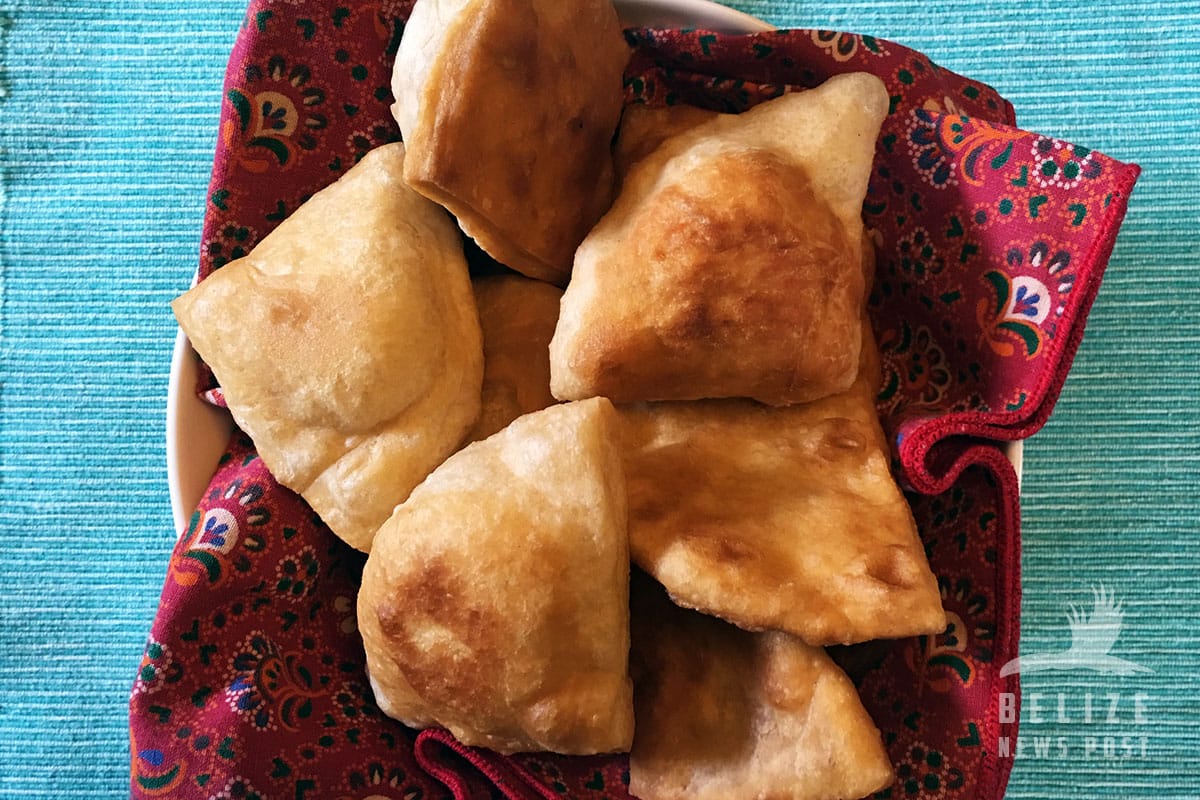
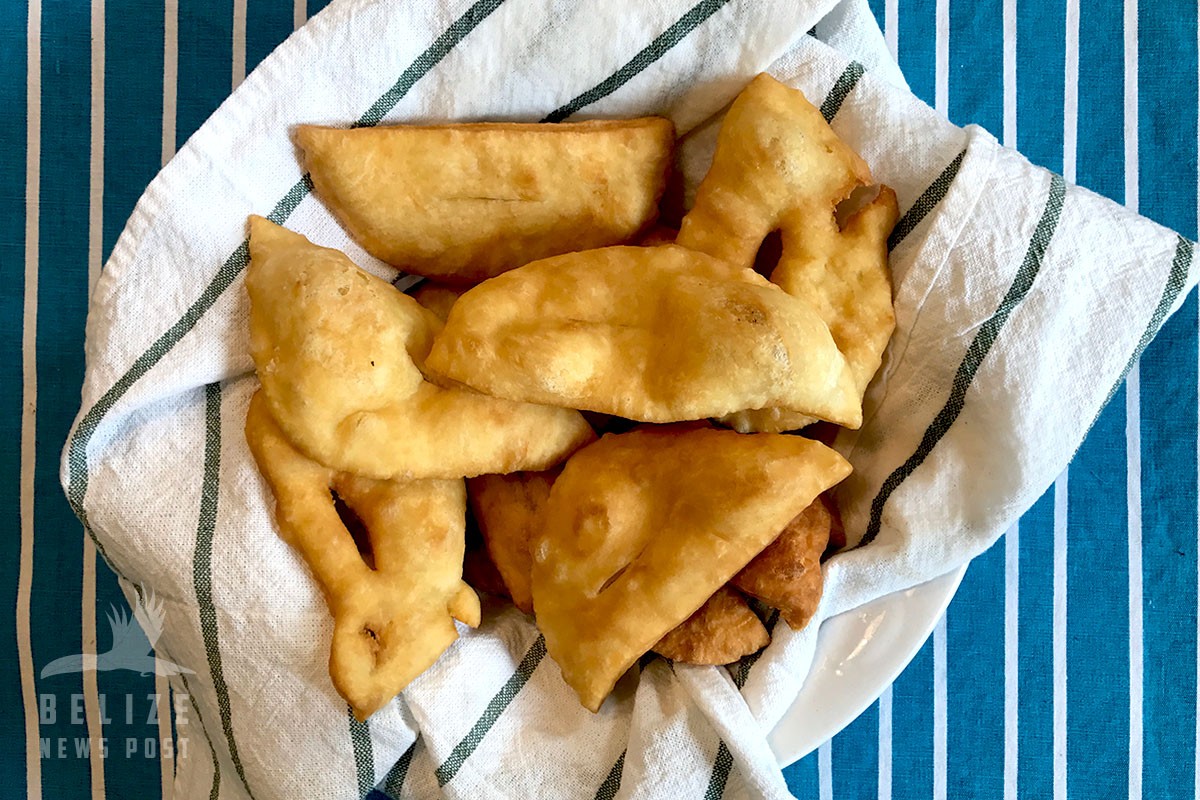
Fry jacks are deep-fried dough triangles and one of the most recognizable foods in Belize. Made from flour, baking powder, shortening, and water, they puff up golden and crispy when dropped in hot oil. Fry jacks are eaten at breakfast across the country, served with refried beans, cheese, eggs, or drizzled with honey.
Fry Jacks are often found sharing a Belizean breakfast plate with beans and eggs. In my opinion, they are the star of the breakfast plate: warm, a little crispy, puffed and often topped with honey.
This recipe is easy, quick, and doesn’t require many ingredients… so have fun with it!

Belizean Fry Jacks Recipe Variations
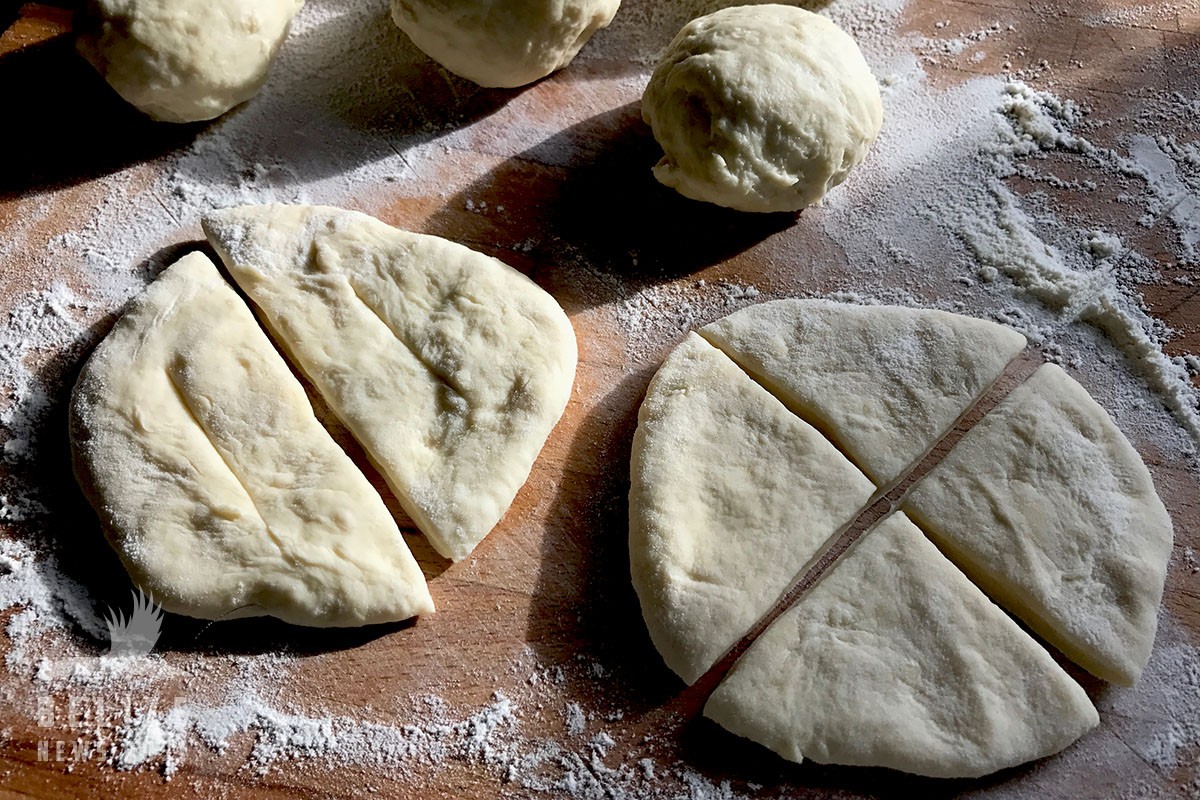
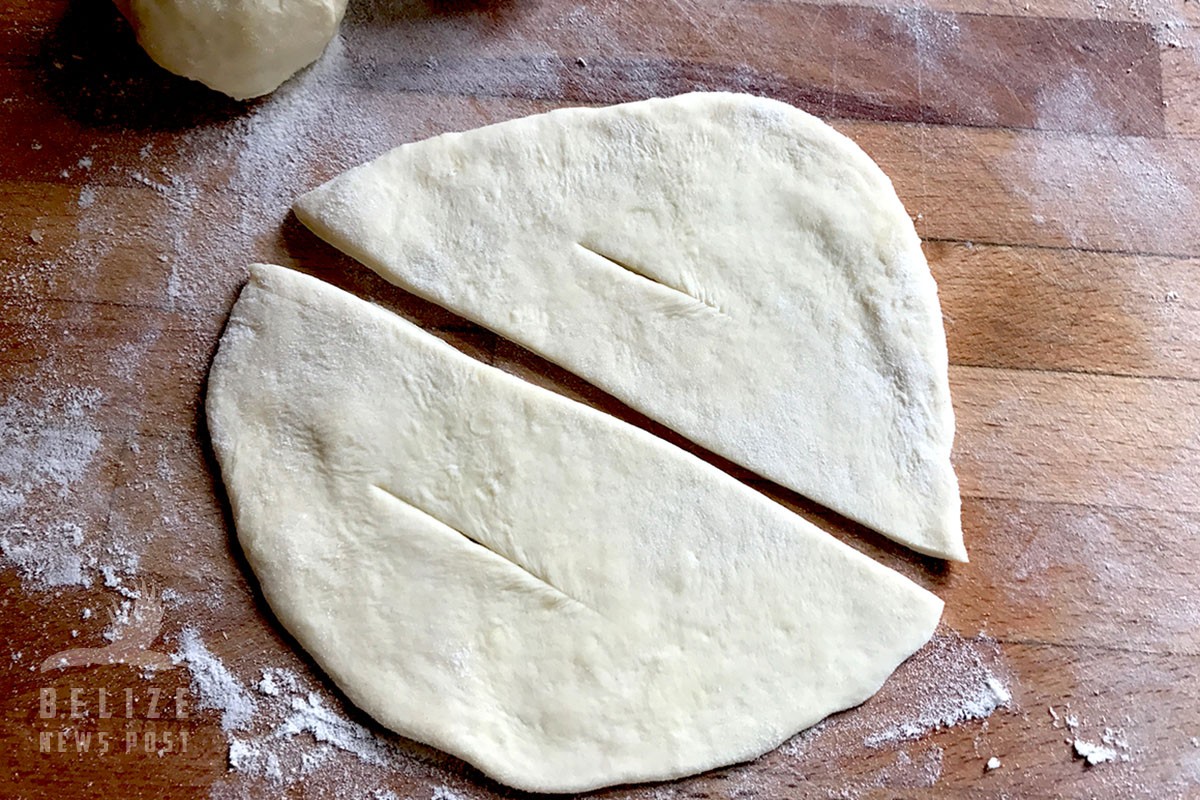
There are a few variations for Fry Jacks depending on your region and personal preference: the shape they are cut into, and the liquid ingredient. Some like their Fry Jacks in “triangles”: a dough circle is cut into quarters and then fried. Some like their Fry Jacks with a slit in the middle: the dough circle is cut in half and given a vertical slit. Some like the liquid ingredient to be water, some coconut milk, and others still substitute whole milk. All versions of the Fry Jack are very delicious.
How do you like to make your fry jacks? Leave us a comment, and let us know!


Prep Time 10 – 15 min
Cook Time 15 – 20 min
Yields about 21 fry jacks (if smaller)
Fry Jack Ingredients
- 2 Cups (240g) – All-purpose Flour (or Gluten-free Flour for a gluten-free option)
- 1 1/2 to 2 Teaspoons (14g) – Baking Powder
- 1/4 Teaspoon (1.4g) – Salt
- 1 Tablespoon (15g) – Vegetable Shortening (or Coconut Oil for a vegan option)
- ¾ cup liquid to start Cup (240ml) – Water, Coconut Milk, or Whole Milk (use dairy-free milk for a vegan option)
- Oil for Frying (Vegetable Oil works well)
Belizean Fry Jacks Recipe
- Pour approx. ½ of the oil into a skillet, and start heating it on the stovetop
- Sift dry ingredients together: flour, salt, and baking powder
- Add shortening
- Add liquid (water, coconut milk, or milk) little by little mixing by hand. Add the water a little a time. If your dough gets sticky do not over knead, over kneading will make for dense fry jacks. Stop kneading as soon as its smooth.
- The dough should be soft, and not sticky.
- Knead for 2-3 minutes until smooth, and roll the dough into a sausage form.
- Let the dough rest for about 20 minutes for the fluffiest results. Minimum rest time is around 10 mins you will get denser results with less time, aim for around 20 to 30 minutes.
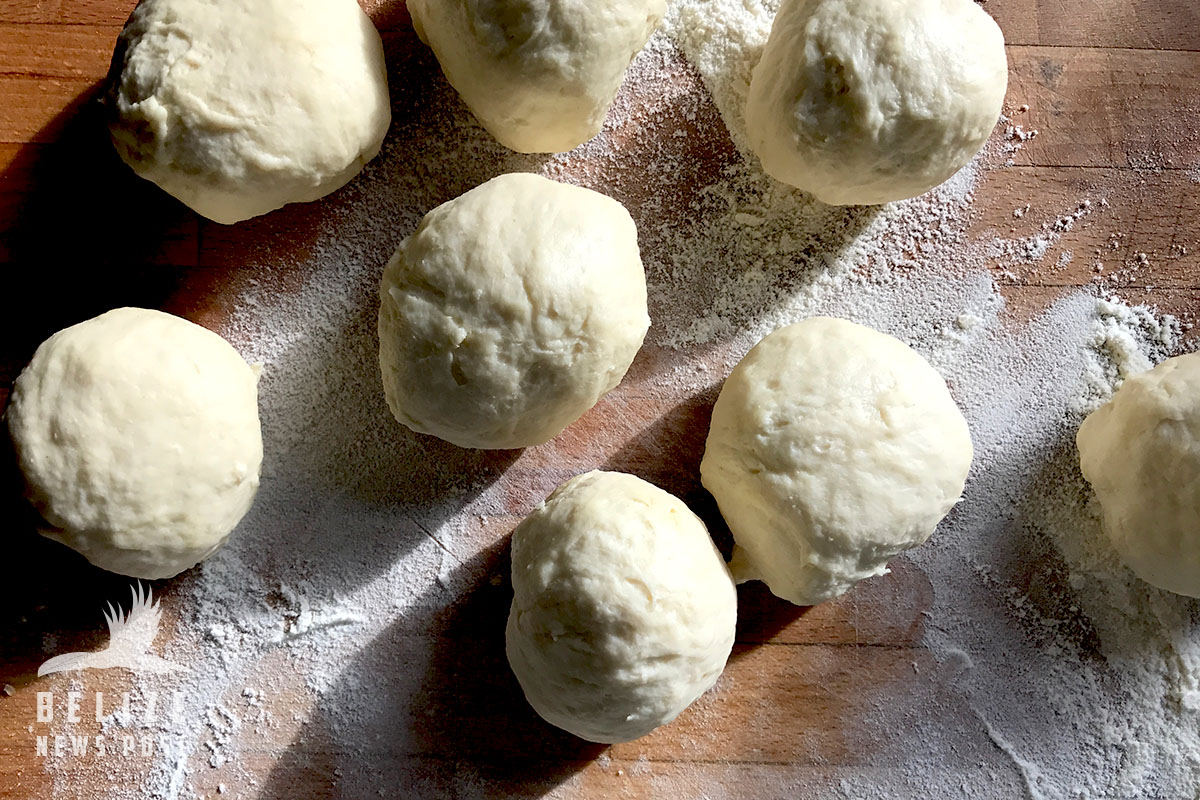
- Pinch off handfuls. With this (small) batch, I pinch off 7 equal portions, this will make smaller Fry Jacks.
- Using your fingertips on a lightly floured surface, work the dough into a round, flat pancake. Alternatively, many will grease a flat dinner plate and use that as a hard surface for this step. Roll and press dough to about ⅛ to ¼ inch thick. Too thin = crunchy; too thick = uneven puff.
- Cut dough pancakes into quarters. Some people like to slit the quarters to help with cooking.
- Test your oil, if it’s hot, you can start frying your first Fry Jack! Heat to 350–375°F (175–190°C). If you don’t have a thermometer, test by dropping a small dough piece — it should sizzle immediately and rise within 2 seconds. Too cool = greasy, dense; too hot = brown outside before inside puffs.
Make sure your oil is at the right temperature for frying! Too hot, and it will start smoking, too cool, and your Fry Jacks will be soggy. When you drop them in the oil, they should make a sizzling noise, and bubbles should start to form and start racing up around them.
Fry Jack Serving Suggestions:
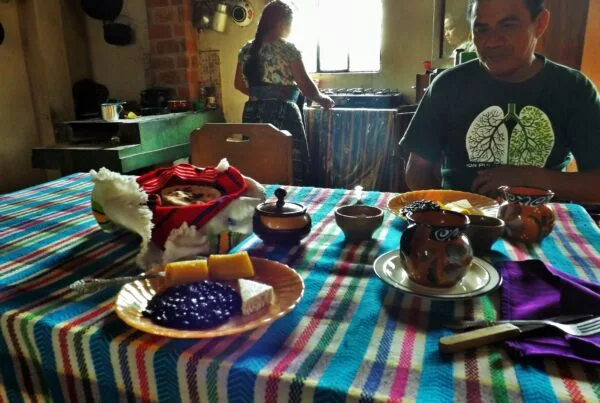
Serve with refried beans, scrambled eggs, or cheese for a delicious breakfast. Alternatively, enjoy them as a snack with a side of fresh fruit or honey. For a more savory twist, pair them with Belizean stewed chicken or stewed beef.
Tips and Tricks:
- Be sure to heat the oil to the right temperature for frying. Too hot, and it will start smoking, too cool, and your Fry Jacks will be soggy.
- Keep an eye on your Fry Jacks while frying, as they can brown quickly. Flip them to ensure even cooking on both sides.
- If your fry jacks are crunchy the reasons could be too much baking powder, or cooking oil not hot enough are the two most common reasons. Other reasons are insufficient kneading time, or too little resting time.
Variations:
Feel free to experiment with adding various herbs or spices to the dough for a unique flavor twist. You can also try stuffing the Fry Jacks with different toppings, such as beans, cheese, or even chocolate for a sweet treat.
Nutritional Information (per serving):
*Assuming 21 small Fry Jacks made from the original recipe, without variations or additional fillings, and using water instead of milk.
- Calories: 84 kcal
- Carbohydrates: 12g
- Protein: 1.6g
- Fat: 3.2g
- Saturated Fat: 0.7g
- Sodium: 33mg
- Potassium: 80mg
- Fiber: 0.4g
- Sugar: 0.1g
Please note that the nutritional information provided is an estimate and may vary based on the ingredients used, serving size, and cooking methods.
We’d love to hear about your experiences making Belizean Fry Jacks! Share your favorite fillings, tips, or modifications in the comments section below. If you enjoyed this recipe you may also enjoy our Belizean Flour tortillas recipe which is very similar (except for the frying).
Let’s build a community of Belize food lovers!
Frequently Asked Questions About Fry Jacks
What is a fry jack in Belize?
A fry jack is a deep-fried dough that puffs up into a light, golden pocket. It is one of the most beloved breakfast staples in Belize, made from a simple dough of flour, baking powder, salt, and shortening. Fry jacks are served warm alongside refried beans, scrambled eggs, and cheese. You will find them at nearly every breakfast table and street-food stall across the country.
How do you make fluffy fry jacks?
The key to fluffy fry jacks is hot oil and proper dough thickness. Make sure your oil is between 350-375°F before adding the dough. Roll or press each piece to about 1/8 to 1/4 inch thick, and let the dough rest for at least 20 minutes before frying. When the dough hits the hot oil, it should puff up almost immediately. Spoon hot oil over the top as it fries to help it inflate evenly on both sides.
How many fry jacks does this recipe make?
This recipe makes approximately 20 fry jacks using 2 cups of flour. Each piece of dough is divided into portions and then cut into quarters before frying. You can easily scale the recipe up for larger gatherings, which is common in Belize where fry jacks are often made in big batches for family breakfast.
What do you eat with fry jacks?
In Belize, fry jacks are traditionally served with refried black beans, scrambled eggs, and sliced cheese for breakfast. You can also fill them with stewed chicken, ham and cheese, or beans and cheese like a pocket sandwich. For a sweet version, drizzle them with honey or sprinkle with powdered sugar. They pair well with any Belizean breakfast spread.
What color should fry jacks be when done?
Fry jacks should be a light golden brown on both sides when done. If they turn dark brown, the oil is too hot. They should puff up and feel light when you lift them out. The outside should be crispy while the inside stays soft and slightly chewy. Remove them to a paper towel-lined plate to drain excess oil before serving.
Shop This Recipe
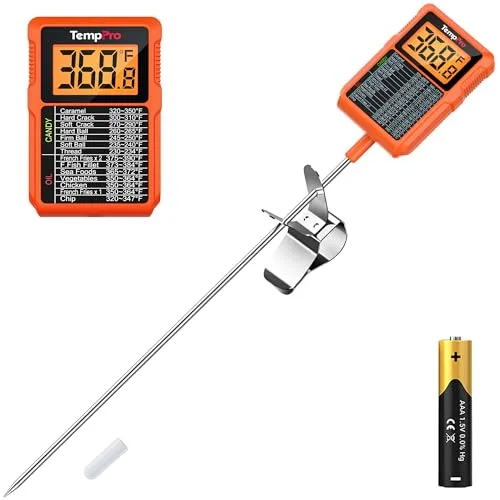
Oil Thermometer
A clip-on thermometer holds oil at the 350-375F window fry jacks need to puff instead of soaking through with grease.
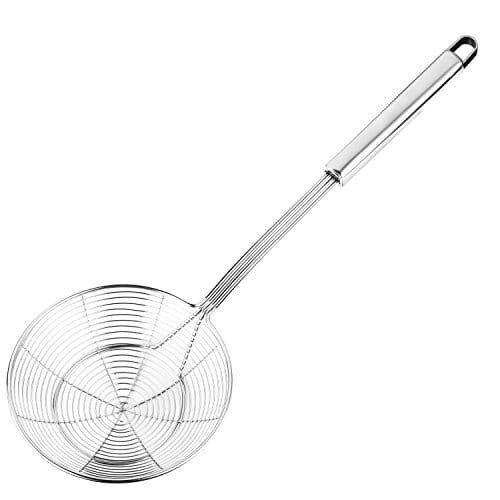
Spider Strainer
Lifting fry jacks from hot oil without dragging grease back into the pan is what a spider strainer does that a slotted spoon cannot.
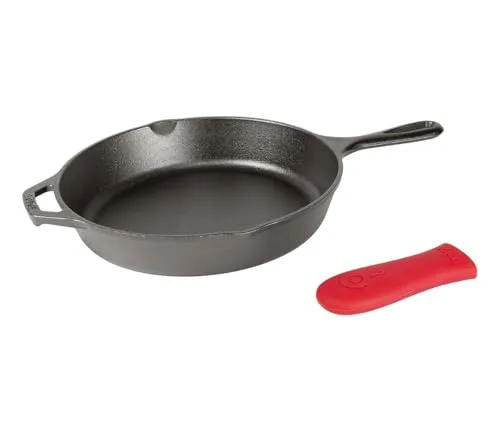
Cast Iron Skillet
Cast iron holds heat steady across the fry cycle so each batch of fry jacks enters oil at the same temperature as the first.

About Chica Post
Chica Post is Belizean by marriage and love. She has traveled across Belize — Corozal, Orange Walk, Dangriga, Stann Creek, and everywhere except Toledo — and has been to Mexico many times. She is raising two bilingual boys and keeping Belizean food alive in an American kitchen. She co-authored many of the original recipes on this site and took the photographs. She writes for the Belize News Post.
Hi, the recipe seems to be gone, can you post it please? Thanks!
Hi Stephanie, thanks for the comment. We have restored the recipe. Thanks for letting us know and we hope you enjoy it.
My fry jacks are coming out too crunchy/hard on the outside. What am I doing wrong ?
Too much baking powder, or cooking oil not hot enough are the two most common reasons. Other reasons are insufficient kneading time, or too little resting time.