Belizean Recipes2

Belizean cuisine is a rich blend of cultures and traditions shaped by the Maya, Mestizo, Garifuna, Creole, and Caribbean influences that define the country’s food culture. The recipes in this collection highlight many of the dishes that are commonly cooked in Belizean homes and served in markets, roadside stalls, and family gatherings across the country.

Belizean cooking often relies on simple ingredients prepared with bold seasonings. Staples like rice and beans, recado spice pastes, coconut milk, fresh seafood, and corn-based dishes appear throughout the cuisine. Many meals are slow-cooked stews, hearty soups, grilled meats, or fried street foods that reflect the diverse heritage of Belize.

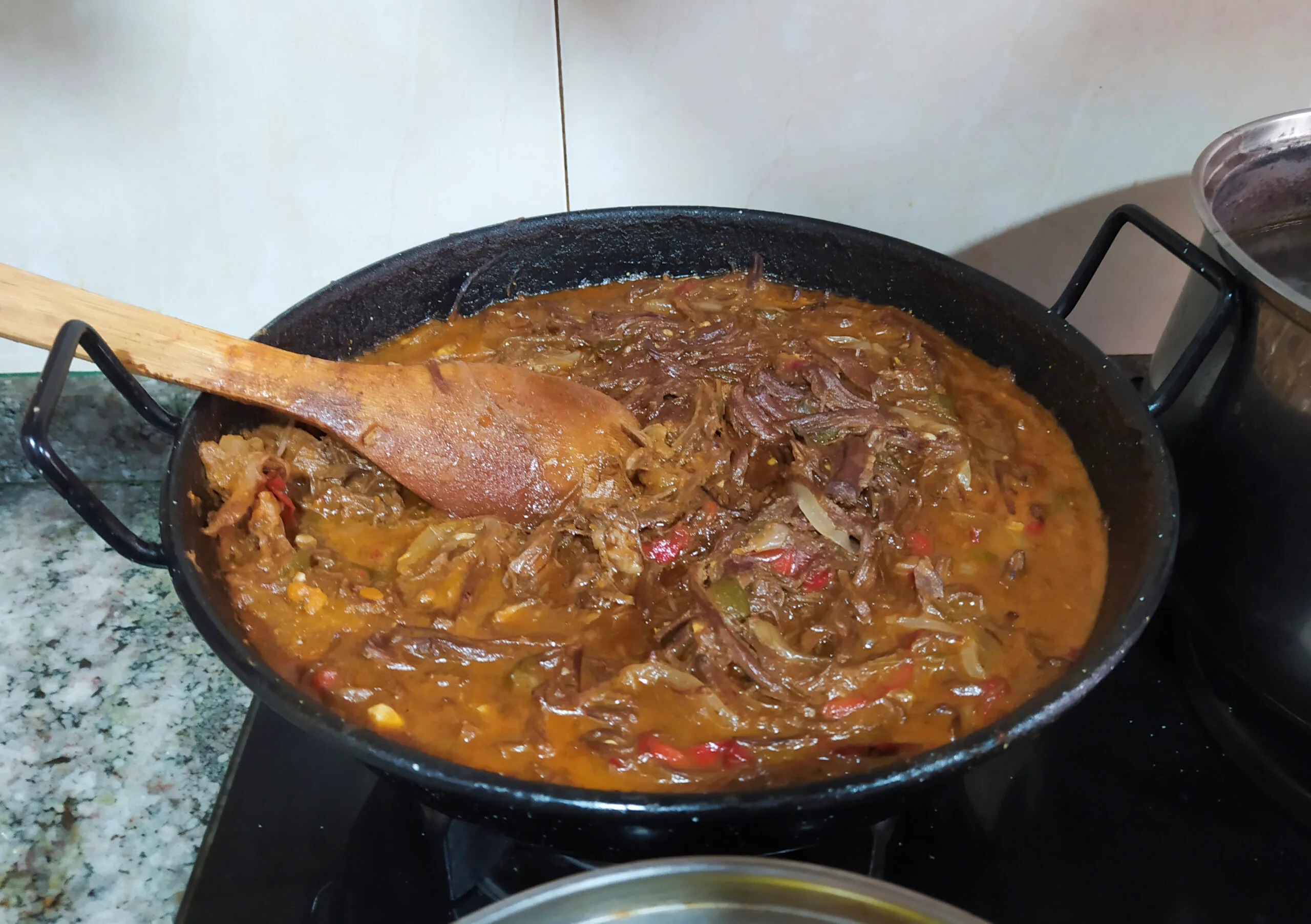
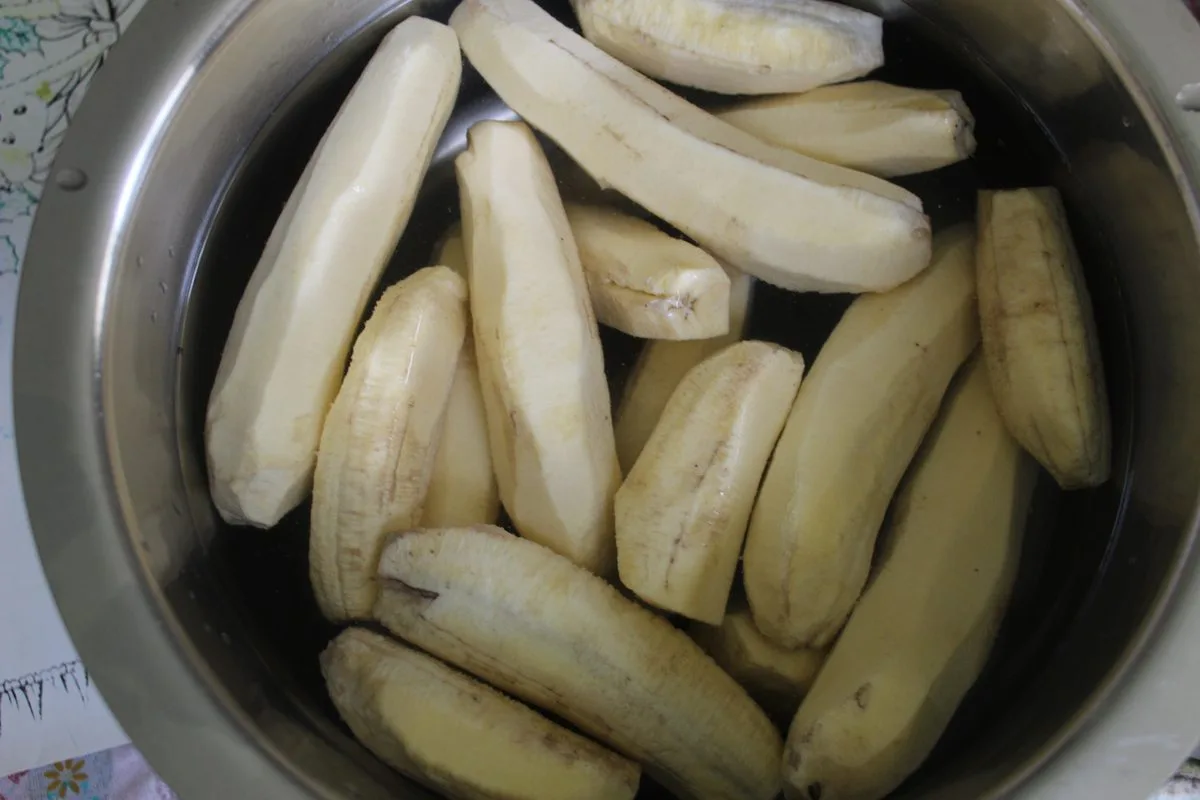
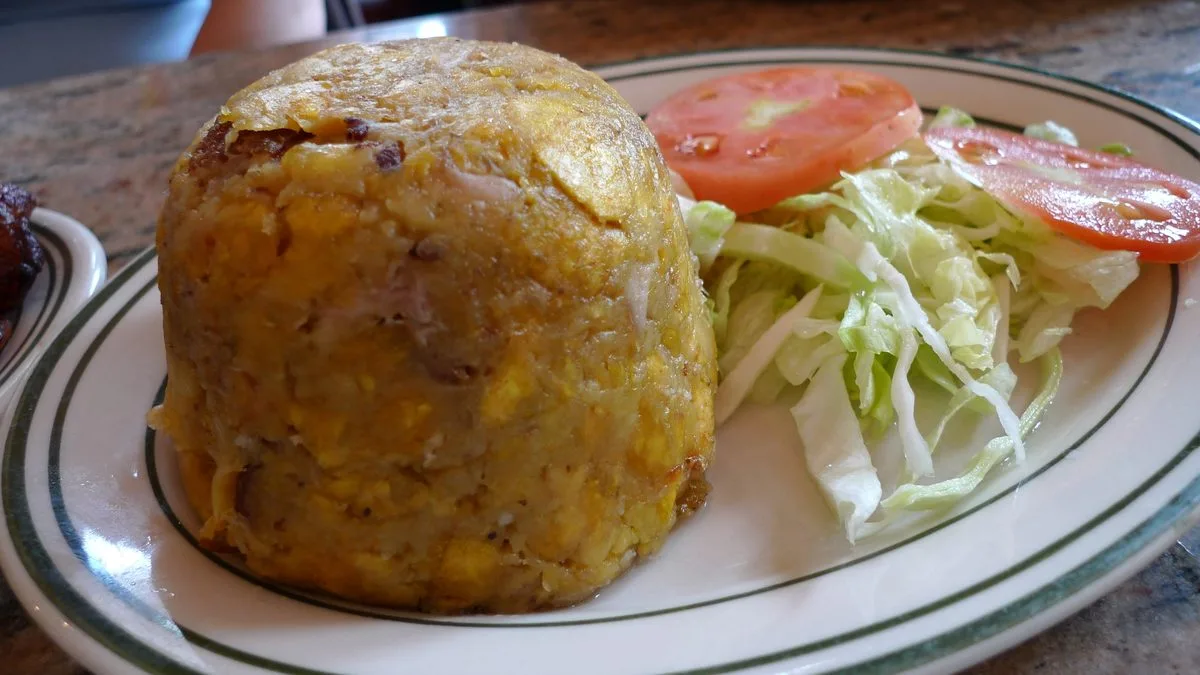
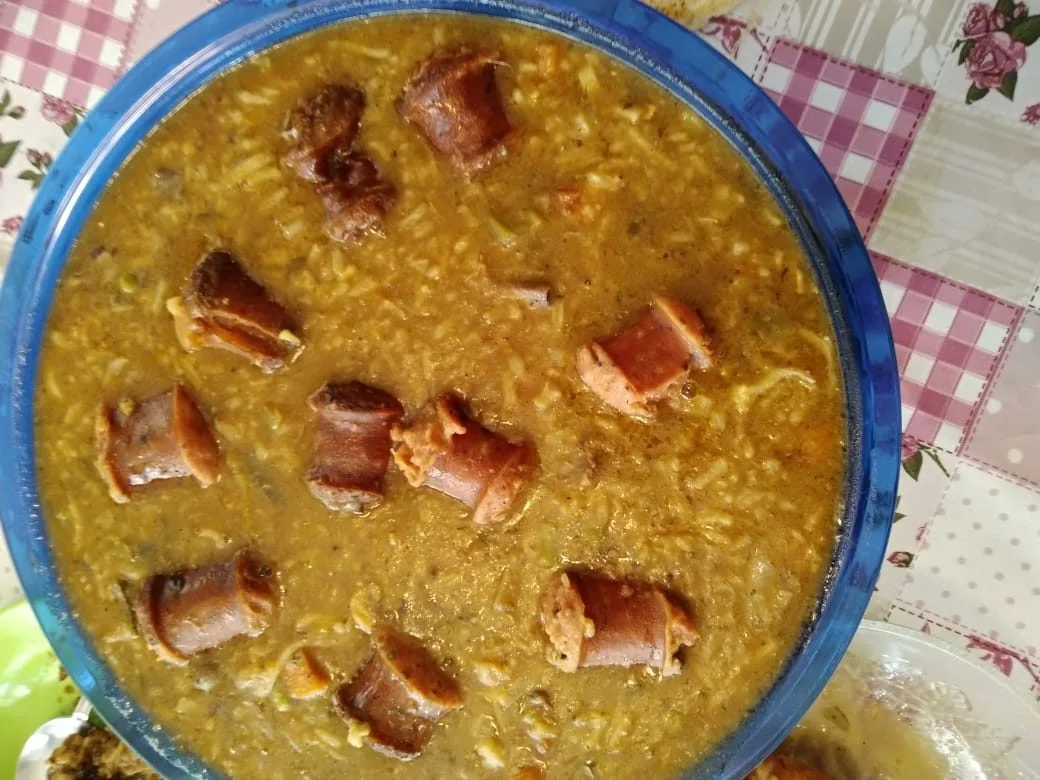
In this category you’ll find traditional Belizean recipes such as stewed chicken, hudut, escabeche, panades, garnaches, fry jacks, and many other dishes that represent everyday cooking across Belize. Some recipes come directly from family kitchens, while others are inspired by regional variations found throughout Central America and the Caribbean.

If you’re new to Belizean food, this is a great place to begin exploring the flavors and techniques that make the cuisine unique.

Guatemalan shuco street cart at night, menu listing longaniza chorizo carne salchicha
Shucos Snacks

Shucos

Guatemalan shucos are grilled hot dogs built on a split, toasted bread roll: a smear of guacamol, a pile of boiled cabbage, mustard and mayonnaise, and your choice of grilled sausage or meat. The name is Chapín slang for messy. Shucos come from Guatemala City and Antigua street carts. The first one I ate, I ate standing up at a cart in Guatemala City, near eleven at night, the longaniza still spitting on the griddle. The guy split the bread, laid it face-down on the hot iron, and by the…
Isela Post
June 11, 2026
Traditional Guatemalan breakfast plate with frijoles volteados, fried eggs, plantains, tortillas, and crema - San Juan la Laguna, Guatemala
Frijoles Volteados Breakfast

Frijoles Volteados

Frijoles volteados are Guatemalan black beans that are cooked, blended smooth, then fried in lard or oil and folded continuously until thick enough to shape into a dense oblong log. The name means ‘flipped beans.’ They anchor the desayuno chapín — Guatemala’s traditional breakfast — served sliced alongside eggs, fried plantains, crema, queso seco, and tortillas. Why frijoles volteados are on every Guatemalan breakfast table The desayuno chapín is Guatemala’s morning institution, and frijoles volteados are its protein foundation. Chapín is the colloquial demonym for Guatemalans. The breakfast is named…
Joe Post
June 11, 2026
A red spiced Guatemalan soup finished with mint and scallion, kak ik
Kak’ik (Q’eqchi’ Maya Turkey Soup) Dinner

Kak’ik (Q’eqchi’ Maya Turkey Soup)

Short answer: Kak'ik is a Q'eqchi' Maya turkey soup from the highlands of Alta Verapaz, one of Guatemala's nationally declared culinary treasures and a pre-Hispanic dish. The name is Q'eqchi' Maya: kak means red, ik means chile. It is a clear, deep red, spicy broth built on a dry-roasted recado of tomatoes, tomatillos, and dried chiles (the smoky chile cobanero foremost among them), poured over long-simmered turkey and finished bright with mint, cilantro, and zamat (culantro). The broth does the talking. Seeds and masa stay out of it. This is…
Fili Post
June 11, 2026
Bowl of Guatemalan pepián de pollo, chicken in a dark toasted-seed recado with vegetables
Pepián de Pollo (Guatemalan Chicken in Toasted Seed Recado) Dinner

Pepián de Pollo (Guatemalan Chicken in Toasted Seed Recado)

Short answer: Pepián de pollo is Guatemala's national dish — chicken simmered in a recado built from dry-roasted tomatoes, tomatillos, dried chiles, and ground pumpkin and sesame seeds. It is a Maya dish, declared part of Guatemala's national cultural heritage in 2007, and every bit of its flavor lives in the recado. You char the vegetables on a dry comal, toast the seeds separately until they smell like roasted nuts, then grind it all smooth. That double toasting is the whole technique. Skip it and you have a different, lesser…
Fili Post
June 11, 2026
A queen conch shell, the conch used in Honduran sopa de caracol
Sopa de Caracol (Honduran Conch Soup) Dinner

Sopa de Caracol (Honduran Conch Soup)

Short answer: Sopa de caracol is the Honduran conch soup, a creamy coconut-milk broth with conch, yuca, green plantain, and carrot, rooted in the Garifuna kitchen of the Caribbean coast. It is close kin to the conch soup we make in Belize, which makes sense: it is the same coast, the same Garifuna people, the same conch. The one rule that decides whether it is tender or rubber: barely cook the conch. It goes in at the very end and cooks in the heat of the pot, not on the…
Isela Post
June 10, 2026
Crisp fried corn tortillas topped with refried beans and grated dry cheese, the same beans-and-cheese build as catrachas
Catrachas Snacks

Catrachas

Catrachas are crispy fried corn tortillas spread with refried red beans and topped with crumbled queso fresco, the everyday street snack and party appetizer of Honduras. The name comes from catracha, the feminine of catracho, the word Hondurans use for themselves — so the dish is named after the people who eat it. Every catracha starts here, a fresh corn tortilla on the comal. Honduras's tortilla snacks are easy to mix up. Here is how catracha, baleada, enchilada, and tustaca differ. When I lived in Amapala, on the Pacific side…
Isela Post
June 11, 2026
Pollo chuco, Honduran fried chicken over plantain tajadas with slaw and sauces
Pollo Chuco Dinner

Pollo Chuco

Short answer: Pollo chuco is Honduras's signature messy street plate: crispy fried chicken piled over a bed of fried green-banana tajadas, buried under tangy cabbage slaw, fresh chismol, pickled red onions, and a stripe of ketchup-and-pink-sauce. The name means dirty chicken in San Pedro Sula slang, and the mess is the whole point. It is a full composed plate, not a snack — no tortilla anywhere on it. Honduras's tortilla snacks are easy to mix up. Here is how catracha, baleada, enchilada, and tustaca differ. The plate is built in…
Joe Post
June 11, 2026
Guatemalan tamales negros and colorados wrapped in banana leaf on a plate for Christmas
Tamales Negros Dinner

Tamales Negros

Tamales negros are Guatemalan Christmas tamales built on corn masa worked with a dark, slightly sweet chocolate mole called recado negro. They are filled with pork or chicken, prune, raisin, and almond, then wrapped in banana leaf and steamed. The sweet chocolate masa is what sets them apart from red tamales colorados. The first time you smell a recado negro coming together on the stove, you do not expect chocolate. You expect chile and tomato and the deep toasted smell of pepitoria. Then the chocolate goes in, and the whole…
Isela Post
June 11, 2026
Fried plantain tajadas, a fixture of the Honduran plato típico
Plato Típico Hondureño Dinner

Plato Típico Hondureño

The plato típico hondureño is not one recipe: it is the whole table on a single plate. At the center sits carne asada: skirt steak marinated overnight in naranja agria (bitter sour orange), cumin, garlic, and oil, then grilled hard over open flame. Around it: refried red beans, white rice, fried green plantain tajadas, a spoonful of chimol (fresh tomato-onion relish), crumbled queso fresco, a drizzle of Honduran mantequilla cream, and slices of avocado. Warm corn tortillas come on the side to pull it all together, bite by bite. Independence…
Joe Post
June 11, 2026
A plate of Guatemalan fiambre, a composed cold salad of vegetables, meats, and cheese
Fiambre Dinner

Fiambre

Short answer: Fiambre is Guatemala's great All Saints' Day dish, a giant cold composed salad eaten once a year, on November 1st, to honor the dead. It piles together dozens of ingredients (often fifty or more): pickled vegetables, cured meats and sausages, cheeses, sometimes shrimp or sardines, all marinated overnight in a tangy vinegar brine called caldillo. The dish is unique to Guatemala and exists nowhere else in the world in this form. There is a red version (fiambre rojo, with beets) and a white one (fiambre blanco, without). It…
Fili Post
June 11, 2026
Bowl of Honduran sopa de frijoles, a dark savory red bean soup
Sopa de Frijoles Dinner

Sopa de Frijoles

Sopa de frijoles is the everyday bean soup of Honduras: small red silk beans simmered whole with pork ribs, garlic, onion, and bell pepper until the broth turns deep and savory. Near the end, a ladleful of cooked beans goes into the blender, then back into the pot. That is the move that makes the broth creamy without cream. Each bowl is finished with ripe plantain, a soft-poached egg, and a spoon of crema, served with warm corn tortillas and queso fresco. Dried red beans and grains at a Copán…
Joe Post
June 11, 2026
Bowl of Honduran sopa de mondongo with tripe, yuca, plantain, and corn
Sopa de Mondongo Dinner

Sopa de Mondongo

Sopa de mondongo is a hearty Honduran tripe soup: beef stomach cleaned, simmered long, and brought together with yuca, green plantain, chayote, corn, and carrot in a herb-bright broth. Found across Latin America, the Honduran version stays clear and brothy rather than thick, leans on root vegetables for body, and finishes with cilantro and culantro. On the Caribbean coast, coconut milk goes in at the end. Ingredients This makes a full pot, enough for 6 people with rice and tortillas on the side. For cleaning the tripe: 2 lb honeycomb…
Isela Post
June 11, 2026
Honduran nacatamal wrapped in banana leaf and aluminum foil, ready to steam
Nacatamales Dinner

Nacatamales

A nacatamal is a large Honduran tamale of nixtamal corn masa enriched with broth, lard, and achiote, filled with marinated pork or chicken, rice, potato, mint, and vegetables, then wrapped in banana leaf and steamed. Honduran nacatamales are Sunday morning and holiday food, heartier than a Mexican tamal and closely shared with Nicaragua. Why Hondurans Make Nacatamales for Christmas, Not Tuesdays A nacatamal is not weeknight food. It is a whole day, sometimes two, and it is rarely one person’s job. In Honduras the big batches come out at Noche…
Joe Post
June 11, 2026
Garifuna pounded plantain with coconut seafood soup (machuca/hudut)
Machuca (Honduran Garifuna Pounded Plantain with Coconut Seafood Soup) Dinner

Machuca (Honduran Garifuna Pounded Plantain with Coconut Seafood Soup)

Short answer: Machuca is the Garifuna dish of pounded plantain served with coconut seafood soup — two separate things, eaten together. You pull a piece of the dense plantain mash and dip it into the broth. What Garifuna communities in Belize call hudut, the Garifuna of Honduras call machuca. Same people, same coast, two names for the same inheritance. The Spanish word machuca comes from machucar, to pound or crush: the pounding is the whole point. A coastal kitchen in Tela, Garífuna heartland, where machuca is pounded by hand. The…
Joe Post
June 11, 2026
Boxboles — Q'eqchi' Maya corn masa rolls with chipilín, served with toasted pepita sauce and crumbled white cheese
Boxboles Snacks

Boxboles

Boxboles are a Maya highland masa roll from Guatemala — corn masa kneaded with chipilín herb, wrapped in squash or chayote leaves, steamed, sliced crosswise, and served with a warm toasted pepita and tomato sauce. The dish belongs to the Achi Maya of Baja Verapaz and the Ixil Maya of the Ixil Triangle, with related versions found across the Guatemalan highlands wherever squash grows and chipilín grows alongside it. What makes boxboles different from Guatemalan tamales? I came across boxboles not in a restaurant but in a market. Wednesday, early,…
Joe Post
June 11, 2026
Pan de coco, Garifuna coconut bread rolls on a wooden board
Pan de Coco Bread

Pan de Coco

Pan de coco is the Garifuna coconut bread of Central America's Caribbean coast — soft, slightly sweet wheat rolls built on fresh coconut milk, with no dairy, no eggs, and a crumb that is dense and tender enough to tear open beside a bowl of fish stew. Honduras holds the largest Garifuna population, and the north coast is this bread's heartland: La Ceiba, Trujillo, Tela. Belize carries the same tradition in Dangriga, Hopkins, and Seine Bight. Where Pan de Coco Comes From Coconut is the heart of the Garifuna kitchen.…
Isela Post
June 11, 2026
Whole fried fish with coconut rice and patacones, Caribbean-coast style
Pescado Frito Hondureño Dinner

Pescado Frito Hondureño

Pescado frito hondureño is a whole fish scored, rubbed with achiote, garlic, cumin, and sour orange, and fried until the skin shatters. It is served with tajadas of fried green plantain, curtido, and fresh chismol — the plate you find at beach stands and roadside comedores on both Honduran coasts and inland at Lake Yojoa. The Caribbean coast at Útila, where the day's catch comes fried whole. I grew up on Amapala, on Isla del Tigre out in the Gulf of Fonseca, where the beaches are black sand and the…
Isela Post
June 11, 2026
Steaming cup of ponche guatemalteco — hot Guatemalan Christmas fruit punch with cinnamon sticks and dried fruits
Ponche Guatemalteco Beverage

Ponche Guatemalteco

Ponche guatemalteco is Guatemala's traditional hot Christmas fruit punch — a spiced brew of dried and fresh fruit, panela, cinnamon sticks, and cloves simmered until fragrant and served steaming at Posadas and Noche Buena. The rum-spiked version is the adult holiday indulgence. Why Guatemalans simmer ponche on Christmas Eve The smell of ponche guatemalteco is the smell of December in Guatemala. A large pot goes on the stove, dried fruits and pineapple rind drop in, cinnamon sticks and cloves follow, and the kitchen smells like the holiday before anyone has…
Joe Post
June 11, 2026
Tikin xic, achiote-marinated grilled fish, served in Campeche
Tikin Xic Dinner

Tikin Xic

What Is Tikin Xic? On the coast at Isla Mujeres they split a whole fish open, paint it red with recado, and lay it on banana leaf over the coals. That is tikin xic. The name is Maya. It means dry fish, from the old way of drying the catch in the sun before it went on the fire. The fish is not dry when you eat it. The name stays from before. Is a dish of the Yucatán coast, from Campeche around to Quintana Roo, and you find it…
Fili Post
June 1, 2026
Crispy Honduran pastelitos de carne, fried corn-masa turnovers served with dipping salsa
Pastelitos de Carne Snacks

Pastelitos de Carne

Honduran pastelitos de carne are fried corn-masa turnovers stuffed with seasoned ground beef and diced potato, folded into a half-moon and fried crisp. This street-food staple gets topped with shredded cabbage, tangy chimol salsa, and grated dry cheese, sold hot from market stalls and home kitchens across Honduras. The first thing you hear is the crackle. A pastelito comes out of the oil deep gold, and when the cabbage and salsa hit the hot shell it goes soft at the edges and stays crisp in the center. That contrast is…
Isela Post
June 11, 2026
Corn-and-cheese rosquillas, some filled with rapadura, the Central American baked ring
Rosquillas Hondureñas Dessert

Rosquillas Hondureñas

Rosquillas hondureñas are small baked rings of corn masa mixed with dry, salty cheese, shaped by hand, baked until crisp, and eaten with black coffee. They are the definitive snack of southern Honduras, made year-round but reaching their peak during Semana Santa, when families in Sabanagrande bake them by the hundred in clay ovens fired with ocote pine. What Makes Rosquillas Hondureñas Different from Nicaraguan and Spanish Rosquillas? The first time I bought rosquillas on the highway south of Tegucigalpa, a woman at a roadside stand near Sabanagrande had a…
Joe Post
June 11, 2026
A bowl of sopa de lima, Yucatecan lime soup, served in Mani, Yucatan
Sopa de Lima Dinner

Sopa de Lima

What Is Sopa de Lima? Sopa de lima is a Yucatecan chicken and lime soup: a clear, citrus broth built on charred tomato, onion, and chile, finished with the juice of the sour lima and topped with crisp fried tortilla strips. It comes from the Yucatán Peninsula of Mexico and is eaten across the corridor down into northern Belize. In Mérida they serve this soup all year, in the heat too. The soul of it is the lima. Not the green lime you know from the store. The lima agria,…
Fili Post
June 8, 2026
Torrijas de Semana Santa, egg-dipped sweet bread fried and soaked in cinnamon syrup, the Holy Week tradition that shares its technique with molletes guatemaltecos
Molletes Guatemaltecos Dessert

Molletes Guatemaltecos

Molletes guatemaltecos are sweet bread rolls split, filled with manjar custard, dipped in whipped egg batter, fried golden, then steeped in warm panela-cinnamon syrup. They appear on the Guatemalan table twice a year: on the Day of the Dead (Día de Todos los Santos, November 1), where they sit alongside fiambre in cemetery ofrenda spreads, and during Semana Santa (Holy Week). They are not related to Mexican molletes, which are savory open-faced sandwiches. This is a Ladino colonial sweet — the mestizo, Spanish-influenced tradition — with no Maya antecedent. What…
Joe Post
June 11, 2026
Honduran semitas, jam-layered lattice-topped sweet bakery pastry
Semita Hondureña Bread

Semita Hondureña

The Honduran semita is a yeasted sweet bread, egg-yolk enriched, topped with a cookie-paste disk that bakes into a crisp sugar crust over a soft, pillowy interior. Sold in every Honduran panadería and pulpería, it is the bread Hondurans reach for with morning coffee and afternoon fresco — not a jam pastry, which is what the Salvadoran version is. Getting that distinction right is the whole story. The definitive Honduran semita is the semita de yema: a round, egg-yolk-enriched yeasted roll topped with a thin disk of cookie dough that…
Joe Post
June 11, 2026
Vendors at Chichicastenango market in Guatemala, with traditional food items on display
Champurradas Dessert

Champurradas

This champurradas recipe makes the large, flat, crisp round cookies found in every Guatemalan panadería — roughly saucer-sized discs, four to five inches across, built from wheat flour and masa harina creamed with butter and sugar, pressed thick with sesame seeds on top and throughout the dough. A colonial-era pan dulce staple, champurradas are dunked in morning coffee or the afternoon café de las tres. They are not to be confused with champurrado, the Mexican chocolate-corn drink. Why Guatemalans dunk their cookies — the pan dulce tradition behind champurradas In…
Joe Post
June 11, 2026