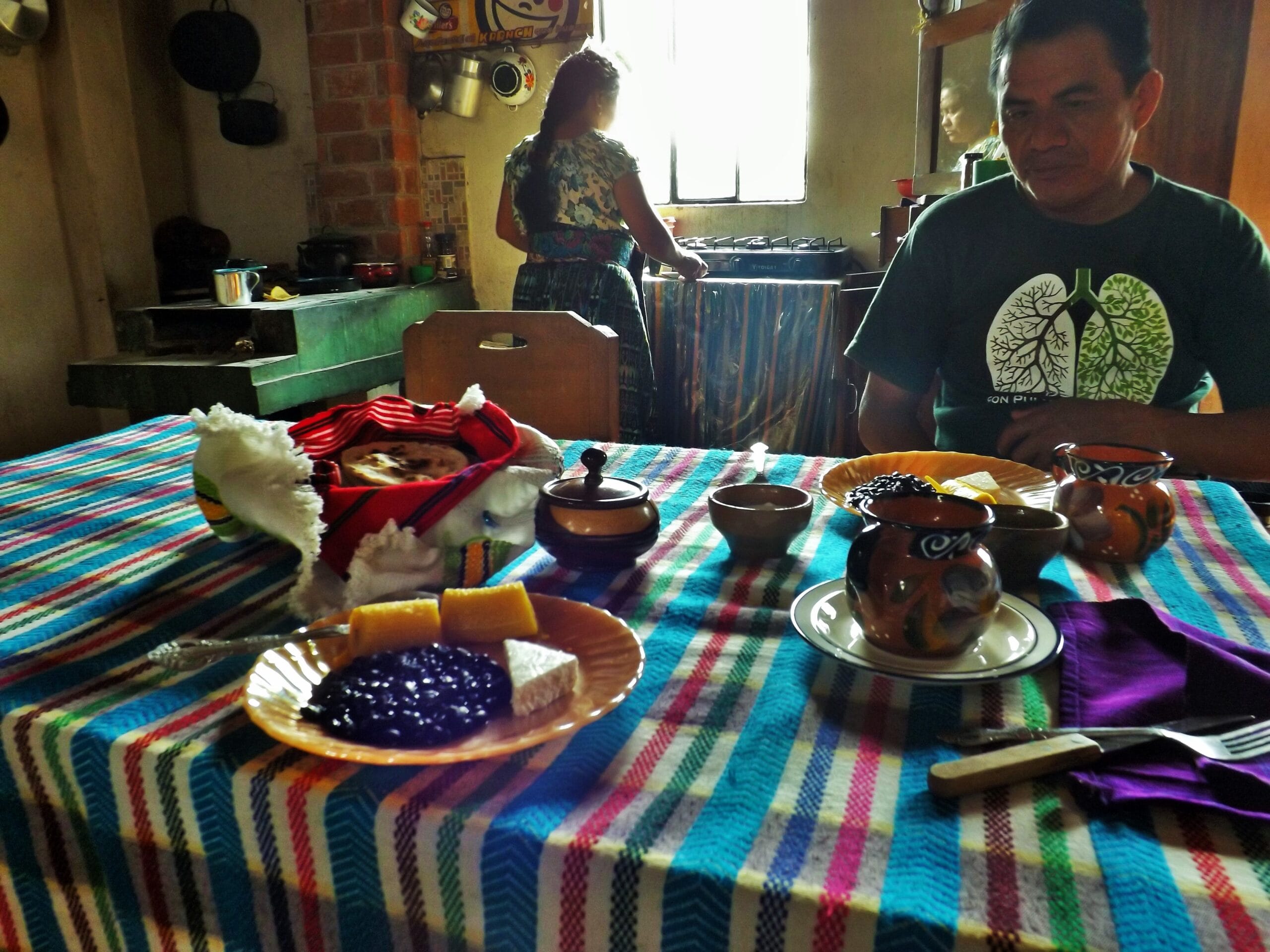
Frijoles volteados are Guatemalan black beans that are cooked, blended smooth, then fried in lard or oil and folded continuously until thick enough to shape into a dense oblong log. The name means ‘flipped beans.’ They anchor the desayuno chapín — Guatemala’s traditional breakfast — served sliced alongside eggs, fried plantains, crema, queso seco, and tortillas.
Why frijoles volteados are on every Guatemalan breakfast table
The desayuno chapín is Guatemala’s morning institution, and frijoles volteados are its protein foundation. Chapín is the colloquial demonym for Guatemalans. The breakfast is named for the country’s people, not any particular region. On a full plate you get the beans, fried or scrambled eggs, fried ripe plantains (plátano maduro), crema, queso seco, and either fresh corn tortillas or pan francés, with coffee. That is the complete picture.

Cuisinart Pro Custom 11-Cup Food Processor with Slicing & Shredding Discs (DLC-8SBCYP1)
Spice pastes built from garlic, citrus and dried chiles need a processor that grinds them smooth in one pass. An 11-cup bowl is sized for batches that get portioned and frozen.
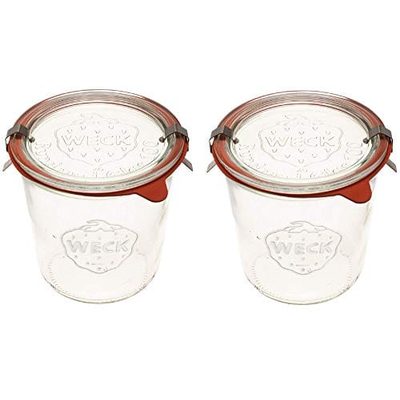
WECK Canning Jars 742 Mold Jars, 1/2 Liter Tall Jar Set (2 Jars)
Spice pastes, ground spices and toasted seeds all keep longer in glass with a silicone seal than in plastic. Tall gasket-sealed glass jars are the editorial pick for paste and spice storage.
I have eaten this breakfast in Guatemala City, in Antigua, and in small towns between the two. The beans always appear the same way: as a dense oblong log, sliced at the table or already portioned, with the other elements arranged around it. There is no ceremony about it. It is simply what breakfast looks like in Guatemala.
What keeps frijoles volteados on the table across Guatemala is their practicality. Black beans are a staple crop throughout the highland and lowland regions alike, eaten by Maya and ladino households with equal frequency. The dish crosses class lines and community lines in a way that few foods do — in K’iche’ and Mam Maya villages as readily as in Guatemala City apartments.
The black bean is the standard — though red-bean variants (frijol rojo) exist in some regions. The name “voltear” means to flip or turn, naming the technique: the continuous folding motion in the pan that transforms blended paste into something solid enough to hold a shape.
The name “voltear” means to flip or turn — it names the technique, not the result.
Ingredients
For the beans (serves 4):
- 2 cups dried black beans, soaked overnight and drained
- 8 cups water
- 1 medium white onion (half left whole for cooking, half sliced thin for frying)
- 4 garlic cloves (1 whole for cooking, 3 minced for frying)
- 3 tablespoons lard (manteca), or vegetable oil as a substitute
- 1 to 1½ teaspoons salt, adjusted to taste
- About ½ cup reserved bean cooking liquid
- Queso seco, crumbled, for garnish
- 2 green onions, thinly sliced, for garnish
For the desayuno chapín plate (optional accompaniments):
- 2 eggs per person, fried or scrambled
- 1 ripe plantain per person, sliced and pan-fried
- Crema (Guatemalan-style or Mexican crema)
- Fresh corn tortillas
Instructions
- Rinse the soaked, drained beans. Place them in a large pot with 8 cups of water, the half onion left whole, and 1 whole garlic clove. Bring to a boil over high heat.
- Reduce heat to medium-low. Cook uncovered, skimming any foam that rises, until the beans are completely soft and falling apart — 1 to 1½ hours, depending on how old the beans are. Before draining, measure out ½ cup of the dark cooking liquid and set it aside. Drain the remaining liquid.
- Remove the cooked onion half and the whole garlic clove and discard them. Let the beans cool slightly, about 5 minutes, before blending.
- Transfer the beans to a blender or food processor. Add the reserved ½ cup cooking liquid. Blend until completely smooth with no visible bean pieces. Pass the puree through a fine-mesh strainer, pressing with a spatula. The strained paste should be thick but pourable. If needed, add a tablespoon more cooking liquid to loosen it.
- Heat the lard or oil in a wide, heavy skillet over medium heat. Add the sliced onion and cook, stirring frequently, for 10 to 14 minutes until golden and deeply caramelized — not just softened. Take the time here. The caramelized onion is part of the flavor base, not a quick sweat.
- Add the minced garlic. Stir and cook for 1 minute until fragrant.
- Pour the strained bean paste into the skillet. Stir to combine everything with the onion and garlic.
- Season with 1 teaspoon of salt. Stir to incorporate, then taste and adjust.
- Cook over medium heat, stirring constantly with a wide spatula. Use a folding motion: scrape the bottom and sides of the pan inward toward the center. The beans will stick to the bottom if you stop moving them, so keep going.
- Continue folding for 12 to 18 minutes. The beans are ready to shape when you drag a spoon across the bottom of the pan and the line stays clear for 2 to 3 seconds before the beans slowly close back in. This is the doneness test.
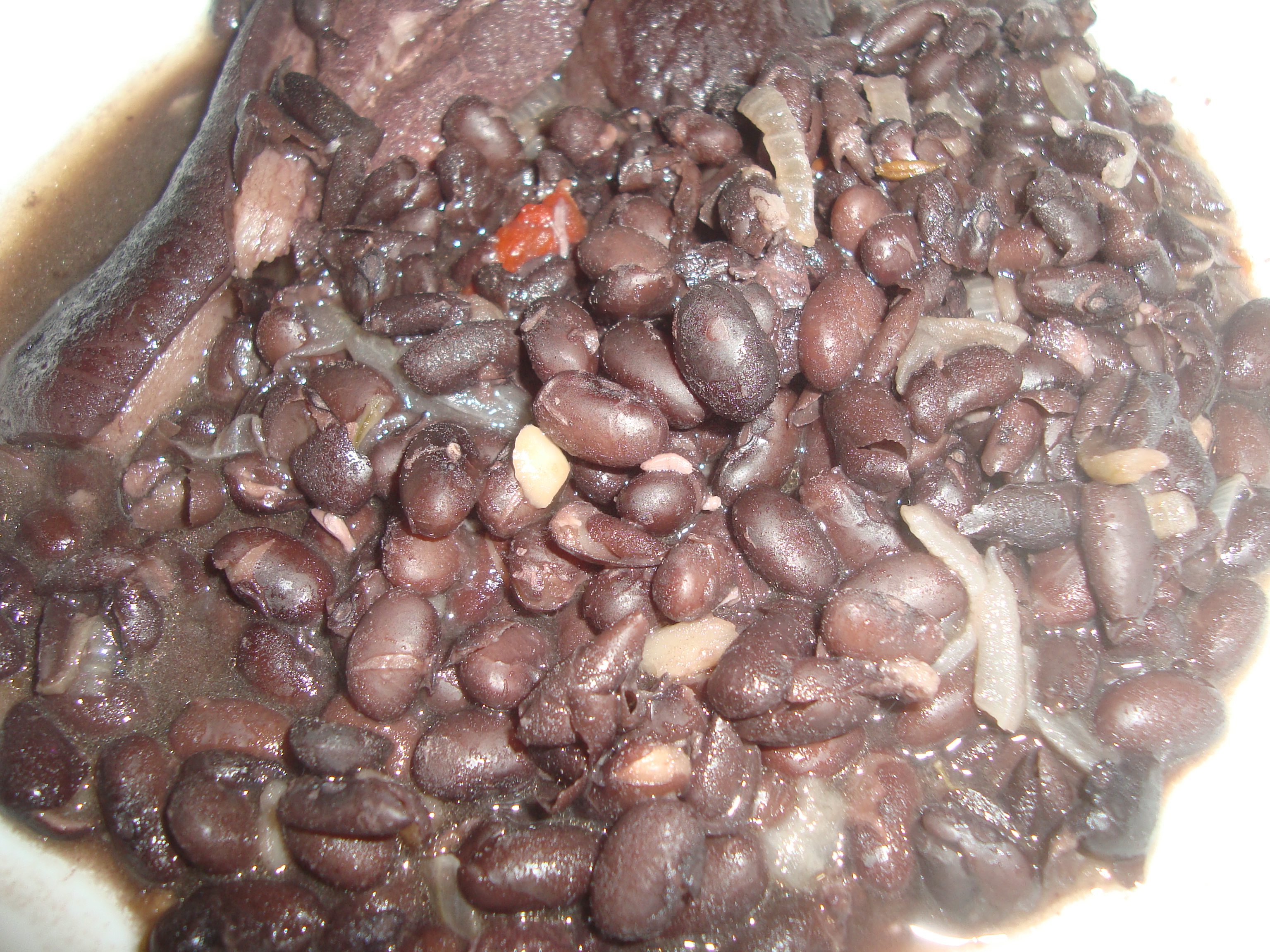
- Once the beans reach that consistency, use the spatula to press and fold them into an oblong log shape on one side of the pan. Tilt the pan slightly and roll the mass into a cylinder — this is the traditional “flip” that gives the dish its name. Hold it for 30 seconds to let the shape set.
- Place a serving plate face-down over the skillet, then flip both together so the log lands intact on the plate. Garnish with crumbled queso seco and thinly sliced green onions. Serve sliced, alongside fried eggs, fried plantains, and crema.
The difference between frijoles volteados and Belizean stewed beans
This is not the dish Belizeans call stewed beans, and the difference matters if you are trying to understand what you are cooking.
Belizean stewed black beans (see our Belizean stewed black beans recipe) stay whole or lightly mashed, kept soupier, and are often seasoned with recado or coconut milk depending on the cook and community. They are ladled over rice. They are a component of a plate, not a centerpiece.
Frijoles volteados are blended completely smooth, strained, then cooked down in fat until dense enough to slice. The result is closer in texture to a firm pâté than to what Belizeans mean by beans. You could not serve frijoles volteados over rice. They would not pour. That difference in texture is the whole point.
Frijoles volteados are blended completely smooth, strained, then cooked down until dense enough to slice — the result is closer in texture to a firm pâté than to what Belizeans mean by beans.
The distinction from Mexican frijoles refritos is also worth making. Mexican refried beans are also fried in fat after blending, but they stay spreadable and saucy. They are not shaped into a log. The frijoles volteados technique of continuous folding under heat until the beans hold a form produces something categorically different.
Geographically, this preparation crosses the border. Guatemalans in the Petén corridor have family connections into Corozal and Orange Walk districts of Belize, and the dish travels with them. But it is Guatemalan food. The volteados log shape is not what a Belizean from Belize City or San Ignacio would call their beans. You can read about Guatemala’s everyday cooking in our guide.
Getting the log shape right: what to do when it breaks
The most common problem is beans that will not hold the log shape. Almost always, the cause is beans that were not soft enough before blending. If the paste has any texture at all, any visible pieces or a slightly granular feel, it will not fold into a solid log. Cook the beans until they are falling apart before you drain them. A fork-tender bean is not enough here.
Skipping the straining step also produces a grainy paste that resists forming cleanly. Pass the blended puree through a fine-mesh strainer every time.
Lard versus oil is a real distinction. Lard produces a firmer, more cohesive log that slices cleanly. Oil works, but the result is softer and less likely to hold a perfect slice, especially if the beans are a little on the loose side. If you are cooking with oil and the log is not setting up, cook it an additional 3 to 5 minutes before trying to shape it.
On bean age: old dried beans cook unevenly and take much longer to soften. If your beans were dried more than about 6 months ago, expect them to need extra time. If your beans are still firm after 90 minutes, they are likely old. Keep cooking, adding water if needed, until they fully collapse.
For storage, frijoles volteados freeze well in an airtight container or sealed bag for up to 6 months. To reheat, place the frozen portion in a pan with 2 tablespoons of water, cover, and warm over low heat, folding gently as it thaws. The texture returns.
Day-two leftover beans can be spread directly on tortillas as a filling, used inside shucos (Guatemalan hot dogs), or repurposed as a filling in enchiladas guatemaltecas.
Frequently Asked Questions
What are frijoles volteados?
Frijoles volteados are a Guatemalan black bean preparation in which cooked beans are blended smooth and strained, then fried in lard or oil and folded continuously until dense enough to shape into a log. They are the centerpiece of the desayuno chapín, Guatemala’s traditional breakfast, and are eaten throughout the day in many households.
How do you roll frijoles volteados into a log shape?
Once the blended bean paste has cooked in the pan for 12 to 18 minutes and passes the doneness test (a line dragged across the bottom stays clear for 2 to 3 seconds), use a wide spatula to fold and press the beans against one side of the pan into an oblong shape. Tilt the pan and roll the mass into a cylinder — this is the traditional “flip.” Hold for 30 seconds to let it set, then invert onto a plate.
What is the difference between frijoles volteados and refried beans?
Mexican refried beans (frijoles refritos) are also blended and fried in fat, but they stay spreadable and saucy. Frijoles volteados are cooked much longer under continuous folding until the paste becomes dense enough to hold a solid shape. The log form and the sliceable texture are specific to the Guatemalan preparation.
What do you serve with frijoles volteados for a traditional Guatemalan breakfast?
The full desayuno chapín plate includes frijoles volteados, fried or scrambled eggs, fried ripe plantains (plátano maduro), crema, crumbled queso seco, and corn tortillas or pan francés. Coffee is standard. Each element is served alongside the others rather than combined.
Can I make frijoles volteados without lard?
Yes. Vegetable oil works as a substitute, though the log will be slightly softer and less likely to slice cleanly. If using oil, cook the beans a few minutes longer in the pan to compensate, and serve as a mound if the log will not set firmly.
How long do frijoles volteados keep in the fridge?
Stored in a sealed container, frijoles volteados keep for 4 to 5 days in the refrigerator. They also freeze well for up to 6 months. Reheat in a pan with a splash of water over low heat, folding gently to restore the texture.
Goya Coconut Milk 13.5 oz (6-pack)
Creole bread's richness is two full cups of coconut milk kneaded into the dough. A six-pack means the next bake is already covered.
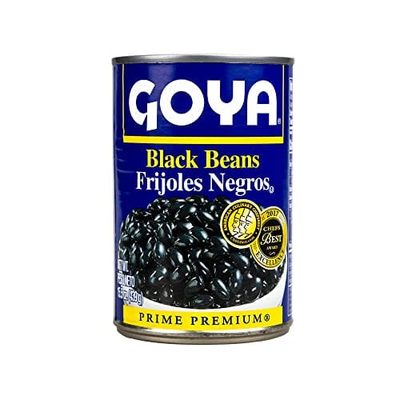
Goya Premium Black Beans, 15.5 oz
Premium black beans in a convenient 15.5 oz can, ready to heat and incorporate into any recipe calling for cooked beans.

Pure lard (manteca) for making masa dough and frying - the fat traditional recipes rely on for texture and flavor.
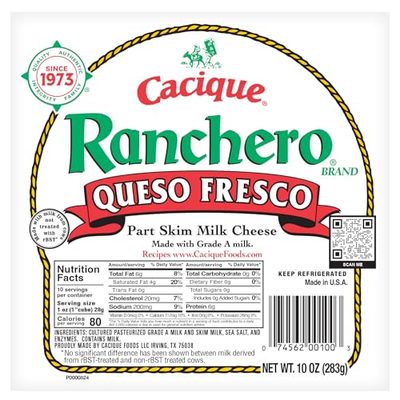
Cacique Queso Fresco Ranchero, 10 oz
A fresh crumbling queso fresco in 10 oz size, ready to sprinkle on cooked dishes or incorporate into recipes without shredding.