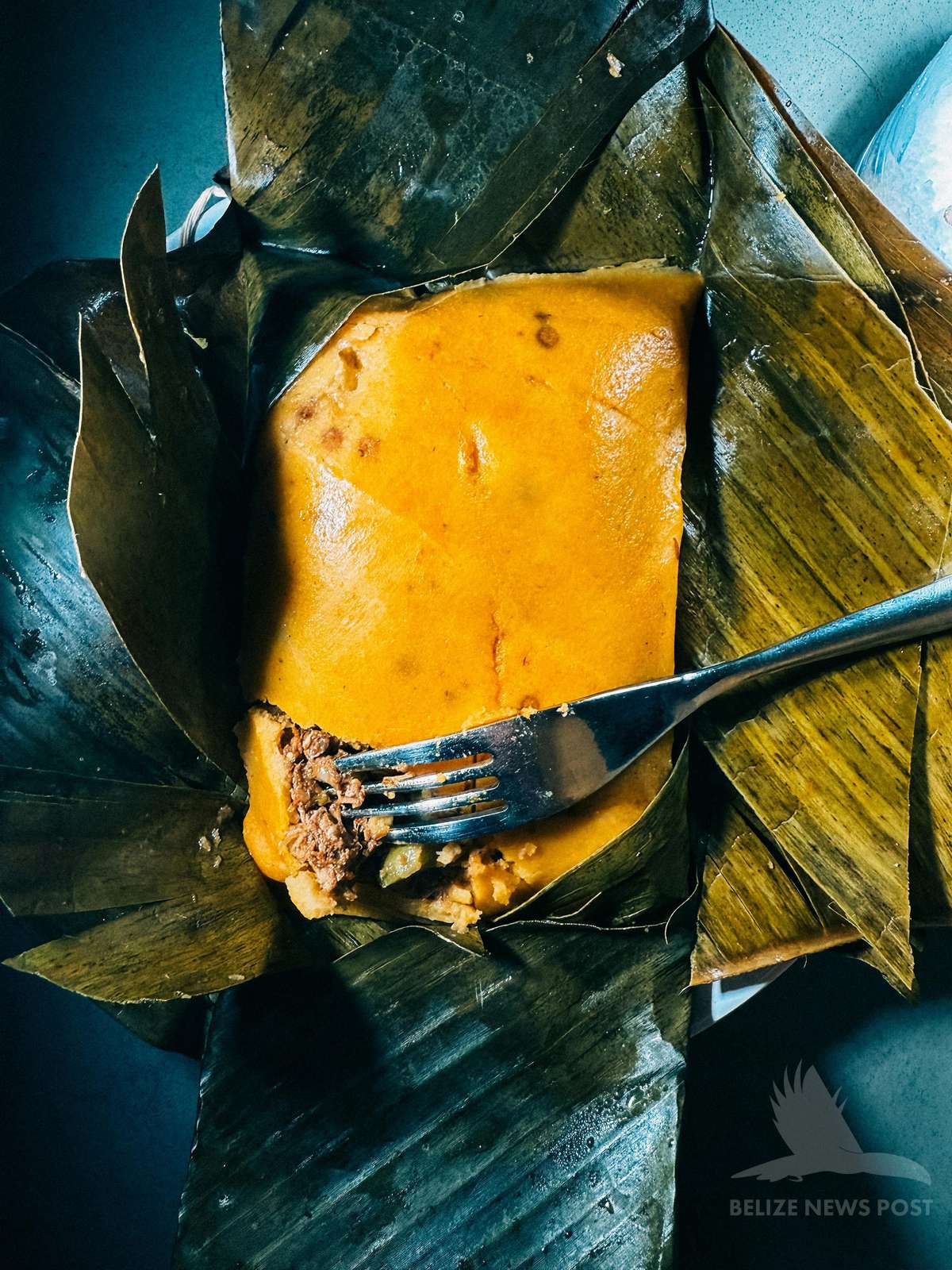
People who have not made these before think they are like other tamales. They are not. The masa here is liquid before it is cooked. You strain it through cloth by hand. You cook it in lard until it sets. When it cools, it becomes something soft and smooth. Nothing like the rough masa you pat out for tortillas or bollos. That texture is the point.
This dish comes from the corridor. Yucatan, Campeche, Belize. We make them here in Corozal the same way they make them across the border. The banana leaf, the achiote chicken, the k’ol sauce in the center. The same.
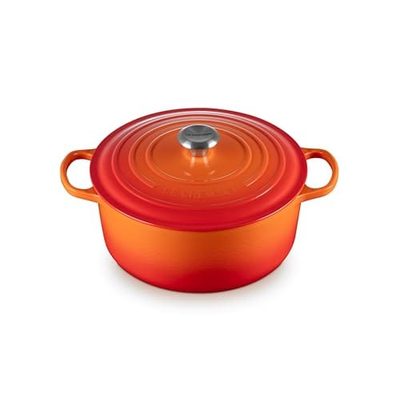
Cast iron dutch oven (Le Creuset)
Heavy cast iron Dutch oven with enamel coating - distributes heat evenly for long, low-temperature cooking and braising without losing liquid to evaporation.
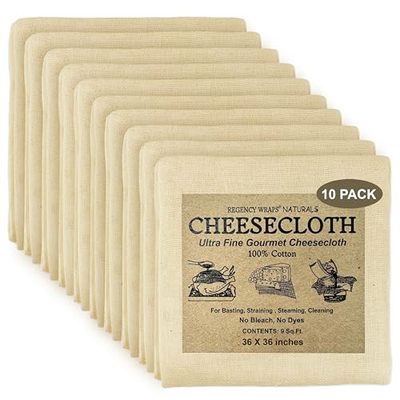
Regency Wraps 100% Cotton Ultra Fine Natural Cheese Cloth, 90 sq.ft, Chef Grade
Tamales colados, tamarind paste, and recado prep all need grade 90 cheesecloth: finer than gauze, sturdier than muslin. A multi-yard pack covers a year of straining.
What Are Tamales Colados?
Tamales colados are steamed tamales made from corn masa that has been dissolved in liquid and pushed through cheesecloth to produce a smooth, strained dough. The word colado means strained. Once cooked, the masa sets into a soft, gelatinous texture that distinguishes them from all other tamales. They are filled with achiote-seasoned chicken and a thickened sauce called k’ol, all wrapped in banana leaf. They are a traditional preparation of the Yucatan-Campeche-Belize corridor, with strong roots in Maya cooking.
Colados vs. Bollos
Both are wrapped in banana leaf. Both use corn masa. That is where the similarity ends.
Bollos use masa straight: ground, seasoned, patted into the leaf. The texture is dense. Solid. You can feel the corn. In Belize, bollos often have whole ingredients mixed into the dough itself.
Colados strain the masa first. The fiber is removed. What cooks is the liquid starch. The result is smooth and soft, almost like a firm custard when it cools.
In Cayo, near the Guatemala border, people are careful about the distinction. In other parts of Belize the names get used interchangeably. They are not the same thing.
The Masa: The Colado Process
This is the part that takes time. It is not difficult. It is just different from any other masa work.
You start with masa harina or fresh nixtamal. Dissolve it completely in water or chicken broth. You want it liquid, like thin atole. Not a dough.
Then you push it through cheesecloth. Hold the cloth over a pot and pour the liquid in. Gather the corners and twist. Push with your hands. The thin liquid runs through. The fiber stays in the cloth. That fiber is called the shish. The spent corn skin. The face of the corn. You discard it, or give it to animals. What you keep is what ran through.
Do not expect it to drip on its own. You have to push. Work the cloth with both hands. Press it against the side of the bowl. It takes a few minutes. Do not rush it.
Once strained, the liquid goes into a heavy pot with lard and salt. Add epazote leaves to the lard before the liquid goes in. This is the Yucatecan way of building flavor into the fat first. Then add the strained masa liquid.
Cook over medium heat. Stir constantly. It will look watery for a while. Keep stirring. It will not hold together when it is hot. That is normal. When it cools, it will be gelatinous. Smooth. That is what you want.
The Chicken and K’ol
Season bone-in chicken pieces (breast or thighs) with achiote paste, salt, onion, garlic, sweet peppers, oregano, and black pepper. Cook in chicken broth until the meat is tender enough to pull from the bone. Add culantro (wild cilantro, not regular cilantro) to the pot. Culantro is the herb used here. Standard cilantro is not a substitute.
Pull the cooked chicken into pieces. Keep the cooking liquid.
The k’ol is made from that liquid. Before the masa is fully cooked, pull out a small amount and dissolve it into the spiced chicken broth. Stir over heat until it thickens to a gravy. This is the sauce that goes inside each tamal. It carries the color of the achiote. It is thick enough to hold its shape when you spoon it in.
The Banana Leaf
You cannot fold a dry banana leaf. It cracks. You have to quail it first.
Pass each leaf section over an open flame. A gas burner or a fogon works. Hold the leaf a few inches from the heat and move it slowly. You will see it change: the color deepens, the surface becomes pliable. It will not crack when you fold it. This also cleans the leaf.
Assembling and Steaming
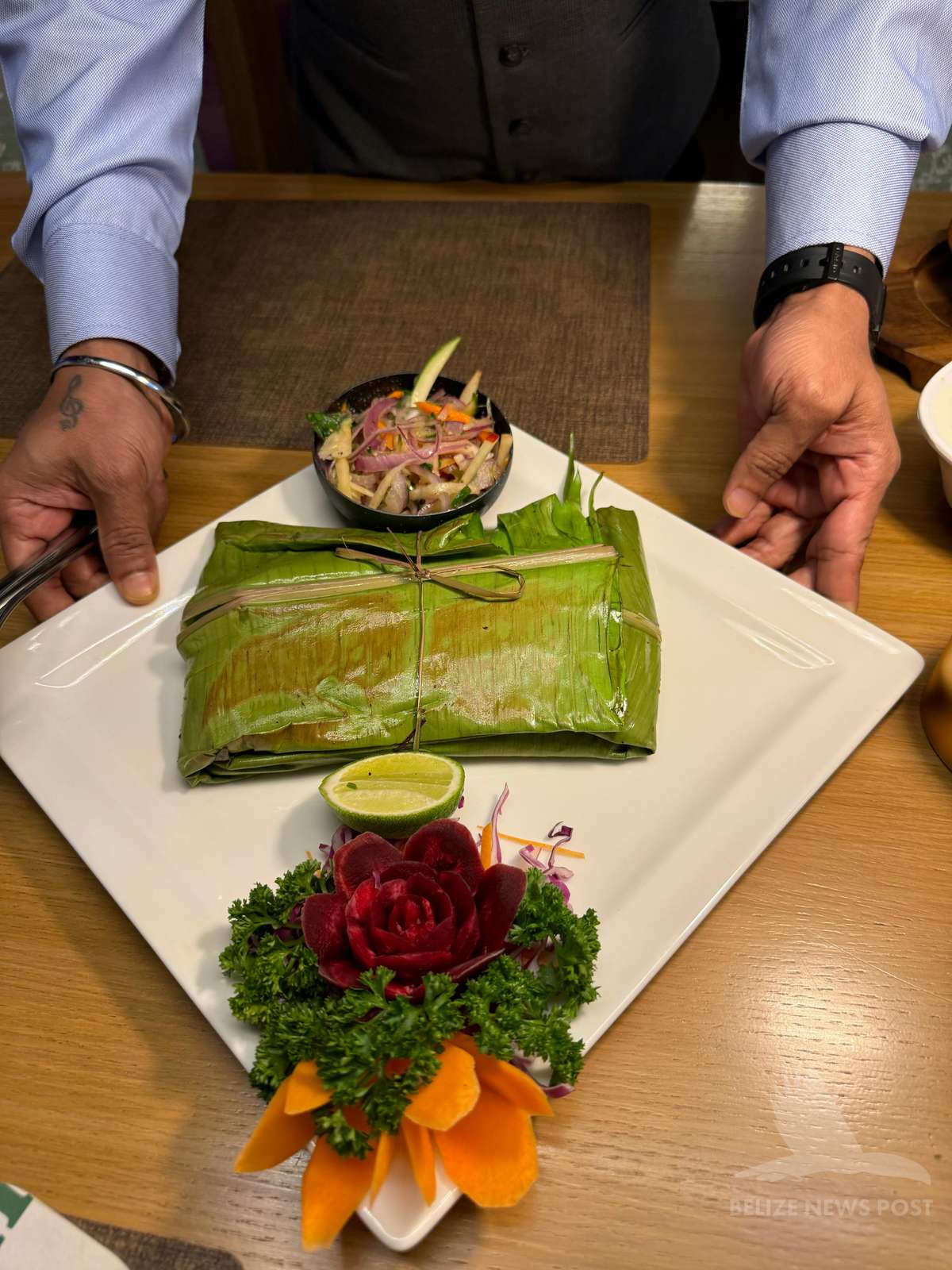
Work with the cooked masa while it is warm enough to handle but not burning hot. It will be soft and pliable. It firms as it cools, so move steadily.
Spread a portion of masa on the center of a quailed banana leaf. Not thick. About a quarter inch. Leave an inch of clear leaf on all sides.
Lay a few pieces of chicken on top. Spoon a generous amount of k’ol sauce over the chicken. Add a slice of tomato, a few rings of onion, a leaf of culantro.
Now fold. Bring one side of the leaf over the filling, then the other. Fold the ends in like an envelope. The masa is soft and the contents are heavy, so move carefully. Tie the tamal with a strip of banana leaf or kitchen string to hold the fold closed.
Stack the assembled tamales upright or flat in a steamer. Steam for 45 minutes to 1 hour. The masa will set fully during this time. Let them rest 10 minutes before unwrapping.
Tamales Colados Recipe
Author: Fili Post | Prep time: 1 hour | Cook time: 1 hour 30 minutes | Total time: 2 hours 30 minutes | Yield: 10 to 12 tamales
| Step | Time |
|---|---|
| Strain and cook the masa | 30–35 minutes |
| Cook the chicken | 30–40 minutes |
| Make the k’ol sauce | 5–7 minutes |
| Quail banana leaves + assemble | 20 minutes |
| Steam | 45–60 minutes |
| Rest before unwrapping | 10 minutes |
Ingredients
For the colado masa
- 3 cups masa harina (or fresh nixtamal masa)
- 4 cups water or unseasoned chicken broth, plus more if needed for consistency
- 2 tablespoons lard
- 3 to 4 fresh epazote leaves (or 1 teaspoon dried epazote)
- 1 teaspoon salt
For the chicken filling
- 2 lbs bone-in chicken pieces (breast or thighs)
- 2 tablespoons achiote paste, dissolved in 1/4 cup water
- 3 cups chicken broth
- 1/2 white onion, roughly chopped
- 4 cloves garlic
- 1 sweet pepper, chopped
- 1/2 teaspoon dried oregano
- 1/4 teaspoon black pepper
- 4 to 5 culantro leaves (wild cilantro, not regular cilantro)
- Salt to taste
For the k’ol sauce
- 2 cups chicken cooking liquid (reserved from above)
- 3 tablespoons raw colado masa liquid (reserved before cooking)
- Salt to taste
For assembly
- 12 to 14 banana leaf sections, quailed over flame (roughly 12 x 14 inches each)
- Banana leaf strips or kitchen string for tying
- 2 roma tomatoes, sliced thin
- 1/2 white onion, sliced into rings
- Fresh culantro leaves
Instructions
Strain the masa (colado process)
- Combine masa harina and water or broth in a large bowl. Mix thoroughly until completely dissolved and liquid. The consistency should be thin, like atole. No lumps.
- Set a piece of cheesecloth over a large pot or bowl. Pour the masa liquid in. Gather the corners, twist, and press with both hands. Push the liquid through the cloth. It will not run through on its own. You have to apply pressure. Work the cloth until the liquid is through. The fiber left in the cloth is the shish, the spent corn. Discard it.
- Reserve 3 tablespoons of the strained masa liquid in a small bowl before cooking. This is for the k’ol sauce.
Cook the masa
- In a cast iron dutch oven or heavy pot, heat the lard over medium heat. Add the epazote leaves and let them sizzle in the fat for 30 seconds.
- Pour in the strained masa liquid. Add salt. Stir constantly over medium heat. The mixture will look watery. Keep stirring. After 15 to 20 minutes it will begin to thicken. Do not stop stirring or it will scorch on the bottom.
- When the masa pulls away from the sides of the pot slightly and holds together as a loose mass, remove from heat. It will still be soft. It finishes setting as it cools. Let it cool until handleable, about 20 minutes.
Cook the chicken
- Season chicken pieces with dissolved achiote paste, oregano, black pepper, and salt. Place in a pot with onion, garlic, sweet pepper, and chicken broth. Bring to a simmer.
- Add culantro leaves. Cook until the chicken is fully tender and pulls from the bone easily, 30 to 40 minutes.
- Remove chicken. Reserve the cooking liquid for the k’ol. Pull meat from the bones and break into pieces.
Make the k’ol sauce
- Pour 2 cups of the reserved chicken cooking liquid into a small saucepan over medium heat. Stir in the reserved raw masa liquid. Stir constantly until the sauce thickens to a gravy consistency, about 5 to 7 minutes. Season with salt. Set aside.
Quail the banana leaves
- Pass each banana leaf section over an open gas flame or directly over a burner, moving it slowly. The leaf will darken slightly and become pliable. Do both sides. It should flex without cracking.
Assemble
- Lay a quailed banana leaf section flat. Spread a portion of cooked masa in the center, roughly 1/4 inch thick, leaving about 1 inch of bare leaf on each edge.
- Place 2 to 3 pieces of chicken on the masa. Spoon 2 tablespoons of k’ol sauce over the chicken. Add a slice of tomato, 2 to 3 rings of onion, and a leaf of culantro.
- Fold one long side of the leaf over the filling. Fold the other side over that. Fold the ends in like an envelope. Tie with a banana leaf strip or kitchen string.
- Repeat until all masa and filling are used.
Steam
- Arrange tamales in a steamer. Steam for 45 minutes to 1 hour over steady heat. Check the water level halfway through and add more if needed.
- Remove from steamer. Rest 10 minutes before unwrapping. The masa will be fully set: soft, smooth, gelatinous.
Nutrition
| Calories | Fat | Carbs | Protein | Sodium |
|---|---|---|---|---|
| 420 kcal | 10g | 38g | 28g | 610mg |
Estimates based on standard ingredient labels. Calorie count includes masa, lard, chicken, and k’ol sauce. Does not include optional garnish.
Notes
- Fresh masa from a tortilleria gives a better result than masa harina if you can get it. Outside the region, masa harina works well.
- Culantro (wild cilantro) is the correct herb for this dish. It has long, serrated leaves and a stronger flavor than regular cilantro. Find it in Latin or Caribbean grocery stores. Do not substitute regular cilantro.
- The cooked masa is soft and liquid-like when hot. That is normal. It sets as it cools. If your tamales feel loose when you fold them, work quickly.
- Achiote paste gives the chicken its deep red-orange color and earthy flavor. This is recado rojo. Do not substitute achiote powder. The paste has additional spices that matter here.
- Banana leaf strips for tying: cut thin strips from the same leaves. They hold well and are traditional.
- Tamales can be steamed, rested, and refrigerated. Reheat by steaming again for 15 minutes. Do not microwave.
Variations
Pork filling: Replace the chicken with pork shoulder, cut into chunks. Season the same way: achiote, onion, garlic, sweet peppers, oregano, black pepper, culantro. Cook time is similar. The k’ol made from pork broth is richer.
Fogon vs. steam: If you have a wood-fire stove (fogon), cook the assembled tamales directly on the comal for a few minutes per side before steaming. The banana leaf picks up a light char and smoke. This is the traditional way. The steam-only method works fine without a fogon.
Black bean variation: Replace the chicken filling with cooked black beans, diced onion, sweet pepper, and a generous amount of achiote. Fry the beans down until thick. This is a lighter, meatless filling that works well with the smooth masa.
Fresh masa from a tortilleria: If you live near a Latin market that makes fresh masa, use it instead of masa harina. The strained liquid from fresh nixtamal gives a silkier colado than masa harina. Ask for masa for tamales, not for tortillas. The grind is slightly different.
About this dish
Tamales colados are part of the larger tradition of Maya recipes from the Yucatan-Belize corridor. The same straining technique appears in joroches, where masa is dissolved and cooked in bean broth. For the other great banana-leaf preparation from this tradition, see mukbipollo.
Shop This Recipe
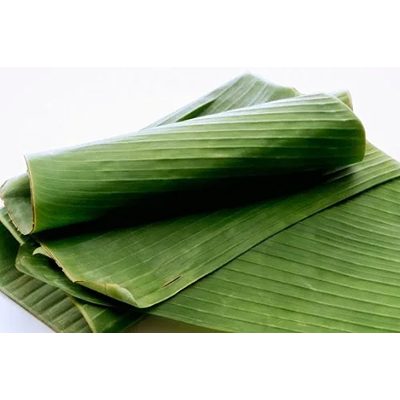
Twelve to fourteen banana leaf sections are needed to wrap these tamales - frozen leaves from Latin and Asian markets are the standard outside Belize.
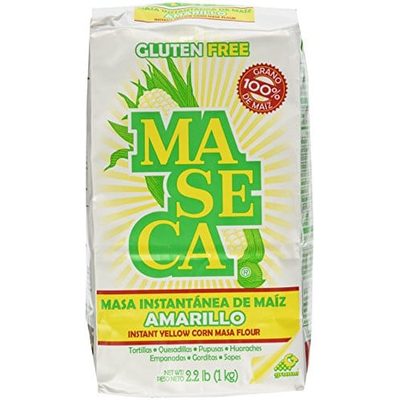
Dissolving masa harina fully in liquid before straining through cheesecloth is the colado process - outside the region, Maseca is the practical starting point for this recipe.
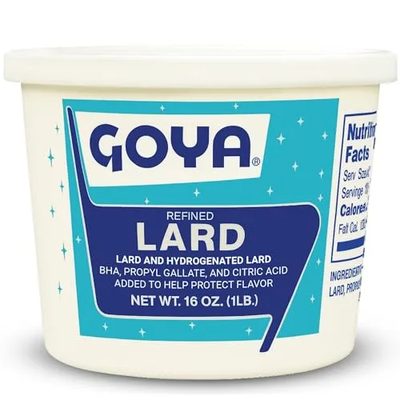
Lard goes into the heavy pot before the strained masa liquid - the recipe builds flavor into the fat first by sizzling epazote in it, a technique that requires real lard, not oil.
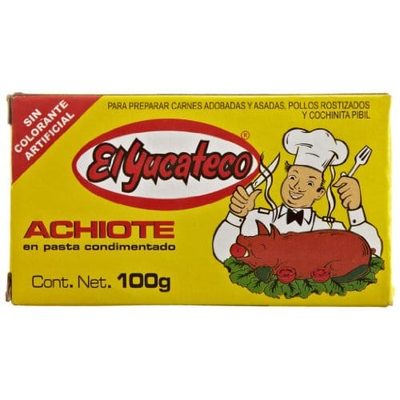
Two tablespoons of achiote paste dissolved in water seasons the chicken and gives the k'ol sauce its deep red-orange color - the recipe warns against substituting achiote powder.