
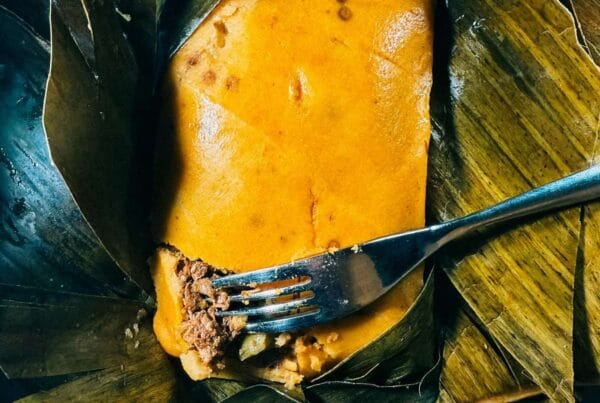
Belizean tamales are made from corn masa dough filled with seasoned chicken and recado (a spice paste made from annatto seed), wrapped in banana leaves and steamed. Unlike Mexican tamales wrapped in corn husks, the Belizean version uses banana leaves, which impart a subtle flavor to the masa. Tamales are a centerpiece of holiday cooking in Belize, especially at Christmas and Easter.
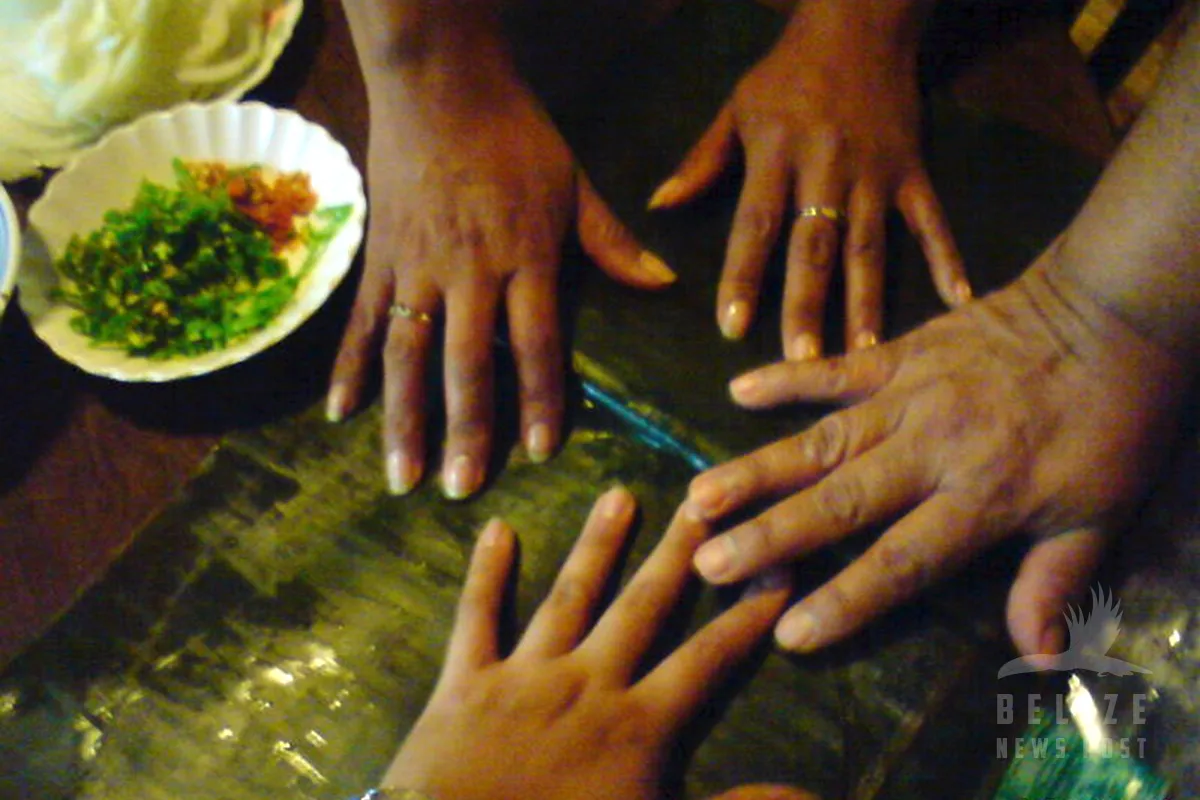
It takes many hands to make Belizean Tamales.
Belizean Tamales
Belizean tamales are a traditional Maya and Mestizo food. Tamales are also a regular feature in local markets, typically sold in the morning and sold out by 11am. There are more varieties than most people expect — even within a small country like Belize, each district has its own version. Corozal and Orange Walk have two: Collado and Torteado. Western Belize has Bollos (Source: Endevora Jorgenson). Street vendors sell Tamalitos — I still hear the bicycle horn: “Tamalitos! Tamalitos! Aqui están los Tamalitos!” And the Yucatecan Maya brought their own varieties across the border. This recipe is for the traditional Belizean Torteado from Corozal.
Types of Belizean Tamales
Here is a guide to every Belizean tamale variety — from the savory holiday tamale to the sweet wrapped-leaf dishes that share the same ancient tradition.
Torteado (Traditional Belizean Tamale)
The classic Corozal and Orange Walk tamale. Corn masa spread flat on a banana leaf, filled with stewed chicken or pork, a thick recado-spiced gravy called cull, and diced vegetables. Wrapped and steamed for an hour. This is the recipe on this page, and it is the one most Belizeans mean when they say tamales.
Tamales Colados
A smoother variety in which the masa is strained (colado means “strained”) before use, giving a silkier, finer texture than the torteado. Also a Corozal District tradition. Recipe coming soon.
Bollos
The Western Belize tamale, common in Cayo District. Bollos are typically smaller and denser than coastal tamales. The name comes from Spanish for “bun” or “ball.”
Tamalito
A small street-food tamale sold from bicycle carts throughout northern Belize. Closer in style to a Mexican tamale — simpler filling, smaller size. The tamalito vendor was a fixture of every Belizean town before refrigeration changed street food culture.
Dzotobichay (Mayan Chaya Tamale)
A pre-Columbian Yucatecan Maya tamale in which chaya leaf is mixed directly into the masa, turning it green. Filled with sikil (ground pumpkin seed) and hard-boiled egg. Brought to Belize by Maya families during the Caste War of Yucatan (1847–1915). Distinct enough from the torteado to be its own dish entirely. See the Dzotobichay recipe.
Dukunu (Sweet Corn Tamale)
Fresh green corn masa mixed with coconut and sugar, wrapped in corn husks or banana leaves and boiled. Dukunu is the sweet cousin — not a savory tamale, but part of the same wrapped-and-steamed tradition that runs from the Maya highlands to the Caribbean coast. A staple in Belizean Creole and Garifuna cooking. See the Dukunu recipe.
Conkies
Made with coconut, cornmeal, pumpkin, and raisins, steamed in banana leaves. Conkies are the Independence Day food — eaten every September 21 across Belize. Denser and sweeter than a tamale, closer to a steamed pudding, but part of the same banana-leaf tradition. See the Conkies recipe.

Banana Leaf Wrapper
Unlike the Mexican tamale, Belizean tamales are not wrapped in corn husks but are instead wrapped in plantain leaves. This recipe might be a little difficult to make properly in the States or Canada, but it has been done. The accompanying images were made in Michigan in the dead of winter. It can be done!
Belizeans pride themselves on their individual take on the tamale. Some like lots of sauce (called cull), some like it tear-inducingly spicy, others like lots of bone-in chicken. Tamales vary in Belize by the maker. My aunt makes them for sale, and she prides herself on the quality of her sauce and the large portions of chicken in each tamale. We’ll leave those choices up to you!
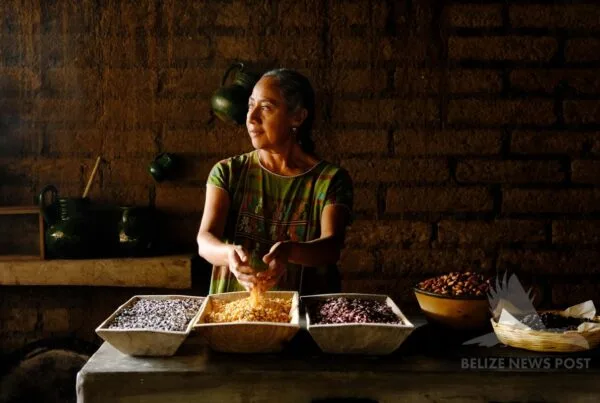
For Belizeans, making tamales is often a community effort.
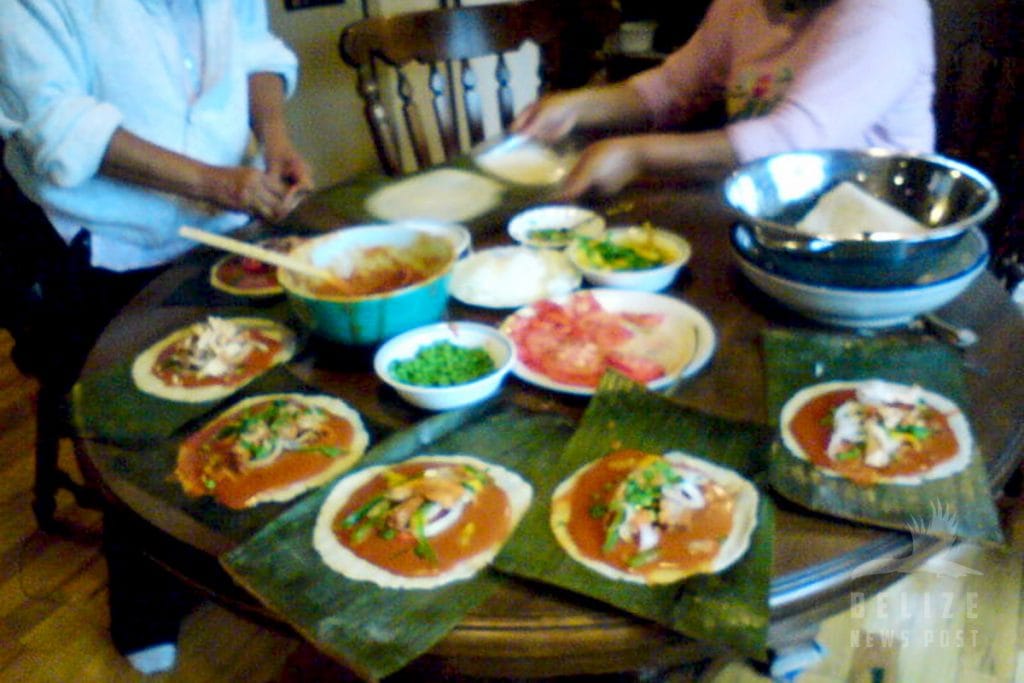
Making Belizean tamales is labor intensive, and often a community effort. Often Belizean women will gather together to make dozens of tamales at once for a large event, wedding, funeral, birthday party, or just to sell. With a little of the extra masa (often freshly ground) they will make atole, a warm and simple cinnamon-spiced drink to share as they work.
A Short Lesson on Belizean (Mayan) Names for Tamale Ingredients
Cull: Cull is the sauce in the tamale. Sometimes it’s spelled “col”; it’s a Mayan word (Ibid). Cull is a thick red gravy and is a chicken stock and recado seasoning-based sauce.
Masa: Where “masa” is not available, Belizean tamales are wrapped in corn dough made with maseca brand corn flour, water, salt, oil, or fat ie. lard.
Recado Rojo: Red Recado is essentially a Belizean (Mayan) curry of spices. There is also a black recado, commonly used in soups like chimole and relleno. Recado is a combination of several dry spices, fresh annatto seeds, garlic, and onion. These ingredients are blended into a paste and rolled into a ball. Recado is often sold in Belize as a slightly moist ball about the size of a quarter or shilling. Belizean recado is nearly impossible to find Stateside. If you contact us we can special order Belizean recado.
4 major components to Belizean Tamales:
- Masa
- Cull
- Filling: Chicken or other meat
- Filling: Assortment of vegetables
How To Make Belize Style (Belizean) Tamales
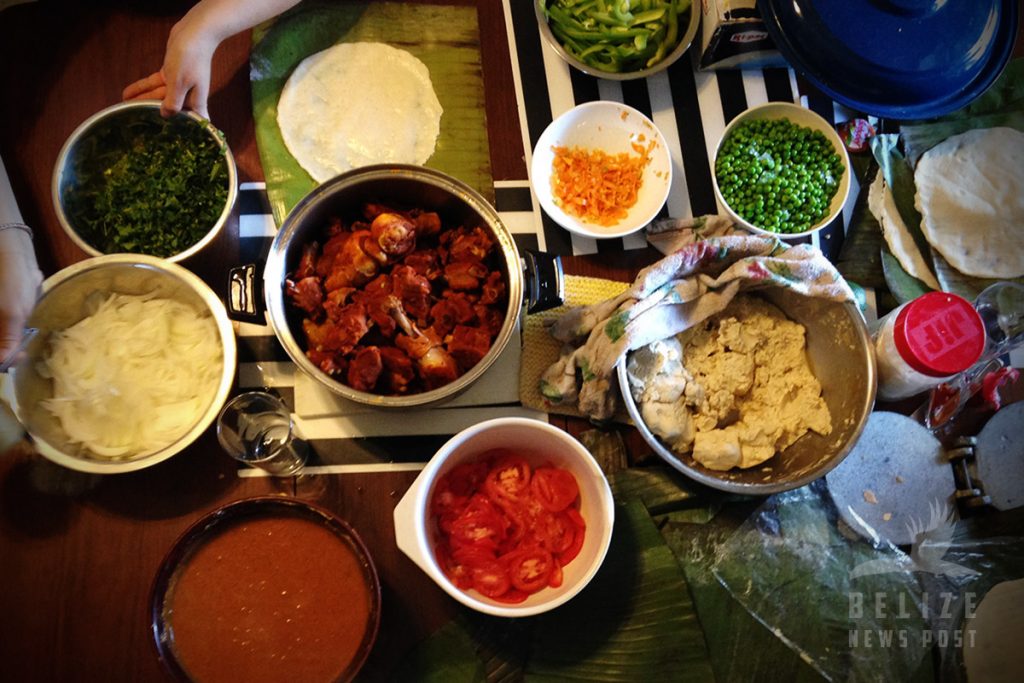
Belizean Tamales Ingredients:
Tamale Shell (Corn Dough):
- 4 pounds Maseca Corn Flour for making masa
- Water (approximately half a gallon), more or less
- 2 cups Corn Oil or Manteca (pork fat)
- 2-3 teaspoons salt (salt to taste)
Tamale Filling:
- 1 whole chicken, cut into 10 pieces (or substitute with pork or beef)
- 2 pounds pork ribs, cut into 1-2 inch pieces
- 4-6 tablespoons Red Recado seasoning (adjust for desired color)
- 6 cloves garlic
- 6 oregano leaves
- 6 allspice seeds
- 6 Apazote leaves (if available)
- 1 tablespoon whole peppercorn
- 1 tablespoon chile molido (ground cayenne pepper, for a mild kick)
- 3 tablespoons chicken broth powder (Consomme de pollo)
- 1 chopped onion
Tamale Filling Cooking Instructions:
- Prepare the chicken by washing it thoroughly with a diluted mixture of lime juice or vinegar in water.
- Rub the Red Recado seasoning and other spices onto the chicken pieces, adding salt and black pepper or ground cayenne pepper to taste.
- In a large pot, brown the seasoned chicken with onions or proceed directly to the next step for quicker preparation.
- Add about 4 quarts of water to the pot, as if you were making chicken soup. Cover and stew the meat until tender.
- Remove the meats from the pot and strain the soup to remove the spices, ensuring a smooth cull (gravy).
- In a separate bowl, create a paste using approximately 1 pound of Maseca mixed with water to form a thick consistency.
- Add the Maseca paste to the strained soup on the stove, stirring vigorously to prevent lumps from forming. The goal is to achieve a nicely thickened but flowing gravy, similar to condensed milk.
- Simmer the cull (gravy) gently for 3 minutes, then turn off the heat and allow it to cool, making sure it doesn’t thicken too much.
Tamale Shell Preparation Instructions:
- Blend the Maseca corn flour, corn oil (or Manteca), salt, and water to create a thick dough that is spreadable but not sticky. Form the dough into fist-size balls.
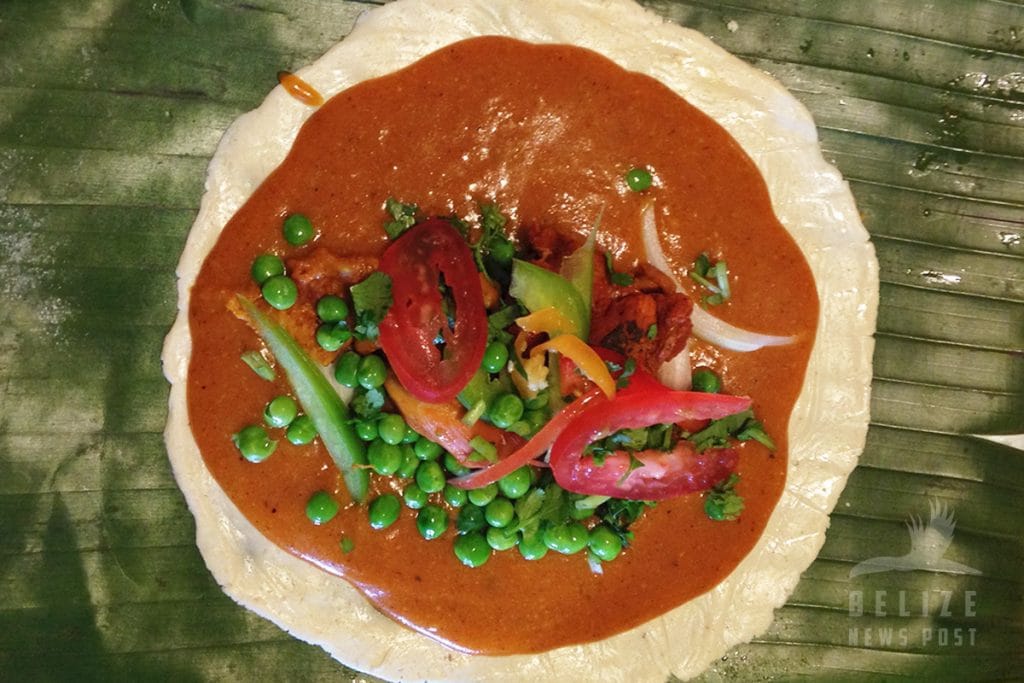
- Flatten each corn dough ball using a tortilla press or your hands to create thin, flat tortilla-like sheets. Alternatively, place the corn dough between two sheets of plastic wrap and spread it out with your fingertips to achieve the desired thickness. Remove the upper layer of plastic and invert the tortilla over a plantain leaf sheet.
- Assemble the tamales by adding 2-4 tablespoons of cull/gravy to each corn dough sheet. Place choice bits of cooked chicken and pork meat, followed by chopped cilantro leaves, green peppers, onions, green peas, tomato slices, and habanero pepper slices.
- To wrap the tamale, bring two sides of the plantain leaf together, resembling gift wrapping. Use butcher string to secure the package if needed.
- Stack the tamale packages in a large steamer pot and add enough water to steam the tamales for about an hour. If a steamer is not available, create a rack of some sort to elevate the tamale packages and enhance steaming.
Serving Suggestion: Serve the Belizean Tamales hot, straight from the steamer, for a delightful taste of Central American comfort food. Accompany them with curtido salvadoreño or other condiments to enhance the flavors further.
Notes:
- For an authentic Belizean touch, consider using plantain or banana leaves instead of foil for the tamale wrapping.
- The tamale fillings can be customized to suit your taste preferences, making them a versatile and delicious treat for any occasion.
Nutritional Information (Per Serving – 1 Tamale):
- Calories: 350 kcal
- Carbohydrates: 32g
- Protein: 18g
- Fat: 15g
- Saturated Fat: 4g
- Cholesterol: 65mg
- Sodium: 580mg
- Fiber: 3g Sugar: 2g
Enjoy the rich and flavorful experience of Belizean Tamales, lovingly crafted to delight your taste buds with every bite!
Frequently Asked Questions About Belizean Tamales
What are Belizean tamales?
Belizean tamales are a traditional Maya and Mestizo dish made from corn masa dough filled with seasoned chicken or pork, wrapped in plantain leaves, and steamed. Unlike Mexican tamales wrapped in corn husks, Belizean tamales use large plantain leaves that give them a distinctive earthy flavor. The filling includes a thick recado-spiced gravy called ‘cull’ along with pieces of stewed meat and vegetables.
What is in Belizean tamales?
Belizean tamales contain a corn masa shell made with Maseca, oil or lard, and salt. The filling is stewed chicken and pork ribs seasoned with red recado, garlic, allspice, oregano, and peppercorns. A thick gravy called ‘cull’ is made by thickening the meat broth with masa. The tamales also include diced vegetables like green peppers, onions, tomatoes, and sometimes peas and habanero. Everything is wrapped in softened plantain leaves.
How do you wrap tamales in banana leaves?
First, soften the plantain (or banana) leaves by passing them briefly over an open flame or blanching them in hot water until they become pliable. Cut them into rectangles about 10-12 inches wide. Spread a layer of masa dough in the center, add a few spoonfuls of cull gravy, meat, and vegetables. Fold the long sides of the leaf over the filling, then fold the ends underneath to form a neat packet. Tie with butcher string if needed to keep the tamale sealed during steaming.
What is the difference between Belizean tamales and Mexican tamales?
The biggest differences are the wrapping and the size. Belizean tamales are wrapped in plantain leaves, which give a subtle earthy flavor, while Mexican tamales typically use dried corn husks. Belizean tamales also tend to be larger and thicker, and the filling includes a masa-thickened gravy (cull) that Mexican tamales usually do not have. The seasoning base in Belize is red recado paste rather than dried chili sauces.
How long does it take to make Belizean tamales?
Making Belizean tamales is a labor-intensive process that typically takes 2-3 hours from start to finish. The meat needs to stew until tender, the masa dough and cull gravy must be prepared, and each tamale is assembled by hand. They then steam for about 1 hour. In Belize, tamale-making is traditionally a communal effort with family and neighbors each handling a different step in the process.
Shop This Recipe
Masa Harina
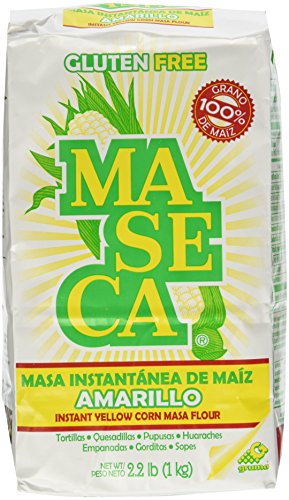
The recipe calls for four pounds of Maseca to build both the tamale shell and the cull gravy – diaspora cooks who can’t find freshly ground masa rely on masa harina to carry the whole structure.
Banana Leaves
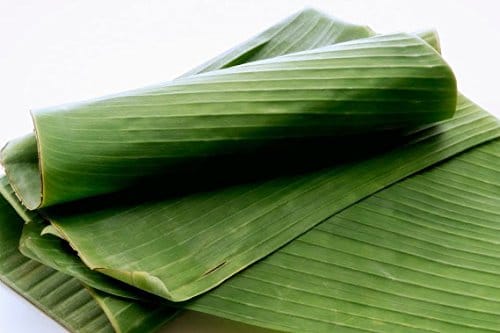
Belizean tamales are wrapped in plantain leaves, not corn husks – the post notes this recipe was successfully made in Michigan in winter, but only because frozen banana leaves are available year-round.
Achiote Paste
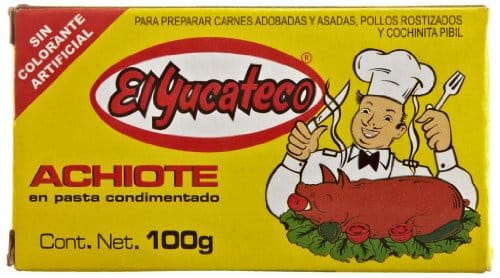
Red recado is the seasoning backbone of Belizean tamales; the post says it is nearly impossible to find outside Belize, and achiote paste is the closest substitution diaspora cooks can source.
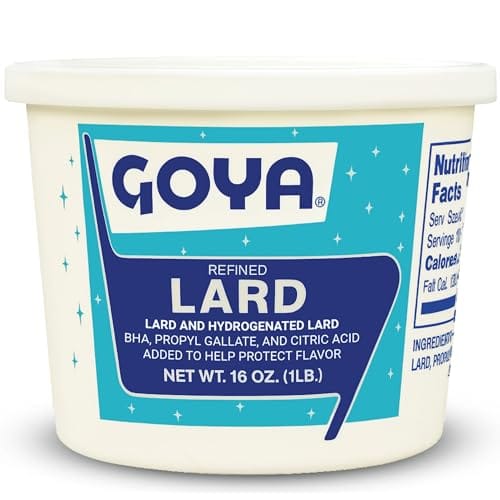
Lard
The tamale shell recipe lists Manteca (pork fat) alongside corn oil – lard produces a richer, more pliable masa dough than vegetable shortening and is the traditional fat in both Belizean and Yucatecan tamales.

About Chica Post
Chica Post is Belizean by marriage and love. She has traveled across Belize — Corozal, Orange Walk, Dangriga, Stann Creek, and everywhere except Toledo — and has been to Mexico many times. She is raising two bilingual boys and keeping Belizean food alive in an American kitchen. She co-authored many of the original recipes on this site and took the photographs. She writes for the Belize News Post.
Today is 4-19-2017 @ 8:26 I am boiling 24 Tamales form your recipe and I can’t wait to eat it I follow the recipe step for step so I know it is going to taste good thanks for the recipe
🙂 Fantastic, thank you for you comment! I’m so glad you enjoyed our recipe! I hope your tamales were excellent as well:) How did they turn out?
Would love to order some Recado! Please let me know how 🙂
I have visited Belize twice and had traditional tamales both times. After the first trip I had to have the recipe and found your site two years ago I have made them five or six times and they are just as great as the originals. We love very spicy food so I actually use extra habanero in my recipe. I have been able to find everything I need here in northeast Louisiana to complete the recipe including plantain leaves. I steam them in a very large pot (usually use for boiling crawfish) on my gas jet burner. I have this page saved to return to every time I prepare the “feast”, but I was wondering if you could email me the recipe and any other tips or information you might have about this and other Belizean dishes?
I can’t see where you added the rest of the ingredients for the cull. I could only follow up to where you added the corn flour to the broth. Did you use the other ingredients from the cull section to cook the chicken?