
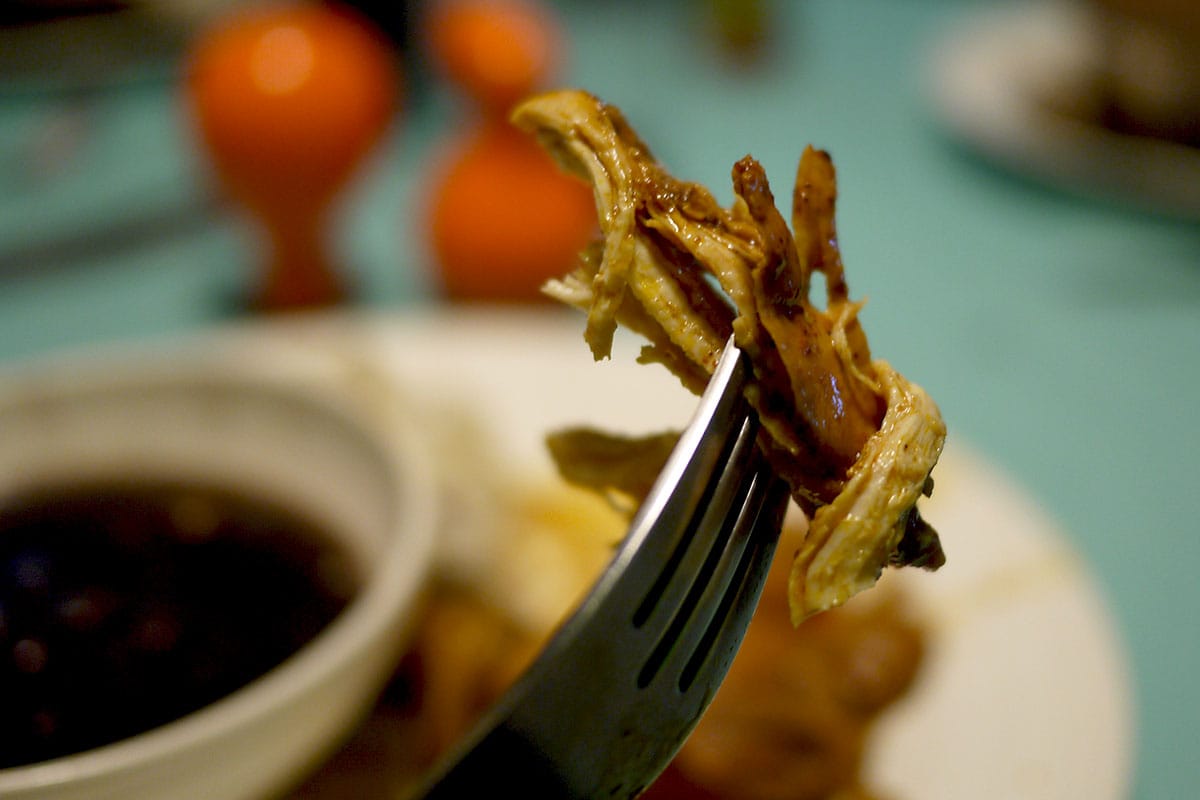
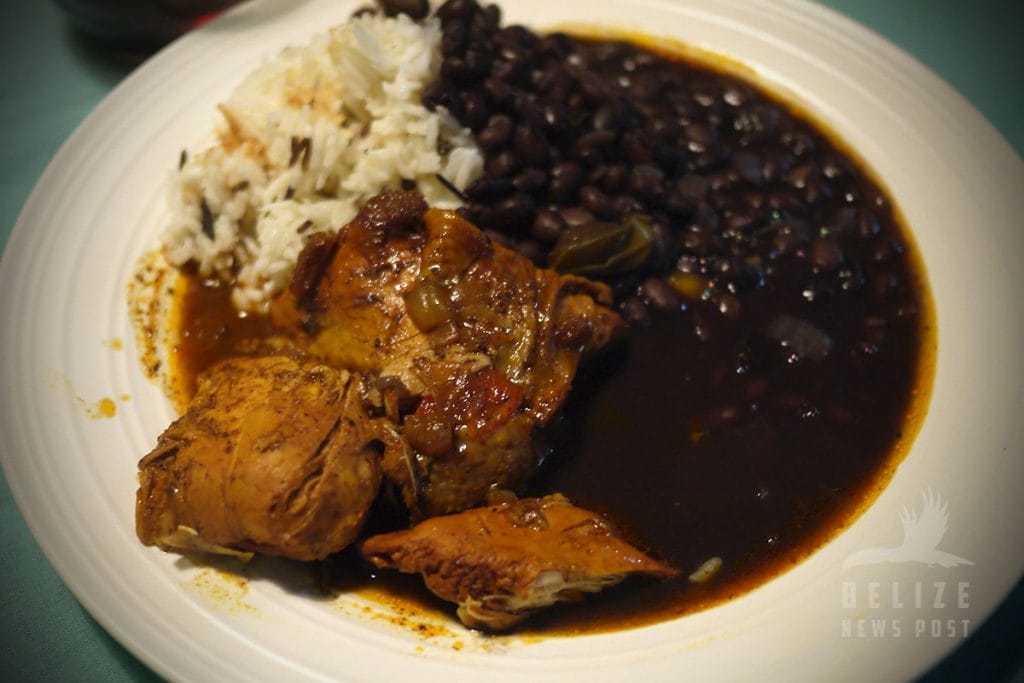
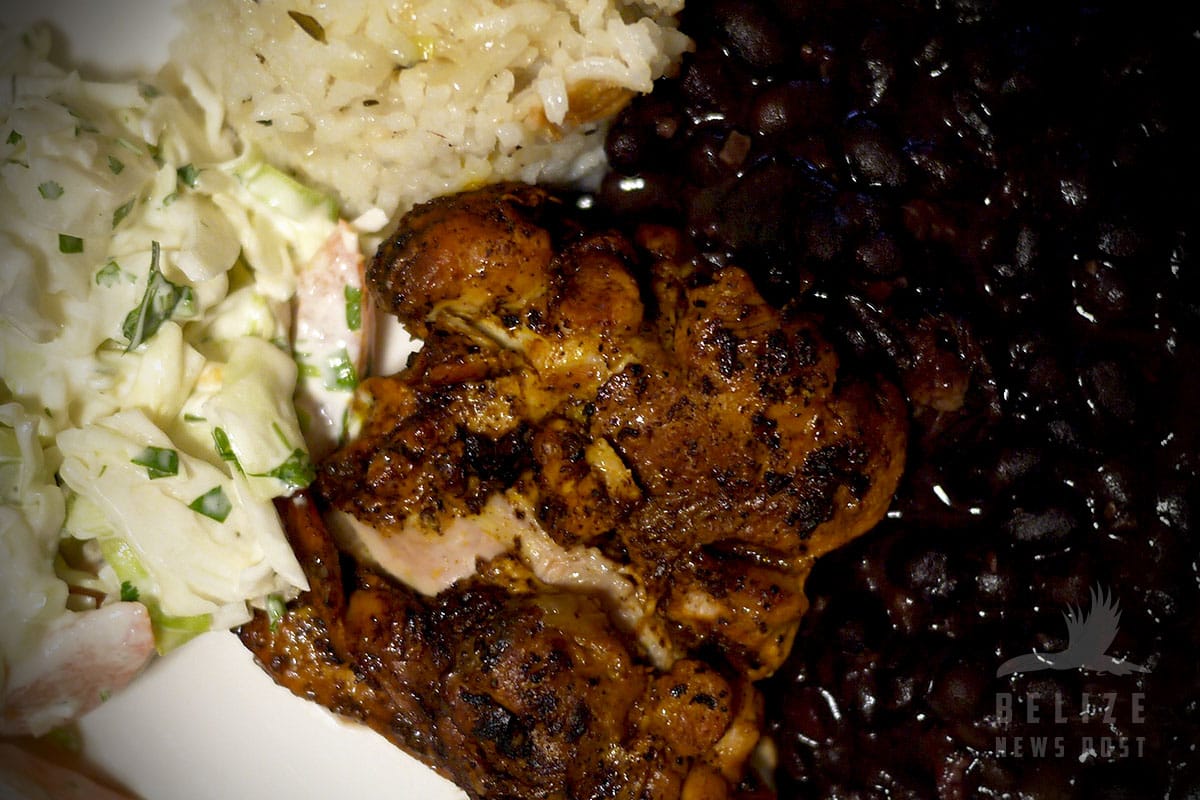
Belizean stew chicken is everyday food. It goes on the plate with potato salad, rice and beans, fried plantain and cortido, and that plate turns up on kitchen tables and at lunch counters all week long. Stew chicken sits among the country’s regular midday meals alongside rice and beans, escabeche and garnaches (source). This is the version made with red recado, which is what gives the chicken its deep red-brown colour.
The Recado Is the Whole Difference
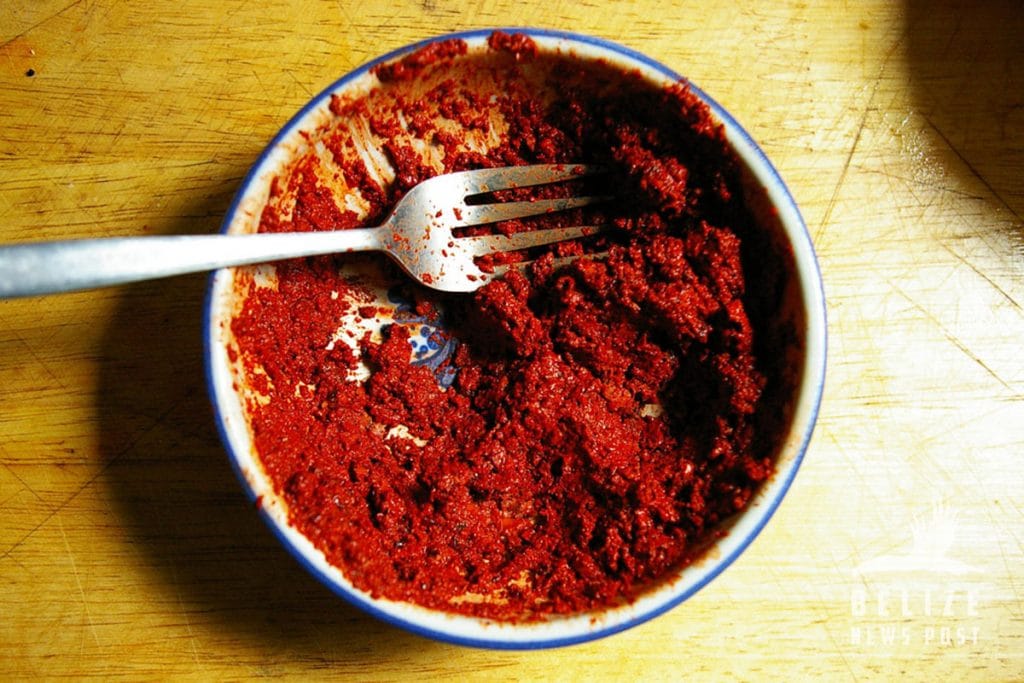
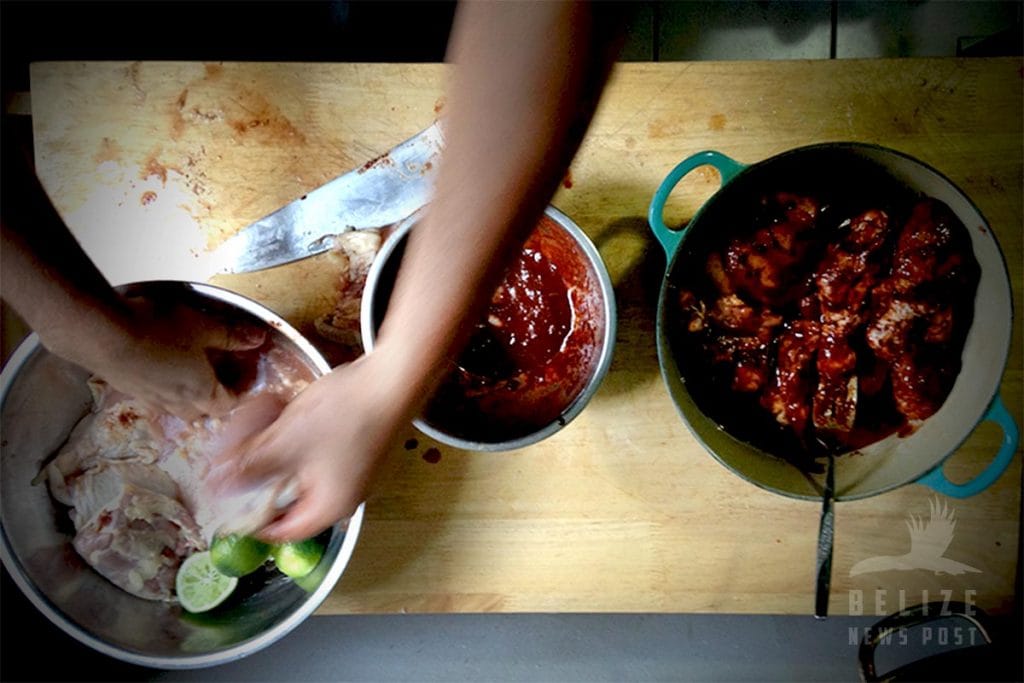
Red recado is a paste, not a powder. Annatto is the main ingredient and the source of the colour, ground together with oregano, cumin, clove, cinnamon, black pepper, allspice, garlic and salt, and worked into a paste with sour orange juice or vinegar (source). Achiote is the pigment inside the annatto seed, and it is what stains the chicken and your fingers. The blend is most commonly found across the Yucatán and Belize (source), and it also answers to recado colorado.

medicube PDRN Pink Peptide Serum
An evening over a hot stove and a day in the sun both show up on your skin by night. A PDRN peptide serum is the overnight step for exactly that: after cleansing, before moisturizer, no routine to overhaul.
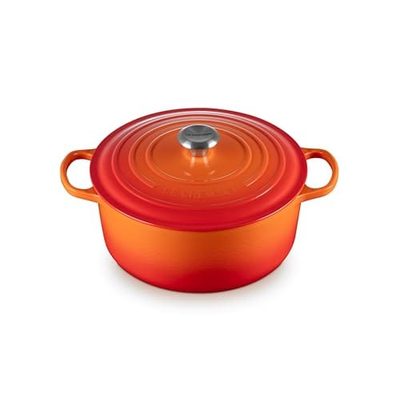
The braise runs one to two hours - Le Creuset's cast iron holds even heat through that window so the recado-coated chicken falls off the bone rather than tightening up.
It is often homemade, and it can also be bought from local vendors or neighbours. Bought that way it comes rolled into little spice balls about an inch across, which is why Belizean recipes tell you how many balls to use rather than counting spoons. For this recipe you need enough to make a thin paste that coats every piece of the chicken.
If you want the paste itself rather than the chicken, we have a recipe for making red recado from scratch, and a guide to the whole recado family covering red, black and blanco.
Ingredients
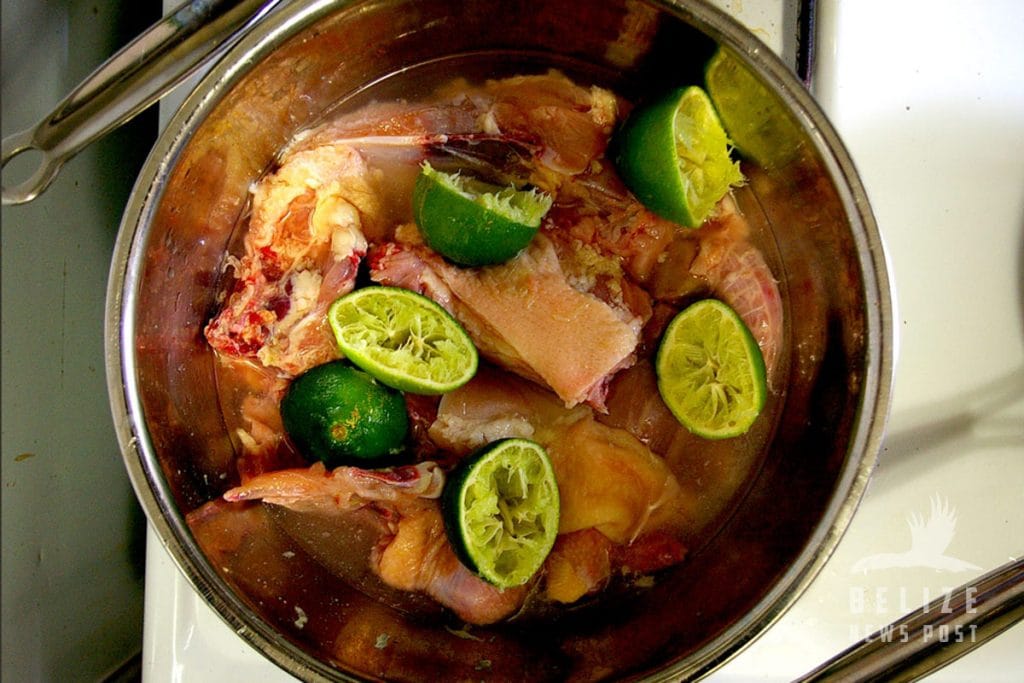
- 1 whole chicken, about 4 lb (1.8 kg), cut into pieces
- 3 tablespoons (45 g) red recado paste, or 2 to 3 store-bought recado balls
- 4 tablespoons (60 ml) water, for loosening the paste
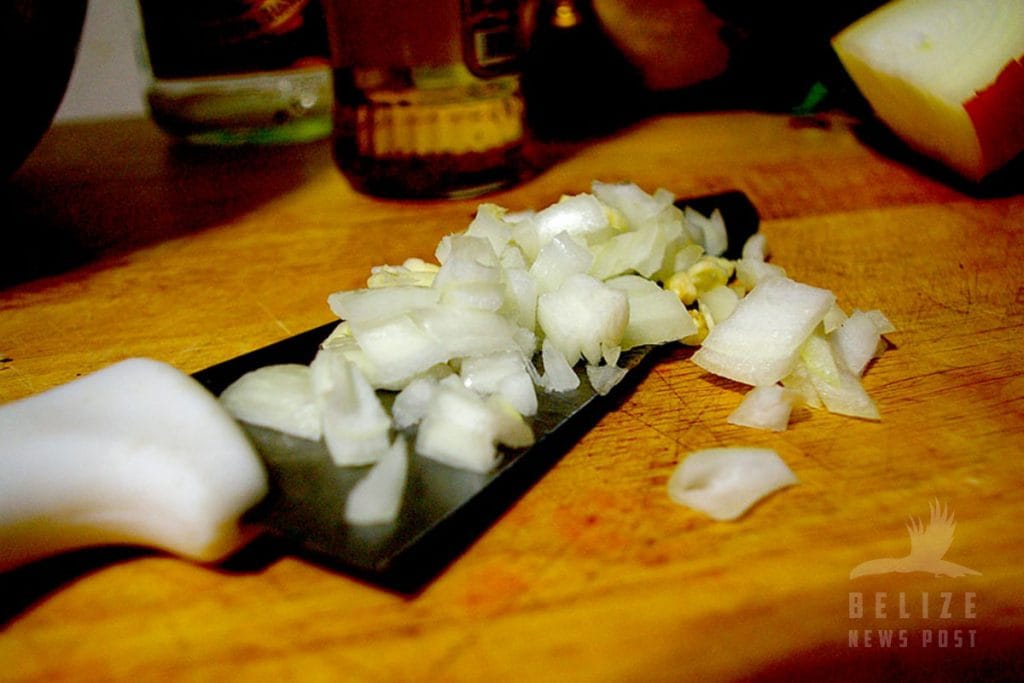
- 1 large onion, diced, about 1 1/2 cups (200 g)
- 3 tablespoons (45 ml) cooking oil
- Water to cook, roughly 2 to 3 cups (480 to 720 ml)
- Salt and black pepper to taste
Instructions
- In a large bowl or marinating bag, mix the recado paste and 4 tablespoons (60 ml) of water using a fork until smooth. Pour the recado mixture over the chicken, ensuring an even coating. Marinate in the refrigerator for up to 24 hours.
- Dice the onion. Heat the oil in a Dutch oven and sauté the onion until translucent.
- Add the marinated chicken pieces, browning both sides, 3 to 5 minutes per side. Do it in two batches if the pot is crowded, because chicken packed in tight steams instead of browning.
- Add water until it comes just below the top of the chicken. Bring to a gentle simmer.
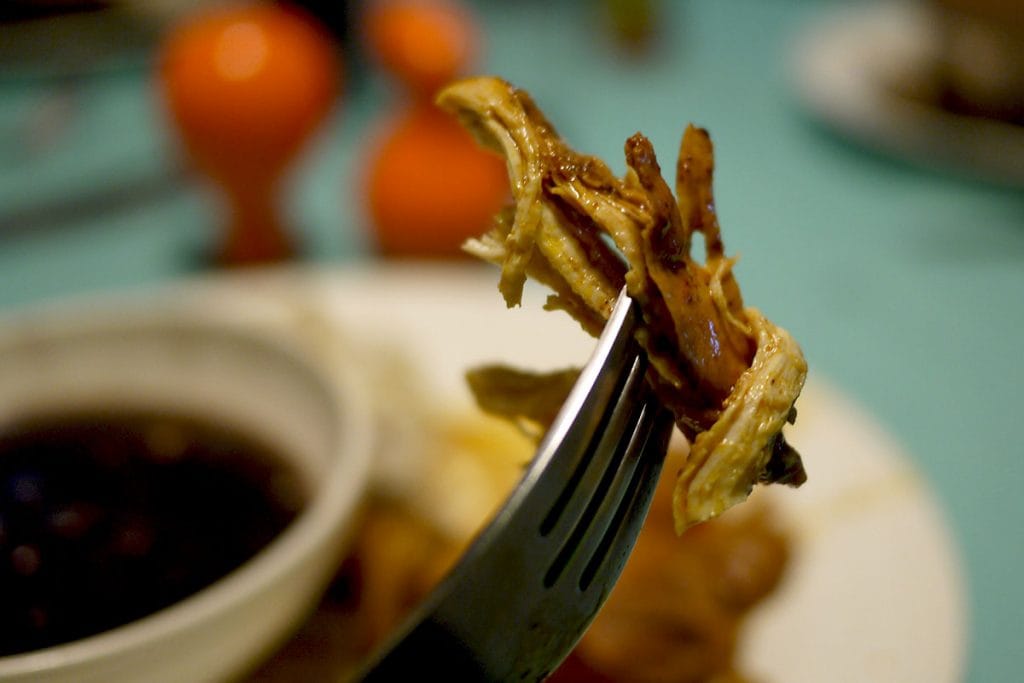
- Reduce the heat, cover, and cook 1 to 2 hours. Keep it at a bare simmer the whole time. A rough boil tightens the meat and makes it stringy. Check and stir now and then.
- Taste for salt at the end rather than the beginning. Recado paste already carries salt, and how much varies from one batch to the next.
Serves 4. Prep is about 20 minutes, not counting the marinade, and the pot runs 1 to 2 hours.
Storage and Make-Ahead
This is better the next day, and that is not a consolation. The recado keeps working into the meat overnight and the gravy settles. If you have the time, cook it a day ahead, refrigerate it in its own liquid, and reheat gently.
It keeps four days refrigerated. Reheat covered over low heat with a splash of water, since the gravy tightens as it cools. Do not microwave it hard. The same rough heat that toughens the chicken in the pot does it again on the reheat.
It freezes three months with the gravy. Thaw in the fridge overnight before reheating, and expect the meat to be softer than it was the first time.
The marinade is the real make-ahead step. Rubbed chicken can sit refrigerated up to 24 hours, and the colour and flavour go deeper the longer it sits.
Equipment
A heavy pot with a lid does this best. Cast iron or a heavy Dutch oven holds a steady low heat across a two-hour braise, which is the whole trick. A thin pot runs hot in patches and you end up chasing the simmer.
A pressure cooker gets bone-in pieces tender in about 20 minutes under pressure. Brown the chicken first, cook under pressure, then release and simmer uncovered for a few minutes to bring the gravy back, because pressure cooking leaves it thin.
A slow cooker works on low for 5 to 6 hours. Brown the chicken and sauté the onion in a pan first. Skipping that step costs you most of the flavour.
Tips and Variations
Use bone-in pieces. Boneless chicken breast will be dry long before the gravy is any good.
For heat, drop a whole habanero into the pot and fish it out at the end. Whole, it perfumes the gravy without making it hot. Split it and the whole pot changes.
Potatoes and chayote can go into the pot for the last 30 minutes. Potato thickens the gravy as it cooks.
Serve it with rice and beans or warm corn tortillas, and habanero sauce on the side. Nutrition is estimated from standard ingredient labels, per serving, four servings from a 4 lb chicken.
Related Recipes
The same dish without the paste is Belizean stew chicken without recado, and it is just as much of an everyday plate in Belize as this one. Onion, garlic and stock carry it instead of the achiote.
Red recado goes on chicken three ways in Belize. Besides the stew there is recado baked chicken and recado BBQ chicken, and it also runs through recado pork steaks.
Frequently Asked Questions
What is Belizean stew chicken?
Bone-in chicken browned and then simmered slowly in its own gravy, served with rice and beans, potato salad and plantain. It is everyday food in Belize rather than something saved for an occasion. This version is seasoned with red recado.
What is red recado?
A paste of annatto ground with oregano, cumin, clove, cinnamon, black pepper, allspice, garlic and salt, worked together with sour orange juice or vinegar. It is also called recado colorado and it is most common across the Yucatán and Belize (source).
How much recado do I use if mine came in balls?
Two to three balls of about an inch each, which is roughly the 3 tablespoons in the ingredient list. Mash them with the 4 tablespoons of water until you have a thin paste that will coat every piece.
Can I skip the marinade?
You can cook it straight away and it will still be good, but the colour stays on the surface and the seasoning does not reach the bone. Even 30 minutes helps. Overnight is better.
Why is my chicken tough after two hours?
The pot was boiling rather than simmering. Hard heat tightens the muscle and no amount of extra time undoes it. You want the surface barely moving, with a bubble breaking here and there.
My gravy is too thin. What do I do?
Take the lid off for the last 20 minutes and let it reduce. Adding a potato early also thickens it as the starch breaks down. Do not reach for flour, which is not how this pot is built.
How many does this serve, and how do I scale it?
Four, from one 4 lb chicken. Everything doubles cleanly for eight, but use two pots or brown in batches, because the browning stage is where a crowded pot costs you.
Shop This Recipe
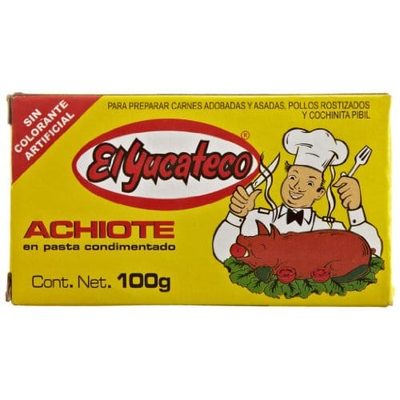
Red recado is built on achiote, annatto seeds ground with oregano, cumin, and clove. A prepared paste is the closest shelf-stable version to what Belizean families roll into balls for this dish.
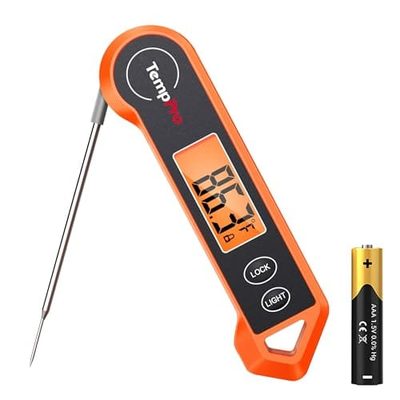
A 90-minute braise on bone-in chicken still needs a temperature check - an instant-read confirms 165°F at the thigh without cutting into a piece mid-simmer.

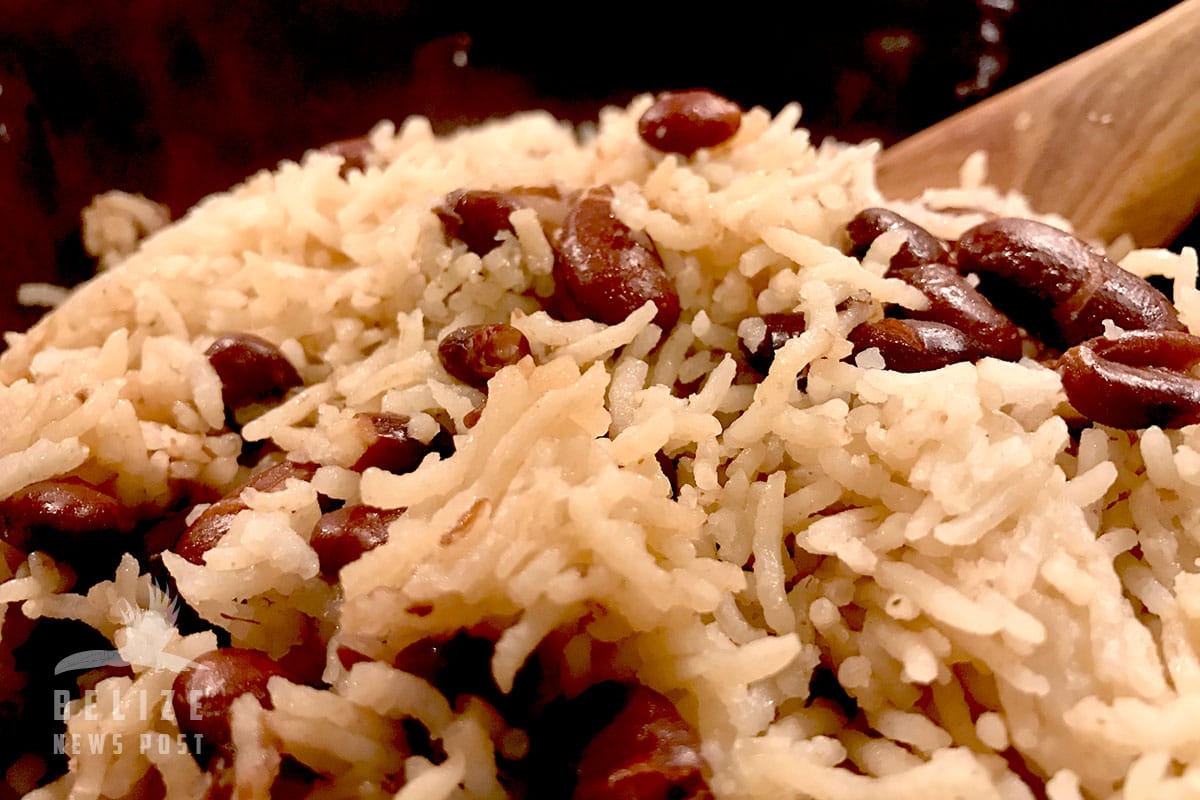


I made stew chicken using this recipe it’s delicious thank for sharing !!!!!
Thank you so much for your comment! I’m glad your chicken turned out well and that the recipe worked well! Let us know if there are recipes that you want to see or if you have any other comments!
Recipe for an Orange Walk filling.