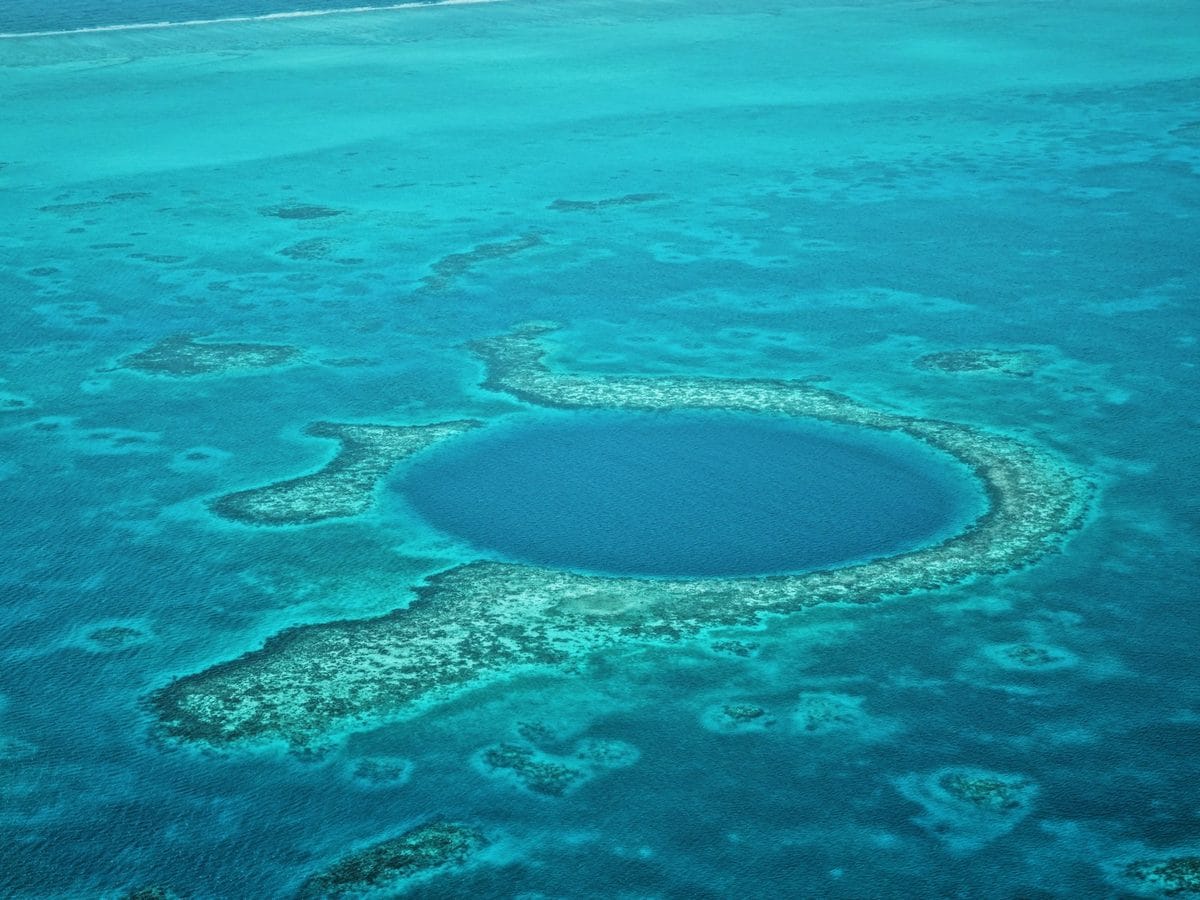
Short answer: Belize is small, English-speaking, and easier to travel than most of Central America, but it does not work the way a resort does. Most visitors come for the cayes and the reef, the jungle and the Maya sites, or both. Getting around means a mix of small planes, water taxis, and buses. This guide is the map: how to get here from Mexico or by air, how to move between the mainland and the islands, how to reach the Maya world across the Guatemalan border, when to come, and what to eat once you arrive.
I have run an independent Belizean site for over twenty years and I grew up here, in Corozal, on the Mexican border. What follows is not a brochure. It is how the country actually works for a traveler, told straight, with each piece linked to a full guide.
Getting to Belize
Most people arrive one of two ways: a flight into Belize City, or overland from Mexico down the Yucatán. If you are coming through Cancún, that is its own decision, and the border at Chetumal is the hinge for everyone headed to the islands.
- How to Get from Cancún to Belize — the flight, the on-again-off-again ADO bus, the shuttle, and the route south
- Chetumal to Belize: Border Crossing and Ferry Guide — documents, the tourism tax sorted out, and the ferry to the cayes
Getting around once you’re here
Belize is small but spread across mainland and islands, and the right move is often a fifteen-minute flight instead of a long boat or bus.
- Flying Within Belize — the cayes, flights vs. ferries, the two Belize City airports, and the late-arrival trap
- How to Get to Tikal from Belize — overland or by air to the great Maya city across the Guatemalan border
When to come and what to know
- Best Time to Visit Belize — seasons, weather, and the trade-offs
- September Celebrations in Belize: the parades, the two holidays, and what the country cooks
- Is Belize Safe? — a straight answer, with the precautions that actually matter
- Sargassum in Belize — what the seaweed season means for the beaches
- What to Pack for Belize — the list that matters for reef, jungle, and town
- Belize Travel FAQ — quick answers to the common questions
What to eat
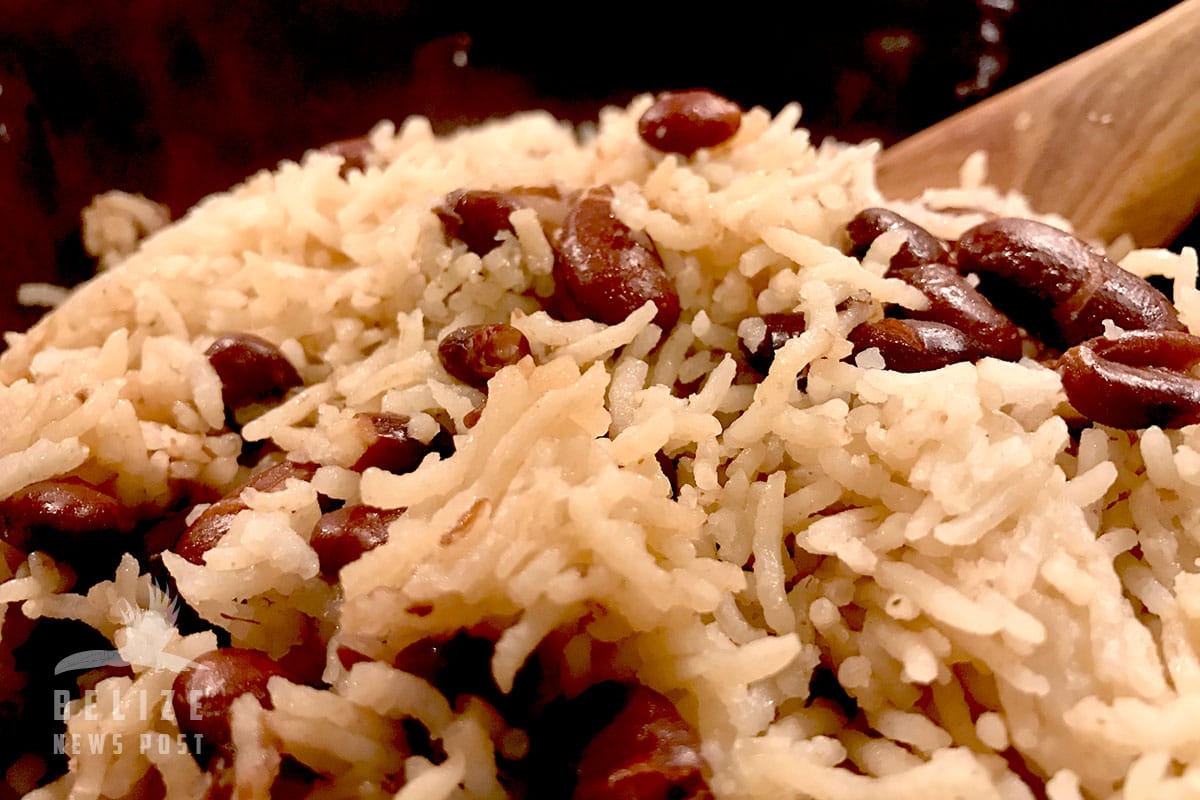
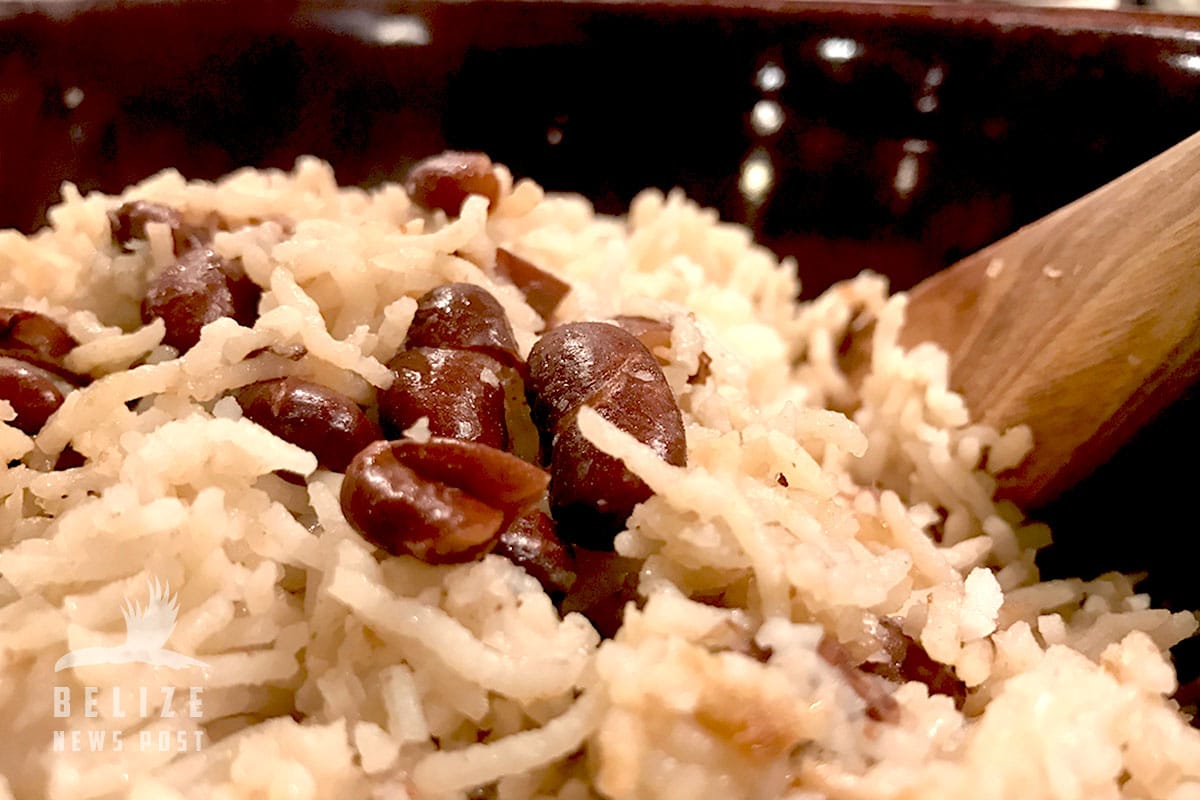
The food is the reason a lot of people come back. Start on the street.
- Belize Street Food Guide — salbutes, garnaches, panuchos, and where in the country to find them
- Belizean Recipes — cook the whole table at home
A note on what Belize is
Belize is not Cancún and it is not a Caribbean resort island. It is a country with a coastline, a reef, a jungle, and a deep Maya, Mestizo, Creole, and Garifuna culture stacked into a small space. If you come expecting a manicured strip built for tourists, it will not give you that. If you come to eat what the coast gives you, dive a reef that is still alive, and stand inside Maya history at full scale, you will leave planning the next trip.
Frequently asked questions
How do you get to Belize?
By air into Belize City (Philip Goldson International) from the US and regionally, or overland from Mexico down the Yucatán through the Chetumal border. From Cancún you can fly direct on Tropic Air, take the demand-based ADO bus, book a shuttle, or travel south to the Chetumal crossing.
How do you get around Belize?
Small domestic flights on Tropic Air and Maya Island Air, water taxis between Belize City and the cayes, and buses on the mainland. For the islands, flying or the water taxi are the two main options.
Do you need a passport to visit Belize?
Yes, a valid passport, and most visitors are stamped in on arrival without a visa for a stay of around thirty days. There is no fee to enter Belize as a tourist. Confirm the rule for your nationality.
What is the best part of Belize to visit?
The cayes (Ambergris Caye and Caye Caulker) for the reef, the Cayo District for jungle and Maya sites, and the north for food and the Mexican border culture. Most trips combine the islands with one inland region.
Can you visit Tikal in Guatemala from Belize?
Yes. Cross overland from San Ignacio through the Benque–Melchor border to Flores, or fly Belize City to Flores on Tropic Air. Tikal is a day trip from Flores.
Is Belize expensive?
It can be, especially on the cayes and in tourist restaurants, but street food, markets, buses, and water taxis make it possible to travel well for much less.
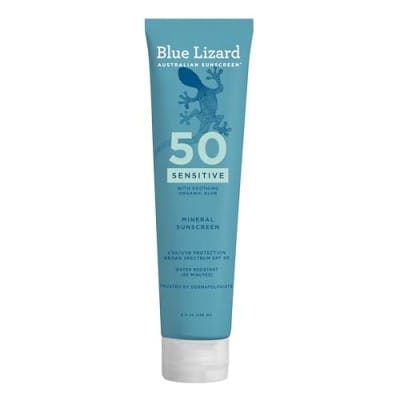
Blue Lizard Sensitive Mineral Sunscreen SPF 50 (Reef Safe)
Mineral, oxybenzone-free SPF 50 — reef-safe matters on the Belize Barrier Reef, and many marine parks require it.
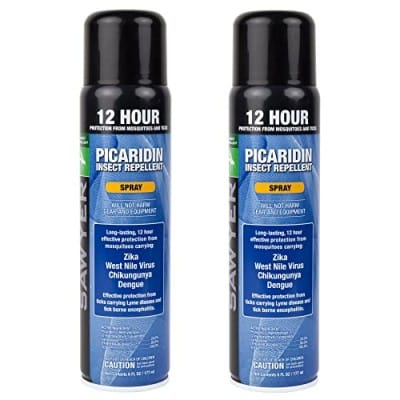
Sawyer 20% Picaridin Insect Repellent Spray, 6 oz (2-Pack)
Picaridin works on mosquitoes, sand flies, and botlass flies without melting plastics like DEET — the jungle standard.
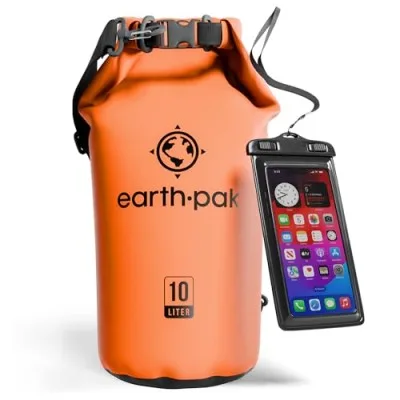
Earth Pak Waterproof Dry Bag, Roll-Top
Roll-top dry bag for water taxis, cave tubing, and boat days — phone and passport stay dry.
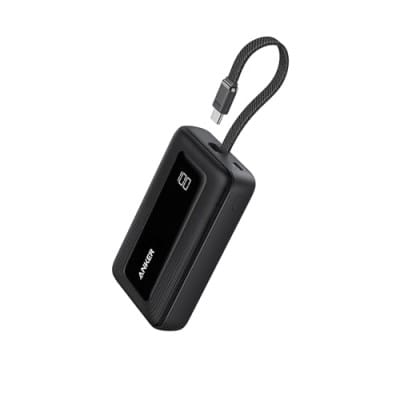
Anker 10,000mAh 30W USB-C Power Bank
Border crossings and ferry days run long — a pocket power bank keeps maps and tickets on your phone alive.