
If you sit down at a table in Belize, you are sitting down at a table that was set by six different cultures over four hundred years. The Maya were here first, and their corn and recado and chaya still anchor every kitchen in the country. The Garifuna brought plantain and coconut and cassava from the Caribbean coast. The Mestizo families carried escabeche and salbutes and tamales from the Yucatán. The Creole tradition, born right here, turned rice and beans cooked in coconut milk into something no other country in the region can quite replicate. And then the British left their bread pudding and fruit cake, the East Indian communities added curry and spice, and the wider Caribbean wove in seafood and coconut in ways that tied it all together.
I grew up eating all of it. Not because my family cooked everything, but because in Belize you eat at your neighbor’s house, at the market, at the festival, and every table carries a different history. That is what this page is. Every recipe we have published, organized by the culture that shaped it. Some dishes cross lines. Where that happens, I have placed them where they feel most at home and noted the crossover.
Click any culture below to jump to that section, or scroll through and discover something you have not tried yet.
Maya Influence on Belizean Food
Everything starts with corn. The Maya cultivated it thousands of years before anyone else arrived, and corn, ixim in Yucatec Maya, remains the foundation of Belizean cooking today. Masa for tortillas and tamales. Atole simmering on the stove on a cold morning. Chaya scrambled with eggs the way my mother made it, picking the leaves from the bush in the yard and boiling them first because she knew they had to be cooked.
The Maya also gave Belize its recado tradition, the spice pastes made from annatto, black pepper, oregano, and charred chiles that season nearly everything. Red recado, black recado, white recado. If you have eaten stewed chicken in Belize, you have eaten Maya food whether you knew it or not. The slow-roasting techniques, the banana leaf wrapping, the use of pumpkin seeds in dips and sauces: all of it traces back to the same hands that built the temples at Xunantunich and Lamanai.
Maya cooking is not a historical footnote in Belize. It is the kitchen you are standing in.
- Atole is a traditional hot corn drink made from masa, sweetened with sugar and spiced with cinnamon. What my mother made when the morning was cool and the kitchen smelled like corn.
- Cochinita Pibil is pork marinated in sour orange and red recado, wrapped in banana leaves and slow-roasted. The Yucatec method that existed before borders.
- Banana Leaf Cooking Methods covers the original wrapper. Tamales, fish, pibil: the leaf steams the food and gives it a grassy, sweet fragrance no foil or parchment can match.
- Chaya with Eggs is scrambled eggs with boiled chaya leaves. Simple, nutritious, and deeply Maya. Chaya must always be cooked first because the raw leaves are not safe to eat.
- Dzotobichay (Chaya Tamales) are tamales made with chaya leaves folded into the masa, steamed in banana leaf. A dish that exists nowhere else but the Maya world.
- Chirmole (Black Dinner) is a rich black soup made with charred-chile recado, chicken, hard-boiled eggs, and tomato. The recado is what makes it: smoky, deep, and almost purple-black in color. Chilmole, Chirmole, Black Dinna are all basically the same thing, the soup varies by its maker.
- Relleno Negro is typically pork in black recado sauce stuffed into a chicken or turkey, often served at celebrations like weddings. Related to chirmole but richer.
- Relleno Blanco is the lighter counterpart, pork or chicken cooked in white recado with spices. Relleno blanco sometimes also includes exotic ingredients (to Belize) like almond slices and olives.
- Picadillo is ground meat cooked with recado, a weeknight variation of relleno that stretches the same flavors into a faster meal.
- Belizean Tamales are masa dough filled with chicken or pork in recado, wrapped in banana leaf or corn husk and steamed. Every family has their method.
- Sikil Pak is a roasted pumpkin seed dip with tomato and habanero. A Maya original that predates hummus by centuries.
- Pirix Paak is a tomato and pumpkin seed salsa, related to sikil pak but with a different texture and preparation.
- Papadzules are tortillas dipped in pumpkin seed sauce, filled with hard-boiled egg, and topped with tomato sauce. One of the most elegant dishes in the Maya repertoire.
- White Recado (Recado Blanco) is the mildest of the three recado pastes, herbal and light, used for fish and lighter poultry dishes.
- Black Recado is made from charred dried chiles and spices. The base for chirmole and any dish that calls for that deep, smoky darkness.
- Red Recado is the everyday recado. Annatto, cumin, oregano, garlic, black pepper, vinegar. If you learn one Belizean ingredient, learn this one.
- Mole Recado is a Belizean take on mole, using local recado as the base rather than the Mexican chocolate-heavy versions.
- Maja Blanca is a coconut milk pudding traditionally made for holidays. Sweet, simple, and quietly festive.
- Corn and Masa Recipes is a guide to the many ways Belizeans use corn, from tortillas to tamales to drinks.
- Top 5 Soups of Belize includes several Maya-origin soups, including chirmole and escabeche.
- Belizean Corn Tortillas (from Masa) are homemade corn tortillas made from masa harina on a comal. The foundation of panuchos, salbutes, and tamales. The recipe and full technique for making them at home.
- Panuchos Yucatecos are small homemade tortillas cooked dry on the comal until they puff, then stuffed with black beans and fried in lard. Topped with shredded meat, cabbage, and pickled onion. The Yucatan dish Belizeans know from Chetumal.
- Chocolomo is a Maya organ meat stew from northern Belize and the Yucatan, made from beef or pork heart, tripe, loin, liver, and kidney slow-cooked with recado and bitter orange. A post-slaughter dish by tradition, prepared the day the animal is butchered.
Garifuna Influence on Belizean Food
The Garifuna arrived on the coast of Belize in the early 1800s, settling in Dangriga, Hopkins, Seine Bight, and Punta Gorda. They brought with them a food tradition built on three pillars: plantain, coconut, and cassava. If you have eaten hudut, mashed plantain with coconut fish stew, you have tasted what Garifuna cooking is about. It is coastal food. Patient food. The kind of cooking where you grate a coconut by hand and squeeze the milk through cloth because that is how it has always been done.
Garifuna cooking does not rush. The fish simmers in coconut milk. The plantain is pounded until smooth. The cassava is grated, pressed, and dried into ereba, a thin, crisp bread that keeps for days and pairs with almost anything. November 19th is Garifuna Settlement Day, and on that day you will find these dishes at every celebration in southern Belize, drums playing while the hudut is served.
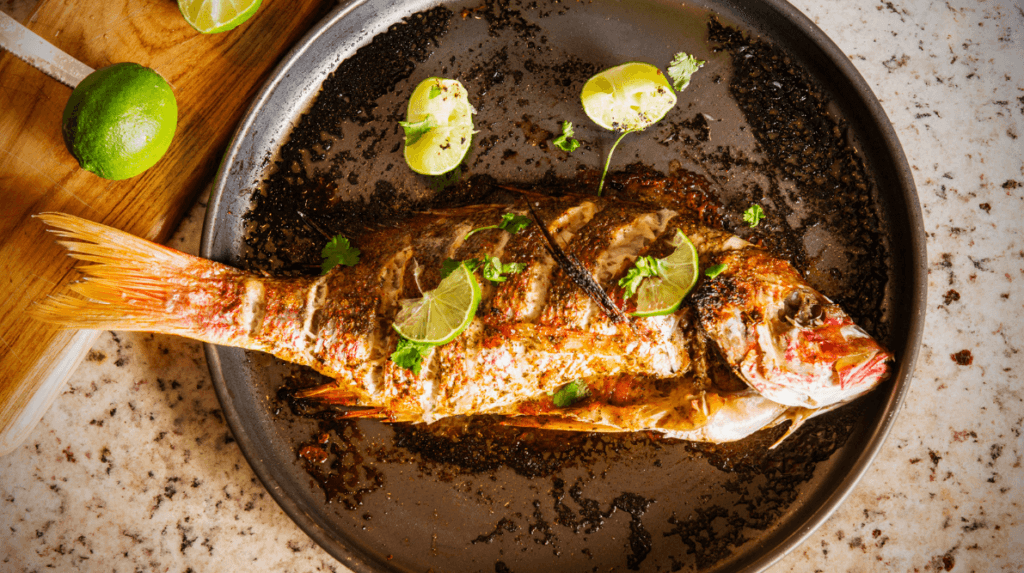
- Hudut is the signature Garifuna dish. Mashed green and ripe plantain served alongside fish simmered in coconut milk with okra, basil, and plantain. You eat it with your hands.
- Bundiga (Matilda Foot) is a thick, sweet plantain and coconut dumpling. The name “Matilda Foot” comes from its shape, round and dense.
- Dukunu is sweet corn dumplings wrapped in banana leaf and boiled. Made from fresh grated corn, coconut milk, and spices.
- Bimecacule is a Garifuna fish and coconut stew similar to hudut but with a different preparation of the plantain base.
- Tapou is fish and plantain cooked in coconut milk, part of the same family of dishes as hudut and sere, each community with its own version.
- Cassava Bread (Bammie) is grated cassava wrung dry, pressed into rounds, and browned until crisp. The Garifuna version, ereba, uses bitter cassava; this recipe uses sweet cassava and the same basic technique.
- Fried Plantains are ripe plantain sliced and fried until golden and caramelized. Served as a side with nearly everything.
- Plantains in Belizean Cooking is a guide to how plantains are used across Belize, from green to ripe, boiled to fried.
Creole Influence on Belizean Food
Creole cooking is the backbone of everyday Belizean food. It is what most people mean when they say “Belizean food” without specifying a culture: rice and beans cooked in coconut milk, stewed chicken, fry jacks for breakfast, boil up on Saturday. The Creole tradition emerged from the mix of African, British, and Indigenous influences that shaped Belize City and the coastal towns, and it became the common table that everyone in the country shares.
What makes Creole cooking distinct is its directness. The seasoning is bold (recado, thyme, garlic, onion, habanero) and the methods are practical. You boil up whatever root vegetables and protein you have. You fry the jacks in hot oil until they puff. You stew the chicken until the sauce is thick and dark. There is no pretension here, just food that feeds a family well and has done so for generations.

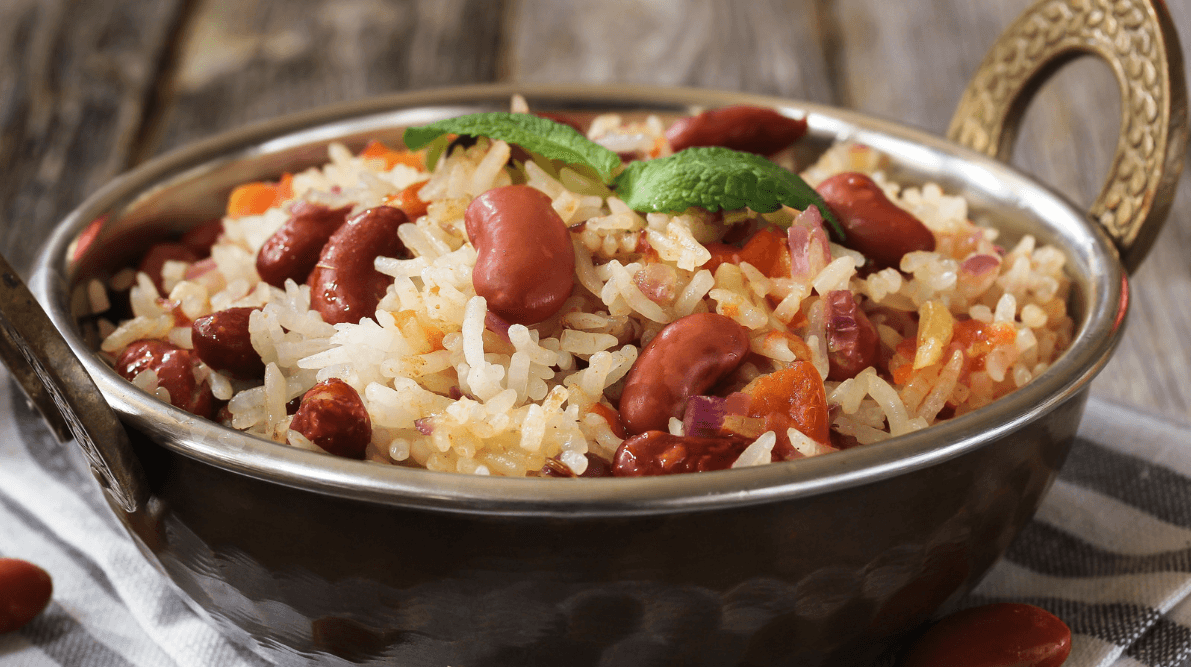
- Rice and Beans is the national dish. Red kidney beans cooked with rice in coconut milk, seasoned with thyme and habanero. This is Creole food at its most essential, the dish every Belizean knows how to make.
- Fry Jacks are deep-fried dough often in triangles served for breakfast with beans, cheese, or jam. Crispy on the outside, pillowy inside. Every morning in Belize starts with these. These days they have become just as popular as “stuffed jacks” which are more burrito like.
- Johnny Cakes (Journey Cakes) are baked coconut bread rolls, dense and slightly sweet. The baked counterpart to fry jacks, same breakfast table, different method.
- Creole Bread is a slightly sweet, coconut centric bread that pairs with everything from cheese to stewed beans. The bread of Belize City.
- Stew Chicken (No Recado) is chicken stewed in a dark, savory gravy without recado paste. The Creole version, seasoned with browning sauce, thyme, and onion.
- Baked Chicken with Red Recado is chicken rubbed with red recado and baked until the skin is crisp and deeply colored. Sunday dinner food.
- Boil Up is root vegetables, eggs, fish or pigtail, and dumplings boiled together in one pot. The ultimate Creole one-pot meal, what you make on Saturday when you clean out the kitchen.
- Belizean Meat Pies are savory pastry filled with seasoned minced meat. Sold at every shop and bakery in the country.
- Panty Ripper (Belizean Breeze) is coconut rum and pineapple juice. The cocktail that every tourist learns about on day one and every Belizean already knew.
- Fried Snapper is whole snapper scored, seasoned, and fried crisp. Served with rice and beans and a squeeze of lime.
- Black Beans are slow-cooked and seasoned simply. Served alongside rice or as a filling for fry jacks and garnaches.
- Stewed Beans are red kidney beans cooked down with pigtail, onion, garlic, and pepper. A Saturday staple served over white rice with fried plantain.
Mestizo & Spanish Influence on Belizean Food
The Mestizo tradition in Belize carries the food of the Yucatán Peninsula directly into northern communities like Corozal and Orange Walk. This is where you find escabeche simmering on the stove on a Sunday, where salbutes and panades are sold at every corner, and where the tamal is made the way it has been made for generations: in banana leaf, with recado, by hand.
Much of what falls under “Mestizo” cooking in Belize traces back to Spanish colonial influence filtered through Maya and Indigenous foodways. The Spanish brought citrus, pork, and the escabeche technique of cooking with vinegar and onion. But the corn, the chiles, the recado: those were already here. The Mestizo kitchen is where those two streams meet, and it is impossible to untangle one from the other. That is the point. In Corozal and Orange Walk, you eat salbutes for breakfast, escabeche for lunch, and tamales when someone’s mother decides it is time. Nobody stops to sort out which part is Spanish and which part is Maya. It is all just food.
- Salbutes are fried puffed masa corn tortillas topped with shredded chicken or turkey, pickled onion, tomato, and avocado. The Yucatec street food that became a Belizean staple.
- Panades are deep-fried masa pockets filled with fish, beans, or chicken. Sold on the street, at parties, at the market, everywhere.
- Garnaches are fried corn tortillas topped with refried beans, cheese, and onion. Simple, cheap, and exactly right.
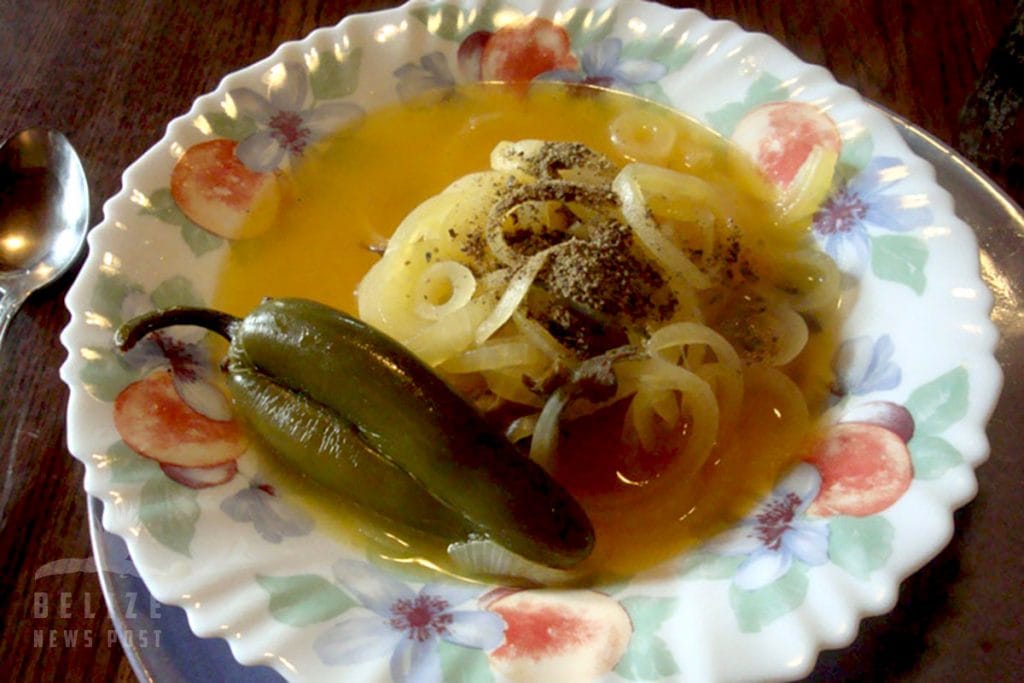
- Escabeche (Onion Soup) is chicken cooked with sliced onion, vinegar, and spices. The Mestizo Sunday soup that every family in northern Belize knows.
- Ceviche is raw shrimp or conch cured in lime juice with onion, tomato, cilantro, and habanero. The Mestizo version is the one most Belizeans think of first.
- Pupusas are thick corn flatbreads stuffed with cheese, beans, or chicharrón. Originally Salvadoran, adopted in Belize through Central American migration and now sold widely.
- Chilaquiles is breakfast tortilla chips in tomato sauce with eggs and cheese. The kind of morning food that uses yesterday’s tortillas and turns them into something better than they started.
- Belizean Enchiladas are not the Tex-Mex version. Belizean enchiladas are corn tortillas rolled around hard boiled eggs topped with “hard back” cheese, and tomatoe sauce.
- Tostadas are flat fried tortillas topped with beans, meat (typically chicken), and fresh vegetables. Quick, crunchy, satisfying.
- Tortilla Chips are homemade from corn tortillas, fried or baked. The base for “dip”, bontanas, or nachos and the side for ceviche.
Note: Several dishes in this section (chirmole, relleno, tamales, recado pastes) overlap with the Maya section above. I have listed them under Maya because the techniques and ingredients are Maya in origin, even though Mestizo families cook them daily. That is the nature of Mestizo food: it carries both traditions forward.
East Indian Influence on Belizean Food
The East Indian community in Belize is small but its influence on the kitchen is real and specific. Families in communities like San Antonio in Corozal District trace their roots to Indian laborers who came to the Caribbean during the British colonial period, the same migration that shaped the food of Trinidad and Guyana. In Belize, that influence shows up most clearly in curry.
Belizean curry is not Indian curry transplanted. It has been shaped by what grows here. Coconut milk goes into the pot. Habanero replaces other chiles. The spice blending is simpler than what you would find in Trinidad, but the technique of building flavor from toasted spices in oil is the same. You also see the East Indian influence in the use of roti and dhalpuri as everyday bread in some households, and in the way certain Belizean cooks approach spice, layering cumin, turmeric, and coriander in ways that do not come from the Maya or Mestizo tradition.
We do not yet have dedicated East Indian recipe pages on the site, but that is coming. The influence is present in many of our coconut-based and spice-forward dishes, and we are researching recipes that honor this tradition specifically. If your family carries East Indian Belizean recipes, we would especially welcome your submission at the bottom of this page.
Caribbean Influence on Belizean Food
Belize is a Caribbean country, and the broader Caribbean influence shows up in the coconut, the seafood, the use of lime and hot pepper in everything, and the tradition of making something out of whatever the sea and the trees provide. The coconut desserts (tarts, cream pies, powder buns) all carry that Caribbean sensibility of using one ingredient six different ways because it is what you have and it is good.
Seafood sere, coconut shrimp, the tradition of frying whole fish and serving it with a squeeze of lime: these are not uniquely Belizean, but Belizean cooks have made them their own. The Caribbean connection also shows in the baking tradition. Powder buns with coconut and spice, the layered trifle cakes that appear at every celebration, and the way rum finds its way into both the food and the glass beside it.
- Coconut Shrimp is shrimp coated in shredded coconut and fried until golden. A coastal dish that appears on every beachfront menu in Belize.
- Seafood Sere is a Belizean seafood and coconut milk soup with plantain, cassava, and okra. Related to the Garifuna tradition but claimed across the coast.
- Coconut in Belizean Cooking is a guide to how coconut is used across the country, from milk to oil to grated flesh.
- Belizean Coconut Tart is grated coconut in a sweet pastry shell, baked until golden. The tart you find at every bakery and every grandmother’s house.
- Coconut Cream Pie is rich coconut custard in a pie shell, topped with whipped cream. The celebration dessert.
- Coconut Crust is a pie crust made with desiccated coconut, the base for coconut cream pie and coconut tart.
- Belizean Trifle with Coconut Cake is layers of coconut cake, custard, fruit, and cream. The dessert that shows up at every Belizean holiday table.
- Powder Buns (Coconut Buns) are spiced coconut buns dusted with sugar. A Caribbean baking tradition that Belize has made entirely its own.
British Influence on Food in Belize
Belize was British Honduras until 1981, and while the British did not leave behind a particularly exciting culinary tradition, they left behind rum. Rum cake, rum popo, rum punch. The colonial sugar economy created a rum culture that Belizeans took and made better than anything the British ever produced. The Christmas fruit cake soaked in dark rum for weeks is as Belizean as it gets, even though the recipe traces back to British baking tradition.
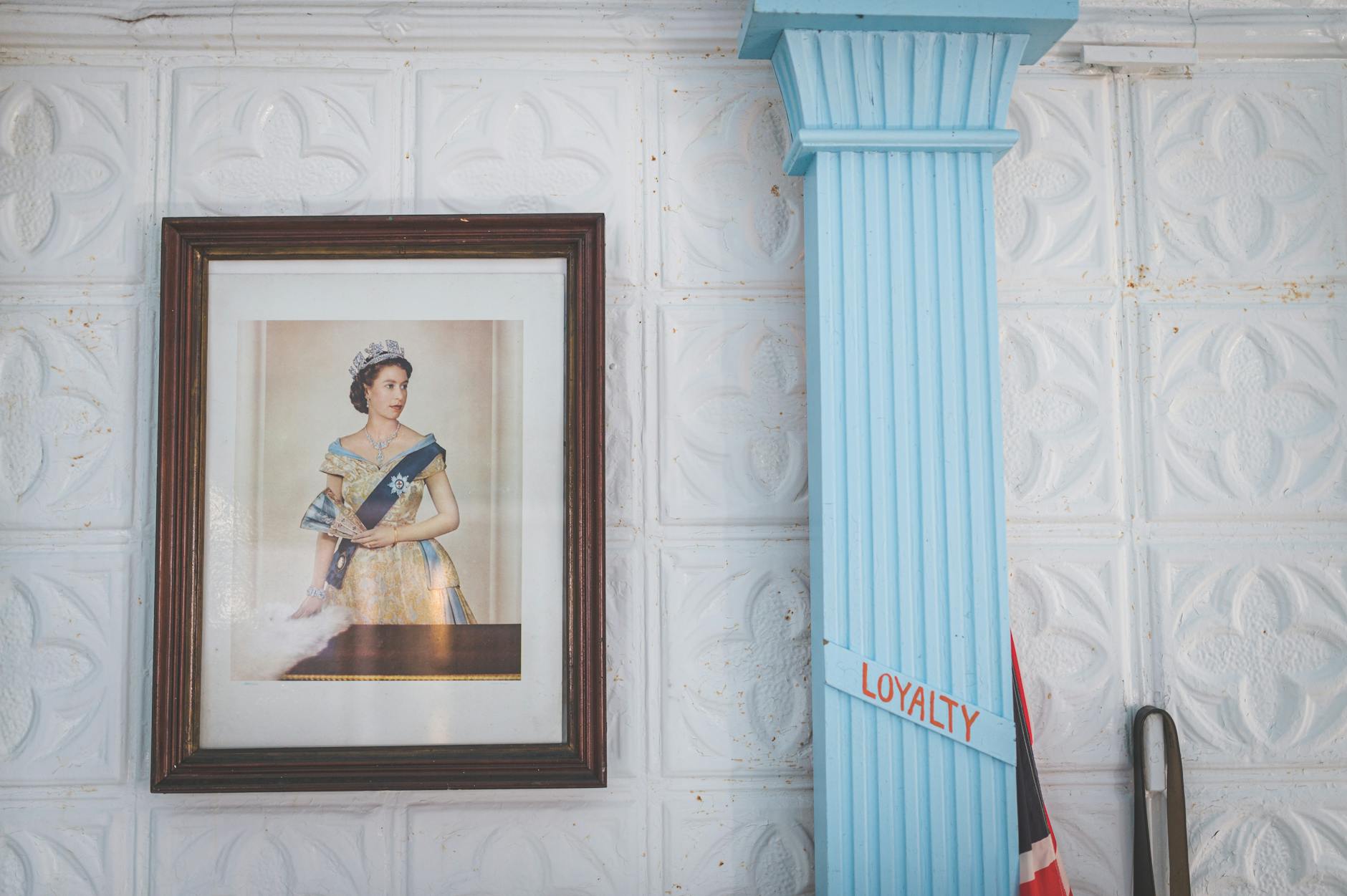
The British also left bread pudding, hot cross buns at Easter, and a fondness for potato salad made with salad cream rather than mayonnaise. These are not the flashiest dishes on this page, but they are woven into the weekly routine of Belizean life. Bread pudding as an afternoon snack, potato salad at every barbecue, hot cross buns in the bakery window the week before Easter.
- Rum Cake is a dense, moist cake soaked in dark rum. Made for holidays and special occasions, though nobody would turn it down on a Tuesday.
- Rum Popo is Belizean eggnog made with rum, evaporated milk, eggs, and nutmeg. The Christmas drink.
- Rum Punch is the drink you are handed at every beach bar, every party, every excuse to pour rum over ice and fruit juice.
- Black Fruit Cake is a dark, dense fruit cake soaked in rum and browning sauce, made weeks ahead of Christmas so the flavors have time to settle. The cake every Belizean family argues about whose is best.
- Bread Pudding is stale bread baked with milk, eggs, sugar, and spices. The original zero-waste dessert. Nothing gets thrown away in a Belizean kitchen.
- Hot Cross Buns are spiced sweet buns marked with a cross, baked for Easter. The bakeries in Belize fill with them the week before Good Friday.
- Belizean Potato Salad is made with salad cream, not mayonnaise. Boiled eggs, peas, carrots, and potatoes. At every cookout, every holiday plate, every funeral reception.
Cross-Cultural Belizean Food
Some dishes in Belize do not belong to any one culture anymore. They have been made by everyone, in every district, for long enough that claiming them for a single tradition misses the point. Rice and beans is Creole in origin but it is on every table in the country. Fry jacks are breakfast whether you are Maya, Mestizo, Garifuna, or Creole. Meat pies are sold at every shop from Corozal to Punta Gorda. Ceviche shows up at every beach and every party regardless of who is cooking.
These are the dishes that make Belizean food Belizean, not because they erase cultural origin, but because they prove that when something is good enough, everybody makes it their own. You will find the recipes for these dishes linked in their primary culture sections above.
- Rice and Beans, Creole origin. See Creole section.
- Fry Jacks, Creole origin. See Creole section.
- Johnny Cakes, Creole origin. See Creole section.
- Stew Chicken, Creole origin. See Creole section.
- Meat Pies, Creole origin. See Creole section.
- Ceviche, Mestizo origin. See Mestizo section.
- Conch Fritters are conch battered and fried, served with lime and hot sauce. A coastal dish made everywhere the conch is caught.
- Tamales, Maya origin. See Maya section.
- Cassava Pone (also cassava cake, plastic pudding, yuca pudding) is grated cassava baked with fresh coconut and brown sugar. Made across Belize regardless of cultural background, and found throughout the Caribbean under different names.
- Cassava Bread (Bammie) is grated cassava pressed dry, formed into rounds, and pan-fried until crisp. Garifuna in origin but eaten across the country and throughout the Caribbean.
A Note from the Editor
Organizing food by culture is useful but imperfect. Belizean dishes cross cultural lines constantly. A Mestizo family’s escabeche may use a Maya grandmother’s recado technique, and a Creole stew chicken might be served alongside Garifuna fried plantain. Where I have placed a dish reflects its primary cultural origin, not a boundary. If you see a recipe listed under one culture that your family makes as part of another tradition, that is not a mistake. That is Belize.
Share a Belizean Recipe
The vast majority of our recipes were passed down from generation to generation. We started this site to keep Belizean food culture alive and share it with the world. If you have a family recipe, especially from East Indian, Garifuna, or Maya traditions, we would love to hear from you.
Stay connected and follow us on Facebook and Pinterest for new recipes and stories from the Belizean kitchen.
Shop This Recipe
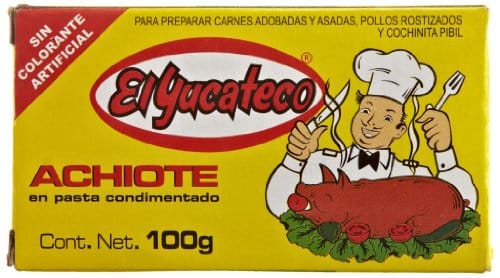
Achiote Paste
Red recado – the annatto paste the Maya section calls the everyday recado – is the single ingredient that runs across more dishes on this hub page than any other.
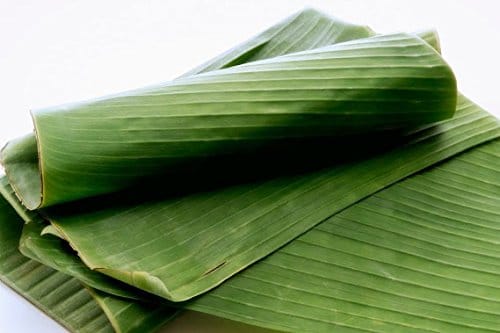
Frozen Banana Leaves
The hub page covers banana leaf cooking as its own entry under Maya influence – tamales, cochinita pibil, and dukunu all require leaves that diaspora cooks cannot source fresh.
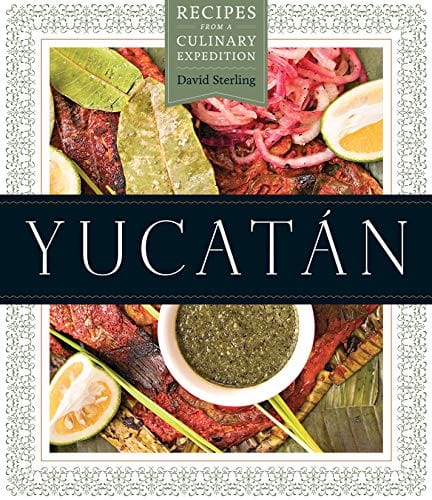
Yucatán Cookbook
David Sterling’s book documents the same Yucatan-Belize corridor the hub page maps – the Maya and Mestizo sections pull from precisely the culinary traditions his decade of fieldwork covered.
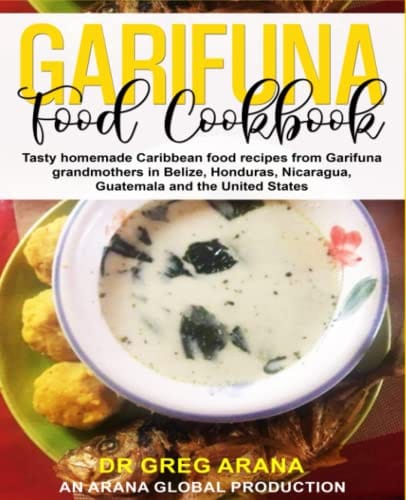
Garifuna Cookbook
The hub’s Garifuna section covers hudut, ereba, tapou, and dukunu – the only cookbook on Amazon that documents these dishes from the same Belize-Honduras-Guatemala tradition.