Belizean cassava pone is a baked pudding made from finely grated cassava and fresh coconut, sweetened with brown sugar and baked until the edges caramelize and the interior sets into something dense and slightly stretchy. You will also hear it called cassava cake, plastic pudding, or yuca pudding across Belize and the wider Caribbean. Different names, same dish. It is a traditional teatime food, eaten in squares at room temperature with nothing alongside it.
My mother made cassava pone on Saturdays when the cassava came in from the yard. She grated everything by hand into a wide bowl, pressed it flat into the pan with her palm, and left it in the oven until the edges went dark and the whole house smelled like toasted coconut and brown sugar. She never measured anything. I measure, because I want you to get the same result she did.
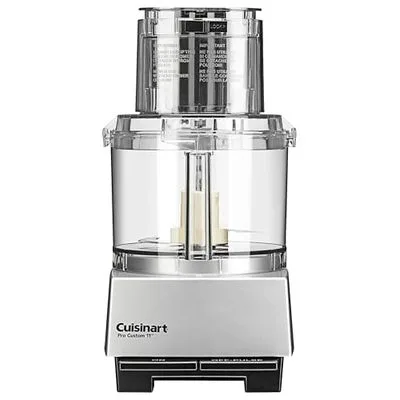
Recado pastes built from achiote, garlic, and citrus need a processor that grinds them smooth in one pass. An 11-cup bowl is sized for the recado batches that get portioned and frozen.
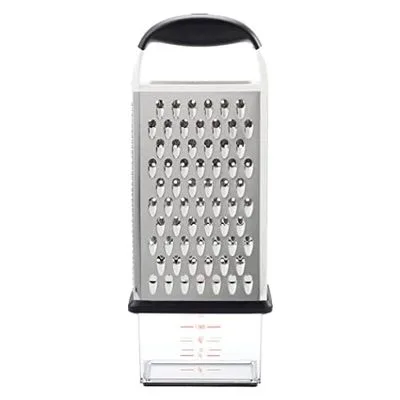
Fresh coconut and hard cheese both want a four-sided box grater: finer than a rasp for cheese, coarser than a food processor for coconut.
What to expect from this pone
This is not a sponge cake and it is not a pudding you spoon out soft. Warm from the oven, cassava pone has a stretchy, gummy pull to it. It sticks to your teeth a little, the way good cassava should. As it cools it firms up considerably, and by the time it is fully cold it holds its shape and slices cleanly. The exterior goes crisp and caramelized at the edges and bottom. If you are expecting something light, this will surprise you. That chew and density is the point.
The cassava and coconut
Grate the cassava as finely as you can. Coarse grating leaves the pone stringy and uneven; fine grating gives it the smooth, compact texture it is supposed to have. For the coconut, grate it fresh, then stir the milk into it before working the whole mixture together. You are not straining out the pulp here. The coconut flesh and the milk both go in, and the fat from the coconut is part of what makes the pone hold together and brown properly at the edges.
Cassava pone belongs to the same family of Belizean baked and steamed puddings as dukunu and conkies. All three use root vegetables or starchy grains with fresh coconut as the base. The baked form is what separates pone from the others. The guide to Belizean food by culture has more on the Maya roots of these dishes.
Belizean Cassava Pone Recipe
Yield: Serves 10–12 | Prep: 20 minutes | Bake: 1 hour 15 minutes | Pan: 9×9-inch
Ingredients
- 2 lbs cassava, peeled and finely grated (about 4 cups grated)
- 1 large coconut, grated (about 2 cups grated coconut)
- ½ cup whole milk, stirred into the grated coconut
- 4 tablespoons unsalted butter, softened
- 1 cup brown sugar, packed
- 1 teaspoon baking powder
- 1 teaspoon vanilla extract
- Pinch of ground nutmeg (optional)
- ¼ cup water, or as needed to bind
Instructions
- Heat the oven to 350°F. Grease a 9×9-inch baking pan and set it aside.
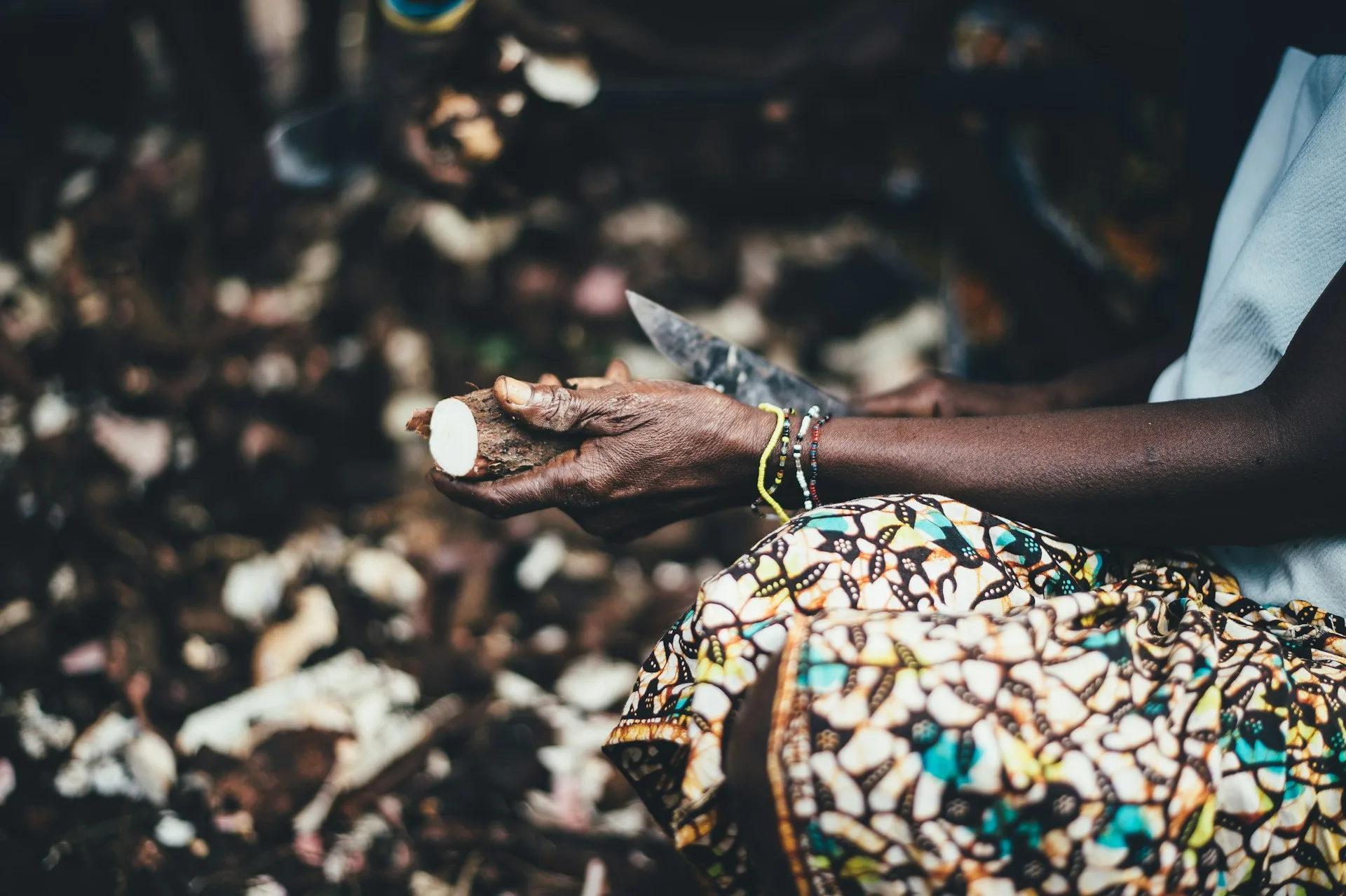
- Peel and wash the cassava. Grate it as finely as possible, using the fine side of a box grater or a food processor fitted with the fine grating disk. Place it in a large mixing bowl.
- Grate the coconut. Stir the milk directly into the grated coconut, then add the entire mixture, flesh and milk together, to the bowl with the cassava. Mix to combine.
- Add the softened butter. Work it in with a fork until it is distributed evenly throughout the mixture.
- Add the brown sugar, baking powder, vanilla, and nutmeg if using. Mix well.
- Add the water a tablespoon at a time, stirring after each addition. Stop when the mixture is stiff and holds together when pressed. It should not flow or pour.
- Turn the mixture into the prepared pan. Press it down and spread it evenly to a depth of about 1 to 1½ inches.
- Bake for 1 hour and 15 minutes, until the top is crisp and the edges are dark brown. A knife inserted in the center should come out clean.
- Cool completely in the pan before cutting. The pone will continue to firm as it cools and will slice cleanly once cold.
Cook time reference
| Prep time | 20 minutes |
| Bake time | 1 hour 15 minutes |
| Cooling time | 30 minutes minimum |
| Total time | About 2 hours |
| Yield | 10–12 pieces |
| Pan size | 9×9-inch (or 8×8-inch for a thicker pone) |
Tips
- Fine grating is not optional. Cassava grated on the coarse side stays stringy through the bake. Use the fine side of a box grater or a food processor with a fine disk. A good box grater is the right tool for this. The time it takes is part of the recipe.
- Dark edges are correct. The sides and bottom of the pone will go quite dark, nearly brown-black at the very edges. This is not burnt. The caramelized sugar at the edges is the best part. Pull it only if you smell actual burning or if the center is still wet.
- Add water conservatively. Start with 2 tablespoons, not the full quarter cup. The cassava and coconut hold moisture, and different cassavas will release differently. The mixture is correct when it holds together in your fist but does not feel wet.
- Cool completely before slicing. Cassava pone cut hot will fall apart. Give it at least 30 minutes, and an hour is better. Once fully cold it slices cleanly with a sharp knife.
- For a thicker pone, use a smaller pan. A 9×9 gives about a 1-inch depth with this recipe. If you want the traditional thicker block, use an 8×8 pan and add 10–15 minutes to the bake time, checking the center with a knife.
- Butter or margarine both work. Older Belizean recipes call for margarine, and that is not an accident. Belize did not have a local dairy industry until the Mennonite community established Western Dairies in Spanish Lookout in 1967. Before that, butter came in a can: imported creamery butter, a couple of brands, whatever was on the shelf. Today the Mennonites supply most of the fresh dairy in the country, but margarine shows up in cassava pone recipes from that earlier era. Either works here. Butter gives a slightly richer result; margarine is the more traditional choice.
Keeping and serving
Cassava pone keeps well at room temperature for two to three days, wrapped or covered. It keeps longer in the refrigerator, up to a week, and the texture stays firm. It is eaten at teatime or as a dessert, served in squares or rectangles, at room temperature or slightly warm. Some people eat it with a cup of tea; it does not need anything else alongside it.
Estimated nutrition
Per serving (1 of 12 pieces). Estimates based on standard ingredient labels.
| Calories | 265 |
| Carbohydrates | 46 g |
| Fat | 9 g |
| Protein | 1 g |
| Sodium | ~30 mg |