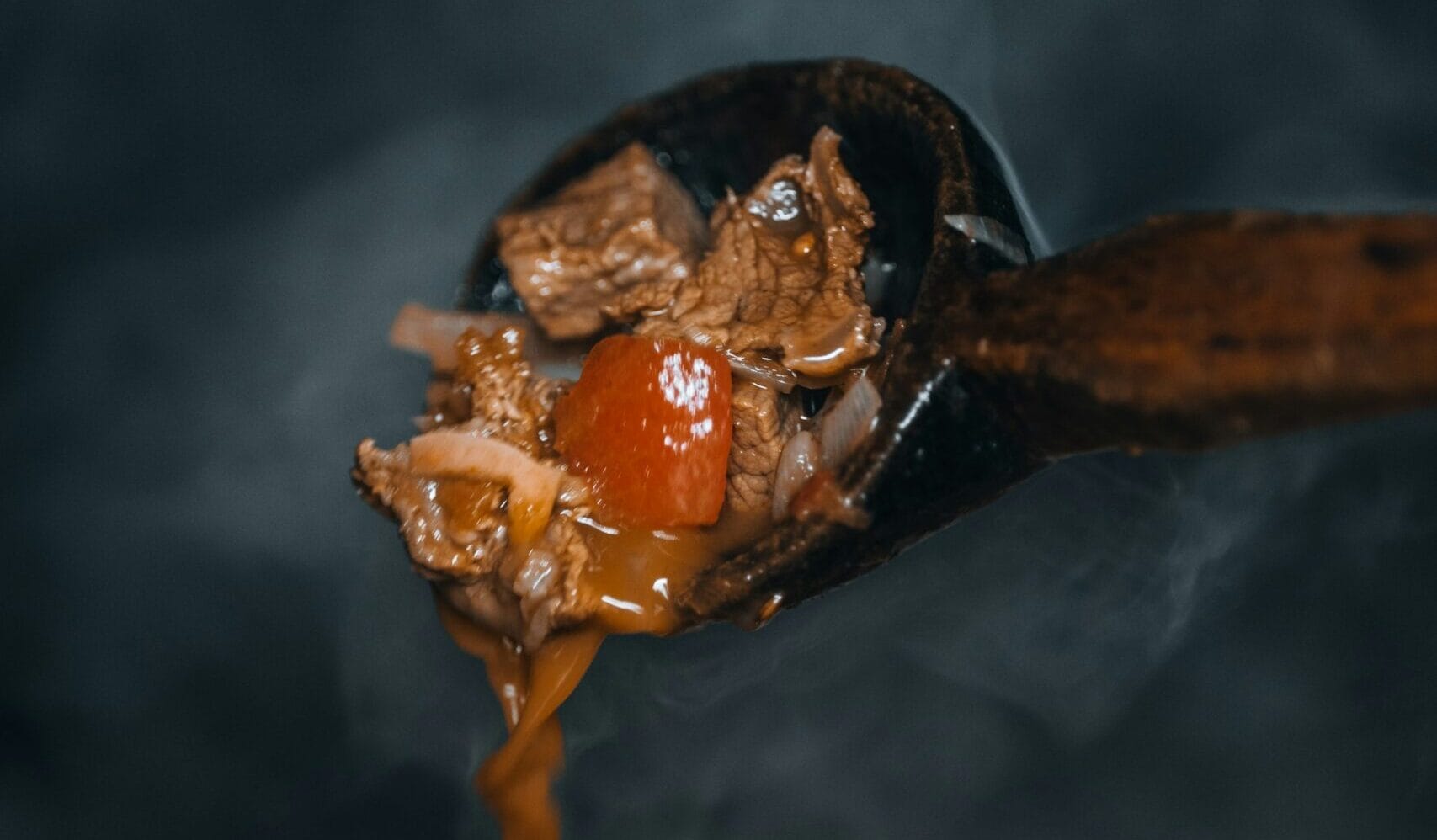
Chocolomo is a Maya organ meat stew from northern Belize and the Yucatan Peninsula, made from beef or pork heart, tripe, loin, liver, and kidney slow-cooked with recado, bitter orange, charred onion, garlic, and fresh mint. A post-slaughter dish by tradition, it is prepared the same day the animal is butchered.
In Xaibe, when you butchered a pig or res, you cooked chocolomo that same day. The heart, the tripe, the liver, the kidneys. Those went into the pot first, and nothing was wasted.
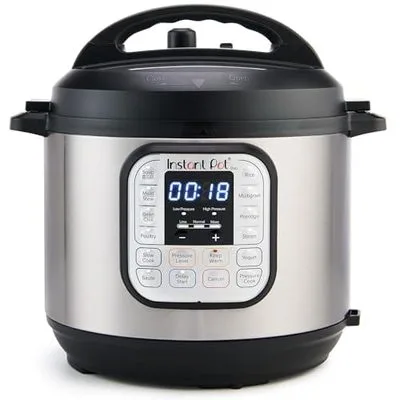
Instant Pot Duo 7-in-1 Electric Pressure Cooker, 6 Quart
Beans and pigtails go from dry to dinner in an hour instead of three. A 6-quart electric pressure cooker is sized for the family pot of stewed beans that anchors a Belizean weeknight.
WECK Canning Jars 742 Mold Jars, 1/2 Liter Tall Jar Set (2 Jars)
Spice pastes, ground spices and toasted seeds all keep longer in glass with a silicone seal than in plastic. Tall gasket-sealed glass jars are the editorial pick for paste and spice storage.
Corozal and Chetumal are separated by the Rio Hondo and a short stretch of road. The chocolomo is the same on both sides.
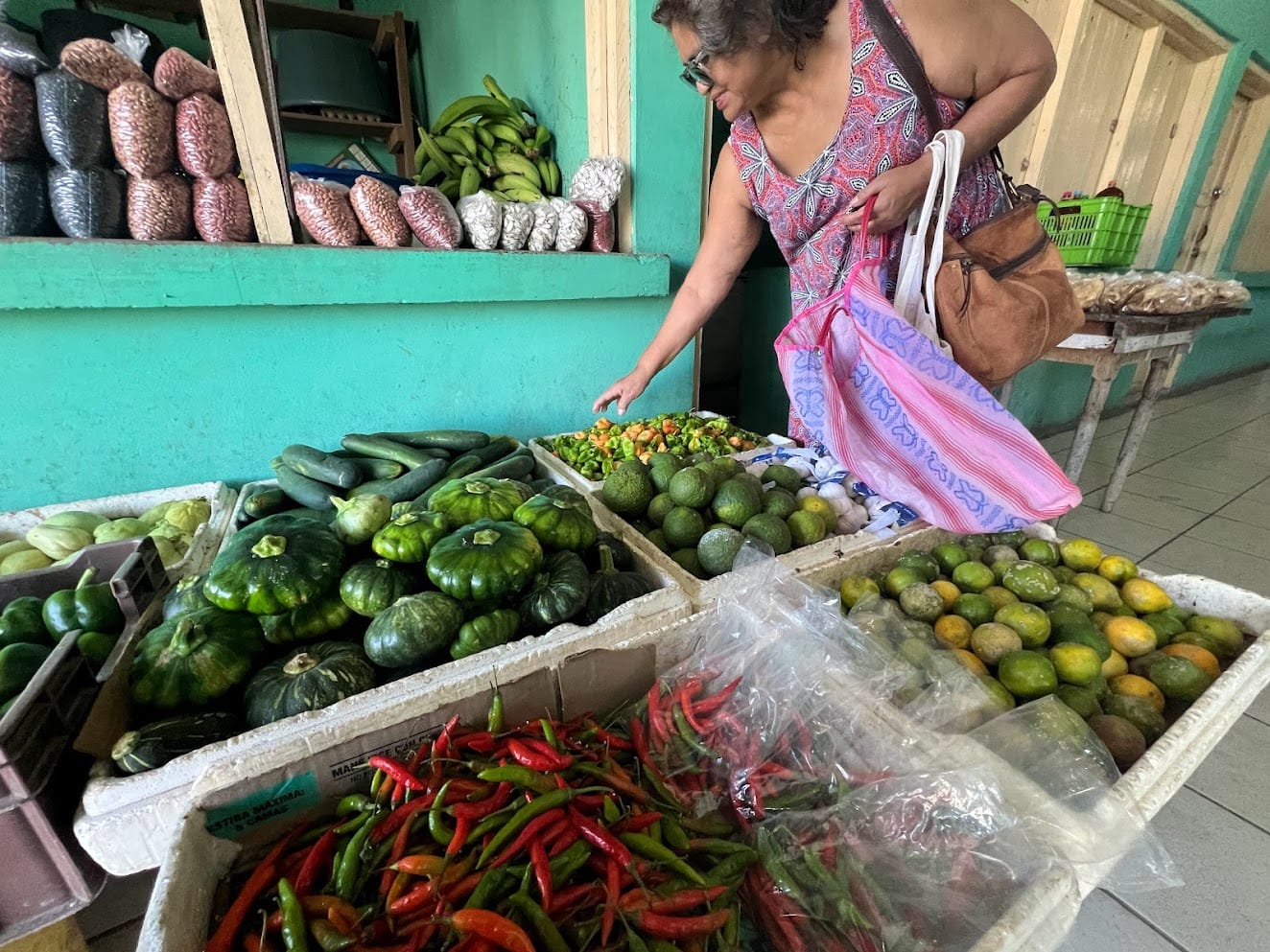
The name tells you what it is. Choko is said to come from the Maya word for hot. Lomo is the Spanish word for loin. The dish exists because organs are best cooked the same day, before the quality drops.
What goes into the pot depends on what the animal gives you. For pork or beef: heart, tripe, loin, liver, kidneys, and if you choose, brain. The order matters. Heart and tripe go in first and cook longest. At least an hour before anything else joins them. The loin follows when the tripe begins to soften. Liver and kidney go in near the end, because they need less time and become hard and dry if you rush them. The brain needs only a few minutes. Put it in last.
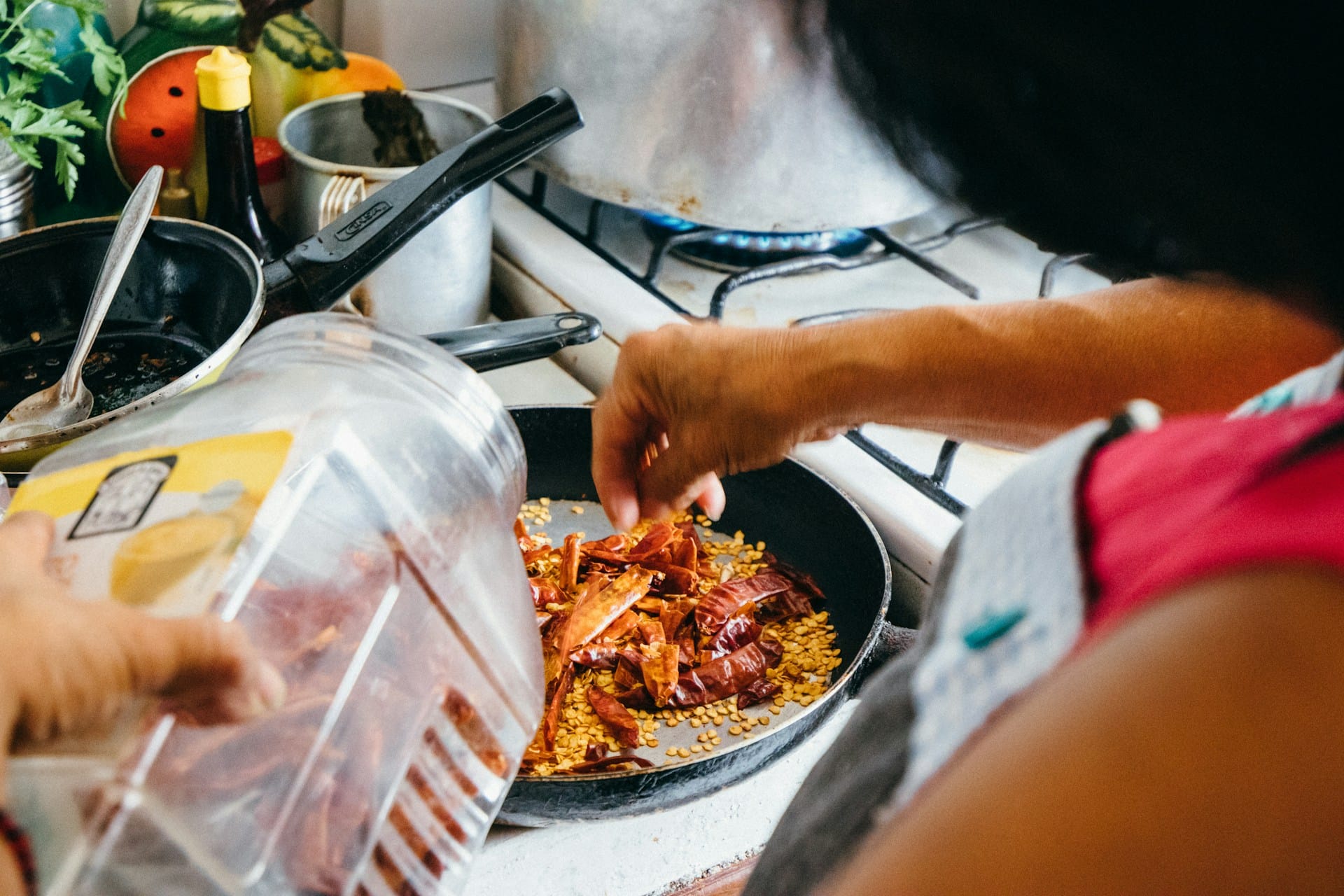
Red recado carries the broth in my version. My recado, ground at home from achiote and dried chiles and spices, not bought from a packet. In Yucatan they make this without recado, with oregano and bay leaf instead. Both are correct. If you do not have recado, use a teaspoon of oregano, two bay leaves, and a pinch of black pepper in its place.
Bitter orange goes in with the garlic, the tomatoes, the onion, cilantro, and mint. We call it naranja agria. In Corozal when the season comes they are everywhere. The mint is not optional. It belongs there. Fresh, not dried. Spearmint from the store is the right substitute.
The bones go in from the beginning. Sin hueso este platillo no la hace. Without bone this dish is not itself. The marrow gives the broth its depth.
The calabaza goes in after the first hour. Put it in too early and it turns to nothing.
| Prep time | 20 minutes |
| Cook time | 2 hours 15 minutes |
| Total time | 2 hours 35 minutes |
| Yield | Serves 6 |
Ingredients
For the Stew
- 1-2 lbs beef or pork bones with marrow
- 1 lb beef or pork heart, cleaned and cut into 1-inch pieces
- 1 lb beef tripe, cleaned and cut into strips
- 1 lb beef or pork loin, cut into 2-inch pieces
- 1/2 lb beef liver, cut into 1-inch pieces
- 1/4 lb beef kidney, cleaned and cut into 1-inch pieces
- 1/4 lb beef brain (optional), rinsed
- 1 lb small calabaza (tender pumpkin or zucchini squash), cut in chunks
- 2 tablespoons red recado (homemade achiote paste; or substitute 1 teaspoon oregano, 2 bay leaves, and a pinch of black pepper for the Yucatan-style version)
- 1/2 cup bitter orange (naranja agria — sour orange; substitute lime if unavailable)
- 1 whole head of garlic, cloves peeled and smashed
- 2 medium tomatoes, halved
- 1 large white onion, halved
- 1 bunch fresh cilantro, with roots if possible
- 4 sprigs fresh mint (hierba buena — use fresh spearmint if you cannot find it locally grown; dried mint does not work here)
- 1-2 xcatic chiles (also called xkatik), whole — very mild; substitute banana pepper (similar heat) or Hungarian wax pepper (can be hotter) if unavailable
- 2 chile dulce or mild green chiles, whole
- 1 habanero chile, whole
- Salt to taste
- 8 cups water
For Serving
- Lemon or lime wedges
- Radishes, sliced thin
- Fresh cilantro, roughly chopped
- White onion, finely diced
- Xni-pek (habanero and sour orange relish) or basic habanero relish
- Cooked white rice, fresh corn tortillas, fried corn tortillas, or tostadas
Instructions
- In a dry heavy pan over high heat, place the onion halves and tomato halves cut-side down. Add the halved head of garlic cut-side down. Let the surfaces blacken, 5 to 8 minutes. Do not move them. This charring is what gives the broth its depth.
- Place the bones, heart, and tripe in a large heavy pot. Cover with 8 cups of cold water. Bring to a boil over high heat. Skim off the foam and impurities that rise, la maldad, for the first 20 to 30 minutes. Do not skip this step.
- Once the broth is clean, add the charred onion, tomato, and garlic. Add the cilantro with roots, mint, and salt. Dissolve the recado in the bitter orange and add it to the pot. Add the xcatic chile whole. Lower to a steady simmer.
- Simmer for 45 minutes. Remove the xcatic chile before it can burst. A burst xcatic will turn the whole pot spicy.
- After 1 hour of total cooking time, add the calabaza chunks and the loin pieces. Add the whole chile dulce and habanero. Continue simmering for 20 minutes. The calabaza goes in late to keep it from turning to nothing.
- Add the liver and kidney. Simmer 10 to 12 minutes more. Do not walk away. The liver should be just cooked through, not gray and dry.
- If using brain, add it now. It will cook in 4 to 5 minutes. Remove all whole chiles from the pot.
- Remove the meat and bones. Strain the broth through a sieve to remove the onion, garlic, cilantro, and spice solids. Return the clean broth to the pot and add the meat back in. Taste and adjust salt. The broth should be deeply red from the recado, fragrant with mint and cilantro.
- Serve in deep bowls with rice, fresh corn tortillas, fried corn tortillas, or tostadas. Set out lemon or lime wedges, sliced radishes, fresh cilantro, diced white onion, and xni-pek on the table.
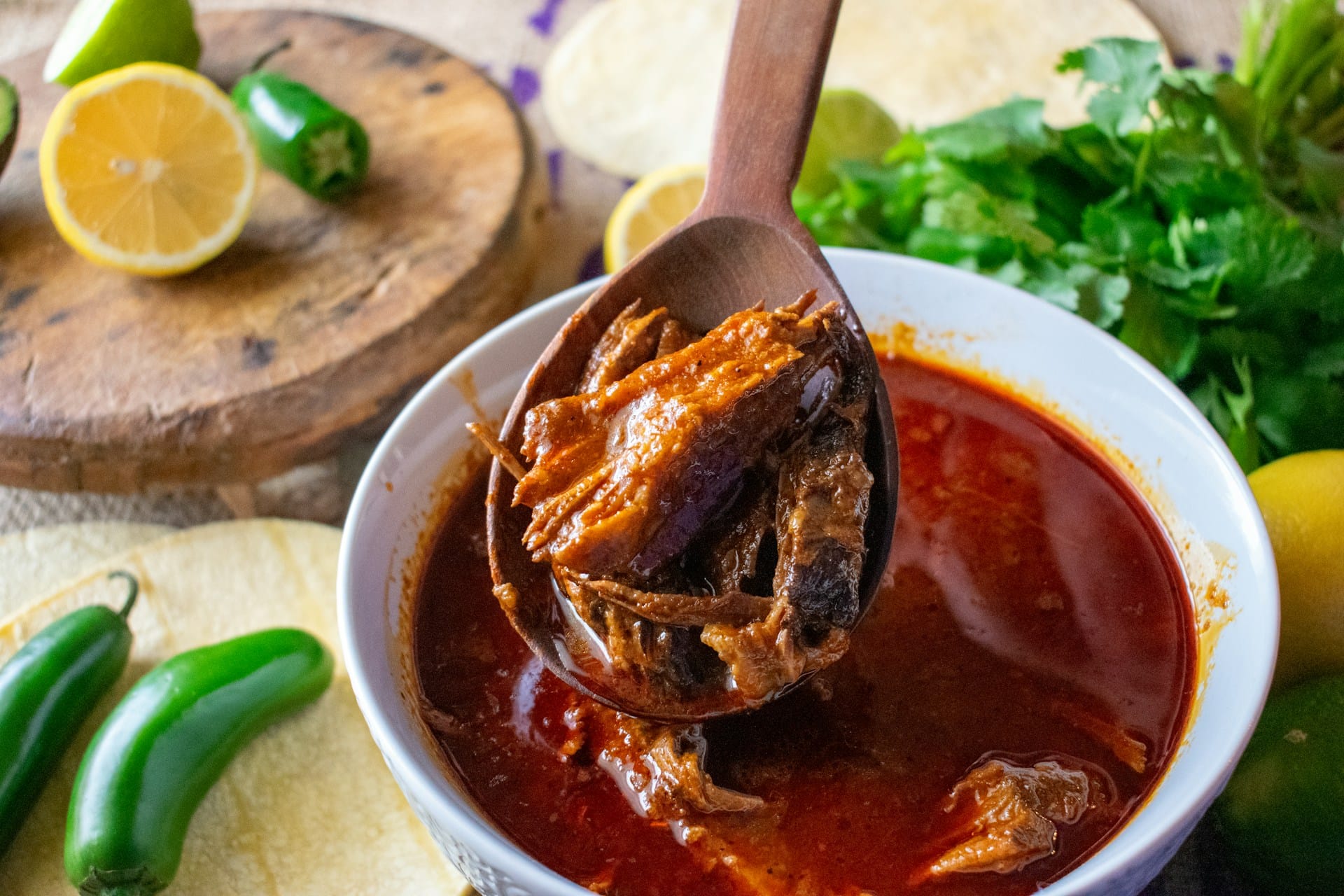
Set out lemon or lime wedges, radishes, fresh cilantro, diced onion, and xni-pek on the table. The relish, everyone uses it different. Some want more heat, some want the sour orange, some want neither. That is how it was always served. The work was done at the fogón. At the table you only have to eat.
Chocolomo cooked with bones is a rich soup. The fat is part of it. But if you want less, chill the pot until the fat rises and solidifies on top, then lift it off before reheating. Take off as much or as little as you like.
Gibnut, iguana stew, chocolomo. All the same idea: use what the animal gives you, fully, the day you have it.
Tips
- Sourcing organs: Ask your butcher for fresh, same-day organs if possible. Frozen heart and tripe work but fresh gives better texture. Call ahead — not every butcher keeps all cuts in the case.
- Cleaning tripe: Rinse tripe under cold water and scrub with salt. Parboil in fresh water for 15 minutes, drain, and rinse again before adding to the main pot. This removes any off smell.
- No-organ version: Use only loin and marrow bones. Reduce total cook time to about 1 hour 15 minutes. The broth will be lighter. This is not the traditional dish, but it uses the same method and flavors.
- Managing the fat: Bone broth is rich. If you want a leaner bowl, chill the pot until the fat solidifies on top, then lift it off. Remove as much or as little as you prefer. The flavor deepens overnight either way.
- Pressure cooker (Instant Pot): Cook the bones, heart, and tripe on high pressure for 35 minutes instead of simmering for 1 hour. Release pressure, then add the loin, calabaza, chile dulce, and habanero. Pressure cook another 10 minutes. Add liver and kidney and simmer on sauté mode for 10 minutes. Brain, if using, goes in last for 5 minutes on sauté. Finish by straining and returning meat to the broth.
Estimated nutrition
Per serving. Estimates based on standard ingredient labels. Actual values vary with specific cuts used.
| Calories | 370 |
| Fat | 16 g |
| Protein | 38 g |
| Carbohydrates | 10 g |
| Sodium | 580 mg |
Shop This Recipe
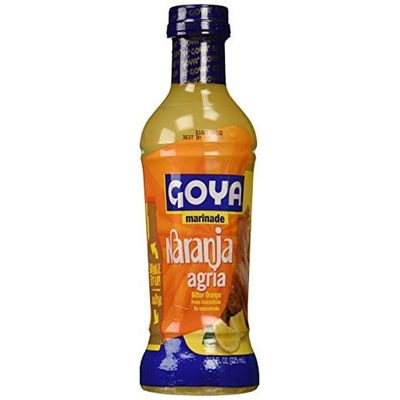
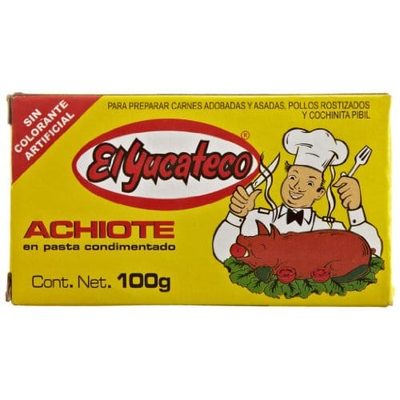
Ready-made achiote paste for poc chuc, chocolomo, and pibil when there is no time to grind and bind recado rojo from whole seed.
Frequently Asked Questions
What is chocolomo?
Chocolomo is a Maya stew from northern Belize and the Yucatan. It uses the whole animal — heart, tripe, loin, liver, kidney, bones — cooked with recado, bitter orange, charred onion, garlic, and fresh mint. You make it the day you butcher.
What organs are used in chocolomo?
Traditional chocolomo uses heart, tripe, loin, liver, and kidney. Brain is optional. Marrow bones go in from the start to build the broth. The organs are added at different stages based on cooking time — heart and tripe cook longest, liver and kidney go in near the end.
Can I make chocolomo without organ meat?
Yes. Use loin and marrow bones only. The broth will be lighter. Reduce total cooking time to about 1 hour 15 minutes. It is not the traditional dish, but the method and spicing are the same.
What is xcatic chile and where can I find it?
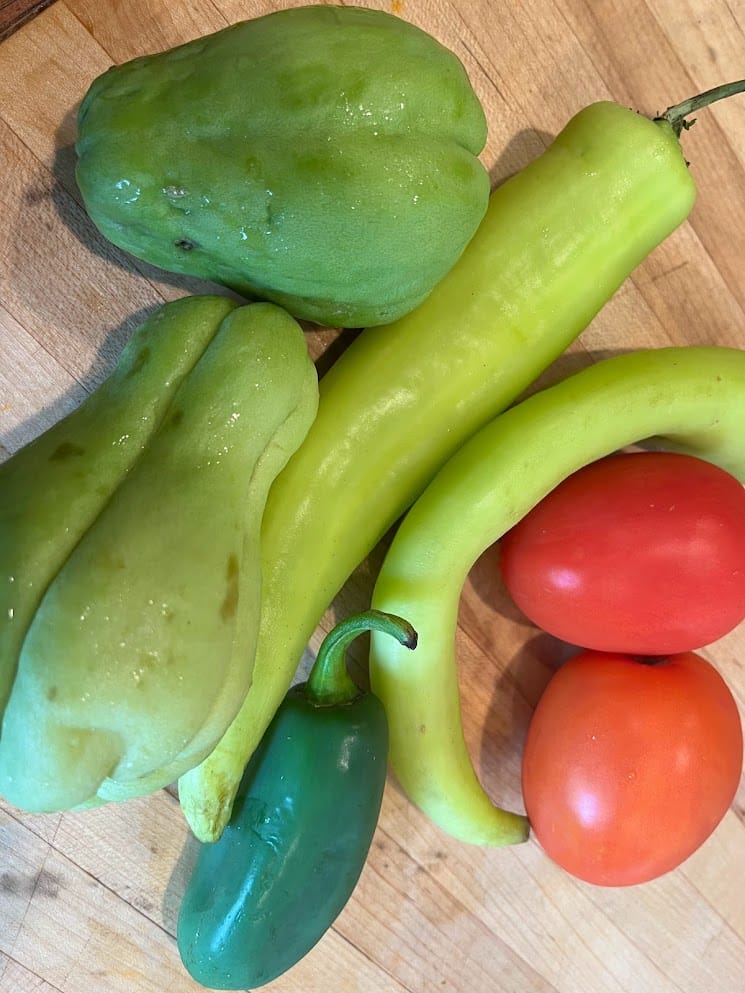
Xcatic (also spelled xkatik) is a pale yellow-green chile from the Yucatan Peninsula, mild, with a faintly fruity flavor. You will find it in Mexican and Belizean markets in the north. The closest substitutes are banana pepper (similar heat, around 0 to 1,500 Scoville units) or Hungarian wax pepper (can run hotter, up to 15,000 SHU, so pull it earlier if you want to keep the broth mild). Either way, cook it whole and remove it before it bursts. A burst xcatic will heat the whole pot.
What does chocolomo taste like?
The broth is dark red from the recado, sour from the bitter orange, herbal from the mint and cilantro. Each cut cooks differently, so each bite is different: tripe has chew, liver goes soft, loin stays firm. It is heavy. One bowl is a meal.
How do you store and reheat chocolomo?
Refrigerate in the pot or an airtight container. The fat solidifies on top overnight. Lift it off for a cleaner broth, or leave it in. Reheat over low heat. Keeps well for 3 days, and it is better the second day.
Can you make chocolomo in a pressure cooker or Instant Pot?
Yes. Cook the bones, heart, and tripe on high pressure for 35 minutes instead of simmering for 1 hour. Release pressure, then add the loin, calabaza, chile dulce, and habanero and pressure cook another 10 minutes. Add liver and kidney and simmer on sauté mode for 10 minutes. Brain, if using, goes in last for 5 minutes on sauté. Finish by straining the broth and returning the meat.
This recipe is part of the Mayan Recipes collection — living food traditions of the Maya of Belize, Mexico, and Guatemala.