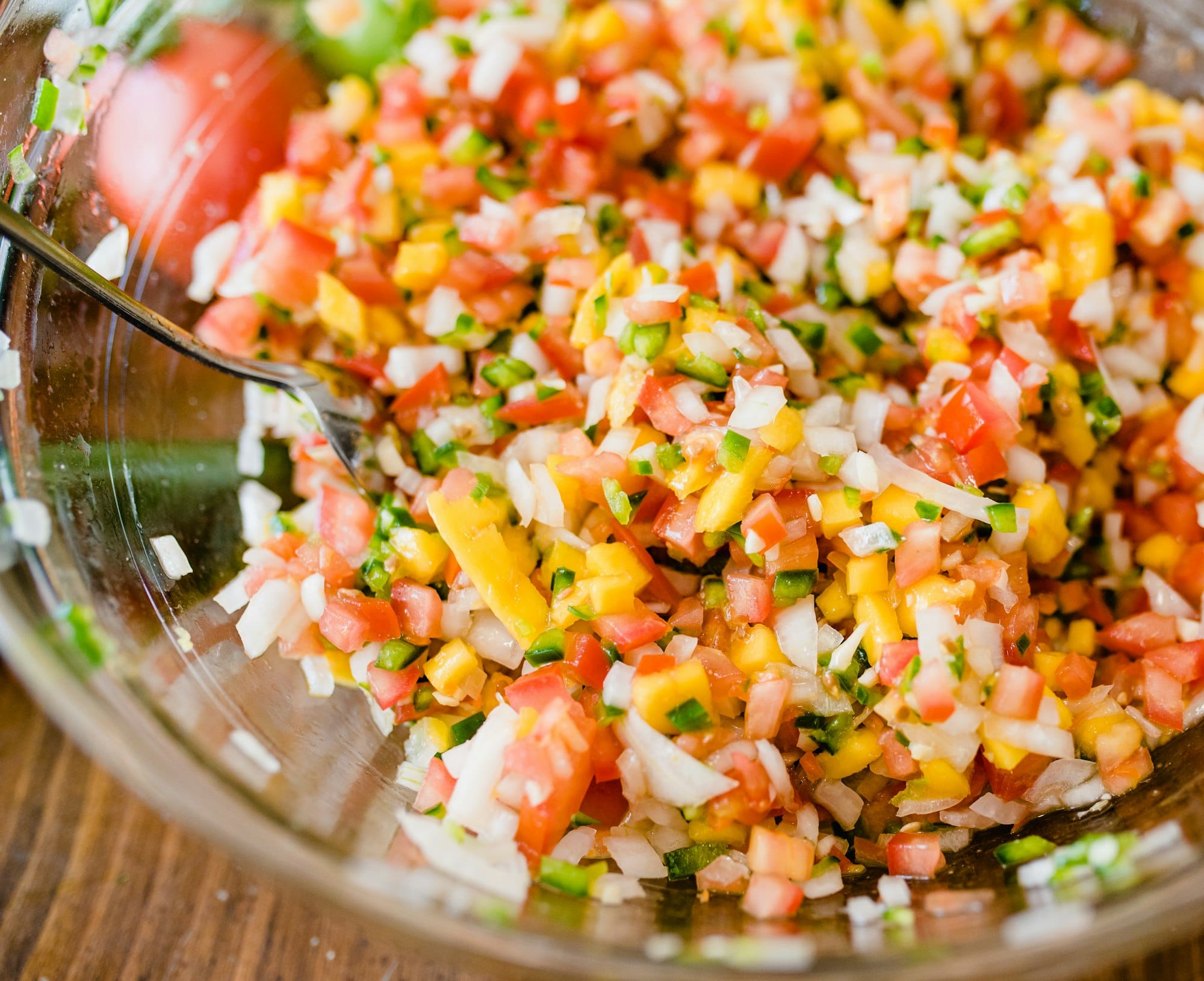
Chismol is the everyday Honduran table relish of finely chopped tomato, white onion, green bell pepper and cilantro, dressed with lime or sour orange and salt. Honduran cooks spell it chismol or chimol. It is fresh, uncooked, and barely spicy, spooned over carne asada, baleadas, tajadas and fried fish.
Why Honduran Chismol Uses Green Bell Pepper, Not Chile
The first time someone hands you a Honduran plate, the bowl of chismol on the side looks like pico de gallo. It is not, quite. The difference is the green bell pepper, and once you notice it you cannot unsee it.
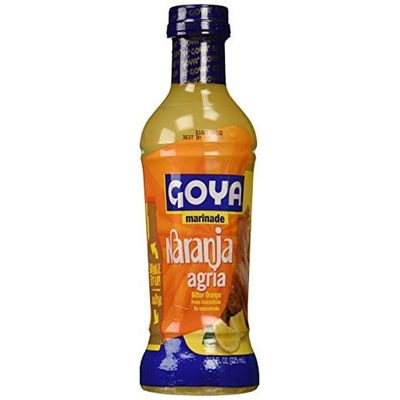
Goya Bitter Orange Naranja Agria
Sour orange carries the pickled onion on panuchos and the marinade under cochinita. Bottled and ready to pour, it beats the lime-and-vinegar fake most recipes fall back on.
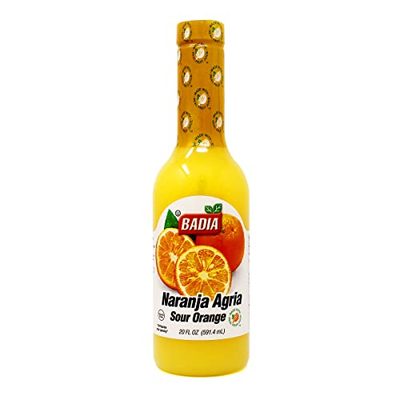
Badia Orange Bitter Naranja Agria
Naranja agria is what makes pibil taste like pibil, and it does not grow in most of the country. Bottled bitter orange is the substitution that keeps the marinade honest when the fruit is nowhere in the store.
Mexican pico de gallo builds heat into the salsa itself. The chile is the point. Chismol goes the other way. It is a Mestizo Honduran condiment that stays mild on purpose, so the green bell pepper carries the flavor instead of a chile. The pepper gives crunch and a green, almost grassy sweetness. The heat, if you want it, comes from somewhere else on the plate.
Mexican pico de gallo builds heat into the salsa itself. Chismol goes the other way.
This is a condiment that sits on most Honduran tables the way a Mexican table keeps salsa within reach. It is not festival food. It is what you spoon over whatever is in front of you, any day of the week.
The same fresh chopped salsa shows up across the region under different names. In Honduras and El Salvador people say chismol or chimol. Guatemala has chirmol, but that one is usually a roasted, charred-tomato salsa, so it is a cousin and not the same thing. I am giving you the Honduran version here, the raw one. If you have chopped a fresh salsa before, you already know the knife work. The seasoning is where Honduras goes its own way.
Ingredients
The rule Honduran cooks repeat is equal parts. Roughly equal volumes of tomato, onion and pepper, diced small. Measure by eye once you have made it twice.
- 2 medium tomatoes, seeded and finely diced
- 1 green bell pepper, finely diced
- 1/2 medium white onion, finely diced
- 1/4 cup chopped cilantro
- Juice of 2 limes (or 1 naranja agria / sour orange, the traditional acid)
- 1/2 teaspoon salt, or to taste
Some Honduran home cooks add a pinch of ground cumin and black pepper, and a small spoon of ketchup for body. That is a real variation, not the base. Start with the clean version and add those only if you grew up tasting them.
Instructions
- Cut the tomatoes in half, scoop out the watery seeds, and dice the flesh into small even pieces, about a quarter inch.
- Dice the green bell pepper and the white onion to the same size, so every spoonful gets all three.
- Chop the cilantro fine, stems and all.
- Combine the tomato, pepper, onion and cilantro in a glass or ceramic bowl. Use a non-reactive bowl, because the citrus will pit metal over time.
- Squeeze in the lime or sour orange juice and add the salt.
- Toss well, then let it rest 10 to 15 minutes before serving. The salt pulls a little juice from the vegetables and the flavors settle into each other. Serve chilled or at room temperature.
How to Serve Chismol the Honduran Way
Carne asada is the pairing everyone reaches for first. A spoonful of cold chismol over a hot grilled steak is the whole reason the relish exists. On the north coast, fried chicken comes with tajadas, the thin fried green plantain chips, and a scoop of chismol over the top.
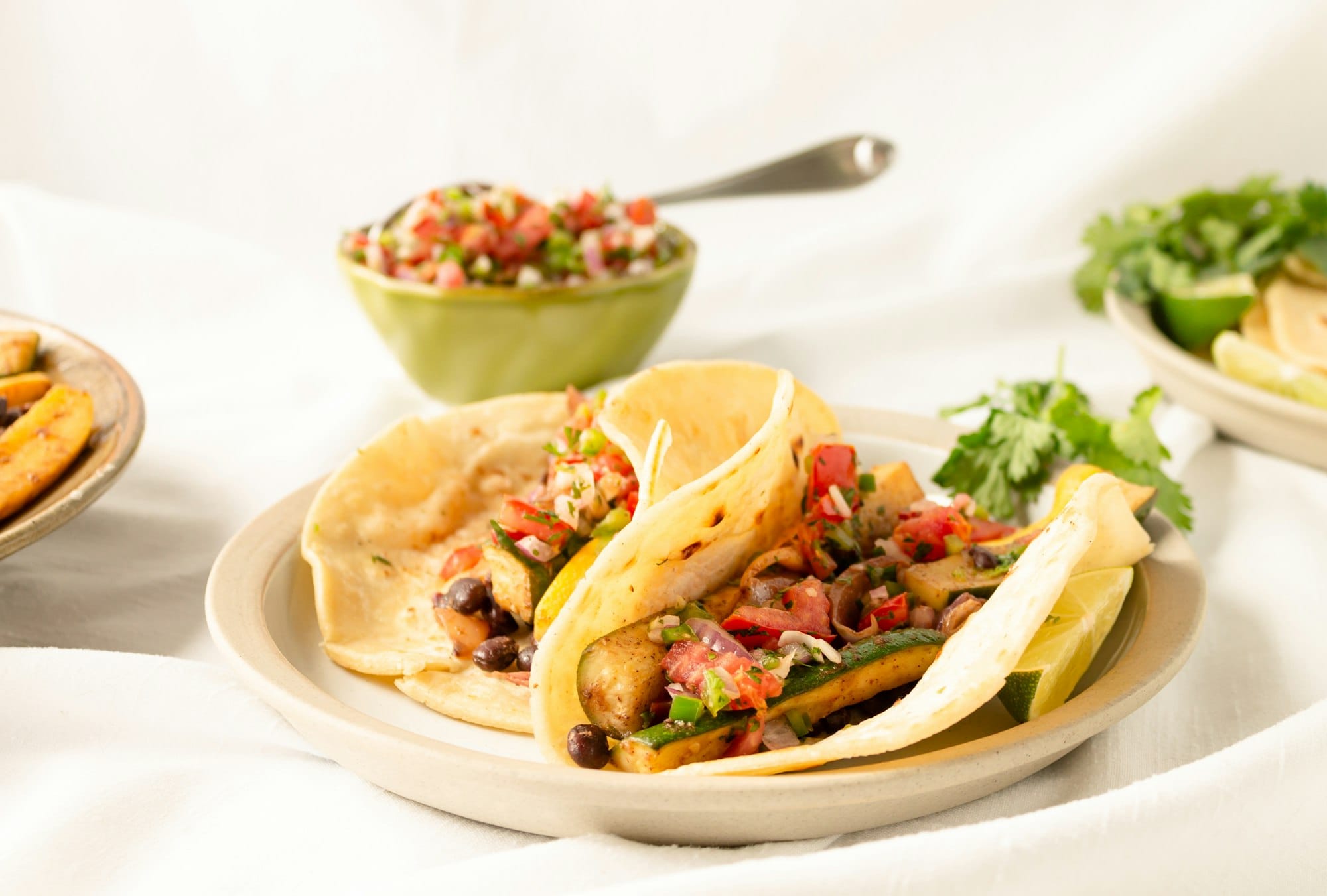
A spoonful of cold chismol over a hot grilled steak is the whole reason the relish exists.
It goes other places too. People spoon it into a baleada, the folded flour tortilla with refried beans, cheese and cream, for a little freshness against the richness. A whole fried fish, pescado frito, with rice and beans wants that bright acidity beside it. And when there is nothing else to do with it, chismol is good straight from the bowl with tortilla or plantain chips.
A few honest variations. If you want heat, mince a little jalapeño or serrano into it, though that pulls it toward pico de gallo. For more crunch, some cooks fold in finely diced radish. For richness, cube a ripe avocado and stir it in at the very end so it does not turn to paste.
One thing to know: chismol does not keep. It is best the day you make it. Store leftovers in a covered non-reactive container in the refrigerator and use them within about a day, because the citrus keeps working on the vegetables and they go soft. Do not freeze it. The water in the tomato and pepper turns the whole bowl mushy on thawing.
Frequently Asked Questions
What is chismol?
Chismol is a fresh, uncooked Honduran relish of finely chopped tomato, white onion, green bell pepper and cilantro, dressed with lime or sour orange juice and salt. It is mild rather than spicy. Honduran cooks set it out as an everyday table condiment, spooned over grilled meat, baleadas, fried plantains and fried fish.
What is the difference between chismol and pico de gallo?
The main difference is the green bell pepper and the heat level. Mexican pico de gallo usually includes a chile like jalapeño or serrano and carries real heat. Honduran chismol almost always uses green bell pepper and stays mild, letting the pepper add crunch and a green sweetness instead of spice.
What do you serve chismol with?
Chismol goes with carne asada most of all. Hondurans also spoon it over fried chicken with tajadas, tuck it into baleadas, and serve it beside whole fried fish with rice and beans. On its own, it works as a fresh dip with tortilla chips or fried plantain chips.
Is chismol spicy?
Traditionally, no. Chismol is meant to be fresh and tangy, not hot, which is part of what separates it from Mexican pico de gallo. The green bell pepper gives flavor without heat. If you prefer some spice, you can mince in a little jalapeño or serrano, but that is a personal change, not the traditional version.
How long does chismol last?
Chismol is best the day it is made. Keep leftovers in a covered non-reactive container in the refrigerator and use them within about a day. The lime or sour orange juice keeps breaking down the vegetables, so the tomato and pepper soften and weep over time. Do not freeze chismol, because the vegetables turn watery and lose their crunch.
Is chismol the same as chimol or chirmol?
Chismol and chimol are two spellings of the same fresh Honduran relish. Chirmol is related but usually different: in Guatemala it often means a roasted, charred-tomato salsa rather than a raw chopped one. So chismol and chimol are interchangeable, while chirmol points to a cooked cousin in the same family.
Goya Coconut Milk 13.5 oz (6-pack)
Creole bread's richness is two full cups of coconut milk kneaded into the dough. A six-pack means the next bake is already covered.