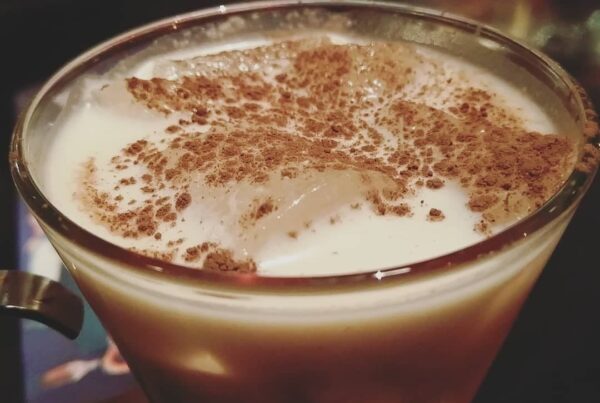
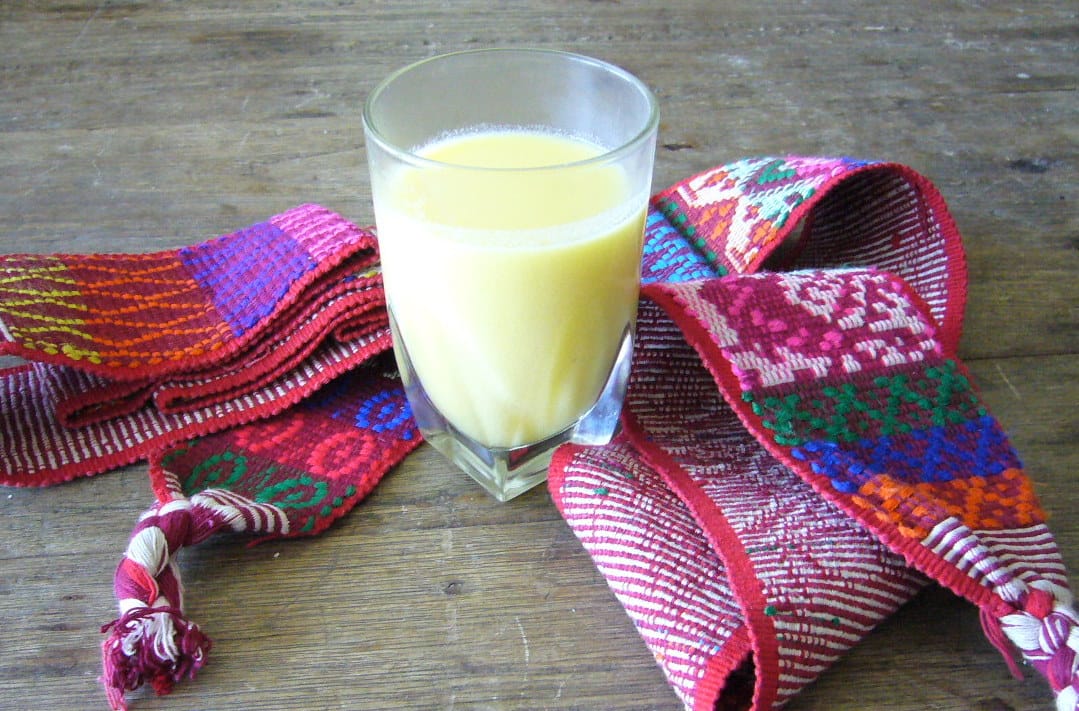
The first hard rains come and the corn comes with them, tender and milky, the kind you can press a thumbnail into and watch the kernel weep. That is the corn for atol de elote. It wants a wooden spoon and a cook who will not walk away, because this drink will scorch the second you turn your back. The smell of cooked corn and cinnamon filling a kitchen on a gray afternoon is one of the plainest good things a stove can make.
Atol de elote is a warm, sweet Honduran drink made by blending fresh young corn with milk, sugar, and cinnamon, then cooking it until it thickens. It is a rainy-season comfort drink across Central America. Unlike Mexican atole, which uses masa, this version draws its body and flavor from fresh corn.
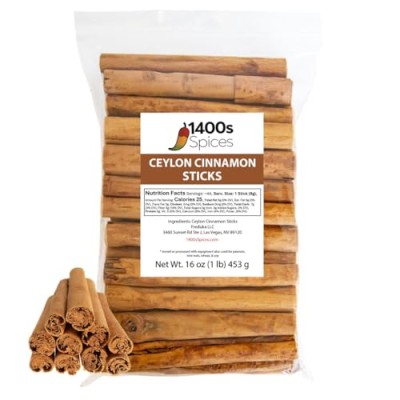
1400S Spices Ceylon Cinnamon Sticks from Sri Lanka, 1lb (Canela Entera)
Ceylon cinnamon is sweeter and milder than cassia — the right choice for atole, conkies, and sweet drinks. These are whole dried sticks from Sri Lanka.
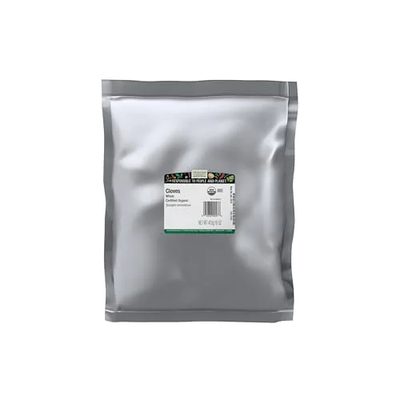
Frontier Co-op Whole Cloves, Organic, Hand Select, 16 oz
Spice pastes, dark stews and braised meats all call for whole cloves ground or simmered into the dish. Whole cloves keep their volatile oils far longer than ground.
Why Atol de Elote Belongs to Honduras’s Corn Season
This is a Honduran drink, and I tell it that way honestly. Belize shares so much food DNA with Honduras and Guatemala that I could dress it up as ours, but it isn’t, and the truer story is better. Atol de elote is a Mestizo evening drink tied to the fresh-corn harvest. People make it when the young corn is in, often in the evening or as a merienda, the small meal between lunch and supper. It is served warm, in a mug.
The word itself travels further than the drink. Atol, or atole, most likely comes from the Nahuatl atolli, a corn-based gruel that predates every modern border in the region. Fresh-corn atoles run through Honduras, Guatemala, El Salvador, Nicaragua, and Mexico. What changes is how each one gets its body.
That is where the confusion usually starts. Mexican atole is thickened with masa harina, the same nixtamalized corn flour you would use for tortillas. Atol de elote skips the masa entirely. The body comes from blended fresh corn, which is why it tastes greener and sweeter, more like the cob than like dough. It is the same family as the masa-based Mayan atole we make further north, but a different cousin. For the masa version, see the masa-based Mayan atole, thickened by ground corn rather than fresh.
There is one more relative worth naming so you don’t confuse them. Atol chuco is the savory, sour side of the family: fermented black corn, served with beans and alguashte, which is ground roasted pumpkin seed. Chuco is slang for dirty or sour. It is the opposite of this drink in almost every way except the corn. I am not giving you that recipe today. I only want you to know it exists, because if you search the word atol you will meet it eventually.
Ingredients
- 5 ears fresh corn (about 2½ cups kernels), sweet white or yellow. Out of season, 2 cans (15.25 oz each) whole-kernel corn, drained, will do, though fresh is sweeter
- 4 cups whole milk, divided: 1 cup for blending, 3 cups for cooking. For dairy-free, a thin coconut milk or an oat milk works, though the texture shifts
- ½ to ¾ cup sugar, to taste (white or light brown)
- 1 cinnamon stick (or ½ teaspoon ground cinnamon)
- 2 whole cloves (optional)
- Pinch of salt
- 1 to 2 tablespoons cornstarch dissolved in cold water, optional, only if you want it thicker
Instructions
- Cut the kernels from the cobs, or drain the canned corn. You want about 2½ cups.
- Blend the corn with 1 cup of the milk until smooth.
- Strain the blended corn through a fine sieve or colander into a heavy-bottomed pot, pressing with the back of a spoon to push the liquid through. Discard the pulp left behind. This is what keeps the drink smooth instead of gritty.
- Add the remaining 3 cups of milk, the sugar, cinnamon stick, cloves, and the pinch of salt to the pot.
- Cook over medium heat, stirring constantly with a wooden spoon so the bottom does not scorch, about 12 to 15 minutes. Milk catches and burns fast, and the burnt taste will never come out, so stay with the pot.
- It is ready when it coats the back of the spoon and a finger drawn across leaves a clean line: pourable but not watery, like a thin hot chocolate. If you want it thicker, stir in the cornstarch slurry and cook 2 more minutes.
- Fish out the cinnamon stick and cloves. Serve hot, with a little extra cinnamon on top.
What to watch for when you cook it
A few things separate a good pot from a grainy or scorched one. None of them are hard, but they are not optional either.
- Fresh corn versus canned: young fresh corn is sweeter and gives a brighter flavor. Canned will carry you through the winter, but add the sugar more cautiously and taste as you go, because canned corn is already sweetened by variety and packing.
- Don’t skip the straining if you want it smooth. Some cooks leave a little pulp in for body. That is a texture choice, not a mistake, so decide which one you want before you pour.
- Keep the heat at medium and stir the whole time. The milk scorches on the bottom before the top even looks warm, and once it tastes burnt there is no saving it.
- Storage: it keeps in the fridge 3 to 4 days. Cool it to room temperature first, then reheat gently and stir it back to smooth.
- Freezing: it tends to separate and turn grainy when frozen, so it is better fresh. If you must freeze it, thaw it in the fridge overnight and whisk hard when you reheat.
Want to keep the Salvadoran corn drinks straight? See our guide to atol and corn drinks explained.
Frequently Asked Questions
What is atol de elote?
Atol de elote is a warm, sweet Honduran corn drink made by blending fresh young corn with milk, sugar, and cinnamon, then cooking it until it thickens. It is a rainy-season comfort drink found across Central America, served warm in a mug, usually in the evening or as a merienda.
What is the difference between atol de elote and atole?
Mexican atole is thickened with masa harina, the nixtamalized corn flour used for tortillas. Atol de elote gets its body and sweetness from blended fresh corn instead of masa. The result tastes greener and fresher, closer to corn off the cob than to dough. They share the same Nahuatl root word but reach their texture by different routes.
What is atol chuco, and how is it different from atol de elote?
Atol chuco is the savory, slightly sour member of the atol family, made from fermented black corn and served with beans and alguashte, which is ground roasted pumpkin seed. It is not sweet. Where atol de elote is a gentle sweet drink, atol chuco sits at the opposite end of the spectrum in both flavor and color.
Can I make atol de elote with canned corn?
Yes. Two 15.25-ounce cans of drained whole-kernel corn replace the fresh corn in this recipe. The flavor comes out milder and less green than fresh corn, and you may want a touch less sugar, since canned corn is often sweeter to begin with. Taste as you cook and adjust.
How long does atol de elote keep, and can I freeze it?
It keeps in the fridge 3 to 4 days. Cool it first, then reheat gently and stir it smooth again. Freezing is not ideal, because it tends to separate and turn grainy. If you do freeze it, thaw it overnight in the fridge and whisk it hard while reheating to bring the texture back together.
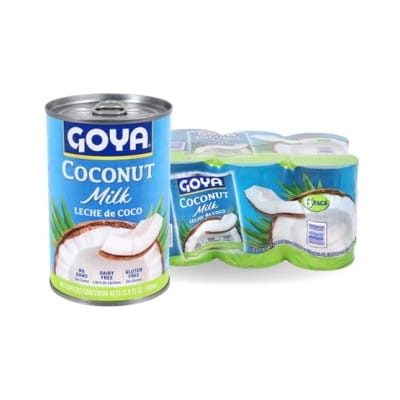
Goya Coconut Milk 13.5 oz (6-pack)
Creole bread's richness is two full cups of coconut milk kneaded into the dough. A six-pack means the next bake is already covered.
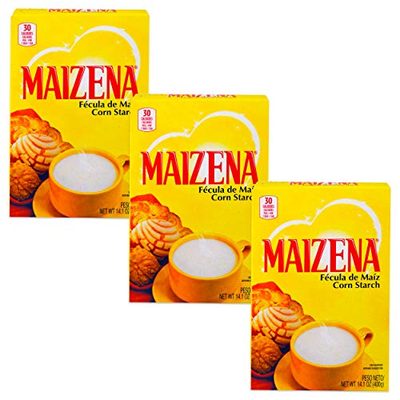
Maizena Corn Starch, 14.10 Ounces (14.1 Ounce (Pack of 3))
Cornstarch is what Belizean cooks reach for to thicken the meat pie filling.
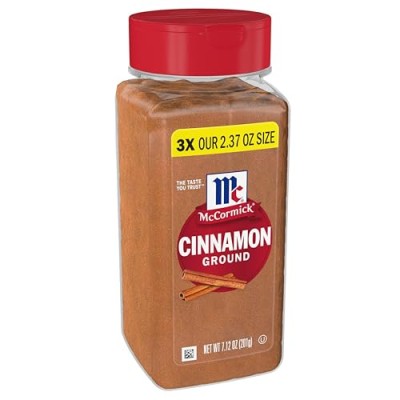
McCormick Ground Cinnamon, 7.12 oz
Pantry-staple ground cinnamon for southern-style montucas and sweet corn tamales.