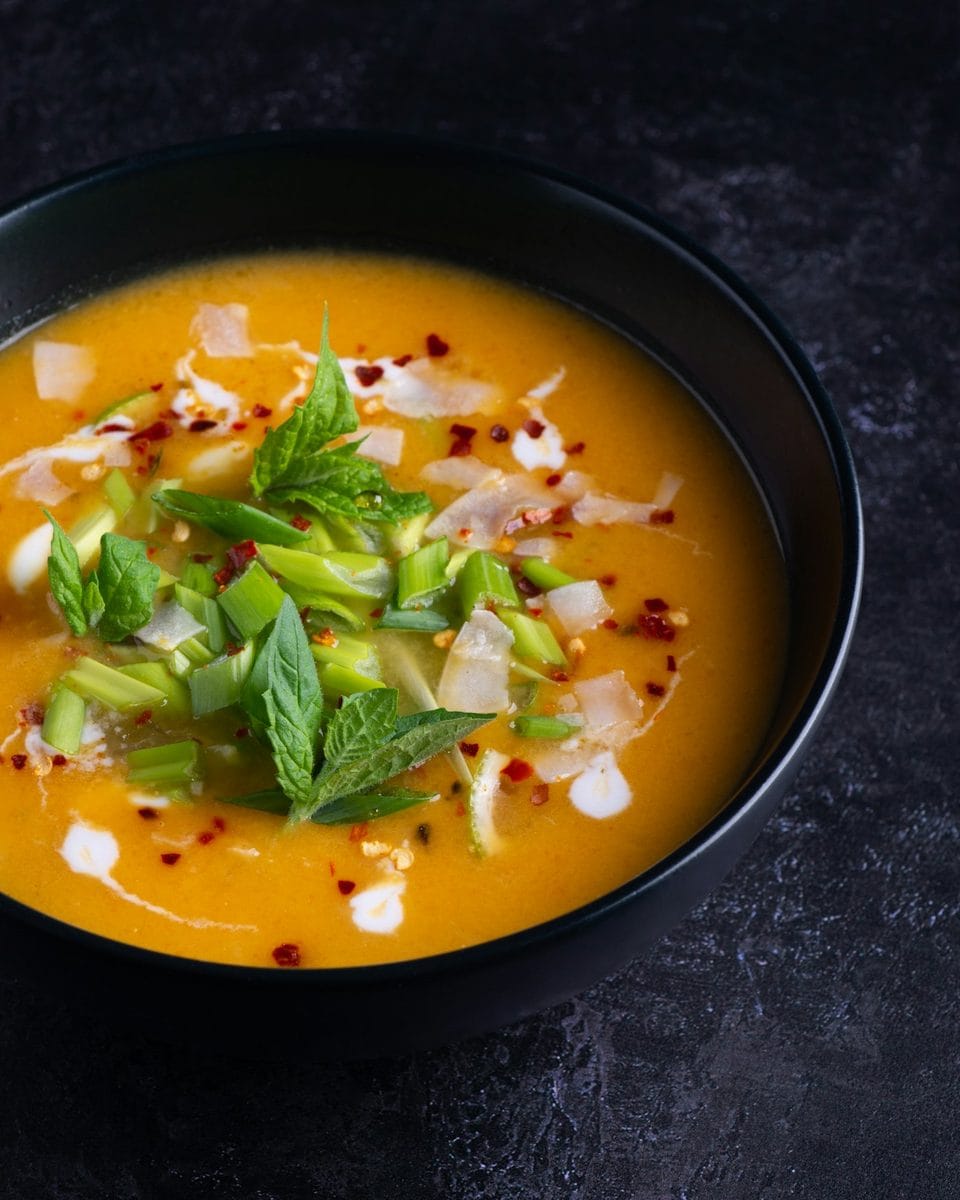
Short answer: Kak’ik is a Q’eqchi’ Maya turkey soup from the highlands of Alta Verapaz, one of Guatemala’s nationally declared culinary treasures and a pre-Hispanic dish. The name is Q’eqchi’ Maya: kak means red, ik means chile. It is a clear, deep red, spicy broth built on a dry-roasted recado of tomatoes, tomatillos, and dried chiles (the smoky chile cobanero foremost among them), poured over long-simmered turkey and finished bright with mint, cilantro, and zamat (culantro). The broth does the talking. Seeds and masa stay out of it.
This is a Q’eqchi’ dish, and I approach it with respect for that. What I bring is the same recado craft I have worked my whole life: char the vegetables on a dry comal, toast the chiles until fragrant, grind everything smooth. Kak’ik belongs to the Q’eqchi’ of Cobán, not to the Yucatec Maya world I come from. But the principles are the same, and the one thing I insist on is honoring what makes it itself: the turkey and the chile cobanero, that small chile dried over wood smoke in the hills above Cobán. Find it if you can. Nothing else carries the same character.
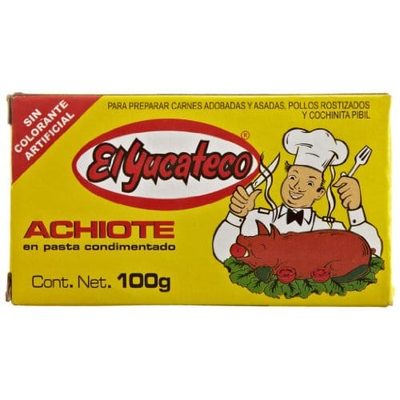
Cochinita pibil, poc chuc, and escabeche all start with red recado. A prepared achiote paste dissolves into sour orange in minutes instead of the hour it takes to grind annatto, oregano, and clove from seed.
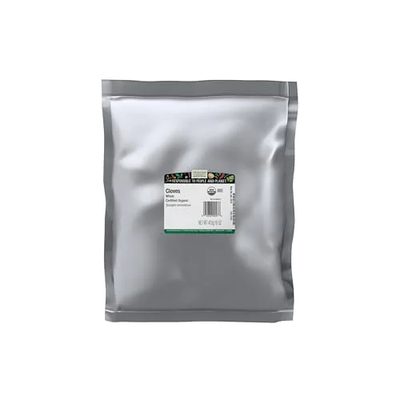
Frontier Co-op Whole Cloves, Organic, Hand Select, 16 oz
Spice pastes, dark stews and braised meats all call for whole cloves ground or simmered into the dish. Whole cloves keep their volatile oils far longer than ground.
What is kak’ik?
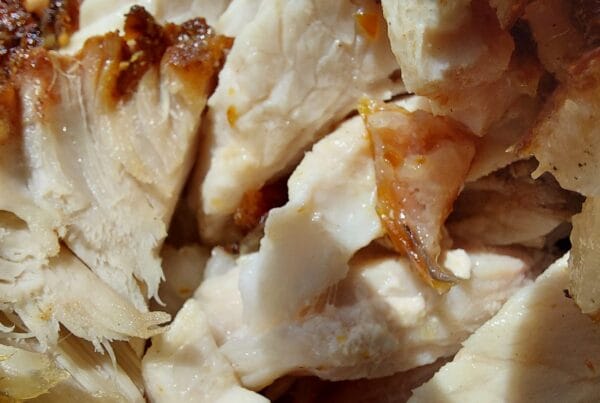
Kak’ik (also written kak ik or kakik) is a traditional Q’eqchi’ Maya turkey soup from Alta Verapaz, in the Guatemalan highlands, declared national Intangible Cultural Heritage of Guatemala on November 27, 2007. It is a red, brothy, spicy soup, not a thick stew. Turkey simmers in water until the broth has body. The recado (charred tomatoes, tomatillos, onion, garlic, chile cobanero, guaque, and pasa, colored with achiote and warmed with cinnamon and clove) is blended thin and strained into that broth. Seeds never go in; the broth stays clean and forward. Fresh mint (hierbabuena), cilantro, zamat leaf (Eryngium foetidum, called culantro in Belize and Central America), and scallion go in at the very end, off the heat. Served alongside white rice and tamalitos steamed in banana leaf.
The Q’eqchi’ Maya are a transborder people: their communities extend through Alta Verapaz in Guatemala and south into the Toledo District of Belize. Kak’ik is cooked in both places, carried by the same families across the border. The canonical form belongs to Cobán and the surrounding Verapaz highlands. Toledo Belize is where you encounter it on this side of the corridor.
Ingredients
- 1 turkey (about 4–5 lb), cut into serving pieces; or bone-in turkey legs and thighs
- 1 onion and 4 cloves garlic, plus salt (for the broth)
- 4 Roma tomatoes and 6 miltomates (tomatillos), husked
- 1 onion and 3 cloves garlic (for the recado)
- 3–4 dried chiles cobaneros (chile de Cobán), to taste
- 2 dried chiles guaque and 2 dried chiles pasa, stemmed and seeded
- 1 teaspoon achiote (annatto)
- Small piece of cinnamon and 2 whole cloves
- Fresh mint (hierbabuena), cilantro, zamat or culantro (Eryngium foetidum), and scallions, to finish
- Salt to taste
How to make it
- Simmer the turkey. Cover the turkey pieces with water, add the onion, garlic, and salt, and simmer until tender, about 45 minutes to an hour. The broth is the foundation of the dish; keep it.
- Char the aromatics. On a dry comal over medium-high heat, roast the tomatoes, tomatillos, recado onion, and garlic until blackened in spots and soft all the way through.
- Toast the chiles. Pass the guaque, pasa, and cobanero chiles over the dry comal for a few seconds until fragrant. Stop before they smoke and turn bitter. Soak in a little warm broth until soft.
- Grind the recado. Blend the charred vegetables, soaked chiles, achiote, cinnamon, and cloves with enough broth to make a smooth, pourable thin red recado.
- Strain and simmer. Pass the recado through a medium strainer into the pot with the turkey and remaining broth. Simmer gently 20 to 30 minutes. The soup must stay brothy, never thick. Adjust salt and chile.
- Finish fresh. Off the heat, stir in mint, cilantro, zamat (culantro), and scallion. Serve immediately with white rice and tamalitos.
Tips
- Chile cobanero is the signature. It is a small red chile grown in Alta Verapaz and dried over wood smoke; the smokiness is native to it, not added in cooking. If you cannot find it, a combination of dried árbol and a small amount of smoked pasilla gets you closer than plain guajillo heat.
- Strain the recado. Kak’ik is a brothy soup, not a thick recado stew like pepián. Strain it properly and do not let it reduce. The turkey and the herbs carry the dish; the recado is the seasoning, not the main body.
- Zamat goes in last. Zamat (Eryngium foetidum) is the wild herb Q’eqchi’ cooks call samat: a more pungent, serrated-leaf cousin of cilantro. In Belize it is sold in Toledo markets and sometimes called culantro. Add it with the mint off the heat; it wilts fast and turns bitter if it overcooks.
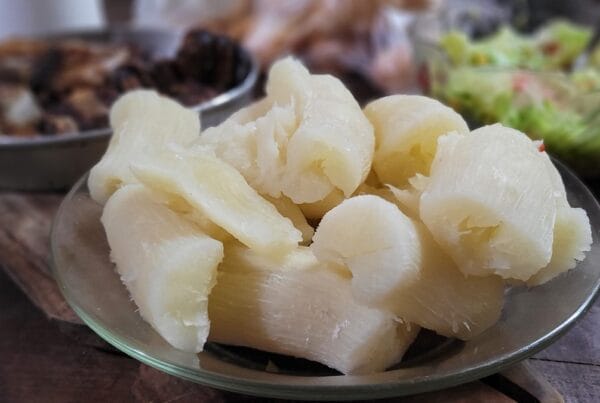
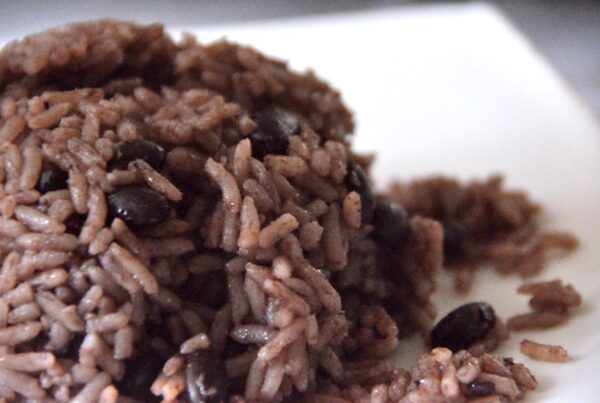
- Serve it properly. Rice and tamalitos are not garnish. They are how the dish is eaten. The tamalitos (small banana-leaf tamales, plain masa) soak up the red broth and turn the soup into a meal.
More of the Q’eqchi’ and highland Maya table is in the Guatemalan food guide, alongside pepián.
Frequently asked questions
What is kak’ik?
A traditional Q’eqchi’ Maya turkey soup from Alta Verapaz, Guatemala, declared national Intangible Cultural Heritage on November 27, 2007. It is a red, spicy, brothy soup (not a thick stew) built on a dry-roasted recado of tomatoes, tomatillos, achiote, and chile cobanero, finished with mint, cilantro, and zamat (culantro). The name means “red chile” in Q’eqchi’.
What chile is used in kak’ik?
The signature is chile cobanero (chile de Cobán), a small red chile grown in Alta Verapaz and dried over wood smoke. The smokiness is part of the chile itself, not something added in cooking. It is used alongside dried guaque and pasa chiles. Without the cobanero, the dish changes character fundamentally.
What is the difference between kak’ik and pepián?
Both are Maya dishes built on dry-roasted aromatics, but they are structurally different. Kak’ik is a brothy, strained turkey soup with no seeds or masa in the sauce. Pepián is a thick stew made from a paste of toasted pumpkin seeds and sesame seeds ground with chiles and tomatoes. One is a soup; the other is a seed-paste recado stew. Turkey versus chicken, Q’eqchi’ versus K’iche’ Maya, Verapaz versus the western highlands.
Is kak’ik the national dish of Guatemala?
It is one of four dishes declared national Intangible Cultural Heritage of Guatemala by the Ministry of Culture on November 27, 2007, alongside pepián, jocón, and plátanos en mole. This is a Guatemalan national heritage declaration, not a UNESCO listing. Pepián is the most widely cited as Guatemala’s de facto national dish; kak’ik is the Q’eqchi’ flagship and increasingly known beyond the region.
Can you make kak’ik with chicken?
Turkey is the only traditional protein. The dish is built on the broth from long-simmered turkey (chompipe in Q’eqchi’ and Guatemalan Spanish). Chicken works at home and many cooks use it; use bone-in pieces and simmer at least 45 minutes so the broth develops body. The result will be lighter and less complex than turkey.
Is kak’ik made in Belize?
Yes. The Q’eqchi’ Maya are a transborder people whose communities extend from Alta Verapaz in Guatemala south into the Toledo District of Belize. Kak’ik is cooked in Toledo villages by Q’eqchi’ families who carried the tradition across the border. The canonical origin is Cobán, Guatemala; Toledo Belize is where you encounter it on this side of the corridor.
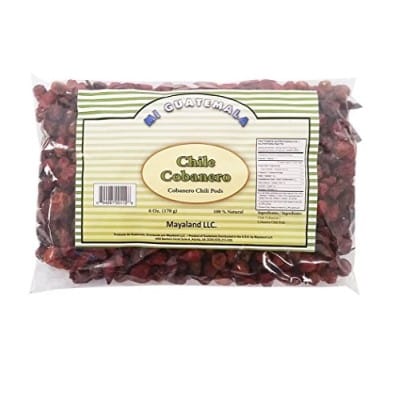
Mi Guatemala Cobanero Chile Pods (Chile de Cobán), 6 oz
The real Guatemalan chile de Cobán — the smoky heat traditional kak'ik is built on.
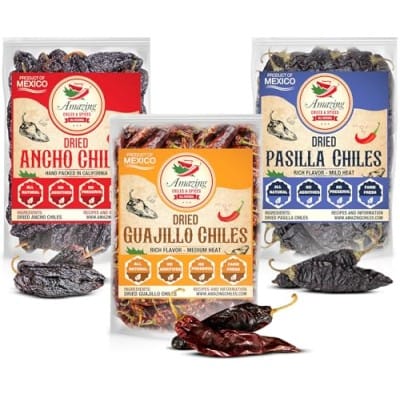
Dried Chile Peppers Variety Pack: Ancho, Guajillo, Pasilla (12 oz)
Guajillo (guaque) and pasilla (pasa) in one pack — both dried chiles kak'ik recado needs.