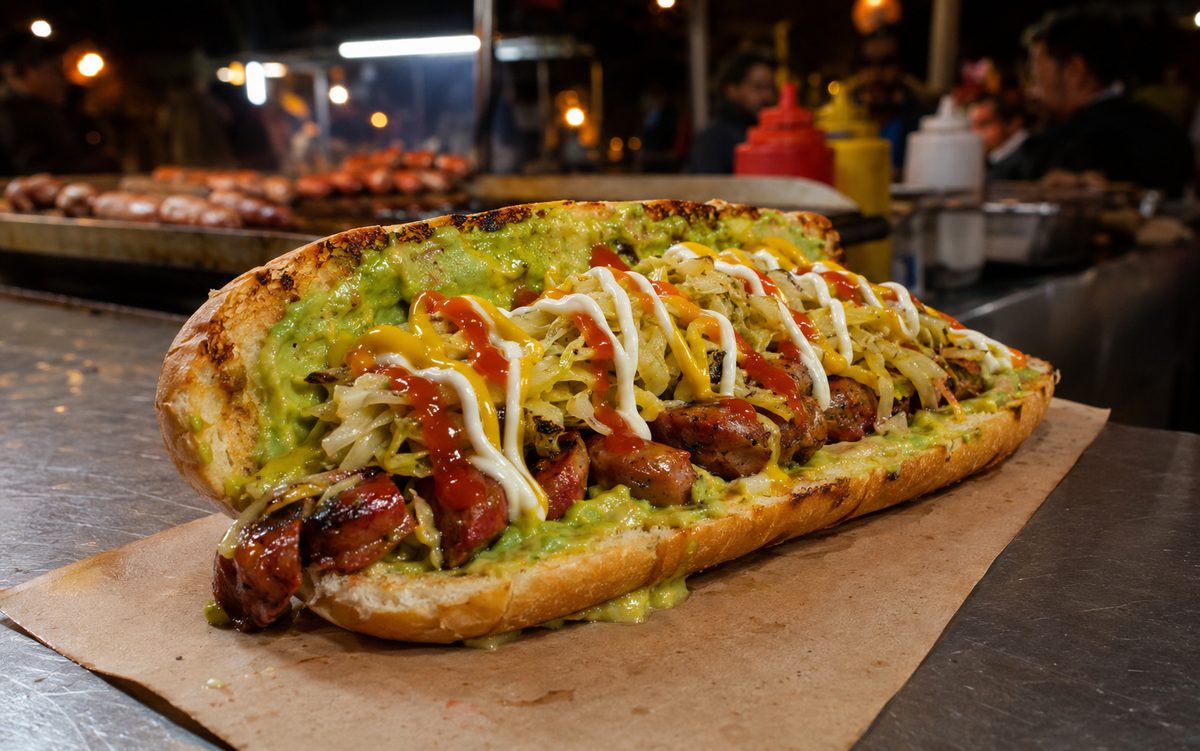
Guatemalan shucos are grilled hot dogs built on a split, toasted bread roll: a smear of guacamol, a pile of boiled cabbage, mustard and mayonnaise, and your choice of grilled sausage or meat. The name is Chapín slang for messy. Shucos come from Guatemala City and Antigua street carts.
The first one I ate, I ate standing up at a cart in Guatemala City, near eleven at night, the longaniza still spitting on the griddle. The guy split the bread, laid it face-down on the hot iron, and by the time he handed it over the avocado was sliding out one end and the mustard the other. I got it down my wrist. That is the point. Shuco means dirty, and you are supposed to wear a little of it.
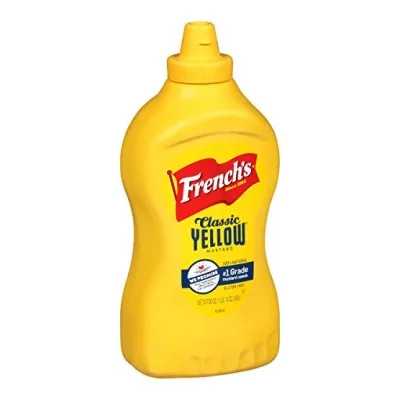
Classic Yellow Mustard (French’s)
Every shuco gets finished the same way: a zigzag of yellow mustard — mostaza — over the guacamole and mayonesa. The classic squeeze bottle is the street-cart standard.
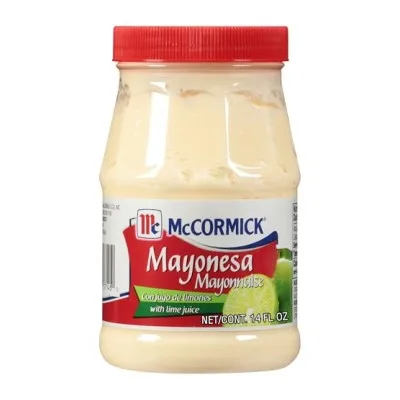
Mayonesa with Lime Juice (McCormick)
Shucos call for mayonesa, not plain mayo — McCormick's lime-juice version is the Latin-pantry staple that matches what the carts in Guatemala City actually squeeze on.
Shuco means dirty, and you are supposed to wear a little of it.
What Makes a Shuco Different From a Hot Dog?
A shuco is not an American hot dog with a Spanish name. The differences are specific, and Guatemalans treat them as the whole point.
First, the bread. It gets split lengthwise and grilled cut-side down until it crisps and chars a little. No steaming. Second, the guacamol. Mashed avocado is spread on the bread before anything else goes in, not dolloped on top at the end. It is the base, not the garnish, and it is not optional. Third, the cabbage is boiled, not raw. Shredded cabbage gets a quick simmer with onion and salt until it goes tender and a little sweet, then drained and piled on. That boiled cabbage is the line between a real shuco and the steamed-bun, raw-cabbage hot dog that the Chevere brand made popular. Guatemalans will tell you those are two different animals.
The name carries the rest of the story. “Shuco” is Chapín slang for dirty, messy, a hot mess. It got pinned on these hot dogs for the overloaded, dripping sandwich and the casual way the early street carts handled everything. The word stuck. Now it is affection more than insult.
You find shucos at the carretas de shucos, the street carts, in Guatemala City and Antigua, busiest at night and after work. As Chapín as red tamales. I grew up on the other side of that border, in Belize, where the Guatemala line is close and the Maya world runs straight through both countries. We crossed it plenty. But a shuco is Guatemalan, and I will not dress it up as anything else.

Ingredients
Makes 4 shucos.
For the cabbage (repollo)
- 3 cups green cabbage, shredded thin
- 1/2 white onion, left in one piece
- 1 teaspoon salt
- Water to cover
For the guacamol
- 2 ripe avocados
- 1 tablespoon lime juice
- 1/2 teaspoon salt
For the shucos
- 4 soft french rolls or hot-dog-style bread (pan francés), split lengthwise
- 4 of your chosen protein, or a mix: salchicha (frankfurter), longaniza (Guatemalan herb sausage), chorizo (Guatemalan red sausage), carne asada (thin grilled steak), or grilled chicken
- Yellow mustard (mostaza)
- Mayonnaise (mayonesa)
- Ketchup (optional — mustard and mayo are the core)
A note for cooking outside Guatemala: longaniza and Guatemalan chorizo are hard to find in most US groceries. Mexican chorizo, casing removed and crumbled on the griddle, stands in well. So does a good smoked sausage. The one thing not to swap is the avocado. The guacamol is the soul of the build.
Instructions
- Boil the cabbage. Put the shredded cabbage, the onion half, and the salt in a pot, cover with water, and bring to a boil. Simmer about 5 minutes, until the cabbage is tender but still has a little bite. Drain it well and discard the onion. Wet cabbage makes soggy bread, so press it.
- Make the guacamol. Mash the avocados with the lime juice and salt until spreadable. A little chunky is fine; it just has to spread. Make this last so it does not brown.
- Grill the meat. Heat a griddle or heavy skillet over medium. Cook the sausages or meat until browned and cooked through, about 8 to 10 minutes for sausages, turning so they color on all sides. Slice into pieces if you want it to sit flat in the bread.
- Toast the bread. Split each roll lengthwise. Lay it cut-side down on the hot griddle and toast until the inside is crisp and lightly charred. This is the step people skip, and it is the step that makes it a shuco.
- Build it. Spread guacamol on both cut sides of the bread. Lay in the grilled meat. Top with a good pile of boiled cabbage. Finish with mustard and mayonnaise, and ketchup if you want it. Eat it standing up, over a napkin. You will need the napkin.
Building a Better Shuco at Home
A few things worth knowing when you make these away from a cart.
- Mix your meats. The carts let you order mixto or super — longaniza and chorizo together, or salchicha with a little carne. A mix gives you the spice of the chorizo and the herb of the longaniza in one bite.
- Drain the cabbage hard. Boil it just to tender, then press the water out. Mushy, wet cabbage is the fastest way to ruin the bread.
- Get the bread right. A soft french roll with a little chew holds up better than a flimsy hot-dog bun. Toast it properly on the griddle. If you like grilled regional street meat, poc chuc uses the same cut-and-char logic on pork.
- Make the guacamol last. Avocado browns fast. Mash it close to when you build, with the lime juice worked all the way through.
If you have only ever known a hot dog, the first shuco rearranges your idea of what belongs in a bun. Da how it go.
Frequently Asked Questions
What are shucos?
Shucos are Guatemalan grilled hot dogs. The bread is split and toasted on a grill, then built with a base layer of guacamol, a grilled sausage or meat, boiled cabbage, and mustard and mayonnaise. They are a street-cart food from Guatemala City and Antigua. The word shuco is Chapín slang for messy, which is exactly how they eat.
What goes on a shuco?
A traditional shuco starts with grilled, split bread spread with guacamol (mashed avocado). On top of that go a grilled protein, boiled shredded cabbage, mustard, and mayonnaise. Ketchup is a common add. The guacamol and the boiled cabbage are the non-negotiable parts of the build.
What is the difference between a shuco and a hot dog?
A shuco grills its bread instead of steaming it, spreads guacamol as a base layer, and tops the meat with boiled cabbage rather than relish or raw toppings. An American hot dog does none of those things. The avocado-and-boiled-cabbage build is what separates a shuco from a plain hot dog in a bun.
What does shuco mean in Guatemalan slang?
Shuco means dirty, messy, or a hot mess in Chapín, the slang Guatemalans use. The name got attached to these hot dogs because of the overloaded, dripping sandwich and the casual handling at the early street carts. It is used with affection now, not as a complaint.
What meat goes in a Guatemalan shuco?
You can choose. Common options are salchicha (a frankfurter), longaniza (a Guatemalan herb sausage), chorizo (a red Guatemalan sausage), carne asada (thin grilled steak), grilled chicken, ham, or bacon. Many carts offer a mixed order, often called mixto or super, that combines several.
Where did shucos come from?
Shucos come from Guatemala, sold at street carts known as carretas de shucos in Guatemala City and Antigua. They are a fixture of Guatemalan street food, eaten most at night and after work, and counted among the country’s everyday classics alongside dishes like red tamales.