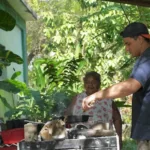
Ticucos are small meatless tamales from western Honduras, made of corn masa folded with cooked fresh beans and loroco or chipilín, wrapped in a dried corn husk and boiled. They are an everyday Lenca-country food across Copán, Santa Bárbara, Lempira, and Ocotepeque, eaten most often during Semana Santa.
What Makes Ticucos Different from a Nacatamal?
The fastest way to tell ticucos from the other Honduran tamales is to look at the wrapper. Ticucos go into a dried corn husk, the same tusa that once held the ear of corn. A nacatamal goes into banana leaf. That single difference tells you almost everything else about the two dishes.
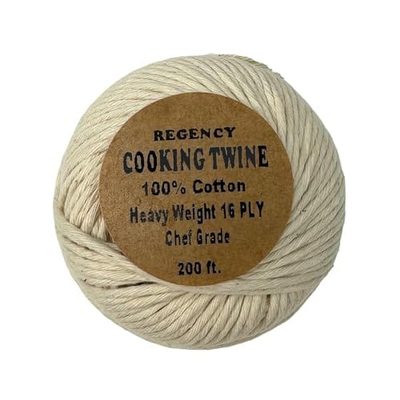
Regency Wraps Butchers Cooking Twine, Natural Cotton
Food-safe natural cotton twine for trussing whole birds and tying roasts, holding a stewed chicken or holiday turkey together through long cooking.
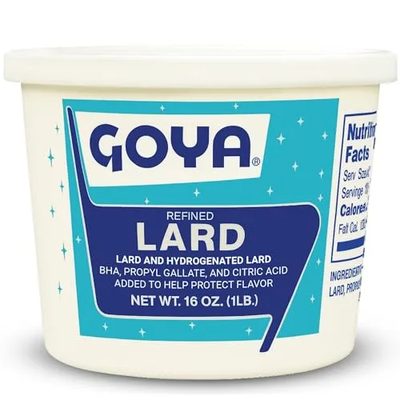
Pure lard (manteca) for making masa dough and frying - the fat traditional recipes rely on for texture and flavor.
Ticucos carry no meat. The masa is folded with whole cooked beans and loroco or chipilín, and that is the filling. The banana-leaf nacatamal is the opposite idea: a larger tamal built around pork or chicken, rice, potato, and a longer list of seasonings. One is a small everyday food you can hold in your hand. The other is a project you make for a holiday and serve on a plate.
Ticucos go into a dried corn husk. A nacatamal goes into banana leaf. That single difference tells you almost everything else.
There is a third tamal people mix them up with, and it is worth naming. Fresh-corn montucas are ground from young sweet elote, so the dough tastes of new corn and sets up soft and almost cakey. Ticucos use masa, the worked corn-dough that holds firm and tastes of the bean broth you mix into it. Same family, three different dishes.
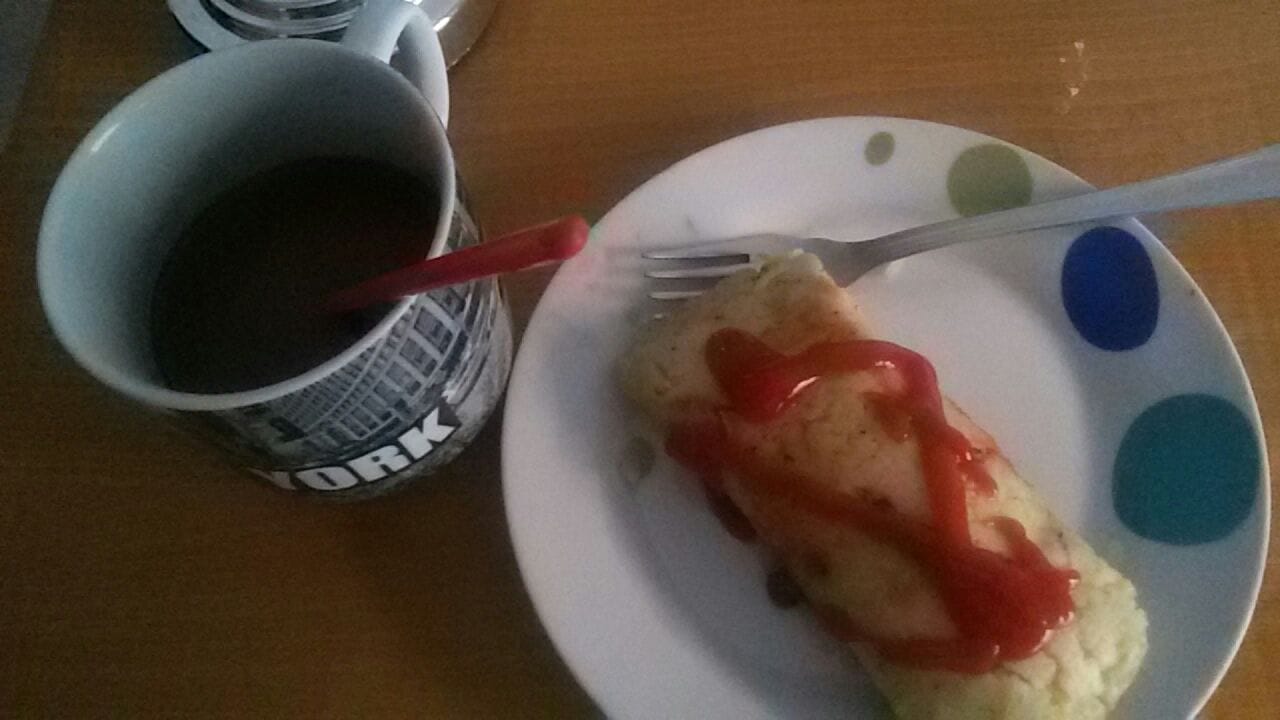
Ticucos belong to the western side of Honduras and sit within the wider table of Honduran cooking. Cooks make them in Copán, Santa Bárbara, Lempira, Ocotepeque, and around La Esperanza, the cool highland town in the Lenca heartland. The Lenca are still there, still throwing the dark burnished pottery the region is known for and still cooking the corn-and-bean food that ticucos come from. This is living food, not a relic. I cook these the way the western-Honduras kitchens of the corridor do, and the tell never changes: it is the corn husk and the missing meat that make a ticuco a ticuco. People eat ticucos for breakfast, for dinner, and in the afternoon with coffee, but the dish belongs most of all to Semana Santa, when meatless cooking fills the table and a bean tamal sits right at the center of it.
Ingredients
Quantities make about 18 ticucos. Traditional names come first, with the easier-to-find option in parentheses.
- 2 lb fresh corn masa (or masa harina, the fine corn flour, rehydrated with warm bean broth)
- 1 cup warm caldo de frijol (bean cooking broth), plus a little more to loosen the masa
- 1½ cups cooked frijoles parados (whole fresh-cooked small red or black beans, drained, kept whole)
- 1 cup chipilín leaves or loroco buds (either is traditional; in a pinch, chopped spinach gives the color but not the flavor)
- ⅔ cup manteca (lard) or vegetable oil
- 1½ tsp salt
- about 18 to 20 dried corn husks (tusa / dobladores), soaked
- kitchen twine for tying
- 1 whole garlic clove, for the boiling water
Instructions
- Soak the dried corn husks in hot water for 20 minutes, until they turn soft and pliable. Drain them, pat them dry, and set aside the widest, least-torn husks for wrapping.
- Cook the fresh beans until they are soft but still whole. Drain them and keep 1 cup of the bean broth.
- Put the masa in a large bowl. Work in the warm bean broth and the salt, adding the broth a little at a time, until the masa is smooth and spreadable, about the texture of soft cookie dough.
- Work in the lard or oil until the masa lightens in color and holds together without cracking when you press it.
- Fold in the whole cooked beans and the chipilín or loroco by hand, gently. Keep the beans whole. Broken beans streak the masa gray and muddy the flavor.
- Scoop about ⅓ cup of masa onto the center of a husk and shape it into a short, thick log.
- Fold the long sides of the husk over the masa, then fold the two ends up and tie each end with twine so the ticuco looks like a wrapped candy.
- Repeat until the masa is gone. You should get about 18.
- Bring a large pot of salted water to a rolling boil and drop in the whole garlic clove.
- Lower the ticucos into the water, keep it at a steady boil, and cook 20 to 25 minutes, until the masa is set and pulls cleanly away from the husk.
- Lift them out, let them rest 5 minutes, then unwrap and serve warm. A little butter on top is the western-Honduras way.
Loroco, Chipilín, or Neither: Working with What You Can Find
Loroco and chipilín are the two traditional herbs, and either one is authentic. Many western-Honduras cooks reach first for chipilín, the leafy legume that gives the dough its green, grassy note; loroco, the flower bud, is just as common and a touch more floral. Both turn up around Semana Santa and again from October into December, so even in their home country they are seasonal. If you are shopping a Latin market in the diaspora, frozen loroco is common and works well, and frozen chipilín is sometimes easier to find. Spinach will give you the color and almost none of the flavor, so use it only as a last resort and do not expect it to stand in for the real thing.
Two habits make or break the texture. Keep the beans whole and fold them in last, because a broken bean bleeds starch and grays the dough. And if you are using masa harina instead of fresh masa, hydrate it with warm bean broth, never plain water. The bean broth is where the flavor lives, and skipping it is the most common reason a homemade ticuco tastes flat. If you start from canned beans, you will have no homemade caldo de frijol, so loosen the masa with the reserved canning liquid or a low-salt vegetable broth instead of plain water.
Hydrate the masa with warm bean broth, never plain water. The bean broth is where the flavor lives.
Ticucos keep three to four days in the refrigerator, left in their husks, and they reheat well in simmering water or a steamer. They also freeze for up to two months, which is why a cook in Copán will make a big pot at once and pull a few out whenever coffee is on.
Frequently Asked Questions
What are ticucos?
Ticucos are small corn-masa tamales from western Honduras, filled with whole cooked beans and chipilín or loroco, wrapped in a dried corn husk and boiled. They contain no meat. People eat them for breakfast, for dinner, or with afternoon coffee, and they are especially tied to Semana Santa, when meatless cooking is the rule.
Why are they called ticucos?
The name traces to the Nahuatl word tecuia, meaning to wrap, for the way each little tamal is bundled and tied inside its corn husk. In parts of Honduras ticucos are also called tamales pisques.
What is the difference between ticucos and nacatamales?
The wrapper and the filling are the two clearest differences. Ticucos are wrapped in a dried corn husk, are meatless, and are small and boiled. Nacatamales are wrapped in banana leaf, built around pork or chicken with rice and potato, and are larger and steamed. Ticucos are everyday food, while nacatamales are a holiday dish.
Can you make ticucos with loroco?
Yes. Loroco is one of the two traditional herbs for ticucos in western Honduras, folded into the masa along with the beans; chipilín is the other. Outside Central America, frozen loroco from a Latin market works well, and cooks reach for chipilín just as readily when it is what they can find.
Are ticucos vegetarian?
Yes. Ticucos are made of corn masa, beans, and chipilín or loroco, with lard or oil to enrich the dough, and they carry no meat. Their meatless character is part of why they sit at the center of the table during Semana Santa. To keep them fully vegetarian, use oil in place of lard.
Where in Honduras are ticucos from?
Ticucos come from the western, or occidental, side of Honduras. Cooks make them in Copán, Santa Bárbara, Lempira, and Ocotepeque, and around the highland town of La Esperanza. The dish has deep roots in the region’s Lenca and Maya foodways, which still shape how western Honduras cooks corn and beans today.
How long do you boil ticucos?
Boil ticucos for 20 to 25 minutes in salted water at a steady boil. They are done when the masa has set firm and pulls cleanly away from the husk. Let them rest about 5 minutes before unwrapping so the dough finishes setting and the husk peels away easily.
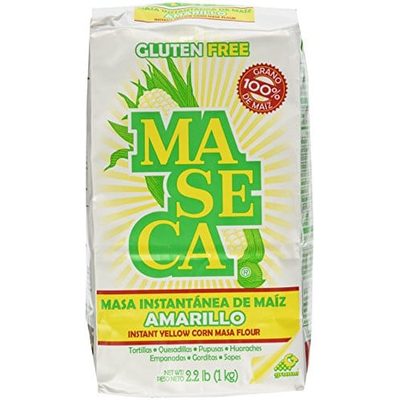
Maseca brand yellow corn masa harina, pre-ground and treated for immediate use in dough for tortillas, tamales, and other corn dough applications.