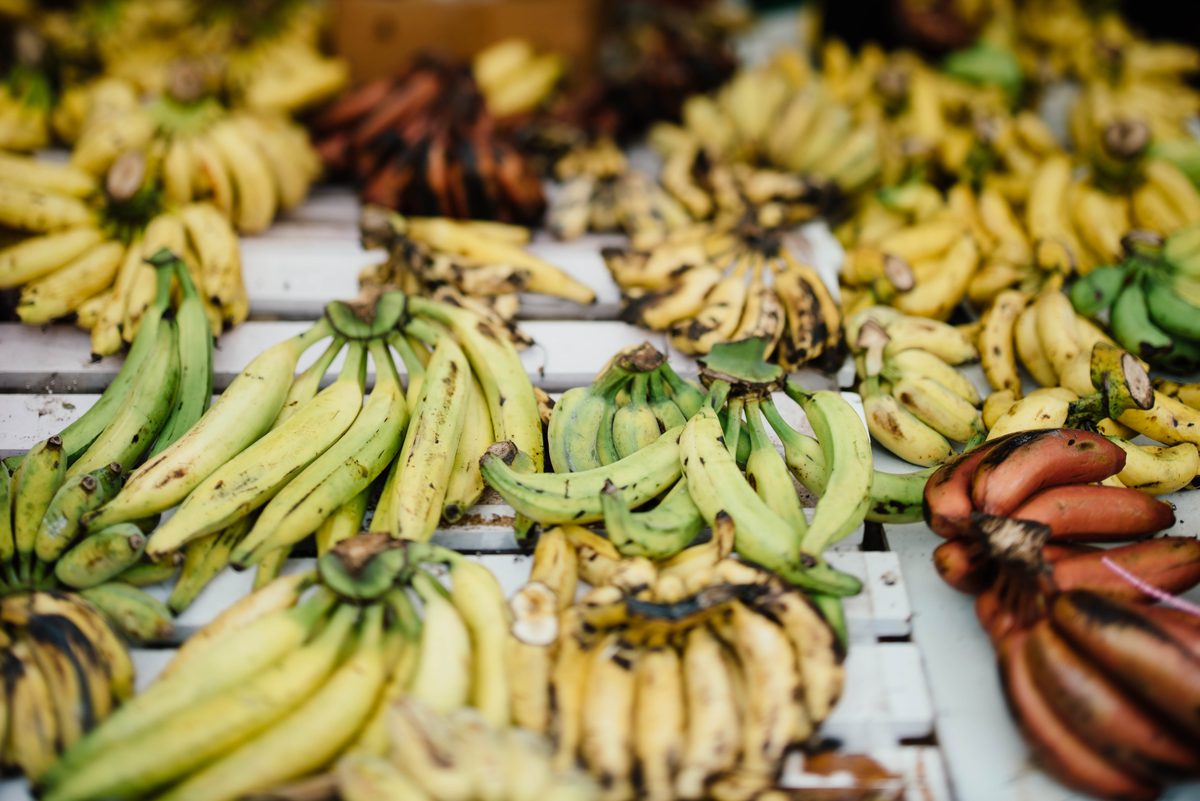
Hudut, tapou, sere, tapado, bundiga. People mix these up constantly, and it is easy to see why: they share the same three Garifuna staples, plantain or green banana, coconut, and fish, and several of them look alike in the bowl. But they are not the same dish, and the difference usually comes down to one thing: how the starch is handled and whether everything cooks together or stays apart. Here is the whole family, sorted out, with a link to each full recipe.
The Garifuna coconut dishes at a glance
| Dish | What it is | The starch | One pot? |
|---|---|---|---|
| Sere | The coconut-fish broth itself | None (it is the broth) | It is the base |
| Hudut | Sere served with pounded plantain | Plantain pounded separately (fu-fu) | No, two components |
| Tapou / Tapado | One-pot coconut fish stew, fish fried first | Plantain and cassava cooked in | Yes |
| Bundiga | Grated green banana cooked into coconut milk | Green banana, grated | Yes |
| Sopa de caracol | Conch in coconut milk with yuca and green banana | Yuca and green banana in the pot | Yes |
| Ereba | Cassava flatbread | Cassava, pressed and toasted dry | Bread, baked separately |
| Darasa | Banana tamale wrapped in leaf | Green banana, grated raw | Wrapped and boiled |
Sere is the broth everything else is built on
Start here, because once you understand sere the rest falls into place. Sere is the coconut-fish broth: fresh-pressed coconut milk simmered with fish, onion, garlic, and culantro until it turns thick and savory. That is it. When a Garifuna cook makes sere and serves it on its own over rice, it is a soup. When that same broth is served alongside pounded plantain, it becomes hudut. Sere is the foundation, not a separate cousin.
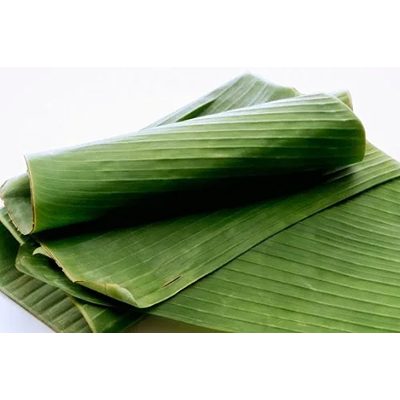
Frozen banana leaves for tamales, mukbil pollo, pibil, conkies, dukunu, and the Garifuna wrappers on hudut and bundiga — pass over a flame to make them pliable before wrapping; far easier than chasing fresh leaves outside the tropics.
Full-fat coconut milk with nothing added - the choice for recipes where fat carries flavor and texture matters, from soups to baking.
Hudut is sere plus pounded plantain, kept separate
Hudut is two things on the plate at once. The sere broth on one side, and on the other a smooth, dense ball of plantain that has been boiled and then pounded in a wooden mortar until it holds together. That pounded plantain is the fu-fu, and the pounding is a West African inheritance the Garifuna carried with them. You eat hudut by hand, pulling off a piece of the plantain and dipping it into the broth. The two never get cooked together. If the plantain is pounded and served on the side, it is hudut.
Tapou and tapado are the one-pot version, and they are the same dish
This is where most of the confusion lives. Tapou is the Belizean name for a one-pot coconut fish stew where the fish is fried crisp first and then the plantain, cassava, and broth all finish together in the same pot. Across the border, the same dish is called tapado in Honduras and Guatemala. Tapou and tapado are not two different recipes; they are one dish with two names on two sides of a line. The difference from hudut is simple: nothing is pounded and nothing is kept separate. It all cooks in one pot, with the fried fish laid over the top of the bowl at serving, which is where the name tapado, meaning covered, comes from.
Bundiga and sopa de caracol: green banana and conch
Bundiga is the odd one out on starch. Instead of plantain, green bananas are grated raw and cooked straight into coconut milk until the whole thing thickens into a chowder. It is most often a plain side, though some cooks simmer fish or conch into it. The grated green banana is what makes it bundiga.
Sopa de caracol, Honduran conch soup, is built like tapou but around conch instead of fish, with yuca and green banana in the pot. The conch goes in at the very end, because a few minutes too long turns it to rubber. It is the dish behind the 1991 Banda Blanca hit that put Garifuna food on the radio across Latin America.
Ereba and darasa are the cassava and banana breads
Ereba is cassava flatbread, and it is the one that takes the most work. Bitter cassava is grated, pressed in a long woven tube called a ruguma to squeeze out every drop of liquid, sifted, and then toasted dry on a flat griddle into a thin, hard, unleavened round. The yellow stripe on the Garifuna flag stands for ereba. Darasa is the banana version: green bananas grated raw, mixed with coconut milk, wrapped in a banana leaf, and boiled into a firm tamale. Ereba is dry and baked; darasa is moist and boiled in its wrapper.
For the bigger picture of how these dishes fit into the culture, the holidays, and the southern coast communities that keep them, see our guide to Garifuna food.
Frequently Asked Questions
What is the difference between hudut and tapado?
In hudut, the plantain is boiled and pounded separately into a dense ball (fu-fu) and served beside the coconut-fish broth, kept apart. In tapado, everything cooks together in one pot and the fish is fried first. Hudut is composed of two separate components; tapado is one pot.
Are tapou and tapado the same thing?
Yes. Tapou is the Belizean name and tapado is the name used in Honduras and Guatemala for the same one-pot Garifuna coconut fish stew, made with the fish fried crisp before it goes in the broth.
What is the difference between sere and hudut?
Sere is the coconut-fish broth on its own. Hudut is that same broth served with pounded plantain (fu-fu) on the side. Every hudut contains sere; not every sere is served as hudut.
What is the difference between bundiga and the other dishes?
Bundiga uses grated raw green banana cooked into coconut milk, rather than plantain. The other coconut dishes are built on plantain (hudut, tapou) or on conch (sopa de caracol). Bundiga is usually a side and often has no added protein.
Goya Coconut Milk 13.5 oz (6-pack)
Creole bread's richness is two full cups of coconut milk kneaded into the dough. A six-pack means the next bake is already covered.