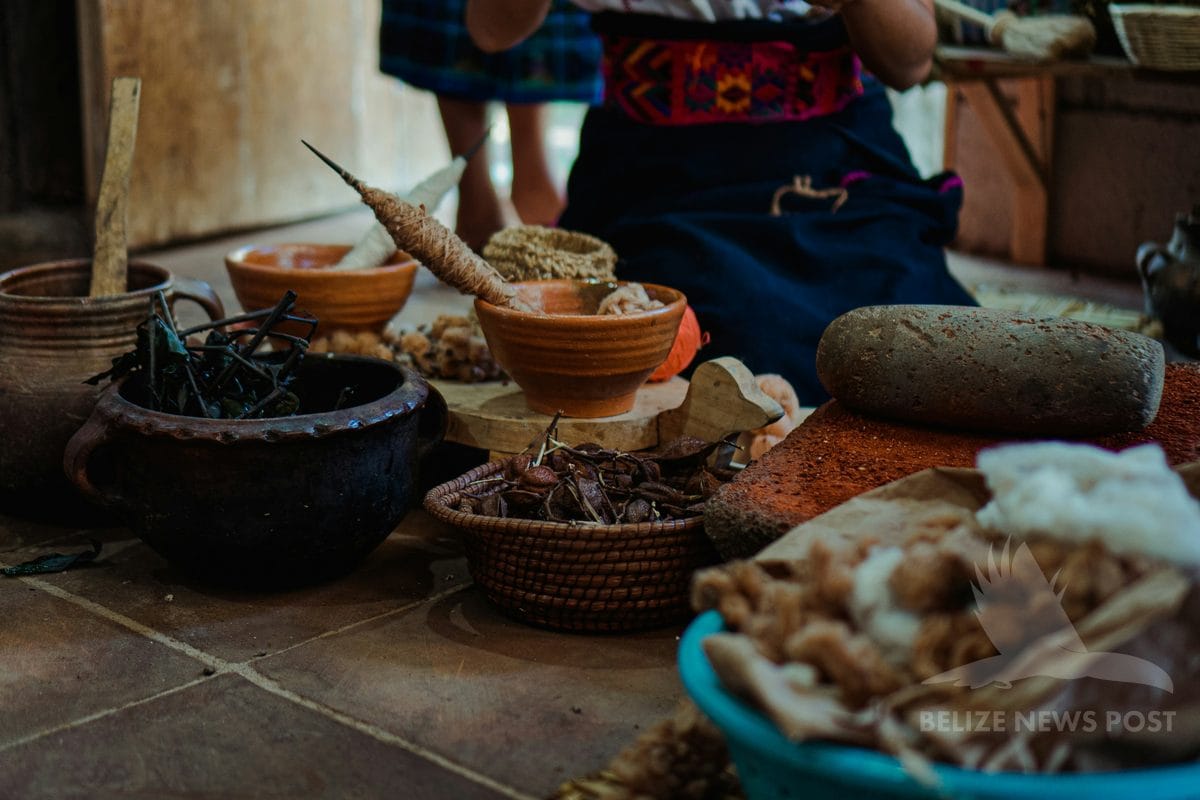
Mayan food is the living kitchen tradition of Yucatec Maya communities across southern Mexico, Belize, and Guatemala. Built on corn (ixim), achiote, sikil, and chaya, this is not museum culture. It is what people cook today, in the Yucatan, in Belize, in the Peten. The same recipes. The same techniques. The same ingredients.
A Kitchen Without Borders
I am from Xaibe, in Corozal. The food I grew up with is Yucatec Maya food. It does not belong to Belize or to Mexico. Those borders came later. The dishes were here first, and they are the same on both sides, cooked the same way, with the same ingredients, for the same reasons.
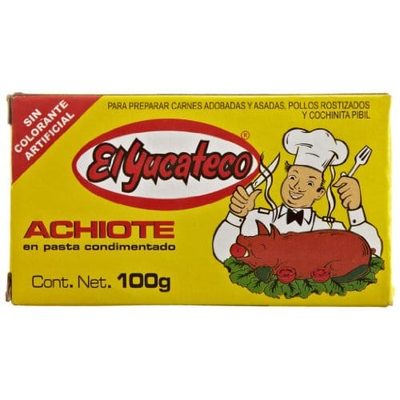
Achiote runs through this entire hub - it colors the tamales colados filling, the pibil marinade, the chocolomo broth, and the recado blanco's counterpart across these Yucatec Maya recipes.
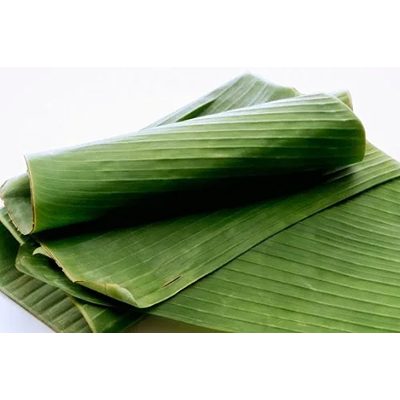
Frozen banana leaves for tamales, mukbil pollo, pibil, conkies, dukunu, and the Garifuna wrappers on hudut and bundiga — pass over a flame to make them pliable before wrapping; far easier than chasing fresh leaves outside the tropics.
Every market across this region runs on the same spices. Achiote, cumin, oregano, black pepper, habanero. From Merida down through Chetumal and Corozal into Orange Walk. I have sold recado at the Corozal market for years. I grind and blend my own mixes. Nothing store-bought, nothing pre-made. The flavor is in the ratio and the grinding, not the brand.
The fogón is the center of traditional Mayan cooking. It is a raised clay or concrete hearth, wood-fired, and it gives a heat that a gas burner does not. You cannot rush it. The corn for masa goes on the fogón the night before. The stew simmers through the morning. The tamales steam in their leaf wrapping until they are ready, not before.
The ingredients here are seasonal. Pumpkin comes in October and November. Fresh chaya grows in the yard. Cassava comes from the milpa. You cook with what the season gives you, and you do not substitute. That is not stubbornness. That is how the flavor stays right.
The recipes on this page are the ones I know. Some I learned from my mother. Some from women in the market, here and across the border. These are Yucatec Maya dishes, cooked across Belize, the Yucatan, and the Peten, the way they are still cooked today.
Recipes by Category
Jump to a section: Tamales & Masa Dishes | Stews & Soups | Sweets & Confections
Tamales & Masa Dishes
Corn is the foundation. Everything in this section starts with masa, whether it is steamed in leaves, fried, or formed by hand. These are the dishes that require the most time and the most knowledge to get right. Most of them are made for occasions when the whole family is cooking together.
- Conkies — corn and coconut masa steamed in banana leaves.
- Cassava Pone — dense cassava and coconut sweet, baked.
- Cassava Bread (Bammie) — flatbread pressed from grated bitter cassava.
- Panuchos — fried tortillas filled with black beans and topped with pickled onion and turkey or chicken.
- Polcanes — thick fried masa fritters stuffed with toksel, a filling of ground pepitas and ibes. Served topped like a tostada with salpicon and salty cheese.
- Corn Tortillas — hand-pressed masa tortillas, the daily staple of Mayan Belizean kitchens.
- Chulibuul — pre-Hispanic Maya bean and corn soup. Ground fresh corn is the thickener. Pelón beans, tomato sofrito, epazote, and ground pepita. Harvest dish of the Yucatan Peninsula.
- Joroches — small corn masa balls cooked in strained black bean broth, topped with chiltomate and queso fresco. A Yucatan Peninsula staple with deep Maya roots.
- Dukunu — Belizean corn tamale with West African roots, still made in Creole and Maya homes.
- Papadzules — rolled tortillas in pumpkin seed (sikil) sauce, topped with tomato and hard-boiled egg.
- Dzotobichay — chaya-stuffed tamales in pumpkin seed sauce.
- Tamales Colados — strained masa tamales with achiote chicken filling, wrapped in banana leaves. The feast-day tamale of northern Belize and the Yucatan Peninsula.
Stews & Soups
In Yucatec Maya cooking, the stew is the main event. These dishes take time: whole animals, long braises, achiote-based broths. Most of them trace directly to Yucatec Maya cooking. Some use game meat that has been hunted or raised at home. None of them are quick.
- Chocolomo — beef organ stew with achiote, recado, and bitter orange. Corozal and Yucatán.
- K’ol — thick corn-thickened sauce/stew served over tamales, traditional feast food.
- Mukbipollo — large Yucatan tamal with achiote masa and k’ool filling, wrapped in banana leaves and traditionally cooked in the pib for Hanal Pixan.
- Ts’anchak — white-broth stew made without achiote, chaya-based.
- Iguana Stew — game meat stew known locally as bamboo chicken. A Fili specialty.
- Gibnut — lowland paca, the most prized bush meat in Belize. Slow-cooked stew.
- Turtle Soup — traditional Maya recipe, now made with freshwater turtle only.
- Pibil — achiote-marinated meat slow-cooked underground or low-and-slow in the oven.
- Poc Chuc — thinly pounded pork marinated in naranja agria (sour orange), grilled over high heat. The quick version of the same Yucatec citrus tradition.
- Sopa de Lima — Yucatecan chicken and lime soup in a clear broth, finished with sour lima and crisp tortilla strips.
- Tikin Xic — whole fish painted with red recado and sour orange, wrapped in banana leaf and grilled. A signature of the Yucatan coast.
Sweets & Confections
Mayan sweets across the Yucatan peninsula use pumpkin, cassava, coconut, and corn. They are dense, not delicate. Most are baked in a pan or steamed, not frosted or decorated. The sweetness comes from the ingredient, not from sugar added after.
- Pumpkin Sweet — slow-cooked pumpkin in sugar syrup, a staple at markets across the region.
- Atole — corn-based warm drink, served sweet. Common in Maya homes from the Yucatan to the Peten.
Shop This Recipe
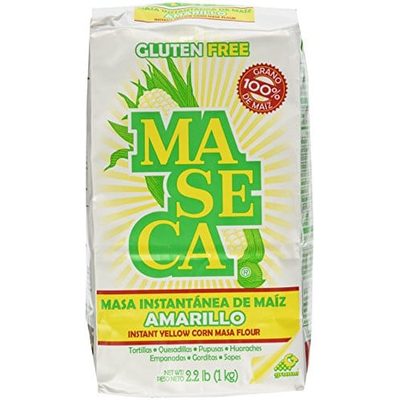
Every masa dish on this page - corn tortillas, tamales colados, panuchos, papadzules - starts with nixtamalized corn flour that most diaspora cooks cannot source fresh-ground.
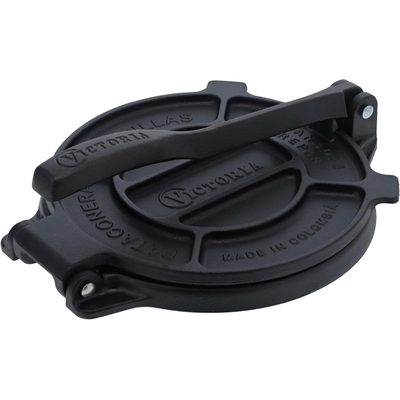
Hand-pressed corn tortillas are listed as the daily staple of Mayan Belizean kitchens - a cast iron press makes the thickness even enough that panuchos can be split and stuffed without tearing.
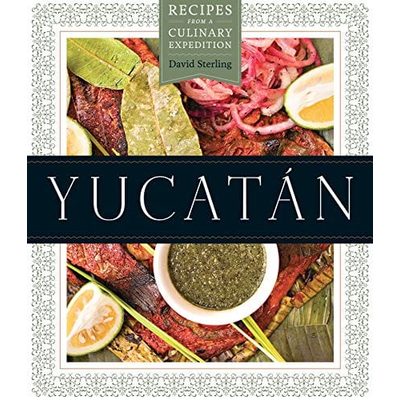
David Sterling spent a decade documenting the Yucatec Maya kitchen - panuchos, cochinita pibil, poc chuc - the same dishes Fili Post covers in this hub from the Belize side of the same corridor.
Frequently Asked Questions
What is Mayan food?
Mayan food is the cooking tradition of Yucatec Maya communities across southern Mexico, Belize, and Guatemala. It centers on corn (ixim), achiote, pumpkin seed (sikil), chaya, and cassava. These are daily kitchen ingredients, not ceremonial foods. The tradition is living and current, not historical.
Is this Belizean food or Mexican food?
Neither. It is Yucatec Maya food, and it predates both countries. The same dishes are cooked on both sides of the Rio Hondo, with the same ingredients, using the same techniques. The political border is real. The culinary border is not. In practice, the tradition runs from the Yucatan peninsula through Belize and into northern Guatemala, without a clean break anywhere.
What is sikil?
Sikil is the Maya word for pumpkin seed. In Belizean and Yucatec Maya cooking, toasted and ground sikil is used to thicken sauces and make dips. The most common preparation is sikil pak, a pumpkin seed and tomato dip similar to a green salsa but with a nuttier, denser flavor. See the sikil pak recipe.
What is a fogón?
A fogón is a raised wood-burning hearth, common in rural Maya homes across the Yucatan peninsula, Belize, and Guatemala. It is made from clay, concrete block, or stone, and burns hardwood. The fogón gives a sustained, even heat that is slower than gas and better suited to long-simmering stews, steaming tamales, and nixtamalizing corn. Most of these recipes were developed for fogón heat, not for a modern range.
Where is this food still eaten today?
Throughout the Yucatan peninsula, northern Central America, and Belize. In Mexico, these dishes are common across Yucatan, Campeche, and Quintana Roo states. In Belize, Corozal and Orange Walk districts are the centers of the tradition, with strong Yucatec Maya communities. In Guatemala, the Peten connects to the same food culture. These communities extend into Los Angeles, Chicago, and Houston as well.
More Recipes from Fili Post
These are the heritage and game-meat recipes I write for Belize News Post. They cover Yucatec Maya and traditional food from across the region.
- Gibnut (Lowland Paca) — the most prized bush meat in Belize, slow-cooked stew
- Iguana Stew — bamboo chicken, a Corozal staple
- Bokotoro
- Turtle Soup
- Pirix P’aak — roasted tomato salsa, Yucatec Maya
- Recado Blanco — the white spice paste of Yucatec Maya cooking
- Sikil Pak — pumpkin seed dip
- Dzotobichay — chaya tamales in pumpkin seed sauce
- Tamales Colados — strained masa tamales in achiote chicken filling
- Mole Recado
- Papadzules — rolled tortillas in sikil sauce
- Pibil — achiote-marinated slow-cooked meat
- Chaya — the Mayan spinach of the Yucatan peninsula
- Dukunu — Belizean corn tamale
- White Relleno