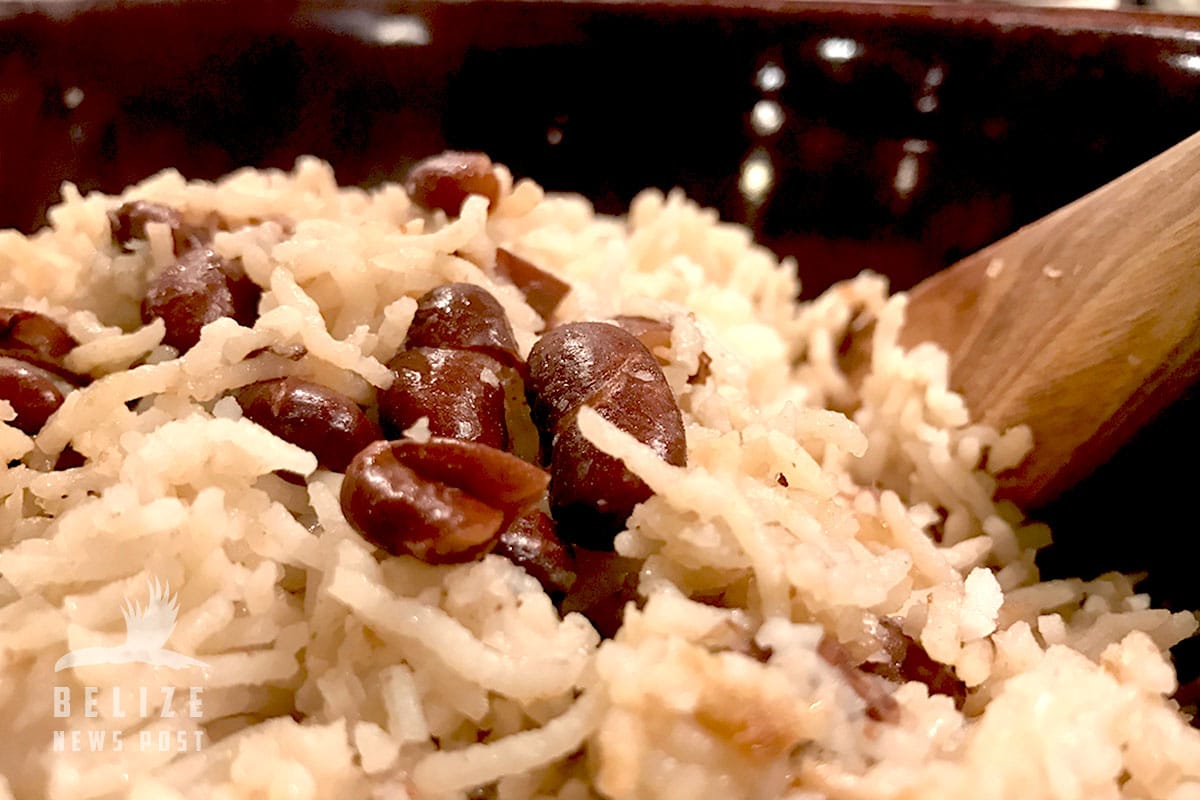
In Mérida, you find joroches on the table without ceremony. A bowl of black beans, a few masa balls floating in it, chiltomate over the top. That is the whole dish. Simple food, Maya food. It feeds you.
On this side of the border we know it too. The name, the beans, the way you work the dough between your palms. Some people call them joloches. The word is the same. Just the tongue moves different.
What are joroches?
Joroches (also spelled joloches) are small corn masa balls cooked directly in strained black bean broth, called frijol colado. The name comes from the Maya word joroch, which refers to the dough itself. They are a staple of the Yucatan Peninsula, eaten across the states of Yucatan, Campeche, and Quintana Roo in Mexico, and known along the Maya corridor into Belize and Guatemala.
The dish has three parts: the masa dough, the bean broth, and the chiltomate. Each one matters. None of them are complicated.
Joroches vs. joloches
Both names are correct. Joroches is the spelling you find in cookbooks and official sources. Joloches is how many people say it in everyday speech, the r softened to an l the way it happens in spoken Spanish and Maya. If you search either name you will find the same dish.
Jorochitos is different. That is the diminutive, the smaller filled version, usually stuffed with cheese, sealed, and fried in lard before going into the beans. A variation. Not a different dish.
The three parts
The masa
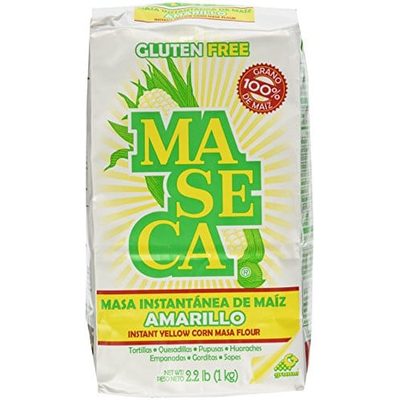
Corn masa, lard, salt. That is the base. You can use masa harina if you do not have fresh masa. Mix it with warm water until the dough holds together without cracking. Then work in the lard. The fat is not optional. It is what keeps the dough smooth in the hot broth without falling apart.
Some people mix finely chopped chaya into the dough. It gives the balls a little green color inside and adds flavor. Use it if you have it. Leave it out if you do not.
The frijol colado
Black beans, cooked until completely soft, then blended smooth and strained. Colado means strained. You want the broth silky, not grainy. A good blender does this well. A Vitamix makes quick work of it.
Fry the onion and garlic in lard first, then add the blended beans back to the pot. Season with dried epazote and keep a whole habanero in the broth while it simmers. Not to make it hot. Just to give it the depth. You can use dried habanero if fresh is not available.
The beans should be thick enough to coat the back of a spoon. Not soupy. Not stiff. When you drop the masa balls in, they should float.
The chiltomate
Roasted tomatoes, onion, garlic, habanero, fried in lard until the sauce darkens and concentrates. That is chiltomate. It is the standard finish for this dish across the peninsula. You spoon it over the top when you serve.
Make it while the masa balls cook. It comes together in ten minutes.
How to shape the masa
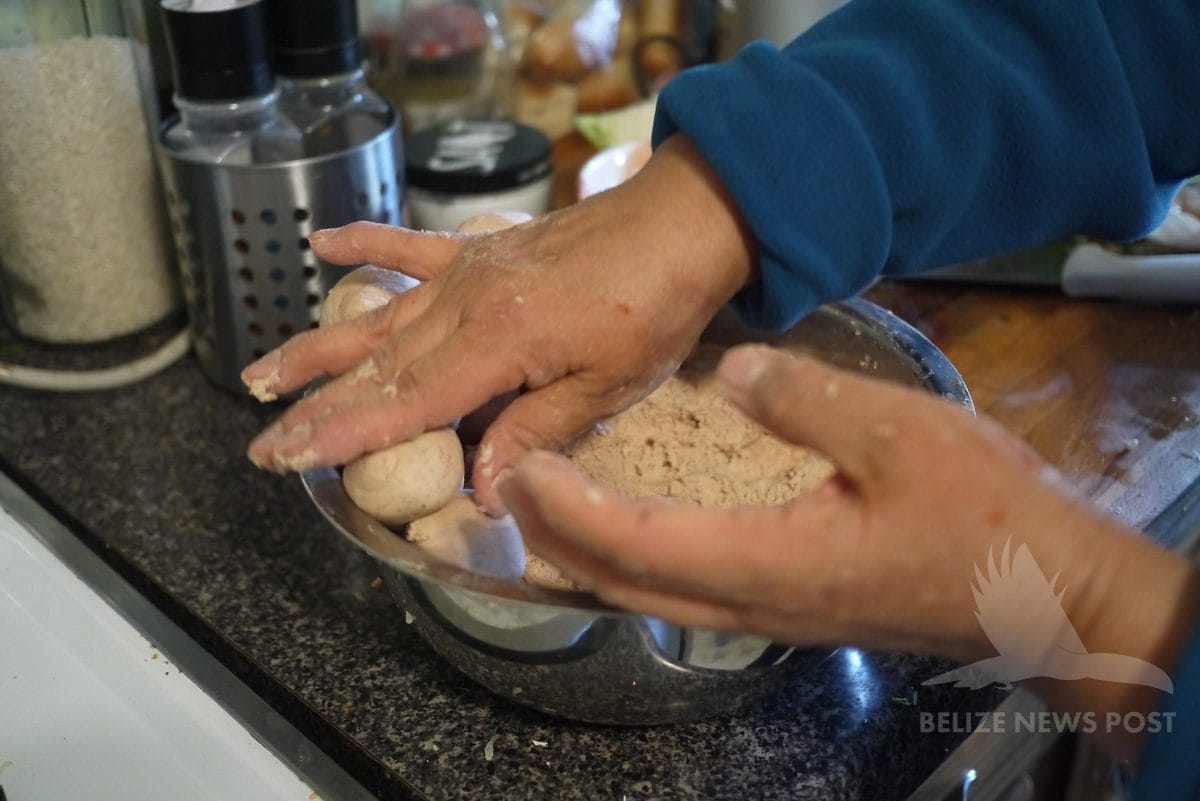
The shape is a su gusto. Your taste. Different cooks do it different.
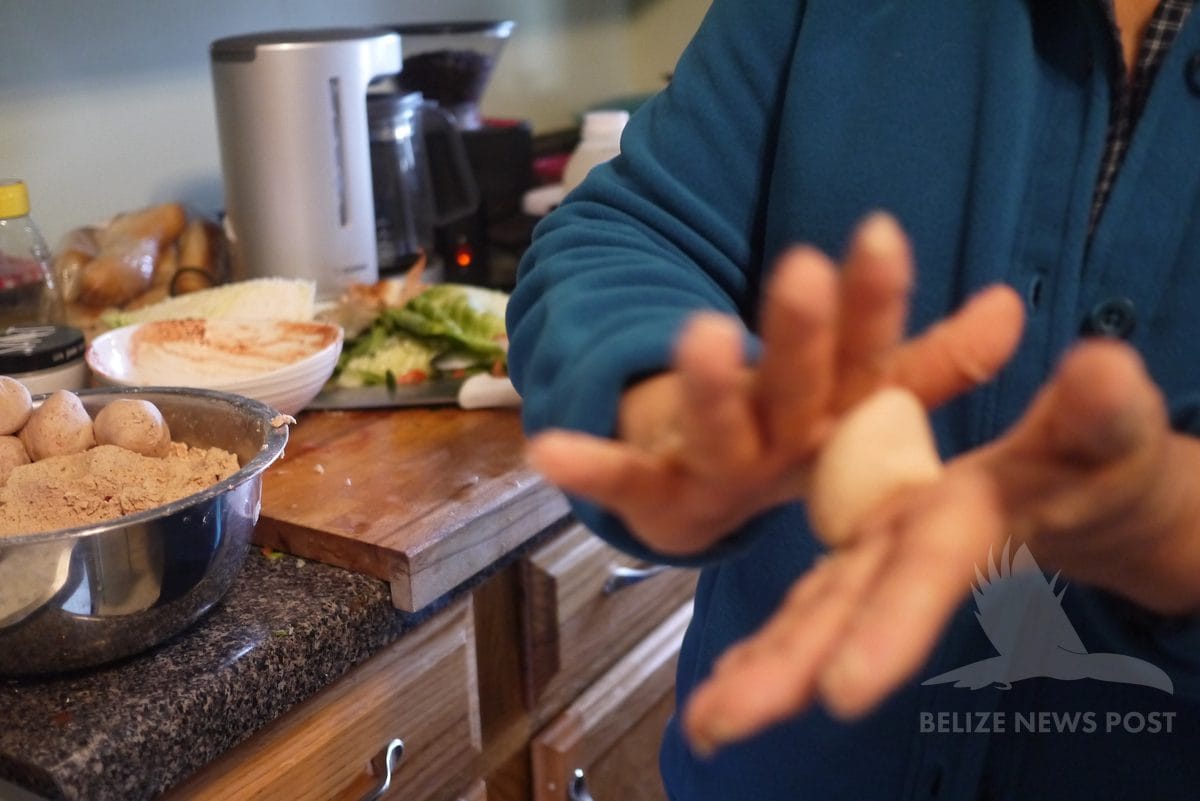
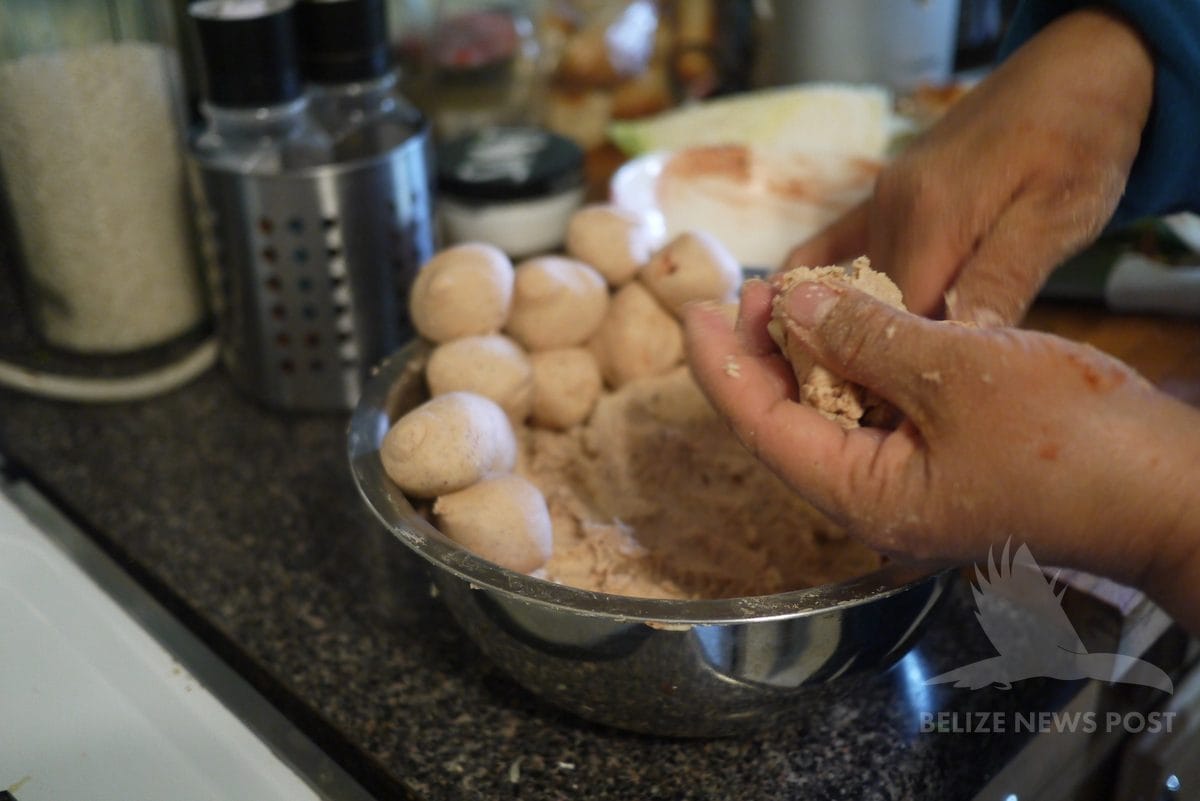
The simplest is a plain ball. Roll a piece of dough between your palms until smooth and round, about the size of a walnut. Hollow or solid, it goes straight into the beans.
The canastilla is the one most people in Yucatan make. Form the ball first, then press your thumb into the center and work the walls up around it. You get a small cup, open at the top. The hollow cooks through faster than solid dough.
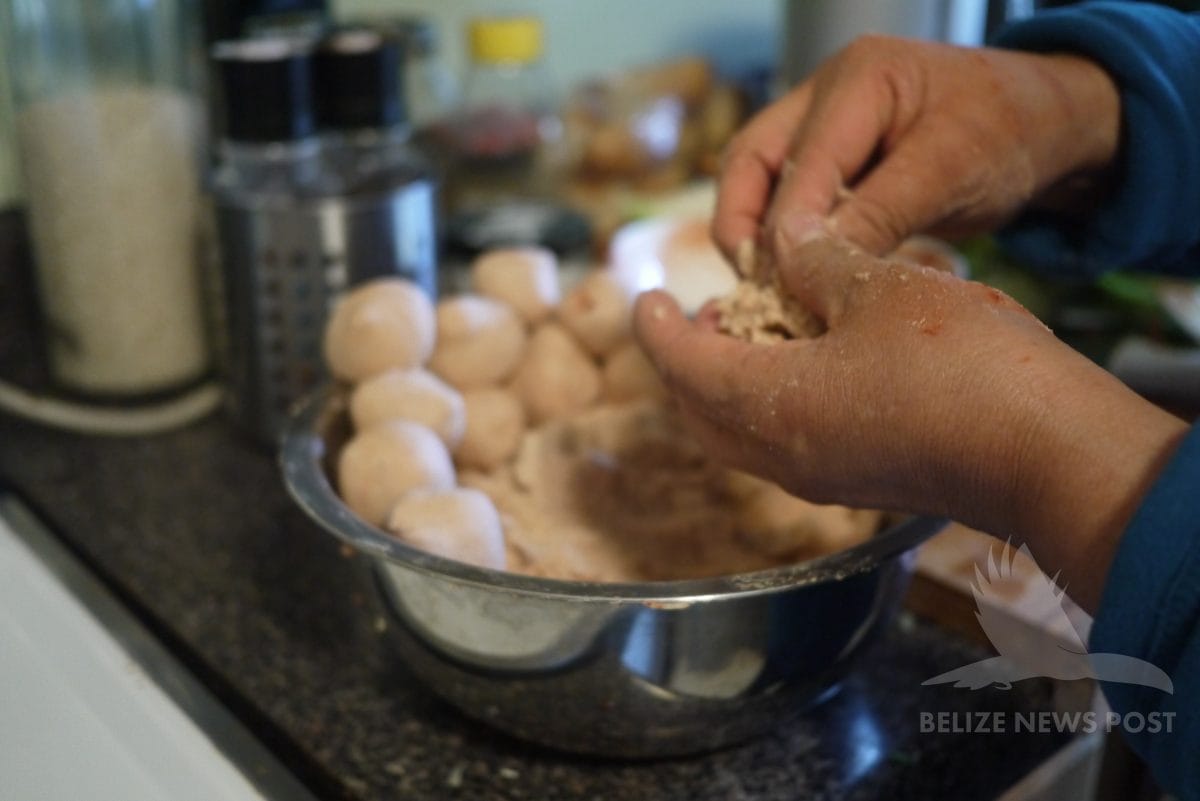
You can also make a cone. Use your index finger instead of the thumb. Press in and rotate until you have a hollow point. The pointed end goes into the beans first.
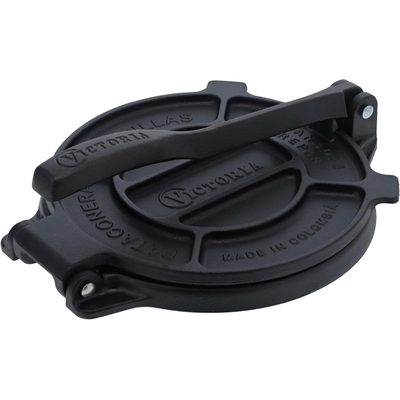
For the stuffed version, use a tortilla press. Flatten the ball between two pieces of plastic, put the filling on one half, fold and seal the edges.
The canastilla is the one I make.
Variations
The basic joroches are unfilled and go raw into the bean broth. That is the traditional form. What you do with it after that is a su gusto.
To fill them, press a hole into the dough ball and add queso de hebra, a piece of chorizo, or seasoned ground meat. Seal the dough around the filling and roll smooth before cooking.
Jorochitos are the fried version. Stuff and seal small dough balls, fry them in lard until golden, then drop into the hot beans for a few minutes. The outside crisps. The cheese inside melts. This is what you find in the markets and fondas around Mérida.
Some cooks mix two or three finely chopped chaya leaves into the masa before forming. The balls turn slightly green inside. Traditional in parts of Yucatan.
The toppings
Chiltomate always goes on top. That is not optional.
For the cheese, queso fresco works well. Queso sopero, the dry crumbly soup cheese, is the more traditional choice across Yucatan. Crumble it over the bowl just before serving.
The most historically authentic topping is toasted ground pepitas. Pumpkin seeds, ground fine. Cheese came later. Pepitas are older. The flavor is different from cheese. Nutty, earthy. No salt until you add it yourself.
Pickled red onion and fresh epazote on top are standard. A slice of habanero on the side for those who want the heat direct.
The boil up connection
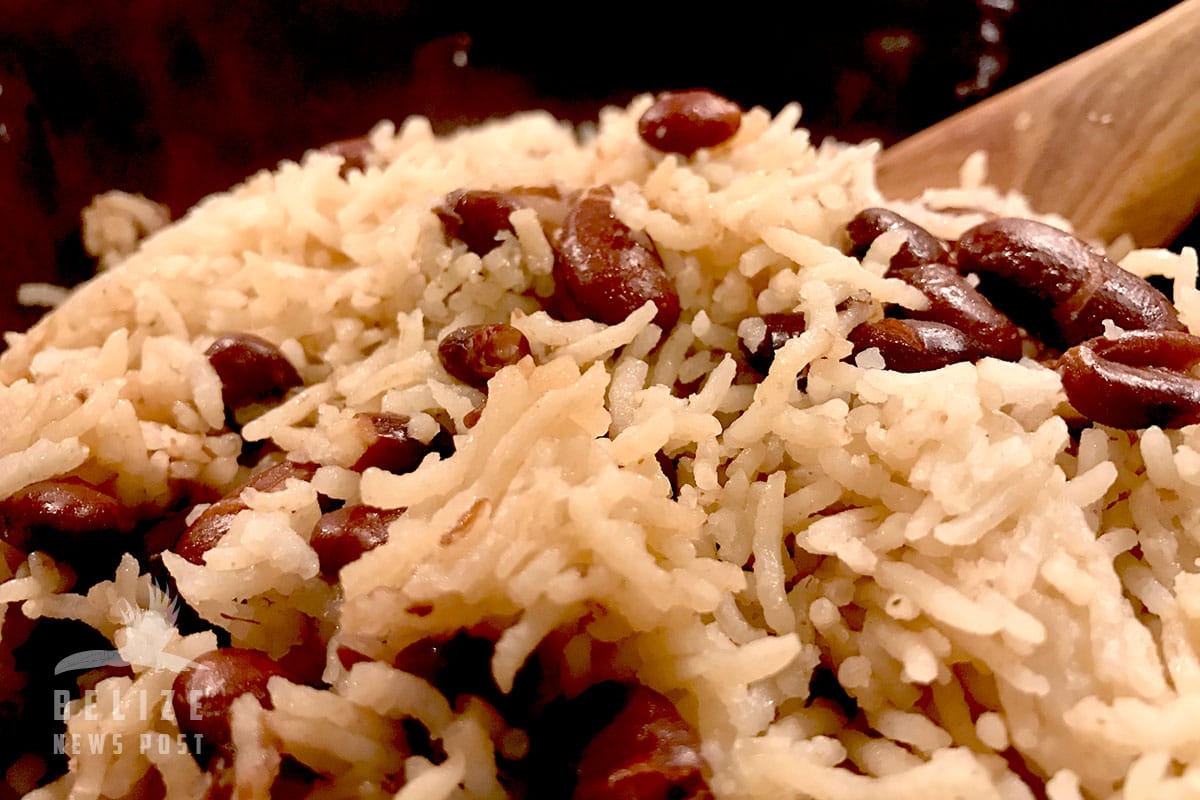
If you know Belizean boil up, the idea here is familiar. Dough cooked in a savory broth. The comfort logic is the same. The difference is that boil up uses flour dumplings and a coconut milk base with fish or pigtail. Joroches use corn masa and black beans. One is Creole. One is Maya. Both came from the same geography, the same need to feed a household well from simple ingredients.
If you want the stuffed-and-fried version of this idea, that is polcanes. The filling is toksel: the same beans and pepitas, mixed with cebollina, formed inside the masa and fried in lard. Polcanes are topped like a tostada. Joroches go into the broth. Same ingredients, different path.
What to serve with joroches
Joroches are a meal on their own. A bowl of the beans with four or five masa balls, chiltomate over the top, cheese crumbled, pickled onion. That is it. You do not need a side.
Some people serve warm corn tortillas alongside to scoop up the beans. That makes sense. A cold drink, a cold Belikin if you have it. Nothing more complicated than that.
Joroches recipe
Author: Fili Post | Prep time: 20 minutes | Cook time: 1 hour 20 minutes | Total time: 1 hour 40 minutes | Yield: 4 servings
Ingredients
For the masa dough
- 2 cups masa harina
- 1 tablespoon lard, softened
- 1/2 teaspoon salt
- 3/4 to 1 cup warm water
- 2 to 3 chaya leaves, finely chopped (optional)
For the frijol colado
- 2 cups dried black beans, cooked until very soft (or 5 to 6 cups cooked)
- 4 cups bean cooking liquid or water
- 1/2 white onion, roughly chopped
- 3 cloves garlic
- 2 sprigs fresh epazote (or 1 teaspoon dried epazote)
- 1 whole habanero pepper (or 1 dried habanero)
- 1 tablespoon lard
- Salt to taste
For the chiltomate
- 4 roma tomatoes, roasted or charred on a comal
- 1/4 white onion
- 2 cloves garlic
- 1/2 habanero pepper
- 1 tablespoon lard
- Salt to taste
To serve
- 2 oz queso fresco or queso sopero, crumbled (about 4 tablespoons)
- OR 2 tablespoons toasted ground pepitas per bowl (most traditional)
- Pickled red onion, 2 tablespoons per bowl
- Fresh epazote leaves, a few per bowl
- Habanero slices (optional)
Instructions
Make the frijol colado
- If cooking beans from dry, rinse and soak overnight. Drain, cover with fresh water, and cook until completely soft, 1 to 1.5 hours. Keep the cooking liquid.
- Blend the cooked beans with enough cooking liquid to blend smooth. Strain through a fine mesh sieve. The broth should be silky, not grainy.
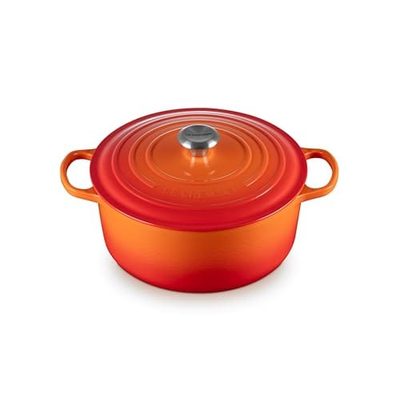
- In a cast iron dutch oven or heavy pot, heat the lard over medium heat. Fry onion and garlic until softened, about 3 minutes.
- Pour in the blended bean broth. Add the epazote and the whole habanero. Bring to a gentle simmer. The broth should coat the back of a spoon. If too thick, add a little water. Season with salt.
- Keep at a low simmer while you form the masa.
Make and shape the masa
- Combine masa harina, lard, and salt in a bowl. Add warm water a little at a time, mixing until the dough holds together and does not crack at the edges. It should feel like soft clay. Add chaya if using.
- Pinch off a piece of dough about the size of a large walnut. Roll between your palms until smooth.
- For the canastilla: press your thumb into the center and work the walls up to form a small cup, open at the top. Or leave as a plain ball. Both work.
- Set each piece aside on a plate while you finish the batch. Makes about 16 to 20 pieces.
Cook the joroches
- Drop the masa balls into the simmering bean broth. Do not crowd the pot. Cook in batches if needed.
- Simmer 12 to 15 minutes until cooked through. Press one gently — it should feel firm, not raw inside. Remove the habanero pepper before serving.
Make the chiltomate
- Blend the roasted tomatoes, onion, garlic, and habanero until smooth.
- Heat lard in a small pan over medium-high heat. Pour in the blended tomato sauce all at once. It will spit and sizzle. Fry, stirring, until the sauce darkens and thickens, about 8 to 10 minutes. Season with salt.
Serve
- Ladle beans and joroches into deep bowls. Spoon chiltomate over the top. Add crumbled cheese or ground pepitas, pickled red onion, and fresh epazote.
Variations
Filled: press a hollow into the ball, add queso de hebra, chorizo, or seasoned ground meat, seal and roll smooth before cooking.
Jorochitos (fried): fill and seal small balls, fry in lard until golden, then drop into the hot broth for 3 to 4 minutes.
Tortilla press: flatten a dough ball in a tortilla press between two pieces of plastic, add filling to one half, fold and press the edges to seal.
Nutrition
| Calories | Fat | Carbs | Protein | Sodium |
|---|---|---|---|---|
| 340 kcal | 9g | 52g | 13g | 480mg |
Estimates based on standard ingredient labels. Calculated with queso fresco topping.
Notes
- Beans can be made a day ahead. The broth thickens as it cools. Thin with water when reheating.
- Fresh masa gives better texture than masa harina if you can find it. Masa harina works well and is easier to source outside the region.
- The habanero in the broth adds depth without heat. Leave it whole and remove before serving. Slice it if you want heat in the broth.
- Pickled red onion: slice red onion thin, cover with lime juice and a pinch of salt, let sit 20 minutes.
- To toast pepitas: dry pan over medium heat, stir until they pop and turn golden. Cool, then grind in a mortar or small blender until fine but not pasty.
About the dish
Joroches are eaten across the Yucatan Peninsula. In Mexico, along the corridor into Belize and Guatemala, in the market towns where the same food crosses the same geography it always has. The name changes a little, the filling changes a su gusto, but the beans and the masa are the same. They are part of a larger collection of Maya recipes from this corridor.
The book The Night the Moon Fell is a Maya myth retelling worth having if you are interested in the stories behind this food.
Shop This Recipe
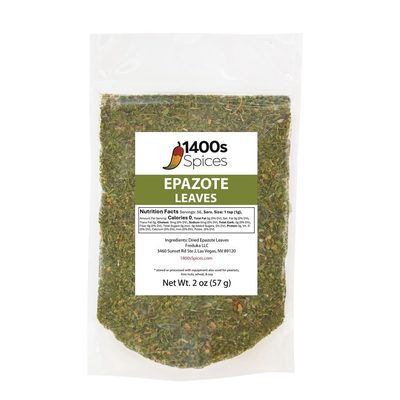
Black beans cooked without epazote taste flat and sit heavy, which is why the recipe treats it as non-optional. Dried leaf works year-round where fresh sprigs never show up in the store.