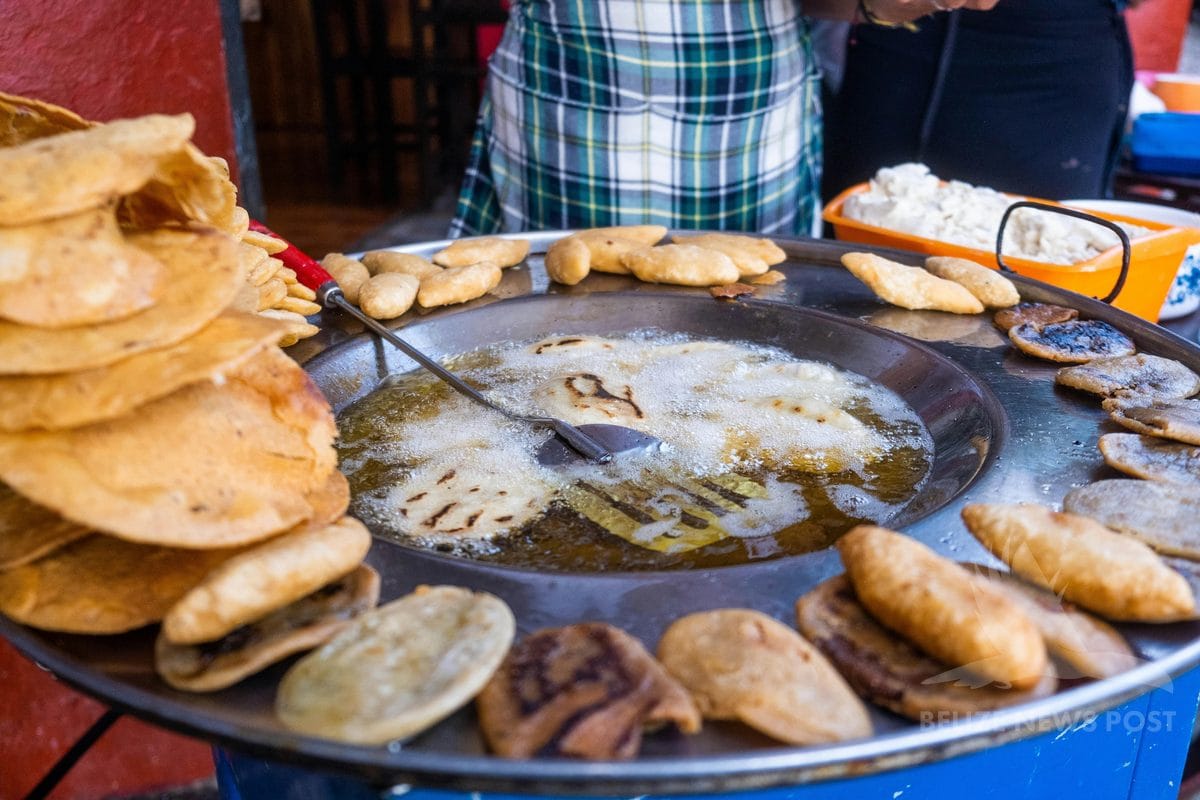
Polcanes (also spelled polkanes or polcán) are fried masa fritters from the Yucatan peninsula. A thick disc of corn masa is formed around a filling of cooked white beans, ground pumpkin seeds, and cebollina, then sealed and fried in lard until golden. They are served topped like a tostada: salpicón, chopped lettuce, crumbled salty cheese, salsa on the side. Polcanes are antojito yucateco. Market food. Morning food.
In Xaibe, we knew these from Chetumal. Go to the market in the morning and there they are. Sit down, they bring you a few polcanes and a salsa and you eat them hot. The filling is the thing. Is the pepitas that give the body. Without them it is just beans in masa. With them the relleno holds, it has weight, it has flavor.
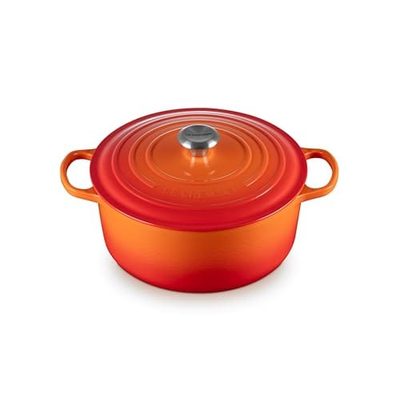
Cast iron dutch oven (Le Creuset)
Heavy cast iron Dutch oven with enamel coating - distributes heat evenly for long, low-temperature cooking and braising without losing liquid to evaporation.
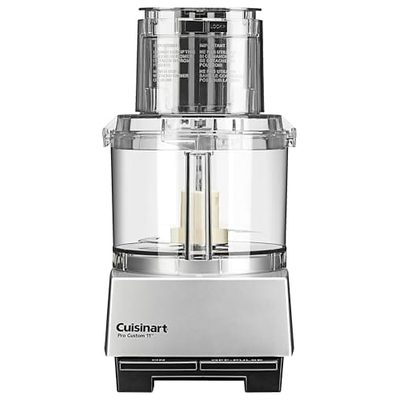
Cuisinart Pro Custom 11-Cup Food Processor with Slicing & Shredding Discs (DLC-8SBCYP1)
Spice pastes built from garlic, citrus and dried chiles need a processor that grinds them smooth in one pass. An 11-cup bowl is sized for batches that get portioned and frozen.
The name comes from Yucatec Maya. Pol means head. Kan means snake. The name is older than the round shape you see in markets today. The original form was elongated, a canoe rolled closed, shaped like the head of a snake. That older form is still made. As the dish moved into markets and street food, the shape evolved toward a thick flat disc, faster to form, easier to top. The name stayed. The flavor stayed. The shape is what changed.
The white beans are ibes, known in Yucatec Maya as iib. A small flat bean from this region. The pumpkin seeds, sikil in Maya, are ground fine. Together with cebollina these three ingredients are all the traditional filling needs. Some cooks add chicharrón or a splash of bitter orange juice to the filling. That is su gusto. The base is beans, seeds, and onion.
Ingredients
El Toksel (the Filling)
- 1 cup ibes (iib in Maya — small flat white Yucatan beans) or lima beans. Soaked overnight, cooked soft. See note below.
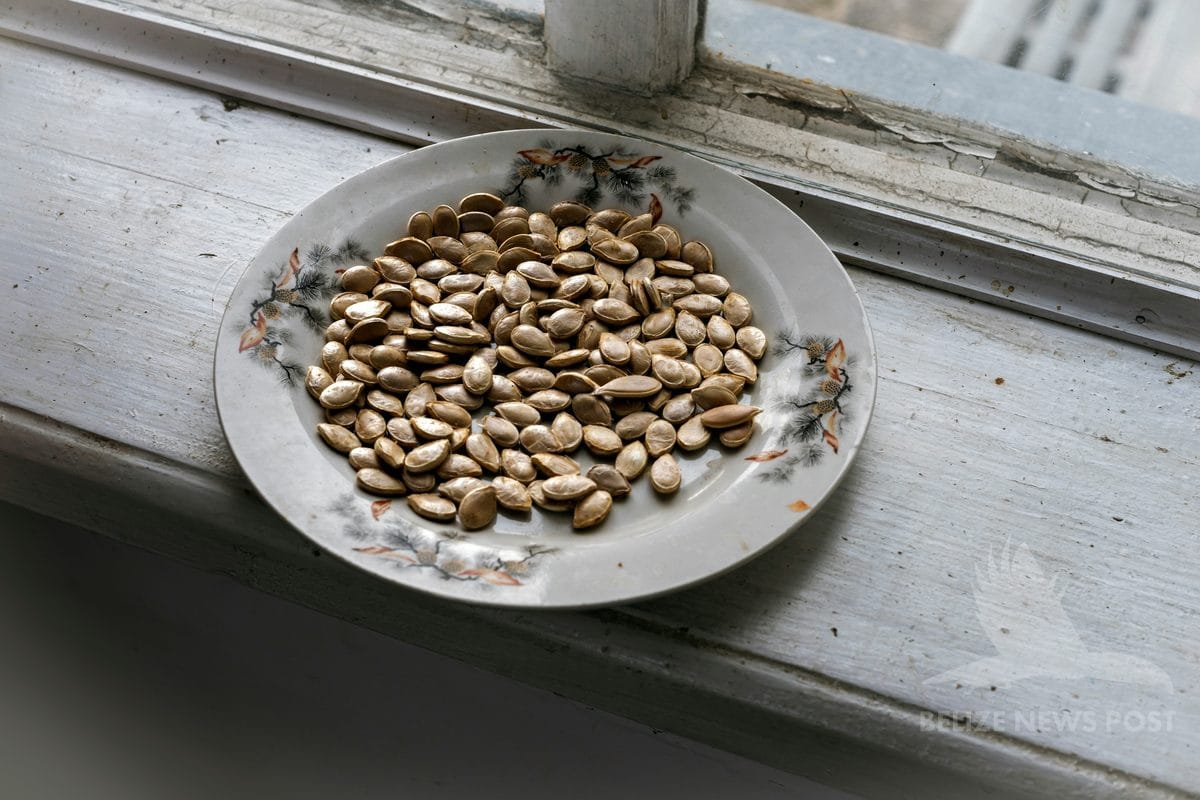
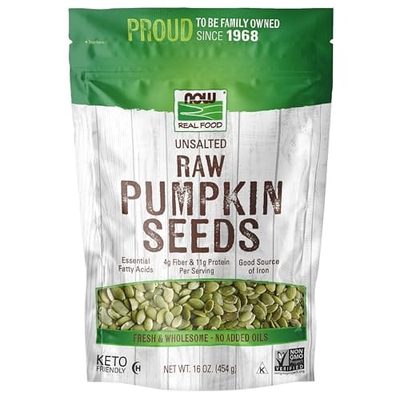
- 3/4 cup raw pepita de calabaza (pumpkin seeds), toasted and ground fine
- 6 to 8 spring onions (cebollina), finely chopped. Chives or scallions work too.
- Salt to taste
La Masa
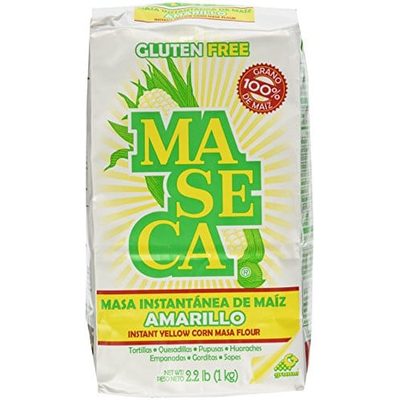
- 2 cups masa harina (or fresh ground masa). See the corn tortilla guide for mixing technique.
- 1/2 teaspoon salt
- 1 1/4 cups warm water (adjust as needed)
- Lard for frying. Oil works but lard is the traditional fat.
For Serving
- Finely shredded cabbage or chopped lettuce
- Diced tomato
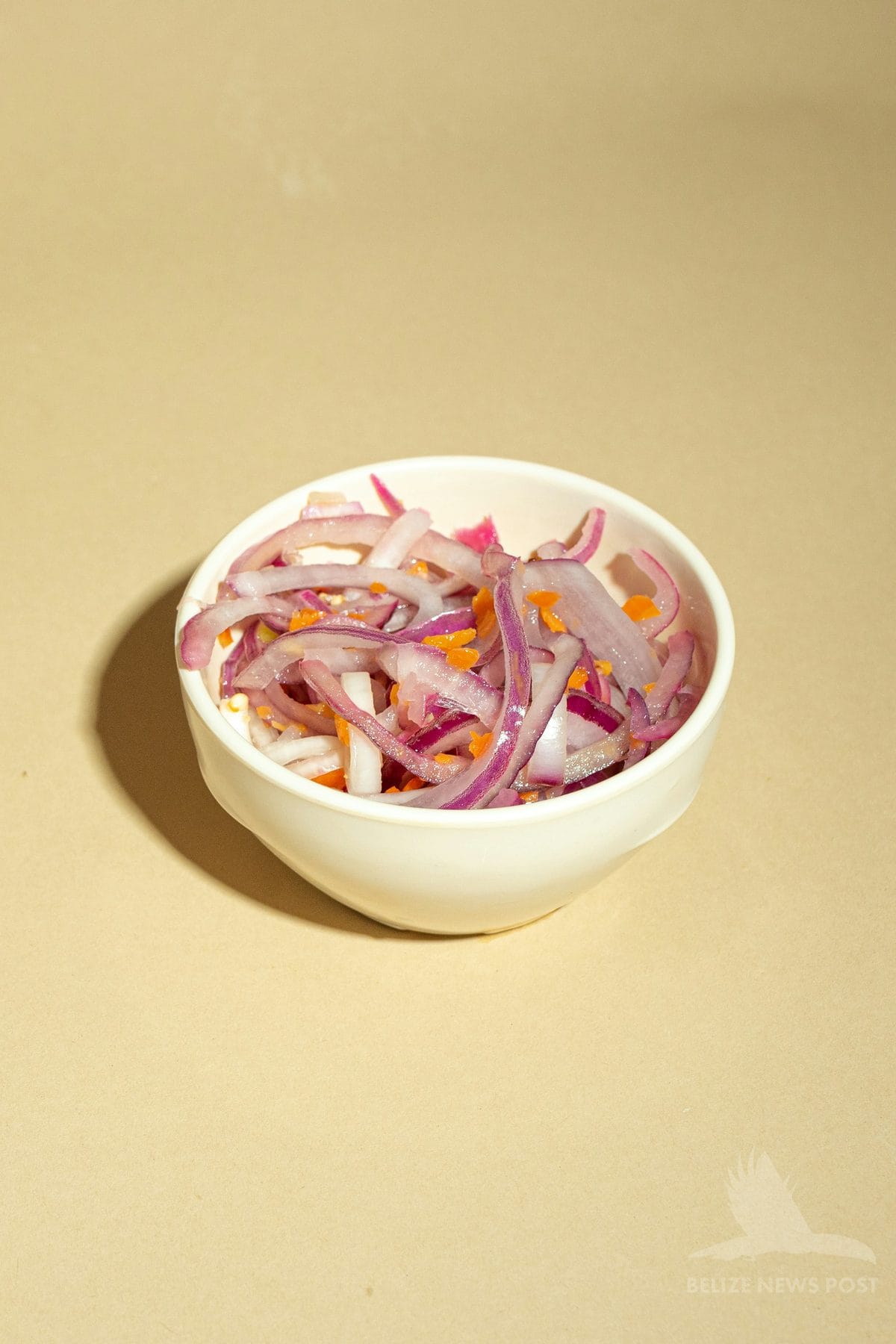
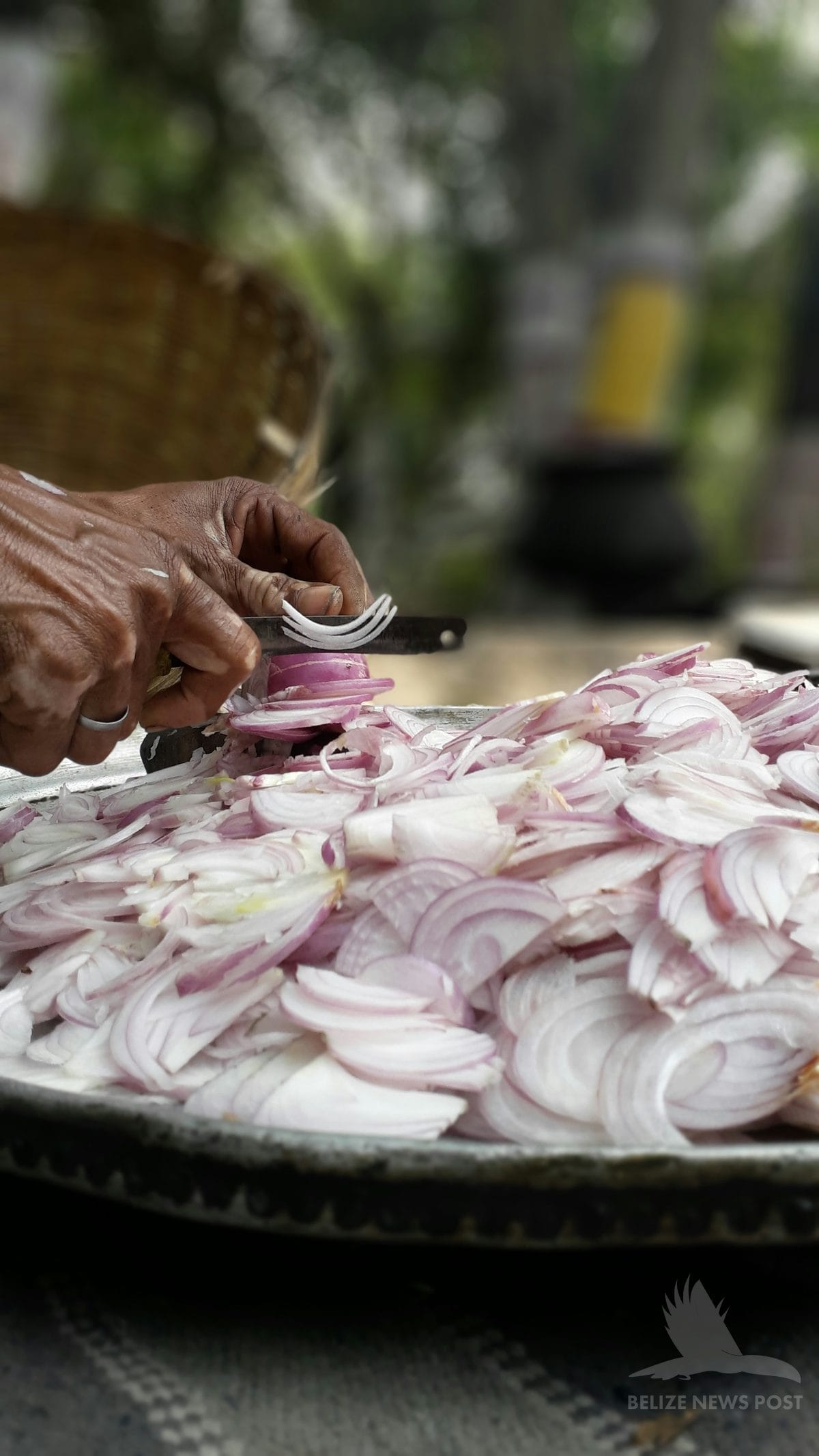
- Red onion, finely sliced
- Cilantro, chopped
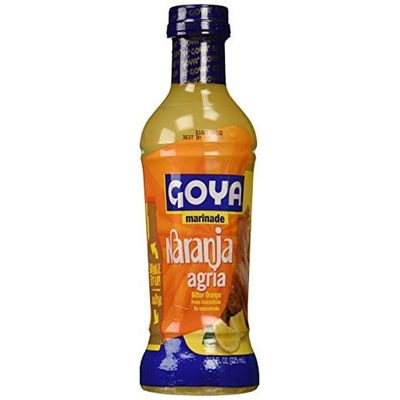
- Bitter orange juice (naranja agria) or lime
- Crumbled salty cheese. Cotija or similar.
- Fresh tomato salsa or habanero sauce
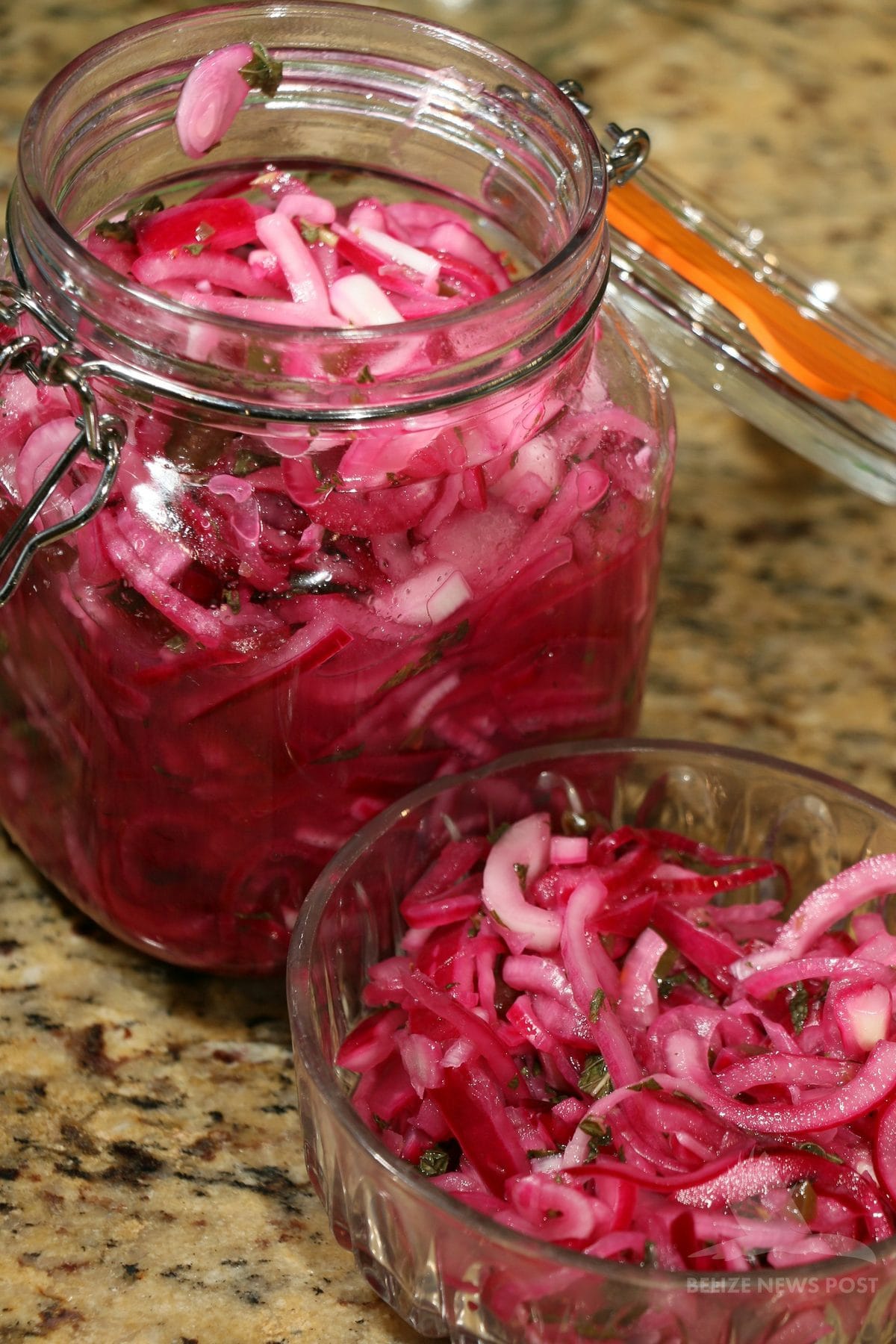
- Pickled red onion with roasted habanero and sour orange (optional)
Instructions
Clean and Soak the Beans (Night Before)
- Clean the ibes. Spread them on a flat surface and pick out any debris, small stones, or shriveled beans. Rinse well in cold water.
- Soak overnight in cold water. The beans need time to hydrate. Drain before cooking.
Cook the Beans
- Put the drained ibes in a pot with fresh cold water, a clove of garlic, and a pinch of salt. About three parts water to one part beans. Bring to a boil, then reduce to a steady simmer. Cook until the beans are completely soft, about 1 to 1.5 hours. They must mash easily between your fingers. Do not take them too far. If they become mush the toksel loses its texture. Drain. The beans, they can be cooked the day before and kept in the refrigerator.
Make the Toksel
- Toast the raw pepitas in a dry skillet over medium heat. Keep stirring. Three to five minutes until they color and smell nutty. Do not walk away. They go from toasted to burned fast. Let them cool completely before grinding.
- Grind the cooled pepitas fine in a blender or food processor. Pulse in short bursts and scrape down the sides. The powder should be dry and fine. Stop before it turns oily. The powder will absorb moisture from the beans when you combine them and that is what you want.
- Combine the cooked beans, ground pepitas, and finely chopped cebollina. Mash together with a fork or potato masher until the mixture holds its shape. Press a ball of it flat in your hand. If it holds without crumbling or spreading, the consistency is right. Taste and adjust salt. Set aside. Cold toksel is easier to handle when filling. Refrigerate for 30 minutes if it feels too soft to work with.
Make the Masa
- Combine masa harina, salt, and warm water. Mix until you have a smooth, pliable dough. It should not stick to your hands. It should not crack at the edges when you press it flat. Add water a tablespoon at a time if it is too dry. Cover with a damp cloth while you work so it does not dry out. For the full masa mixing technique, see the corn tortilla guide.
Form the Polcanes
- Portion the masa into balls slightly larger than a golf ball. Keep them covered under the damp cloth.
- Flatten each ball into a disc about 4 inches across and 1/4 inch thick. This is thicker than a corn tortilla. A tortilla press works here. Press once then adjust the shape by hand.
- Place about 2 tablespoons of toksel in the center. Do not overfill. The masa needs to fold over and seal completely. Fold the edges up and over the filling all the way around, pressing and sealing as you go. This is very similar to forming a pupusa. Once sealed, gently flatten and shape into an even disc. Check the edges all the way around. Any crack in the seal needs to be pressed closed before it goes in the oil.
Fry
- Heat lard in a deep heavy pan over medium heat. Enough to come three-quarters up the sides of the polcanes. Let it reach about 350 degrees F (175 degrees C) before you add anything. If you do not have a thermometer, drop a small pinch of masa in. It should sizzle and rise immediately.
- Lower the polcanes in carefully. Fry in batches of 3 to 4. Do not crowd the pan or the temperature drops. About 3 to 4 minutes per side. The crust should be deep golden and firm before you turn them. If the oil is too hot the outside colors fast and the masa inside stays raw. Keep the heat steady.
- Drain on a wire rack. Not paper. A rack lets steam escape and keeps the crust from going soft underneath.
Assemble
- Top each polcane while it is still hot. Salpicón first, then crumbled cheese, then salsa or pickled onion on the side. The finished polcane is about an inch thick or more. You can serve them whole or split them in half first and top each half. Both ways are done. Eat immediately. They go soft as they cool.
Ibes are the traditional bean for toksel. They are the small flat white beans grown throughout the Yucatan, sold dried in bags at every market. Outside of the Yucatan-Belize corridor, substitute lima beans or butter beans. Canned lima beans work in a pinch. Drain them well and they are close enough. What you cannot substitute is the toasted pepitas. That is where the toksel flavor lives. Toast them. Grind them fine. That step is not optional.
Toksel also goes inside tamales, fills tacos, and is eaten as a spread with tortillas. If you make a full batch and have some left over after filling the polcanes, put it on warm tortillas for breakfast. It keeps in the refrigerator for three days. It is one of the simplest and oldest preparations in this kitchen.
For other dishes from the same tradition, see panuchos yucatecos, salbutes, joroches, and the Mayan recipes hub. The pepita base connects polcanes to sikil pak. Both start with sikil, ground fine.
The Tuxel Variant
The tuxel polcane is the older form. Tuxel is another name for the same filling. The technique is different and the shape earns the name more directly.
To make the tuxel form: flatten a thick round of masa in your palm. With one hand holding the disc, use the other to gently pinch two opposite sides inward, forming a canoe shape, open along the top. Add the filling. Pinch the opening closed along the length and gently roll the whole thing into a sealed log. This shape, elongated and rounded at both ends, is the snake’s head the name describes. It looks like a polcán.
The tuxel is wrapped in a corn husk, tied at both ends, and steamed like a tamalito. After steaming, it is unwrapped and fried for 2 to 3 minutes to crisp the outside. Steam first, then fry. This is the original method. The round fried version you see in markets is the modern form. The flavor is the same. The technique is more involved.
The Hot Stone Method
Before the comal and the gas stove, the toksel was made with a heated stone. A specific heat-tolerant stone, found in the patios of houses throughout the Maya world. The stone is heated in fire, excess ash brushed off, and placed in the center of the bean and pepita mixture. Covered with a cloth. The cloth holds the steam in. The stone does two things: it evaporates the liquid from the beans, and it releases the oils from the pepitas through heat. The result has a flavor and smell you cannot replicate on a gas burner. The ash itself is a flavoring element in traditional Maya cooking.
Toasting the pepitas in a dry skillet is the modern approximation of this. It gets you most of the way there. If you have the means and the stone, the old way is worth trying at least once.
Polcanes and the Yucatan Masa Family
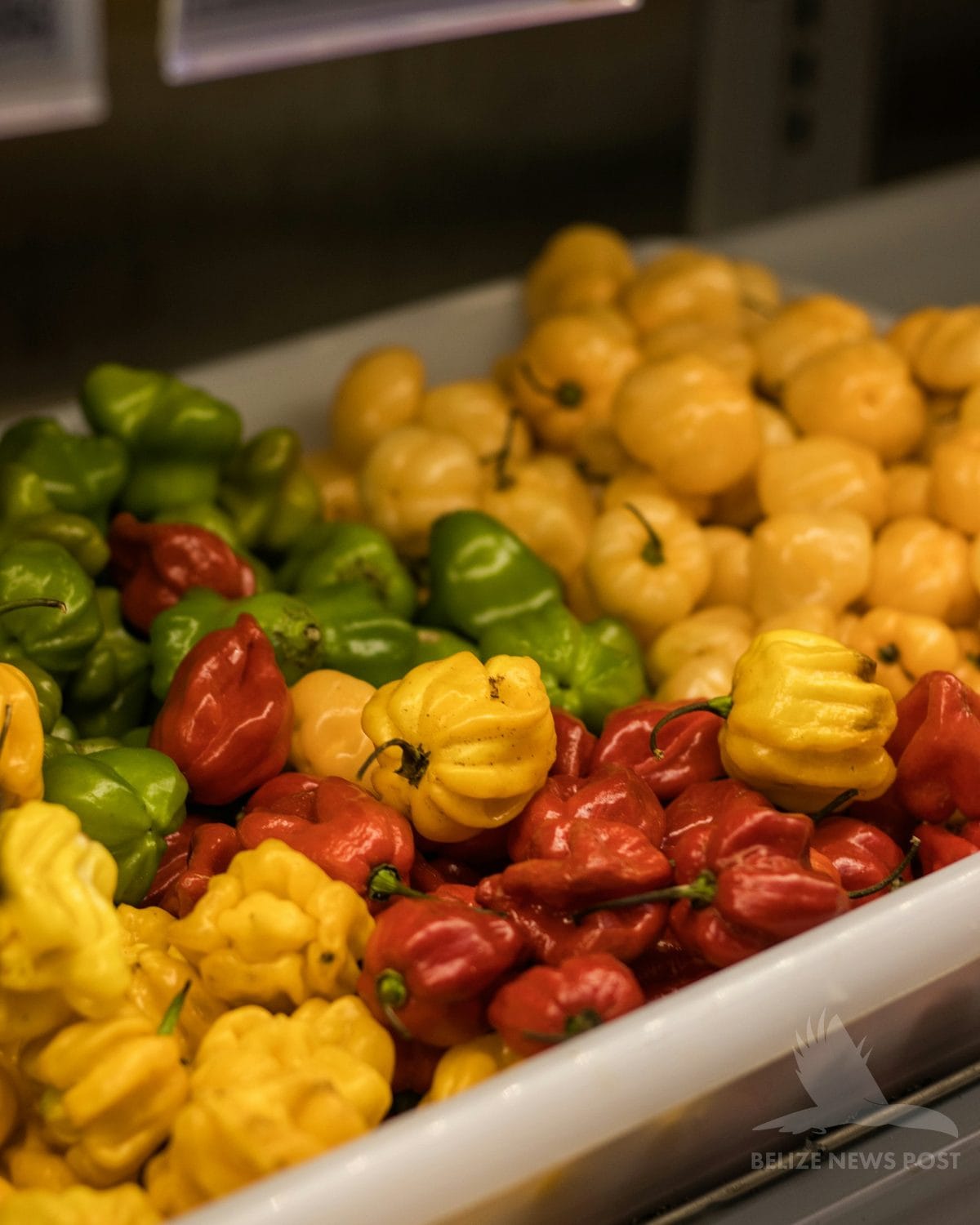
Polcanes belong to the same family as panuchos, salbutes, and joroches. All are fried masa discs from the Yucatan tradition. The differences are in the filling, the forming method, and how they are served.
| Polcanes | Joroches | Panuchos | Salbutes | |
|---|---|---|---|---|
| Filling | Toksel sealed inside masa | Masa only | Black beans in a pocket | None |
| Shape | Thick disc, 1 inch+ | Thick oval disc | Small flat round | Small flat round |
| Frying | Deep fry in lard | Shallow fry | Shallow fry in lard | Shallow fry in lard |
| Served | Topped like a tostada | Dipped in bean broth | Topped with meat, cabbage, onion | Topped with meat, cabbage, onion |
| Recipe | This post | Joroches | Panuchos | Salbutes |
Tools
A heavy deep pan for frying. Cast iron or a heavy-bottomed pot. Enough depth for the lard to reach three-quarters up the sides of the polcanes. A Dutch oven works well. You need enough oil volume so the temperature does not drop when you add the fritters.
For grinding the pepitas, a blender or food processor. A metate is the traditional tool. The goal is a fine, dry powder. Grind in short pulses and scrape down the sides. Stop before it becomes an oily paste.
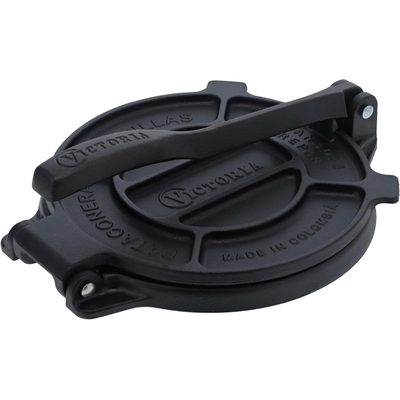
A tortilla press makes the forming step faster. You still shape the disc by hand after pressing. Not required, but useful if you make masa dishes regularly.
Tips
- Cook the beans the night before. Day-of bean cooking, toksel making, masa mixing, and frying is too much at once. The beans and toksel can both be made a day ahead. Cold toksel is firmer and easier to fill with.
- Toast the pepitas before grinding. Raw pepitas give a flat, green flavor. Toasted, they give the warm nuttiness that defines the toksel. This step cannot be skipped.
- A little bitter orange in the filling helps it bind. Some cooks add a small splash of naranja agria to the toksel to hydrate the ground pepita powder and keep it from going powdery. Just enough to help it compact. The rest of the bitter orange goes into the salpicón.
- The toksel must hold its shape. Press a ball of it flat in your hand. If it holds without spreading, it is ready. If it is too wet, add more ground pepitas. If it is too dry, add a splash of bitter orange or a little bean cooking liquid.
- Seal the edges completely. Go around the whole border with your fingers. Press firm. Any crack in the seal and the filling goes into the oil and the polcane opens up. Wet your fingertip to press stubborn cracks closed.
- Keep the heat steady. Too hot and the crust colors before the masa cooks through. Too cool and the polcanes absorb oil and go greasy. At 350 degrees F (175 degrees C) the crust sets in the first minute and the inside finishes in the remaining time. Color is your cue. Deep golden, not pale, not dark brown.
- Drain on a rack, not paper. Paper traps steam under the polcane and softens the bottom crust. A wire rack keeps it crisp longer.
- Serve them hot. More or less fifteen minutes out of the oil they are still good. After that the crust softens. Top them at the pan, eat at the table.
Spellings and Name Variants
The dish appears under several spellings depending on source and region: polcanes, polkanes, polcán, and polkán. The accent drops in informal use. The C and K spellings both appear in Yucatan sources and are used interchangeably. The filling is similarly spelled multiple ways: toksel, tuxel, and tokcel all refer to the same preparation of beans and ground pepitas. In Yucatec Maya, the beans are iib (ibes in Spanish), and the pumpkin seeds are sikil.
Cook Time
| Prep time | 30 minutes (beans cooked ahead, not included) |
| Cook time | 25 minutes |
| Total time | 55 minutes |
| Yield | 12 to 14 polcanes |
Estimated Nutrition
Per polcane, without toppings:
| Calories | 220 |
| Fat | 10g |
| Saturated fat | 3g |
| Carbohydrates | 24g |
| Fiber | 4g |
| Protein | 7g |
| Sodium | 130mg |
Estimates based on standard ingredient data. Values will vary with lard absorption and topping choices.
Shop This Recipe
Frequently Asked Questions
What are polcanes?
Polcanes are fried masa fritters from the Yucatan peninsula. A thick disc of corn masa is stuffed with toksel, a filling of cooked white beans (ibes) and ground pumpkin seeds (pepitas de calabaza), sealed, and deep-fried in lard until golden. They are served topped like a tostada: salpicón, crumbled cheese, and salsa. A traditional Yucatan antojito found at markets and street food stalls.
What is toksel?
Toksel (also spelled tuxel or tokcel) is the traditional Yucatec Maya filling made from cooked ibes (white beans) combined with toasted and ground pepitas (pumpkin seeds) and finely chopped cebollina. It is used inside polcanes, inside tamales, and eaten as a spread with tortillas. The ground pepitas give it a thick, cohesive texture and a nutty flavor. It is one of the oldest preparations in Yucatan Maya cooking.
How do you spell polcanes?
The dish appears under several spellings: polcanes, polkanes, polcán, and polkán. The accent mark drops in informal use. The C and K spellings both appear in Yucatan sources. All refer to the same fried masa fritter. The filling is similarly spelled multiple ways: toksel, tuxel, and tokcel are all in use.
What are ibes?
Ibes (iib in Yucatec Maya) are a small flat white bean from the Yucatan peninsula, widely used in Maya cooking. They are sold dried in bags at markets throughout Yucatan and northern Belize. Outside the region, substitute lima beans or butter beans. Canned lima beans also work. Drain and rinse well before using.
What is the difference between polcanes and joroches?
Both are thick fried masa discs from the same Yucatan tradition. The main difference is in the filling and how they are served. Polcanes are stuffed with toksel inside the masa and served topped like a tostada. Joroches are masa only, served dipped in or alongside bean broth. The polcane carries its filling inside. The joroche meets its beans at the table.
Are polcanes vegetarian?
Yes. The toksel is beans, pumpkin seeds, and spring onion. The masa is corn and water. Fried in oil instead of lard, polcanes are vegan. The traditional fat is lard.
What do you serve with polcanes?
Salpicón — shredded cabbage or chopped lettuce, diced tomato, red onion, cilantro, and bitter orange juice — is the classic topping. Crumbled salty cheese and fresh salsa are standard alongside. Pickled red onion with roasted habanero and sour orange is a traditional accompaniment. The topping approach is the same as a tostada. Use what you have.