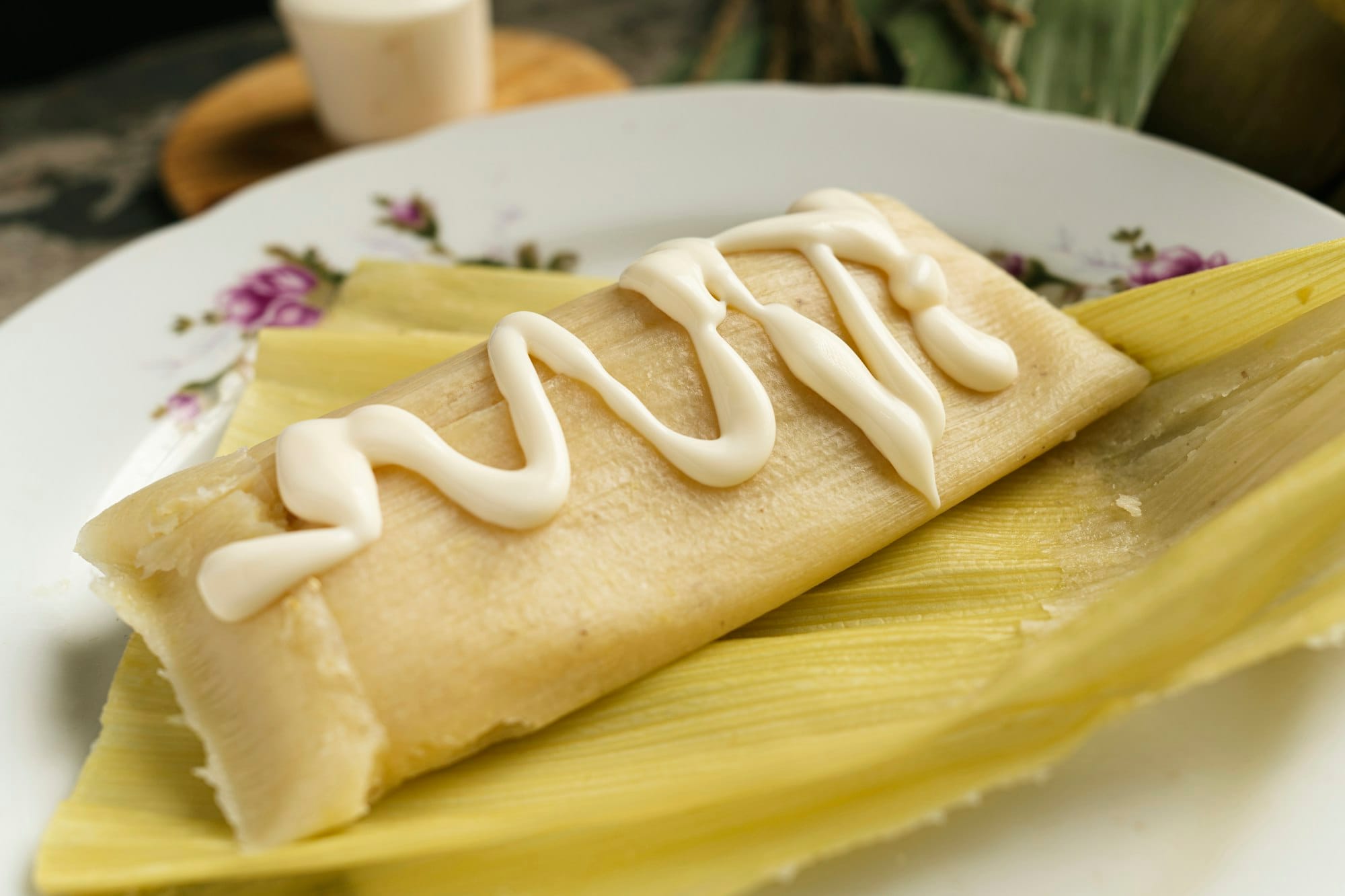
Montucas are Honduran fresh-corn tamales made from young sweet corn (elote) ground into a soft, slightly sweet masa, mixed with butter and milk, filled with seasoned pork or chicken, then wrapped in the corn husk and steamed. They belong to southern Honduras and arrive when fresh corn is in season.
The first thing I learned about corn this fresh is that it fights you. You scrape the kernels off the cob and the milk runs down your wrist, and the masa you grind from it is nothing like the firm dried-corn dough most people picture when they hear the word tamale. It is loose. It is pale gold. It smells like a field after rain. That softness is the whole point of a montuca, and it is why you cannot fake one with a bag of masa harina.

Cuisinart Pro Custom 11-Cup Food Processor with Slicing & Shredding Discs (DLC-8SBCYP1)
Spice pastes built from garlic, citrus and dried chiles need a processor that grinds them smooth in one pass. An 11-cup bowl is sized for batches that get portioned and frozen.
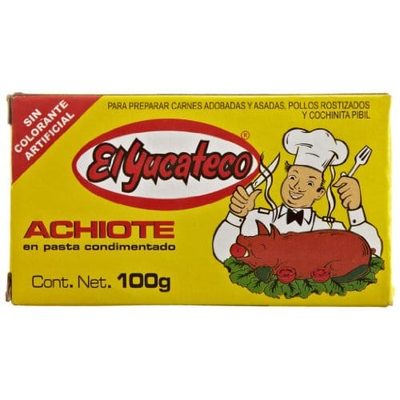
Cochinita pibil, poc chuc, and escabeche all start with red recado. A prepared achiote paste dissolves into sour orange in minutes instead of the hour it takes to grind annatto, oregano, and clove from seed.
That softness is the whole point of a montuca, and it is why you cannot fake one with a bag of masa harina.
Why Montucas Belong to Honduras’s Fresh-Corn Season
Montucas are a Honduran dish most associated with Olancho, in the centre and east of the country, where the fresh-corn tamale is everyday food when the corn comes in. Their roots run back to the corn-tamale cooking of the region from long before the Spanish arrived, an old instinct that met the pork and cheese the Spanish brought. What sets them apart from the wider tamale family is the corn itself: young, fresh, still milky on the cob.
Because they depend on fresh corn, they are seasonal. You make them when the corn comes in, not year-round. That is the honest version of this dish. It is eaten more casually than the festive nacatamal, an everyday food that happens to taste like a small celebration. Hondurans serve montucas warm with crema and crumbled cheese, and they belong to the table the way a good fresh-corn season belongs to the calendar.
I lived on the Gulf of Fonseca side of Honduras for a few years, and I have ground fresh corn like this in more than one kitchen that called it by another name. The montuca is the Honduran answer, and it is worth knowing on its own terms.
Ingredients
For the masa (dough):
- 8 ears fresh young corn / elote (about 6 cups grated kernels), see Tips for a frozen-corn alternative
- 1/2 cup (1 stick) butter, softened
- 1/2 cup whole milk
- 1/4 cup sugar
- 1 tsp salt
- 1/2 tsp ground cinnamon (optional, common in southern-style montucas)
For the filling (recado de cerdo):
- 1 lb pork shoulder, cut into small pieces (or chicken thigh, shredded)
- 1 medium tomato, chopped
- 1/2 medium onion, chopped
- 2 cloves garlic
- 1 tsp achiote paste (annatto) dissolved in 2 tbsp water
- 1/2 tsp ground cumin
- 1/4 tsp black pepper
- 1 tsp salt
- 2 tbsp vegetable oil
For wrapping:
- Fresh corn husks (tusas), reserved from the ears, about 16 to 20
Instructions
- Husk the corn, reserving the large husks (tusas) whole. Wipe them clean and set them aside for wrapping.
- Scrape the kernels off each cob with a knife, cutting only the top of the kernel. Leave the bitter base at the cob (the olote) alone. Scrape it in and the masa turns bitter.
- Grind the kernels in a blender or food processor with the milk until you have a thick, coarse masa. Stop before it goes smooth and liquid. The grind should still have body to it.
- Pour the corn masa into a pot. Add the butter, sugar, and salt (and the cinnamon, if you are using it). Cook over low heat, stirring constantly, until it thickens slightly and the butter melts in, about 8 to 10 minutes. Set aside.
- Make the filling. Heat the oil in a pan and brown the pork pieces on all sides.
- Blend the tomato, onion, garlic, cumin, pepper, salt, and the dissolved achiote into a smooth recado.
- Pour the recado over the pork, lower the heat, and simmer until the pork is tender and the sauce has reduced, about 25 to 30 minutes. Let it cool slightly.
- Lay a corn husk flat. Spoon a portion of corn masa into the center and spread it into a rectangle.
- Add a spoonful of the pork filling and its sauce down the middle of the masa.
- Fold the husk over like an envelope. Bring the long sides in to enclose the masa, then fold the top and bottom under.
- Fill a large pot halfway with water and set a steamer rack, or a bed of extra husks, above the water line.
- Stack the montucas in layers, folded-side down, alternating with loose husks so they hold their shape.
- Cover and steam over a low boil for 45 to 60 minutes, until the masa is set and pulls cleanly away from the husk.
- Rest them 5 minutes before unwrapping. Serve warm with crema (sour cream) and crumbled cheese.
What Is the Difference Between Montucas and Nacatamales?
The difference is the corn and the wrapper. A montuca uses fresh young corn (elote), ground soft and a little sweet. A nacatamal uses dried-corn masa, either nixtamalized corn or masa harina, which gives a firmer, savory dough. That single choice changes everything that follows.
The wrappers tell you which is which at a glance. Montucas go in the corn husk (tusa). Nacatamales go in a banana leaf. So if you see a Honduran tamale steamed in a green banana leaf, you are looking at the nacatamal, the larger and savory one tied to Christmas and holidays, the king of Honduran tamales. The montuca is the smaller, slightly sweet one you eat through fresh-corn season without waiting for an occasion. For the dried-corn cousin steamed in a banana leaf, see the Honduran nacatamales.
If you see a Honduran tamale steamed in a green banana leaf, you are looking at the nacatamal, the montuca lives in the corn husk.
Honestly, the montuca shares its masa base with a whole family of fresh-corn tamales across the region: tamal de elote, tamalitos de elote, the Mexican uchepo. What makes it a montuca rather than a plain sweet-corn tamale is the seasoned meat filling tucked inside. The same fresh-corn instinct shows up elsewhere in Maya-world cooking, from the Yucatec dzotobichay to the corn tamales of the Belizean kitchen.
Tips for Making Montucas with Frozen Corn or Chicken
- Out of season, frozen corn will do. When fresh elote is not at the market, thaw frozen sweet corn kernels fully and cut the milk back a little, because frozen corn carries more water than fresh. Canned corn is a last resort that gives a softer, less sweet masa.
- For chicken instead of pork, use shredded chicken thigh in the same achiote recado. Brown it first, then simmer it in the recado the same way you would the pork.
- Do not over-grind the masa. A slightly coarse grind holds the montuca’s tender bite. Blend it to a smooth puree and it steams gummy, so stop while you can still see a little texture.
- For storage, steamed montucas keep about 3 days refrigerated and reheat well. Re-steam them rather than microwaving. They freeze up to 2 months in their husks.
Frequently Asked Questions
What are montucas?
Montucas are Honduran fresh-corn tamales. You grind young sweet corn (elote) into a soft, slightly sweet masa, fill it with seasoned pork or chicken, wrap it in a corn husk, and steam it. They come from southern Honduras and are a seasonal food, made when fresh corn is in.
What is the difference between montucas and nacatamales?
Montucas use fresh corn ground into a soft, slightly sweet masa and are wrapped in corn husks. Nacatamales use dried-corn masa, are savory and larger, and are wrapped in banana leaves. The nacatamal is the festive Christmas tamale of Honduras. The montuca is the smaller fresh-corn one eaten casually in season.
Can you make montucas with frozen corn?
Yes. Thaw frozen sweet corn kernels fully, then grind them as you would fresh corn, but reduce the milk slightly because frozen corn holds more water. The masa will be a touch softer than fresh elote gives you. Canned corn works in a pinch but produces a less sweet, looser dough.
What meat goes inside montucas?
Pork is the traditional filling, pork shoulder browned and simmered in an achiote recado of tomato, onion, garlic, and cumin. Shredded chicken thigh in the same recado is the common alternative. Both are seasoned the same way; the choice is yours.
Are montucas sweet or savory?
They are both, and that is the point. The fresh-corn masa is gently sweet from the young corn, the butter, and a little sugar, while the meat filling is savory and seasoned with achiote. A montuca balances the two in one bite, which is what sets it apart from a plain sweet-corn tamale.
How do you wrap and steam montucas?
Lay a corn husk flat, spread corn masa into a rectangle in the center, add the filling down the middle, and fold the husk like an envelope. Stack the wrapped montucas folded-side down in a steamer above the water line, alternating with loose husks. Steam over a low boil for 45 to 60 minutes until the masa sets.
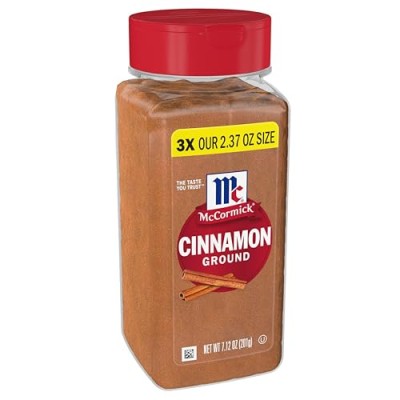
McCormick Ground Cinnamon, 7.12 oz
Pantry-staple ground cinnamon for southern-style montucas and sweet corn tamales.