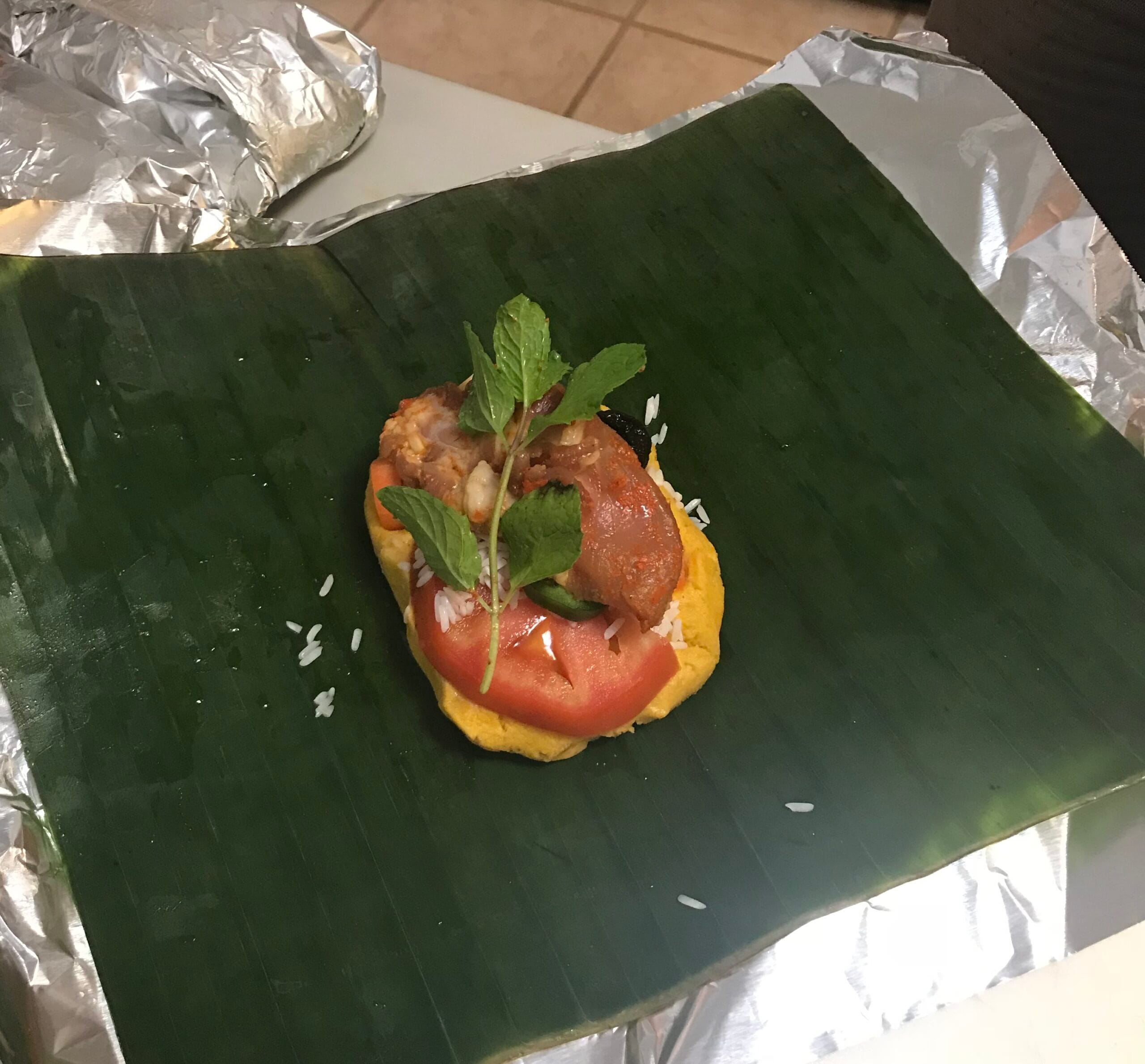
A nacatamal is a large Honduran tamale of nixtamal corn masa enriched with broth, lard, and achiote, filled with marinated pork or chicken, rice, potato, mint, and vegetables, then wrapped in banana leaf and steamed. Honduran nacatamales are Sunday morning and holiday food, heartier than a Mexican tamal and closely shared with Nicaragua.
Why Hondurans Make Nacatamales for Christmas, Not Tuesdays
A nacatamal is not weeknight food. It is a whole day, sometimes two, and it is rarely one person’s job. In Honduras the big batches come out at Noche Buena, on Sunday mornings, and for weddings, because a single nacatamal carries hours of work inside its leaf. Families cook them the way other people throw a party.
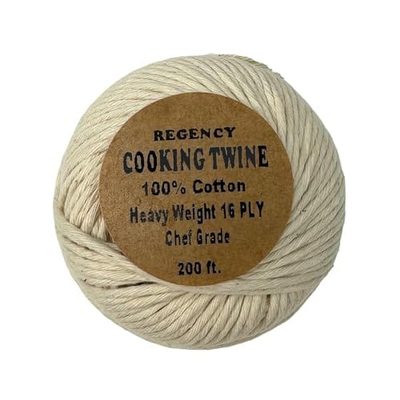
Regency Wraps Butchers Cooking Twine, Natural Cotton
Food-safe natural cotton twine for trussing whole birds and tying roasts, holding a stewed chicken or holiday turkey together through long cooking.
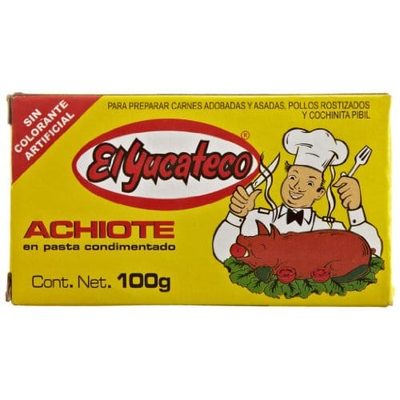
Cochinita pibil, poc chuc, and escabeche all start with red recado. A prepared achiote paste dissolves into sour orange in minutes instead of the hour it takes to grind annatto, oregano, and clove from seed.
The labor gets shared across the house. One set of hands works the masa until it is smooth and loose. Someone else marinates the pork and lines up the rice, potato, and vegetables in bowls. The children clean and soften the banana leaves and help fold the packets closed. A December batch is steamed, eaten, and then re-steamed through the lazy week between Christmas and New Year, so the cooking gets done once and the eating stretches on.
Families cook them the way other people throw a party.
The dish is Mestizo Honduran home cooking, and it belongs to a much older corn tradition that runs across the whole region. The name comes from Nahuatl: nacatl, meat, joined to tamalli, tamale. A meat tamale. Its roots are Mesoamerican, tied to the Nicarao peoples of what is now western Nicaragua who once filled these packets with deer, turkey, or iguana seasoned with tomato, chili, and achiote. Pork, chicken, and potato came later, after Spanish contact reshaped the table. If you want to see how wide this corn lineage really runs, it reaches all the way into the wider Maya-world tamal tradition that shapes cooking across Belize and the Yucatán too.
What Makes a Nacatamal Different from a Tamal?
Size is the first thing you notice. A nacatamal is big, much bigger than the small corn-husk tamales you get in Mexico or the ones we make at home. Open one up and it eats like a full plate, not a snack.
Open one up and it eats like a full plate, not a snack.
The masa is richer, too. It starts from nixtamal, corn cooked with lime until the hulls slip and the kernels grind into a soft dough. Then it gets loaded: warm broth, lard, and achiote beaten in until the dough goes a deep orange-red and already tastes of something before you have added a single thing on top. This is not the plain masa of a quick tamal.
Then there is the filling, which is the real signature. Inside one nacatamal you will find marinated pork or chicken, a spoonful of rice, a slice or two of potato, chickpeas, strips of bell pepper, onion, tomato, a few green olives, a sprig of fresh mint, and in many homes a prune or a couple of raisins. That hit of sweet against the savory and the brine of the olive is the point, not a mistake. The mint is not a garnish: it goes in before the fold and perfumes the whole packet as it steams. It is a layered meal in a leaf.
And the wrap is banana or plantain leaf, not corn husk. The leaf lets the package go large, seals in the steam, and leaves behind a faint smoky-green perfume you cannot fake with husk. That single choice separates the nacatamal from a husk-wrapped Belize’s own corn-husk tamales and from other regional cousins like the strained-masa tamales colados of the Yucatán.
I want to be honest about one thing, because it matters. The nacatamal is shared Honduran and Nicaraguan tradition, not a Honduran invention alone. Nicaraguan versions lean a little different: many add more generous sprigs of spearmint, a chile congo, and sour orange worked into the masa itself. The Honduran nacatamal is its close cousin, raised in the same house. Calling it purely Honduran would be a small lie, and the dish is too good for that.
Ingredients
This makes about 12 large nacatamales, which is a festive batch. Scale down by quarters if you want a smaller pot.
For the masa:
- 4 cups masa harina (or 4 cups fresh nixtamal masa if you can get it)
- 4 cups warm chicken or pork broth
- 3/4 cup lard (manteca) or vegetable shortening, melted
- 2 tablespoons achiote (annatto) paste, dissolved in 2 tablespoons warm water
- 2 teaspoons salt
For the pork and marinade:
- 3 pounds boneless pork shoulder, cut into 2-inch pieces (boneless chicken thighs work as a substitute)
- 2 tablespoons achiote paste
- 4 cloves garlic, minced
- 1 teaspoon ground cumin
- 1 teaspoon dried oregano
- 1/2 cup sour (bitter) orange juice, or 1/4 cup orange juice plus 1/4 cup lime juice
- 1 1/2 teaspoons salt
For the layered filling:
- 1 1/2 cups long-grain rice, rinsed and left uncooked (divided across all the tamales)
- 3 medium potatoes, peeled and sliced into rounds
- 1 can (15 ounces) chickpeas (garbanzos), drained, or 1 cup cooked
- 2 bell peppers, one red and one green, sliced into strips
- 1 large white onion, sliced into rings
- 2 roma tomatoes, sliced
- 1/2 cup green olives
- 1/3 cup pitted prunes or raisins (keep this modest)
- 12 small sprigs fresh mint (hierbabuena), one per nacatamal
- 2 tablespoons capers (optional)
For wrapping and steaming:
- 12 large pieces of banana or plantain leaf, about 12 by 14 inches each, plus extra for lining the pot (foil works as a backup)
- Kitchen twine, or strips torn from the banana-leaf spine, for tying
Instructions
- Marinate the pork first. Combine the pork with 2 tablespoons achiote, the garlic, cumin, oregano, sour orange juice, and salt. Cover and refrigerate at least 2 hours, or overnight if you can.
- Soften the banana leaves. Pass each leaf over a low flame or hold it briefly over steam until it turns glossy and pliable, then wipe it clean. Cut into rectangles about 12 by 14 inches.
- Make the masa. Whisk the masa harina with the warm broth, melted lard, dissolved achiote, and salt until you have a thick, spreadable paste. It should hold a line when you drag a spoon through it. Loosen with a little more broth if it stiffens.
- Soak the rinsed rice in warm water for 20 minutes, then drain. It finishes cooking inside the nacatamal.
- Lay one leaf shiny side up. Spread about 3/4 cup of masa into a rectangle in the center, leaving a border of bare leaf on all sides.
- Layer the filling in the middle of the masa: a few pieces of marinated pork, 1 to 2 tablespoons of rice, a slice or two of potato, a spoonful of chickpeas, then bell pepper, onion, tomato, a couple of olives, a single prune, and one sprig of fresh mint laid flat on top.
- Fold the long sides of the leaf over the filling so the edges of the masa meet and enclose it, then fold the two ends up to form a sealed packet.
- Wrap each packet in a second leaf for insurance, or in foil, and tie it crosswise with twine into a firm parcel.
- Repeat until all 12 are wrapped. Keep the packets seam side down so they do not unfold.
- Line the bottom of a large stockpot with leftover leaves. Add water to sit just below a rack or an inverted heatproof plate, then stack the nacatamales upright and snug.
- Cover and steam over low to medium heat for 3 to 4 hours. Check the water level every hour and top it up with boiling water so the pot never runs dry.
- Rest the nacatamales 15 minutes off the heat before unwrapping. The masa should be set and pull cleanly away from the leaf.
Tips for Nacatamales That Hold Together
Masa consistency decides everything. Too dry and the tamal crumbles when you open it; too wet and it never sets into a sliceable mass. You want it spreadable, like thick frosting, holding the line you drag through it. Beat the warm broth in a little at a time and stop when it gets there.
Tie firmly and steam low and slow. A loose parcel lets masa leak out into the water, and a hard rolling boil splits the leaves and floods the filling. Keep the pot at a steady low steam, and when you top up the water, use boiling water so you never drop the temperature.
These freeze beautifully, which is half the reason families make so many at once. Wrap an extra layer of foil over the leaf and freeze them cooked or raw for up to three months. To cook a frozen, uncooked nacatamal, steam it straight from the freezer for about four hours, no thawing needed.
If you cannot find banana or plantain leaf, foil will seal and steam the masa well, though you lose that green perfume. Corn husks work in a pinch the way they do for a Mexican tamal, but they will not hold the large nacatamal format, so you will end up with something smaller and more like its northern cousin.
Frequently Asked Questions
What is a nacatamal?
A nacatamal is a large Central American tamale, traditional to Honduras and Nicaragua, made of nixtamal corn masa enriched with broth, lard, and achiote. It is filled with marinated pork or chicken plus rice, potato, chickpeas, mint, and vegetables, wrapped in banana leaf, and steamed for hours. It is festive, special-occasion food.
What is the difference between a nacatamal and a tamal?
A nacatamal is much larger and richer than a typical Mexican or Belizean tamal. Its masa is enriched with broth, lard, and achiote, and it holds a layered filling of meat, rice, potato, chickpeas, mint, and vegetables rather than a thin smear of filling. It is wrapped in banana leaf instead of corn husk, which lets the package go large.
What is the difference between Honduran and Nicaraguan nacatamales?
They are close cousins from a shared tradition. Both use enriched masa, layered fillings, and banana-leaf wrapping. Nicaraguan nacatamales typically add heavier sprigs of spearmint, a chile congo, and sour orange worked directly into the masa. Honduran versions center on achiote-marinated pork with rice, potato, chickpeas, olives, and a modest prune or raisin, with mint added to the filling rather than the masa. The line between them is regional, not rigid.
How long do you steam nacatamales?
Steam nacatamales for 3 to 4 hours over low to medium heat. They are large and densely packed, so they need the long, gentle cook to set the masa all the way through. Check the water level every hour and top up with boiling water so the pot never runs dry, then rest them 15 minutes before unwrapping.
Can you freeze nacatamales?
Yes. Nacatamales freeze very well, cooked or raw, for up to three months. Wrap an extra layer of foil over the banana leaf before freezing. To serve a frozen, already-cooked one, re-steam until heated through. To cook a frozen, uncooked nacatamal, steam it straight from the freezer for about four hours with no thawing.
What can I use instead of banana leaves for nacatamales?
If you cannot find banana or plantain leaf, aluminum foil is the easiest substitute. It seals and steams the masa well, though you lose the faint smoky-green flavor the leaf gives. Corn husks also work, the way they do for Mexican tamales, but they cannot hold the large nacatamal format, so the tamales come out smaller.
When do Hondurans eat nacatamales?
Nacatamales are Sunday morning food and holiday food. The Sunday tradition is especially strong: families steam a batch the night before and serve them for breakfast with coffee or hot chocolate. Christmas Eve (Noche Buena) is the other peak moment. They also appear at weddings and large family celebrations, anywhere the labor of making them matches the scale of the occasion.
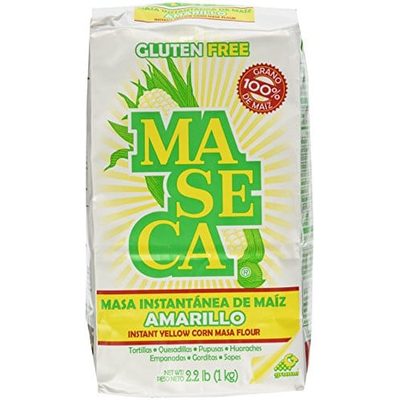
Maseca brand yellow corn masa harina, pre-ground and treated for immediate use in dough for tortillas, tamales, and other corn dough applications.
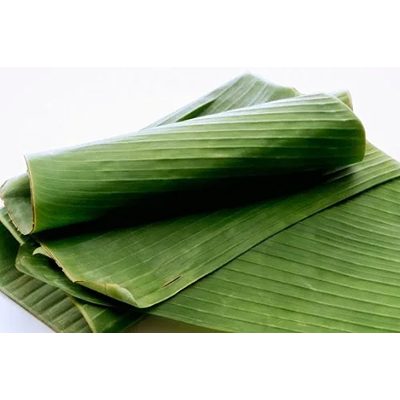
Frozen banana leaves for tamales, mukbil pollo, pibil, conkies, dukunu, and the Garifuna wrappers on hudut and bundiga — pass over a flame to make them pliable before wrapping; far easier than chasing fresh leaves outside the tropics.