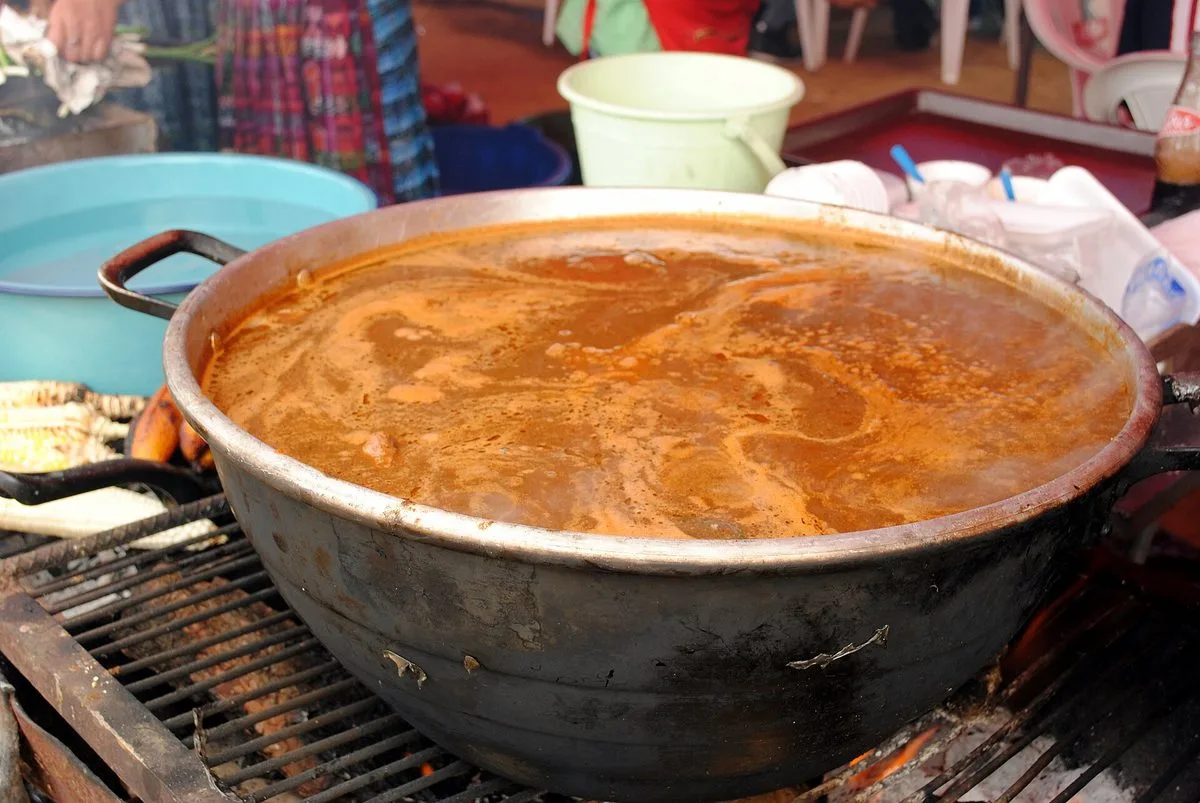
Short answer: Pepián de pollo is Guatemala’s national dish — chicken simmered in a recado built from dry-roasted tomatoes, tomatillos, dried chiles, and ground pumpkin and sesame seeds. It is a Maya dish, declared part of Guatemala’s national cultural heritage in 2007, and every bit of its flavor lives in the recado. You char the vegetables on a dry comal, toast the seeds separately until they smell like roasted nuts, then grind it all smooth. That double toasting is the whole technique. Skip it and you have a different, lesser soup.
Pepián belongs squarely to the K’iche’ Maya highlands of Guatemala, and I follow it as a writer who covers this corridor. What draws me to it is the same thing that made it last this long: it is a seed-paste recado, one of the oldest techniques in Mesoamerican cooking, and you can taste the difference when someone actually does the work. Chicken is the standard protein today, though before the Spanish arrived, turkey filled that role. The recado itself is older than either.
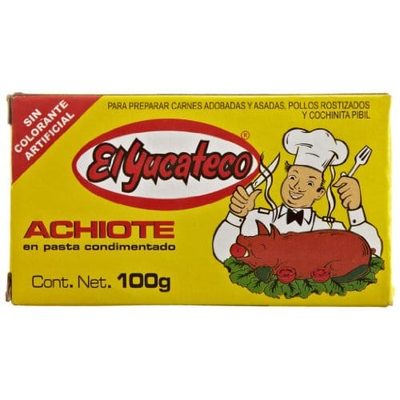
Cochinita pibil, poc chuc, and escabeche all start with red recado. A prepared achiote paste dissolves into sour orange in minutes instead of the hour it takes to grind annatto, oregano, and clove from seed.
Wangla, Belize's sesame seed candy, needs raw sesame toasted fresh and bound with cane sugar. Whole hulled seed toasts evenly without the burnt edges of pre-toasted product.
What is pepián?
Pepián is a Maya recado stew and Guatemala’s de facto national dish. The name comes from pepitoria, the toasted pumpkin and sesame seeds ground fine to thicken and flavor the sauce. The Guatemalan Ministry of Culture declared it national Intangible Cultural Heritage on November 27, 2007, alongside kak’ik, jocón, and plátanos en mole — four dishes that define the K’iche’ Maya culinary legacy.
The dish originated in the highlands: Quetzaltenango, Chimaltenango, Huehuetenango — the K’iche’ Maya heartland. Today it is eaten nationwide and year-round, most often for family celebrations and festivals. The recado technique is what sets it apart from the region’s other Maya stews: dry-roasted aromatics blended with separately toasted and ground seeds to form a thick, velvety sauce. It is not a broth. It is not thickened with masa. It is the seed paste that is pepián.
Where jocón is green (tomatillo and green chiles, blended fresh), and pulique is oil-free (everything raw, thickened only with dissolved masa), pepián is built from the comal up: charred, toasted, ground. The distinction is technique, not just color.
Ingredients
- 1 whole chicken, cut into 6–8 pieces
- 1 onion, halved, plus 2 cloves garlic (for the broth)
- 3 Roma tomatoes
- 5 tomatillos (miltomate), husked
- 1 onion and 3 cloves garlic (for the recado)
- 2 dried guaque chiles (or guajillo), stemmed and seeded
- 2 dried chile pasa (or chile negro/pasilla), stemmed and seeded
- ½ cup raw pumpkin seeds (pepitoria)
- ¼ cup sesame seeds
- 2 corn tortillas (to thicken)
- 1 teaspoon achiote (annatto)
- ½ teaspoon ground cinnamon, a pinch of ground cloves, a pinch of black pepper
- 2 potatoes, peeled and quartered
- 1 güisquil (chayote), peeled and cut in chunks
- 2 carrots, cut in chunks
- Salt to taste; fresh cilantro to finish
How to make it
- Cook the chicken. Simmer the chicken with the halved onion, 2 garlic cloves, and salt in water to cover until just cooked through, about 25 minutes. Lift out the chicken and keep the broth. You will build the recado into it.
- Char the aromatics. On a dry comal or heavy skillet over medium-high heat, roast the tomatoes, tomatillos, the recado onion, and garlic until blackened in patches and soft all the way through. This char is the flavor foundation. Do not rush it and do not skip the black spots.
- Toast the chiles. On the same dry comal, toast the seeded chiles a few seconds per side, pressing them flat, until fragrant and slightly darkened. Pull them off before they turn bitter. Toast the tortillas on the same comal until dry and lightly charred.
- Toast the seeds — separately. This step gets its own pass. Wipe out the comal and toast the pumpkin seeds and sesame seeds together over medium heat, shaking constantly, until golden and nutty-smelling. They go fast. Pull them the moment the smell turns toasted. Burnt seeds will ruin the pot.
- Grind the recado. Blend the charred vegetables, toasted chiles, tortillas, achiote, cinnamon, cloves, and pepper with about 4 cups of the reserved broth. When that is smooth, add the toasted seeds and blend until the texture is completely velvety. The seed paste is what makes this pepián and not a tomato-chile broth.
- Simmer. Pour the recado into a wide pot and bring to a gentle simmer, stirring so the seed paste does not catch on the bottom. Add the potato, güisquil, and carrots and cook until nearly tender, about 15 minutes. Return the chicken and continue simmering until the vegetables are soft and the sauce has thickened enough to coat a spoon. Adjust salt.
- Serve with white rice and warm corn tortillas. Finish with fresh cilantro over the top.
Tips
- The double-toasting is the technique. Chiles and aromatics char on one pass; seeds get their own separate pass. Each needs different heat and timing. Rushing them together means one is overcooked before the other is done.
- Grind it smooth. Pepián should be velvety, not gritty. If your blender struggles with the seeds, pass the recado through a sieve before adding to the pot.
- Güisquil is chayote. It is worth hunting down at Latin grocery stores — it holds its shape in the braise without going mushy. Rub a little oil on your fingers before peeling; the raw sap is sticky.
- Achiote matters. It gives pepián its reddish color and an earthy, slightly peppery undertone that paprika cannot replicate. Find annatto paste or powder at any Latin market.
Pepián is one of four dishes the Guatemalan government declared national intangible cultural heritage in 2007 (Acuerdo Ministerial 801-2007). The other three are jocón (green, tomatillo-based), kak’ik (the Q’eqchi’ Maya turkey soup, scarlet from chile cobanero), and plátanos en mole. Each uses a different technique to a different end. Pepián is the seed-paste stew. The ceremonial subanik is a superb dish but it is not on that list. More of Guatemala’s table is in the Guatemalan food guide, and the wider region is in the Maya World guide.
Frequently asked questions
What is pepián de pollo?
It is Guatemala’s national dish: chicken simmered in a dry-roasted Maya recado made from charred tomatoes and tomatillos, dried guaque and pasa chiles, and ground toasted pumpkin and sesame seeds (pepitoria). Usually served with potato, güisquil, and carrots in the sauce, alongside white rice and corn tortillas. The Guatemalan government declared it national Intangible Cultural Heritage in 2007.
What is pepitoria?
Pepitoria is raw pumpkin (squash) seeds and sesame seeds toasted separately on a dry comal, then ground to a fine powder. It thickens the recado and gives pepián its nutty, earthy body. The dish takes its name from this ingredient.
What is the difference between red and black pepián?
The color is primarily driven by the chiles. Red pepián uses guaque (guajillo) chiles, which give a brick-red sauce. Black pepián uses a higher proportion of darker, more deeply toasted chiles — chile negro or chile mulato — which pushes the sauce toward a dark brown. Both versions use the same seed-paste recado technique; the chile selection and roast depth determine the color.
Is pepián spicy?
It is more deep and toasty than hot. Guaque and pasa chiles are mild, flavor-forward chiles valued for their earthiness, not their heat. Pepián reads rich and complex rather than fiery. If you want heat, add a chile cobanero or a small serrano to the recado blend.
Can you make pepián with beef instead of chicken?
Yes. The recado is the dish; chicken is the most common protein, but beef and pork versions are both traditional. For tougher cuts, add them to the simmering recado earlier and give them extra time to become tender in the sauce.
How is pepián different from jocón or pulique?
All three are Guatemalan highland Maya stews, though not from one people: pulique belongs to the Kaqchikel country around Antigua and Sacatepéquez. The technique and color separate them completely. Jocón is green: tomatillo, green chiles, and fresh herbs blended into a verdant sauce. Pulique uses no oil and no seed paste — everything goes in raw together and the sauce is thickened with dissolved masa at the end. Pepián is the seed-paste stew: dry-roasted aromatics blended with separately toasted and ground pepitoria. Each is its own dish.
More Guatemalan Recipes
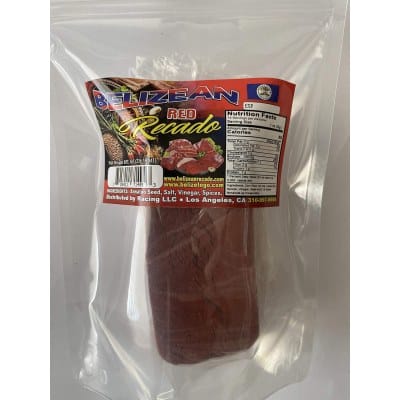
The achiote-based paste behind stew chicken, pibil, and escabeche. Sold ready-made so you skip toasting and grinding annatto, cumin, oregano, and clove from seed.
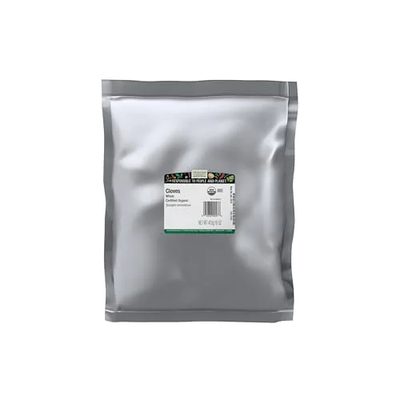
Frontier Co-op Whole Cloves, Organic, Hand Select, 16 oz
Spice pastes, dark stews and braised meats all call for whole cloves ground or simmered into the dish. Whole cloves keep their volatile oils far longer than ground.
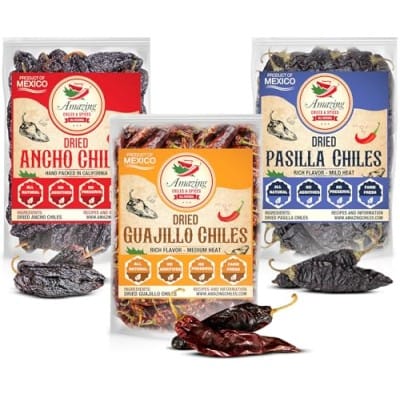
Dried Chile Peppers Variety Pack: Ancho, Guajillo, Pasilla (12 oz)
Guajillo (guaque) and pasilla (pasa) in one pack — both dried chiles kak'ik recado needs.
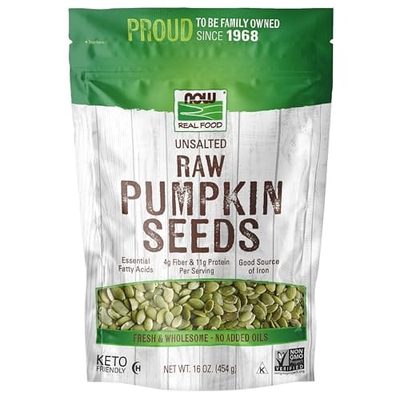
Pumpkin seeds (pepitas) that can be toasted as a garnish or ground into a paste to thicken and enrich sauces and stews.