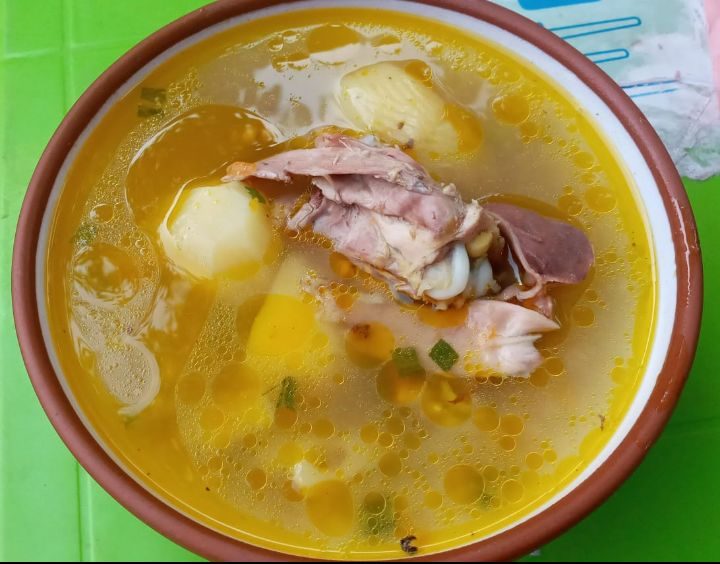
I have eaten sopa de gallina india in Salvadoran kitchens where the smell of toasted sesame and something low and slow on the back burner tells you what is coming before you see the pot. When the lid comes off you understand immediately why they call it levanta muertos, the soup that lifts the dead. The broth was clear and amber-dark, serious in a way that chicken soup in other countries isn’t. It had been cooking since early morning. That was the point.
Back in Belize, we grew up knowing the gallina, the old yard hen, the one nobody called “chicken” because that word was for the broiler birds at the market. The gallina was different. Tougher, slower to cook, and when you finally got the broth right, it tasted like the bird had something to say. Sopa de gallina india is a Salvadoran dish, not a Belizean one, but the bird is the same bird and the patience is the same patience.

Regency Wraps 100% Cotton Ultra Fine Natural Cheese Cloth, 90 sq.ft, Chef Grade
Tamales colados, tamarind paste, and recado prep all need grade 90 cheesecloth: finer than gauze, sturdier than muslin. A multi-yard pack covers a year of straining.
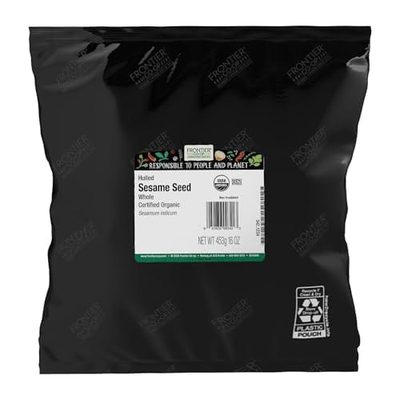
Wangla, Belize's sesame seed candy, needs raw sesame toasted fresh and bound with cane sugar. Whole hulled seed toasts evenly without the burnt edges of pre-toasted product.
This is the recipe. It takes time. That’s what it’s supposed to do.
Sopa de gallina india is a Salvadoran clear-broth hen soup made with a free-range native hen — tougher, more flavorful than commercial chicken — slow-simmered with chayote, yuca, elote, carrot, and potato. A relajo-spiced broth and a long, low simmer are what separate it from everyday caldo de pollo.
Ingredients
For the hen:
- 1 whole gallina india (free-range hen), about 3-4 lbs, cut into 8 pieces (or 1 large stewing hen or bone-in chicken thighs and drumsticks; see Tips for substitution guidance)
- 2 teaspoons salt, plus more to taste
- 1 tablespoon canola or vegetable oil
Relajo seasoning blend (toast and tie in cheesecloth, or grind to paste):
- 2 tablespoons sesame seeds, toasted
- 1 tablespoon pumpkin seeds (pepitas), toasted
- 1 teaspoon dried Mexican oregano
- 1/2 teaspoon cumin seeds
- 2 dried guajillo chiles (or ancho), stemmed and seeded, lightly toasted
- 1 small bay leaf
- 4 whole black peppercorns
- 1 small dried chile de arbol (optional, for heat)
- 3 cloves garlic, whole
Broth aromatics:
- 1 medium white onion, quartered
- 1 stalk celery with leaves
- 1 medium tomato, quartered
- Small bunch cilantro (coriander leaf), tied
- 1 sprig fresh epazote (or 1/2 tsp dried), optional but traditional
- 1 tsp chicken consomme powder (Knorr brand is standard in Central America), optional depth
Vegetables (cut into large chunks):
- 2 medium carrots, peeled and cut into 2-inch pieces
- 2 medium potatoes, peeled and quartered
- 1 guisquil (chayote), peeled, seeded, and quartered
- 1 ear corn (elote), cut into 3 rounds
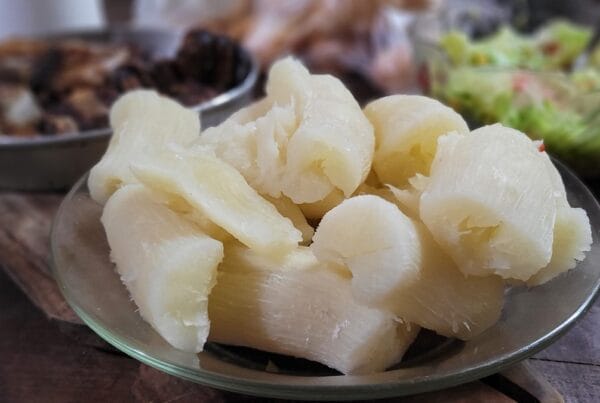
- 1 small section yuca (cassava), about 8 oz, peeled and cut into chunks
- 1/4 small head green cabbage, cut into 2 wedges
To serve:
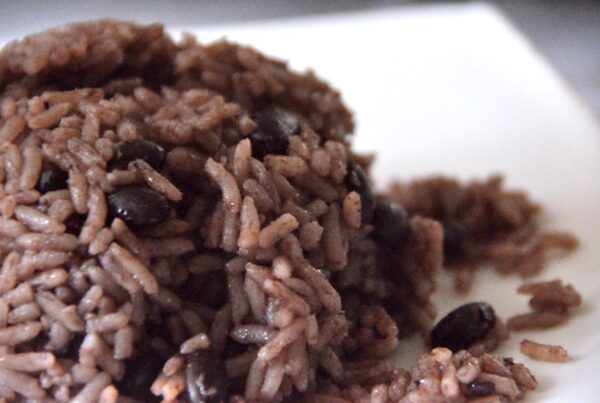
- Cooked white rice
- Fresh lime wedges
- Corn tortillas
- Sliced white onion and cilantro (optional garnish)
Instructions
- Season hen pieces generously with salt. In a large heavy pot (6 quarts or larger), heat oil over medium-high. Brown hen pieces in batches, about 3 minutes per side, until golden. Remove and set aside. Browning is optional but adds color to the broth.
- Prepare the relajo blend: In a dry skillet over medium heat, toast sesame seeds, pumpkin seeds, and cumin seeds until fragrant, about 2 minutes. Add the dried chiles and toast lightly, 30 seconds per side. Bundle the toasted spices, chiles, oregano, bay leaf, peppercorns, and garlic in a piece of cheesecloth and tie closed. Alternatively, blend all toasted spices with 1/4 cup water into a rough paste and add directly to the pot; strain the broth at the end.
- Return hen pieces to the pot. Add onion, celery, tomato, and the relajo bundle. Cover with 10 cups cold water. Bring to a boil over high heat, skimming any foam that rises.
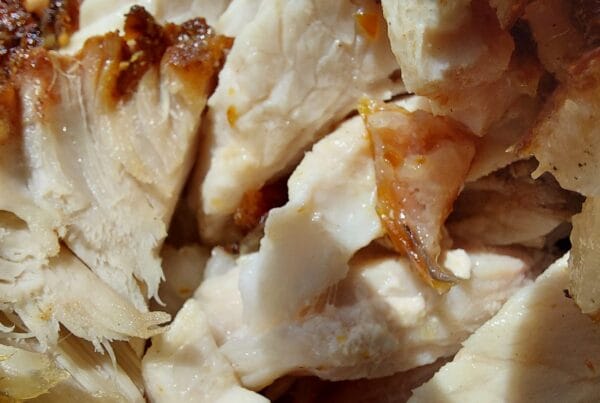
- Reduce heat to a steady simmer. Cover partially and cook for 90 minutes if using free-range gallina india, or 60 minutes for a commercial stewing hen or bone-in chicken. The meat should be nearly falling from the bone.
- Add the cilantro bundle, epazote (if using), and consomme powder (if using). Simmer 10 more minutes.
- Add carrots, potatoes, and chayote. Simmer 15 minutes.
- Add corn, yuca, and cabbage. Simmer 15 to 20 minutes more until all vegetables are tender and the yuca is soft but not falling apart.
- Remove the relajo bundle, celery stalk, tomato pieces, and cilantro bundle. Taste the broth and adjust salt.
- Ladle into deep bowls with 2 to 3 pieces of hen and a portion of each vegetable. Serve with white rice on the side, lime wedges, and warm corn tortillas.
Why Salvadorans Call It the Soup That Wakes the Dead
Every culture has its restorative soup, the one you make when someone is worn out or recovering or just needs to be brought back to themselves. In El Salvador, that soup is sopa de gallina india, and the folk name for it is levanta muertos: lifts the dead. You hear this across Salvadoran households, in rural areas and city kitchens both. It’s not an exotic phrase. It’s just what they call it when the soup does its job. El Salvador has another restorative soup that shares the nickname — sopa de pata, made from cow’s foot and tripe. The two are distinct in every way: sopa de pata is the gelatinous Sunday hangover cure; this soup is the hen-based celebration broth, slower and more ceremonial.
This is a Sunday soup. The gallina india, the free-range native hen raised in family yards rather than commercial operations, requires a full morning of work. The word india here means native and free-range — it is an agrarian designation for the yard-raised bird, not an ethnic term. The bird is older and tougher than a broiler chicken, with denser meat and a biological necessity for long simmering. That long simmer is not a stylistic choice. It’s what the bird demands. The result is a broth that runs dark gold and clear, carrying fat and collagen in a way that a 45-minute chicken soup simply cannot.
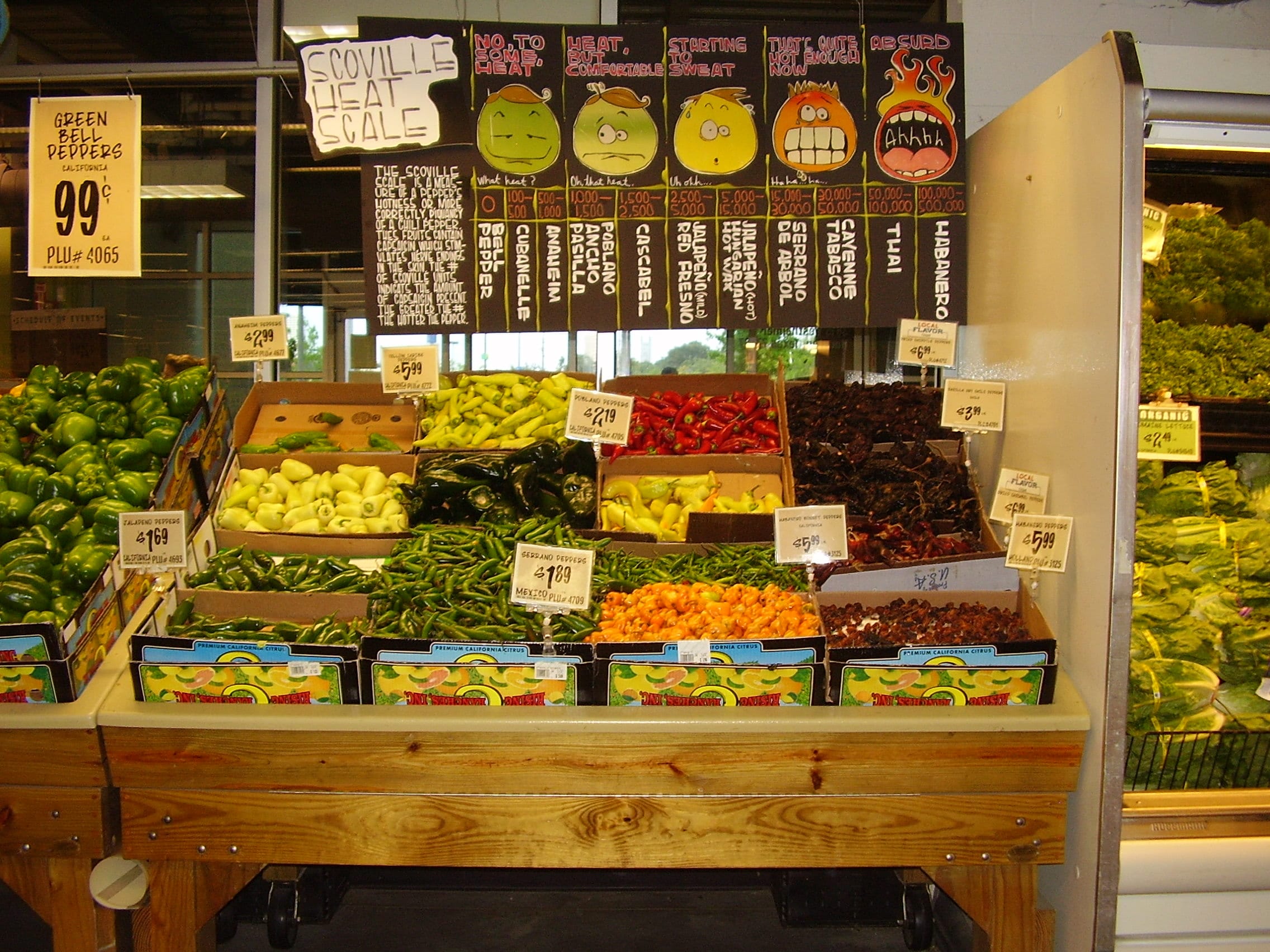
The relajo spice bundle is what makes this distinctly Salvadoran. The word relajo loosely translates to “mess” or “mix-up,” which captures how the blend works: sesame seeds, pumpkin seeds, dried guajillo chiles, cumin, oregano, bay, black pepper. Every family has a slightly different version. There is no single canonical recipe, and that’s not a gap in the documentation. That’s the point. The relajo is what your grandmother made it. If da noh soh, da nearli soh.
This dish belongs to the Salvadoran mestizo and campesino tradition, the kitchen of rural agrarian life where every family kept a yard bird and Sunday meant something to eat that took all morning. It is not a Maya highland dish. It is not Belizean. BNP covers it because Salvadoran food runs through the same Central American corridor that connects Belize to its neighbors, and sopa de gallina india is one of the most representative things on that table. TasteAtlas lists it among El Salvador’s defining traditional dishes, and anyone who has eaten it understands why.
The rice goes on the side, not in the bowl. The broth stays clear. Pupusas and sopa de gallina india are the two dishes that anchor the Salvadoran table the way nothing else quite does. One is the daily bread. The other is the Sunday event.
The gallina india requires a full morning of work. That long simmer is not a stylistic choice. It’s what the bird demands.
Getting the Most from a Tough Bird (and What to Do Without One)
- If you cannot find a free-range gallina india (also called gallina criolla), look for stewing hens at Asian or Latin grocery stores. They are often labeled “gallina” or “soup hen.” These birds are older and closer in density to the yard bird than a standard broiler chicken. Worth the extra trip.
- If you’re using regular bone-in chicken thighs and drumsticks, skip the browning step and reduce the simmer time to 45 minutes. The broth will be lighter in body and color. The vegetable combination and relajo seasoning still carry it, but you’ll notice the difference.
- Vegetable timing is the variable that catches people. Yuca can cook faster or slower depending on how old it is. Check at 15 minutes and pull pieces individually if needed. You want them creamy-soft, not waterlogged or disintegrating. The corn and cabbage go in at the same time as the yuca and are usually done when the yuca is.
- Some Salvadoran restaurants remove the hen pieces after the broth is done, brush them with achiote paste, and grill or broil them until slightly charred. The broth and grilled pieces come out separately. This is good. Home cooking keeps everything in the bowl together, which is also good.
- The broth keeps for 5 days refrigerated. Hen pieces and vegetables hold for 3 days. Yuca and potato starch thicken the broth on overnight rest; thin with a splash of water when reheating. The curtido that often accompanies Salvadoran meals goes well alongside the leftovers.
Frequently Asked Questions
What is sopa de gallina india?
Sopa de gallina india is a Salvadoran hen soup made with a free-range native hen slow-simmered with chayote, yuca, corn, carrot, potato, and cabbage in a relajo-spiced broth. It is one of the most recognizable dishes in Salvadoran home cooking, traditionally served on Sundays and at family gatherings.
What makes gallina india different from regular chicken?
Gallina india is a free-range native hen raised in family yards rather than a commercial operation. The bird is older, leaner, and more muscular than a broiler chicken, which means its meat is denser and more flavorful, and the rendered fat produces a richer, more deeply colored broth. A standard broiler chicken can substitute but will not produce the same depth. The word india in the name refers to native or free-range — it describes the bird’s origin and character, not an ethnic group.
Can I substitute regular chicken for gallina india in this recipe?
Yes. If you cannot find gallina india or a stewing hen, use bone-in chicken thighs and drumsticks. Reduce the simmer time to 45 minutes. The broth will be lighter in color and body, but the vegetable combination and relajo seasoning still produce a good result. For a closer substitute, look for stewing hen (labeled ‘gallina’ or ‘soup hen’) at Latin or Asian grocery stores.
What is relajo and how do I make it?
Relajo is a Salvadoran spice blend of toasted sesame seeds, pumpkin seeds, dried chiles, cumin, oregano, bay leaf, and black pepper. The name loosely translates to ‘mess’ because every family has a slightly different mix. For this recipe, you toast the dry spices, bundle them in cheesecloth, and simmer the bundle in the broth. A commercial relajo mix is available at Latin grocery stores.
How long does it take to cook sopa de gallina india?
Free-range gallina india requires about 90 minutes of simmering to become tender. A commercial stewing hen takes 60 to 75 minutes. Standard bone-in chicken pieces are done in 45 minutes. Add vegetables only after the hen is nearly tender, then cook for an additional 30 to 40 minutes.
What do you serve with sopa de gallina india?
Sopa de gallina india is served with white rice on the side, warm corn tortillas, and lime wedges. Some cooks also set out sliced white onion and fresh cilantro for garnish. The rice is served separately, not cooked into the broth, so the broth stays clear.
How is sopa de gallina india different from sopa de pata?
Both are traditional Salvadoran soups, but levanta muertos, the one that lifts the dead, is sopa de pata. Sopa de gallina india is the restorative you make for someone worn out or recovering, and the Sunday soup. Sopa de pata is made from cow’s foot and tripe, producing a deeply gelatinous collagen broth seasoned with achiote and vegetables including yuca, corn, and güisquil. Sopa de gallina india uses a free-range native hen seasoned with relajo. The proteins and flavor profiles are entirely different. Sopa de pata is the Sunday hangover cure; sopa de gallina india is the hen-based celebration soup.
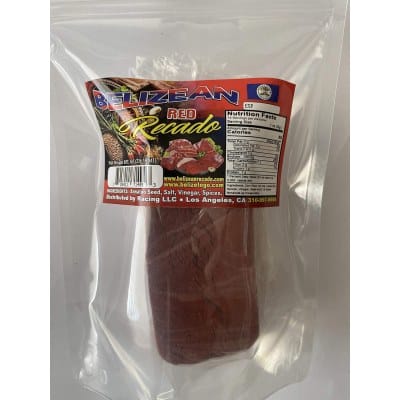
The achiote-based paste behind stew chicken, pibil, and escabeche. Sold ready-made so you skip toasting and grinding annatto, cumin, oregano, and clove from seed.
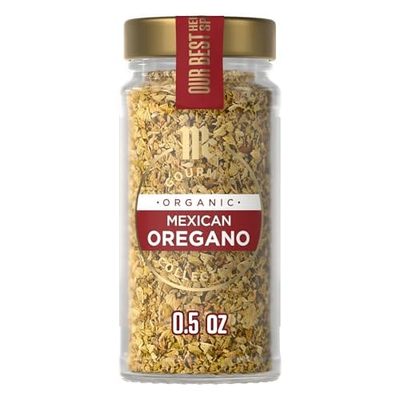
Mexican oregano, a different plant with a brighter, citrus-forward flavor than Mediterranean oregano; use in marinades and with tomato-based cooking.
Frontier Co-op Organic Whole Cumin Seed, 1-Pound Bulk
Toasted whole cumin grinds fresh into recado with a depth that pre-ground cumin loses on the shelf. Whole seed is the spice-shelf staple every Belizean kitchen should keep on hand.
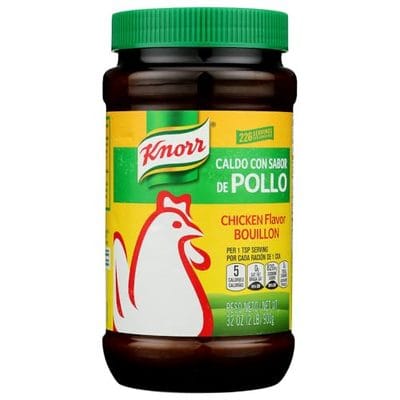
Knorr Granulated Chicken Flavor Bouillon, 32 oz
Granulated chicken bouillon is the base of stewed dishes, rice and soups. A tablespoon goes into the pot before anything else does.