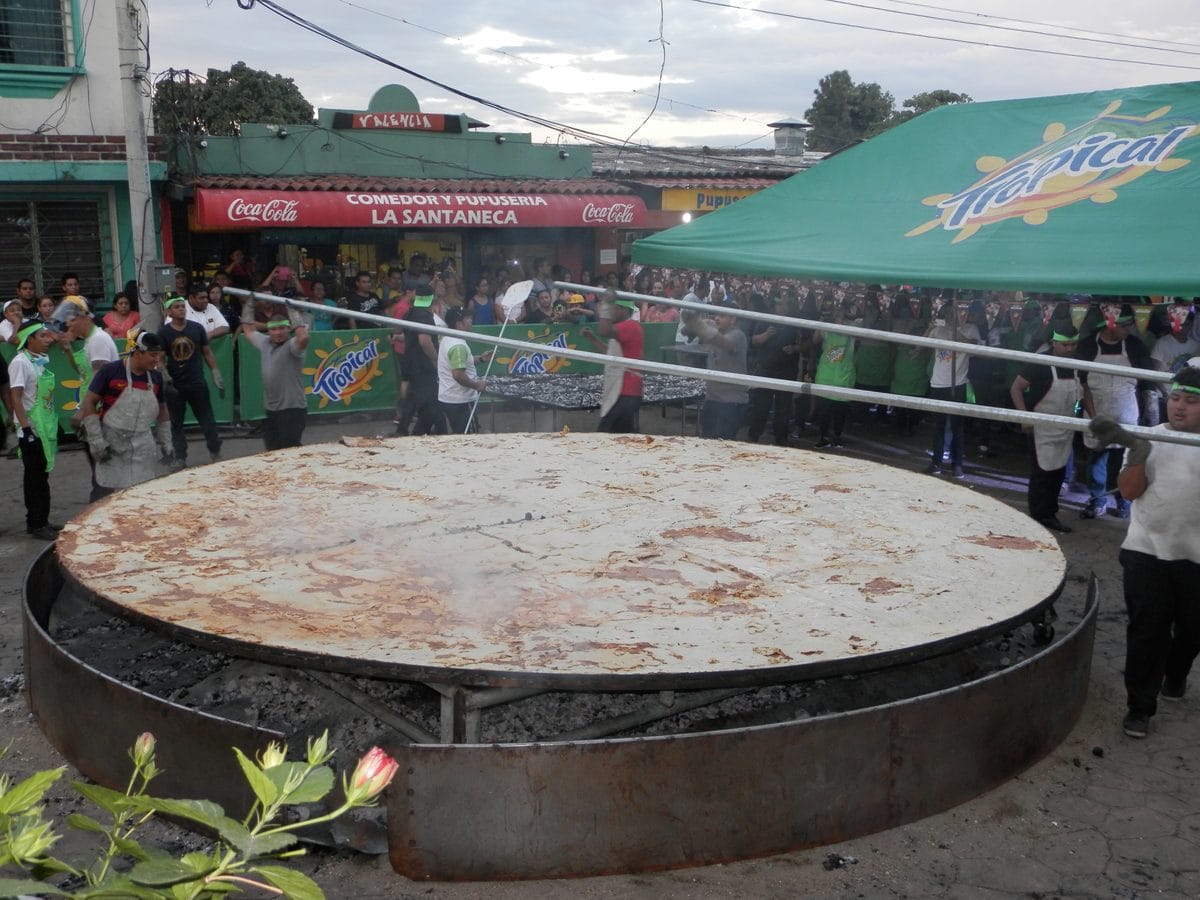
Short answer: Salvadoran food runs on the griddle and the masa. The pupusa is the national dish and the place to start, but the table is wider: fried yuca, stewed-chicken sandwiches, flat fried enchiladas, sweet cheese breads, and a morro-seed horchata that is nothing like the Mexican one. Two things turn up with almost everything, curtido and salsa, so make them once and keep them on hand. The indigenous roots here are Pipil (Nawat-speaking), not Maya, and it shows in the corn-and-comal heart of the cooking.
Pupusas have become a cherished street food in Belize, so some of this table will already be familiar. Below are 23 Salvadoran dishes worth knowing, grouped the way you meet them: the corn, the braises, the coast, the sweets, and the drinks. Every one links to a full recipe.
Cochinita pibil, poc chuc, and escabeche all start with red recado. A prepared achiote paste dissolves into sour orange in minutes instead of the hour it takes to grind annatto, oregano, and clove from seed.
Wangla, Belize's sesame seed candy, needs raw sesame toasted fresh and bound with cane sugar. Whole hulled seed toasts evenly without the burnt edges of pre-toasted product.
Pupusas: the national dish
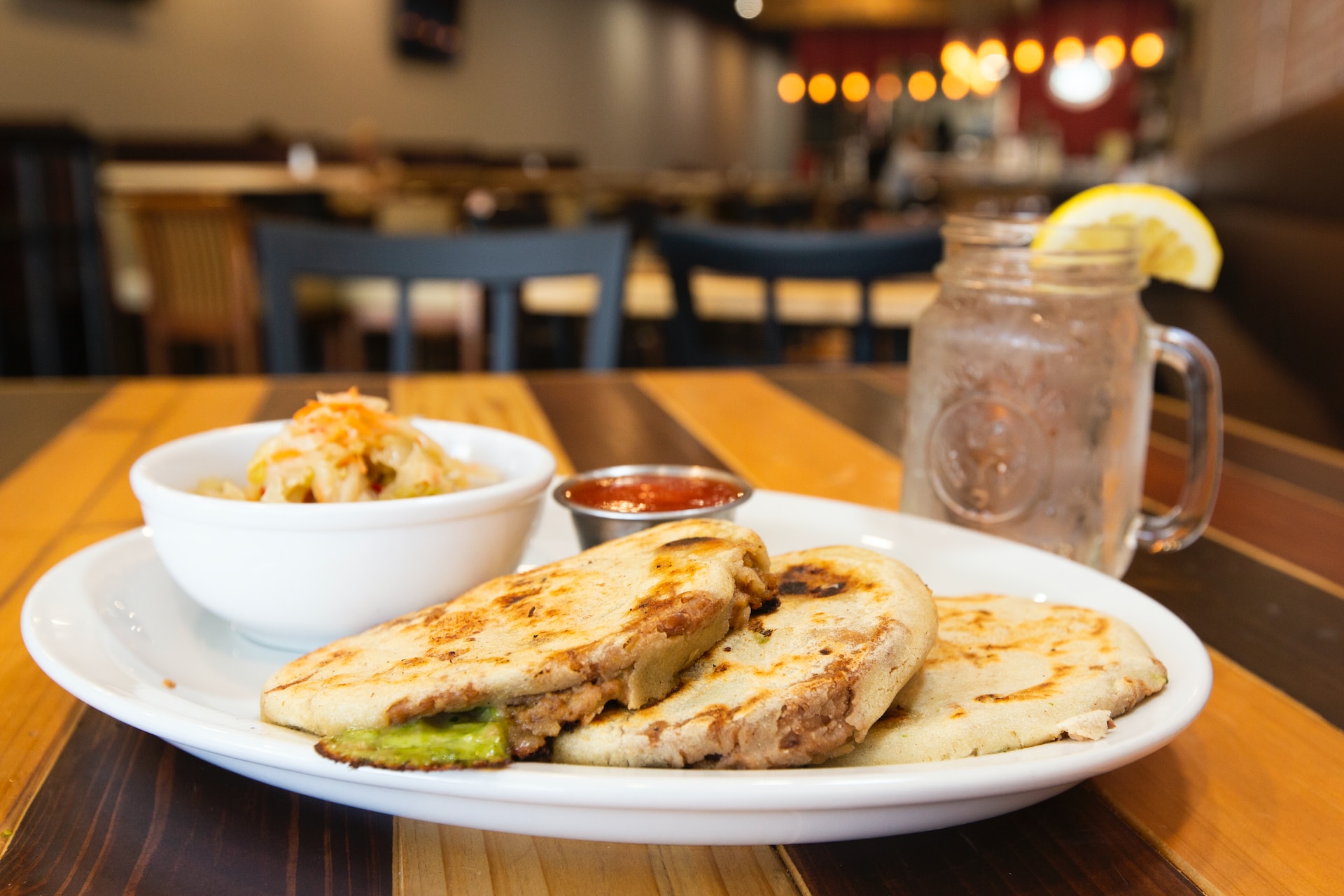
A thick corn tortilla stuffed before it is griddled, with cheese, refried beans, chicharrón, or all three. It arrives with curtido, the pickled cabbage, and a thin tomato salsa. There is no Salvadoran dish more important, and no better place to start.
Yuca Frita con Chicharrón: fried cassava with pork
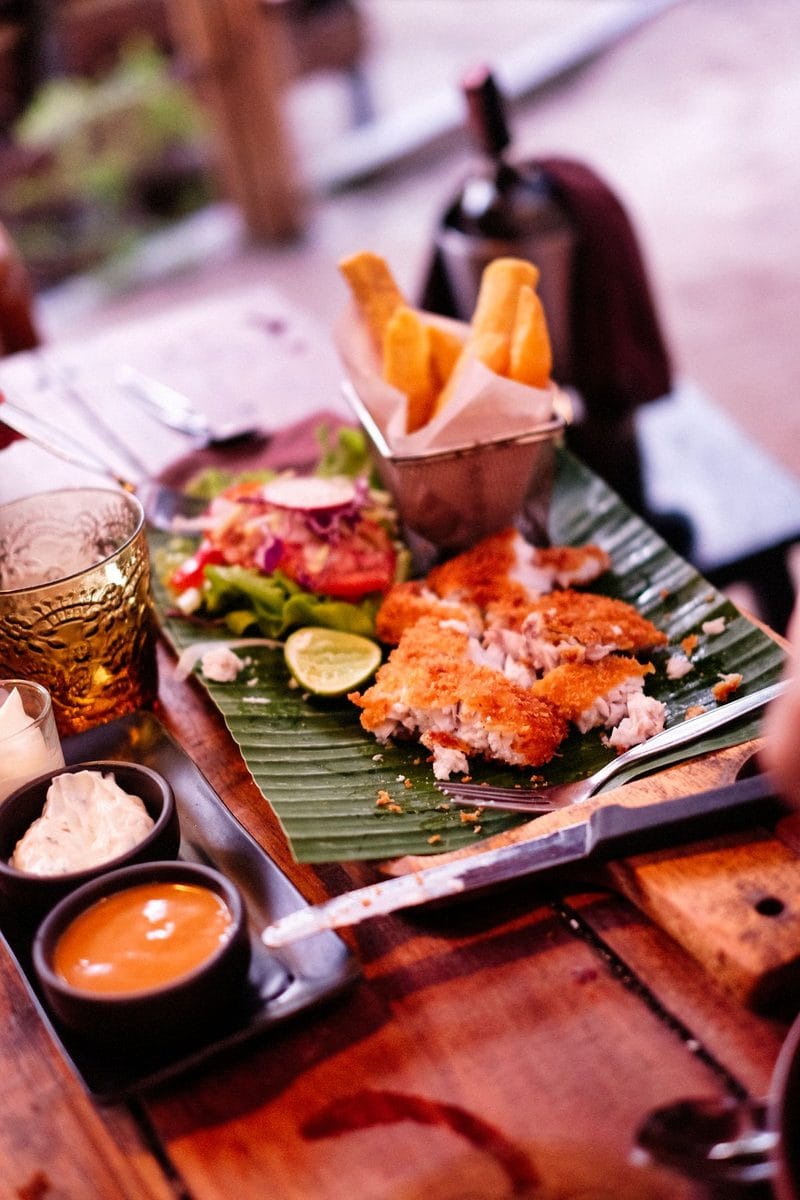
Cassava boiled soft, then fried until the edges shatter, served under fried pork with curtido and salsa. Sold in bags by street vendors, often just yuca and curtido. The two-step cook is the whole secret.
Yuca frita con chicharrón recipe
Enchiladas Salvadoreñas: the loaded flat tostada
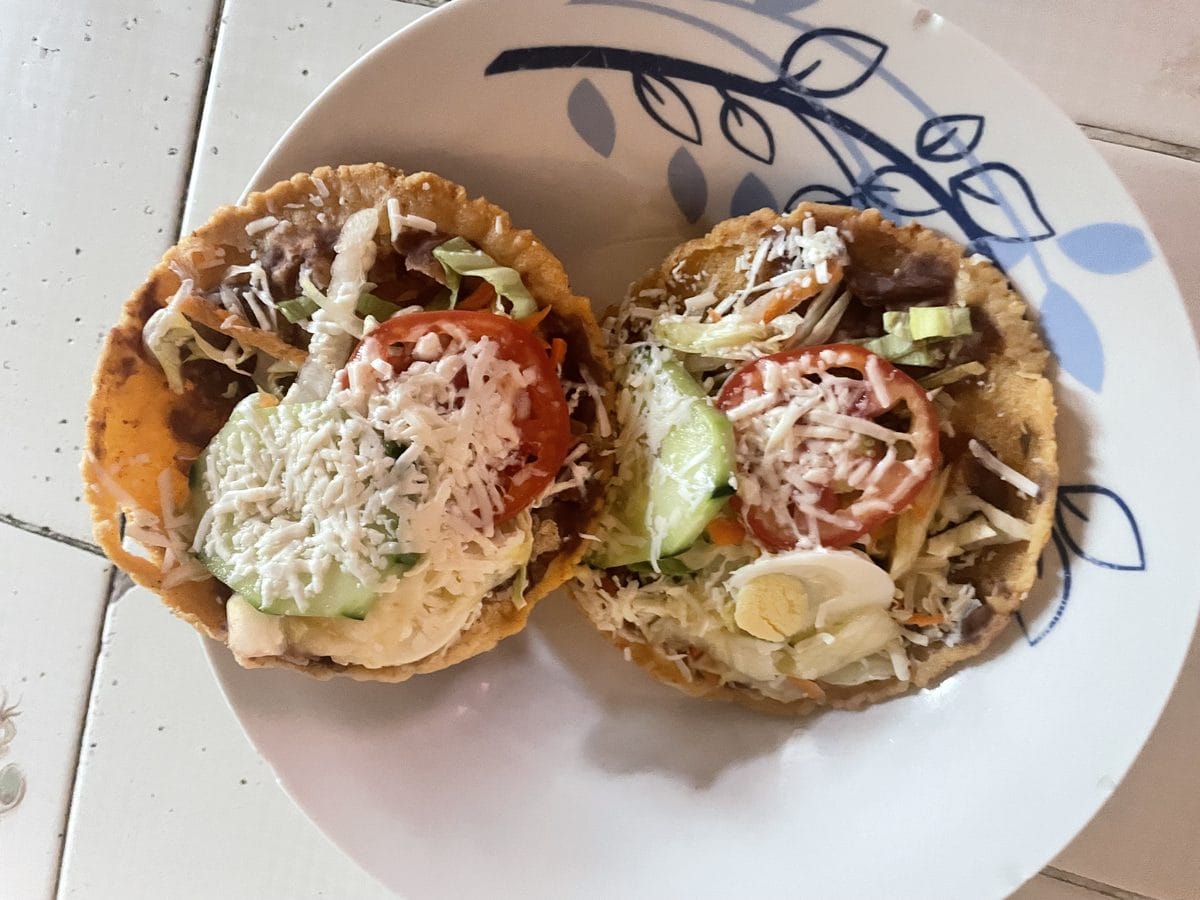
Not Mexican, and not rolled. A flat crisp tortilla piled with beef, curtido, cheese, and a slice of egg. Central America keeps using the word enchilada for something Mexico would not recognize, and this is the Salvadoran version of that argument.
Enchiladas salvadoreñas recipe
Riguas: fresh corn griddle cakes
Fresh corn ground and griddled inside a corn leaf, so the leaf perfumes the cake as it cooks. Topped with crema salvadoreña and queso fresco, or served alongside refried black beans. Simple, and better than it sounds.
Pan con Pollo: the Salvadoran chicken sandwich
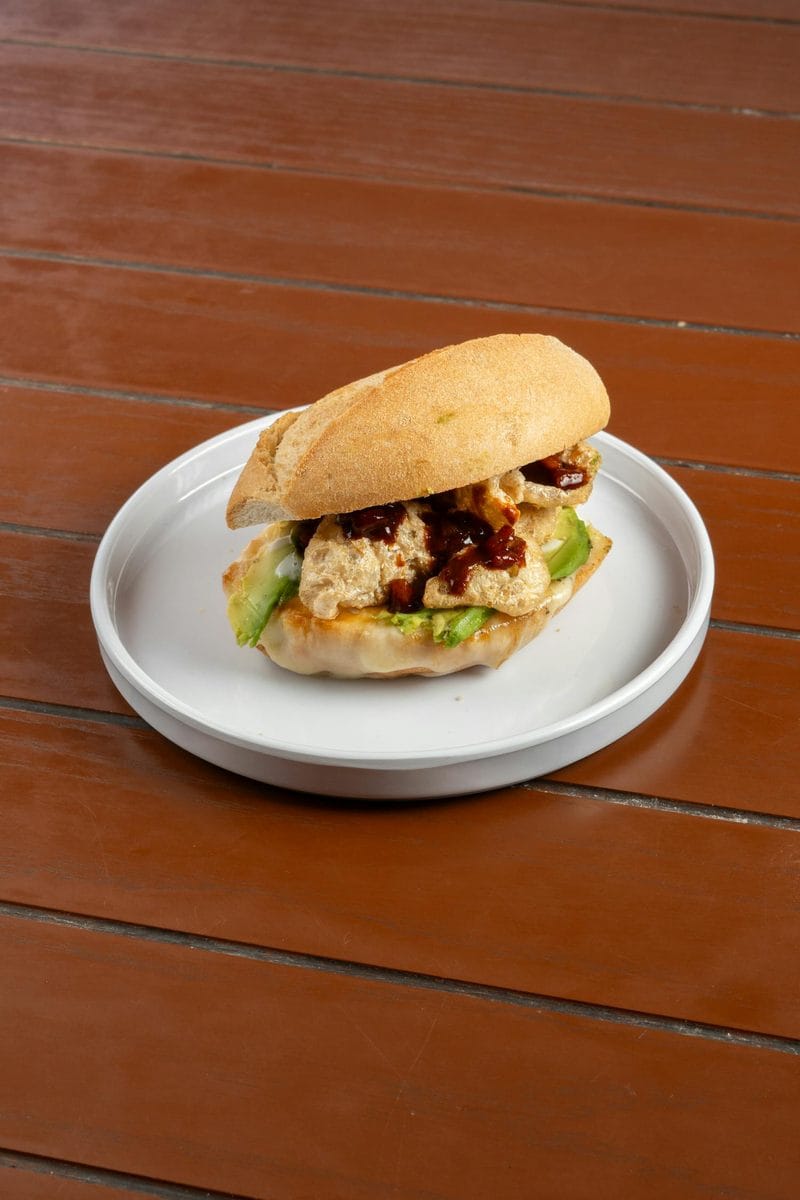
Chicken stewed slowly in a spiced relajo sauce, then piled onto a crusty roll with salad and the sauce soaking in. It eats like a sandwich and cooks like a braise. Party food, made in quantity.
Pavo en Relajo: the Christmas turkey
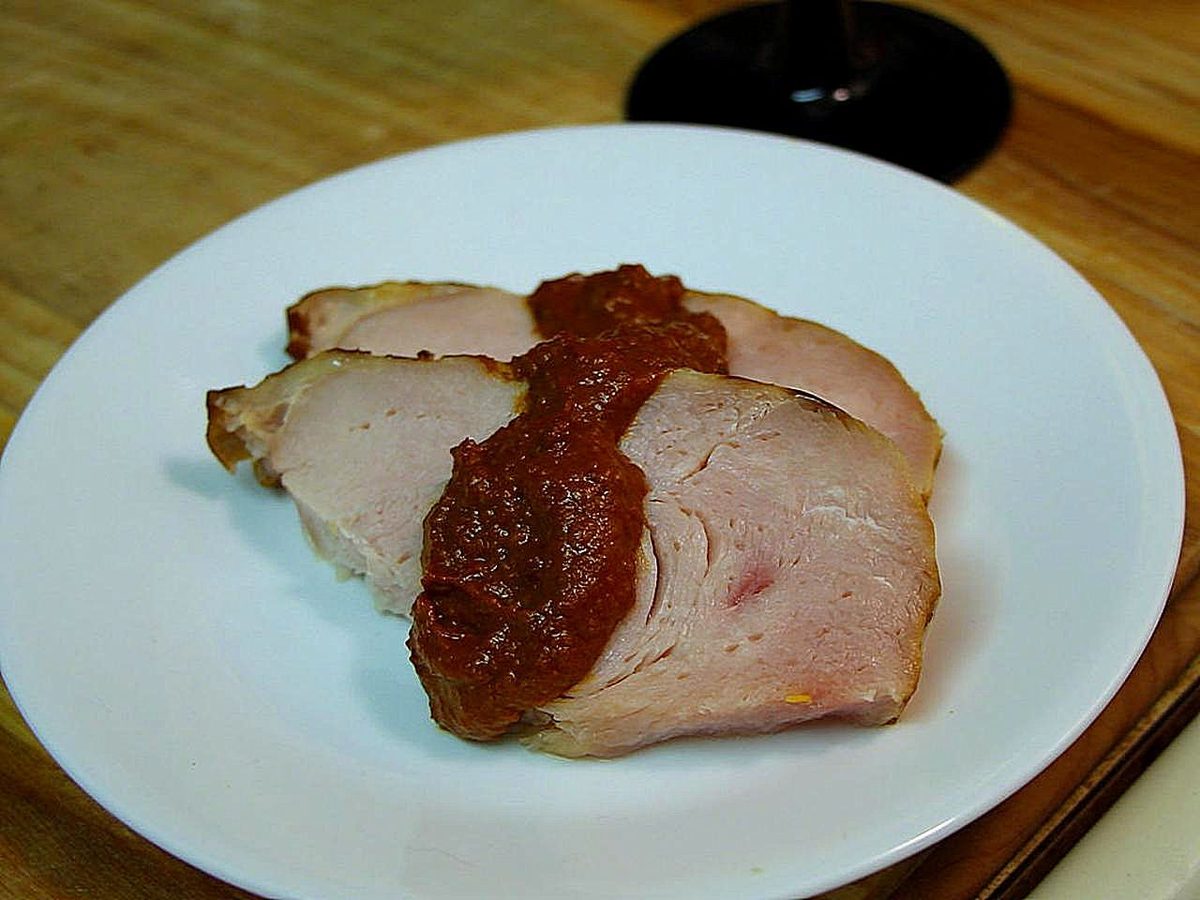
Turkey braised in relajo, the toasted seed-and-chile sauce that gives the dish its name. This is the Salvadoran Christmas table, and the leftovers become sandwiches the next day.
Gallo en Chicha: rooster in fermented chicha
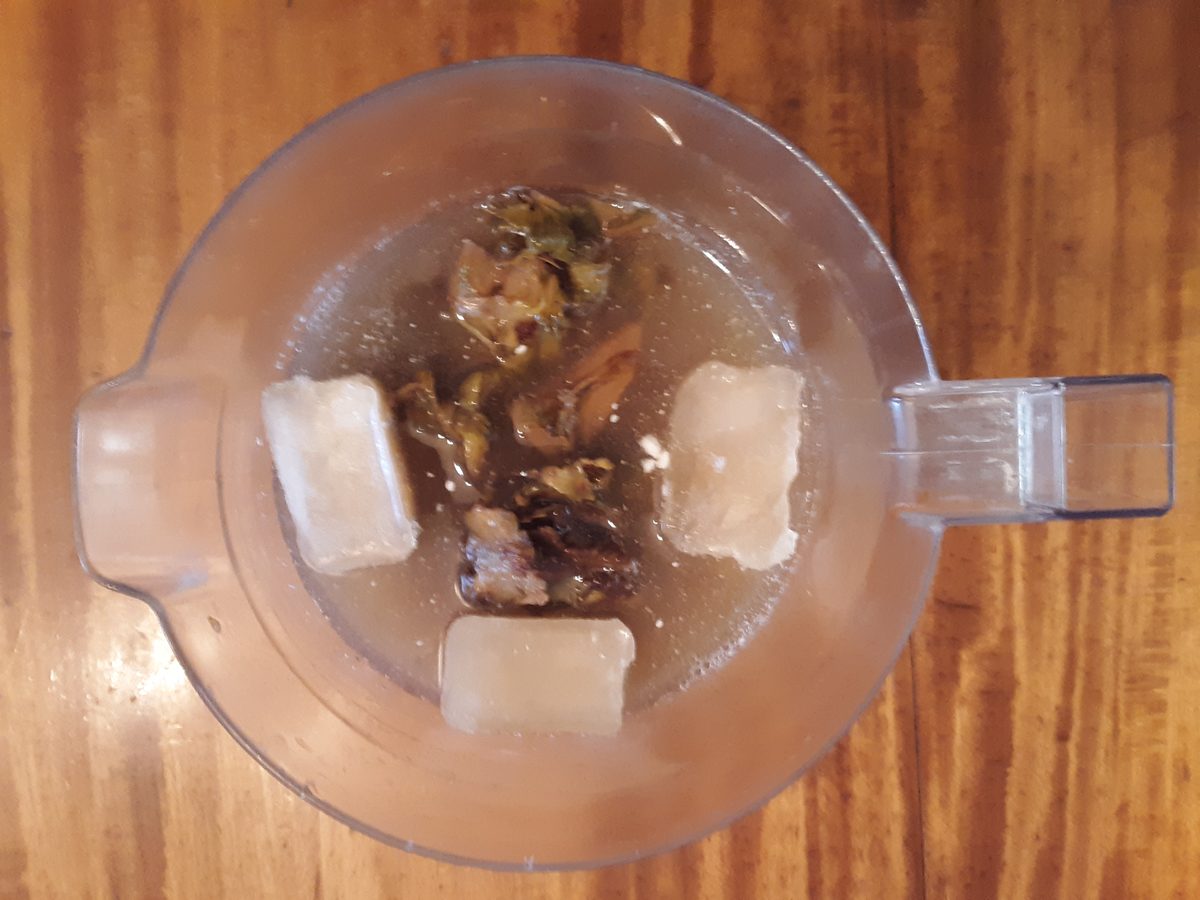
Rooster braised in fermented chicha with panela and prunes, so the sauce comes out sweet, sour, and faintly boozy at once. Unlike anything you will find in Belize or Guatemala, though versions of it exist across the region. If you cook one Salvadoran dish to understand the country, cook this.
Salpicón Salvadoreño: cold chopped beef with mint
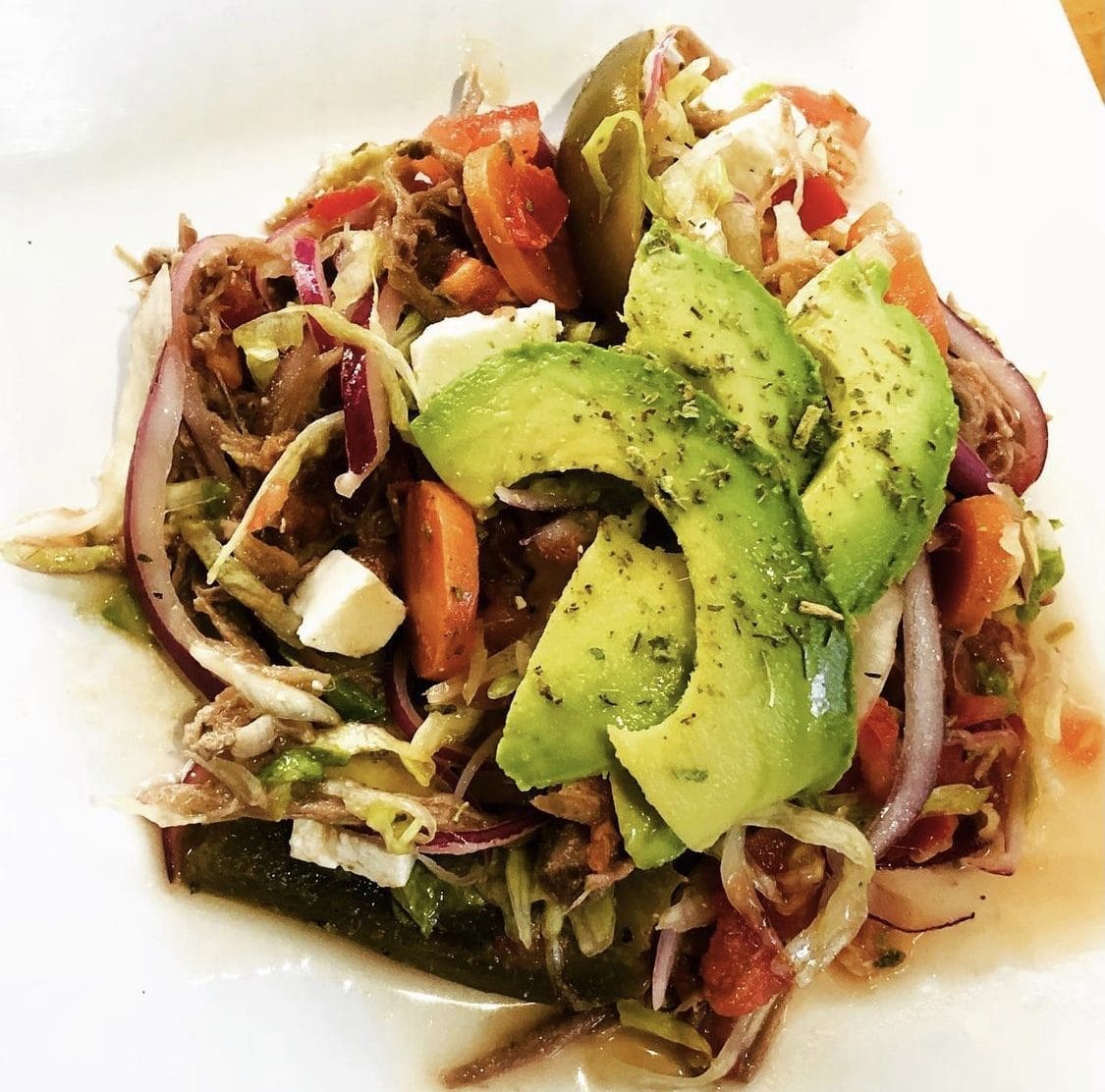
Beef cooked, cooled, and chopped fine, then tossed with radish, mint, onion, and lime and served with rice. The mint is the surprise. A hot-country dish that tastes cold, which is exactly the point.
Sopa de Pata: cow’s foot soup
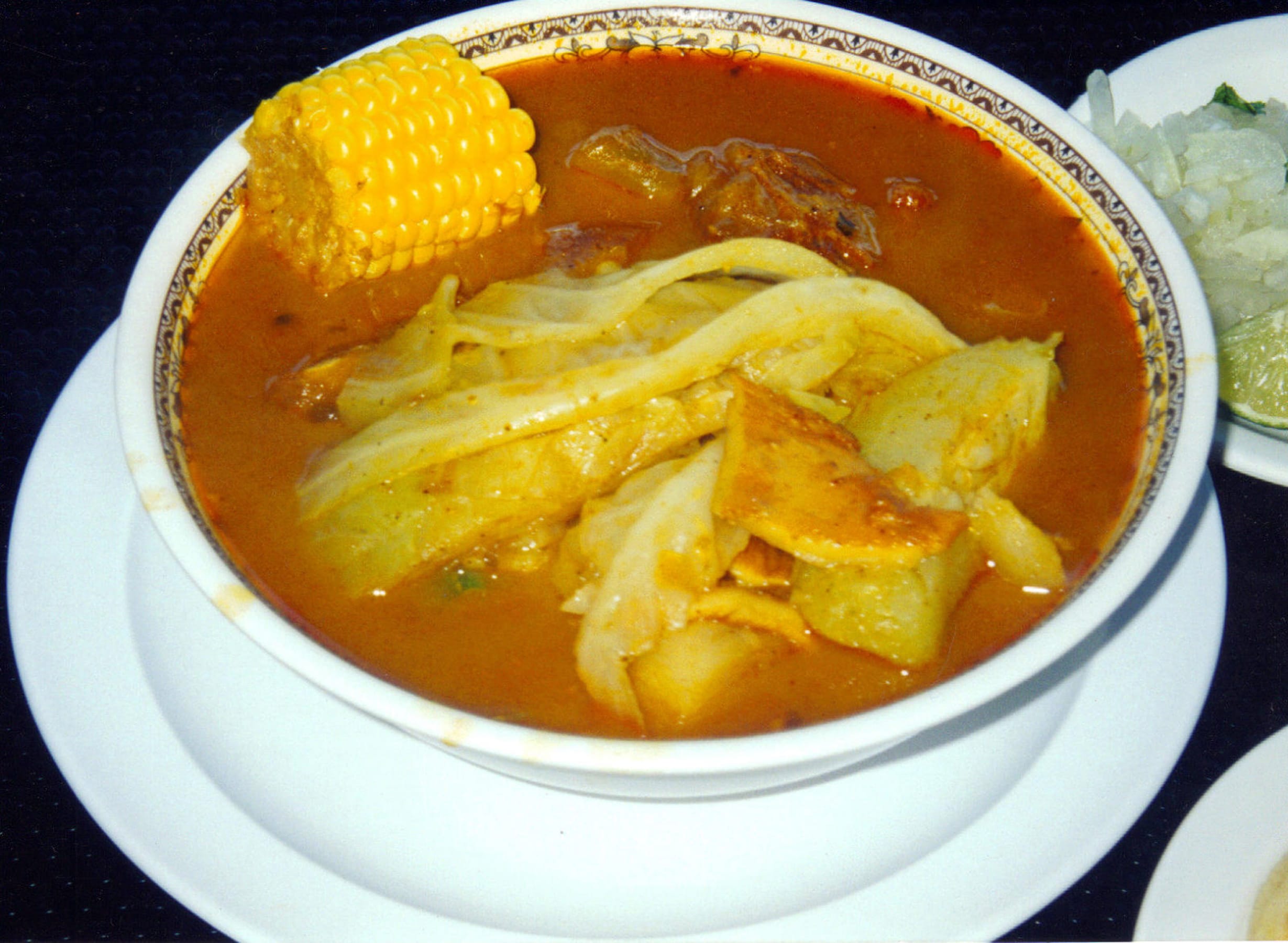
Cow’s foot and tripe simmered for hours with yuca, corn, and vegetables in an achiote broth. Weekend food, restorative food, and the sort of dish that divides a room.
Sopa de Gallina India: clear hen broth
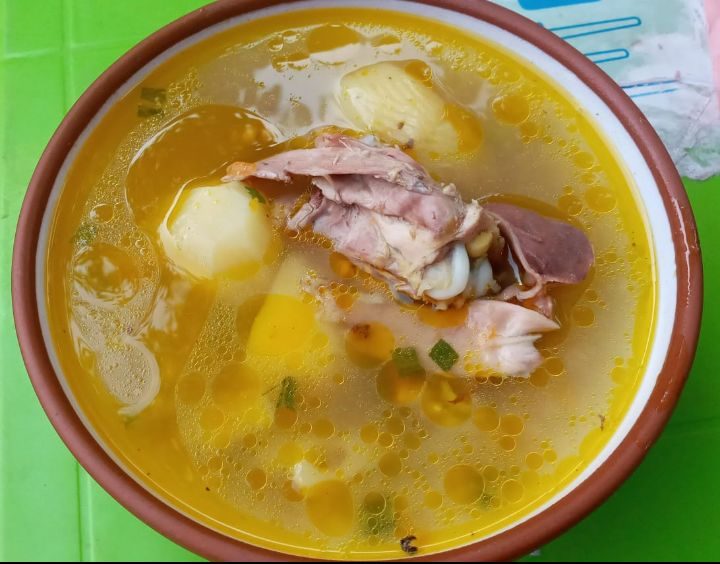
A free-range hen, old enough to have flavor, simmered into a clear broth with chayote, yuca, and elote. The bird does the work. Sunday lunch, and the soup people ask for when they are unwell.
Mariscada: creamy seafood soup
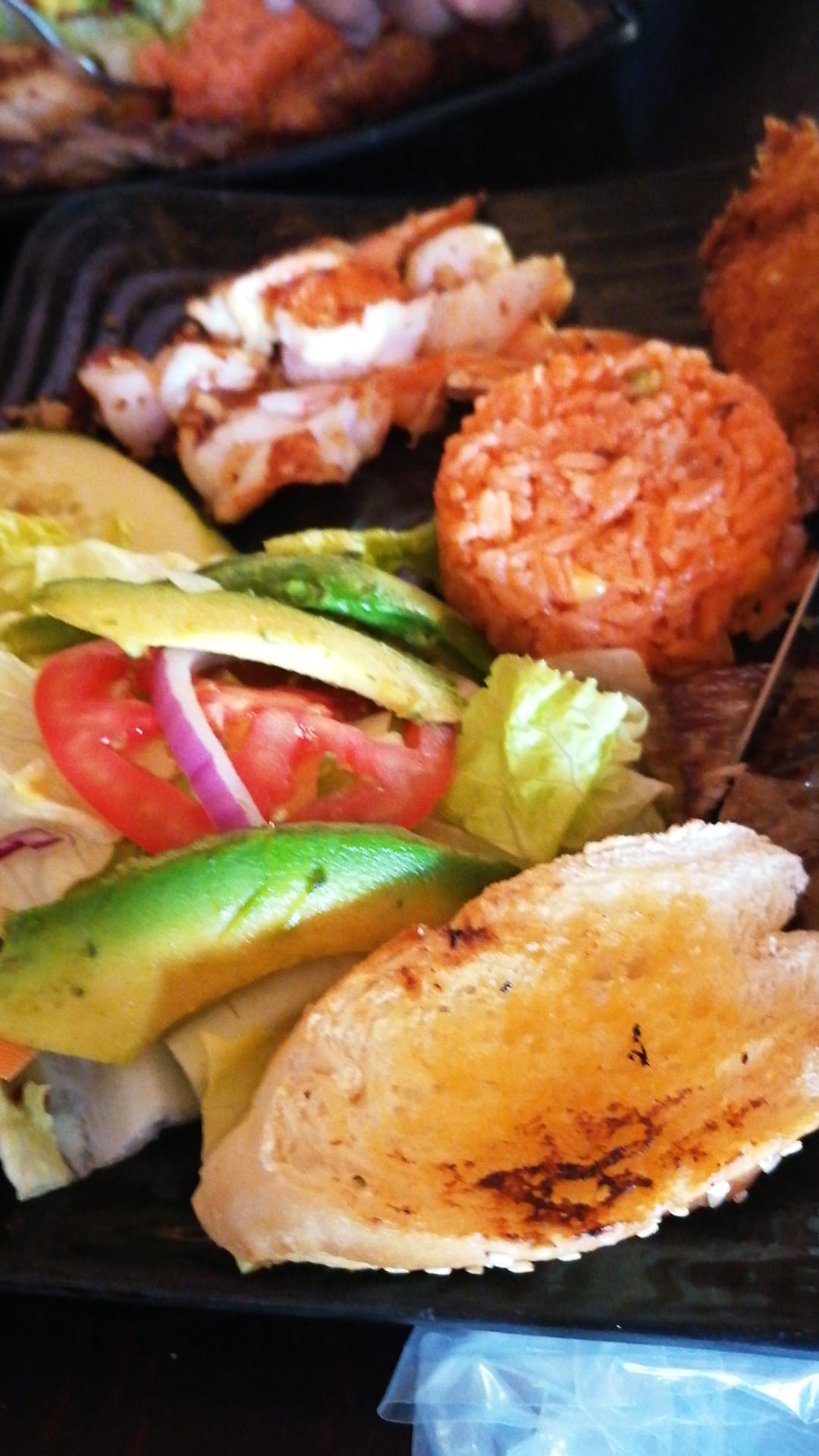
Shrimp, crab, and fish in a cream-enriched broth, served with the shells still in. The coast’s special-occasion dish, and the richest thing on this list.
Ceviche Salvadoreño: black clams in lime
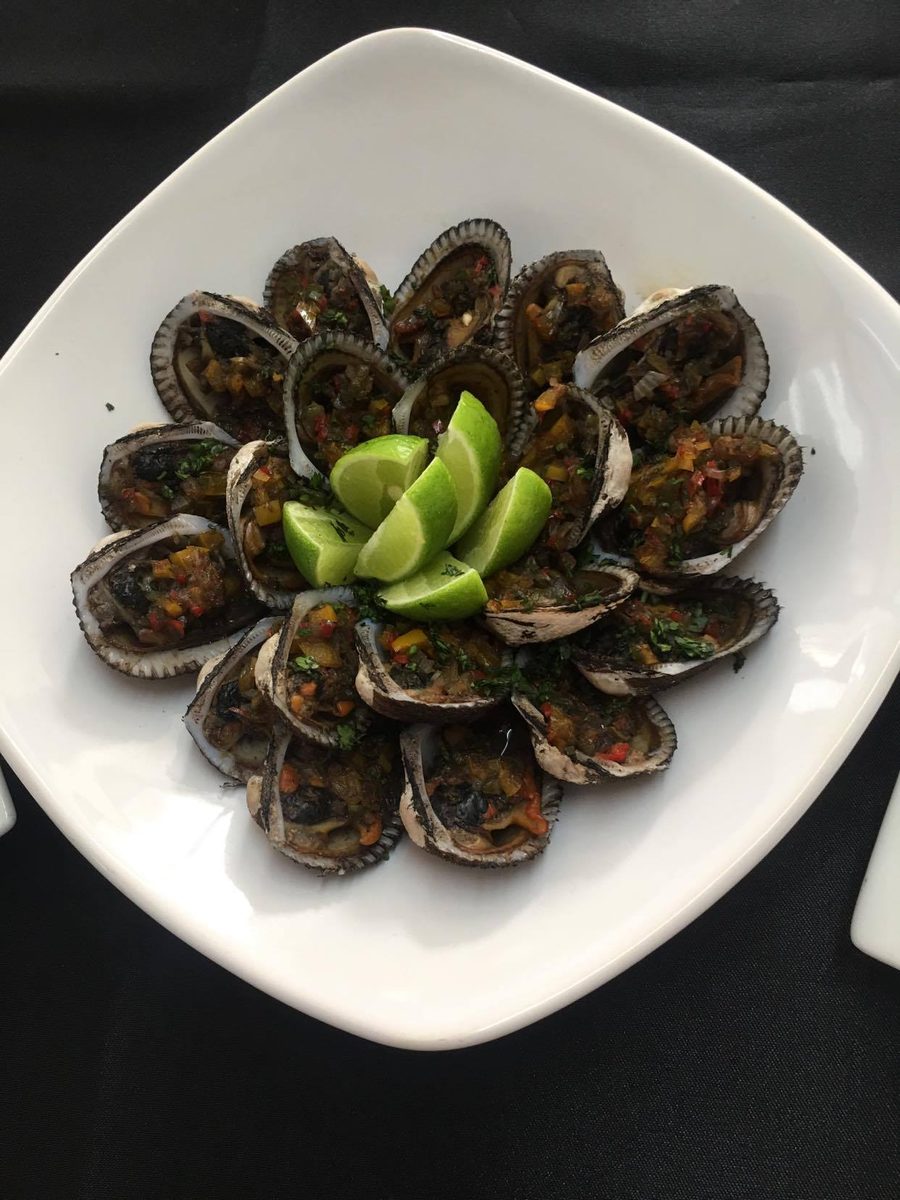
The Salvadoran ceviche of note is made with conchas negras, the black clams pulled from the mangrove mud, cured in lime and eaten with their liquor. Dark, iron-tasting, and completely unlike the shrimp ceviche of the Caribbean coast.
Tamales Pisques: the Lenten bean tamale
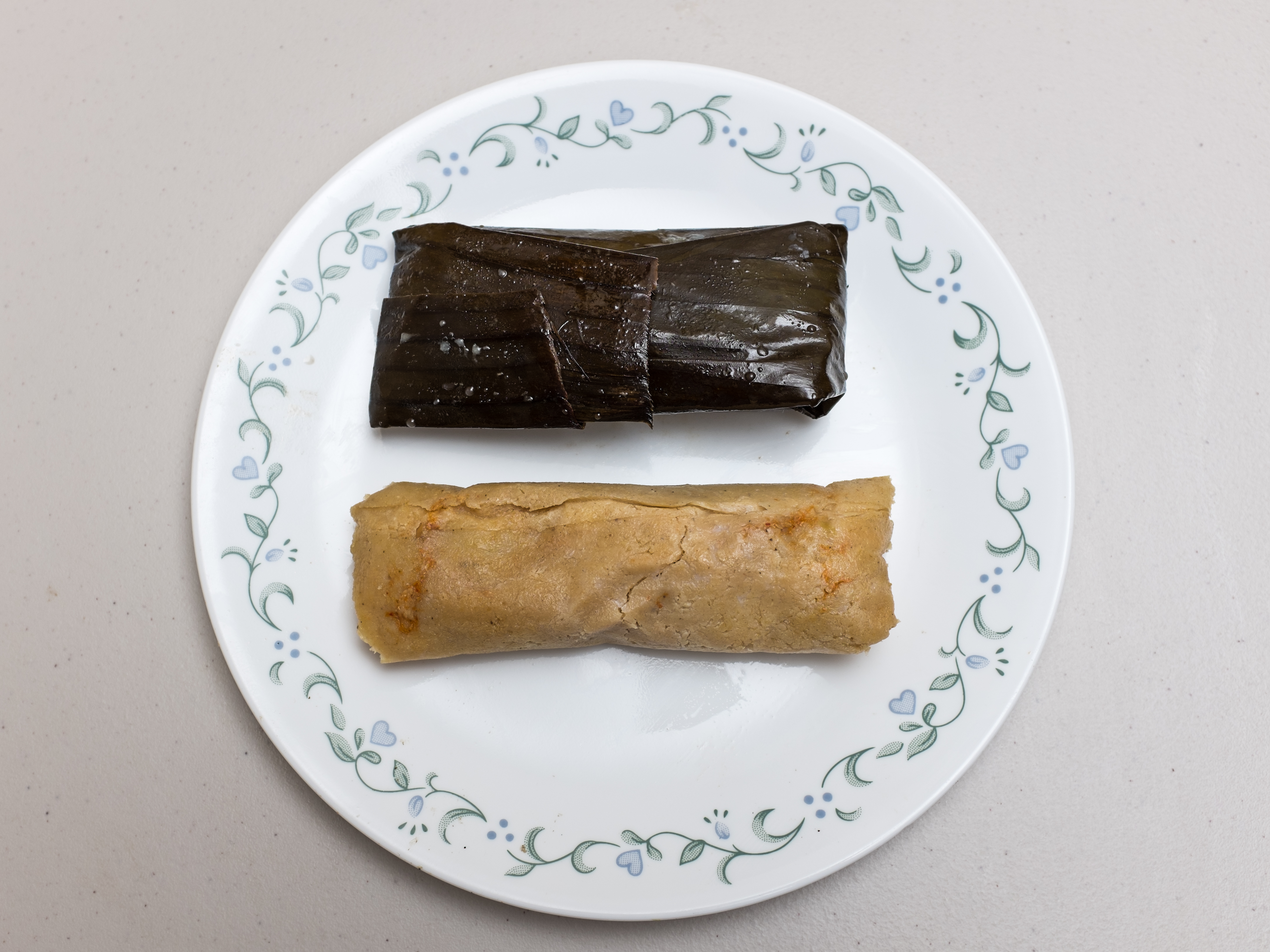
Masa worked through with refried beans so the whole tamal comes out bean-colored, wrapped in banana leaf and steamed. Meatless, and therefore Lenten. Eaten with crema.
Tamales de Elote: sweet fresh-corn tamales
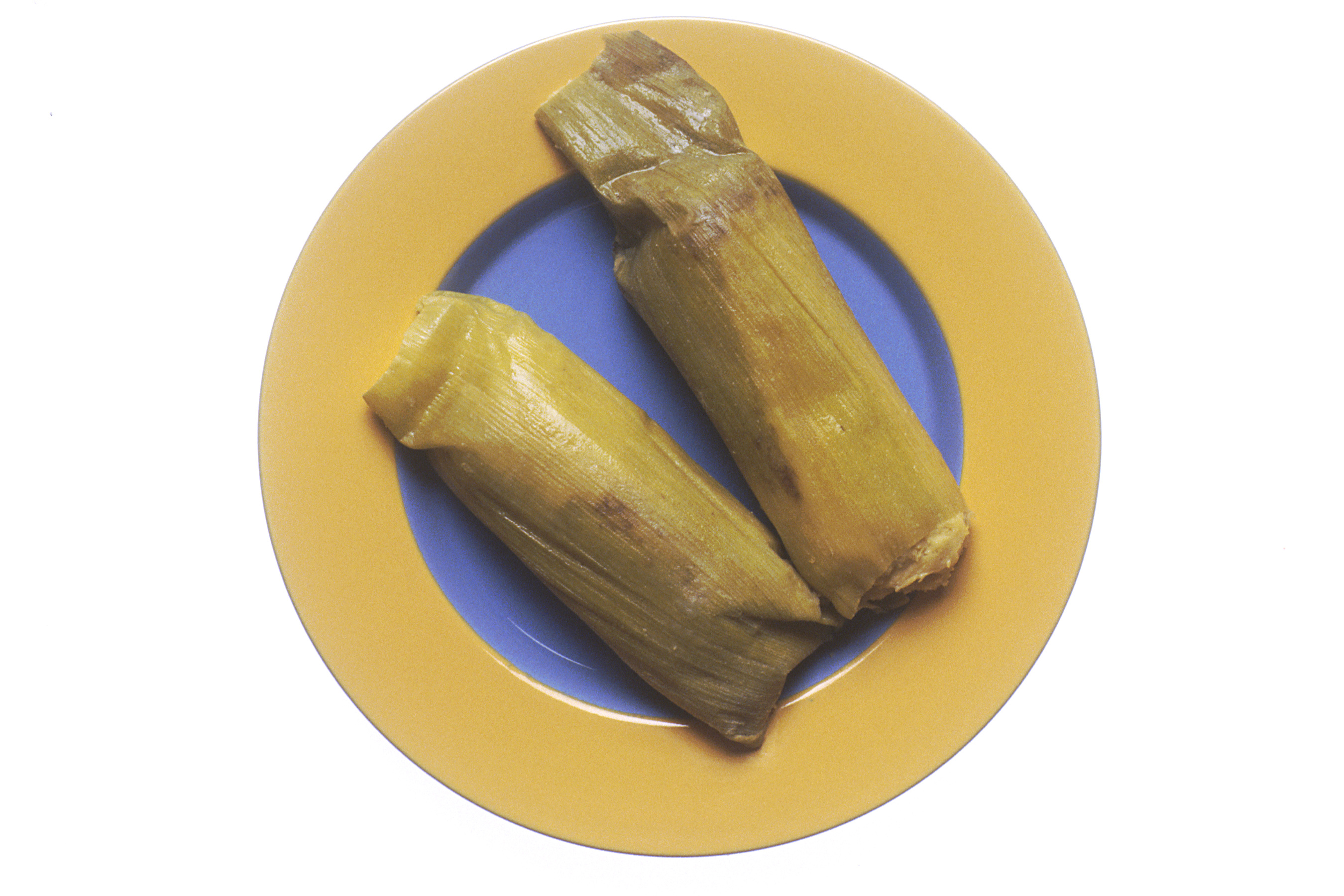
Young sweet corn ground and steamed in its own husk, faintly sweet, eaten with crema and coffee. Made when the corn comes in and not much before.
Quesadilla Salvadoreña: the sweet cheese pound cake
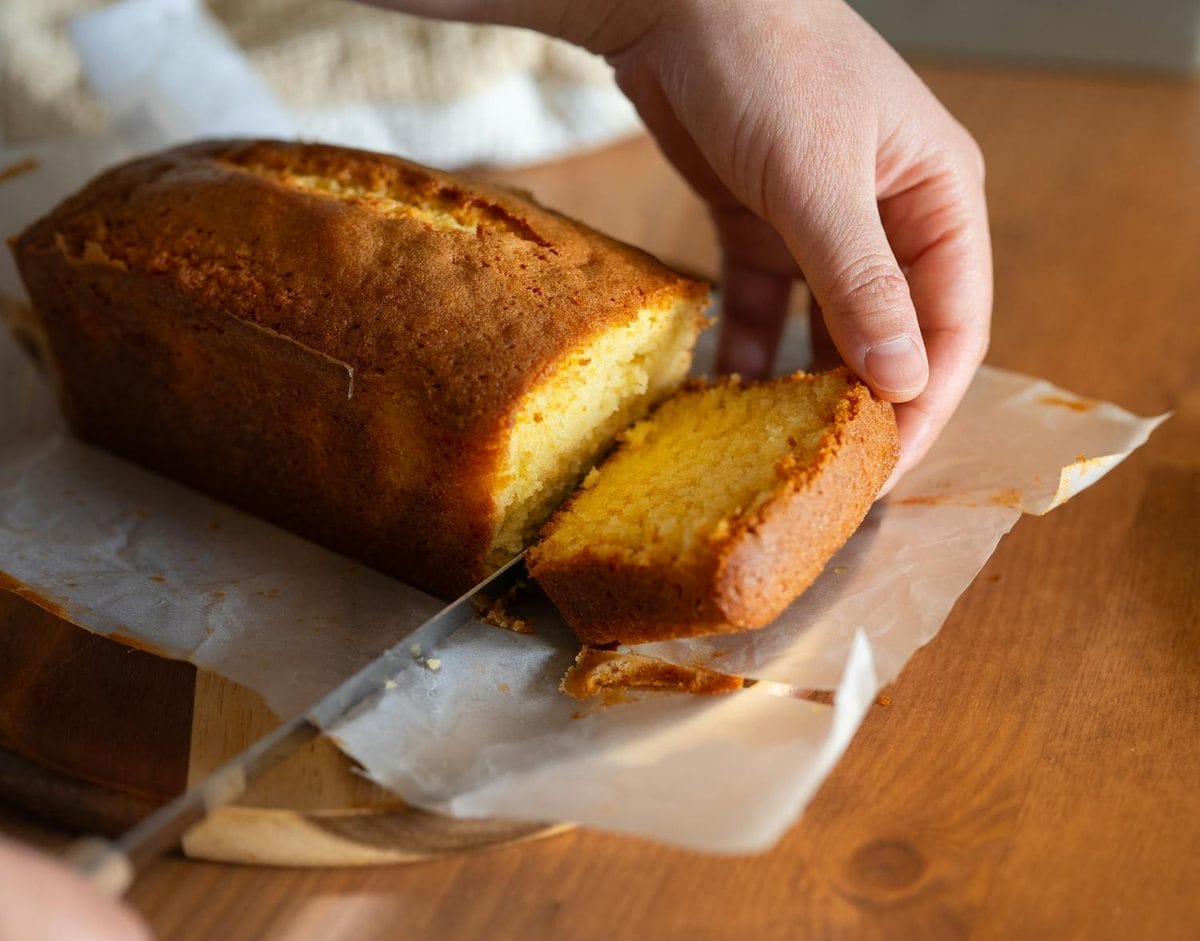
Nothing to do with a Mexican quesadilla. This is a sweet pound cake made with cheese and rice flour, sesame seeds scattered on top, baked and eaten with coffee. The cheese keeps it savory at the edges, and that is why it works.
Empanadas de Plátano: plantain turnovers with custard
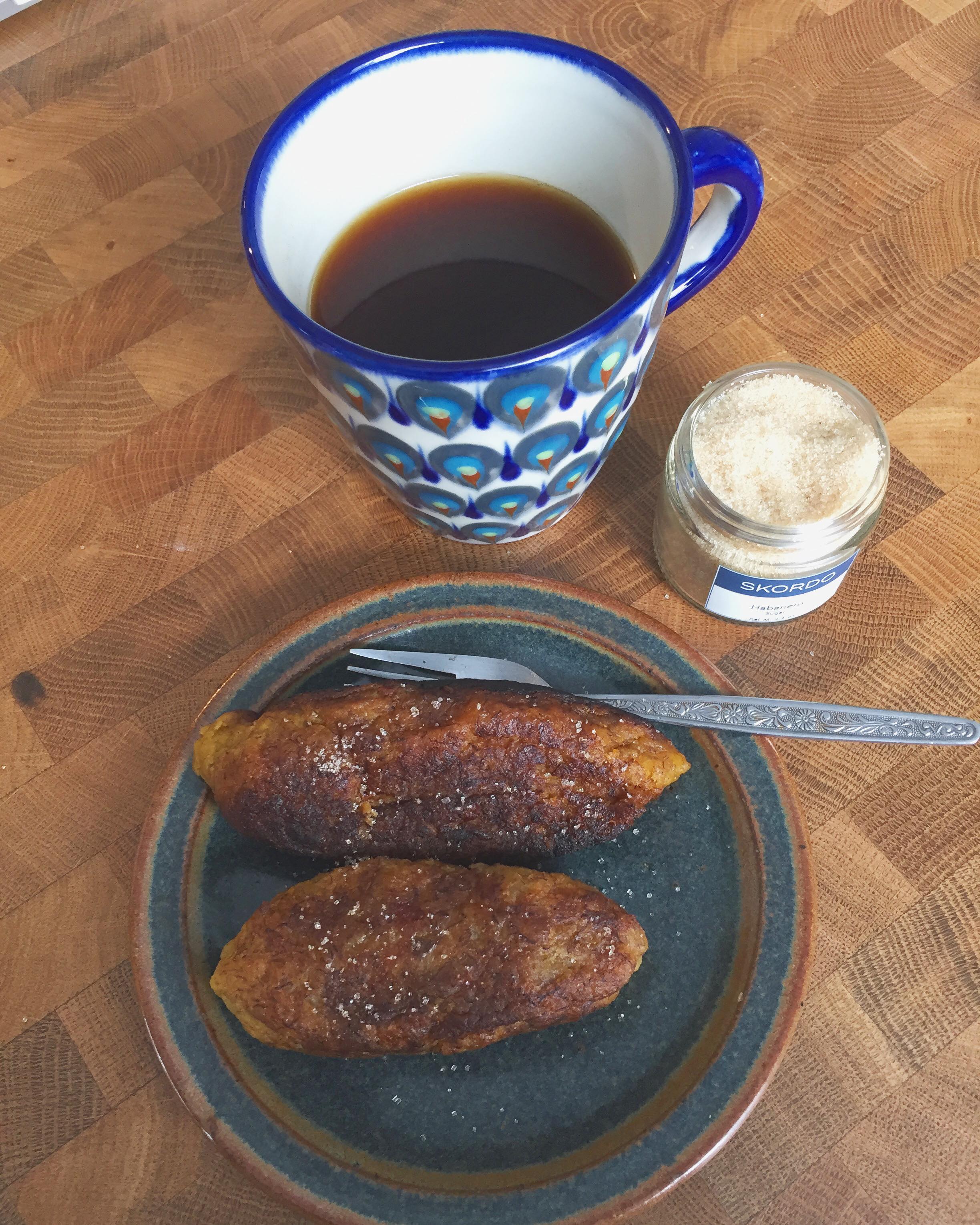
Ripe plantain wrapped around a milk custard, fried, and rolled in sugar. A breakfast food and an afternoon merienda, not a dessert.
Nuégados de Yuca: cassava fritters in panela syrup
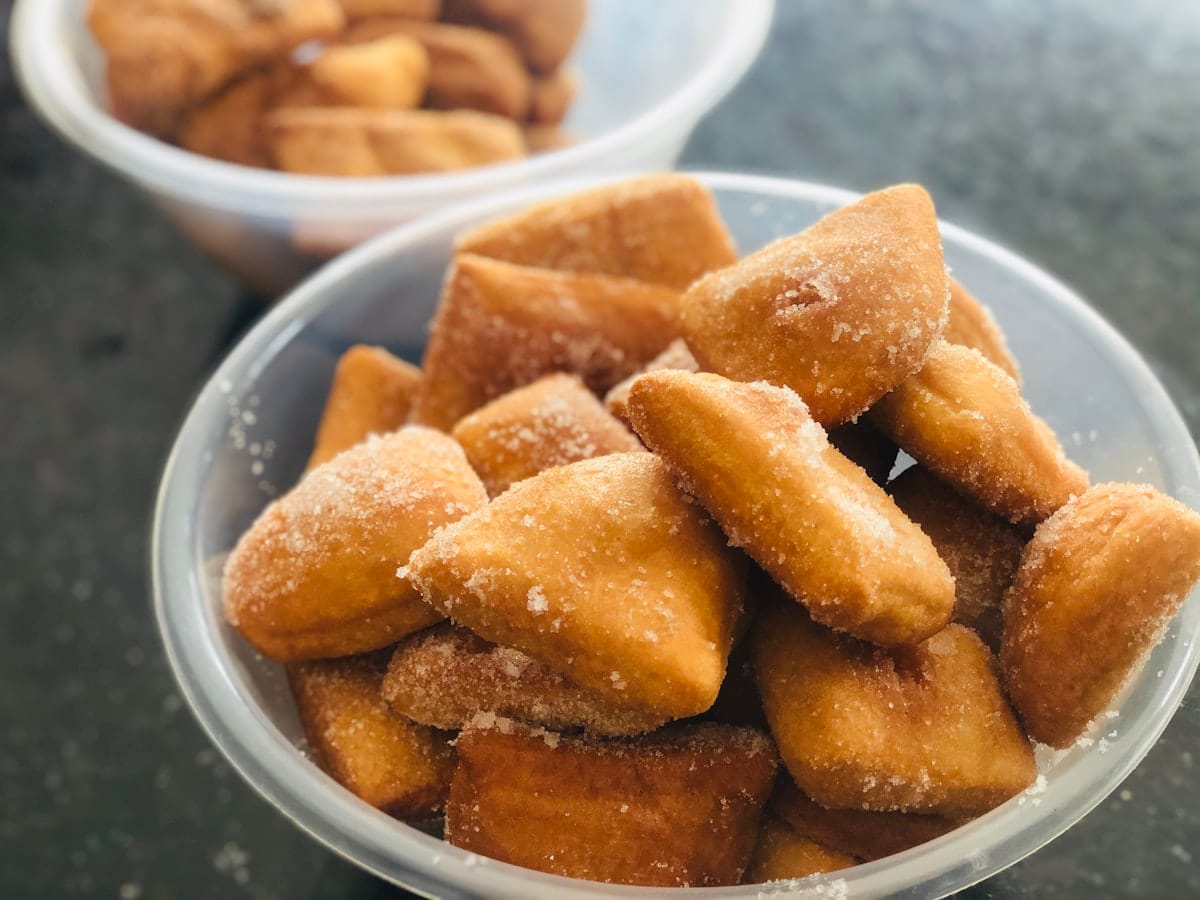
Cassava fritters fried with cheese and drowned in panela syrup. Street sweets, sold hot, and heavier than they look.
Torrejas: fried sweet bread in syrup
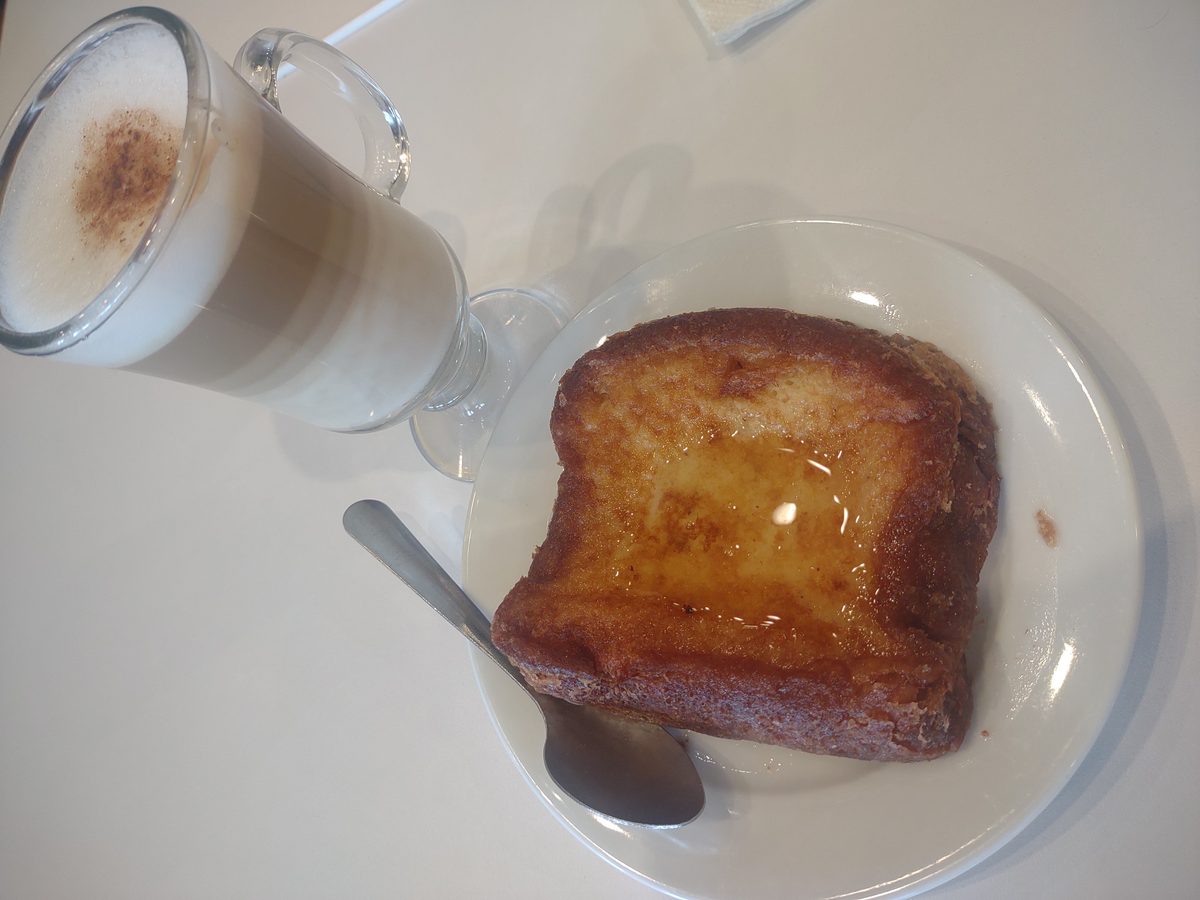
Sweet bread dipped in egg, fried golden, then soaked in panela syrup until it gives. Christmas and Holy Week food. The syrup is the dish; the bread is just the delivery.
Plátanos Fritos con Crema: the Salvadoran breakfast
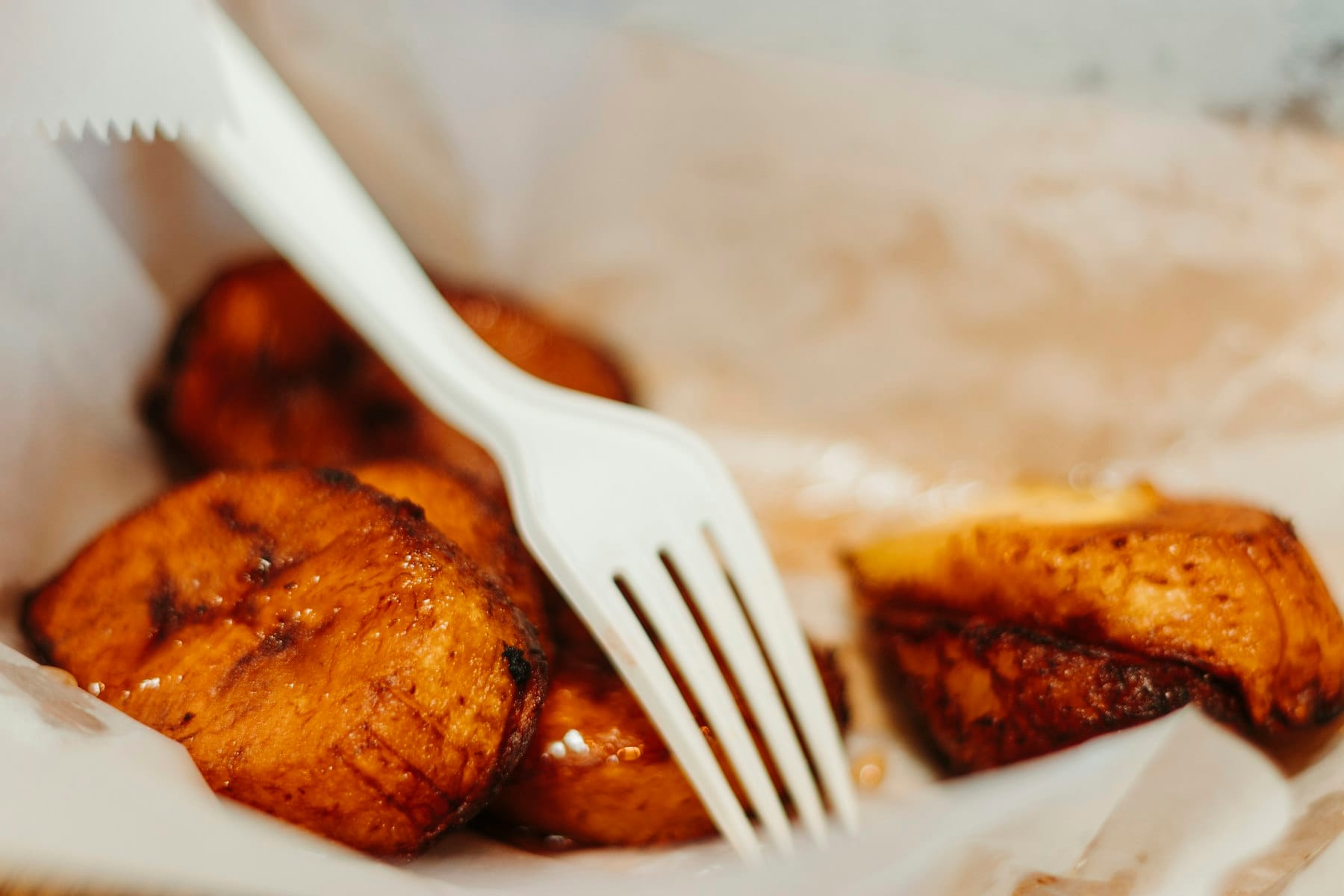
Ripe plantain fried until the sugars catch, served with thick crema and refried beans. This is the desayuno típico, and it is what most Salvadorans actually eat in the morning.
Plátanos fritos con crema recipe
Horchata de Morro: the seed horchata
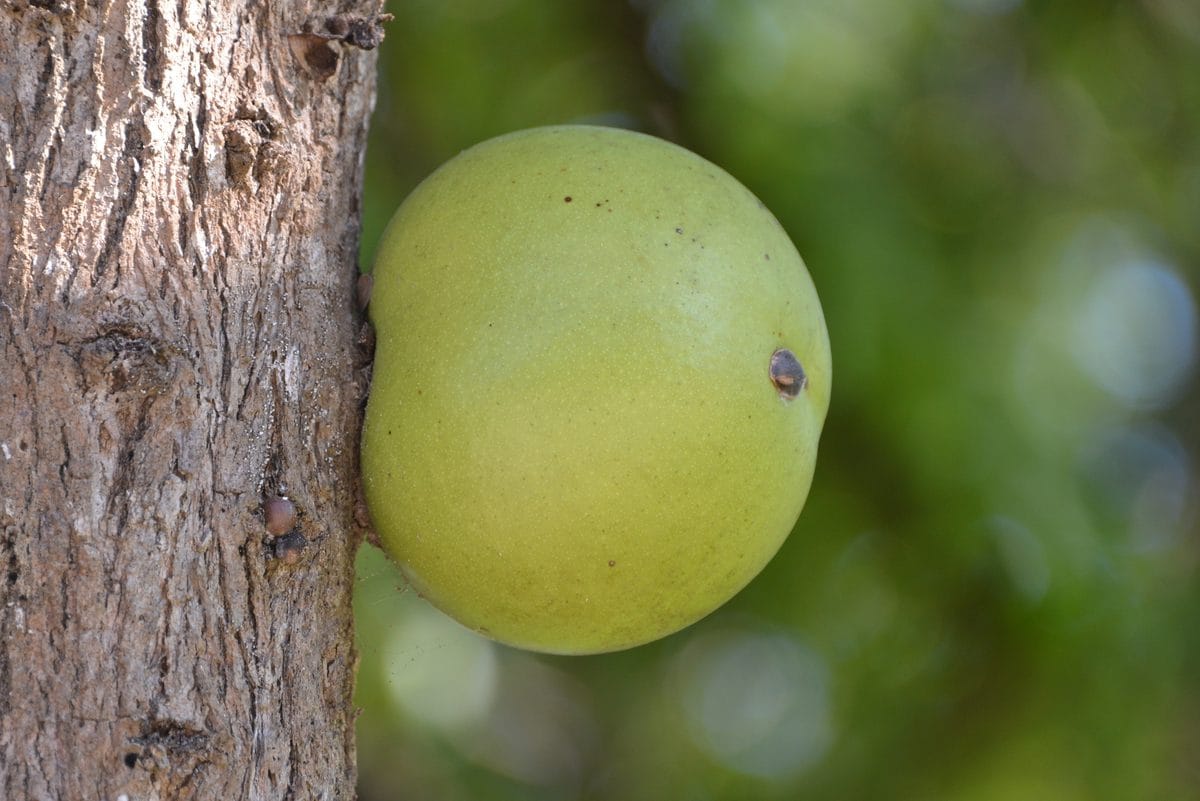
Salvadoran horchata is not rice horchata. It is built on toasted morro seeds, and it comes out darker, nuttier, and far more interesting than the Mexican version most people expect.
Chilate: hot corn and ginger drink
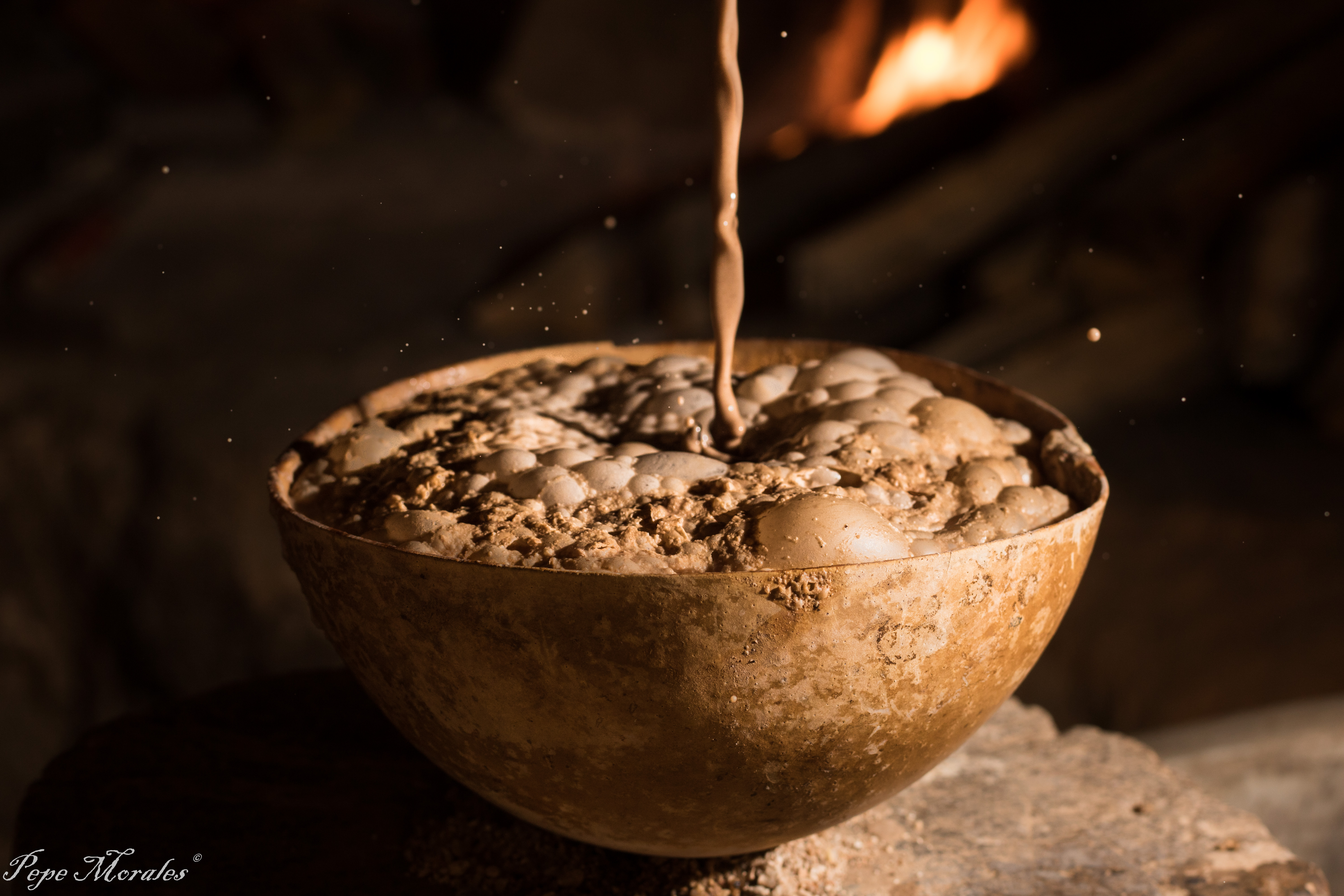
A thick corn drink, drunk hot, its flavor dominated by allspice (pimienta gorda) and ginger. Barely sweet, and served as the foil to the sweet things it accompanies. An afternoon ritual.
Atol Shuco: the fermented corn drink
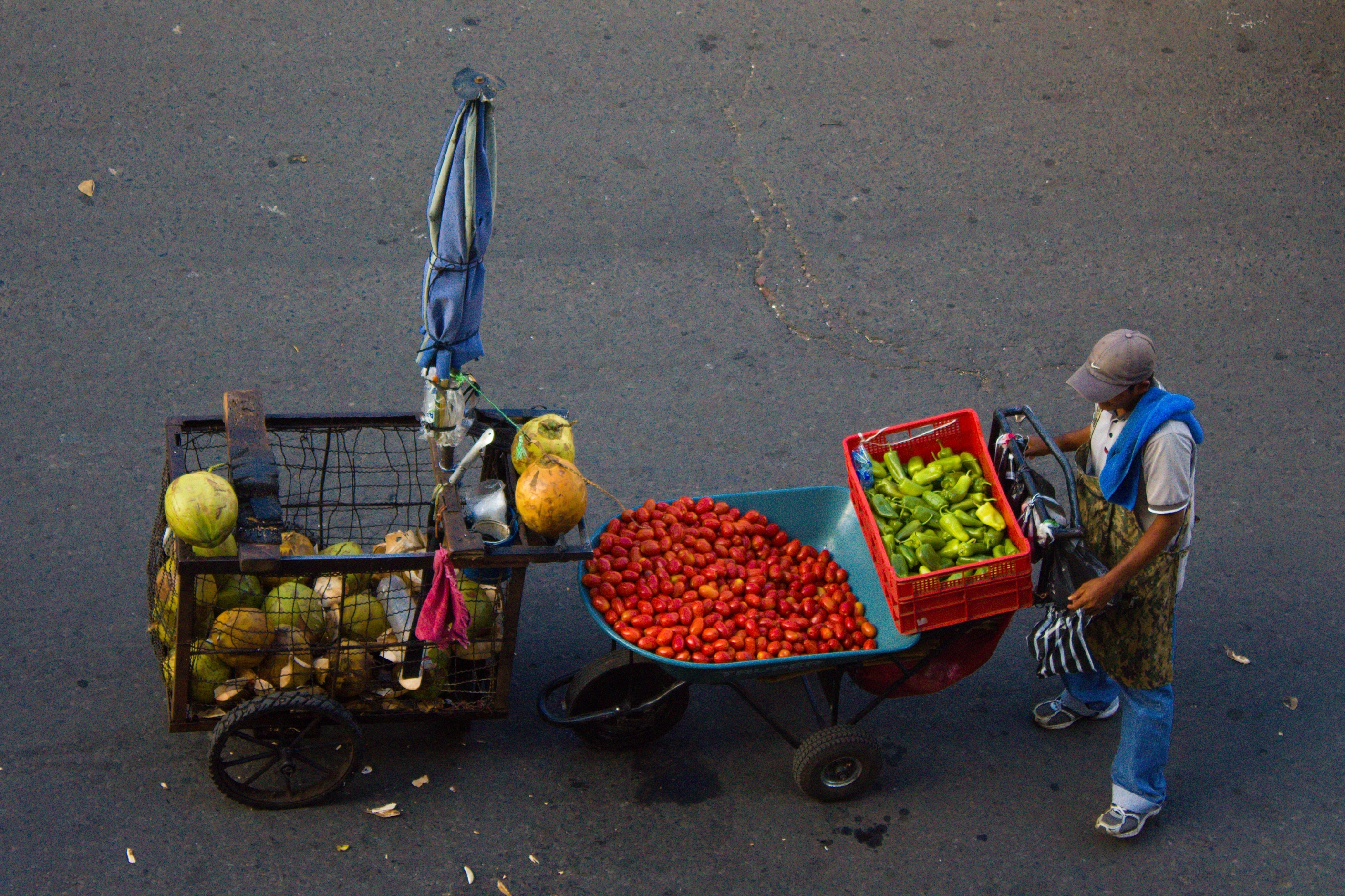
Black corn, fermented until it turns sour, served hot with alguashte and beans. Shuco means dirty. It is an acquired taste, and Salvadorans are entirely unapologetic about it.
Atol de Elote: the sweet corn atol (Honduran)
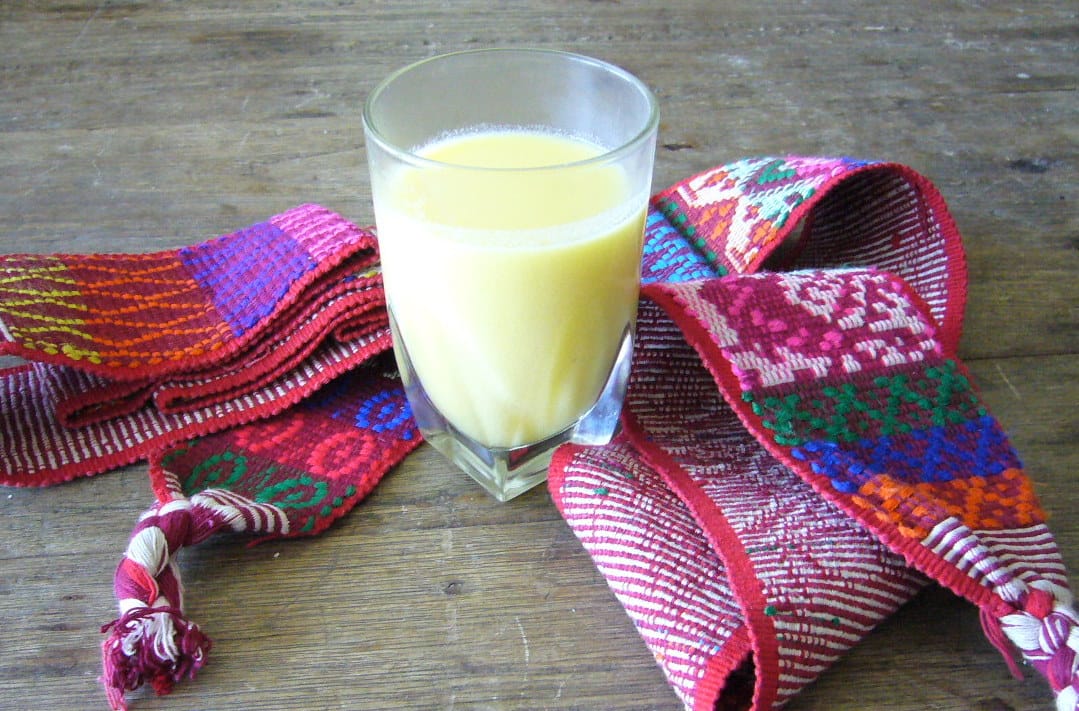
Worth naming here to keep the family straight, though it is honestly a Honduran drink rather than a Salvadoran one. Fresh sweet corn blended and warmed with cinnamon. Salvadoran chilate is defined against it: chilate is the barely-sweet one.
Atol de Semilla de Marañón: toasted cashew atol
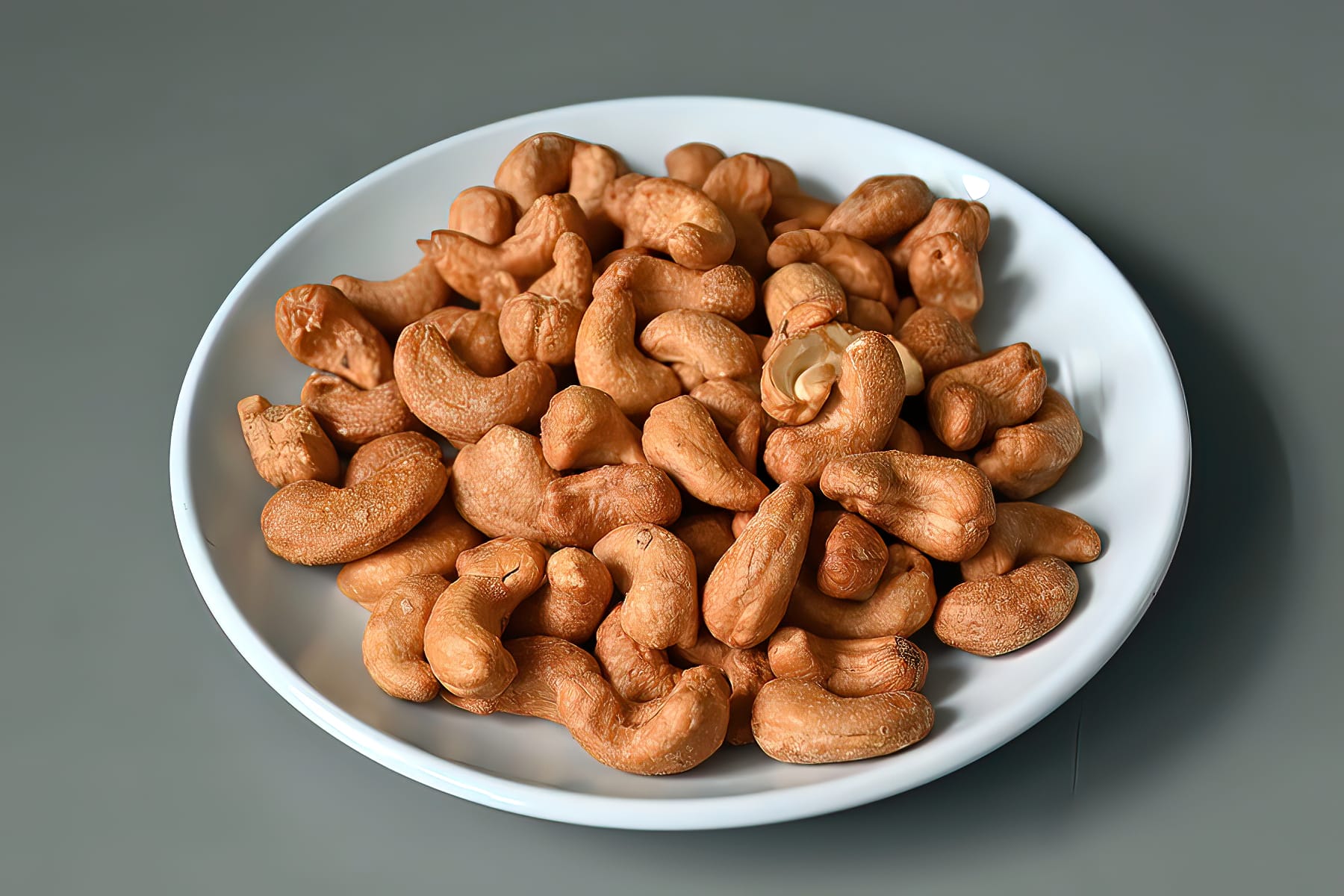
Cashew seeds toasted, ground, and cooked into a hot drink with cinnamon. The cashew is not native to Mesoamerica; this is a colonial-era adaptation, grown now in the Lempa River basin. Sold in Zacatecoluca, La Paz.
Atol de semilla de marañón recipe
Where to eat what in El Salvador
- Juayúa, on the Ruta de las Flores: the weekend feria gastronómica in the coffee highlands, Saturday and Sunday. The best place to eat widely in one day.
- Puerto La Libertad, on the Pacific coast: mariscada was born in the beach comedores here, and the conchas negras are eaten on the malecón.
- Zacatecoluca, La Paz: where the atol de semilla de marañón is sold.
- Early morning, anywhere: atol shuco is a dawn drink, sold before the market opens. Chilate is the afternoon one.
Go deeper
- Relajo turns up in every festive braise and the dishes get confused. Pan con pollo vs pavo en relajo vs gallo en chicha separates them.
- El Salvador has a whole family of hot corn drinks. Atol and the corn drinks of El Salvador covers them.
- For the coffee-highland towns where much of this is eaten, see Ruta de las Flores.
Frequently asked questions
What is the national dish of El Salvador?
The pupusa, a thick corn tortilla stuffed with cheese, beans, or chicharrón and griddled, served with curtido and tomato salsa.
What food is El Salvador known for?
Pupusas above all, plus yuca frita con chicharrón, pan con pollo, sopa de pata, the relajo braises, and a family of hot corn drinks (atoles) that includes the fermented atol shuco.
What is curtido?
Lightly fermented cabbage slaw with carrot, onion, and oregano, sharpened with vinegar. It comes with pupusas and cuts the richness. Every Salvadoran table has a jar of it.
Is Salvadoran horchata the same as Mexican horchata?
No. Mexican horchata is rice-based. Salvadoran horchata is made from toasted morro seeds, which makes it darker and nuttier.
Is Salvadoran food Maya?
Mostly not. El Salvador’s dominant indigenous heritage is Pipil, a Nawat-speaking people related to the Nahua of central Mexico, and that sets its kitchen apart from Guatemala, Belize, and the Yucatán. The country also has Lenca communities in the east and Maya-Ch’orti’ communities along the Guatemalan border.
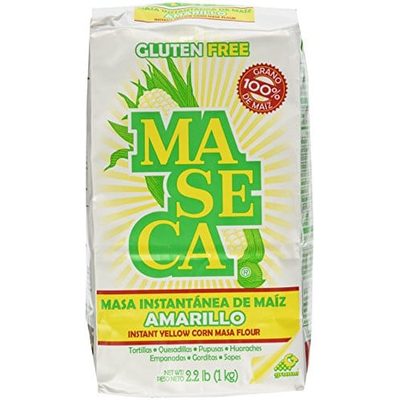
Maseca brand yellow corn masa harina, pre-ground and treated for immediate use in dough for tortillas, tamales, and other corn dough applications.