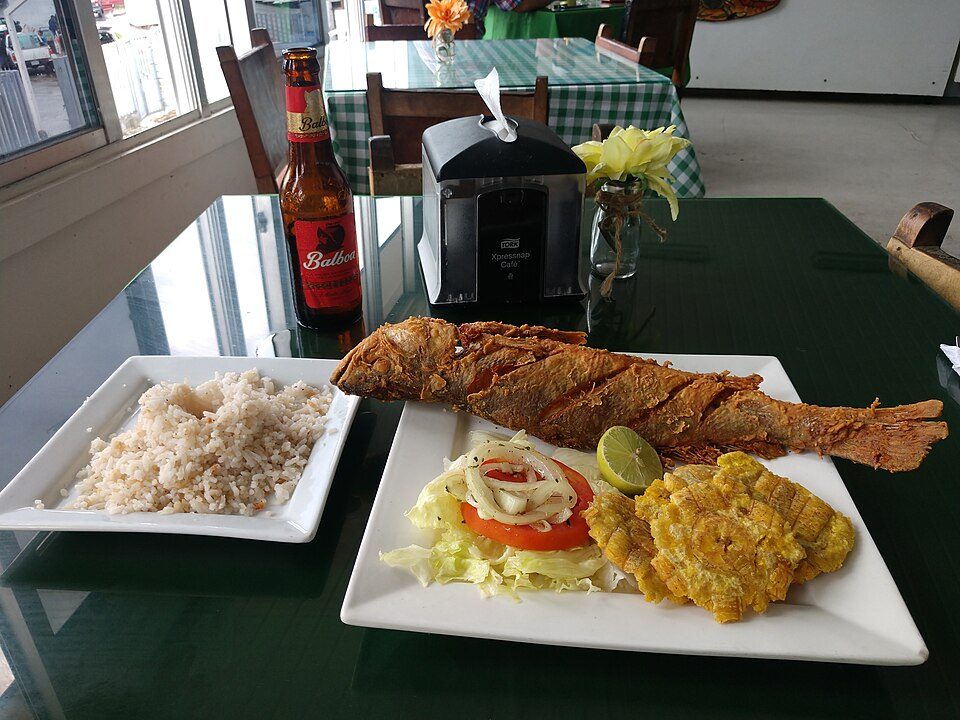
Pescado frito hondureño is a whole fish scored, rubbed with achiote, garlic, cumin, and sour orange, and fried until the skin shatters. It is served with tajadas of fried green plantain, curtido, and fresh chismol — the plate you find at beach stands and roadside comedores on both Honduran coasts and inland at Lake Yojoa.
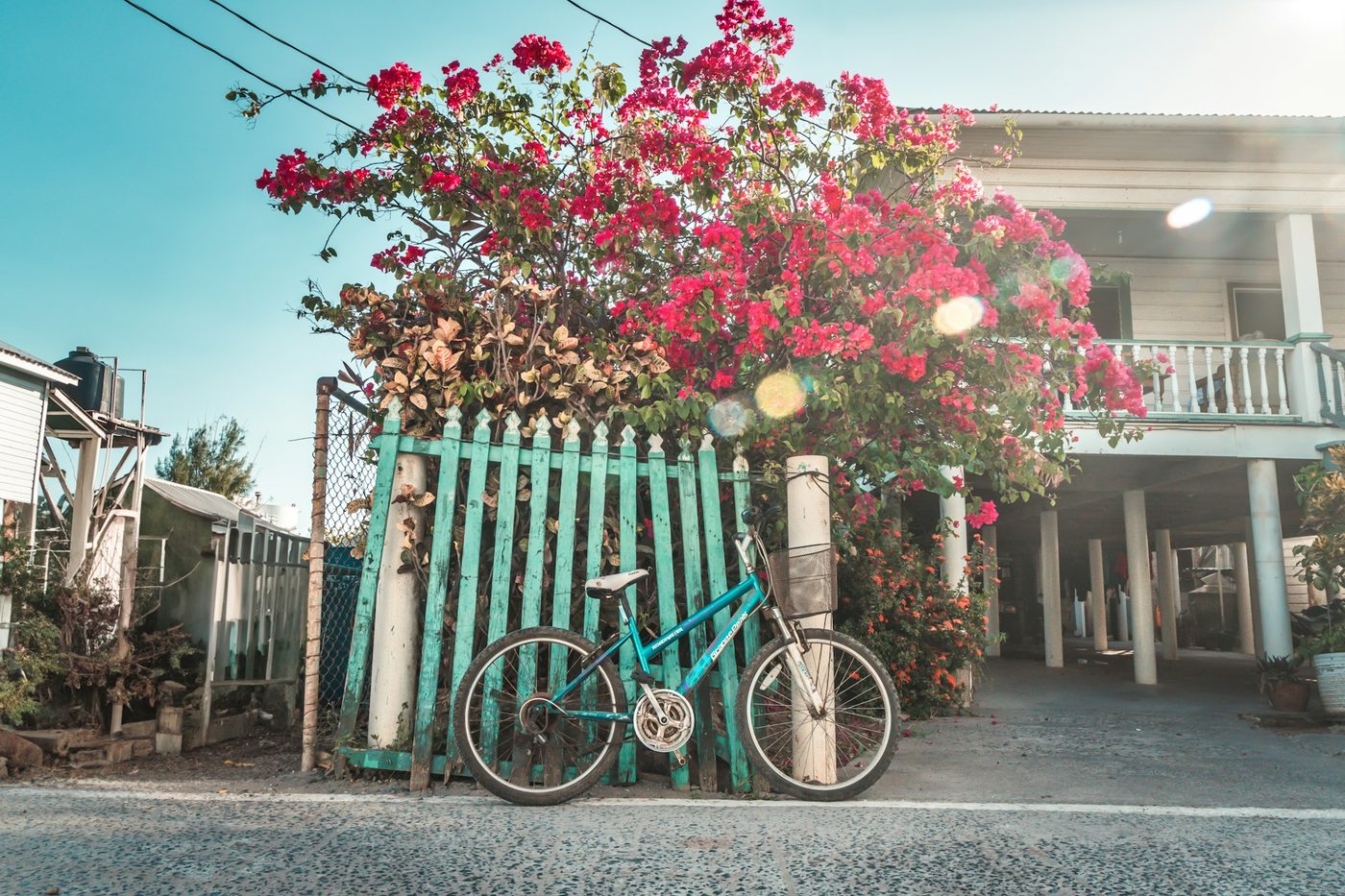
I lived on Amapala, on Isla del Tigre out in the Gulf of Fonseca, for a few years in my late teens, where the beaches are black sand and the boats come in through the afternoon. Fried fish was not a special meal there. It was Tuesday. Somebody’s father pulled corvina or pargo out of the gulf, and by the time the sun dropped low it was scored, rubbed red with achiote, salted, and going into hot oil, with a stack of tajadas beside it and a bowl of curtido already gone sharp from sitting. This is that fish. Honduras eats it everywhere, but I learned it on the Pacific side, off a black-sand beach, eating with my hands.
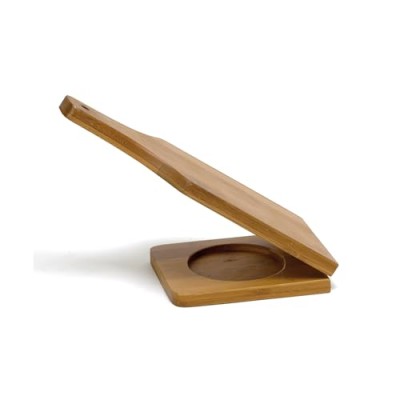
IMUSA Bamboo Tostonera Plantain Press, Large
The classic bamboo press for even, restaurant-flat tostones on the second fry.
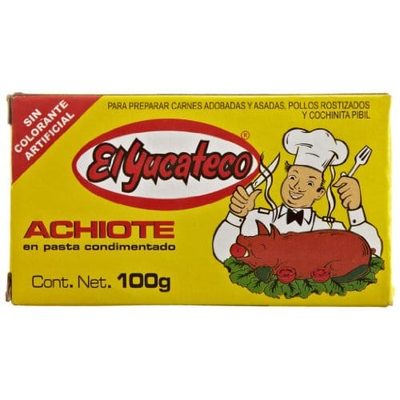
Cochinita pibil, poc chuc, and escabeche all start with red recado. A prepared achiote paste dissolves into sour orange in minutes instead of the hour it takes to grind annatto, oregano, and clove from seed.
What Is Pescado Frito, and Where Do Hondurans Eat It?
Pescado frito is the everyday Honduran whole-fried-fish plate. One fish to a person, scored along the sides, seasoned with achiote and sour orange, and fried until the skin goes crisp and the flesh pulls clean off the bone. It comes with three things, and they are not optional: tajadas, which are thin slices of fried green plantain; curtido or encurtido, a tart cabbage pickle that cuts the oil; and chismol, the fresh tomato-and-onion relish Hondurans put on almost everything. You eat it with your fingers, usually somewhere you can smell the water.
It belongs to all three of Honduras’s waters. On the Caribbean north coast, in La Ceiba and Tela and out on the Bay Islands, it is reef fish off the boat. On the Pacific south, in the Gulf of Fonseca where I am from, it is corvina, pargo, and robalo. And inland at Lake Yojoa, between San Pedro Sula and Tegucigalpa, the highway is lined with comedores frying lake fish for everyone driving through. That Yojoa version is famous enough that people plan the drive around it.
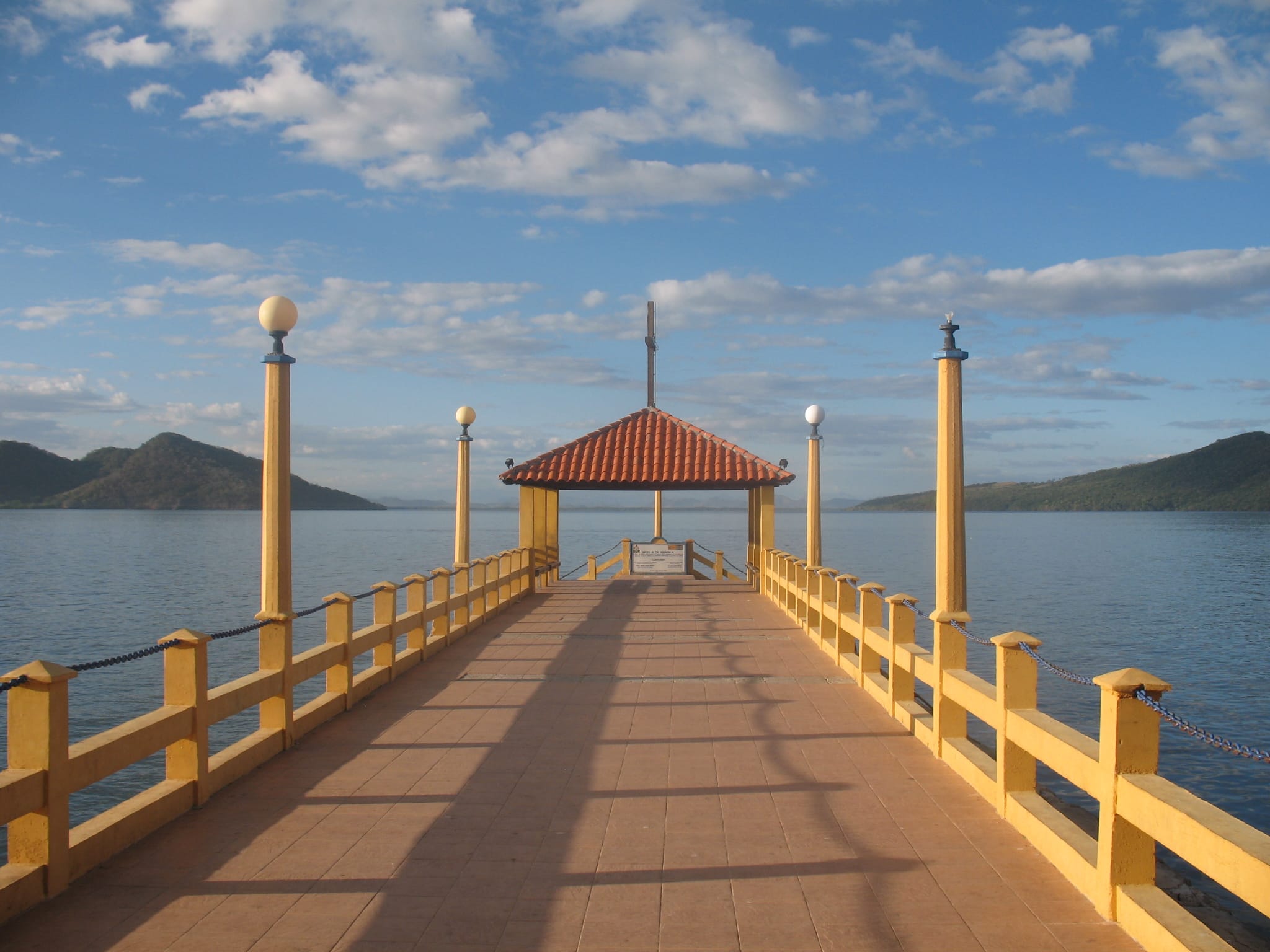
On the gulf you eat the fish the day it comes off the boat, one fish to a plate, with your hands.
On the gulf, the dish carries no ceremony. The fisherman’s wife scales and guts what came in, scores it, rubs it with achiote and sour orange, and fries it in a pan of oil over a fire or a gas ring. The tajadas go in the same oil. The curtido was made that morning so it had time to sour. Nobody is performing anything. It is just what you eat when the fish is fresh and the day is hot, and it is some of the best food I know.
How Does Pescado Frito Differ on the Pacific, the Caribbean, and at Lake Yojoa?
It is one dish with three accents, and the accent is mostly the fish and what goes beside it.
On the Pacific, off Amapala and the gulf towns, the catch is corvina, pargo, or robalo, lean and firm. The plate is plain: fish, tajadas, curtido, chismol, and white rice. The achiote rub gives the skin that orange color and earthy undertone; the sour orange in the marinade does the brightening. Nothing covers it up.
On the Caribbean north coast, around La Ceiba, Tela, and Trujillo, the fish is the same idea but the table is different. This is Garifuna country, and the Garifuna cook with coconut. There the fried fish often comes with arroz con coco, coconut rice, and sometimes a coconut-edged sauce alongside. That coconut element is theirs specifically, part of the wider Garifuna table that runs all along the coast. I do not claim that coast as my own kitchen, but I can tell you the difference is real and worth knowing.
Inland at Lake Yojoa, the fish is freshwater, red tilapia or bass straight from the lake, and the comedores there have been frying it for generations. Same scoring, same achiote rub, same crisp skin, served with tajadas, a pile of pickled onion, and refried beans. Honduras counts pescado frito estilo de Yojoa as a dish of its own, and visitors driving the highway between San Pedro Sula and Tegucigalpa have been stopping for it for generations.
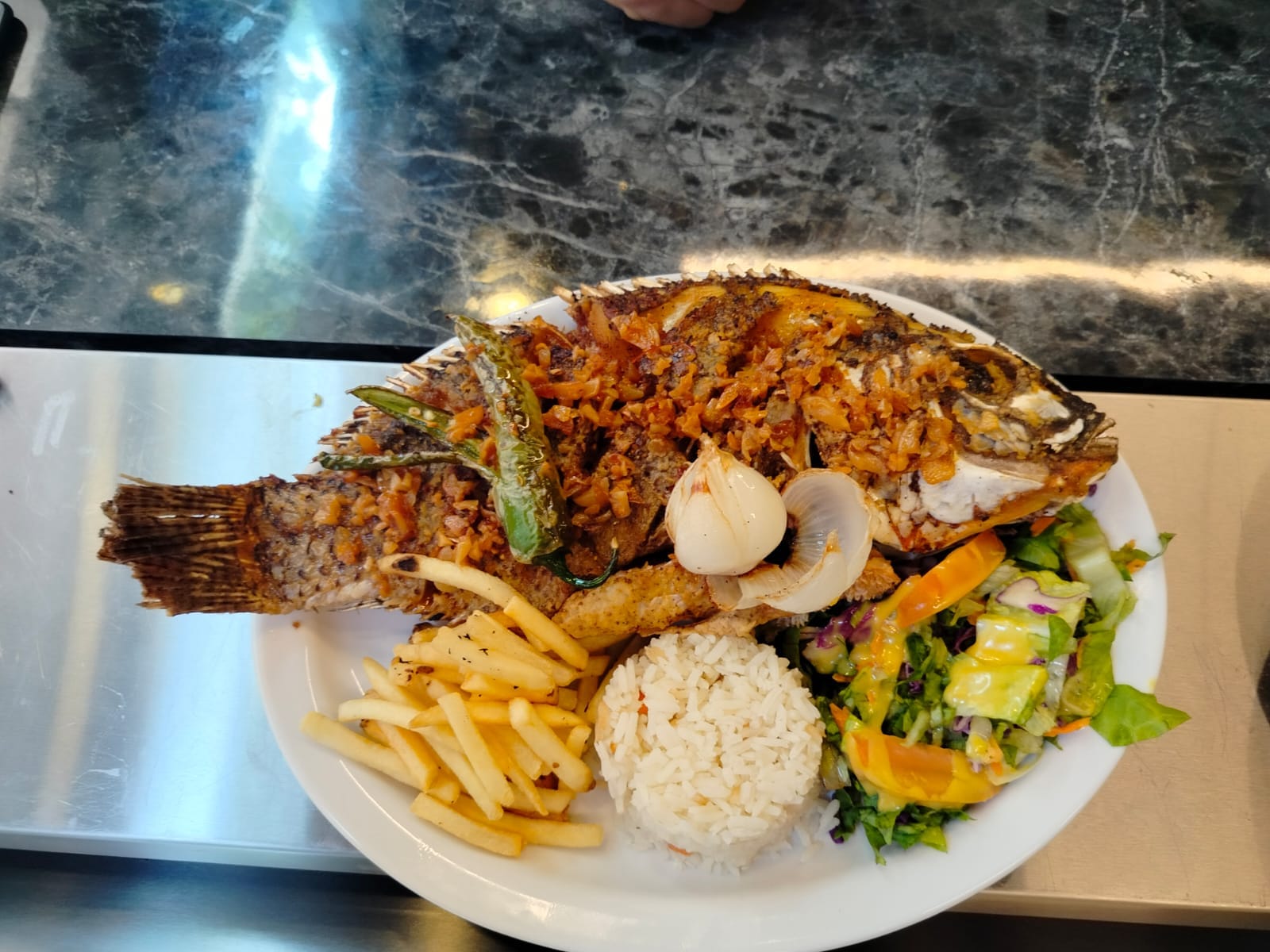
One fish, scored to the bone and fried until the skin cracks, eaten with something pickled and something fresh. That is the whole idea.
What holds across all three is the technique. A whole fish, scored to the bone, rubbed with achiote, fried until the skin cracks, eaten with something pickled and something fresh. Belize fries its own whole fish too, with its own seasonings, but that is a different plate for a different post. This one is Honduran.
Ingredients
Traditional names come first, with the grocery-store substitute in parentheses. This serves 4.
Fish and marinade
- 4 whole fish, about 3/4 to 1 lb each (mojarra or tilapia, or pargo/snapper), scaled and gutted, heads on
- 1 tablespoon achiote paste (recado rojo or annatto paste), or 1 teaspoon ground annatto powder
- 4 garlic cloves, minced
- 1 teaspoon ground cumin (comino)
- Juice of 2 sour oranges (naranja agria), or 1/4 cup fresh lime juice plus 2 tablespoons orange juice as the substitute
- 1 teaspoon salt, plus more for the cavity
- 1/2 teaspoon black pepper
- 1/2 cup all-purpose flour or cornstarch, for dredging
- Vegetable or canola oil, enough for 1 to 1 1/2 inches in the pan
Tajadas
- 3 green plantains (plátano verde), peeled and sliced thin lengthwise or on the diagonal
- Oil for frying
- Salt
Curtido (cabbage pickle)
- 1/2 small green cabbage (repollo), shredded
- 1 carrot, grated
- 1/2 white onion, thinly sliced
- 1/2 cup white vinegar
- 1/2 cup water
- 1 teaspoon salt
- 1 teaspoon dried oregano
Chismol (fresh relish)
- 2 tomatoes, finely diced
- 1/2 white onion, finely diced
- 1/2 green bell pepper, finely diced
- 2 tablespoons chopped cilantro
- Juice of 1 lime
- Salt to taste
To serve
- White rice
- Lime wedges
- Refried red beans (optional, standard at Yojoa-style comedores)
Instructions
- Make the curtido first so it has time to sour. Combine the cabbage, carrot, and onion in a bowl. Heat the vinegar, water, salt, and oregano until just warm, pour it over the vegetables, and press them down. Let it sit at least 30 minutes, and better after an hour.
- Make the chismol. Mix the tomato, onion, bell pepper, cilantro, lime juice, and salt. Set it aside.
- Score the fish. With a sharp knife, cut two or three diagonal slashes through the skin down to the bone on each side. This is what lets the seasoning in and the fish fry evenly.
- Make the marinade. Work the achiote paste into the garlic, cumin, sour orange juice, salt, and pepper until you have a smooth red paste. Rub it over the fish, into the slashes, and inside the cavity. The achiote is what gives the skin its orange color and earthy depth. Let the fish sit 20 to 30 minutes.
- Fry the tajadas. Heat oil in a pan over medium-high heat. Fry the plantain slices until golden on both sides, 2 to 3 minutes a side. Drain them on paper towels and salt them while they are hot.
- Pat the fish dry, then dredge it lightly in flour or cornstarch and shake off the excess. Dry fish and a dry coating are what give you crisp skin.
- Heat 1 to 1 1/2 inches of oil to 350°F (175°C). Lower the fish in carefully, away from you. Fry 4 to 6 minutes a side, depending on size, until the skin is deep golden and crisp and the flesh flakes at the bone. Do not crowd the pan; fry in batches so the oil stays hot.
- Lift the fish out and drain it on a rack or paper towels. Serve each fish with tajadas, a mound of curtido, a spoon of chismol, white rice, and a lime wedge.
Why Achiote, Sour Orange, and a Scored Whole Fish Make the Difference
Three things make this plate Honduran and not just fried fish. Each one matters.
The first is achiote, annatto paste. It is the ingredient that turns the skin orange and gives the fish its earthy, slightly peppery depth — the color and flavor that tell you this is Honduran pescado frito and not a generic fry. You find it in Latin groceries as recado rojo or achiote paste, a small block or a jar of thick brick-red paste. One tablespoon for four fish. Work it into the rest of the marinade until it dissolves. Without it, you have fish. With it, you have the dish.
The second is sour orange, naranja agria. It is the citrus that runs through Central American marinades, sharper and more floral than lime and far less sweet than a regular orange. It is what makes the fish taste bright against the earthiness of the achiote. You will find it at Latino and Caribbean groceries. If you cannot, the honest substitute is fresh lime juice with a splash of orange to round it. It is not identical, but it is close, and it is what I use when I am far from a market that carries the real thing.
The third is the scoring, and people skip it because it looks like decoration. It is not. The slashes carry the marinade down into the thick of the fish, and they open the flesh so the heat reaches the center before the skin burns. A whole fish that is not scored fries unevenly: burnt skin, raw spine. Score it to the bone and you fix both problems at once.
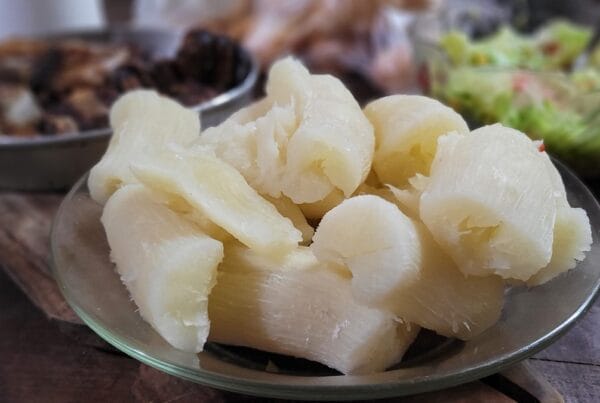
One more note, on the tajadas. Tajadas are not tostones. Tostones are the thick green-plantain rounds you smash and fry twice. Tajadas are thin slices, cut lengthwise or on the diagonal, fried once until crisp at the edges. Hondurans eat tajadas with fried fish, and getting that right is part of getting the plate right. Salt them the second they come out of the oil, while they can still take it.
Frequently Asked Questions
What is pescado frito hondureño?
Pescado frito hondureño is a whole fish, scored and seasoned with achiote, garlic, cumin, and sour orange, then fried until the skin is crisp. It is served with tajadas of fried green plantain, a tart cabbage pickle called curtido, and a fresh tomato relish called chismol. It is everyday food across Honduras, on both coasts and inland at Lake Yojoa.
What fish is best for pescado frito?
Use a whole firm fish small enough to fry in one piece, about 3/4 to 1 pound. Mojarra and tilapia are the most common and the easiest to find. At Lake Yojoa, red tilapia and bass are the lake fish of choice. On the Pacific coast cooks use corvina, pargo, or robalo, and on the Caribbean coast they use reef fish like snapper. Any firm whole fish that holds together in hot oil will work.
Why is Honduran fried fish orange?
The orange color comes from achiote, also called annatto. It is worked into the marinade as a paste alongside garlic, cumin, and sour orange, then rubbed over the fish and into the scored slashes. Achiote gives the skin its deep red-orange color and adds an earthy, slightly peppery flavor beneath the brightness of the citrus. It is the ingredient that makes Honduran pescado frito visually and flavor-wise distinct from other fried fish.
How do you score a whole fish for frying?
Lay the cleaned fish on a board and cut two or three diagonal slashes through the skin down to the bone on each side, using a sharp knife. The cuts let the marinade reach the flesh and let heat get to the thickest part, so the fish cooks through before the skin burns. Scoring is the single most important step for a whole fried fish.
What is the difference between tajadas and tostones?
Tajadas are thin slices of green plantain, cut lengthwise or on the diagonal and fried once until crisp. Tostones are thick rounds of green plantain that are fried, smashed flat, and fried a second time. Hondurans serve fried fish with tajadas, not tostones, so the two are not interchangeable on this plate.
What do you serve with Honduran fried fish?
The traditional plate is the fish with tajadas, curtido or encurtido, chismol, and white rice, with lime wedges on the side. Comedores at Lake Yojoa typically add refried red beans. On the Caribbean north coast the Garifuna often serve it with coconut rice instead of plain white rice. The pickle and the fresh relish are what balance the richness of the fried fish.
Can I use lime instead of sour orange?
Yes. Sour orange, naranja agria, is the traditional marinade citrus, but it is hard to find outside Latino and Caribbean groceries. The standard substitute is fresh lime juice with a small splash of orange juice to soften the edge. The flavor shifts slightly toward bright and away from floral, but the fish still tastes right.
More Honduran Recipes
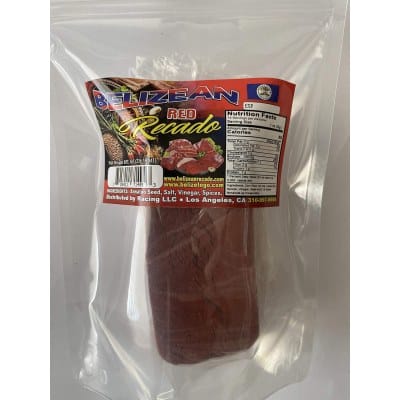
The achiote-based paste behind stew chicken, pibil, and escabeche. Sold ready-made so you skip toasting and grinding annatto, cumin, oregano, and clove from seed.
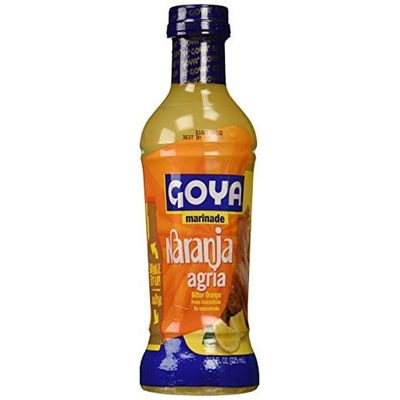
Goya Bitter Orange Naranja Agria
Sour orange carries the pickled onion on panuchos and the marinade under cochinita. Bottled and ready to pour, it beats the lime-and-vinegar fake most recipes fall back on.
Maizena Corn Starch, 14.10 Ounces (14.1 Ounce (Pack of 3))
Cornstarch is what Belizean cooks reach for to thicken the meat pie filling.
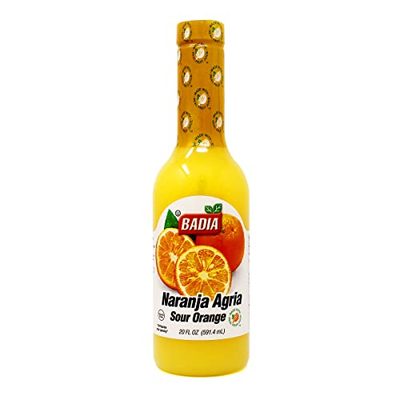
Badia Orange Bitter Naranja Agria
Naranja agria is what makes pibil taste like pibil, and it does not grow in most of the country. Bottled bitter orange is the substitution that keeps the marinade honest when the fruit is nowhere in the store.