Rosquillas hondureñas are small baked rings of corn masa mixed with dry, salty cheese, shaped by hand, baked until crisp, and eaten with black coffee. They are the definitive snack of southern Honduras, made year-round but reaching their peak during Semana Santa, when families in Sabanagrande bake them by the hundred in clay ovens fired with ocote pine.
What Makes Rosquillas Hondureñas Different from Nicaraguan and Spanish Rosquillas?
The first time I bought rosquillas on the highway south of Tegucigalpa, a woman at a roadside stand near Sabanagrande had a basket still warm from a clay oven, and she handed one over with a cup of black coffee. It cracked when I bit it. The cheese was the whole thing, dry and salty and toasted into the corn. That is the rosquilla hondureña, and it is not what most people outside Central America picture when they hear the word.
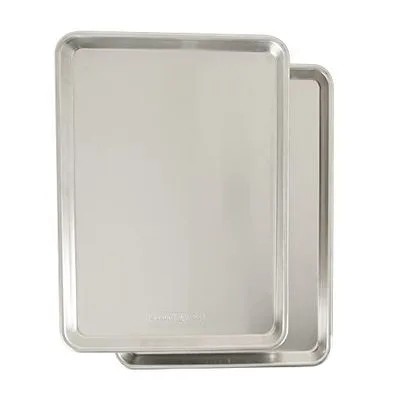
Nordic Ware Naturals Half Sheet — USA Made Aluminum Commercial Quality Sheet Pan, 2-Pack
Half-sheet aluminum is the right size for sheet-pan chicken, roasted plantains, or toasted cassava bread. Commercial-weight aluminum doesn't warp under the long roast.
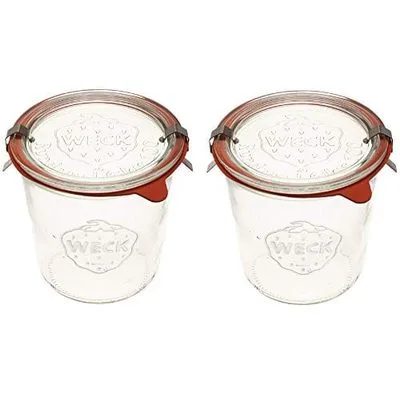
WECK Canning Jars 742 Mold Jars, 1/2 Liter Tall Jar Set (2 Jars)
Spice pastes, ground spices and toasted seeds all keep longer in glass with a silicone seal than in plastic. Tall gasket-sealed glass jars are the editorial pick for paste and spice storage.
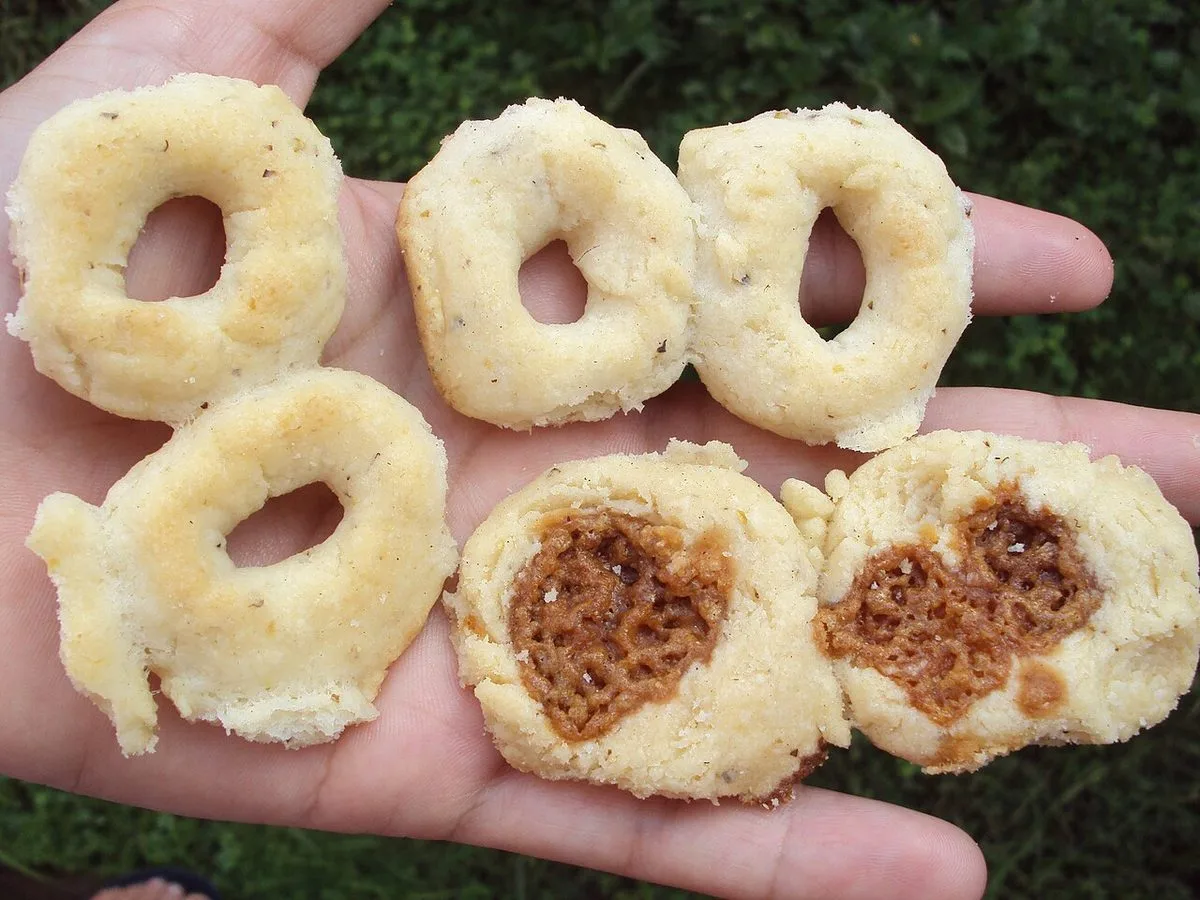
Spanish and Mexican rosquillas are fried dough rings: sweet, flavored with anise, dusted or glazed with sugar. The Honduran version is the opposite on almost every count: baked, not fried, savory, with cheese rather than sugar as the point. Bake and don’t fry: that single fact is the separator.
The Nicaraguan comparison deserves honest treatment. Nicaraguan rosquillas are nearly the same food: corn masa and dry cheese, shaped into rings, baked, eaten with coffee. The two traditions share a border and a pantry, and no one can claim a clean point of origin for either. The rosquilla belongs to both countries the way a river belongs to both banks.
Inside Honduras, the one dish that lives right next to the rosquilla on every Sabanagrande table is the tustaca. Both are corn-masa-and-cheese baked rings from the same towns, but the tustaca has dulce de rapadura — unrefined cane sugar, worked into the dough, giving it a sweet-savory, sandy bite. The rosquilla has none. That sweetness is the single line between them: if it is sweet, it is a tustaca; if it is purely savory, it is a rosquilla.
Bake, don’t fry. That single fact is what separates the Honduran rosquilla from the sweet, anise-scented rings of Spain and Mexico.
Inside Honduras, the heartland is the south. Sabanagrande, in the department of Francisco Morazán, is called the capital of the rosquilla. The rosquillas and tustacas from Sabanagrande were voted among the country’s 30 Wonders of Honduras, and the producers there still bake in clay ovens fired with ocote pine. Buses from the south stop along the road so travelers can buy a bag. People eat them year-round with coffee, at breakfast or in the afternoon, but production peaks at Semana Santa and again in December, when families bake in quantity to share with neighbors and at patron-saint festivals. This is Mestizo Honduran food, built on a corn-masa base the whole region shares.
Cook Time
| Stage | Time |
|---|---|
| Prep (mix, knead, shape) | 20 minutes |
| Bake at 350°F (175°C) | 25–35 minutes |
| Clay-oven long bake (traditional) | up to 60 minutes |
| Cool on rack (crisps further) | 10 minutes |
| Total (home oven) | about 55 minutes |
Ingredients
The cheese decides everything here, so start with a genuinely dry, salty one. In Honduras that means queso seco or cuajada. In a US kitchen, cotija comes closest.
- 2 cups fresh corn masa (masa para tortillas), or 2 cups masa harina mixed with about 1 cup warm water until smooth
- 1 cup queso seco, grated (the primary cheese; queso semiseco works too; outside Honduras, cotija is the closest substitute; do not use fresh mozzarella or queso fresco, which hold too much water and make the rings steam soft instead of crisping)
- 1/4 cup cuajada, crumbled (optional; adds richness; omit if your queso seco is already very flavorful)
- 4 tablespoons butter, room temperature (mantequilla crema; lard — manteca de cerdo, the older traditional fat, makes a slightly crisper result)
- 1 teaspoon baking powder (polvo para hornear)
- 1 large egg
- 1/2 teaspoon salt (use less if your cheese is very salty)
- 1 to 2 tablespoons milk, only if the dough is too dry to shape
Instructions
- Heat the oven to 350°F (175°C). Line a baking sheet with parchment or grease it lightly.
- If you are using masa harina, mix it with the warm water until it forms a soft, smooth dough, then let it rest 5 minutes. With fresh masa, skip straight to the next step.
- In a large bowl, combine the masa, salt, and baking powder.
- Work the room-temperature butter into the masa with your hands until it disappears evenly into the dough.
- Add the grated queso seco, the crumbled cuajada if you are using it, and the egg. Knead until the dough is smooth and stops sticking to your hands. Add milk a tablespoon at a time only if it feels dry. You want it to hold like firm playdough. No wetter.
- Pinch off golf-ball-sized portions. Roll each into a rope about 6 inches long, then join the ends into a ring roughly 3 inches across. For a thinner, crunchier rosquilla, roll the rope thinner.
- Set the rings on the baking sheet with space between them.
- Bake 25 to 35 minutes, until they are golden and firm. For the classic dry, crisp texture, leave them until the bases are deeply golden. Do not flip them.
- Cool on a wire rack, where they crisp further as they cool. Serve with hot black coffee.
Nutrition (per rosquilla, estimated)
| Nutrient | Amount |
|---|---|
| Calories | 95 |
| Fat | 4 g |
| Carbohydrates | 11 g |
| Protein | 3 g |
| Sodium | 150 mg |
| Fiber | 1 g |
Estimates based on standard ingredient labels. Values vary with cheese saltiness and fat choice.
Tips for Getting Rosquillas Crisp Every Time
- Cheese choice is the whole game. Use a real dry, salty cheese: cotija or queso seco. Wet cheese releases water as it bakes, and the rings come out soft instead of cracking when you bite them. If the only dry cheese you can find is mild, add a pinch more salt rather than reaching for a moister one.
- Lard makes a crisper rosquilla than butter. The traditional version uses manteca de cerdo; if you can get it, use it. Butter works and tastes good; lard gets you closer to the roadside stand.
- Bake low and long for the rosquilla that keeps for days, deeply toasted and hard, the kind people carry on a bus. Bake hotter and shorter for a softer ring you eat the same afternoon. The clay-oven versions in the south are baked long, sometimes close to an hour, for that deep toast.
- Stored fully cooled and crisp in a sealed tin, they keep for over a week. That keeping quality is exactly why they travel so well, and why the roadside stands in the south can sell them by the bag to passing buses.
- For the Semana Santa sweet version: rosquillas en miel are the baked rings simmered in a panela syrup spiced with cinnamon and clove. That is a different dish from the savory everyday rosquilla. Worth keeping separate in your head.
Frequently Asked Questions
What are rosquillas hondureñas?
Rosquillas hondureñas are small baked rings of corn masa mixed with dry, salty cheese (queso seco or cuajada) with a little butter or lard, baked until crisp. They are a savory Honduran staple, eaten year-round with black coffee for breakfast or as a snack. The southern towns of Sabanagrande and Choluteca are most associated with them, and Sabanagrande is considered the rosquilla capital of Honduras.
What cheese is used for Honduran rosquillas?
A dry, salty, firm cheese. In Honduras that is queso seco (the standard) or queso semiseco, with cuajada sometimes added for richness. Outside the country, cotija is the closest substitute. Avoid fresh, wet cheeses like mozzarella or queso fresco, which release water during baking and keep the rosquillas from crisping.
What is the difference between rosquillas and tustacas?
Both come from the same southern Honduran towns and both use corn masa and cheese, but tustacas have dulce de rapadura (unrefined cane sugar) worked into the dough, giving them a sweet-savory, sandy character. Rosquillas have no added sugar and are purely savory. If it is sweet, it is a tustaca; if it is savory, it is a rosquilla. The two are sold together at roadside stands, which is part of why people confuse them.
What is the difference between Honduran and Nicaraguan rosquillas?
Very little, honestly. Both are corn-masa-and-cheese rings, baked and eaten with coffee, from the same shared Central American tradition that crosses the Honduras-Nicaragua border. Regional recipes vary in cheese and proportion, but the food is essentially the same, and neither country can claim a single origin for it.
Are Honduran rosquillas baked or fried?
Baked. This is the main thing that separates them from Spanish and Mexican rosquillas, which are fried sweet dough rings flavored with anise and sugar. Honduran rosquillas are baked until crisp and are savory, with cheese rather than sugar as the dominant flavor.
How do you store rosquillas so they stay crisp?
Cool them completely first, then keep them in a sealed tin or airtight container at room temperature. Fully baked, crisp rosquillas hold their texture for over a week this way. If they soften, a few minutes in a low oven brings the crispness back.
When are rosquillas traditionally made in Honduras?
Rosquillas are made year-round, but production peaks at Semana Santa (Holy Week) and again in December, when families bake large quantities to share with neighbors and at patron-saint festivals. The sweet variant, rosquillas en miel (baked rings simmered in panela syrup with cinnamon and clove), is the form most associated with Holy Week celebrations specifically.
More Honduran Recipes
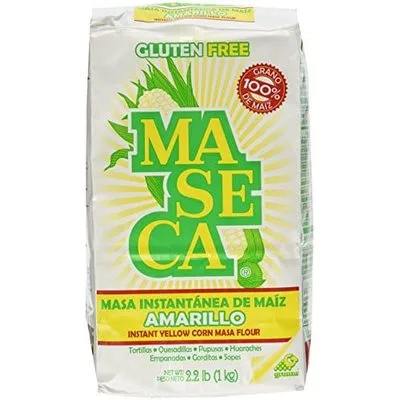
Maseca brand yellow corn masa harina, pre-ground and treated for immediate use in dough for tortillas, tamales, and other corn dough applications.
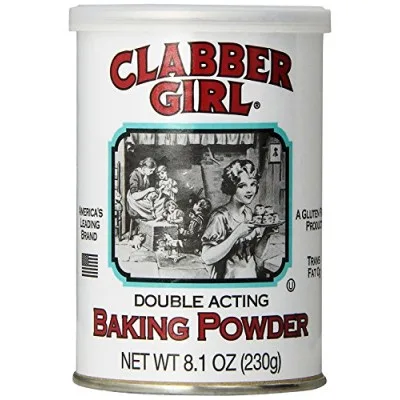
Clabber Girl Double Acting Baking Powder, 8.1 oz
Double-acting polvo para hornear — the lift behind rosquillas and quick breads.