Ceviche salvadoreño is a cold seafood dish from El Salvador’s Pacific coast, made with shrimp or mixed seafood cured in fresh lime juice, then dressed with diced tomato, red onion, cilantro, ketchup, and salsa inglesa — Worcestershire sauce. Served cold with saltine crackers, it tastes briny, bright, and tangy.
What makes ceviche salvadoreño different from Mexican and Peruvian ceviche
The first time I ate ceviche at a mariscos stand on the malecón in Puerto La Libertad, I understood immediately that this was not what I had eaten anywhere else in the corridor. It came in a cup, cold and bright red, with saltine crackers (galletas de soda) tucked alongside. The shrimp were tender and dressed in ketchup and salsa inglesa. Salsa inglesa is Worcestershire sauce; Salvadorans also call it Salsa Perrins after the Lea & Perrins brand. That tomato-coctel base is the signature of Salvadoran ceviche. You will not find it in Mexican ceviche, and you will not find it in Peruvian.

That tomato-coctel base is the signature of Salvadoran ceviche. You will not find it in Mexican ceviche, and you will not find it in Peruvian.
Mexican ceviche uses lime, chili, avocado, and cilantro. The flavor is clean, herb-forward, and fresh. Peruvian ceviche is a different preparation entirely: leche de tigre (a cure of aji amarillo, ginger, and lime), with canchita and sweet potato alongside. Both are excellent. Neither tastes like what they serve on the malecón in La Libertad.
El Salvador’s Pacific coast has a single artisan fishing pier, the nineteenth-century pier at Puerto La Libertad, the only one of its kind along the country’s 191-mile Pacific coast. The malecón off that pier is lined with small seafood restaurants. That is where ceviche salvadoreño lives as a daily, casual food, not a restaurant event. According to Wikipedia’s entry on ceviche, Salvadoran preparations include clams, oysters, shrimp, snails, octopus, squid, and the famous conchas negras, all dressed in tomato-onion sauce with Worcestershire. The Pipil people (Nahua) originally inhabited this coastal region; today, 86% of Salvadorans are mestizo, and ceviche salvadoreño reflects that history: a Pacific coast tradition carried through indigenous and colonial layers into the cup you hold at the malecón today.
The distinction from Belizean conch ceviche is worth naming directly. Our ceviche in Belize uses lime, tomato, onion, and sometimes cilantro, clean and citrus-bright, with no ketchup, no Worcestershire, no tomato sauce base. Same technique, different result. They belong to the same family and taste nothing alike.
Ingredients
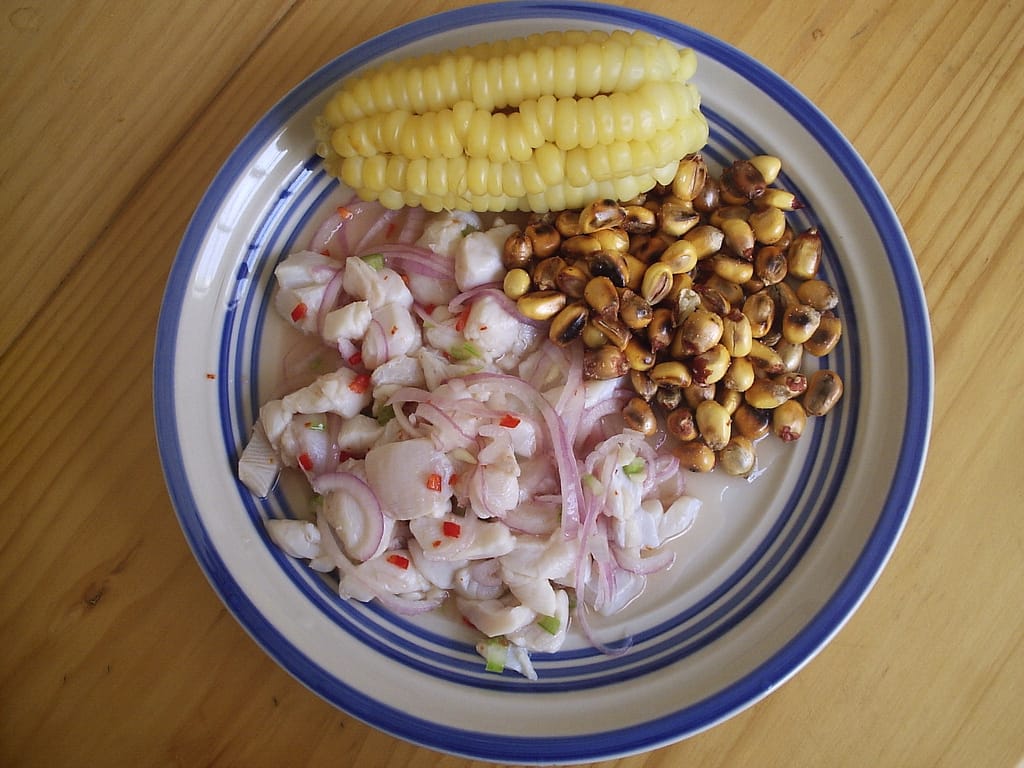
Ceviche de Camarón (Shrimp Ceviche), serves 4
- 500g (1 lb) medium shrimp, peeled and deveined, tails removed
- ¼ cup fresh lime juice (about 2 limes)
- 2 medium tomatoes, finely diced
- ½ red onion, very finely diced (soaked in salted water 10 minutes, then rinsed and drained)
- ¼ cup fresh cilantro, chopped
- 2 tablespoons ketchup
- 1 tablespoon salsa inglesa (Worcestershire sauce)
- Salt and freshly ground black pepper to taste
- Optional: 1 serrano or jalapeño, seeded and minced, for heat
To serve
- Saltine crackers (galletas de soda) or tostadas
- Lime wedges
Instructions
- Bring a pot of lightly salted water to a boil. Add the shrimp and cook for 2 to 3 minutes, until just pink and opaque throughout. Do not overcook; they will finish in the dressing. Drain immediately and transfer to a bowl of ice water to stop the cooking. Once cool, drain and pat dry.
- While the shrimp cool, prepare the vegetables. Soak the diced red onion in a small bowl of lightly salted water for 10 minutes, then rinse and drain. This removes the sharpness without losing the bite.
- Place the cooled shrimp in a serving bowl. Add the lime juice, diced tomato, onion, and cilantro. Stir gently. The lime here brightens and flavors; the shrimp are already cooked.
- Add the ketchup and salsa inglesa. Stir to combine. Taste and adjust salt and pepper. If you want heat, add the minced serrano now.
- Cover and refrigerate for at least 15 minutes to let the flavors come together. Keep refrigerated until serving; do not leave at room temperature for more than 30 minutes. Serve cold with galletas de soda and lime wedges on the side.
Ceviche de Concha Negra — El Salvador’s Coastal Classic
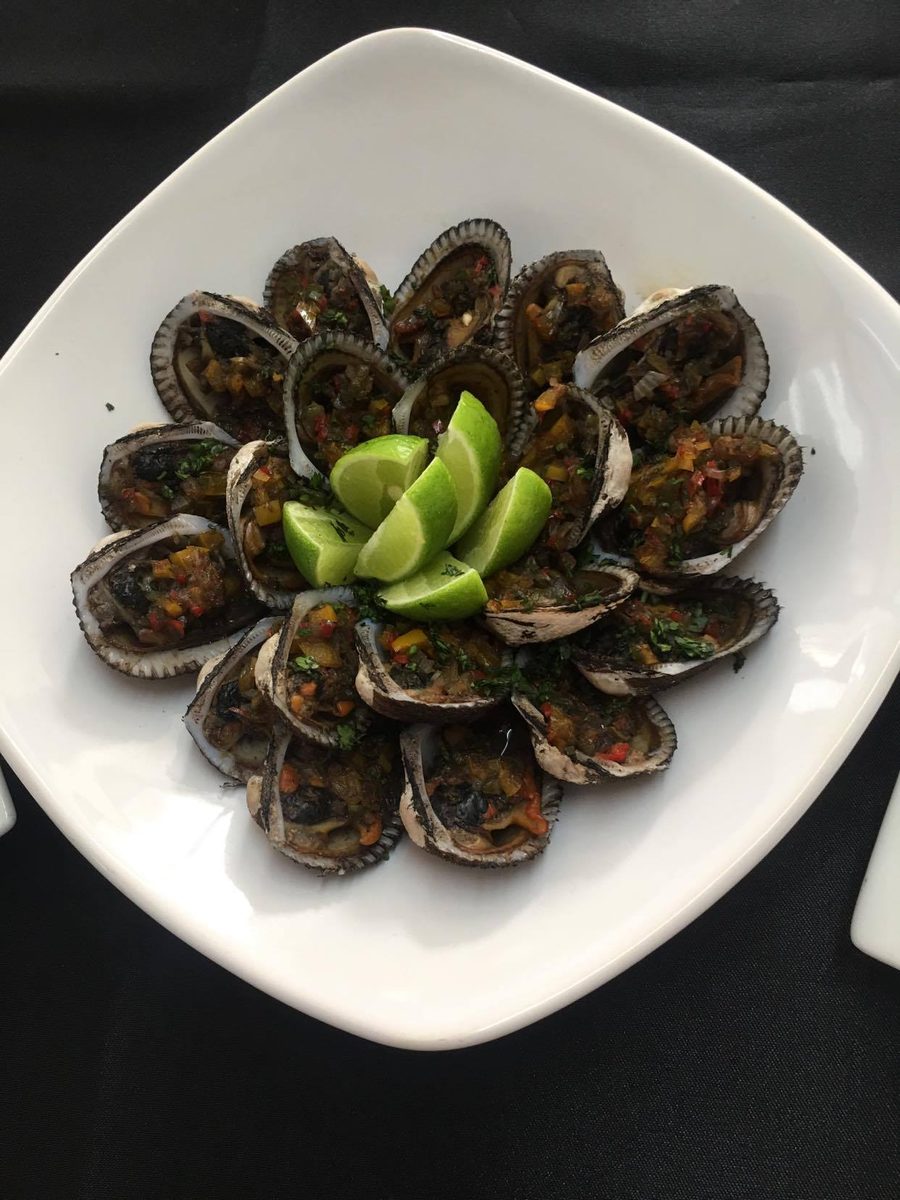
The conchas negras are unlike anything I had encountered before my first time at a Pacific coast mariscos stand. They are Anadara tuberculosa, the mangrove cockle, called blood clam in English. When you pry one open, the liquor inside is nearly black, iron-rich, and intensely briny. That dark liquid is not a defect. It is the ingredient. The color of ceviche de concha negra comes entirely from that liquor, not from anything added to the bowl.
When you pry one open, the liquor inside is nearly black, iron-rich, and intensely briny. That dark liquid is not a defect. It is the ingredient.
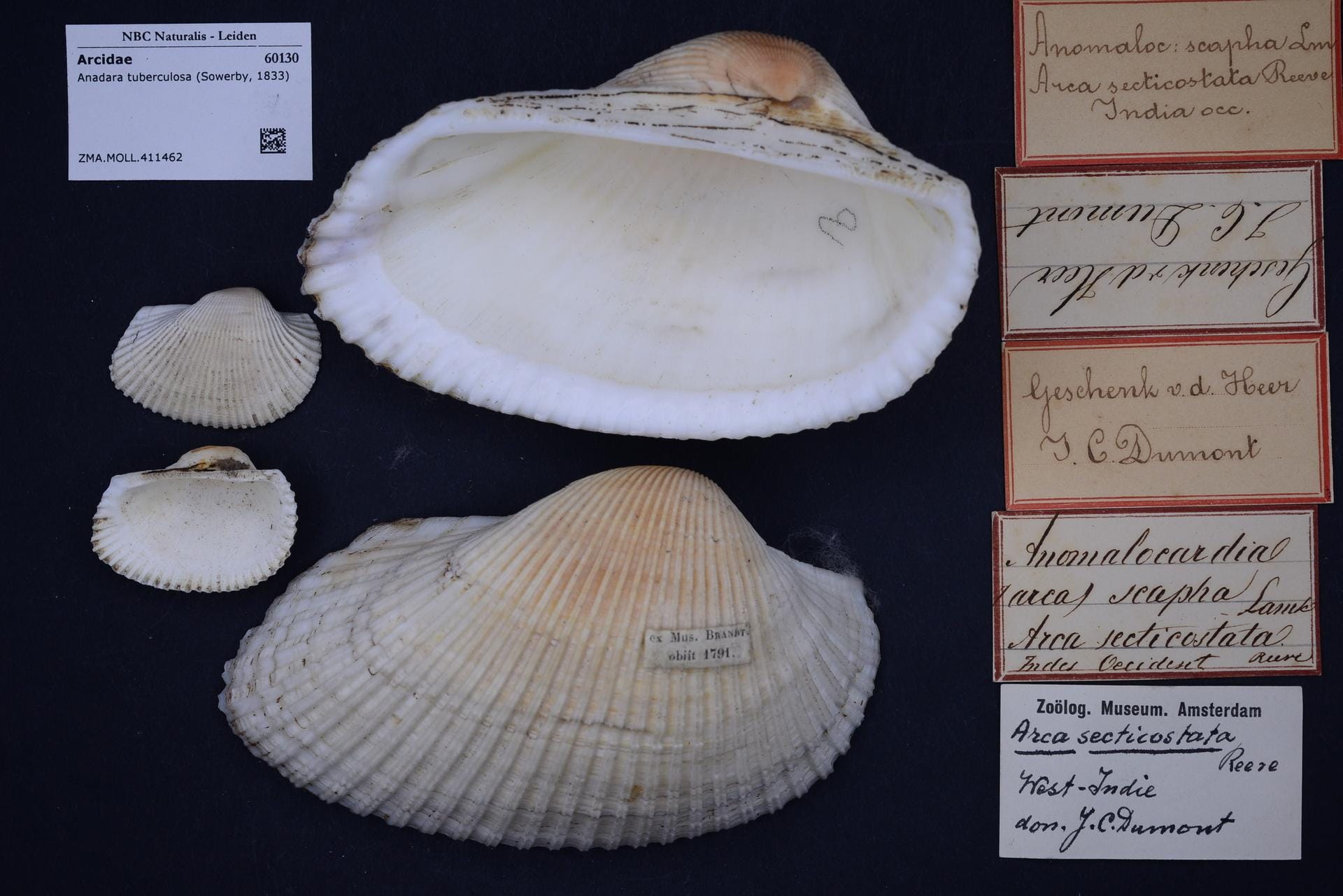
This preparation also uses yerba buena alongside cilantro. Yerba buena belongs to the peppermint and spearmint family, and it grows along the Pacific coast of Central America. You will not find it in Mexican or Peruvian ceviche. In El Salvador it goes specifically with concha negra, and the combination is correct in a way that is hard to explain until you taste it.
At a malecón mariscos stand, conchas negras are typically served in the half-shell — lime juice and salsa inglesa poured over the raw, live clam, eaten directly from the shell. That is the traditional cóctel. The recipe below adapts this for a home kitchen. Both are correct; only the presentation differs. This preparation is shared with Nicaragua’s Pacific coast, where conchas negras are also a coastal staple — the dish belongs to the Central American Pacific corridor, not to El Salvador alone.
Ceviche de Concha Negra, serves 4
- 500g (1 lb) conchas negras (blood clams), scrubbed well under cold running water
- Juice of 4-5 limes, plus all the dark liquor collected when opening the clams
- 2 medium tomatoes, finely diced
- ½ red onion, very finely diced
- ¼ cup fresh cilantro, chopped
- 2 sprigs yerba buena (fresh spearmint), leaves only, finely minced
- 1 tablespoon salsa inglesa
- Salt, freshly ground black pepper, and optional picante (hot sauce) to taste
Outside El Salvador, look for blood clams or blood cockles at Latin American fishmongers or Asian seafood markets. Manila clams or cockles can substitute in the recipe, though the dark liquor and iron-rich flavor are unique to the concha negra.
Instructions for ceviche de concha negra
- Open each clam with a small paring knife: slide the blade into the hinge seam and twist to pop the shell. Work over a bowl so you catch every drop of dark liquor. Scrape the meat out, chop it into bite-sized pieces, and return both the meat and liquor to the bowl.
- Add the lime juice. Stir and let sit for 10-15 minutes. The meat will firm slightly; the liquor will stay dark.
- Add the diced tomato, onion, cilantro, and yerba buena. Stir to combine.
- Add the salsa inglesa. Season with salt, pepper, and picante if using.
- Serve immediately or refrigerate for up to 30 minutes. Eat cold, with galletas de soda.
A note on food safety: Lime denaturation is not the same as cooking with heat. The proteins change and the texture becomes opaque, but bacteria and parasites that were present before the lime are still present after it. This applies to both the shrimp and the clam preparations. Use the freshest seafood available, from a fishmonger you trust, and keep it cold at every stage.
How to serve and store ceviche salvadoreño
Serve ceviche salvadoreño cold. Set the bowl over ice if you are serving it at a table where people will linger. The cold keeps both the texture and the safety window where you want them.
Serving: Galletas de soda are the traditional accompaniment for ceviche de camarón. Tostadas work too, as do charra tostadas. Set them out separately so they stay crisp while the ceviche sits. Lime wedges on the side are not decorative; a squeeze of fresh lime at the table brightens everything. Alongside pupusas, ceviche makes a full Salvadoran spread, the hot and the cold, the thick and the bright. For a hot Salvadoran seafood preparation, mariscada — El Salvador’s Pacific cream soup — is the dish you want instead.
Lime: Use fresh limes. Bottled lime juice will not produce the same flavor. This is not an occasion to substitute.
Make-ahead: You can cook the shrimp and prep the vegetables a few hours before serving. Add the tomato, onion, cilantro, ketchup, and salsa inglesa just before serving. This keeps the textures clean and the vegetables from going soft.
Storage: Ceviche is best eaten the day you make it. It keeps for a second day if refrigerated, but the texture starts to go. After day two, do not eat it.
The coctel variation: Some cooks add clamato (clam-tomato juice) to the dressing for the coctel de mariscos style, which gives a richer, deeper tomato base. This is a separate preparation from the straight ceviche, but they share the same bones. For the full range of what El Salvador does with seafood, the El Salvador food guide covers the coastal tradition alongside the land dishes. For comparison with what we do in Belize, the Belizean shrimp ceviche shows clearly how the two styles diverge.
Frequently Asked Questions
What is ceviche salvadoreño made of?
Ceviche salvadoreño is made with pre-cooked shrimp or mixed seafood dressed in fresh lime juice, diced tomato, red onion, cilantro, ketchup, and salsa inglesa (Worcestershire sauce). The ketchup and salsa inglesa are what set the Salvadoran style apart from other Latin American ceviches. It is served cold with saltine crackers or tostadas.
Does Salvadoran ceviche de camarón use raw or cooked shrimp?
Salvadoran ceviche de camarón uses pre-cooked shrimp. The shrimp are boiled briefly until pink and opaque, then cooled and dressed in lime juice, ketchup, salsa inglesa, tomato, onion, and cilantro. This is the coctel style: the lime brightens and flavors the dressing, but it does not cure the shrimp. This is different from Peruvian-style ceviche, where raw fish is cured in the lime. The concha negra version does use the live raw clam, with lime and salsa inglesa poured over it in the shell at a malecón stand — that is the one exception in the Salvadoran repertoire.
What is ceviche de concha negra?
Ceviche de concha negra is a Salvadoran ceviche made with conchas negras, Anadara tuberculosa, the blood clam or mangrove cockle found along El Salvador’s Pacific coast. The clam has dark liquor inside that turns the whole preparation nearly black. The flavor is intensely briny and iron-rich. The preparation includes lime juice, tomato, onion, cilantro, yerba buena, and salsa inglesa, and is considered the coastal classic among Salvadoran ceviches.
Is Salvadoran ceviche safe to eat?
Ceviche is safe when made with fresh, properly handled seafood kept cold at all stages. Lime juice changes the texture and appearance of seafood through denaturation but does not sterilize it. Bacteria and parasites that are present before the lime cure remain afterward. The most important safety rule is starting with the freshest seafood possible, from a trusted source, and serving the ceviche cold.
How is Salvadoran ceviche different from Mexican ceviche?
Mexican ceviche uses lime juice, chili peppers, avocado, and cilantro with no tomato sauce base. Salvadoran ceviche uses ketchup and salsa inglesa (Worcestershire sauce) alongside lime, tomato, onion, and cilantro, giving it a richer, darker, more savory dressing. The Salvadoran version also typically comes with saltine crackers rather than tostadas or chips. Both are lime-dressed, but they taste very different.
What do you serve with ceviche salvadoreño?
Galletas de soda (saltine crackers) are the classic accompaniment, or tostadas if you prefer something sturdier. Lime wedges on the side. Ceviche salvadoreño is usually served as an appetizer or snack, eaten cold with something to scoop it up. A cold drink alongside helps with the bright acidity.
More Salvadoran Recipes
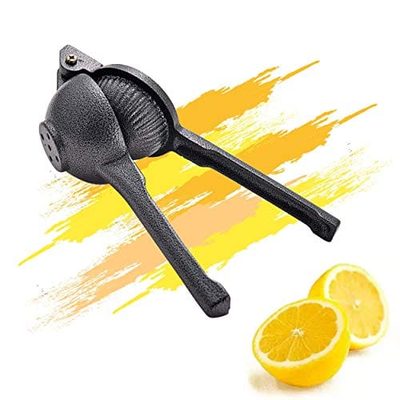
ARC Cast Iron Lemon Lime Squeezer (Non-Coated)
Painted aluminum squeezers chip and flake into the juice. A solid cast iron press doesn't, and it is heavy enough for limes, lemons, and sour oranges. Fresh juice in panty rippers and pickled red onions is the move.
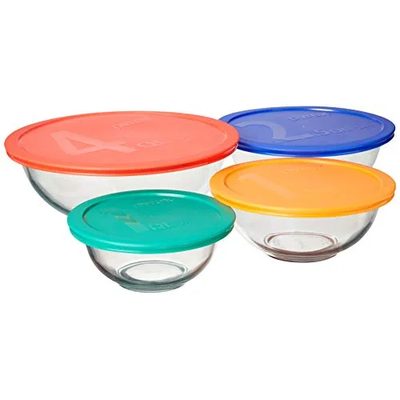
Pyrex Smart Essentials Glass Bowls with Plastic Lids, 8-Piece Set
Ceviche, marinades, dough resting: every Belizean recipe that needs an acid-safe bowl ends up in glass. An 8-piece nested set covers ceviche, salsa rest, and bread proof in one footprint.
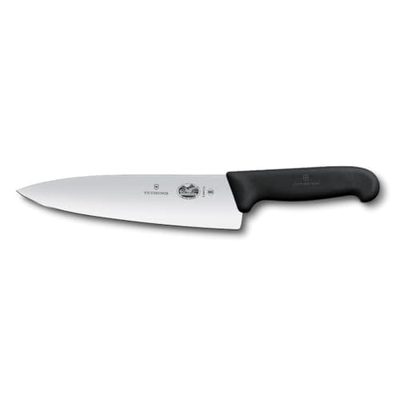
Victorinox Fibrox Pro Chef’s Knife 8-Inch
The 8-inch workhorse behind every chop-heavy Belizean recipe: onions for recado, habaneros for stewed chicken, cassava for hudut. A light stamped blade that holds an edge is what culinary schools put in students' hands.