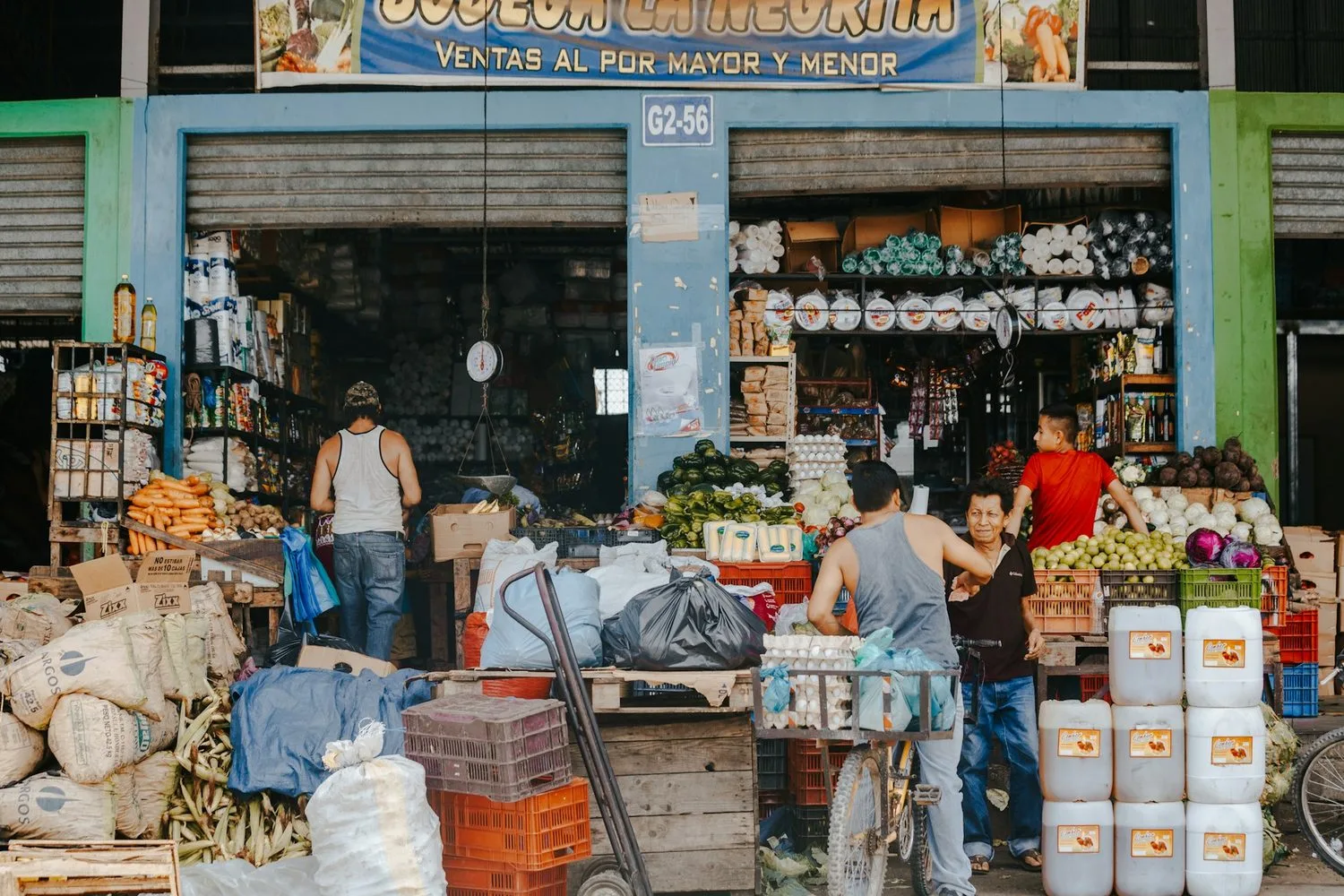
Short answer: Honduran food is three traditions on one plate. There is the Mestizo mainland of beans, tortillas, and grilled meat; the Spanish layer of stews and rice; and the Afro-Indigenous Garifuna coast of coconut, plantain, and seafood. Start with a baleada, the flour tortilla folded around beans and cream that is the national street food. Then eat your way to the coast, where sopa de caracol and machuca are the same Garifuna kitchen we cook in Belize.
Honduras shares a coast, a people, and a pantry with Belize, which is why so much of this food reads like home to us. Below are 23 Honduran dishes worth knowing, grouped the way you would actually meet them: on the street, at the table, on the Caribbean shore, and at the bakery. Every one links to a full recipe.
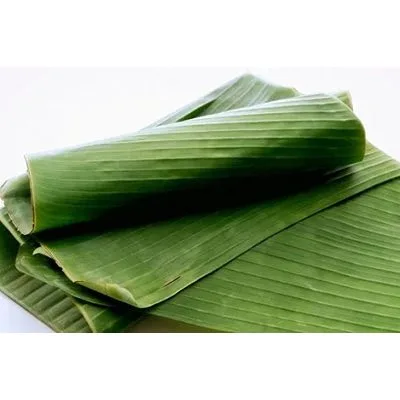
Frozen banana leaves for tamales, mukbil pollo, pibil, conkies, dukunu, and the Garifuna wrappers on hudut and bundiga — pass over a flame to make them pliable before wrapping; far easier than chasing fresh leaves outside the tropics.
Full-fat coconut milk with nothing added - the choice for recipes where fat carries flavor and texture matters, from soups to baking.
Baleadas: the Honduran national street food
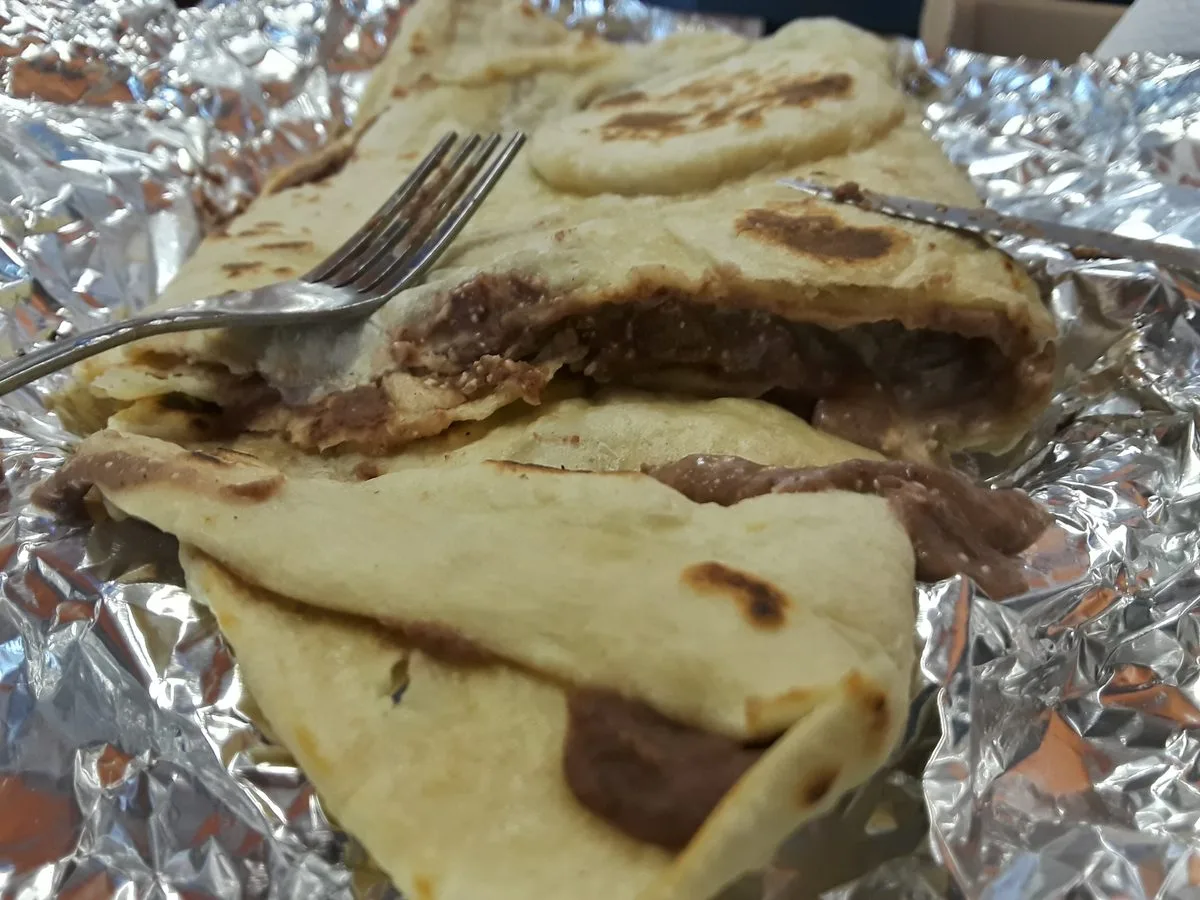
The one to find first. A thick flour tortilla folded over refried red beans, mantequilla rala (a thin, tangy cultured cream), and crumbled queso duro, the hard salty aged cheese. Order it especial and you get egg, avocado, or meat added.
Plato Típico Hondureño: the national plate
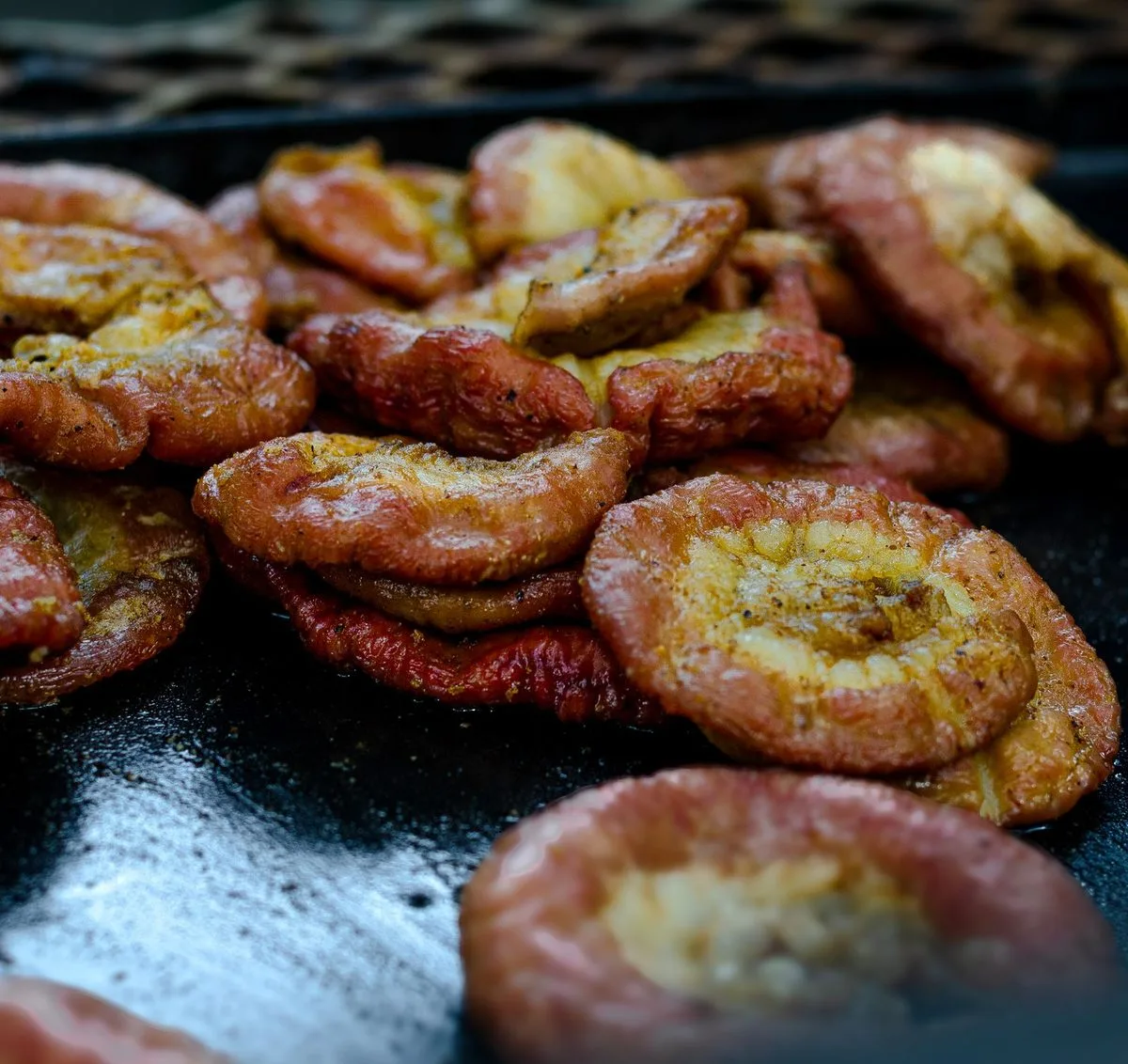
The composite plate that tells you what Honduras eats. The core four are non-negotiable: grilled beef, refried red beans, rice, and tajadas. Everything else, including chorizo, a fried egg, cream, cheese, and avocado, is regional variation. Chismol on the side. It is less a recipe than an assembly.
Pollo Chuco: Honduran fried chicken with tajadas
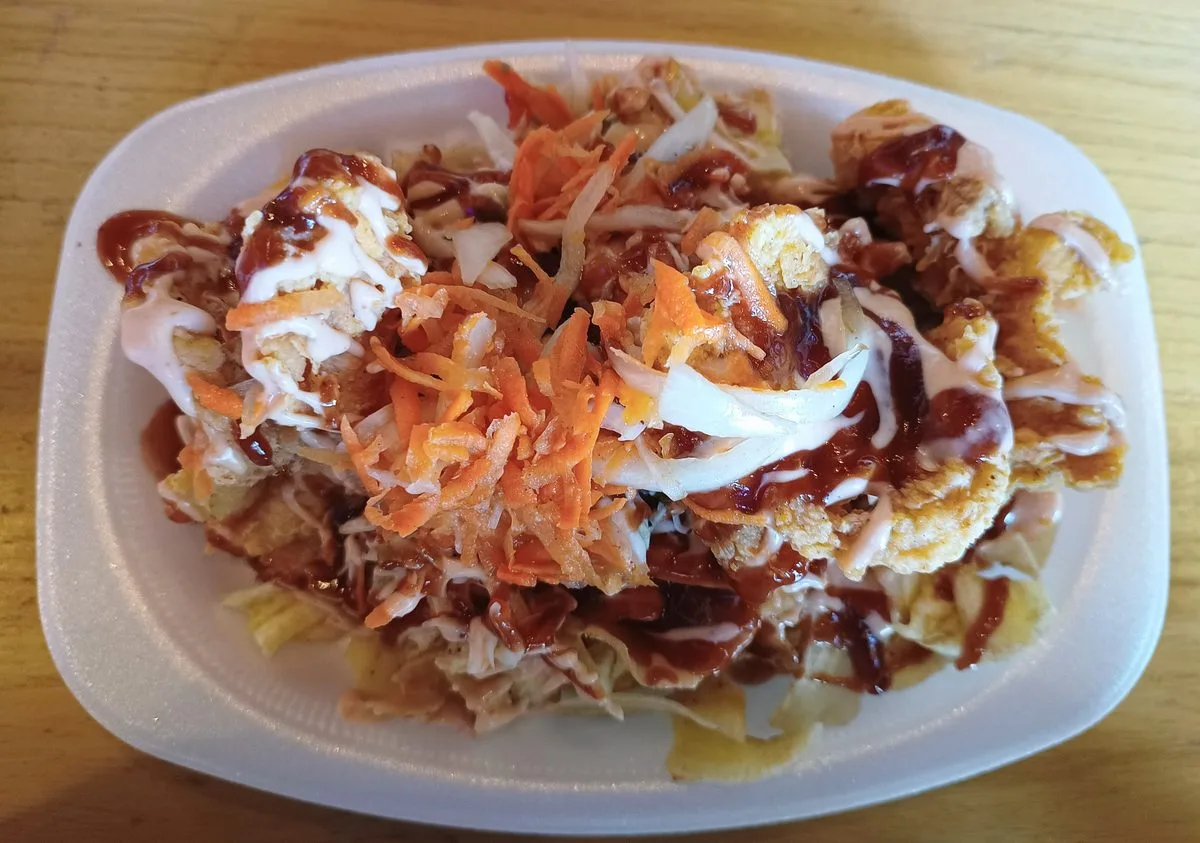
Fried chicken piled over tajadas, with cabbage slaw and pickled onion. In San Pedro Sula the traditional tajada is cut from guineo verde, unripe green banana, not plantain. Eaten with a fork, often with the tray balanced on a knee. Chuco means dirty.
Pastelitos de Carne: fried meat and potato hand pies
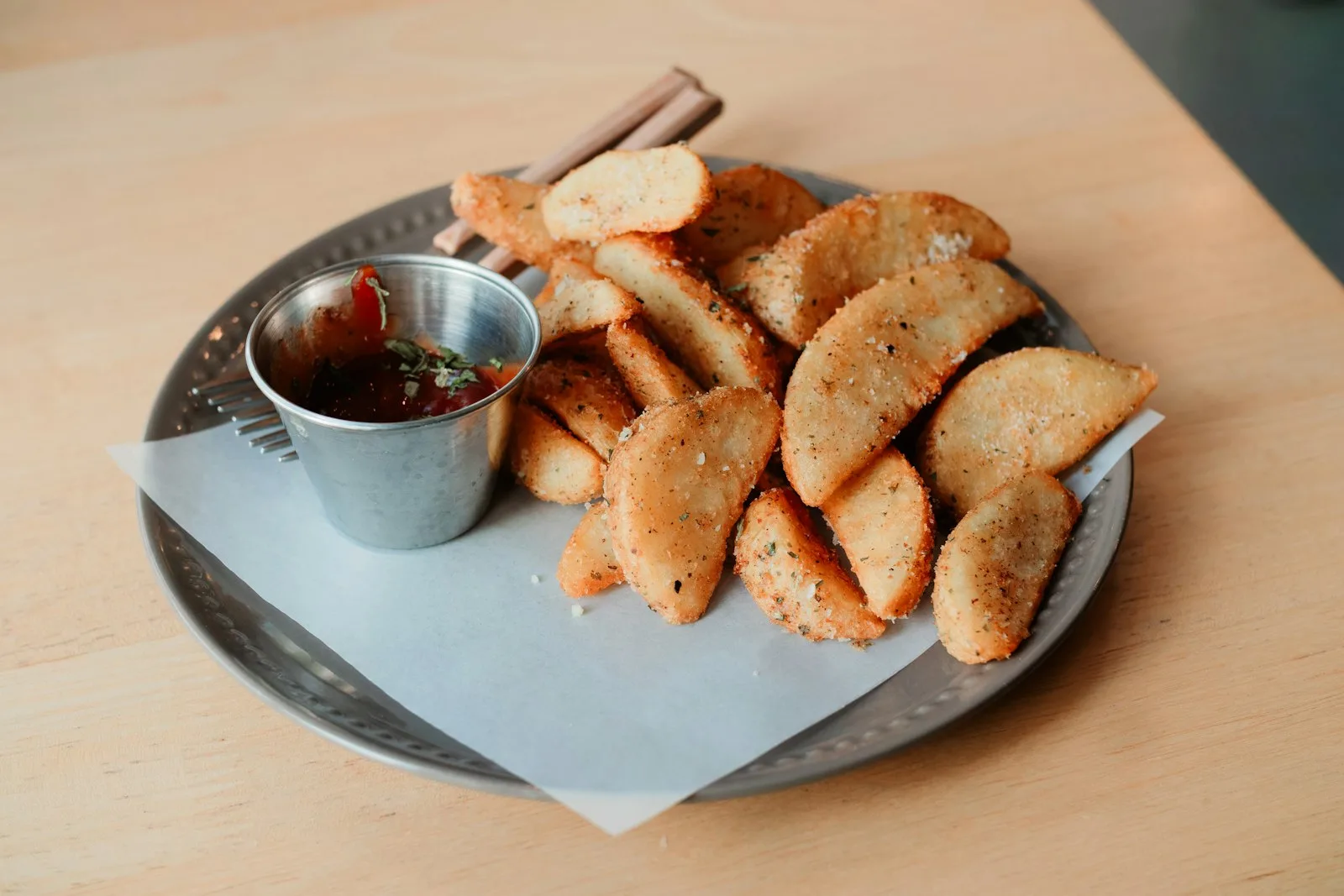
Corn masa turnovers stuffed with seasoned beef and potato, fried crisp and eaten walking. Served with chismol and a thin tomato sauce. Belizean panades are also corn masa, but they are smaller and filled with fish. A different snack with a different purpose.
Catrachas: bean and cheese tostadas
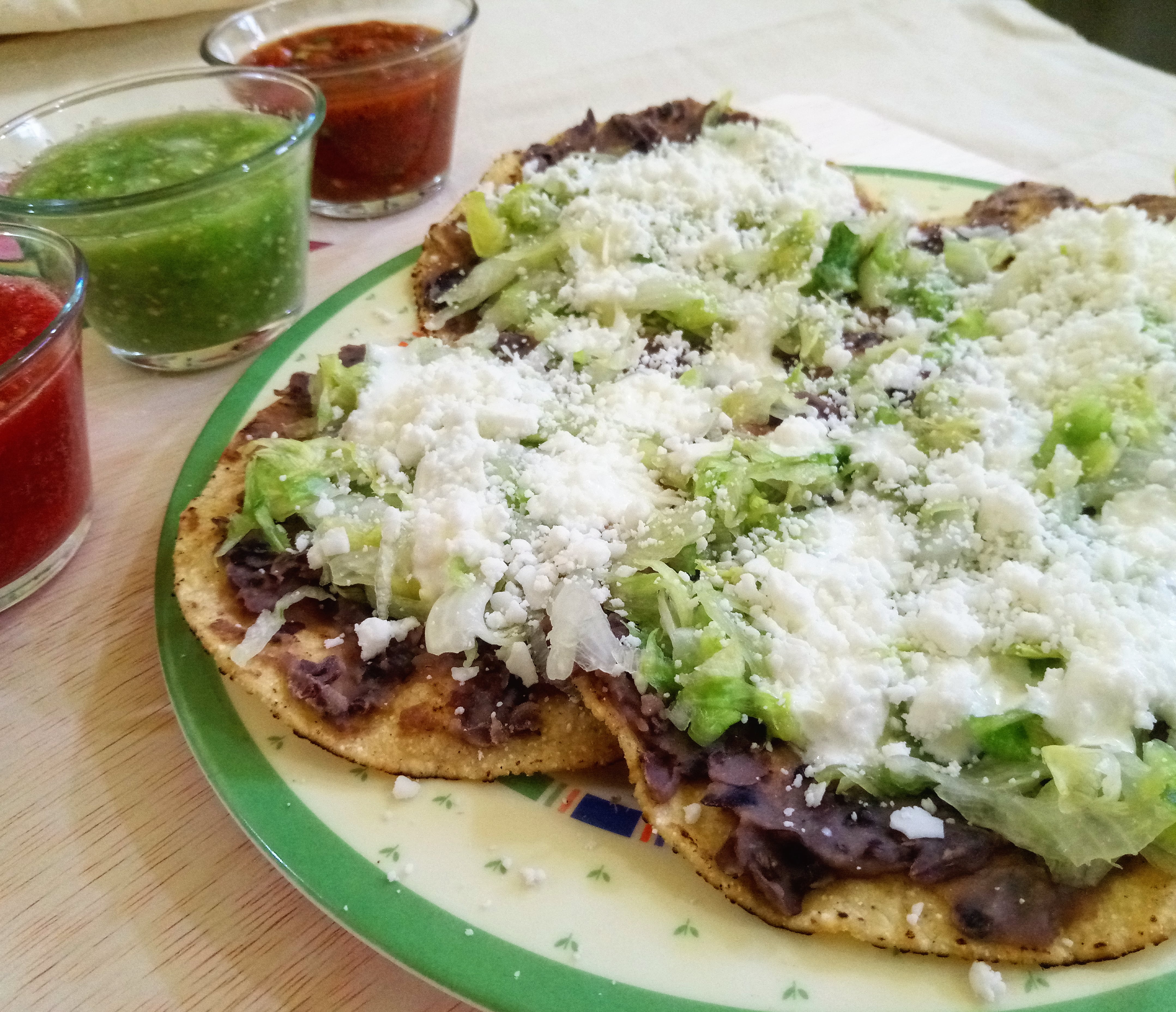
The simplest of the fried-tortilla snacks: a crisp corn tortilla, refried beans, grated queso seco. Nothing else. Catracho is also what Hondurans call themselves, so the dish is named after the people who eat it.
Enchiladas Hondureñas: the loaded fried tortilla
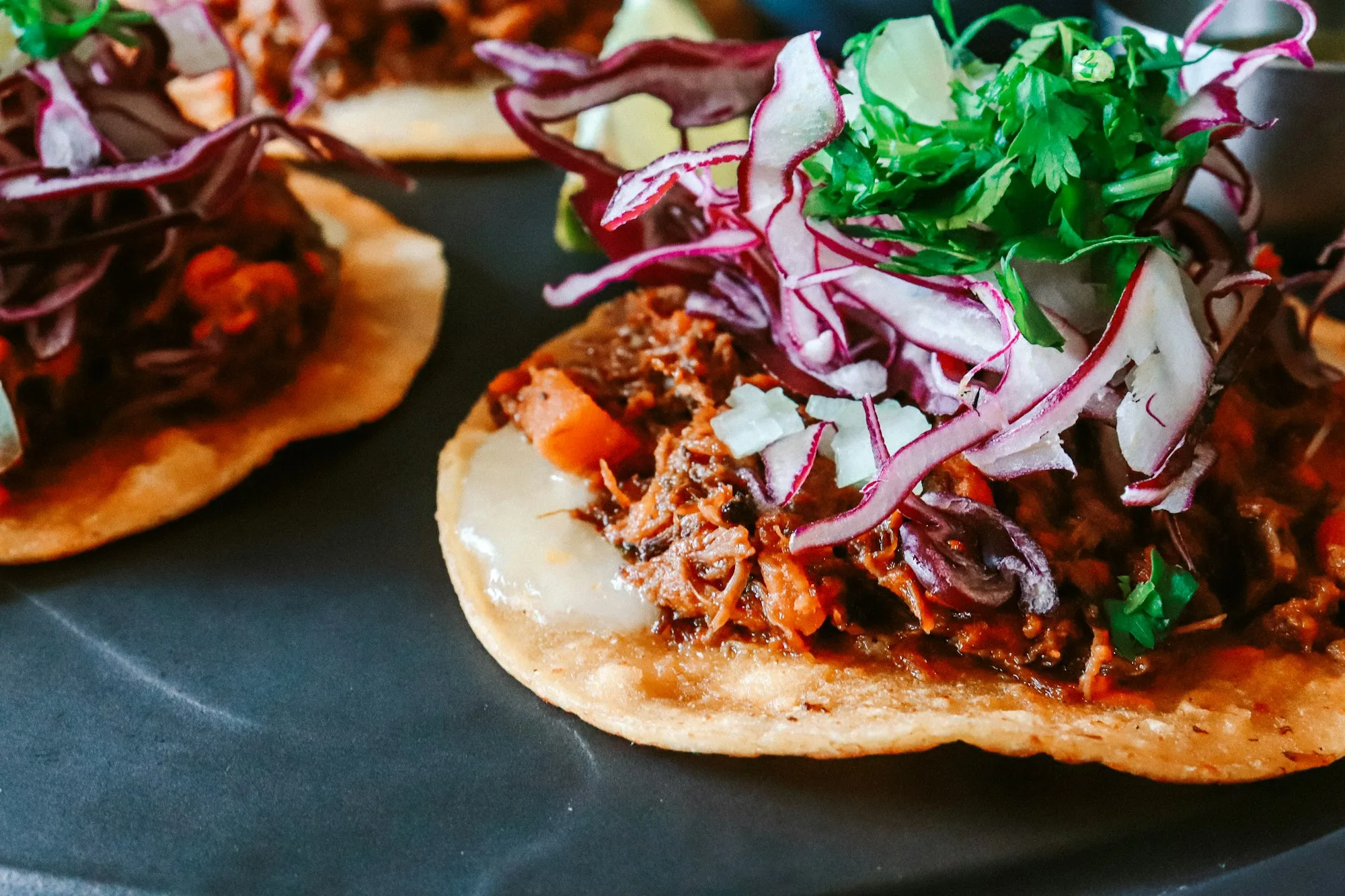
Nothing like a Mexican enchilada. Honduran enchiladas are the same fried tortilla as a catracha, loaded up: seasoned ground beef, shredded cabbage, a slice of hard-boiled egg, cheese, and sauce. Flat, crisp, and eaten with your hands.
Anafre: the hot bean and cheese dip
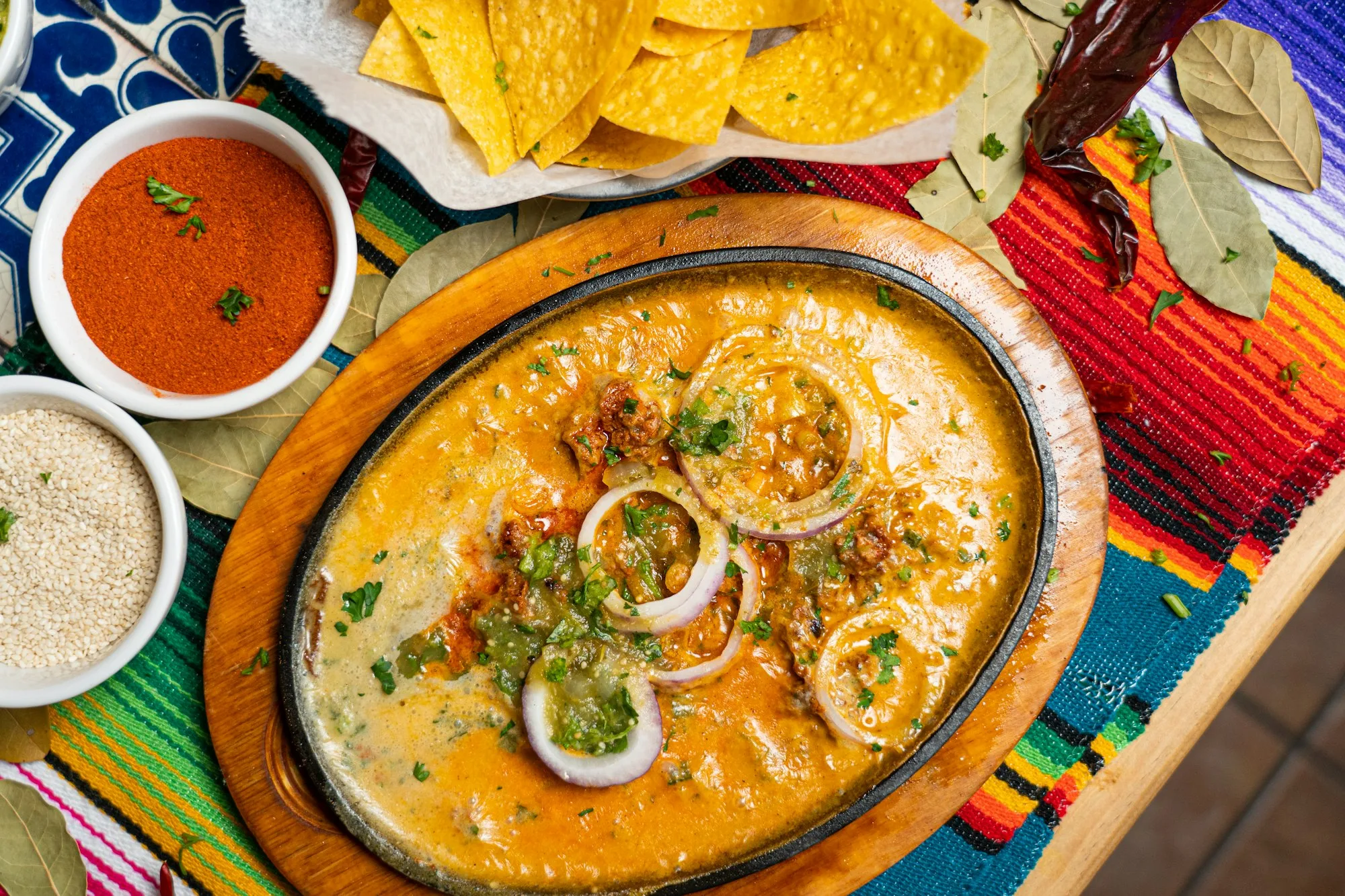
Refried red beans and melting cheese kept bubbling over a clay brazier, scooped up with fried tortilla chips. The anafre is the brazier itself; the dish took its name from the equipment. It sits in the middle of the table and everybody eats from it at once.
Quesillo Hondureño: the melting string cheese
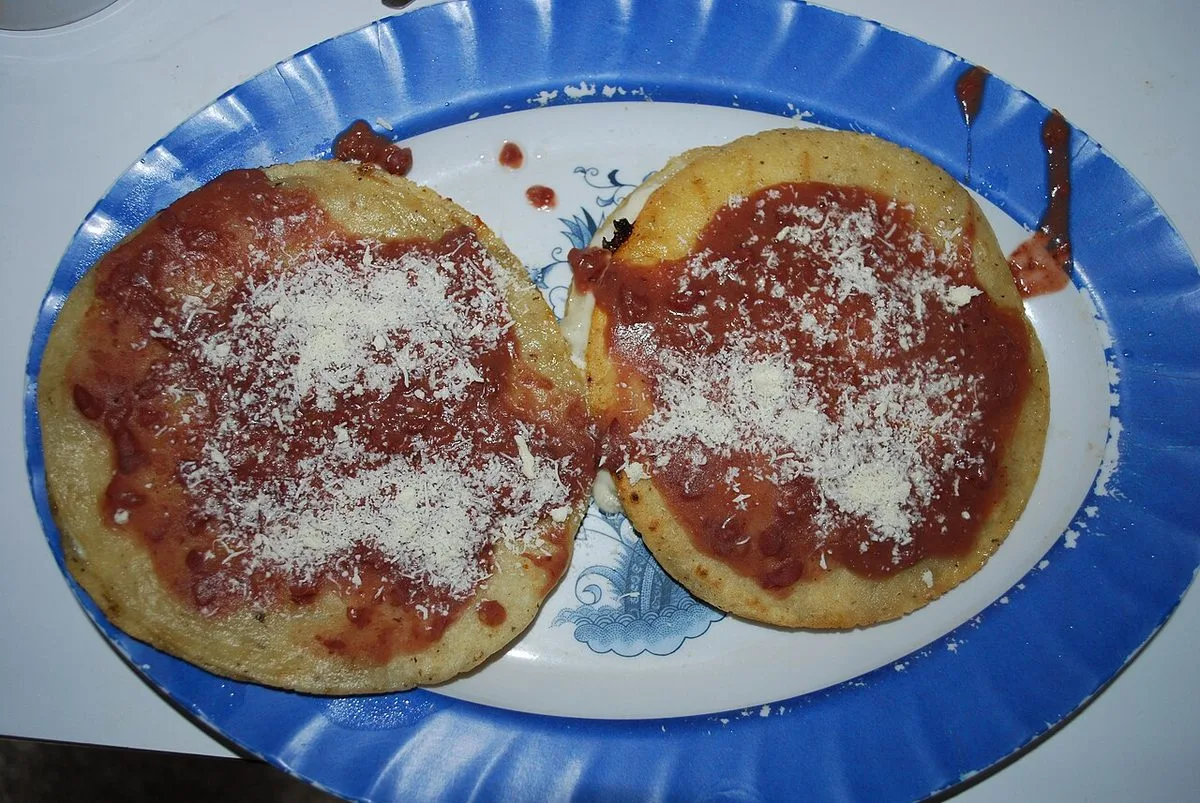
A soft, stretchy, mildly salty cheese. Honduras eats it as tortillas con quesillo, the cheese sandwiched between two corn tortillas with a simple tomato sauce on the side. Sold from doorways and market stalls. Note that Nicaragua uses the same word for a different food entirely.
Chismol: Honduran pico de gallo
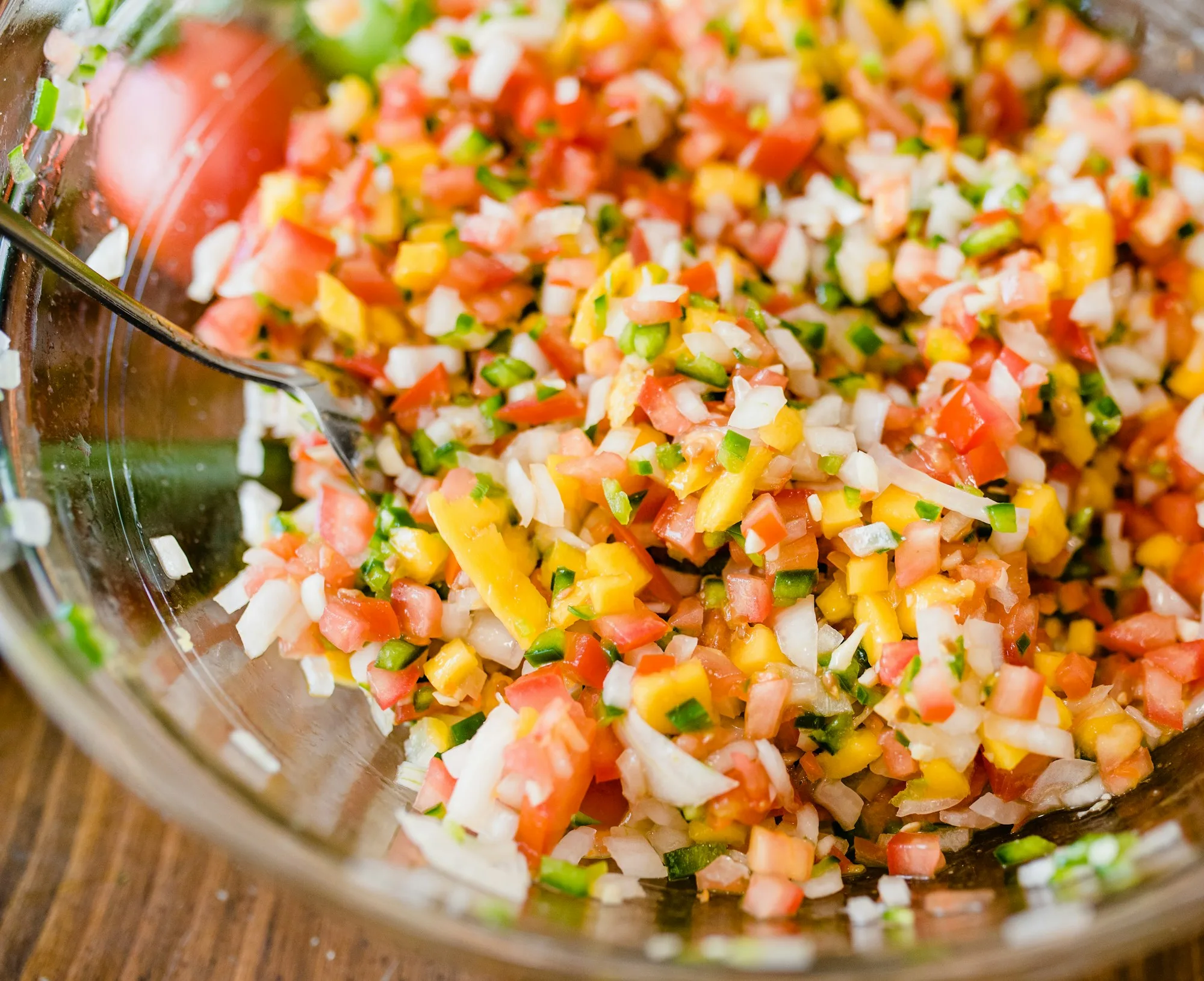
Chopped tomato, onion, green pepper, and cilantro with lime. It sits beside the grilled meat, the plato típico, the pastelitos, and most other things. Sometimes spelled chimol. Not a salsa so much as the condiment the whole cuisine leans on.
Carne Asada Hondureña: sour-orange grilled beef
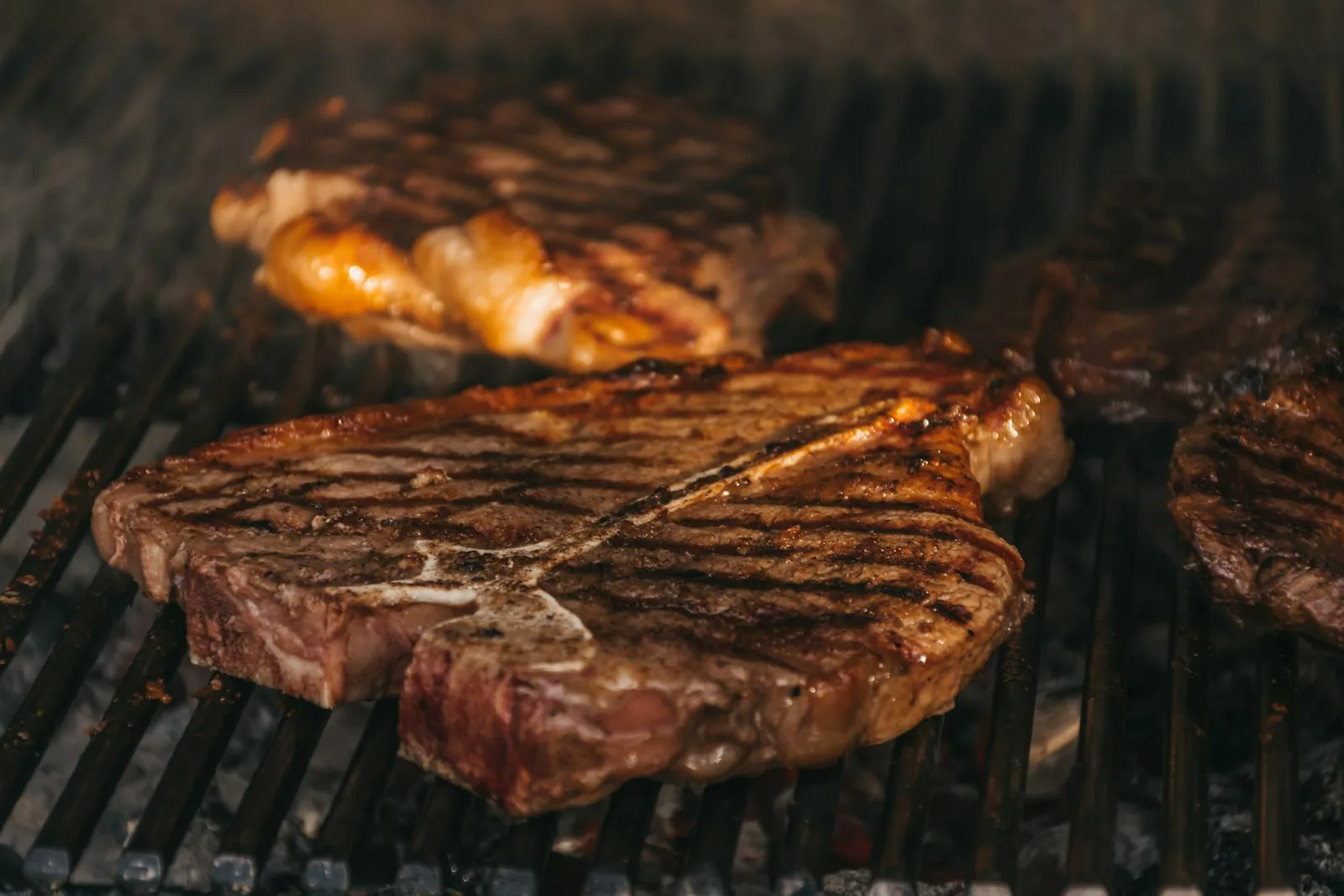
Thin beef marinated in naranja agria, sour orange, then grilled hard over wood. The sour orange is the tell, and it grows in backyards across the region. It is what separates this from a Mexican carne asada.
Nacatamales: the Sunday banana-leaf tamale
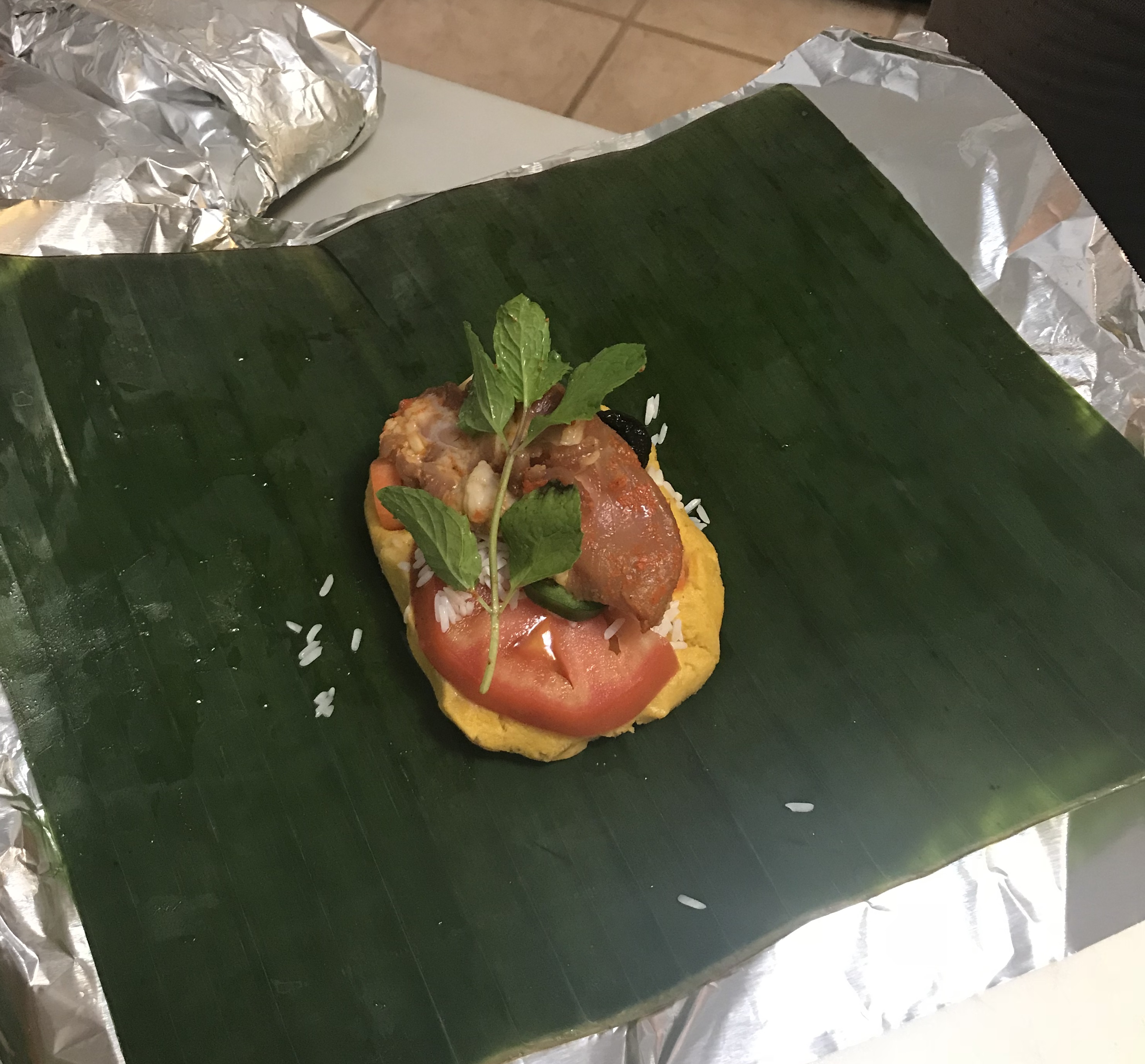
A large masa tamale wrapped in banana leaf and stuffed with pork, rice, and potato, steamed for hours. It is Sunday food, and it is made in quantity. The banana leaf is not packaging. It is an ingredient, and you can taste it.
Montucas: the fresh-corn tamale
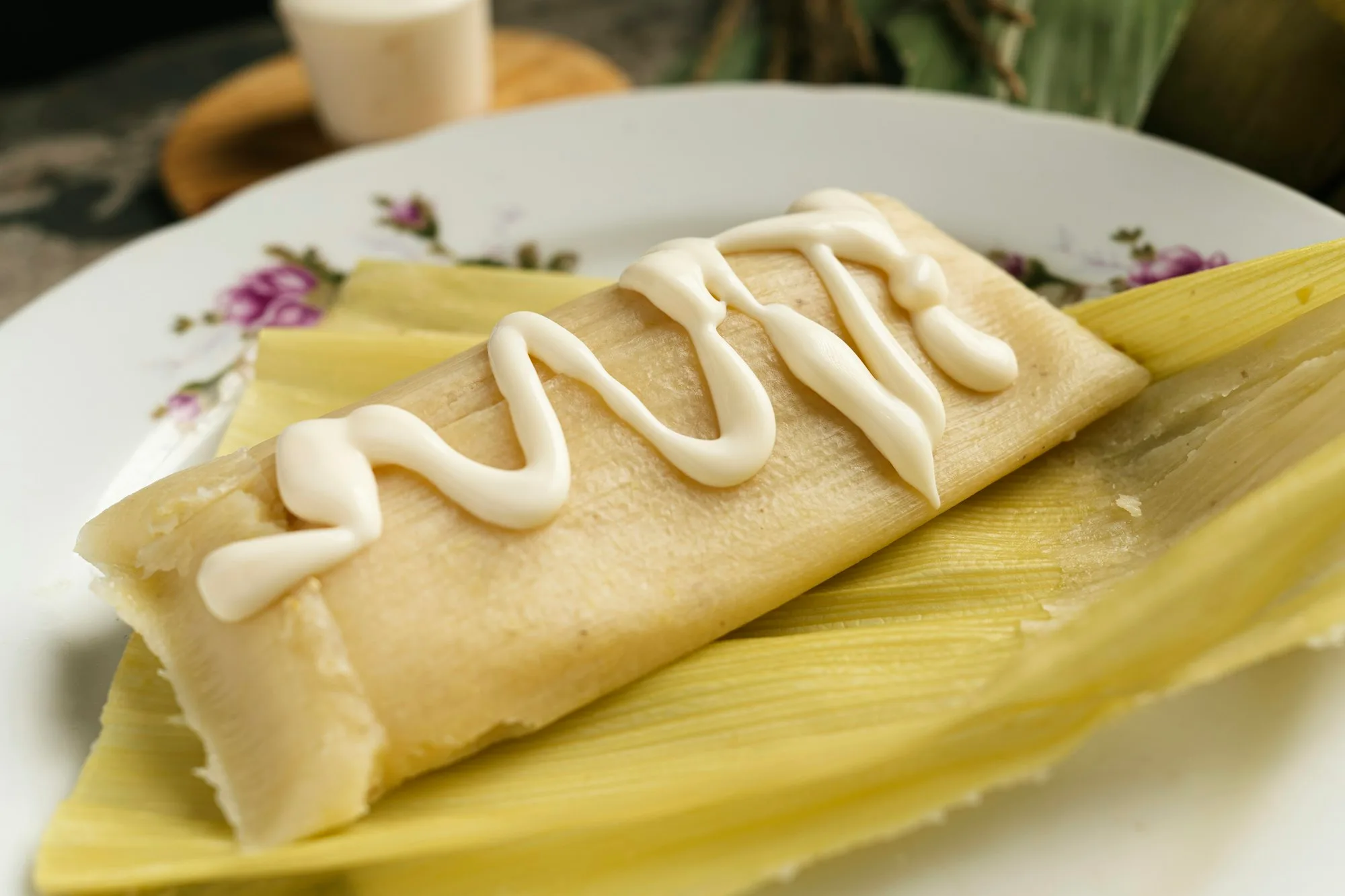
Southern Honduras makes its tamale from young sweet corn rather than dried masa, filled with seasoned pork or chicken and wrapped in the corn husk instead of banana leaf. Softer and a little sweeter than a nacatamal. They arrive when the corn is in.
Ticucos: the bean and chipilín tamal
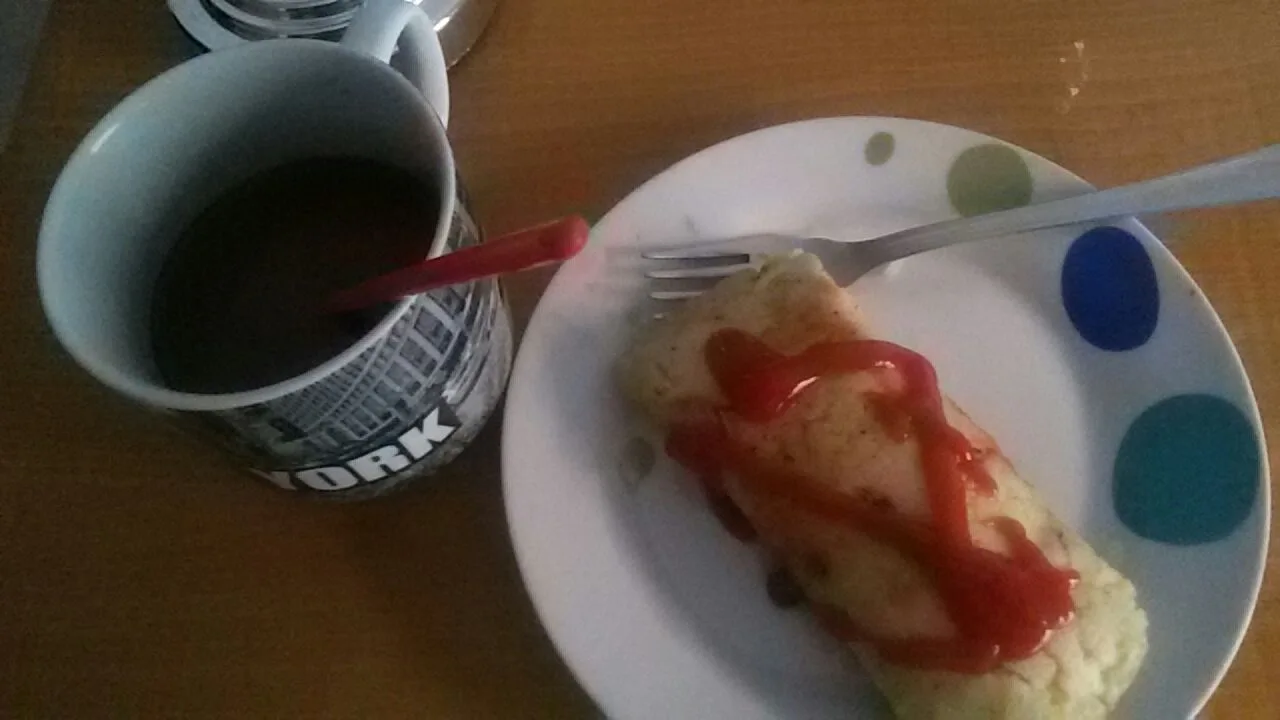
A meatless corn-husk tamal of masa and beans, folded around loroco or chipilín. The herb is what makes it. This is western Honduras, Lenca country, and the dish belongs to Lent.
Sopa de Mondongo: Honduran tripe soup
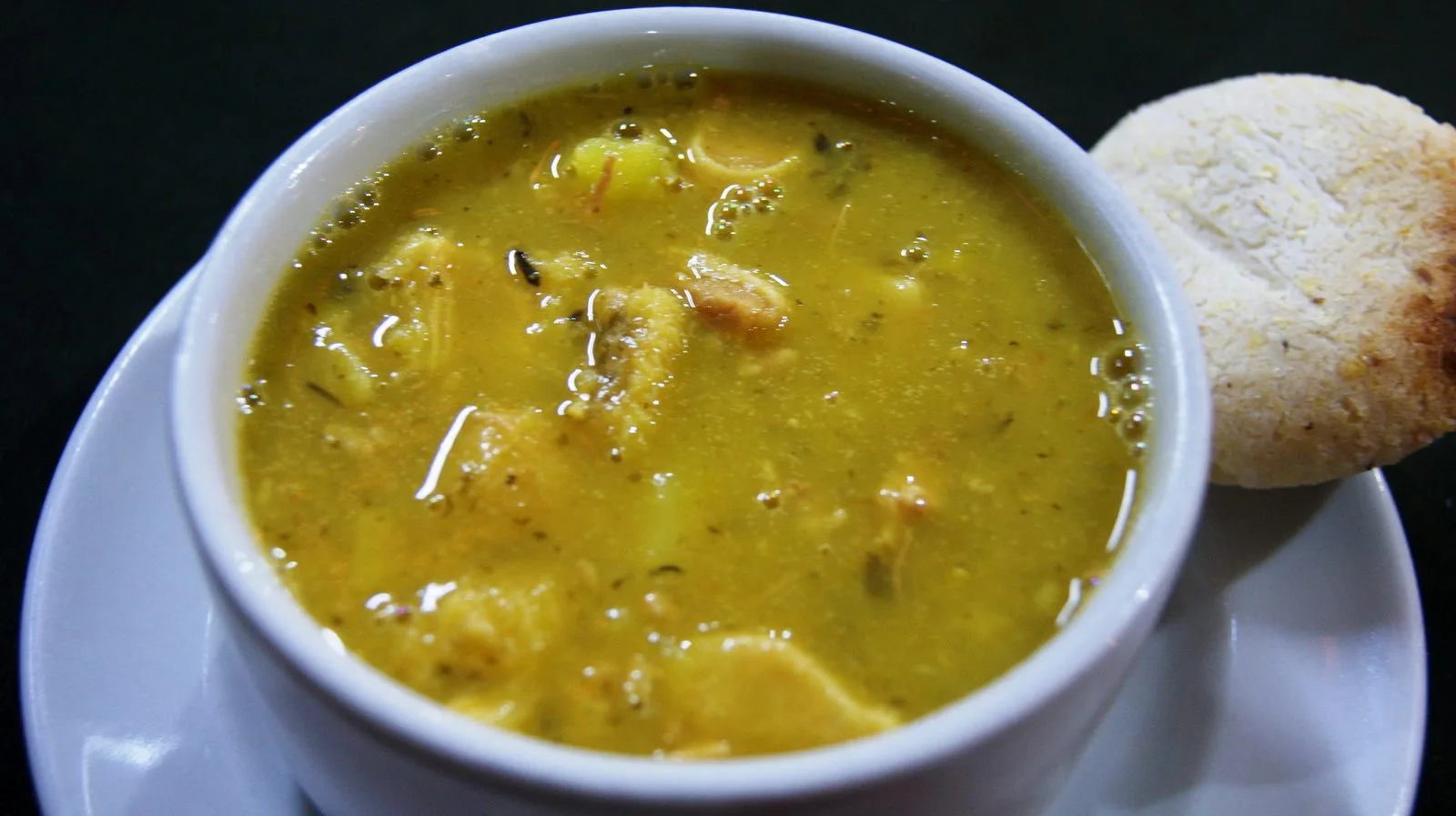
Tripe simmered long and slow until tender, with yuca, plantain, and corn. The Honduran version stays clear and brothy rather than thick. A weekend soup, and a well-earned reputation as a cure for the night before.
Sopa de Frijoles: Honduran red bean soup
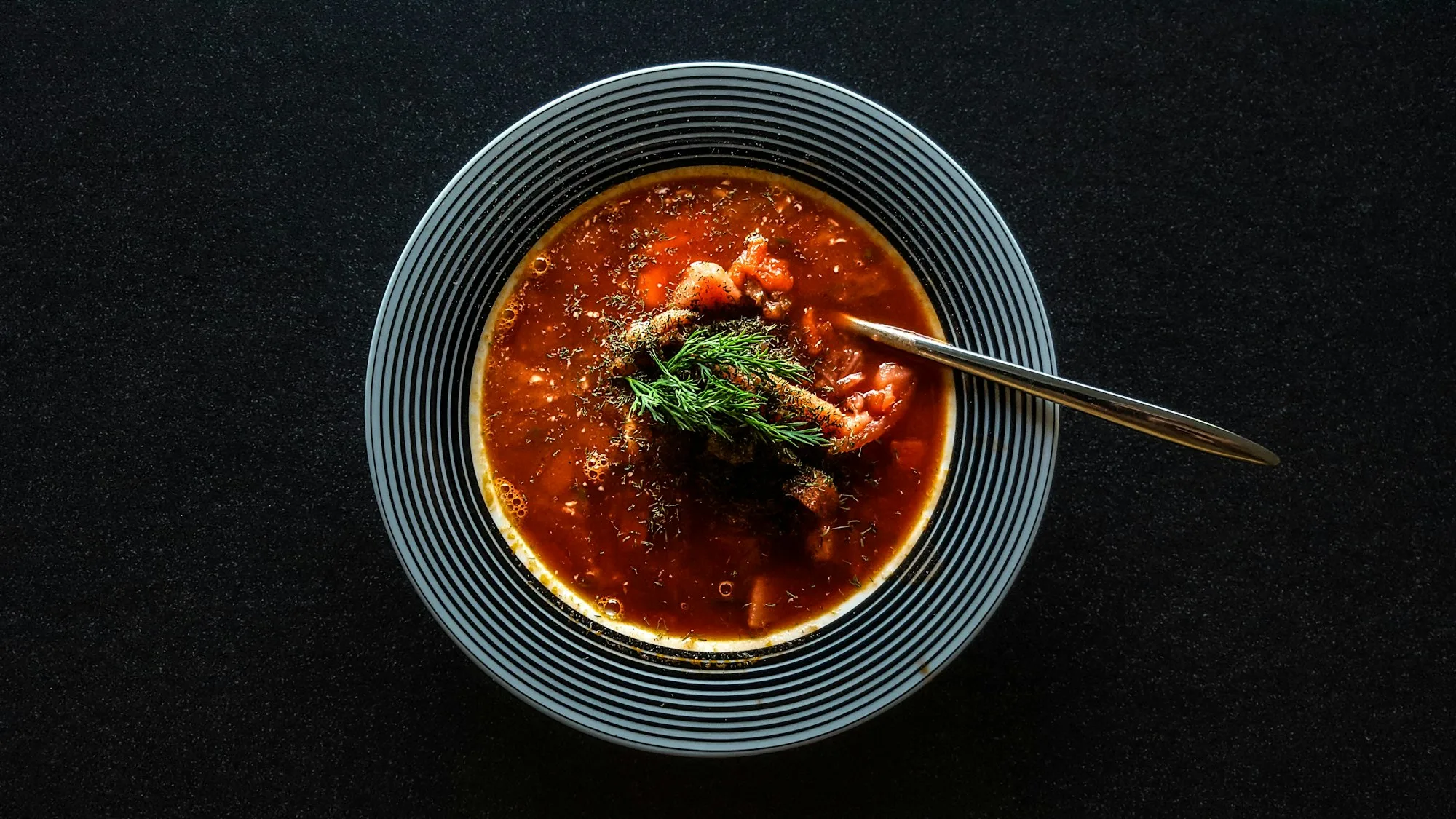
Red beans cooked down and then partly mashed, so the soup carries body without flour or cream. Served with rice, tortillas, and a spoon of cream. Plain, cheap, and one of the most-eaten dishes in the country.
Sopa de Caracol: Honduran conch soup
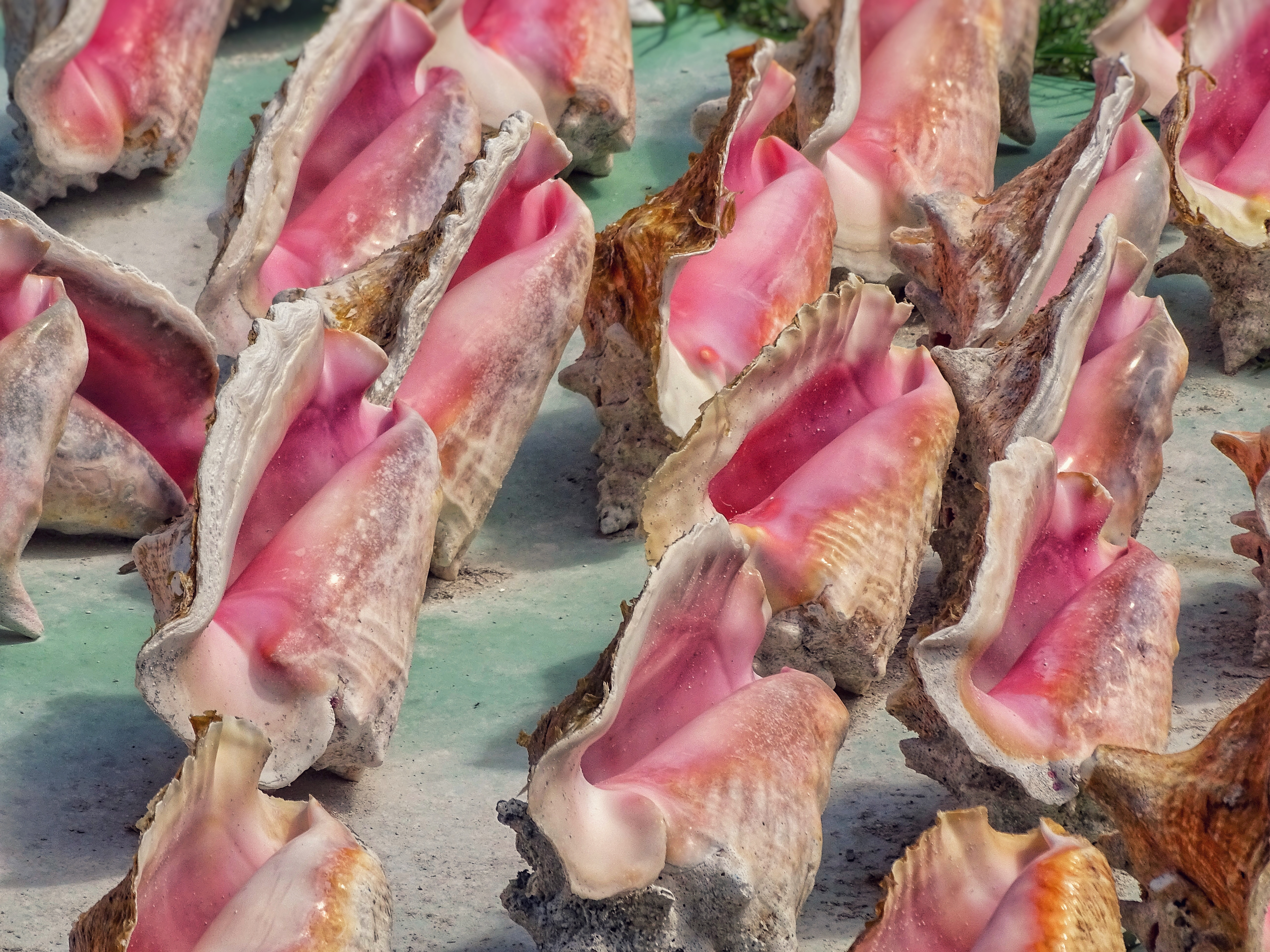
Conch simmered in coconut milk with yuca and plantain. The 1991 Banda Blanca hit that carried the dish around the world was based on an earlier song by the Belizean musician Chico Ramos. That Belizean authorship is a large part of why this soup traveled as far as it did.
Machuca: pounded plantain with coconut seafood soup
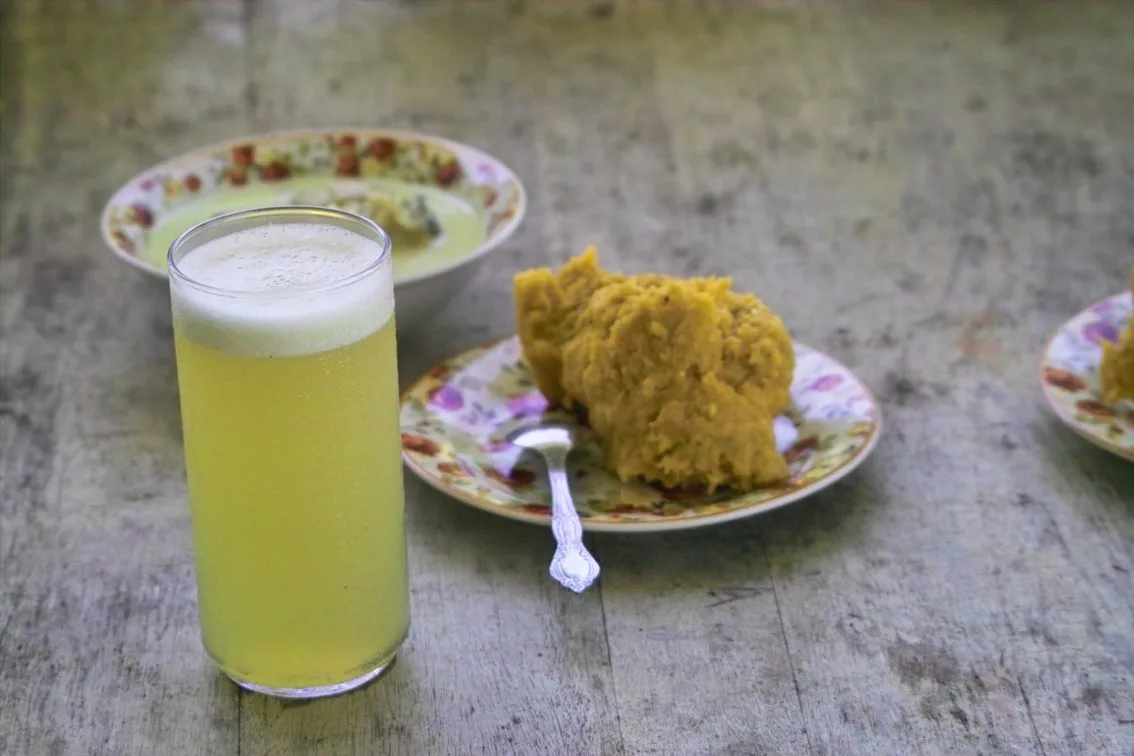
Green and ripe plantain pounded together in a wooden mortar, served beside a coconut-milk fish soup, never cooked into it. That separation is what distinguishes machuca from tapou: you dip the mash into the soup. This is the Honduran name for the dish Belizean Garifuna call hudut.
Tapado: Garifuna coconut seafood stew
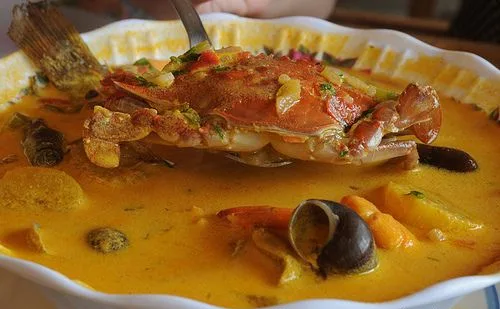
A one-pot coconut stew of fish, shrimp, plantain, and yuca, with conch, crab, or lobster added when they are to hand. Cousin to Belize’s tapou. Unlike machuca, everything cooks together in the one pot.
Pescado Frito: the whole fried fish of the coast
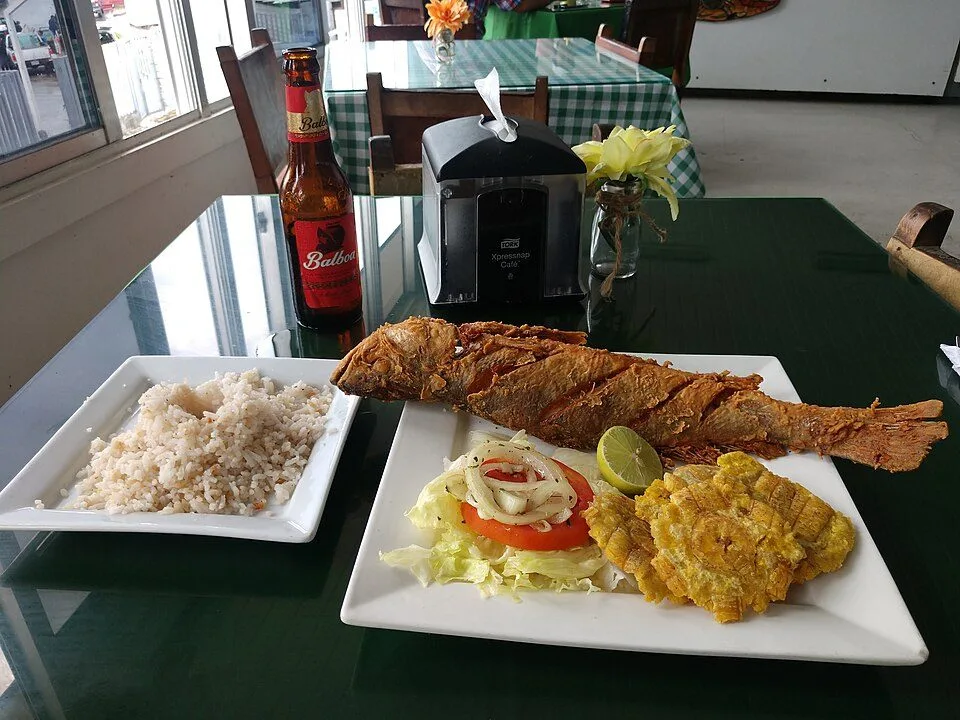
Scored, salted, and fried whole, served with tajadas and pickled cabbage curtido. Coast food, eaten where it is landed. Belize fries its own whole fish with its own seasonings, but that is a different plate. This one is Honduran.
Pan de Coco: Garifuna coconut bread
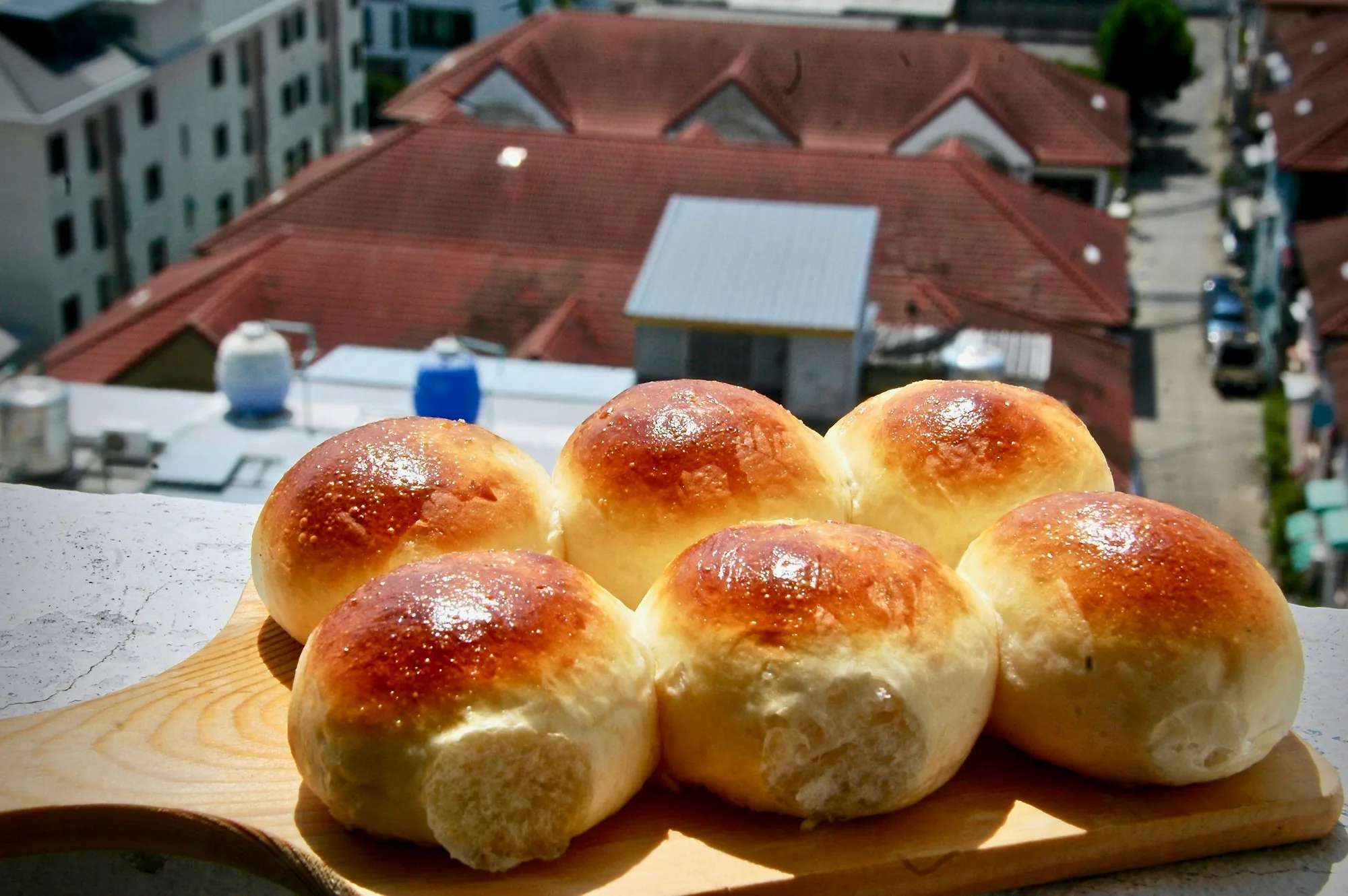
Dense, slightly sweet rolls made with fresh coconut milk, baked all along the Garifuna coast. Women bake it and sell it warm from baskets and coolers along the beach and at market stalls. Belize bakes the same loaf.
Semita Hondureña: the sweet coffee bread
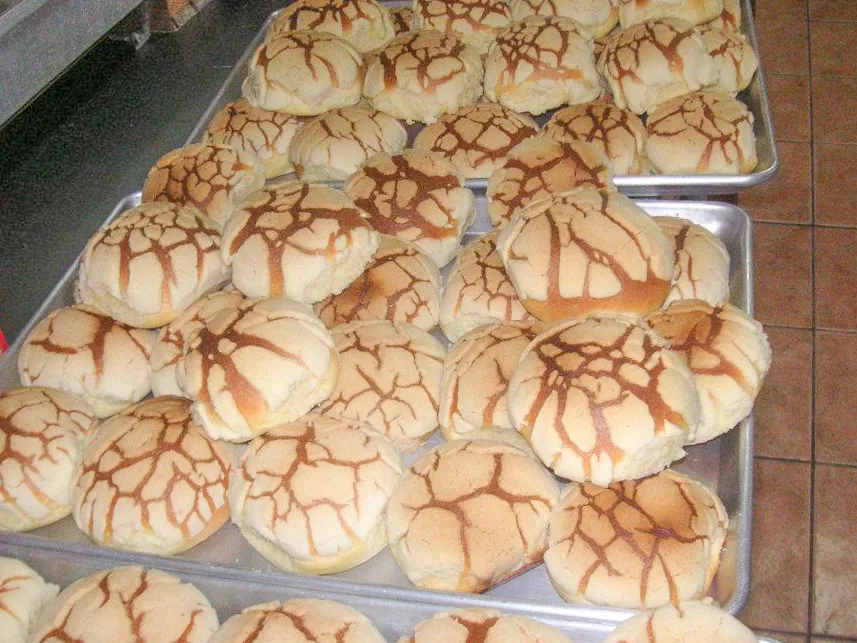
Not the Salvadoran semita, and the difference is the whole story. The Salvadoran one is a jam-filled shortcrust pastry with a lattice top. The Honduran semita is a yeasted sweet bread, enriched with egg yolk and topped with a disk of cookie paste. No jam, no lattice. Sold in every Honduran panadería and pulpería.
Tustacas: sweet corn cookies
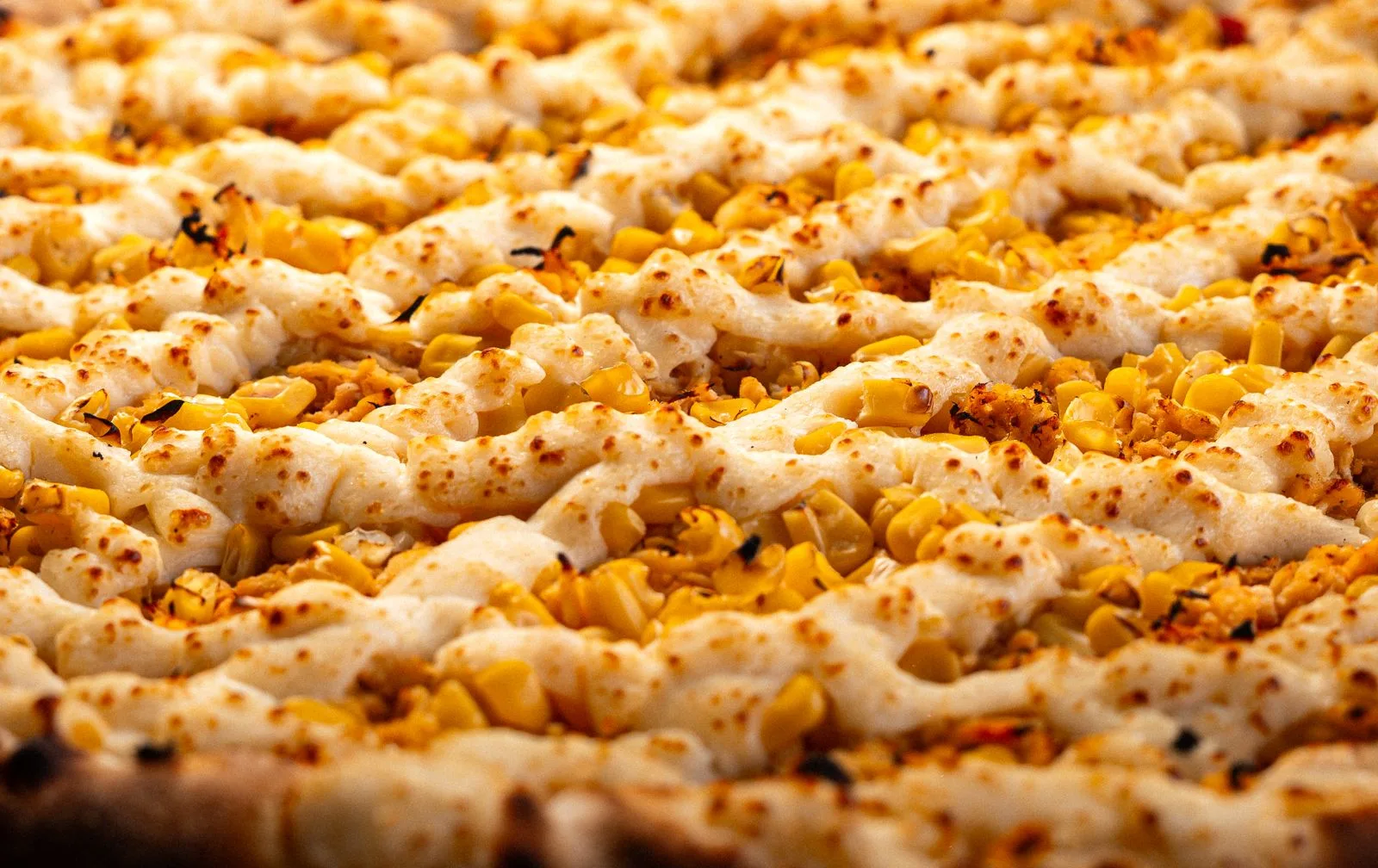
A thick corn-masa disc with a raised rim, baked hard and filled with rapadura, the unrefined cane sugar of the region. Coffee food, and it keeps for weeks.
Rosquillas Hondureñas: baked corn rings
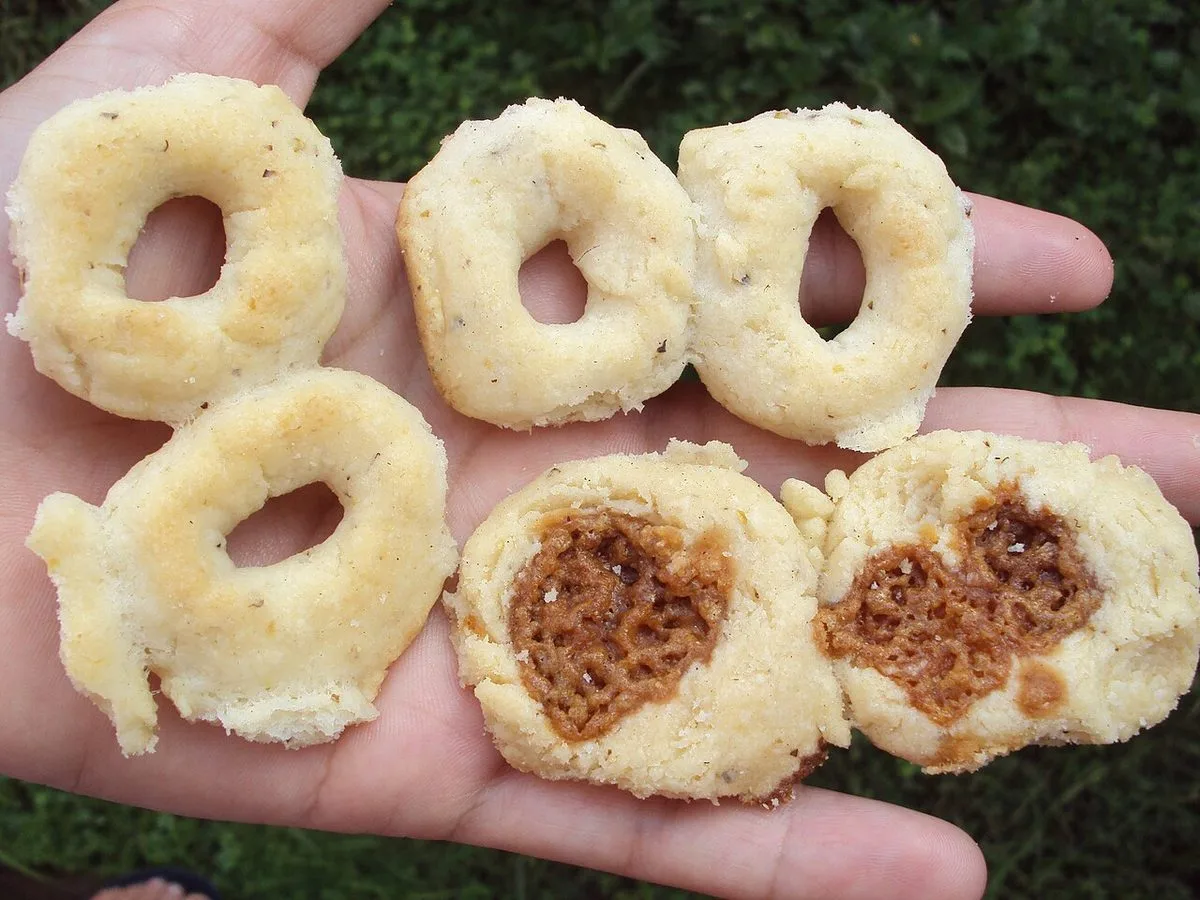
Corn and hard cheese worked into a ring and baked until it snaps. Salty rather than sweet, and eaten with hot black coffee.
Where to eat what in Honduras
- The north coast and Bay Islands (La Ceiba, Roatán, Trujillo): Garifuna seafood, sopa de caracol, machuca, tapado, whole fried fish.
- San Pedro Sula and the cities: baleadas at their best, pollo chuco, the everyday típico.
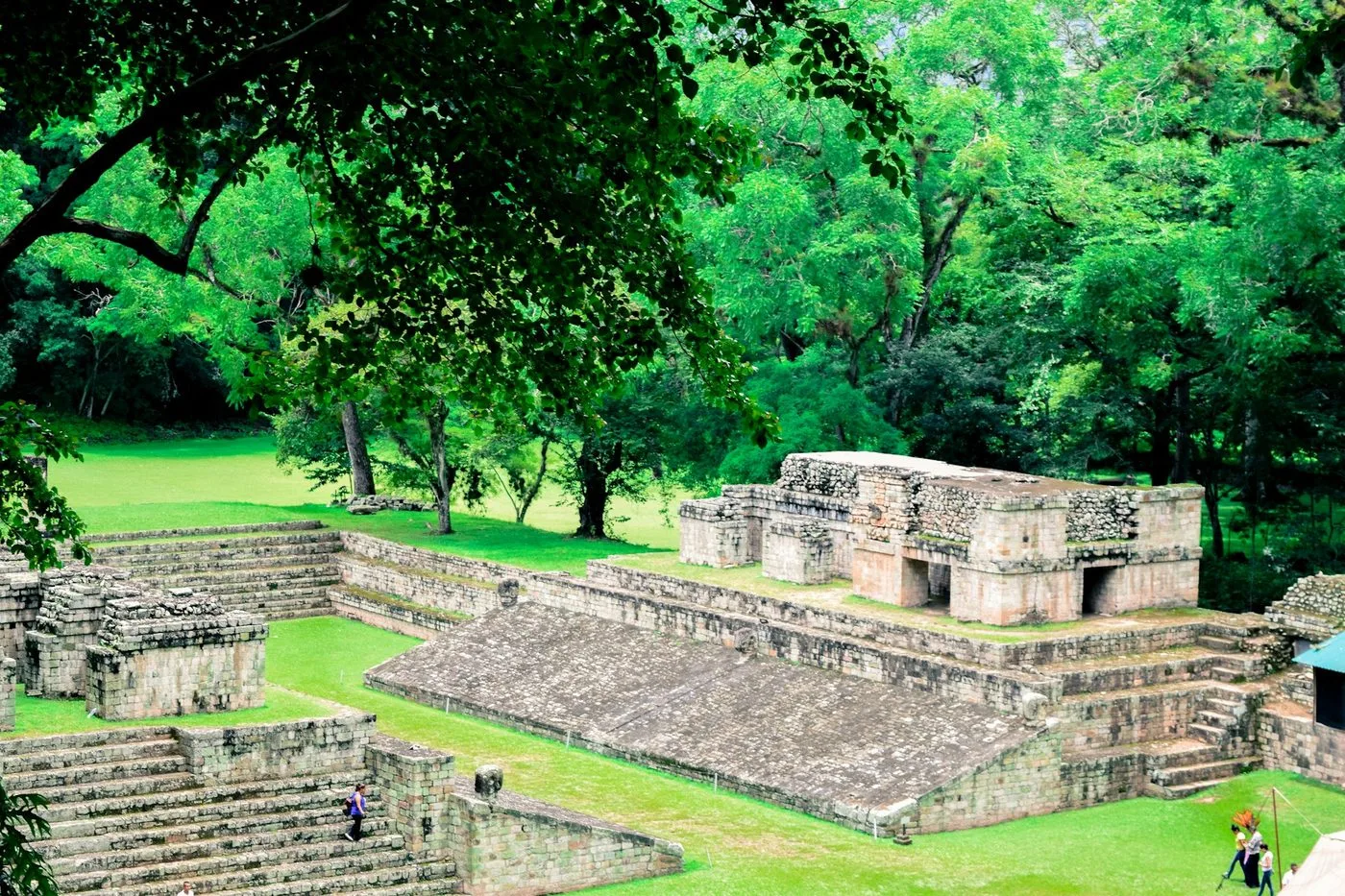
- The western highlands (Copán, Lenca country): mountain cooking, beans, and the Lenca pottery the food is served from.
Go deeper
- The fried-tortilla snacks blur together constantly. We sort the whole family in catracha vs baleada vs enchilada vs tustaca.
- The coconut dishes do the same. Hudut vs sere vs tapou vs tapado untangles them across the Belize and Honduras coast.
- For the wider Afro-Indigenous kitchen the coast shares, see Garifuna food.
Frequently asked questions
What food is Honduras known for?
Baleadas (the national street food), the plato típico, pollo chuco and tajadas, pastelitos, and on the Caribbean coast the Garifuna dishes sopa de caracol, machuca, and tapado.
What is the national dish of Honduras?
It is contested between the plato típico (the composite national plate) and sopa de caracol, the Garifuna conch soup. Baleadas are the most iconic everyday street food.
Is Honduran food similar to Belizean food?
On the Caribbean coast, very much so. Honduras and Belize share the Garifuna people and their kitchen, so dishes like machuca (Belize’s hudut), sopa de caracol (Belizean conch soup), and tapado (tapou) are essentially the same on both sides.
What is the difference between a baleada and a catracha?
A baleada is a soft flour tortilla folded over beans and cream. A catracha is a crisp fried corn tortilla topped with beans and cheese. Different flour, different texture, different snack.
What do Hondurans eat for breakfast?
Most often a baleada, or a plate of refried red beans with eggs, cream, cheese, fried plantain, and tortillas. Coffee with a semita or rosquillas is the lighter version.
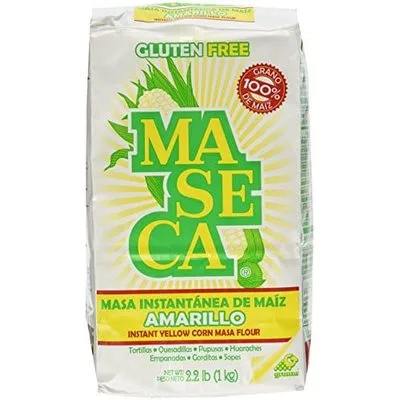
Maseca brand yellow corn masa harina, pre-ground and treated for immediate use in dough for tortillas, tamales, and other corn dough applications.