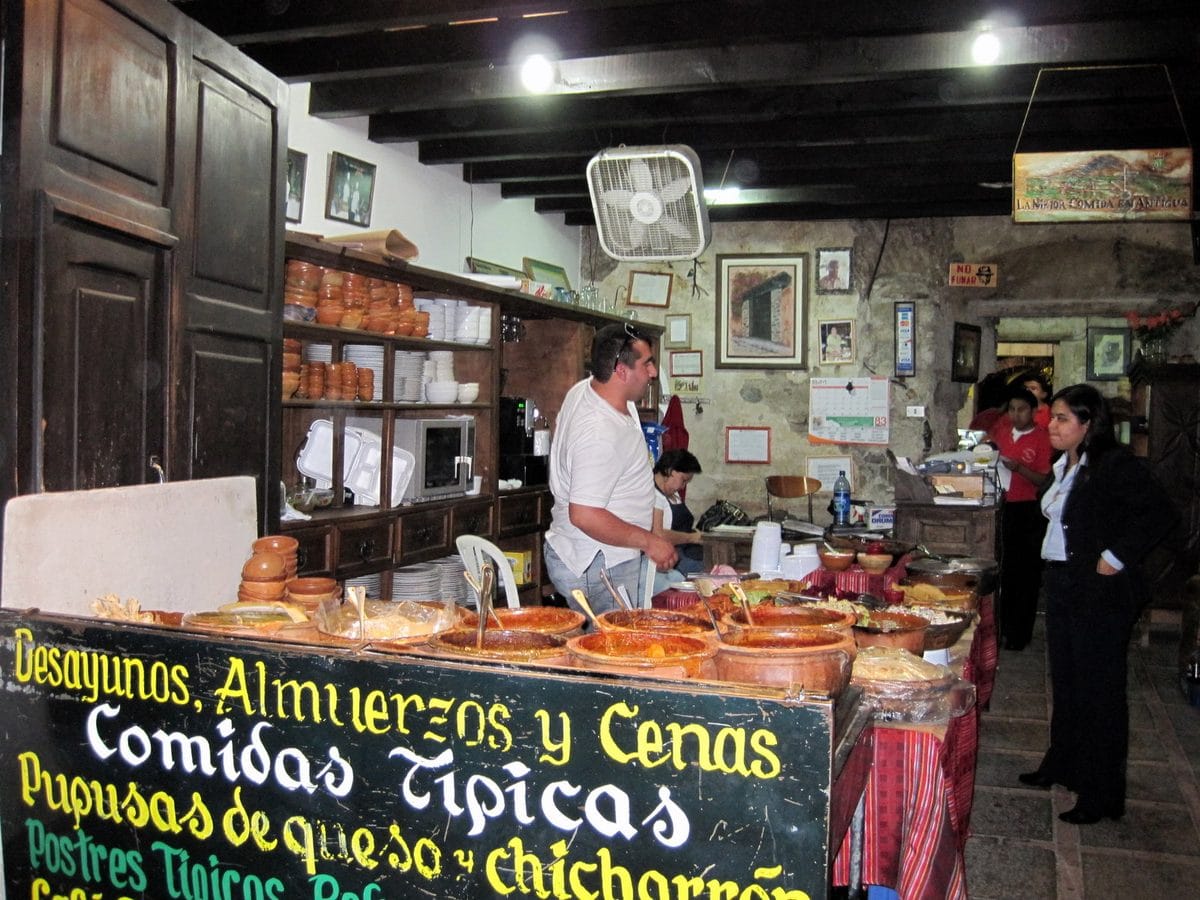
Short answer: Guatemalan food runs on the recado, the dry-roasted, ground sauce that carries the meat. The three to know are pepián (the national dish), kak’ik (the Q’eqchi’ Maya turkey soup), and jocón (the green one). Around them sits a world of corn, tamales of every kind, and plantain sweets. The country cooks two traditions at once: Maya dishes like kak’ik and boxboles, and Ladino mestizo dishes like hilachas, revolcado, and chuchitos. For a Belizean this food is family, because the recado craft is the one we share across the border.
Guatemala is our western neighbor and our nearest Maya kin, the country you cross into to reach Tikal. Below are 21 Guatemalan dishes worth knowing, grouped the way you meet them: the recado stews, the tamales, the street antojitos, and the sweets. Every one links to a full recipe.
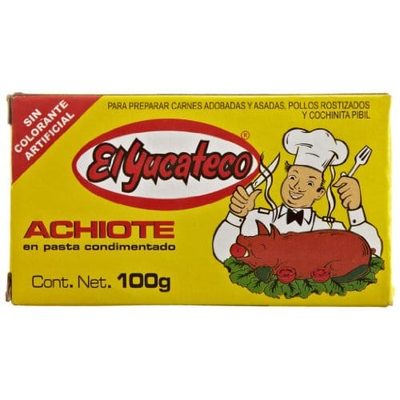
Cochinita pibil, poc chuc, and escabeche all start with red recado. A prepared achiote paste dissolves into sour orange in minutes instead of the hour it takes to grind annatto, oregano, and clove from seed.
Wangla, Belize's sesame seed candy, needs raw sesame toasted fresh and bound with cane sugar. Whole hulled seed toasts evenly without the burnt edges of pre-toasted product.
Pepián de Pollo: Guatemala’s national dish
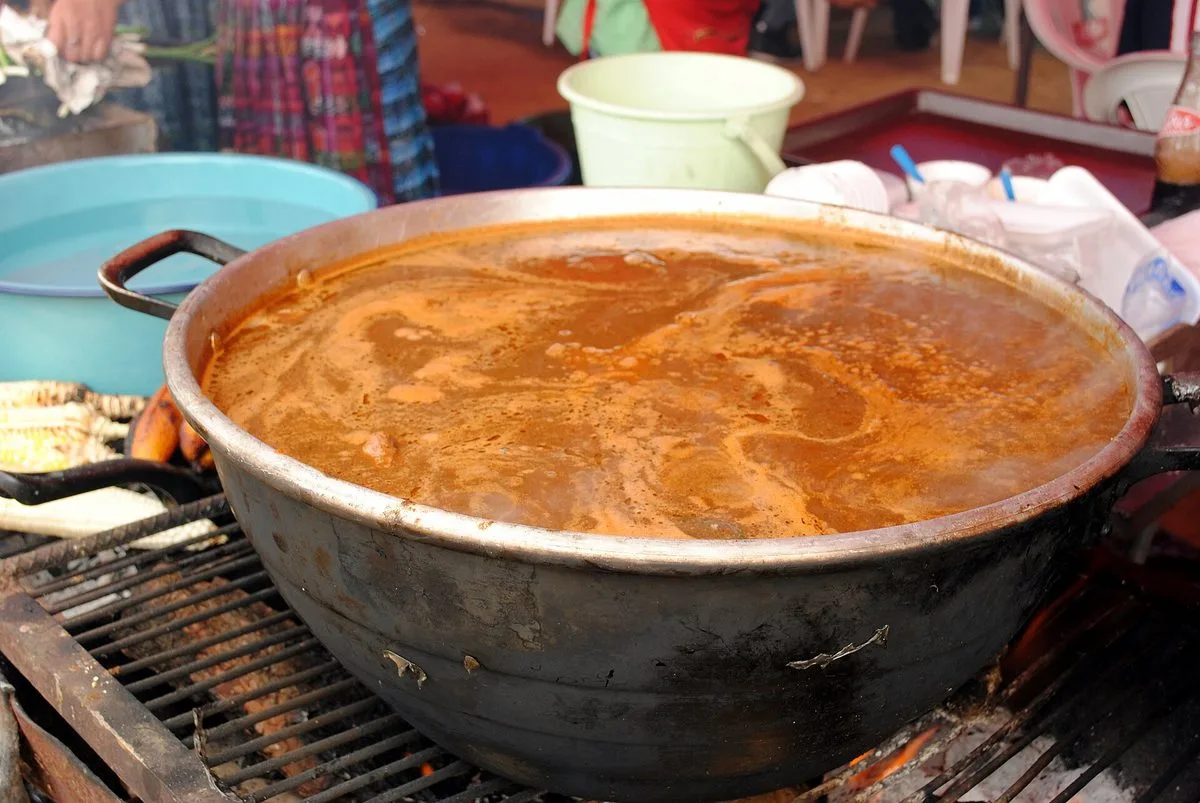
Chicken in a dry-roasted Maya recado of charred tomatoes, dried chiles, and ground pumpkin and sesame seeds. The technique is pre-Columbian: everything is toasted on a comal before it is ground. Start here.
Kak’ik: the Q’eqchi’ Maya turkey soup
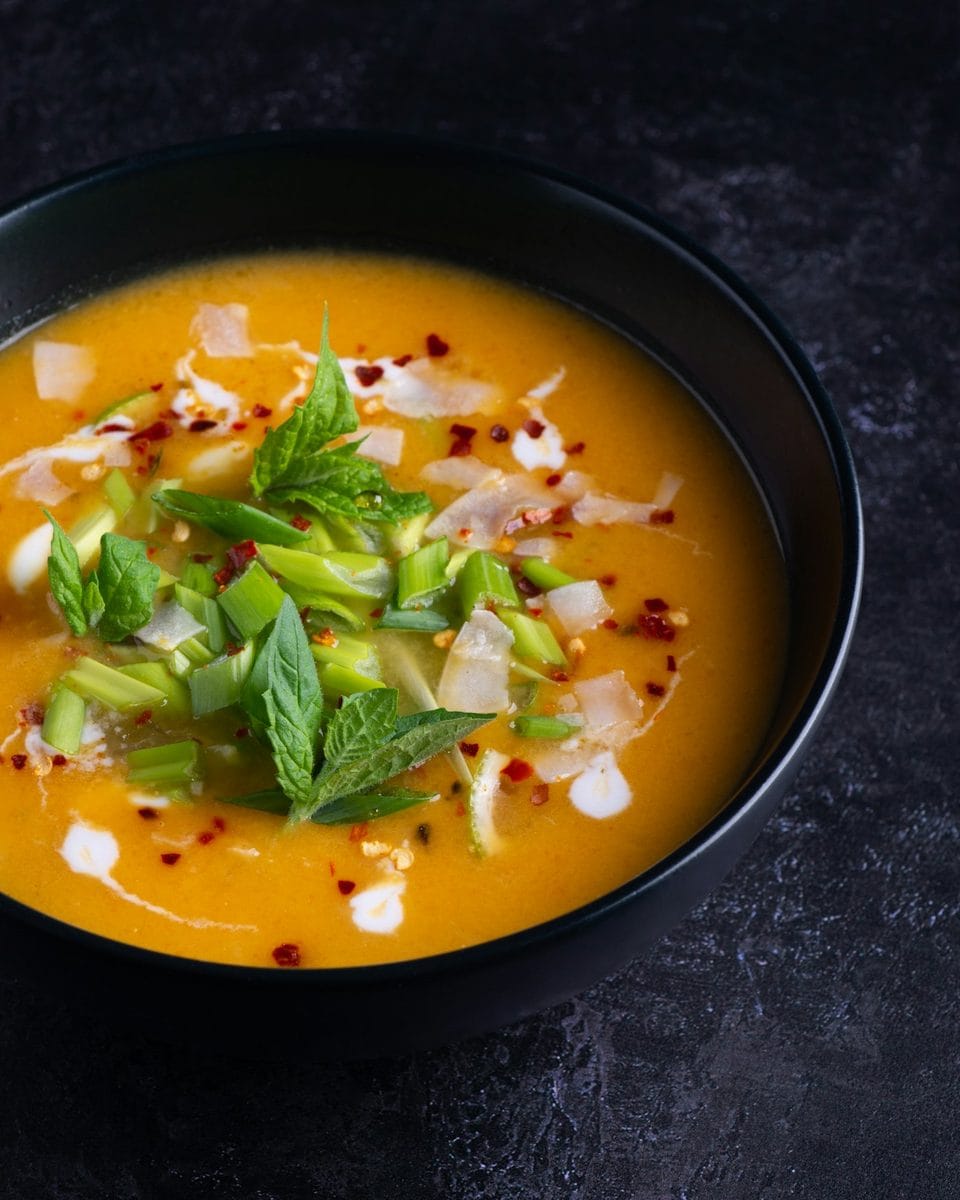
A red, fiercely spiced turkey broth from Alta Verapaz, built on the chile cobanero and finished with mint. It is pre-Hispanic, it is Q’eqchi’ Maya, and Guatemala recognizes it as national cultural heritage. The Maya of southern Belize are the same Q’eqchi’.
Jocón: Guatemalan chicken in green sauce
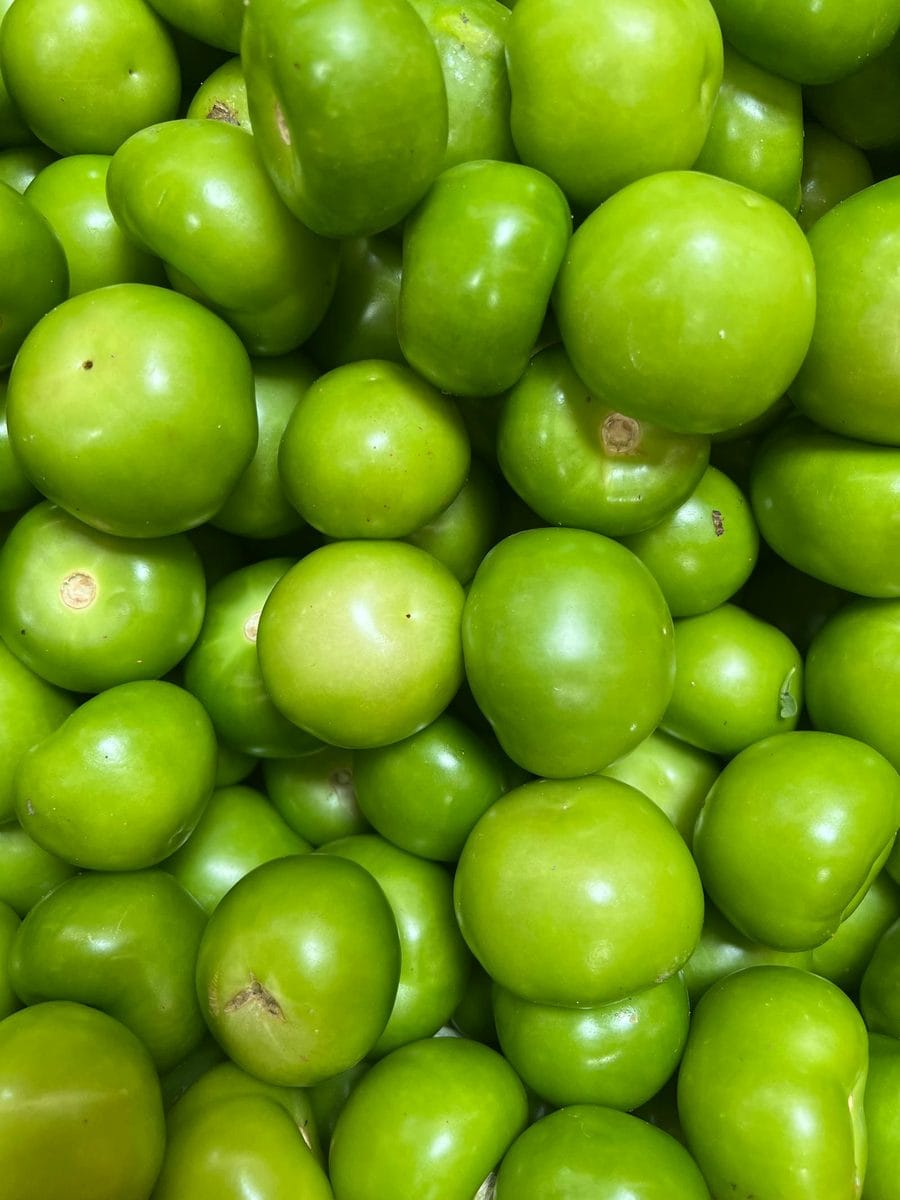
The green member of the recado family. Chicken in a tomatillo and cilantro sauce, thickened with toasted seeds rather than flour. Lighter and sharper than pepián, and the one to cook if you think you don’t like stew.
Hilachas: Guatemalan shredded beef stew
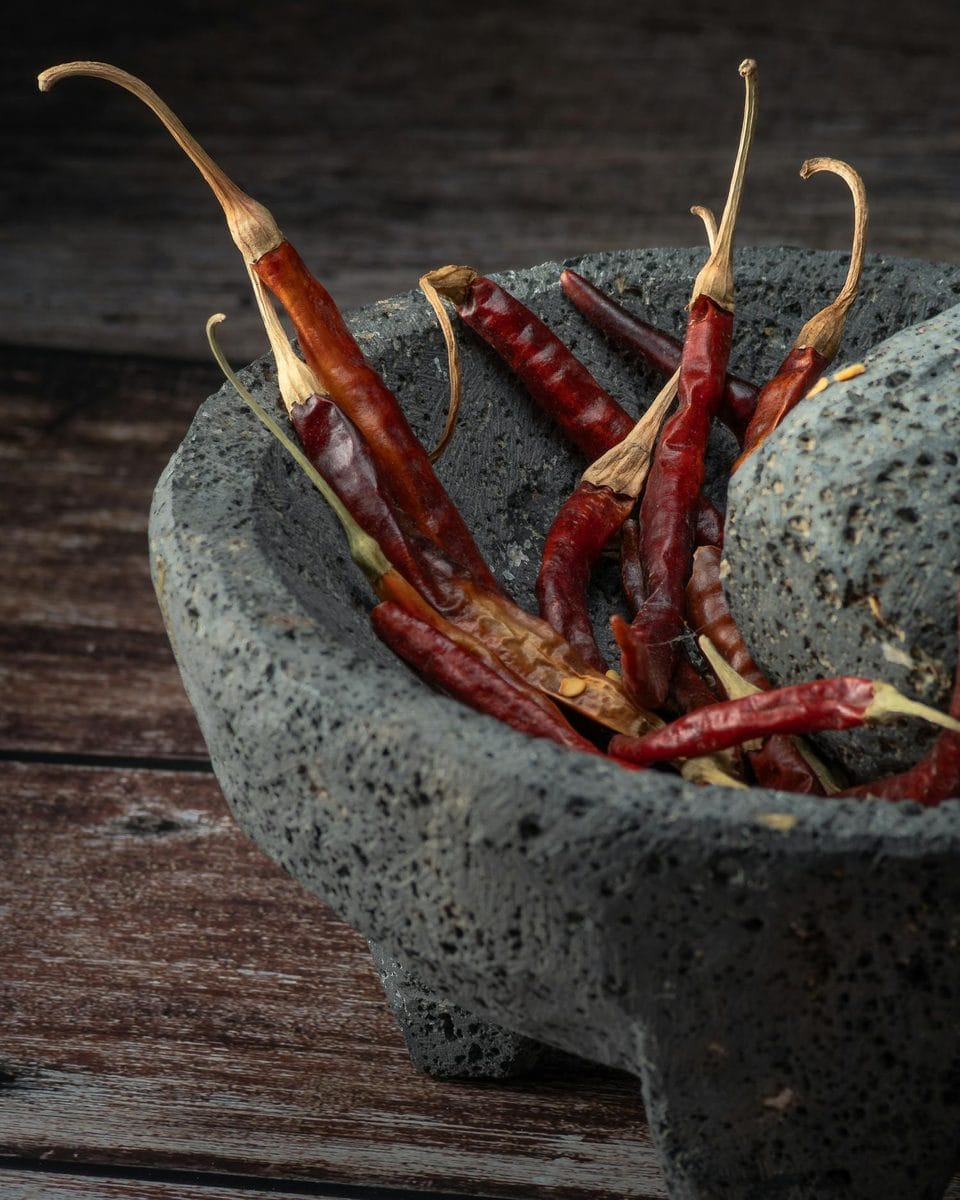
Beef simmered until it falls into threads, then held in a tomato and dried-chile recado with potato and carrot. Hilacha means rag, which is what the meat looks like by the end. Ladino comedor food, not Maya heritage.
Pulique: the highland Maya chicken stew
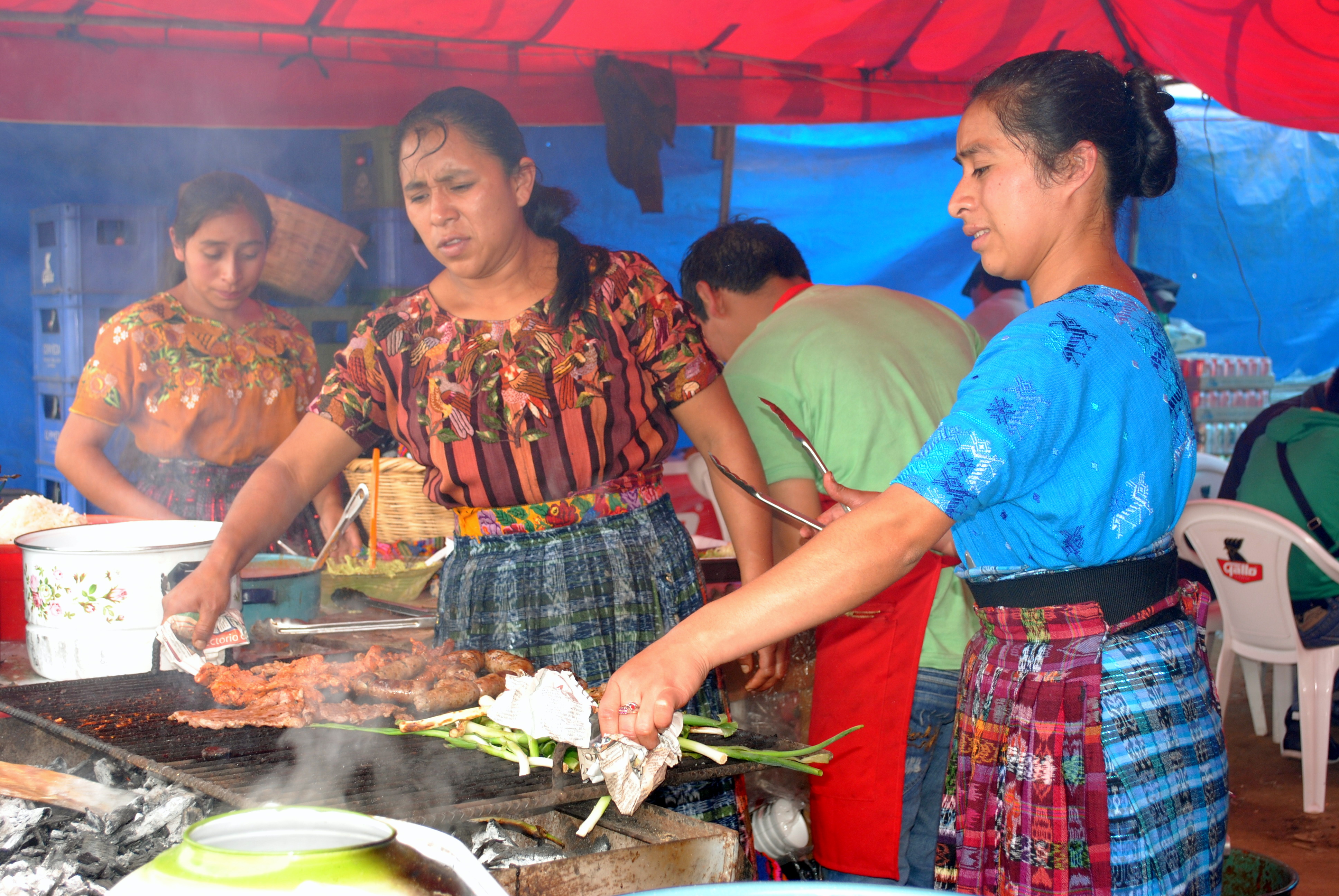
Chicken in a tomato recado thickened with corn masa, which is the highland trick: the thickener is the staple. This is ceremonial food. Families make it for weddings, fiestas patronales, and cofradía gatherings, not for an ordinary weeknight.
Revolcado: Guatemalan pork stew in red recado
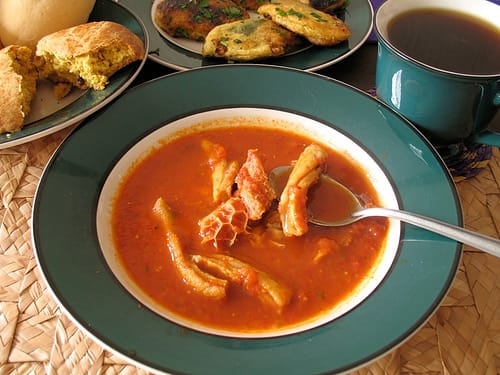
Pork head and offal, cooked down and napped in a thick red recado thickened with blended liver. Honest nose-to-tail cooking. A Ladino mestizo dish rather than a Maya one.
Subanik: the Kaqchikel Maya ceremonial stew
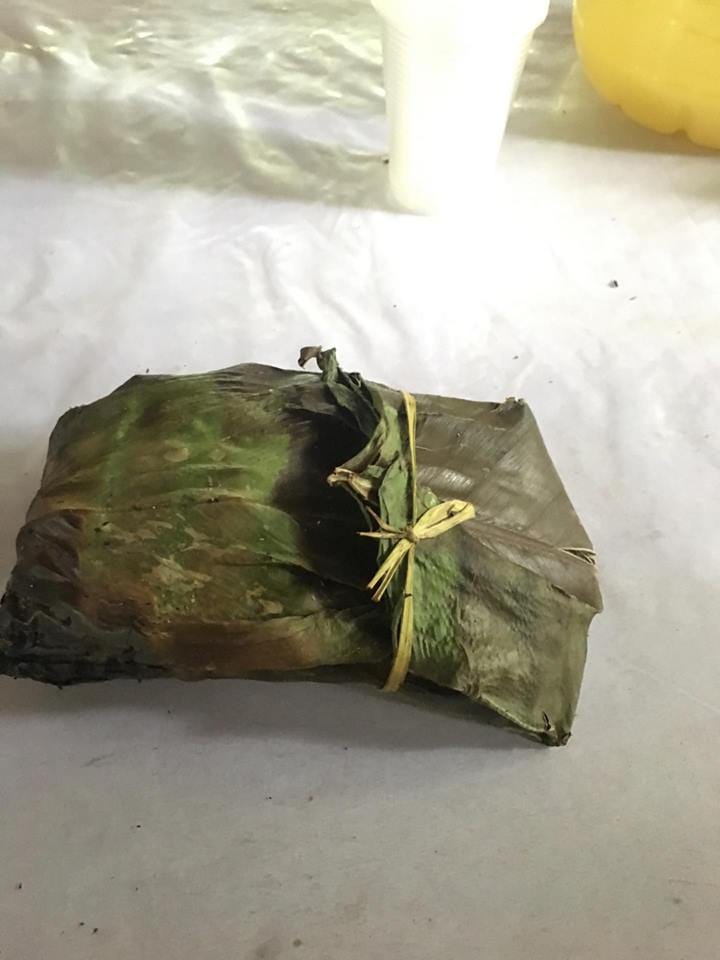
Three meats in a spicy chile recado, wrapped in maxan leaf and steamed rather than simmered. A Kaqchikel Maya ceremonial dish, made for occasions, and the most technically interesting thing on this list.
Chuchitos: the everyday Guatemalan tamale
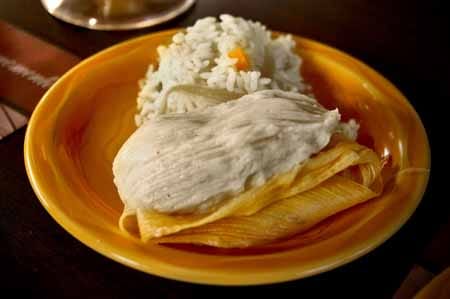
Small, firm corn-masa tamales filled with a simple tomato sauce rather than an elaborate recado, with a piece of chicken, tied in a corn husk. The small, everyday member of the Guatemalan tamal family, eaten at refacción from a stall or cart. A Ladino dish.
Paches: the potato tamale of Xela
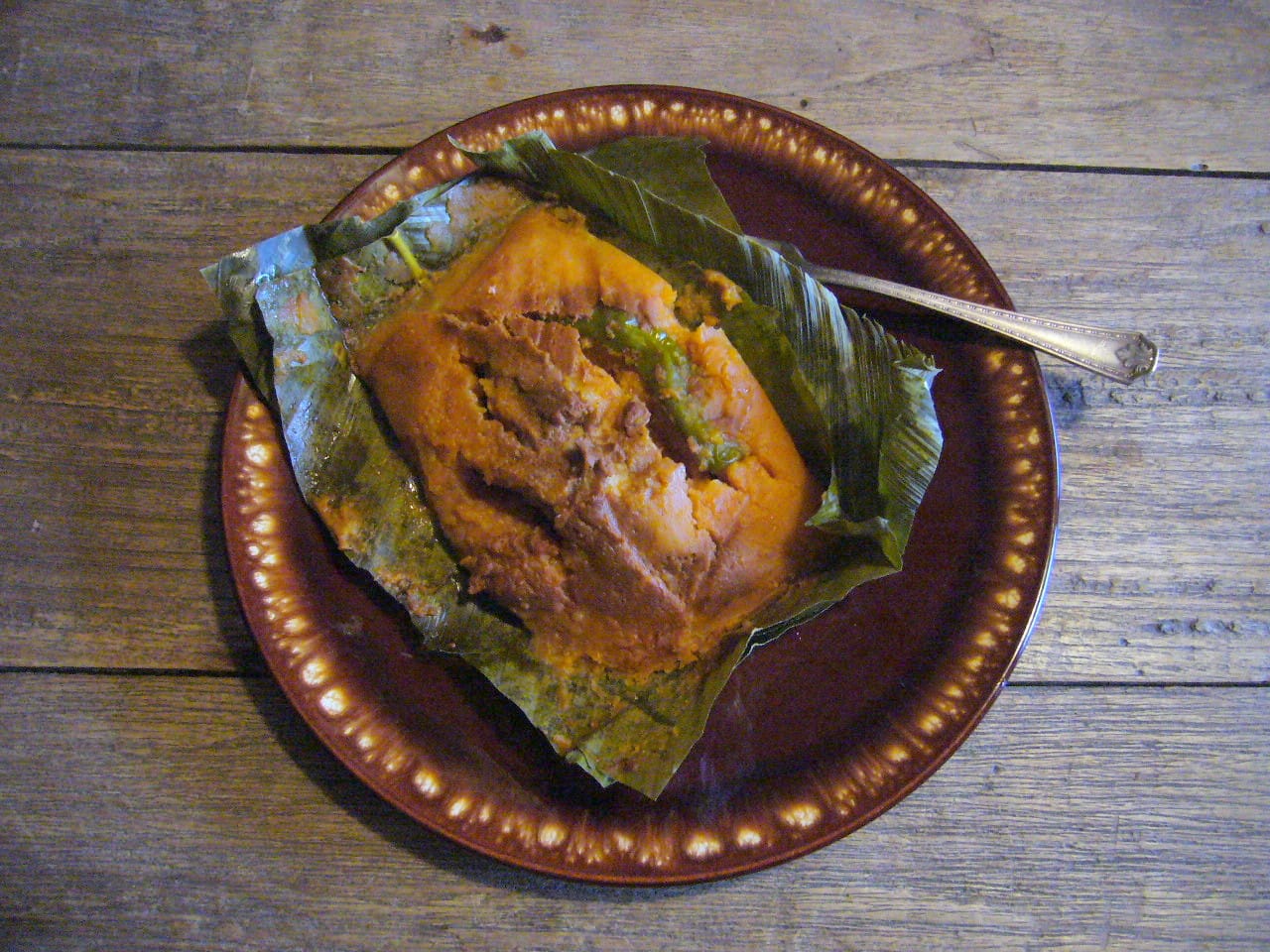
A tamal built on potato instead of corn masa, filled with pork, sauced with red recado and steamed in banana leaf. It belongs to Quetzaltenango, which everyone calls Xela, and it is traditionally a Thursday dish.
Tamales Negros: the Christmas black tamale
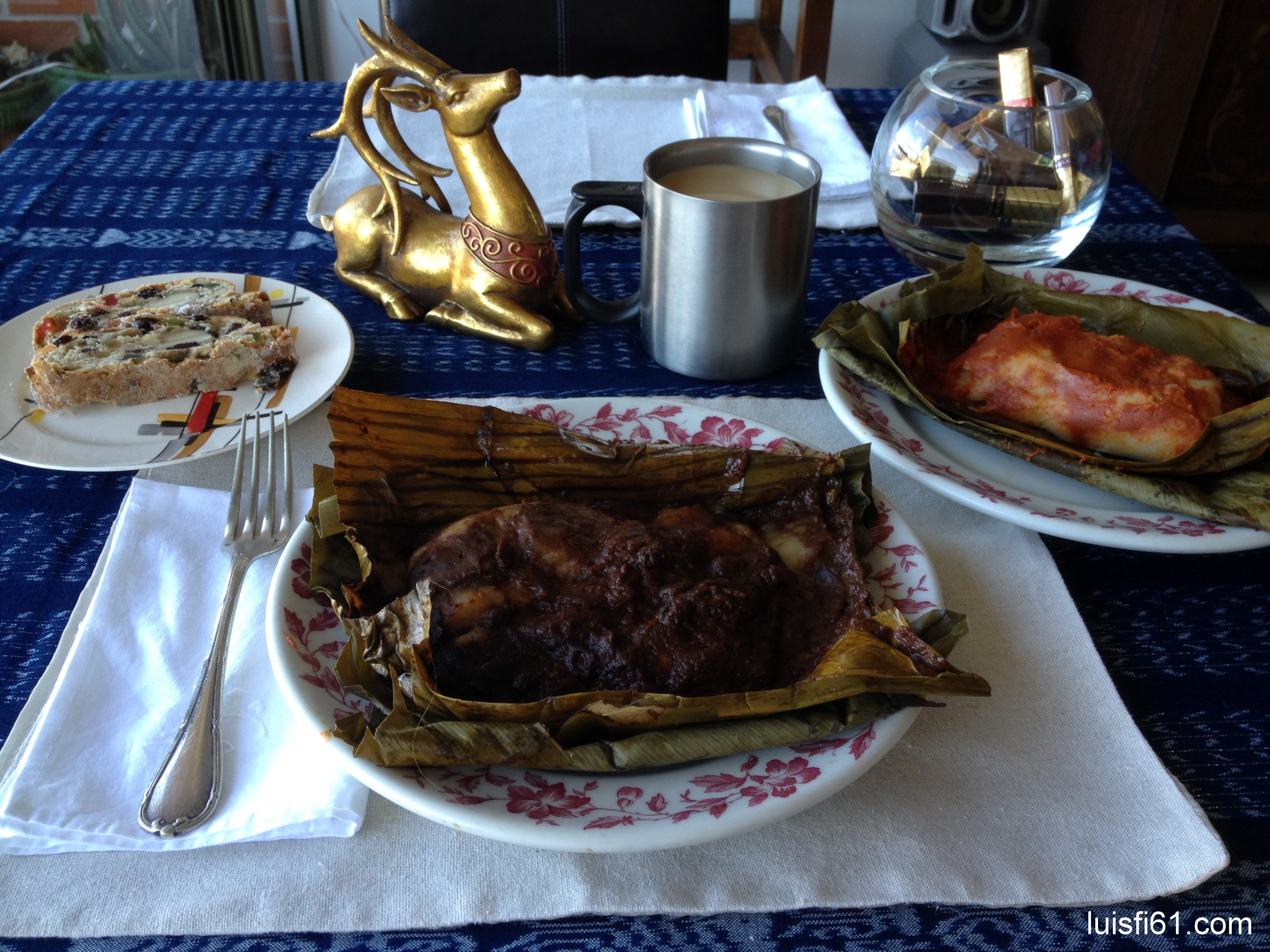
Christmas food. The masa is enriched with a chocolate mole, which turns it dark and faintly sweet, and the whole thing is wrapped in banana leaf. At the Nochebuena table the black tamal and the red tamal colorado sit side by side, and together they are the point.
Boxboles: highland Maya chipilín masa rolls
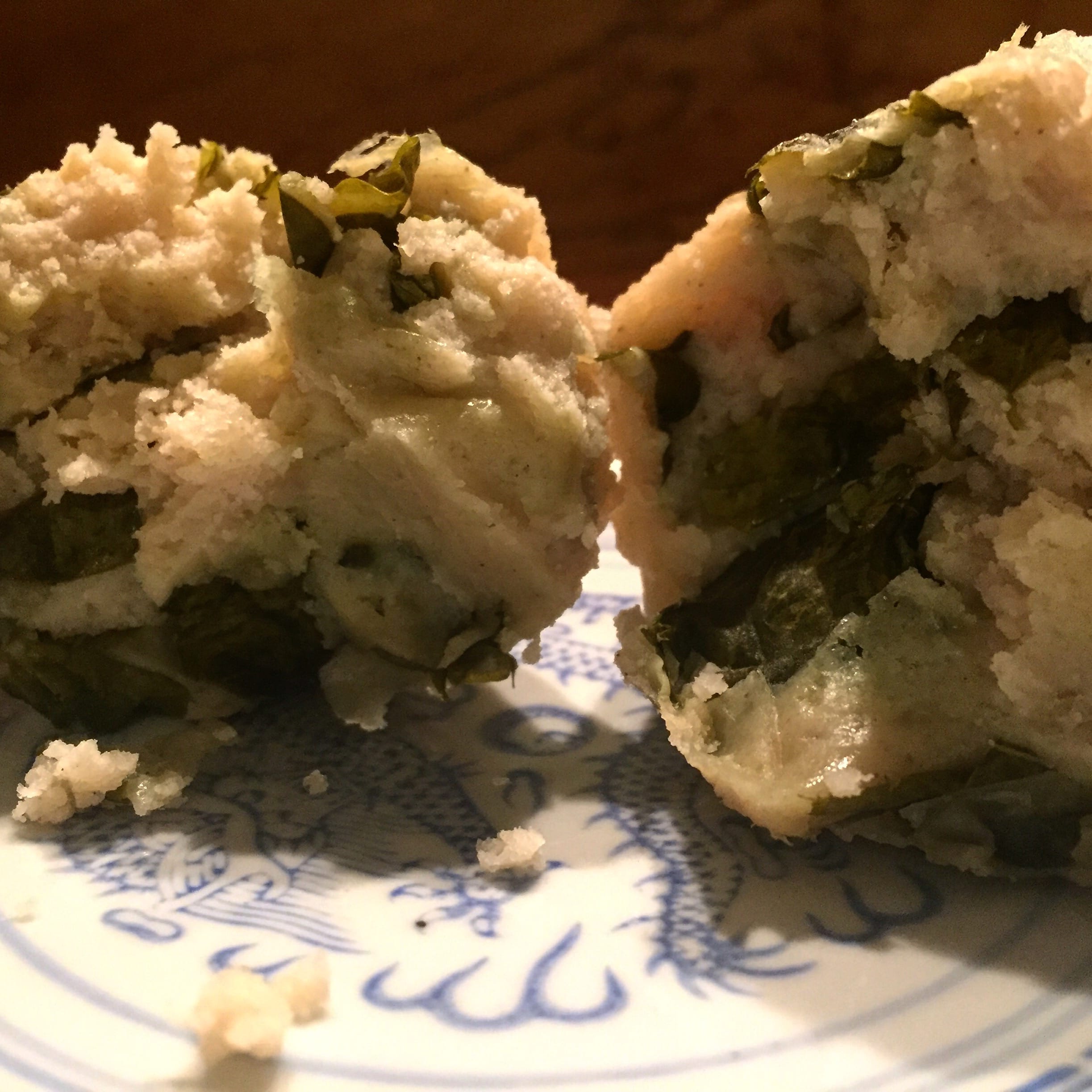
Corn masa kneaded with chipilín, rolled, wrapped in chayote leaves and steamed, then served under a toasted pepita sauce. The canonical versions are Achi Maya, from Baja Verapaz, and Ixil Maya, from the Ixil Triangle. Q’eqchi’ cooks make chipilín-masa rolls too, but boxboles as a named dish belong to the Guatemalan highlands.
Shucos: Guatemalan grilled hot dogs
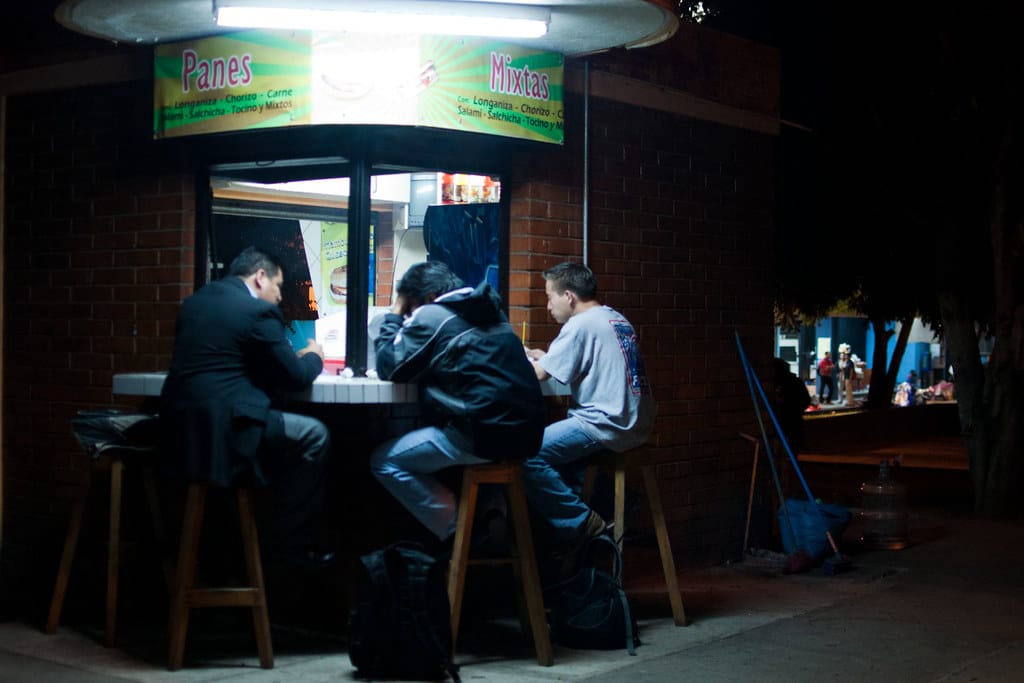
Grilled sausage on toasted bread with guacamol, boiled cabbage, and mustard. The cart is the point. Shuco means dirty, and Guatemala City eats them at night.
Enchiladas Guatemaltecas: the open-faced tostada
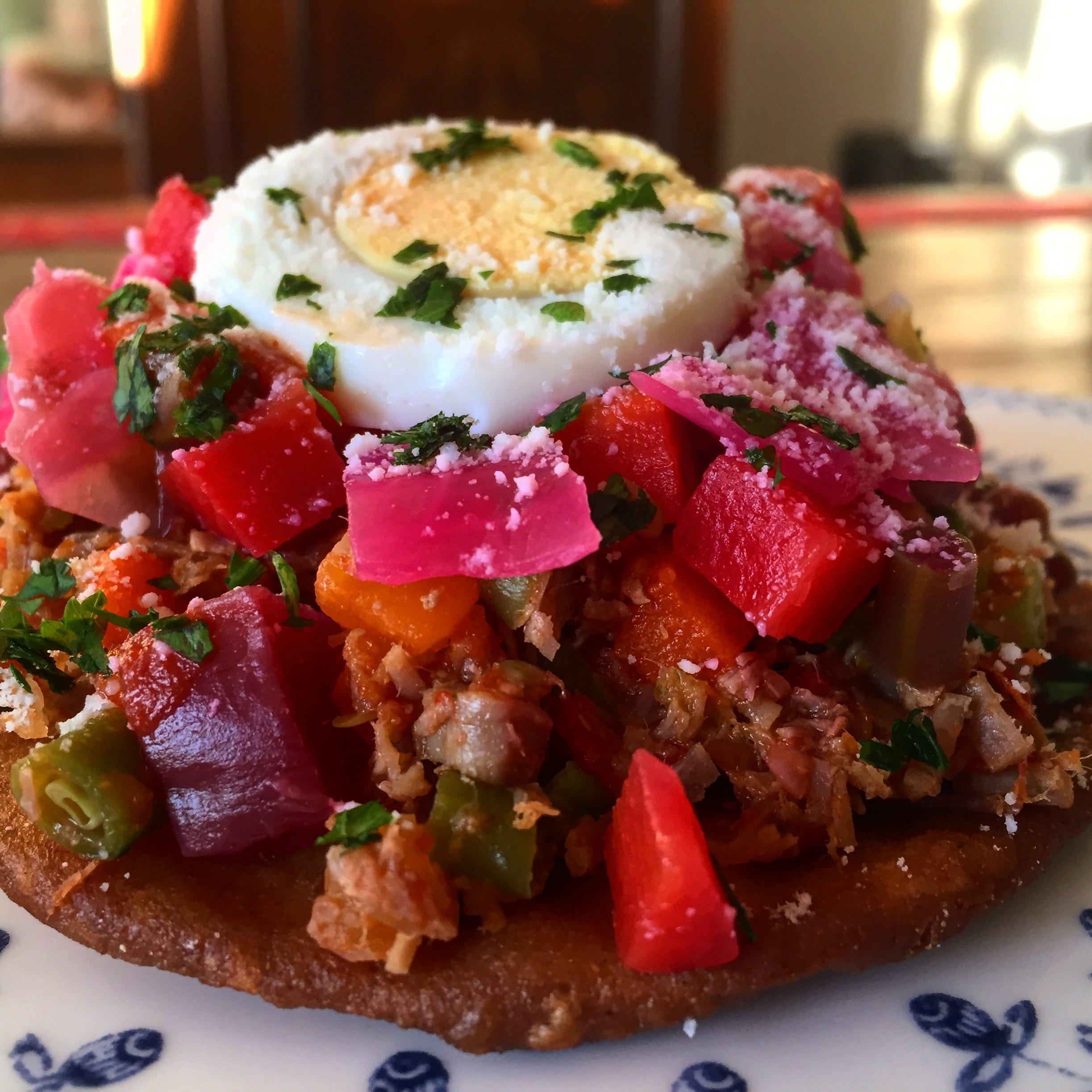
Not a rolled tortilla and not Mexican. The Guatemalan enchilada is an open-faced tostada loaded with beef, a purple beet escabeche, a slice of hard-boiled egg, and dry cheese. Do not call it curtido: that is the raw quick-pickled cabbage of El Salvador, a different preparation entirely. The beet is the visual fingerprint of the dish.
Enchiladas guatemaltecas recipe
Garnachas Guatemaltecas: crispy mini tortillas
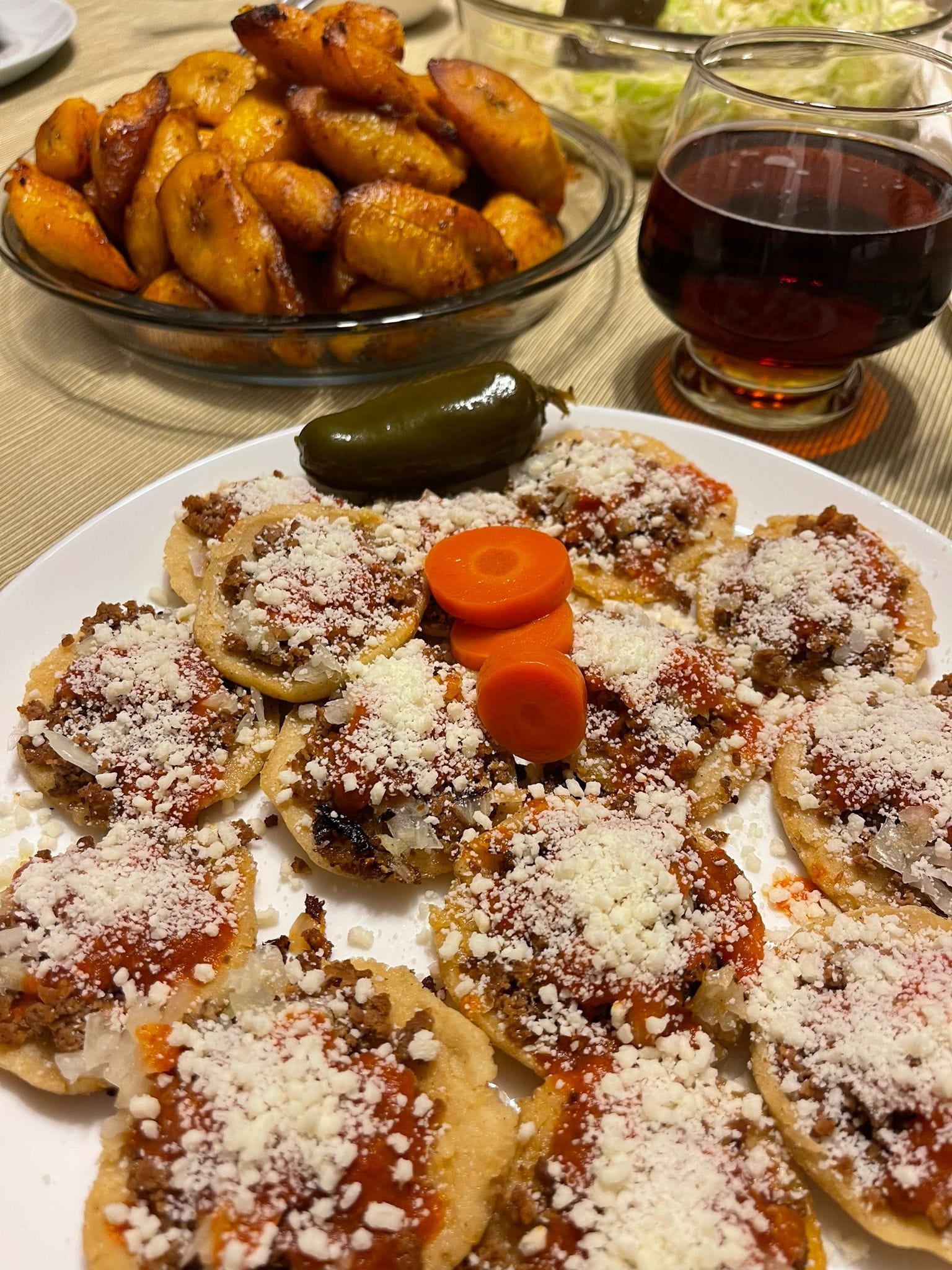
Small fried corn tortillas under meat, a simple tomato salsa, curtido, and crumbled dry cheese. You eat them in twos and threes. Belize has its own garnaches and they are cousins, not twins.
Garnachas guatemaltecas recipe
Tostadas Guatemaltecas: three toppings, one tortilla
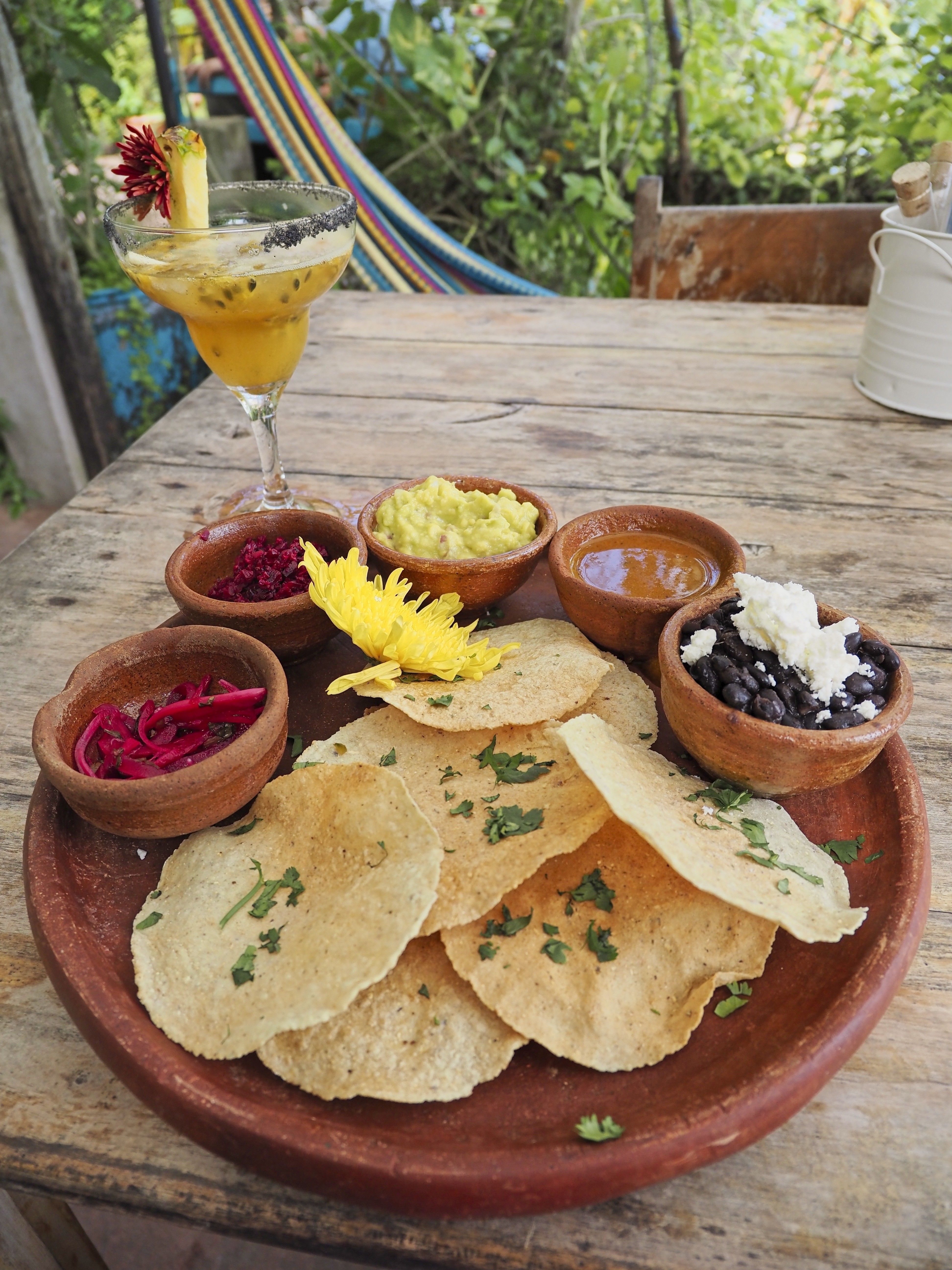
A crisp tortilla spread with one of three things: black bean, guacamol, or tomato salsa. Then onion, parsley, and grated queso seco over the top. The rule is one spread per shell, and they are served as a set of three.
Frijoles Volteados: the Guatemalan breakfast bean
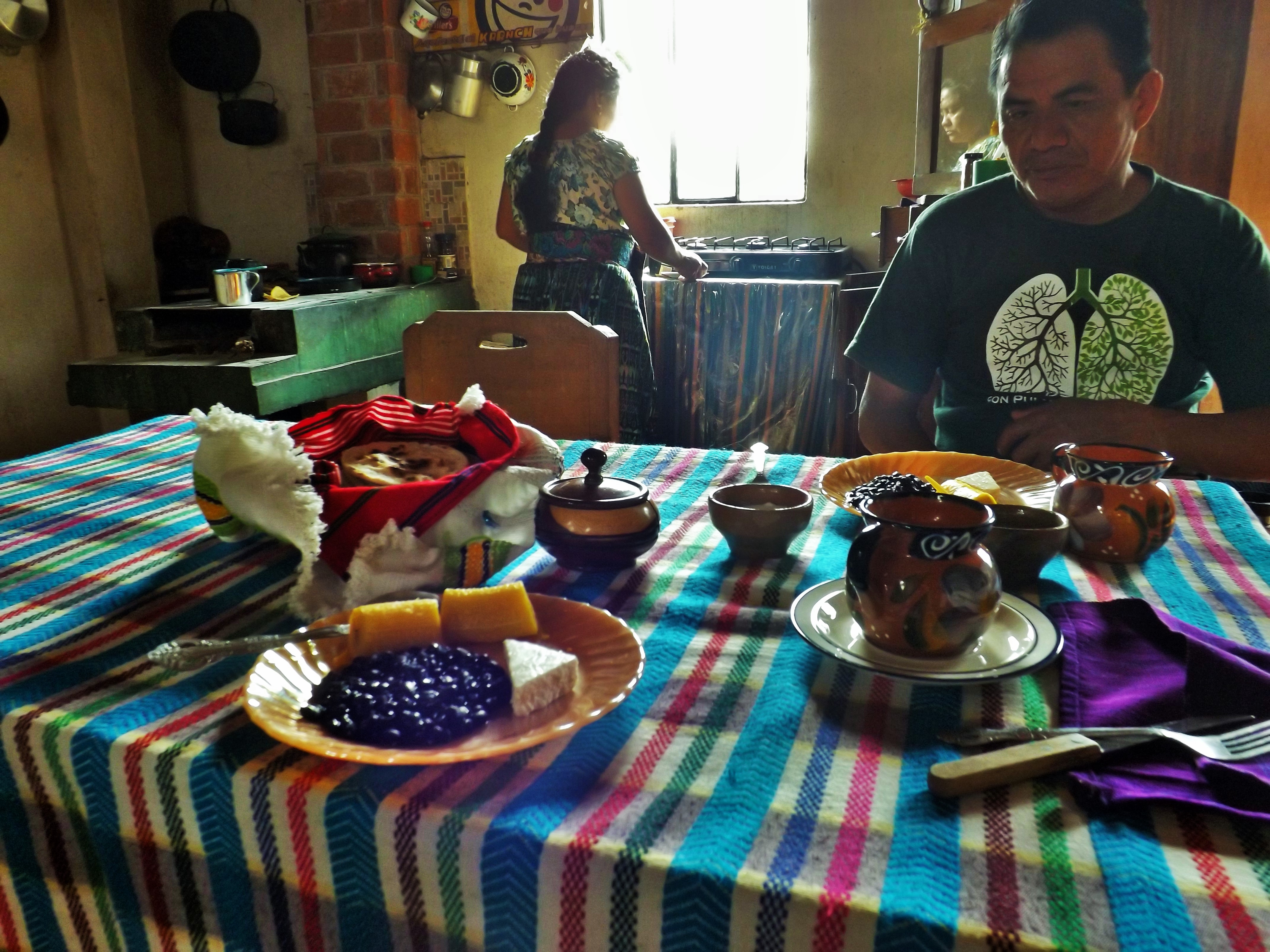
Black beans fried down and folded over in the pan until they hold as a dense log. This is the desayuno chapín, served with eggs, fried plantain, crema, and tortillas. The black bean is the standard, though red-bean variants exist in some regions.
Rellenitos: plantain filled with sweet black beans
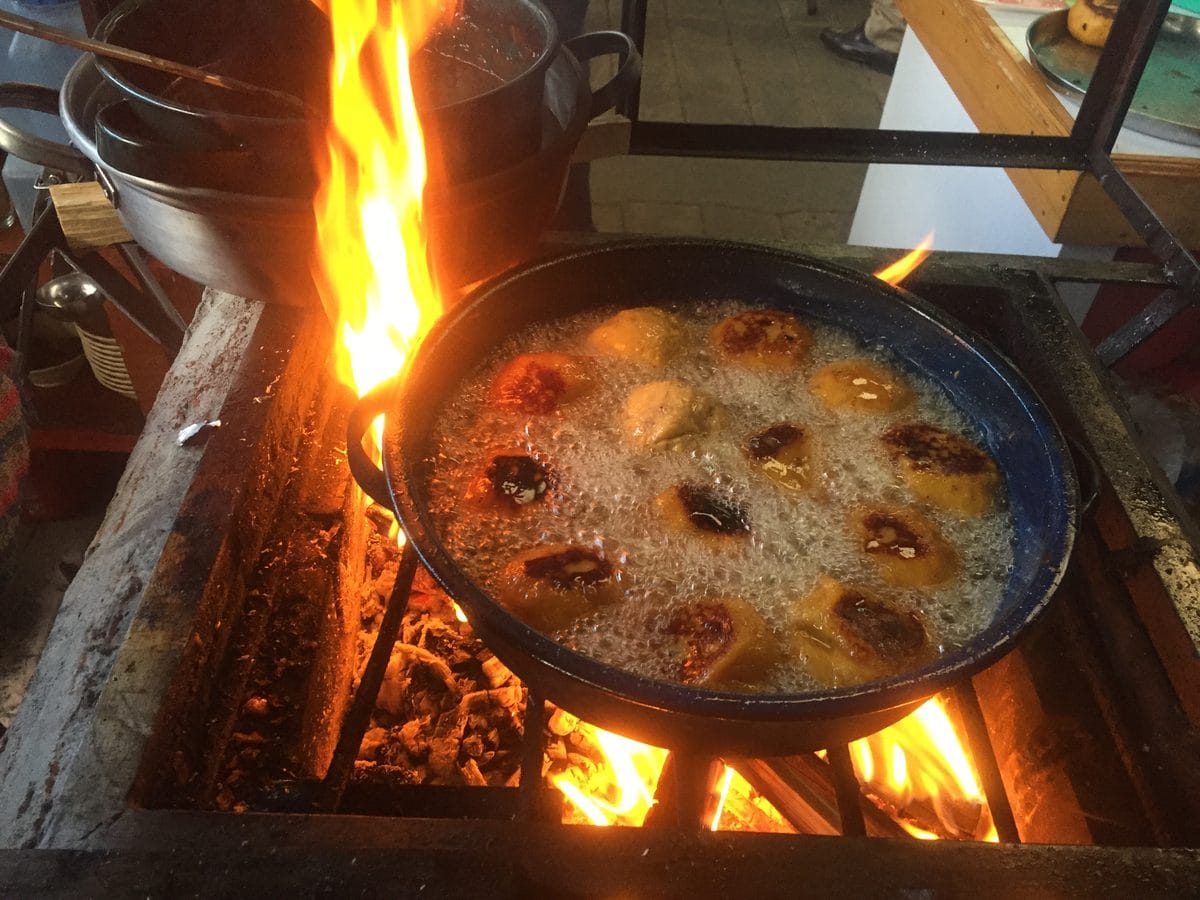
Ripe plantain mashed, wrapped around black beans sweetened with cinnamon and sugar, then fried. Beans as dessert sounds wrong until you eat one. Guatemala’s classic plantain dessert, sold at every market stall and school canteen.
Champurradas: the Guatemalan sesame cookie
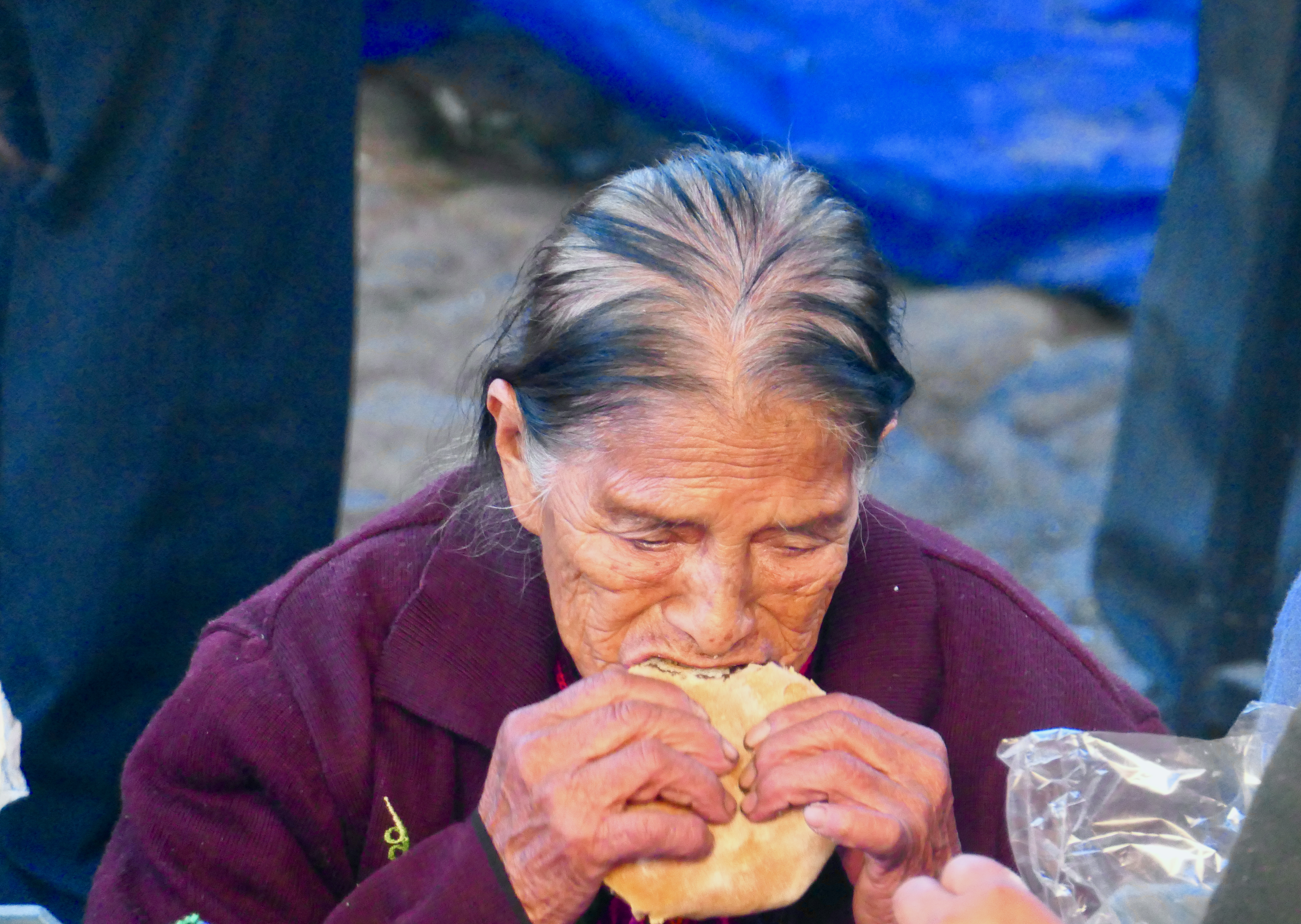
A wide, crisp, sesame-topped cookie out of the panadería tradition. Dense and thin, and built precisely so it can be held in coffee for two or three seconds and soften at the edges without crumbling into the cup.
Molletes Guatemaltecos: custard-filled fried sweet bread
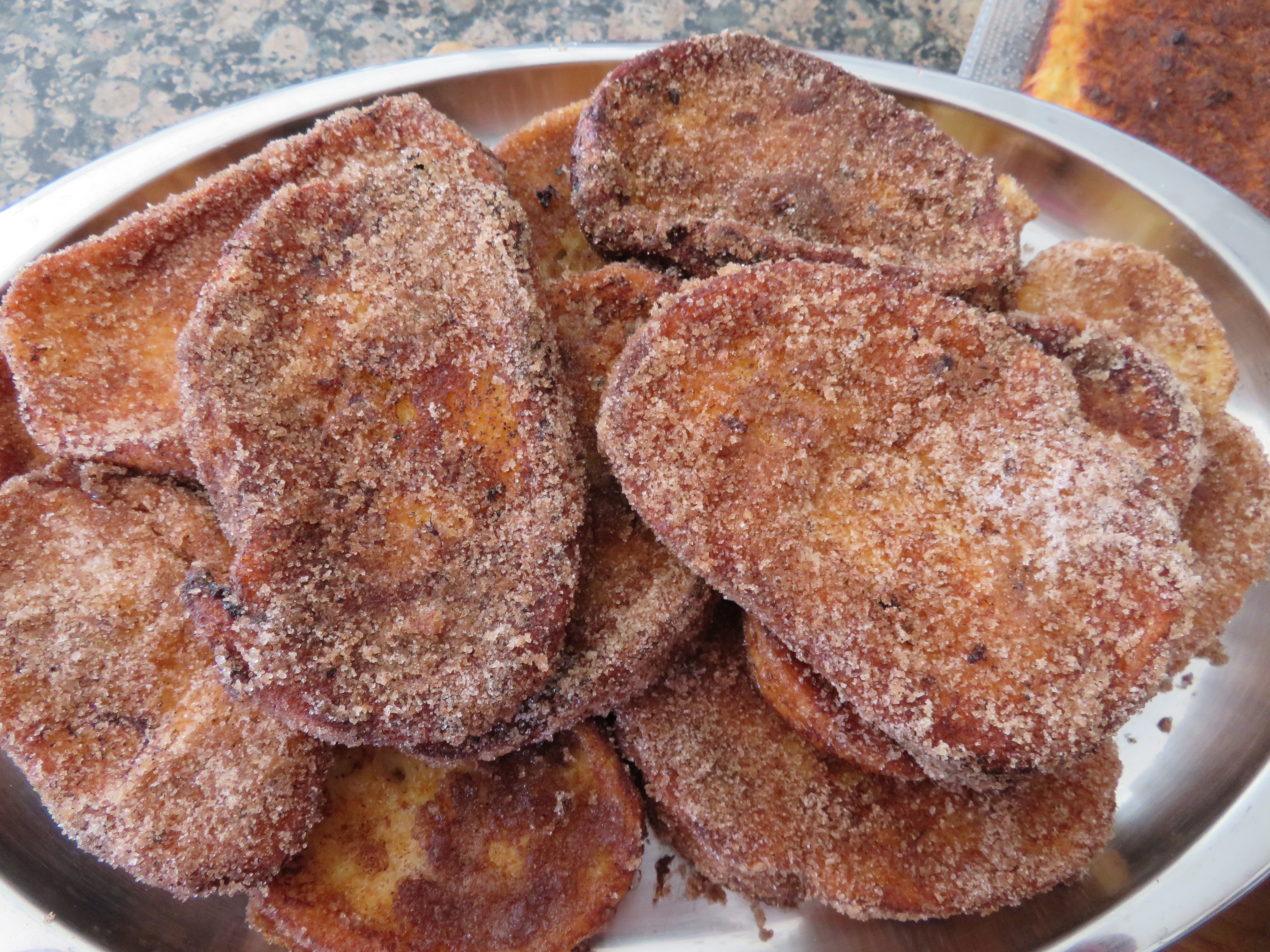
Nothing like the Mexican mollete. Guatemala’s version is sweet bread filled with manjar custard, dipped in egg, fried, and soaked in panela syrup. It appears twice a year, and both occasions are primary: Día de Todos los Santos on 1 November, alongside fiambre, and again in Semana Santa.
Ponche Guatemalteco: hot Christmas fruit punch
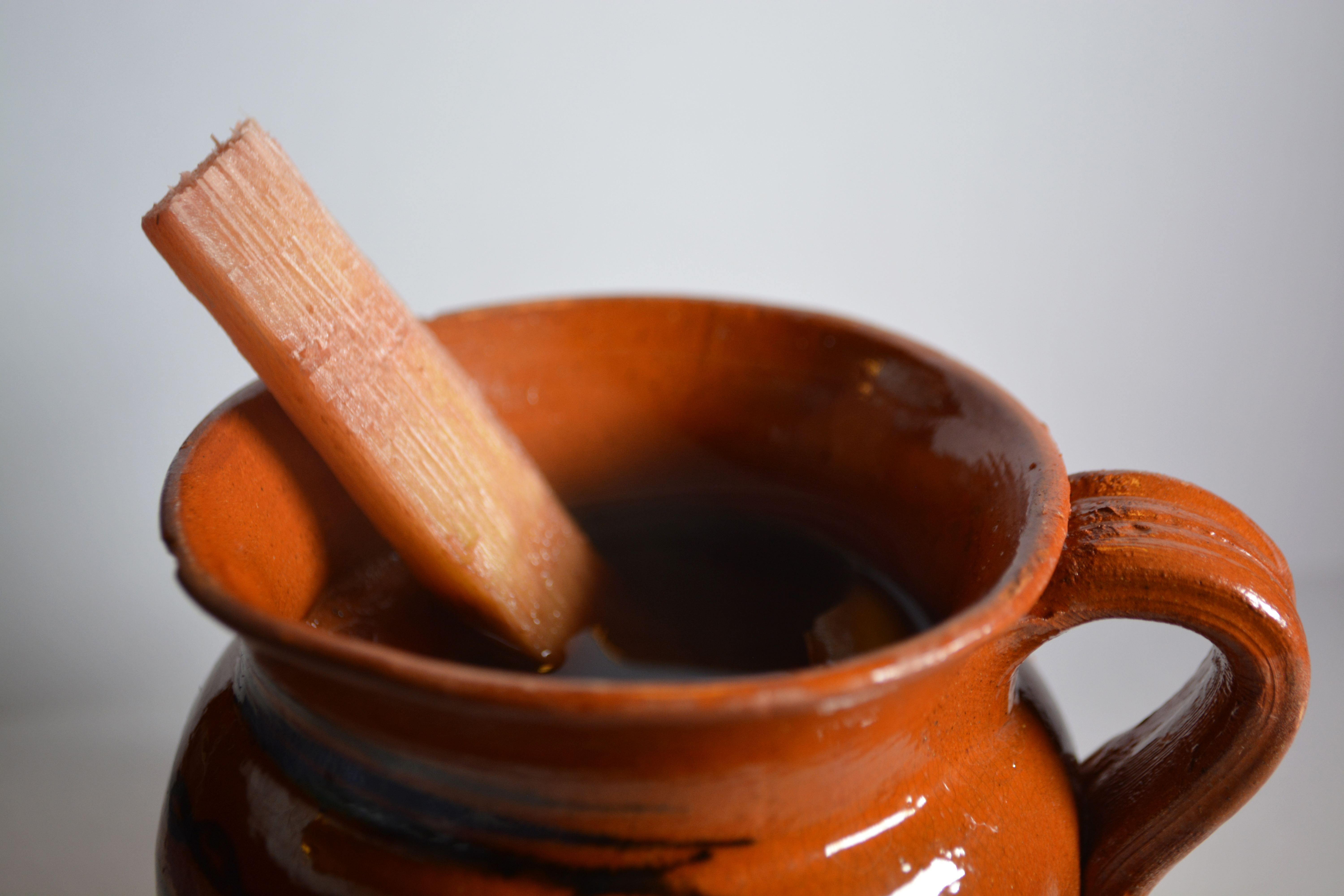
Dried fruit simmered with panela and cinnamon into a hot punch, drunk through December. It fills the house with the smell before anyone drinks any of it.
Fiambre: the All Saints’ Day salad
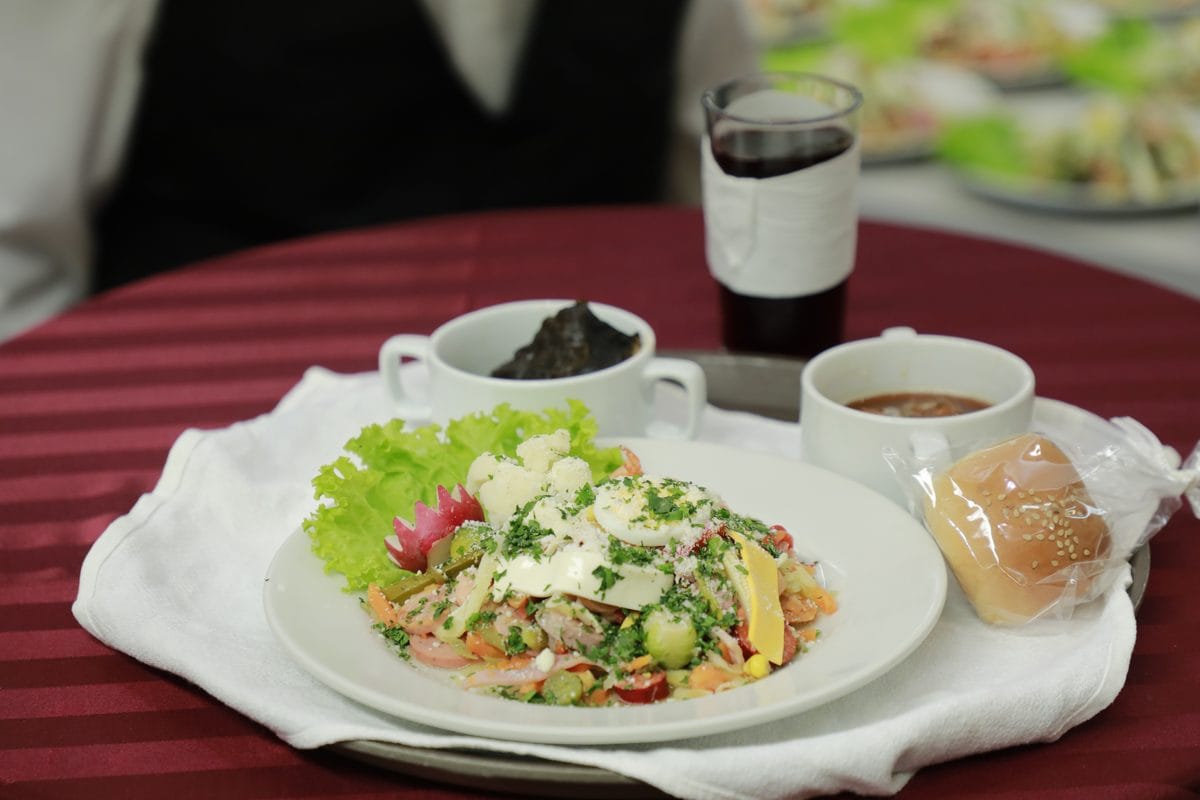
A composed cold salad of pickled vegetables, cured meats, and cheese, eaten once a year on All Saints’ Day and built from dozens of components. Families guard their versions. There is nothing else quite like it anywhere.
Where to eat what in Guatemala
- Guatemala City: shucos at night, tostadas and garnachas by day, and the panaderías for champurradas.
- Quetzaltenango (Xela): paches, and the highland cooking of the western altiplano.
- Alta Verapaz (Cobán): kak’ik and the chile cobanero it is built on. Q’eqchi’ Maya country.
- Petén: the route to Tikal, and the closest Guatemalan food to a Belizean plate.
Go deeper
- Guatemala has a tamal for every occasion and they are easy to confuse. Guatemalan tamales explained sorts chuchitos, paches, negros, and colorados.
- The fried-tortilla snacks blur together too. Garnachas vs tostadas vs enchiladas tells them apart.
- For the wider Maya kitchen this food belongs to, see Mayan recipes.
Frequently asked questions
What is the national dish of Guatemala?
Pepián de pollo, chicken in a dry-roasted recado of chiles and toasted pumpkin and sesame seeds. Kak’ik, the Q’eqchi’ Maya turkey soup, is also recognized as national cultural heritage.
What food is Guatemala known for?
The recado stews (pepián, kak’ik, jocón), tamales of every kind (chuchitos, paches, tamales negros), street antojitos (shucos, garnachas, tostadas, enchiladas), and rellenitos for something sweet.
What is a recado?
A recado is a ground sauce built from dry-roasted chiles, seeds, tomatoes, and spices. Toasting on a comal before grinding is the whole technique. It is the backbone of Guatemalan cooking and the same craft behind Belize’s red and black recados.
Is Guatemalan food spicy?
Mostly no. The recados are deep and complex rather than hot. Kak’ik is the exception and it is genuinely spicy, built on the chile cobanero.
What is the difference between Guatemalan and Mexican enchiladas?
They are unrelated. A Mexican enchilada is a rolled tortilla under sauce. A Guatemalan enchilada is a flat, crisp, open-faced tostada topped with beef, beet curtido, egg, and dry cheese.
More Guatemalan Recipes
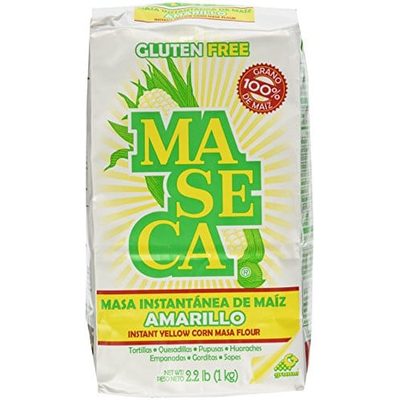
Maseca brand yellow corn masa harina, pre-ground and treated for immediate use in dough for tortillas, tamales, and other corn dough applications.
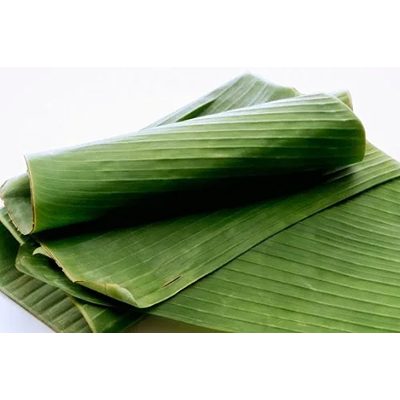
Frozen banana leaves for tamales, mukbil pollo, pibil, conkies, dukunu, and the Garifuna wrappers on hudut and bundiga — pass over a flame to make them pliable before wrapping; far easier than chasing fresh leaves outside the tropics.