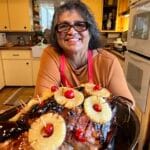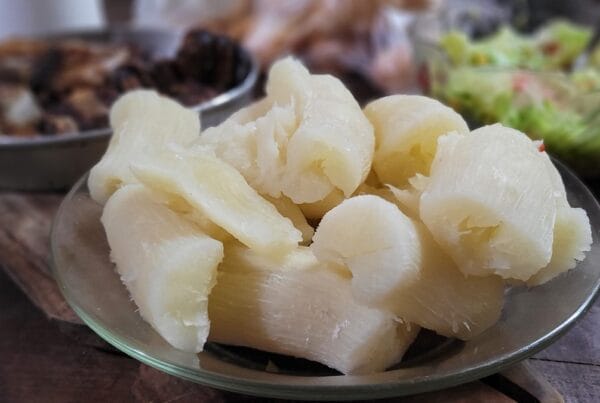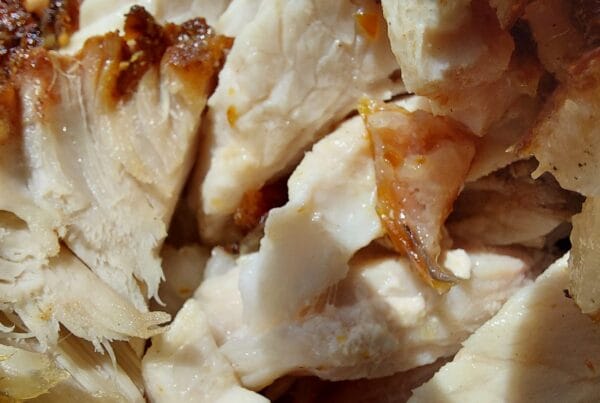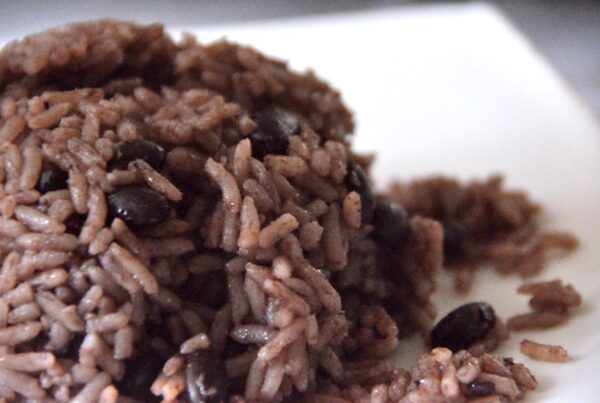
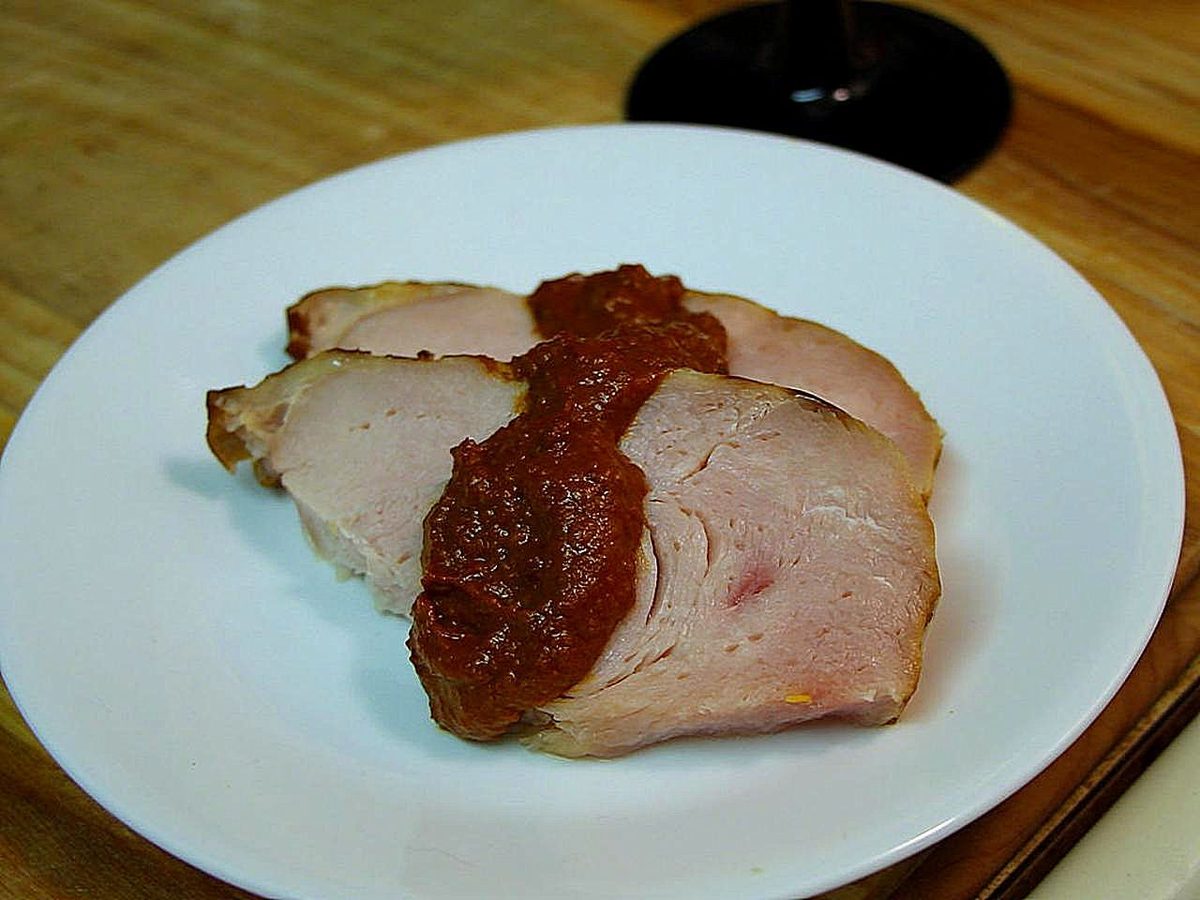
Pavo en relajo is the Salvadoran Christmas turkey, whole bird braised in a thick dark sauce built from toasted relajo: a blend of pumpkin seeds, sesame, guajillo and pasilla chiles, cloves, allspice, achiote, and tomato. The dish is Noche Buena centerpiece in Pipil and mestizo households across El Salvador.
Why pavo en relajo is El Salvador’s Noche Buena dish, not just a turkey recipe
In El Salvador, the smell tells you the holiday has arrived. Hours before midnight on December 24, relajo goes into the pot. The toasted seeds and dried chiles release a warm, smoky fragrance that fills the house and signals Noche Buena has begun. Turkey braised in that sauce is what Salvadoran families have placed at the center of the Christmas table for generations, in a tradition that is as much about the aroma and the ritual as it is about the meal itself.
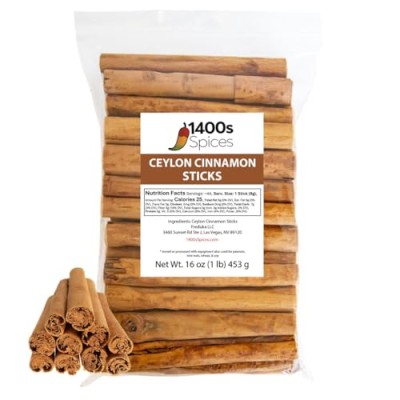
1400S Spices Ceylon Cinnamon Sticks from Sri Lanka, 1lb (Canela Entera)
Ceylon cinnamon is sweeter and milder than cassia — the right choice for atole, conkies, and sweet drinks. These are whole dried sticks from Sri Lanka.
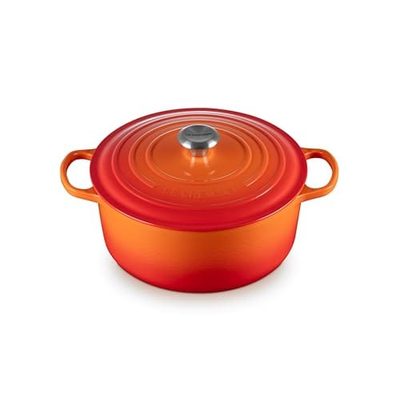
Cast iron dutch oven (Le Creuset)
Heavy cast iron Dutch oven with enamel coating - distributes heat evenly for long, low-temperature cooking and braising without losing liquid to evaporation.
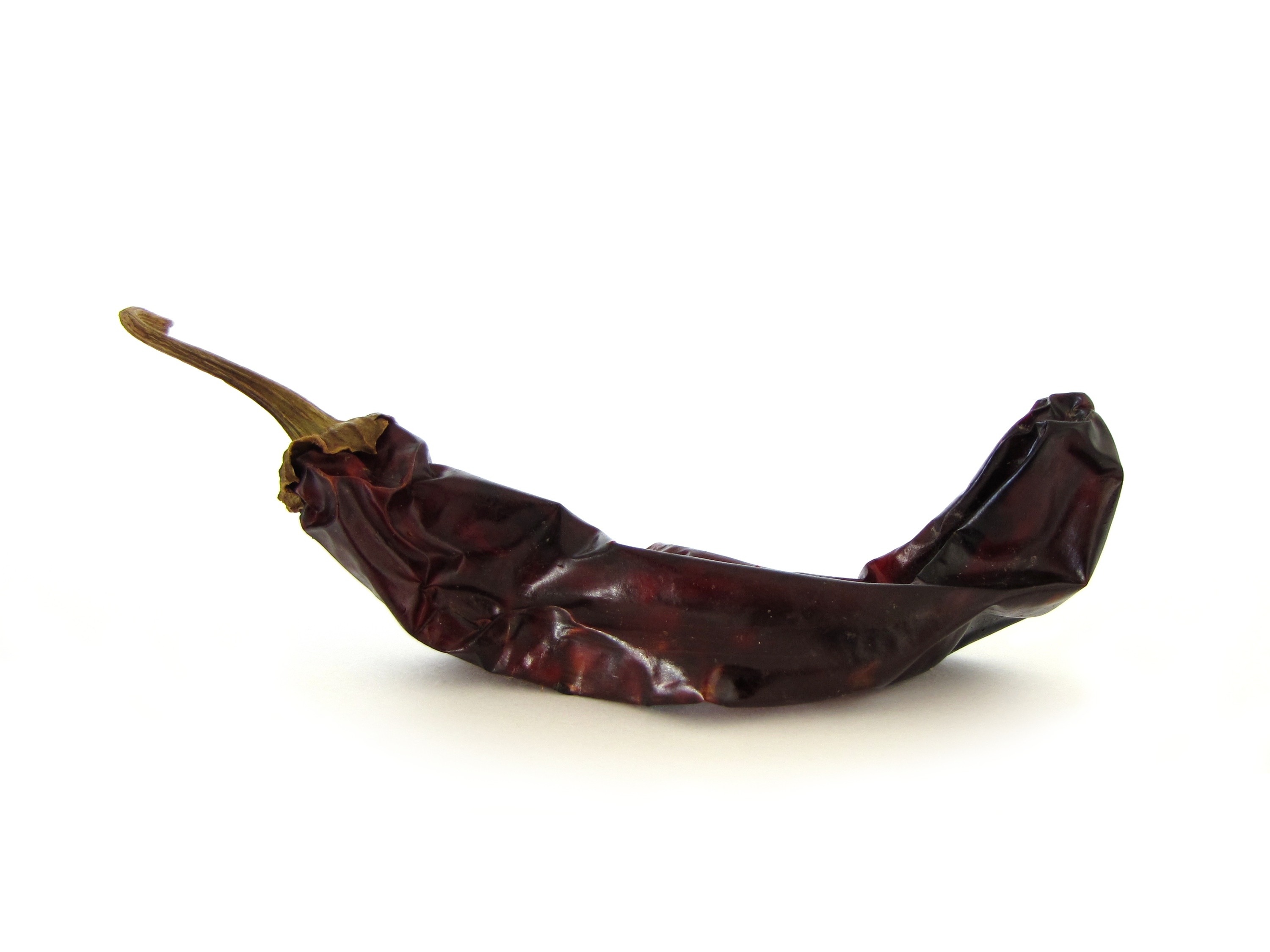
The word “relajo” means mess or jumble in Spanish, a playful name for the chaotic-looking combination of ingredients that somehow becomes a sauce of extraordinary depth. Pumpkin seeds, sesame, peanuts, dried chile guaque (guajillo), achiote seeds, whole cloves, cinnamon, allspice, cumin, bay leaves, and oregano are toasted separately and ground into a powder, then blended with roasted tomatoes, tomatillos, onion, and garlic. The result is poured over browned turkey pieces and simmered for two to three hours. The turkey absorbs the sauce as it braises, producing dark, richly flavored meat that falls from the bone.
The word “relajo” means mess or jumble in Spanish, a playful name for the chaotic-looking combination of ingredients that somehow becomes a sauce of extraordinary depth.
Pavo en relajo is a braise, not a roast. Where roasting creates a dry, browned exterior, braising in relajo sauce produces meat that is deeply seasoned throughout, with a sauce thick enough to spoon over the serving platter. To a Salvadoran Christmas, pavo en relajo is what roast turkey is to an American Thanksgiving: the dish that defines the holiday.
The turkey in El Salvador is sometimes called “chumpe” rather than “pavo.” Chumpe is the Nawat-origin word for turkey used in rural Salvadoran Spanish — Nawat is the Pipil language of El Salvador, a relative of classical Nahuatl. The turkey itself is indigenous to Mesoamerica; the relajo sauce enveloping it is a colonial-era fusion of pre-contact seeds and spices with ingredients that arrived from Spain and the Old World. What matters for the cook is that the bird is whole or in large pieces, and that it braises long enough for the relajo sauce to penetrate every part of the meat.
The tradition belongs to Pipil and mestizo Salvadoran households. The Pipil are a Nawat-speaking indigenous group native to El Salvador, not Maya. Their culinary tradition and that of the Salvadoran mestizo community share this dish as the Christmas centerpiece. El Salvador’s Semana Santa festive braise is a different dish entirely — gallo en chicha, a rooster braised in fermented chicha and panela with no relajo in sight; pavo en relajo is its Christmas counterpart, defined by the toasted seed sauce. El Salvador’s food culture, including the relajo technique, is one of the most specific and least documented cuisines in Central America. For a fuller picture of what Salvadorans eat, see the El Salvador food guide.
What is relajo, and how does toasting it make the sauce
Relajo is a spice blend and a sauce. As a dry blend (seeds, nuts, dried chiles, and aromatics toasted and ground), it stores well and can be prepared weeks in advance. As a sauce, the toasted blend is combined with fire-roasted tomatoes and tomatillos until smooth, then used as the braising liquid for the turkey.
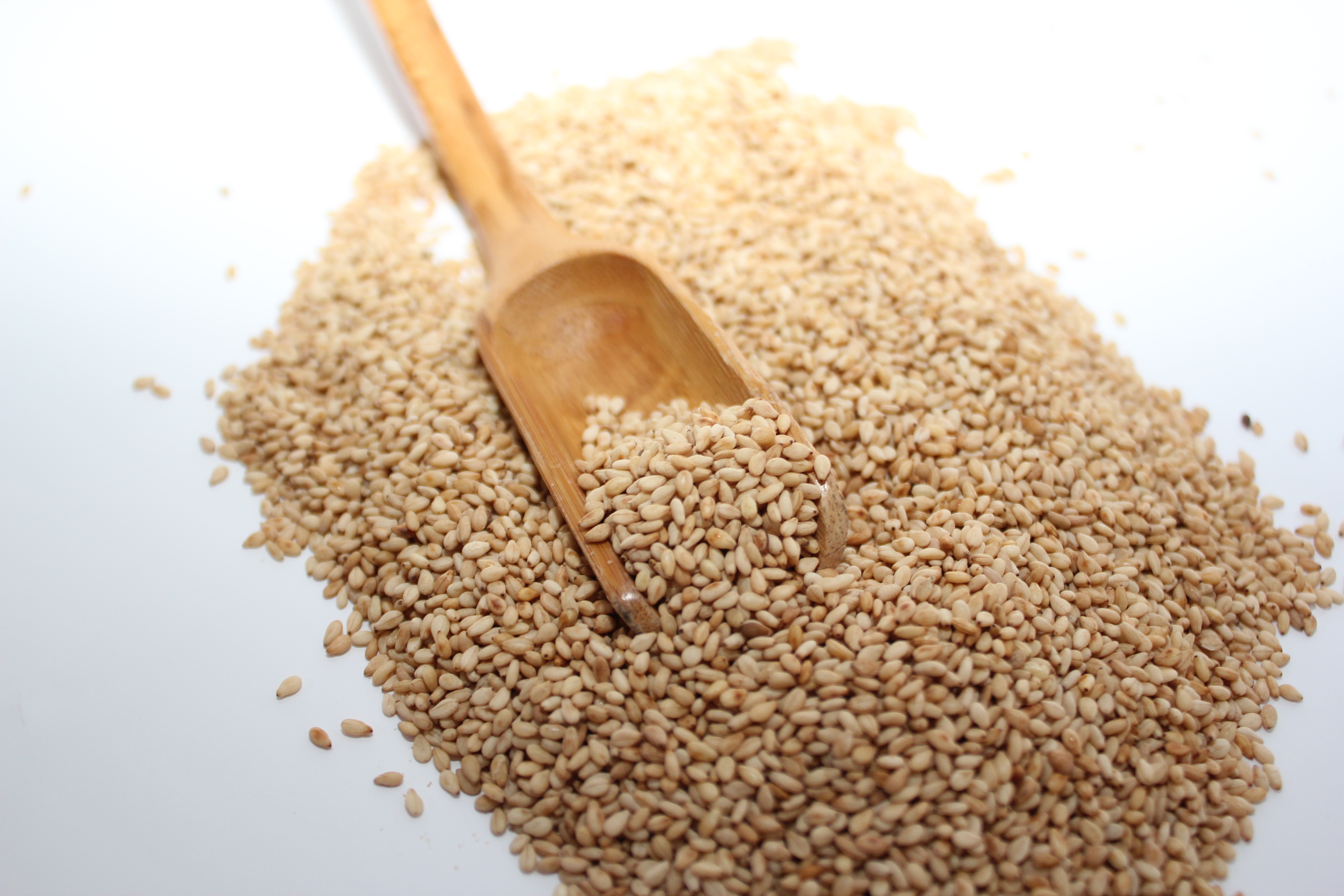
The toasting step is where the dish lives or fails. Each ingredient toasts at a different rate because each has a different density and moisture content. Toast them together and something will burn before the others are ready. The method is to work in batches: dry-toast the pumpkin seeds first in a wide pan over medium-low heat, stirring constantly, until they begin to pop and turn golden. Remove them. Then toast the sesame seeds until pale gold. Then the peanuts until fragrant. Then the dried chiles, pressed flat against the pan for a few seconds per side, just enough to bloom the oils without scorching the skin. Then the whole spices: cloves, cinnamon, allspice, cumin, and peppercorns together, 30 to 40 seconds until fragrant. Everything goes into a blender or spice grinder and is ground to a fine powder.
Burnt relajo produces a bitter sauce that cannot be corrected. This is why the recipe takes time.
Burnt relajo produces a bitter sauce that cannot be corrected. This is why the recipe takes time. The toasting alone is 20 to 30 minutes of patient attention. The payoff is a sauce that has no close equivalent in North American cooking: darker than a mole, more complex than a chile colorado, and distinctly Salvadoran in its combination of ingredients.
After grinding, the toasted blend is blended with char-roasted tomatoes, tomatillos, onion, and garlic (roasted directly over a gas flame or under a broiler until blackened in spots). Add water for consistency and blend until completely smooth. The sauce will be thick and dark. This is what you pour over the browned turkey.
Some families add prunes (or raisins), olives, and capers to the sauce for a sweet-and-briny dimension. Others add a splash of Worcestershire to the turkey marinade. These are household variations, not errors. The core of the dish: toasted relajo blended with fire-roasted vegetables, braised turkey, is consistent.
Ingredients
For the relajo spice blend
- ½ cup pepitoria (raw pumpkin seeds)
- ¼ cup sesame seeds
- ¼ cup raw peanuts (skins on)
- 3–4 dried chile guaque (guajillo), stems and seeds removed
- 2–3 dried chile pasa (pasilla), stems and seeds removed
- 1 tablespoon achiote seeds
- 4–5 whole cloves
- 1 small cinnamon stick (or ½ teaspoon ground cinnamon)
- 6 whole allspice berries
- 1 teaspoon black peppercorns
- 1 teaspoon cumin seeds
- 3 dried bay leaves
- 1 teaspoon Mexican oregano (dried)
For the sauce base
- 4 Roma tomatoes
- 3 tomatillos, husked
- 1 medium white onion, quartered
- 6 garlic cloves, unpeeled
- 1–2 cups water (for blending)
For the turkey
- 1 whole turkey, 10–12 lb, cut into large serving pieces (or bone-in breast, thighs, and drumsticks)
- 2 tablespoons Worcestershire sauce
- 2 teaspoons salt
- 2 tablespoons canola or vegetable oil
Notes on sourcing: Dried chile guaque — sold in Mexican and Latin markets as guajillo — is widely available at Mexican grocery stores and in the Latin food aisle of many supermarkets. Pepitoria is raw pumpkin seeds, sold as pepitas in the bulk or baking section. Chile pasa (also called pasilla or chile negro) can be substituted with dried ancho chiles in a pinch. Achiote seeds are available at Latin grocery stores; achiote paste (1 tablespoon) can substitute.
Instructions
- Make the relajo spice blend. Working in batches over medium-low heat in a dry heavy skillet, toast each ingredient separately: pumpkin seeds until golden and beginning to pop (3–4 minutes); sesame seeds until pale gold (2 minutes); peanuts until fragrant (3 minutes); guajillo and pasilla chiles pressed flat for 10–15 seconds per side until darkened slightly and fragrant; achiote seeds for 1 minute; whole cloves, cinnamon stick, allspice, peppercorns, and cumin seeds together for 30–40 seconds. Toast bay leaves 15 seconds per side. Allow each batch to cool completely before adding to blender.
- Grind the toasted blend. Add all cooled toasted ingredients plus the dried oregano to a blender or spice grinder. Grind until finely ground, working in batches if needed. The blend should be a coarse powder with no visible whole seeds or chile pieces. Set aside.
- Roast the sauce vegetables. Place tomatoes, tomatillos, onion quarters, and garlic cloves (unpeeled) directly over a gas flame on a wire rack, or on a foil-lined baking sheet under the broiler. Roast until charred in spots and softened, turning once, about 10–12 minutes under the broiler or until charred over the flame. Peel the garlic.
- Blend the sauce. Add roasted vegetables to the blender with the ground relajo blend. Add 1 cup of water. Blend on high until completely smooth, 2–3 minutes. Add more water if needed to reach the consistency of a thick purée. Taste for salt.
- Season the turkey. Pat turkey pieces dry with paper towels. Rub all over with Worcestershire sauce and 2 teaspoons of salt. Let sit 15 minutes at room temperature.
- Brown the turkey. Heat oil in a large heavy pot or Dutch oven over medium-high heat. Brown turkey pieces in batches without crowding, 3–4 minutes per side, until golden brown. Remove and set aside. Do not skip browning; the fond in the pot builds flavor in the sauce.
- Add the sauce and braise. Return all turkey pieces to the pot. Pour the relajo sauce over the turkey. Add enough water to nearly cover the turkey pieces, about 1–2 more cups. Bring to a boil, then reduce heat to low. Cover and braise, turning pieces occasionally, for 2 to 3 hours, until the turkey is fork-tender and pulls easily from the bone.
- Finish and serve. Remove the lid for the last 20 minutes of cooking to allow the sauce to thicken. Adjust salt. Serve the turkey on a platter spooned generously with the sauce. Reserve leftover turkey and sauce for pan con pavo, El Salvador’s post-Christmas sandwich.
Make-ahead relajo and what to do with the leftovers
The dry relajo spice blend can be made weeks ahead and stored in an airtight jar at room temperature. The sauce (blended relajo with roasted vegetables) keeps in the refrigerator for up to five days. Most Salvadoran families make the sauce the day before Noche Buena and refrigerate it overnight; the flavors deepen as it sits. On December 24, browning the turkey and adding the sauce is the work of an hour before a long, unattended braise.
For a smaller household, the relajo sauce works beautifully with a whole chicken instead of a full turkey. Pollo en relajo follows the same method with a shorter braise, about 1 to 1.5 hours. Reduce the sauce by a third to account for the smaller bird.
Leftover turkey in relajo sauce is what fills the pan con pavo sandwich, served cold on pan francés (a crusty French-style roll) with cucumber slices, watercress, radishes, and curtido, the Salvadoran pickled or fermented cabbage slaw. The cold sandwich from the Christmas bird is as much a part of the Salvadoran holiday tradition as the dinner itself. See the full recipe at pan con pavo.
Substitution notes for readers outside El Salvador: dried chile guaque (guajillo) is the most important and most available; do not substitute. Chile pasa can be replaced with dried ancho chile. Pepitoria is any raw hulled pumpkin seed (pepitas). Achiote paste (found at Latin grocers) substitutes for achiote seeds at 1 tablespoon. For Mexican oregano specifically, regular Mediterranean oregano will work but has a slightly different flavor profile; Mexican oregano is lemony, not the Greek variety.
Not sure how this compares to the other festive braises? See what relajo actually is.
Frequently Asked Questions
What is pavo en relajo?
Pavo en relajo is a Salvadoran Christmas dish of turkey braised in relajo sauce, a thick, dark sauce made from toasted pumpkin seeds, sesame, dried chile guaque (guajillo) and chile pasa, achiote, cinnamon, whole spices, and fire-roasted tomatoes and tomatillos. It is the traditional Noche Buena centerpiece in Pipil and mestizo Salvadoran households.
What is in a Salvadoran relajo spice blend?
The relajo blend includes pepitoria (pumpkin seeds), sesame seeds, raw peanuts, dried chile guaque (guajillo), dried chile pasa (pasilla), achiote seeds, whole cloves, a cinnamon stick, allspice berries, black peppercorns, cumin seeds, dried bay leaves, and Mexican oregano. Each ingredient is toasted separately before grinding to prevent burning.
How long does it take to braise pavo en relajo?
The turkey braises in the relajo sauce for 2 to 3 hours over low heat, covered, until fork-tender and pulling from the bone. Total preparation time including making the relajo blend and roasting the sauce vegetables is about 1 hour before the braise begins.
Is pavo en relajo the same as pan con pavo?
No. Pavo en relajo is the whole turkey braise, the Noche Buena dinner itself. Pan con pavo is the sandwich made from leftover Christmas turkey: cold turkey in relajo sauce stuffed into a crusty roll with cucumber, watercress, radishes, and curtido. The sandwich is a Salvadoran post-Christmas tradition made possible by the pavo en relajo the night before.
Can I use chicken instead of turkey for relajo?
Yes. Pollo en relajo uses the same sauce and method with a whole chicken or bone-in chicken pieces. The braise time shortens to 1 to 1.5 hours. Reduce the sauce quantity by roughly a third to account for the smaller bird. The flavor is equally good; many families who are cooking for fewer people prefer chicken.
Where can I find pepitoria and dried Salvadoran chiles?
Pepitoria is raw pumpkin seeds, sold as pepitas in most supermarkets in the bulk or snack section. Dried chile guaque is available at Mexican grocery stores as guajillo, and increasingly in mainstream supermarkets. Chile pasa (sometimes labeled pasilla or chile negro) is found at Latin grocers; dried ancho is a workable substitute. Achiote seeds and achiote paste are available at most Latin grocery stores.
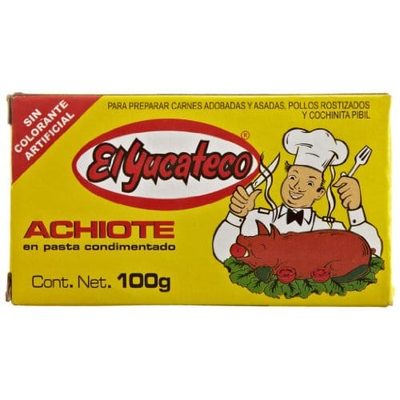
Cochinita pibil, poc chuc, and escabeche all start with red recado. A prepared achiote paste dissolves into sour orange in minutes instead of the hour it takes to grind annatto, oregano, and clove from seed.