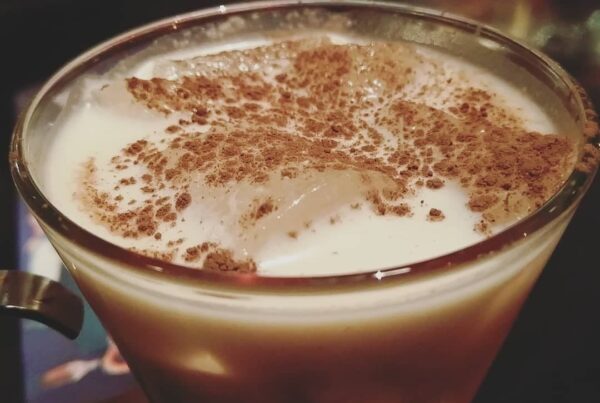
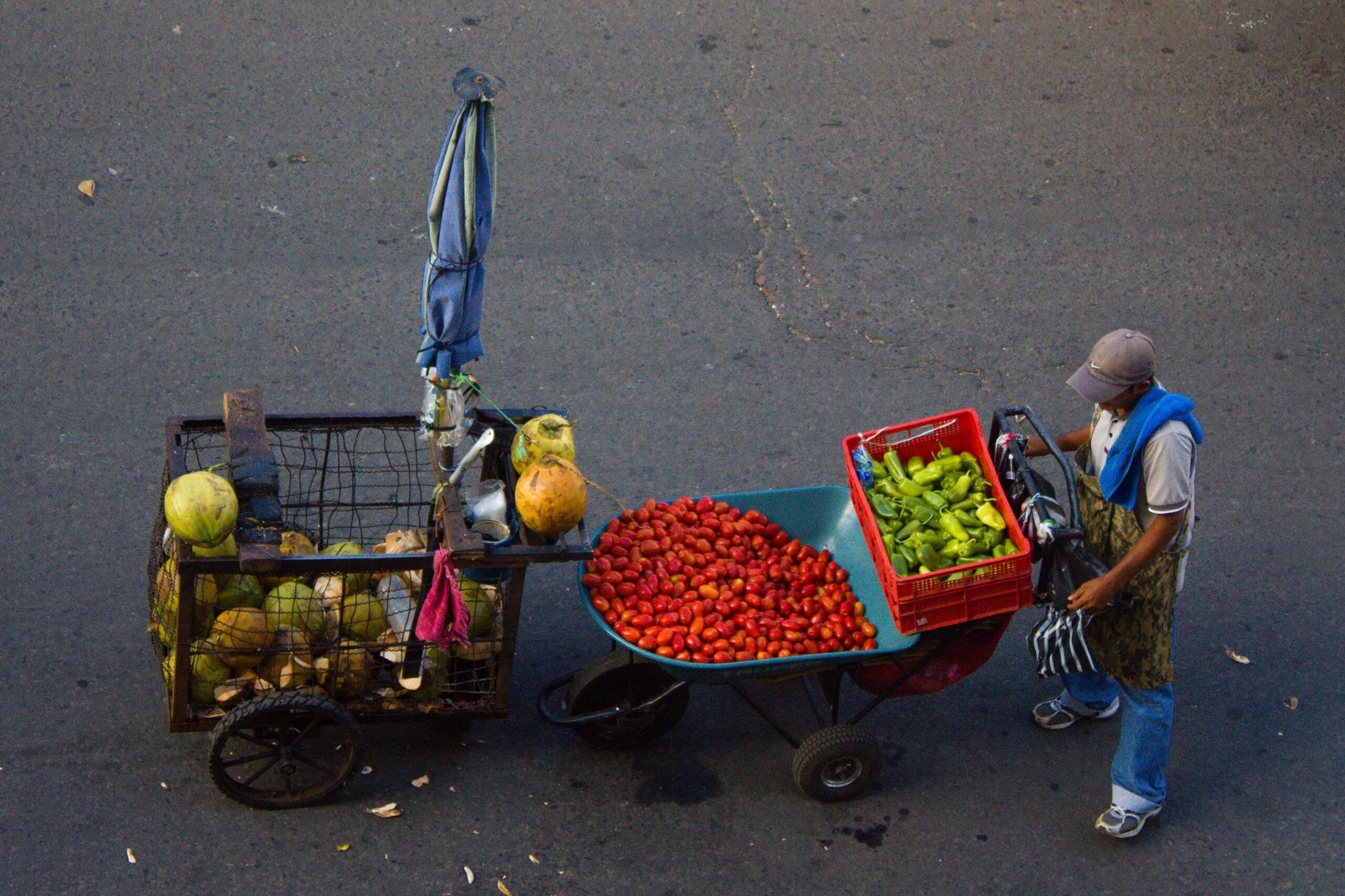
Atol shuco is a hot, thick, savory Salvadoran street drink made from fermented black corn, served in a jícara topped with alguashte (ground toasted pumpkin seeds), cooked red beans, and chile. It has a distinctive sour, earthy flavor from days of natural corn fermentation, and has fueled early-morning workers across El Salvador’s western highlands for generations.
What “shuco” actually means — and why that dark color is the point
The name tells you everything before you take a sip. “Shuco” (sometimes spelled “chuco”) comes from Nahuatl-influenced Salvadoran slang meaning dirty, murky, slightly off. It describes the color of the drink: a deep purple-brown that looks nothing like the pale corn porridges you might know. That darkness is not a flaw. It is the point.

Cuisinart Pro Custom 11-Cup Food Processor with Slicing & Shredding Discs (DLC-8SBCYP1)
Spice pastes built from garlic, citrus and dried chiles need a processor that grinds them smooth in one pass. An 11-cup bowl is sized for batches that get portioned and frozen.
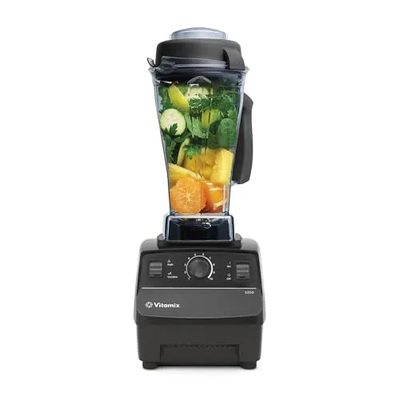
High-powered Vitamix 5200 blender - grinds, purees, and emulsifies at speeds standard home blenders don't reach.
The darkness is not a flaw. It is the point.
Atol shuco is considered one of El Salvador’s oldest traditional hot drinks, rooted in the foodways of the western highlands: Pipil (Nahua-Pipil) communities in the west and center, Lenca communities in the east, and Maya-Ch’orti’ communities along the Guatemalan border all carry this tradition. The heartland is the departments of Santa Ana and Ahuachapán, primarily, though the drink crosses the Guatemalan border into the western highlands around Quetzaltenango. It is honest about its regional character: this is a shared Mesoamerican corridor drink, not an exclusively Salvadoran invention, even if Salvadorans carry it most visibly in the modern diaspora.
What makes it specifically this drink is the fermentation. Whole dried black corn (maíz negrito) soaks in water for two to three days at room temperature until natural lactic acid bacteria take hold. The corn goes earthy, slightly sour, complex. Then it is ground, strained, and cooked slowly over medium heat until thick. The toppings (alguashte, cooked beans, chile, sometimes a hard-boiled egg in Santa Ana) go on at the moment of serving.
The American Chemical Society’s 2022 publication Hispanic Foods: Chemistry of Fermented Foods includes a chapter specifically on atol shuco, documenting its phytochemical profile: black corn is rich in anthocyanins and ferulic acid, and the fermentation releases bound phenolics while introducing probiotic lactic acid bacteria. It is, by any measure, a nutritionally dense drink. But that is not why people drink it at five in the morning from a clay-bottomed jícara before the market opens. They drink it because it is theirs.
Ingredients
For the fermented corn base:
- 2 cups whole dried black corn (maíz negrito or maíz morado). Purple corn masa harina works for the quick method; see Tips.
- 8 cups water for soaking, plus 6 to 8 cups fresh water for cooking
- 1 teaspoon fine salt, plus more to taste
For serving (per cup):
- 2 to 3 tablespoons cooked black or red beans, warm
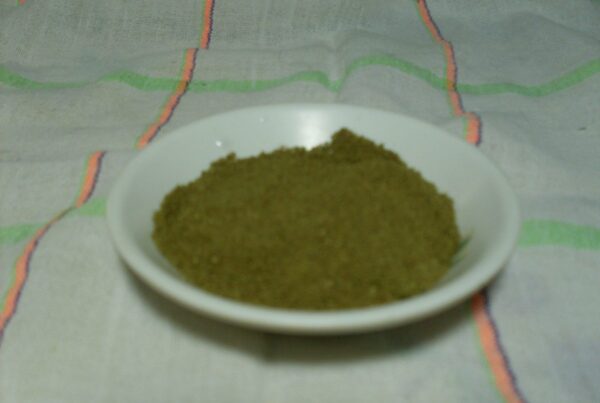
- 1 to 2 teaspoons alguashte (finely ground toasted pumpkin seeds). See Tips for sourcing.
- 1 small dried red chile or half teaspoon chile powder, to taste
- 1 optional hard-boiled egg, halved (Santa Ana variation)
Instructions
Traditional method (5 to 7 days total, mostly hands-off):
- Place the dried black corn in a large bowl or pot. Cover with water by at least three inches. Leave at room temperature for 2 to 3 days, changing the water once daily. You will notice a slightly sour smell developing. That smell is the fermentation working.
- After 2 to 3 days, drain the corn. Working in batches, grind it with just enough fresh water to create a smooth, thick masa. Use a high-powered blender or food processor. A traditional stone mill (if you have access to one) gives a better texture. The masa should flow but not be watery.
- Strain the ground masa through a clean cloth or fine-mesh cheesecloth into a large pot or bowl, pressing firmly to extract as much liquid as possible. Discard the solids or reserve for tortillas. The strained liquid is the base.
- Cover the strained liquid and let it sit at room temperature for another 1 to 2 days. This second rest deepens the fermentation flavor. A thin sour liquid will collect on top. That is normal. Stir it back in before cooking.
- Pour the fermented liquid into a heavy-bottomed pot and bring to medium heat. Stir constantly. The masa settles and scorches in minutes if left unattended. Cook for 30 to 45 minutes until the atol thickens to the consistency of a loose porridge, pulling away slightly from the sides of the pot when you stir. Add salt to taste.
- Serve immediately. Pour hot atol into a jícara or small bowl. Spoon warm beans on top, dust with alguashte, and add chile to taste. If you are using the egg, place the halves on top last.
Quick method (same day):
- If you cannot find whole dried black corn, use blue corn masa harina (Maseca Azul or similar). Combine 1 cup masa harina with 4 cups cold water and whisk until smooth. Let the mixture soak, covered, overnight in the refrigerator. This approximates fermentation and draws out some sourness.
- Strain through fine mesh. Discard any undissolved sediment. Proceed with Step 5 above, cooking for 20 to 30 minutes. The flavor will be milder and less sour than the traditional method, but the texture and serving ritual are the same.
Atol shuco vs. atol de elote — why the fermentation changes everything
This is the comparison that matters most if you have eaten one and are meeting the other for the first time.
Atol de elote is sweet. It is made with fresh corn kernels blended with milk, sugar, and cinnamon, producing a warm, pale drink that tastes like the softer edge of Salvadoran or Honduran morning. It is universally beloved, easy to love on first contact.
Atol shuco asks more of you.
Atol shuco asks more of you.
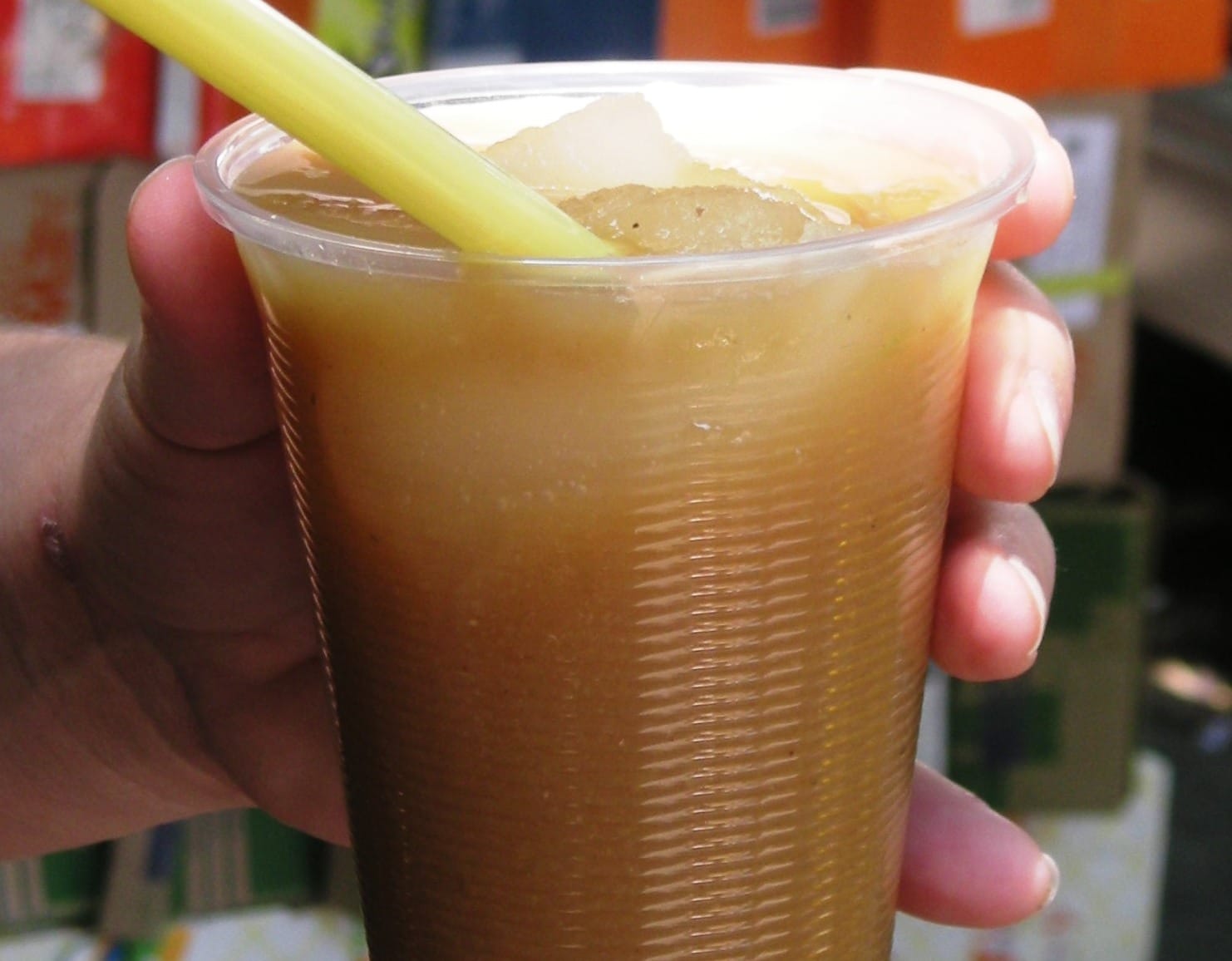
The fermentation changes the corn’s character at a molecular level: releasing bound phenolics, building lactic acid, producing a flavor that is earthy, slightly acidic, and layered in a way that fresh corn simply cannot be. Add alguashte (the toasted pumpkin seed powder ground so fine it coats the surface of the drink like a skin) and cooked beans underneath, and you have something that is more food than beverage, more sustenance than refreshment. Workers in western El Salvador have drunk this before dawn because it holds them. A sweet corn drink does not do the same work.
The two atoles share a base ingredient and a name prefix. They belong to different traditions. Atol shuco connects to the Mesoamerican family of fermented corn drinks (chicha, tejuino, pozol), drinks made by indigenous peoples across the corridor from central Mexico through Guatemala. Atol de elote belongs to the sweeter, colonial-era tradition of corn-and-milk beverages. They are not interchangeable, and they are not variants. They are different drinks with different purposes.
Within the Salvadoran atol family, two other drinks are worth naming here so you arrive at the right one. Chilate is a separate Salvadoran corn atol: toasted nixtamal masa (not fermented), unsweetened, and classically paired with nuégados during Semana Santa. Horchata de morro is something else entirely: cold, sweet, and made not from corn but from the seeds of the morro tree. The fermented, savory character of atol shuco is what sets it apart from every other drink in the family.
For readers who come looking for atol shuco expecting something sweet: adjust before the first sip. The sour is the whole point.
How to serve atol shuco the right way — and what to do without a jícara
The traditional vessel is a jícara, a cup made from the dried, hollowed fruit of the morro tree (widely cited as Crescentia alata, though closely related to C. cujete). Outside Central America, you will not find a jícara in most kitchen stores. Use a small earthenware bowl or a clay cup if you have one. A ceramic teacup will do. What you should avoid is a tall mug: the ratio of depth to opening changes how you access the beans and chile at the bottom, and tradition says you drink without a spoon, catching what you catch on the way up.
The beans go in first. Hot atol is poured over them. The alguashte goes on top last, just before serving. By the time you reach the bottom of the cup, the beans have absorbed some of the atol and become something between a drink and a thick stew.
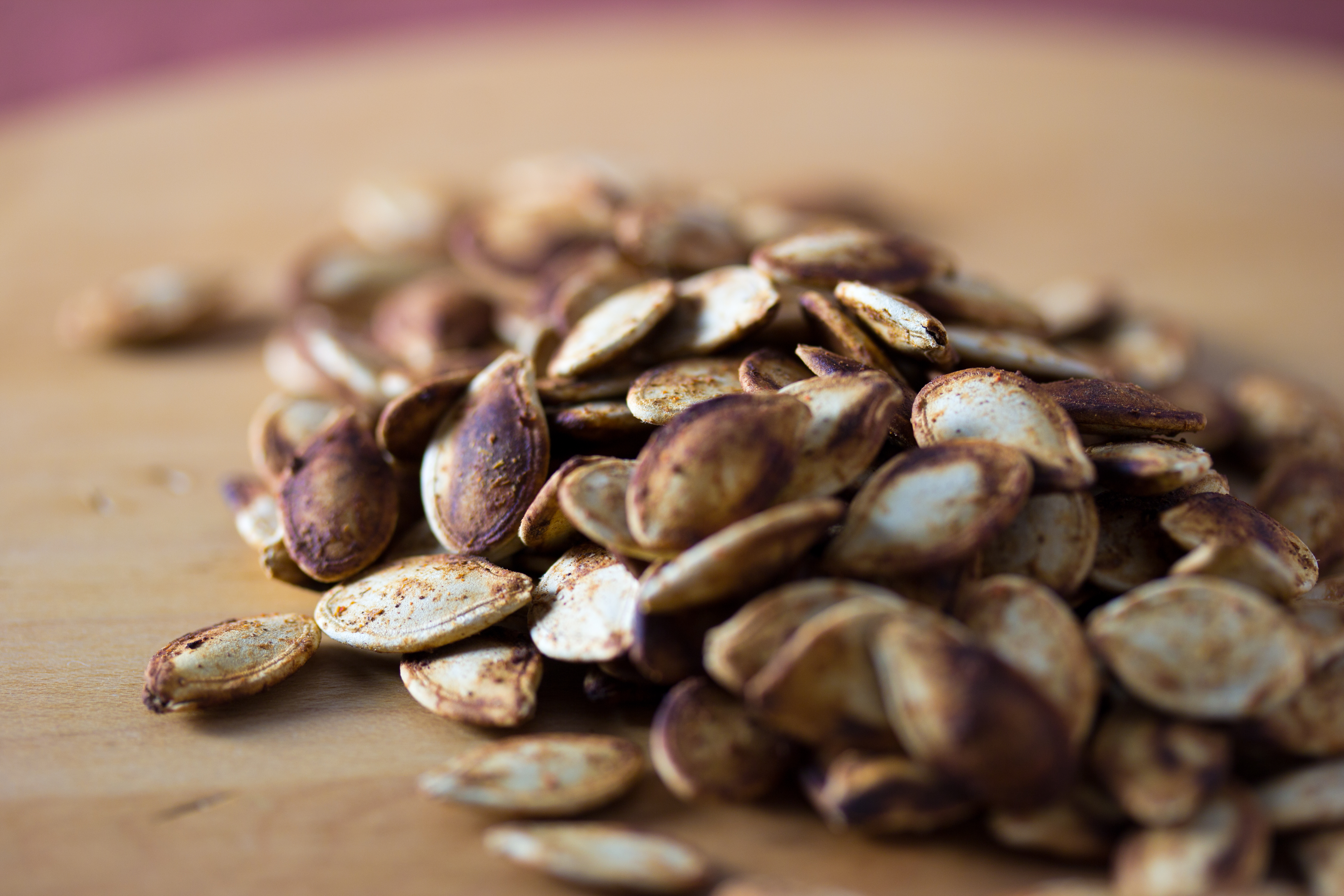
For the alguashte: if you cannot find it in a Salvadoran or Central American grocery, make it. Dry-toast hull-less pumpkin seeds (pepitas) in a skillet over medium heat for 4 to 5 minutes, stirring constantly, until they pop and turn lightly golden. Let them cool completely, then grind to a fine powder in a spice grinder. Sift and add a pinch of salt. Store in an airtight container for up to two weeks. The powder works on more than atol: scatter it over mango, over crab, over chicken soup. Once you have a jar of it, you will find reasons.
For the quick-method: instant atol shuco mixes made in El Salvador are available in US Hispanic grocery stores and online. They are powdered fermented corn, often with alguashte already included. They are useful for diaspora cooks who want the flavor without the five-day commitment. They are not the same as making it from scratch, but they are honest about what they are, and they make the drink accessible.
Want to keep the Salvadoran corn drinks straight? See our guide to atol and corn drinks explained.
Frequently Asked Questions
What is atol shuco?
Atol shuco is a hot, thick, savory Salvadoran fermented corn drink made from black or purple corn that has been soaked in water for 2 to 3 days until naturally sour. It is served in a jícara and topped with alguashte (ground toasted pumpkin seeds), cooked beans, and chile. It is considered one of El Salvador’s oldest traditional hot beverages and is closely associated with early-morning street food culture in the western highlands.
How is atol shuco different from atol de elote?
Atol de elote is sweet: it is made from fresh corn blended with milk, sugar, and cinnamon. Atol shuco is savory and sour: it is made from dried black corn that has been fermented for several days. The two drinks share a name and a corn base but belong to different culinary traditions. Atol shuco has a dark color and earthy, complex flavor; atol de elote is pale and mild. They are not variations of the same drink.
What is alguashte and why is it added to atol shuco?
Alguashte is a traditional Salvadoran and Honduran seasoning made from dry-toasted pumpkin seeds (pepitas) ground to a fine powder with salt. It is a Pipil and Lenca heritage ingredient used across Salvadoran cooking. In atol shuco, it goes on top as a finishing layer, adding a nutty, slightly bitter note that balances the sourness of the fermented corn. It is not optional. The drink tastes flat without it.
Is atol shuco Salvadoran or Guatemalan?
Atol shuco is most strongly associated with El Salvador, particularly the western highlands departments of Santa Ana and Ahuachapán, and is considered one of El Salvador’s oldest traditional hot drinks. However, it is also made in western Guatemala, especially in the region around Quetzaltenango. Like many Mesoamerican foods, it belongs to a shared corridor that crosses modern borders. El Salvador carries the primary cultural identity attached to this drink; Guatemala has its own deep tradition with it.
How long does it take to ferment corn for atol shuco?
The traditional method takes 5 to 7 days total: 2 to 3 days soaking and fermenting the whole dried corn, plus 1 to 2 days for the strained liquid to develop further flavor, plus 30 to 45 minutes of cooking. Most of this time is hands-off. If you want to make atol shuco the same day, use blue corn masa harina soaked overnight in the refrigerator, strained and cooked. The result is milder but still worthwhile.
Can I make atol shuco without fermented corn?
You can make a version of it using blue or purple corn masa harina soaked overnight, which approximates some of the fermented flavor. Instant atol shuco mixes imported from El Salvador are also available online and produce a reasonable result. Neither method gives you the full complexity of the traditionally fermented drink, but both are honest alternatives when whole dried black corn is not available.
How is atol shuco different from chilate?
Chilate is a separate Salvadoran corn atol with a different preparation and character. It is made from toasted nixtamal masa (not fermented corn), is unsweetened, and is seasoned with whole allspice and ginger. It is traditionally served hot alongside nuégados de yuca during Semana Santa. Atol shuco is fermented, savory, served with beans and alguashte, and drunk primarily as early-morning street food. They are both corn-based hot drinks but they are not the same drink.
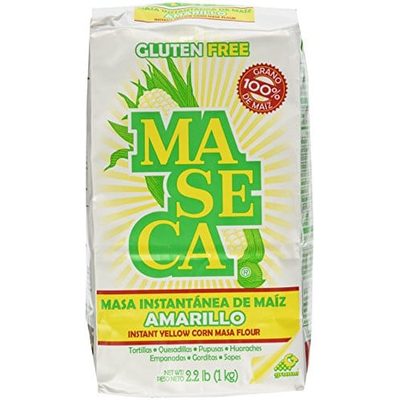
Maseca brand yellow corn masa harina, pre-ground and treated for immediate use in dough for tortillas, tamales, and other corn dough applications.