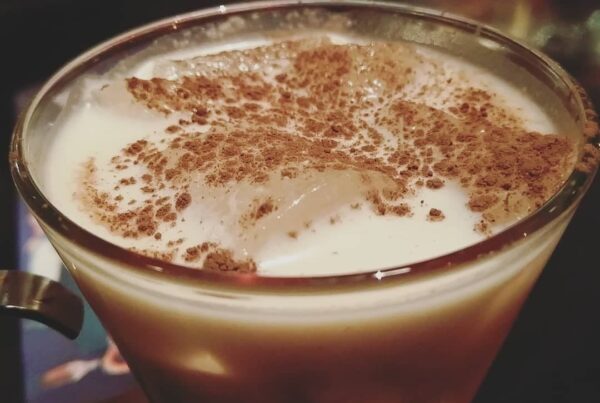
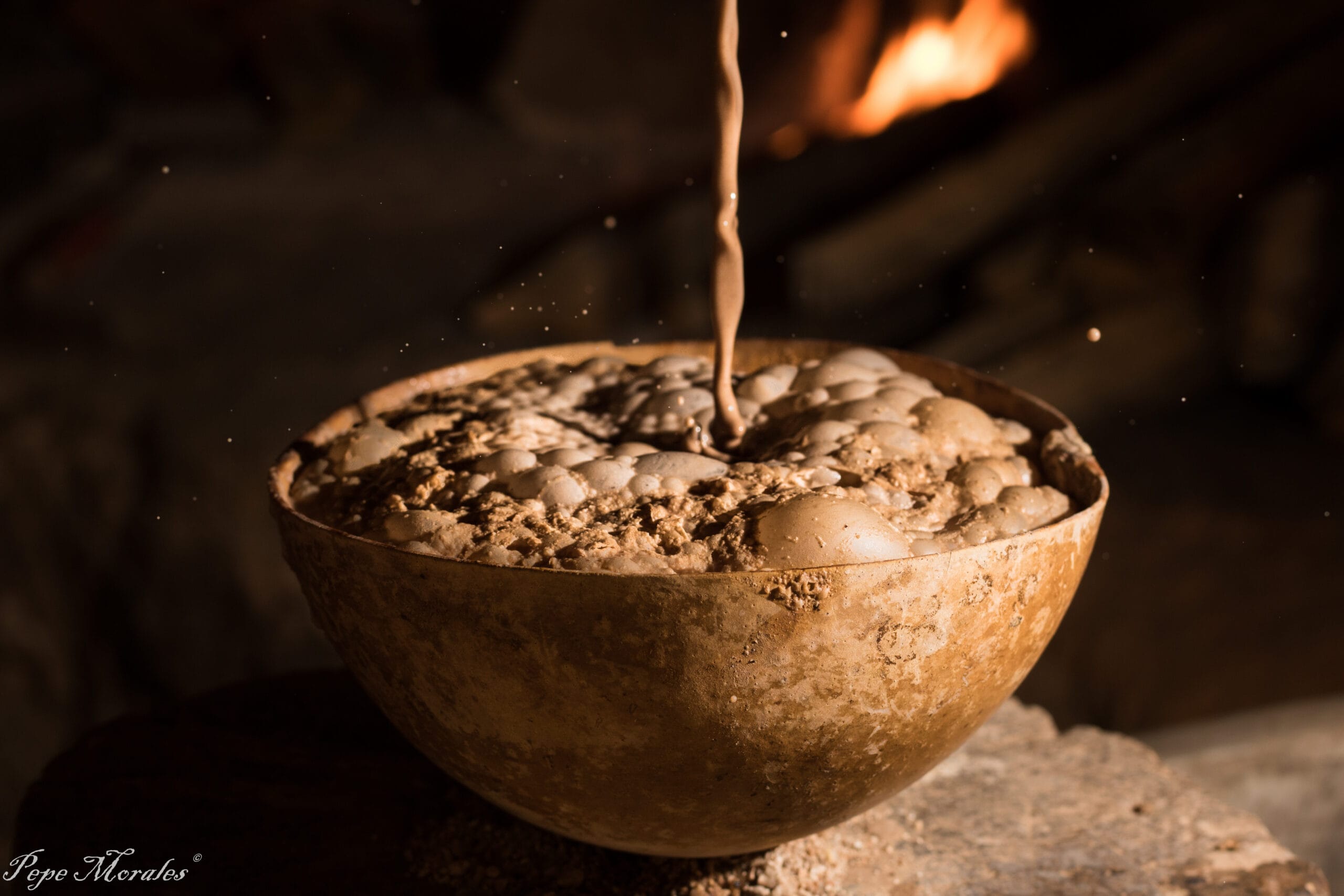
Chilate is a thick, hot corn drink from El Salvador, made with nixtamalized corn masa simmered with whole allspice (pimienta gorda), ginger, and black pepper until it reaches a porridge-like consistency. Lightly seasoned and barely sweet, it is traditionally served in a jícara alongside nuégados de yuca at fairs and street stalls.
Where chilate comes from and why it has stayed unsweetened
The name comes from the Nahuatl word chilliatl, which means “chili water.” That etymology places chilate in the pre-Columbian foodways of the Pipil people, the Nawat-speaking descendants of Mesoamerican migrants who settled in present-day El Salvador around the 11th century. Nawat is its own language, related to but distinct from the Nahuatl of central Mexico. The Pipil brought corn cultivation, nixtamalization, and a tradition of corn-based drinks that predated the Spanish colony by centuries.
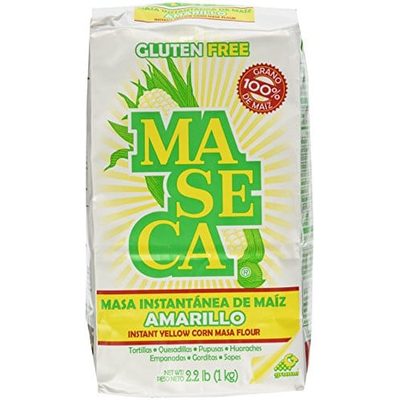
Maseca brand yellow corn masa harina, pre-ground and treated for immediate use in dough for tortillas, tamales, and other corn dough applications.
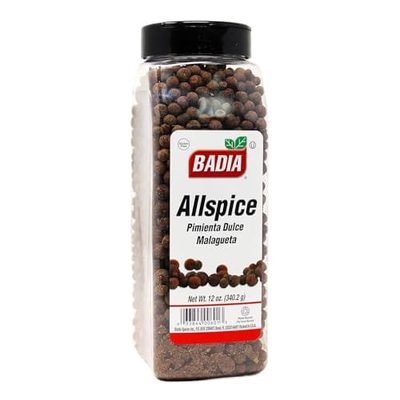
Whole allspice berries you grind fresh; the warm, complex spice flavor is strongest when ground right before use, unlike pre-ground powder.
The name comes from the Nahuatl word chilliatl, meaning chili water, placing chilate in the pre-Columbian foodways of the Pipil people.
What makes the Salvadoran and Honduran version distinct from other regional corn drinks is the spice profile: whole allspice berries (pimienta gorda) and fresh ginger (a post-contact spice the drink absorbed early), simmered with the masa and left unstrained in the cup; most recipes also add whole black peppercorns. You drink around them. No sugar goes in. That restraint is the point. Chilate is the barely-sweet foil to the sweet things it accompanies.
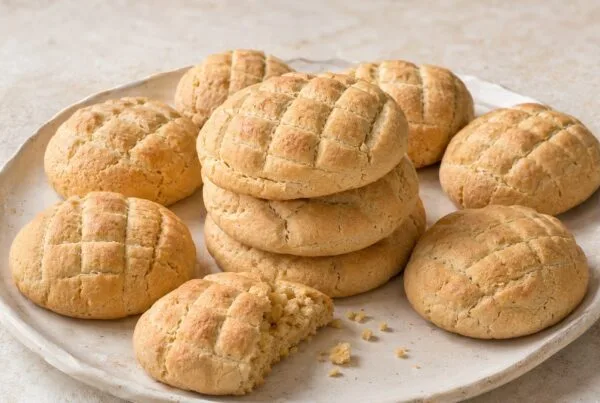
The drink’s natural partner is nuégados de yuca, which are fried cassava fritters drenched in panela syrup. Torrejas and slices of ripe plantain also accompany it. This pairing anchors chilate to the festival food circuit of El Salvador: Holy Week markets, local fairs, the afternoon street-stall ritual between lunch and dinner. Vendors ladle it hot from a clay pot into individual jícaras or guacales, vessels made from dried gourd or molded clay.
Chilate also appears in Guatemala, Honduras, and parts of southern Mexico. Its character shifts across the corridor. Some regional versions — particularly the Mexican chilate from Guerrero, which uses cacao and rice and is served cold — share the name but are a different drink. The Salvadoran form keeps its identity through the unsweetened corn-and-masa base. It is not the sweet corn atol of Honduras (atol de elote) nor the fermented black corn drink (atol shuco). Those are related but distinct. Chilate’s signature is its warm, thick, gently spiced body: something between a thin porridge and a hot drink, served the same way it has been served for generations along the food corridor we cover at the El Salvador Food Guide.
Ingredients
- 1 cup masa harina (nixtamalized corn flour)
- 2 cups cold water, for mixing
- 6 cups water, for simmering
- 1-inch piece fresh ginger, peeled and sliced thin
- 10 whole black peppercorns
- 8 whole allspice berries (pimienta gorda)
- Optional: 1 tablespoon piloncillo (unrefined cane sugar), if a touch of sweetness is desired
Instructions
- In a large saucepan, whisk the masa harina into the 2 cups of cold water until fully dissolved with no lumps.
- Add the remaining 6 cups of water and stir to combine.
- Place over medium heat and bring to a gentle simmer, stirring constantly with a wooden spoon.
- Add the sliced ginger, whole black peppercorns, and allspice berries to the pot.
- Reduce heat to low. Continue simmering for 25 to 30 minutes, stirring frequently. Do not stop stirring for long or the masa will stick to the bottom and scorch.
- If you are adding piloncillo, stir it in now and dissolve completely, about 2 minutes.
- Taste for thickness. The chilate should coat the back of a spoon lightly. If it has thickened too much, add a splash of hot water and stir.
- Serve hot, ladled directly into clay cups or jícaras. The peppercorns and allspice berries stay in the drink. Drink around them, as you would in El Salvador.
Yield: 4 servings (about 1 cup each)
How to adjust chilate to your kitchen and what to serve with it
Use nixtamalized masa harina, not plain cornmeal or corn flour. The nixtamalization process (soaking dried corn in an alkaline lime solution) gives masa its distinctive flavor and creates the drink’s characteristic smooth thickness. Brands like Maseca are available at Latin grocery stores and in the Latin food aisle of most large supermarkets.
Traditional chilate is unsweetened. If you want something closer to the sweeter version sold at some city markets, add no more than one tablespoon of piloncillo or panela. More than that and you are making a different drink.
Chilate does not keep well. The masa continues to thicken as it cools and becomes almost solid by the next day. Make it fresh and serve it hot. If you have leftovers, reheat slowly with a little added water and stir continuously.
Make it fresh and serve it hot. The masa continues to thicken as it cools and becomes almost solid by the next day.
The classic Salvadoran pairing is nuégados de yuca, fried cassava fritters in panela syrup. Torrejas and slices of sweet ripe plantain also work well. The sweet-savory contrast is the point. Chilate’s spiced, barely-sweet body balances something sticky and sugary.
If you are building a full Salvadoran meal, chilate pairs well after the main course. See the pupusas recipe for the most recognized Salvadoran dish, and the curtido recipe for the pickled cabbage relish that accompanies them.
Want to keep the Salvadoran corn drinks straight? See our guide to atol and corn drinks explained.
Frequently Asked Questions
What is chilate made of?
Chilate is made from nixtamalized corn masa (masa harina), water, whole allspice berries (pimienta gorda), and fresh ginger. Most Salvadoran recipes also include whole black peppercorns. The ingredients are simmered together until the drink reaches a thick, porridge-like consistency. No sugar is added in the traditional version, though a small piece of piloncillo is sometimes used.
What is the difference between chilate and atol?
Chilate and atol are both thick corn-based hot drinks, but they differ in key ways. Atol de elote is made from sweet fresh corn and is distinctly sweet. Chilate uses nixtamalized dried corn masa and is spiced with allspice and ginger. It is barely sweet or unsweetened entirely. The spice profile and the absence of sugar are what set chilate apart from the atol family. Atol shuco — the fermented black-corn drink — is also hot and thick, but it is savory, garnished with beans and alguashte, and built on a fermented base rather than a spiced one.
What do you eat with chilate?
The classic Salvadoran pairing is nuégados de yuca, fried cassava fritters drenched in panela syrup. Chilate is also served alongside torrejas (fried bread soaked in panela syrup), slices of ripe plantain, and other sweet market foods. The contrast between chilate’s lightly spiced warmth and the sweetness of these accompaniments is a defining feature of the experience.
Is chilate sweet or savory?
Traditional Salvadoran chilate is neither sweet nor properly savory. It is warm and spiced, with corn masa providing body and allspice and ginger providing the dominant flavor. Some vendors add a small amount of piloncillo, but the drink is generally unsweetened. Its role is to balance the sweet foods it accompanies, not to compete with them.
Is chilate the same as Mexican chilate?
No. The two drinks share a name but are built on different foundations. Salvadoran chilate is an unsweetened hot drink made from nixtamalized corn masa with allspice and ginger. The Mexican version, found in states like Guerrero, is typically made with cacao and rice and is often served cold. They are nominal cognates that diverged across the food corridor into two distinct drinks.
Can I make chilate with masa harina?
Yes. Masa harina (nixtamalized corn flour) is the standard ingredient and the most practical option for home cooks outside Central America. The key is to use a nixtamalized product, not plain cornmeal, corn flour, or polenta. Maseca is the most widely available brand. Dissolve the masa harina in cold water first before heating to prevent lumps.
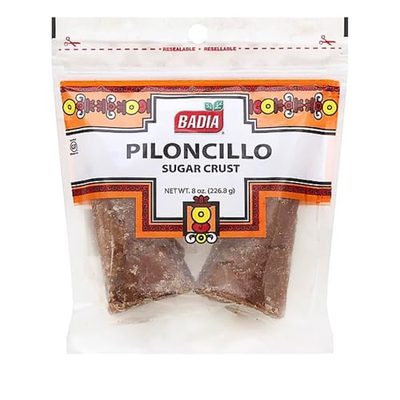
Unrefined cane sugar in cone form, the panela these syrups and sweets are built on.