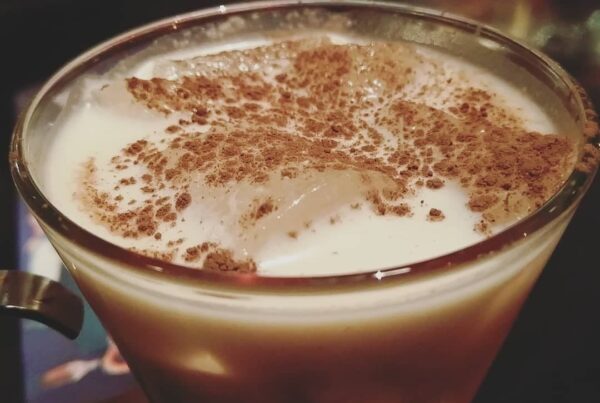
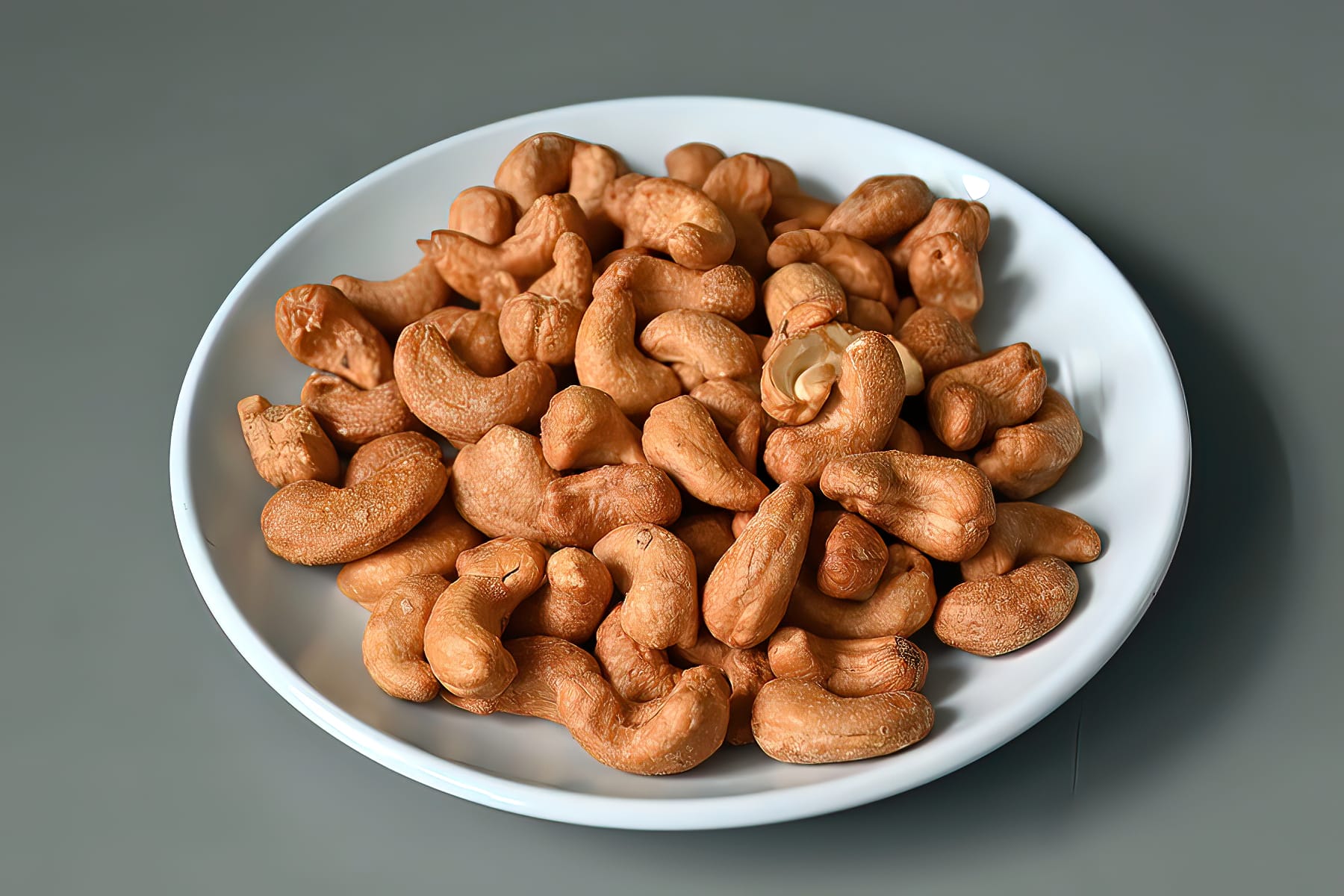
Atol de semilla de marañón is a Salvadoran hot drink made from toasted, ground cashew seeds simmered with milk, sugar, and cinnamon into a thick, nutty beverage. A specialty of Pipil and mestizo kitchens, it differs from corn atoles in both base and flavor. El Salvador’s marañón harvest makes this drink possible.
Ingredients
- 1 cup raw cashew seeds (semilla de marañón), shells fully removed
- 1½ liters whole cow’s milk (or water for a lighter version)
- 1 cinnamon stick (raja de canela)
- ¼ teaspoon freshly grated nutmeg (nuez moscada)
- Sugar to taste (approximately ¼–⅓ cup)
- Pinch of salt
- Optional: ½ teaspoon vanilla extract
Instructions
- Toast the cashew seeds in a dry skillet over medium heat, stirring constantly, until golden brown and fragrant, about 8–10 minutes. They should smell nutty, not smoky. Remove from heat and let cool completely before the next step. Blending warm seeds traps steam and makes the paste uneven.
- Transfer the cooled toasted seeds to a blender with 1 cup of water. Blend until very finely ground and smooth, 1–2 full minutes. You want a pale, creamy paste with no gritty bits remaining.
- In a medium saucepan, bring the milk to a simmer over medium heat. Add the cinnamon stick and grated nutmeg. Stir frequently. Dairy scorches easily, and a scorched bottom ruins the whole pot.
- When the milk is steaming (not yet boiling), pour in the blended cashew mixture in a slow, steady stream, stirring constantly as you pour. This step sets the texture; rushing it causes lumps.
- Add sugar and salt. Continue stirring over medium heat as the atol thickens, about 8–12 minutes. It is ready when it coats the back of a spoon and a line drawn through the coating holds its shape.
- Remove the cinnamon stick. If using vanilla extract, stir it in now, off the heat. Pour into mugs and serve immediately while hot.
Why El Salvador grows the best cashews in Central America
The smell when the ground cashew hits the hot milk, toasty and warm and slightly sweet, is the whole promise of this drink in one breath. At market stalls outside Zacatecoluca, in the department of La Paz, vendors ladle it from clay pots into foam cups as fast as they can fill them. The line is long. Nobody leaves after one cup.
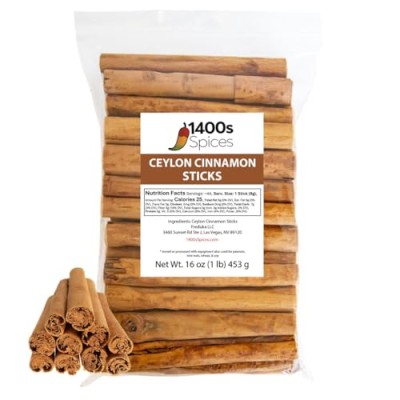
1400S Spices Ceylon Cinnamon Sticks from Sri Lanka, 1lb (Canela Entera)
Ceylon cinnamon is sweeter and milder than cassia — the right choice for atole, conkies, and sweet drinks. These are whole dried sticks from Sri Lanka.
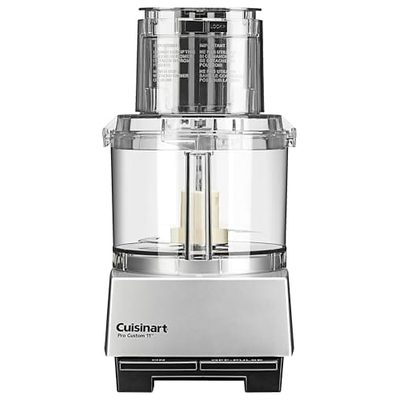
Cuisinart Pro Custom 11-Cup Food Processor with Slicing & Shredding Discs (DLC-8SBCYP1)
Spice pastes built from garlic, citrus and dried chiles need a processor that grinds them smooth in one pass. An 11-cup bowl is sized for batches that get portioned and frozen.
The smell when the ground cashew hits the hot milk, toasty and warm and slightly sweet, is the whole promise of this drink in one breath.
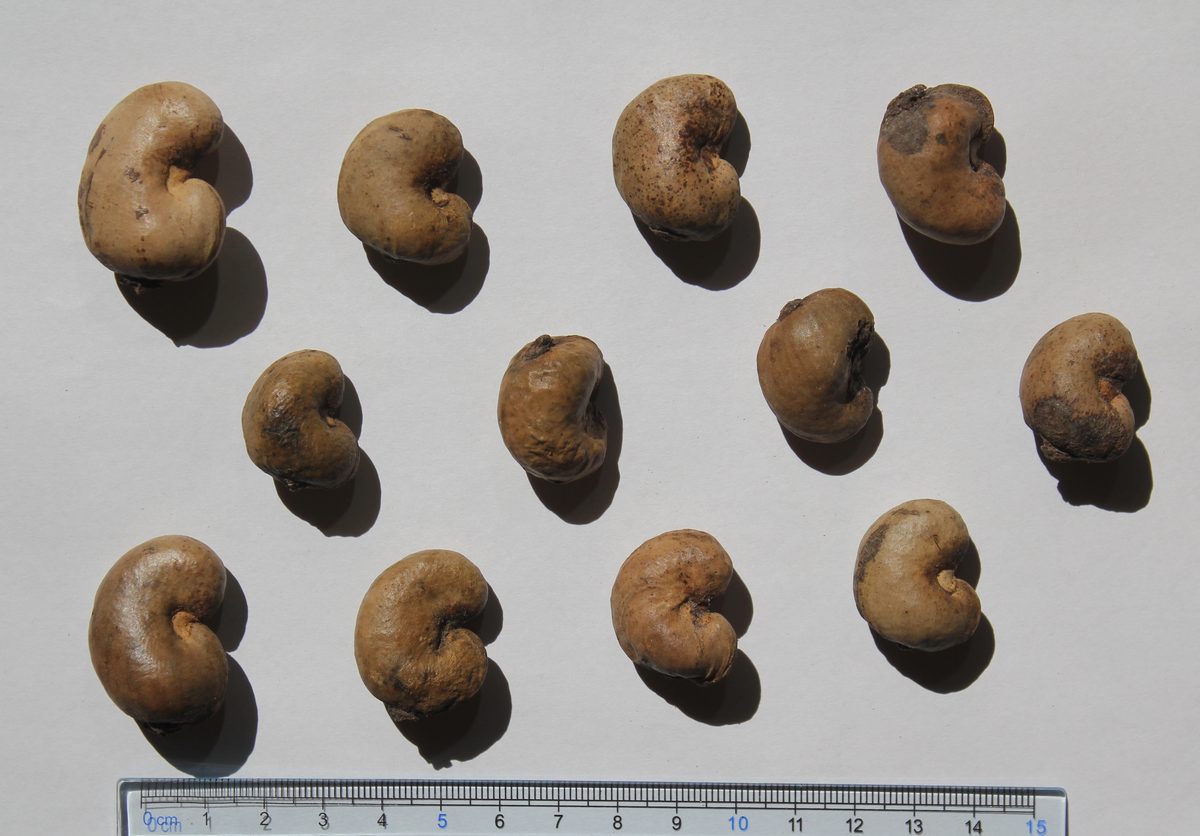
The reason El Salvador can make this drink at all comes down to geography. The marañón tree (Anacardium occidentale) grows throughout Central America, but El Salvador’s coastal lowlands and river valleys turned cashew cultivation into something more than subsistence farming. The Lempa River basin and the departments of La Paz and Usulután became the center of that production. APRAINORES, the Asociación de Productores Agro-industriales Orgánicos de El Salvador, was founded in 2002 and now has roughly 80 member families growing organic cashews as their primary crop, most of them along the banks of the Lempa River. The cashew is not imported in El Salvador. It is local, seasonal, and specific to that landscape.
The word atol itself travels far. It comes from the Nahuatl atolli, meaning “watered down.” This was a pre-Hispanic beverage consumed across Mesoamerica, originally made with corn and water. Over centuries, regional cooks substituted local crops for the corn base. El Salvador’s Pipil people and the mestizo majority who inherited and adapted those traditions turned the local cashew seed into its own category of atol. This cashew-seed variant is a colonial-era adaptation, because the marañón tree is not native to Mesoamerica. The result is a drink with no corn at all. This is not atol de elote, the sweet corn milk drink, or atol shuco, the fermented black corn preparation. It is the marañón seed ground and simmered, and nothing else does what it does.
The Pipil people and the mestizo majority who inherited and adapted those traditions turned the local cashew seed into its own category of atol.
For anyone in the diaspora who wants to understand what Salvadorans are asking for when they say they miss this drink, the 60.rti.org El Salvador food series puts it plainly: “This atol is traditional from the zone of Zacatecoluca, department of La Paz.” That specificity matters. It is not a generic Mesoamerican atole. It belongs to a place and the people who cultivated that place’s harvest.
A note on where this sits culturally: atol traditions run through Belize and the Yucatán too, through Maya food heritage, and I know that world well. But atol de semilla de marañón is Salvadoran through and through. It is Pipil and mestizo, not Maya, and not Belizean. I am writing about it here because the El Salvador food tradition deserves that kind of straight account, not a borrowed frame.
A word about the cashew seed before you toast it
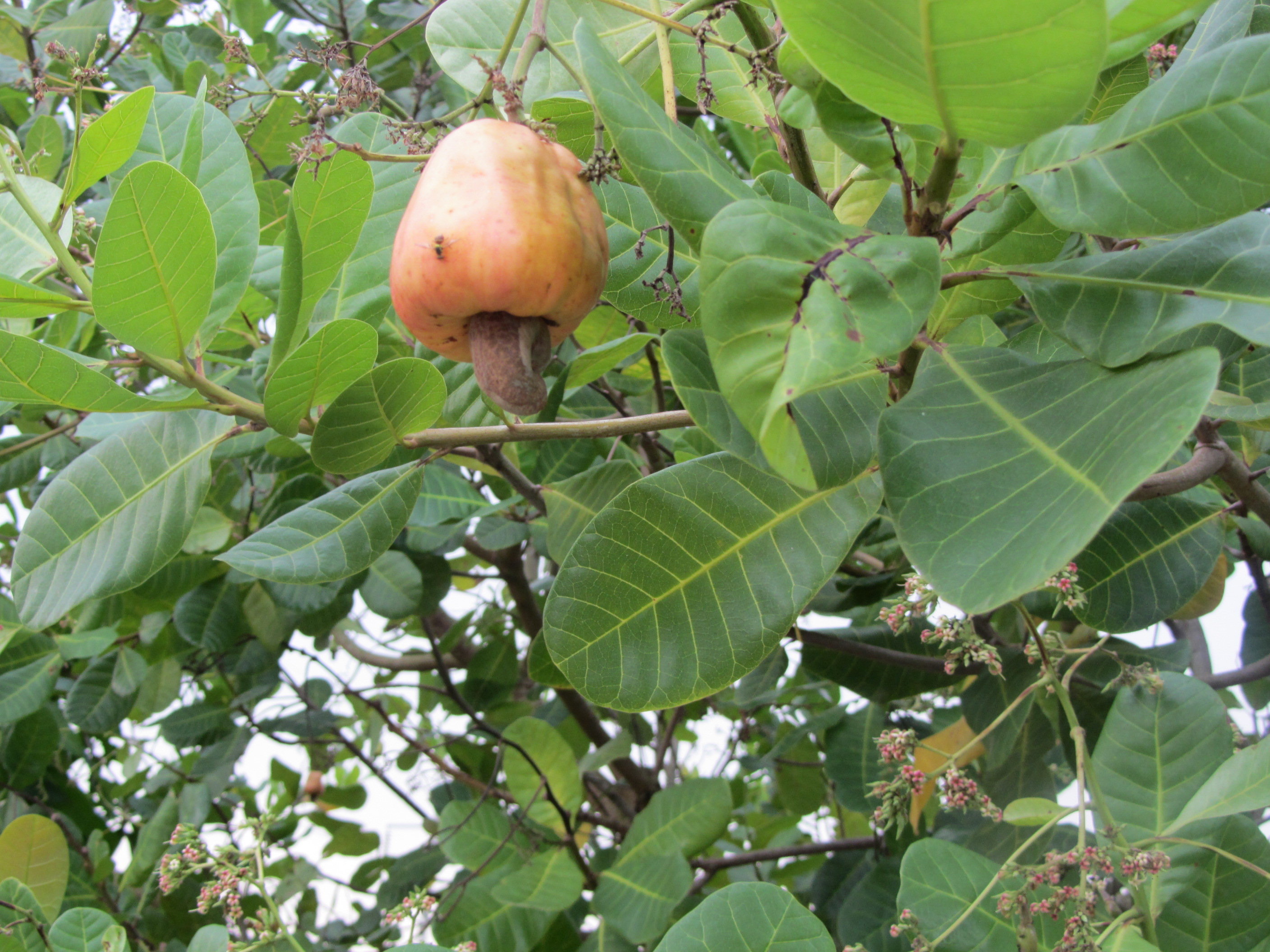
The cashew you buy at a grocery store is already processed. This is worth knowing because the raw cashew fruit, including the whole fruit with its shell, contains urushiol and anacardic acid in its double shell — the same family of compounds found in poison ivy. Industrial processing removes this through roasting or steam treatment before any nut reaches a store shelf. What you are buying as “raw cashews” are, in fact, already heat-treated. They are safe to handle and toast at home without any special precautions.
Start with commercially processed, already-shelled cashews and you are starting in the right place. Toast them yourself at home for the atol. That second toasting is about flavor, not safety, and it is what gives this drink its character.
How to make atol de semilla de marañón even richer
- Use pre-roasted cashew seeds from a Latin or Salvadoran grocery if you can find them (labeled semilla de marañón tostada). They save the toasting step, though toasting your own gives you better control over the depth of flavor. Stop earlier for a lighter, creamier drink; go longer for something more roasted and complex.
- For a dairy-free version, substitute full-fat coconut milk for the cow’s milk. The texture will be slightly thinner and the flavor profile shifts toward tropical, but the cashew character still comes through. Oat milk works too, though it produces a lighter body.
- If you cannot find cashew seeds marketed specifically for atol, plain raw (commercially processed) cashews from any grocery store produce identical results. The seeds sold specifically for atol in Salvadoran markets are the same nut, just sometimes larger and oilier.
- Atol thickens significantly as it cools. Reheat gently on the stovetop with a splash of milk stirred in; microwave reheating separates the starch unevenly and you lose the smooth texture.
- A small amount of rice flour (1–2 tablespoons) blended with the cashew paste produces a thicker, more commercial-style consistency, similar to the Perla instant mix. Skip it if you want the cleaner, seed-forward version.
If you have made pupusas or curtido and you are building out a Salvadoran breakfast spread, this atol belongs at that table. It is the drink that fills the cup while the masa is still on the comal.
Want to keep the Salvadoran corn drinks straight? See our guide to atol and corn drinks explained.
Frequently Asked Questions
What is atol de semilla de marañón?
Atol de semilla de marañón is a traditional Salvadoran hot drink made by grinding toasted cashew seeds with water, then simmering the paste with milk, cinnamon, and sugar until thickened. It belongs to the atol tradition, a pre-Hispanic Mesoamerican beverage family, but this cashew-seed variant is a colonial-era adaptation, since cashew is not native to Mesoamerica. Unlike corn-based atoles, and unlike horchata de morro (which uses the toasted morro seed and is served cold), its base is the ground cashew seed, a crop tied to El Salvador’s coastal lowlands and river valleys.
How is atol de semilla de marañón different from atol de elote?
Atol de elote is made with sweet corn, producing a lighter, starchy sweetness. Atol de semilla de marañón has no corn at all. The base is toasted ground cashew seed, which gives a richer, nuttier, creamier result. The cinnamon and nutmeg seasoning overlaps in both, but the flavor profiles are completely different. Atol de elote reads as corn pudding in a cup; this reads as toasted nut and warm spice.
How is atol de semilla de marañón different from atol shuco and horchata de morro?
Atol shuco is made from fermented purple or black corn (maíz negrito) and served savory, garnished with black beans, alguashte (ground pumpkin seed), and chile. There is no cashew, no milk, and no sweetness to it. Horchata de morro is a cold drink ground from the seed of the jícaro tree (Crescentia alata), served over ice. Atol de semilla de marañón is the only hot, milk-based, cashew-seed drink in this family. Each of the four is a different drink with a different base, temperature, and flavor register.
Can I make atol de marañón without a blender?
A traditional stone metate or mortar and pestle will work, but the grinding time is long and you will struggle to get the paste as fine as a blender produces. A food processor is an acceptable middle ground. The finer the grind, the smoother the final atol. Any coarseness in the paste shows up as graininess in the cup. If you only have a mortar and pestle, grind in small batches and strain through a fine sieve before adding to the milk.
Is it safe to use raw cashews for this recipe?
Yes. Commercially sold raw cashews are already heat-processed to remove the caustic compounds in the shell. The cashews you buy at a grocery store, even labeled ‘raw,’ have been steam-treated or roasted at the factory before packing. You are not working with the whole cashew fruit or its shell. Toast the cashews at home as the recipe describes, and there is nothing to worry about.
What does atol de semilla de marañón taste like?
Rich, nutty, and creamy, with the warmth of cinnamon and a faint nuttiness from the toasted cashew. It is less sweet than hot chocolate and less starchy than corn atole. The closest comparison for someone who has not had it: imagine the flavor of a perfectly roasted cashew dissolved into warm, spiced milk. It is a substantial drink, filling in the way a meal is filling, not a small cup of tea.
Where can I buy cashew seeds for making atol de marañón?
Latin grocery stores, particularly those stocking Salvadoran or Central American products, are the most reliable source. Online, sellers who specialize in Salvadoran pantry items carry semilla de marañón in both raw and pre-toasted forms. If you cannot find them locally, plain raw cashews from any grocery store work identically. The seed sold for atol is the same nut.
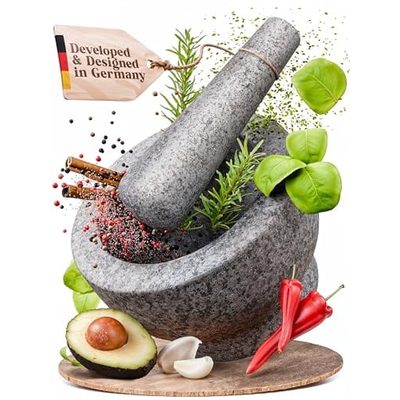
ChefSofi Mortar and Pestle Set 6-Inch Unpolished Granite
Whole allspice, peppercorns, dried chiles and toasted cumin all grind down by hand into pastes and rubs. Unpolished granite grips dry spices the way a polished bowl cannot.
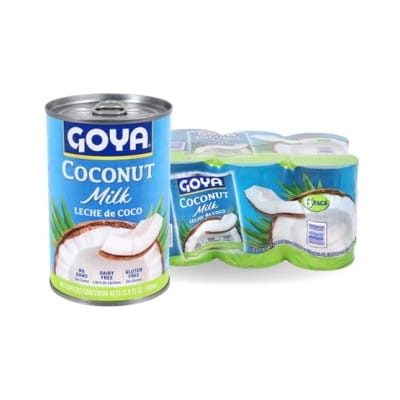
Goya Coconut Milk 13.5 oz (6-pack)
Creole bread's richness is two full cups of coconut milk kneaded into the dough. A six-pack means the next bake is already covered.
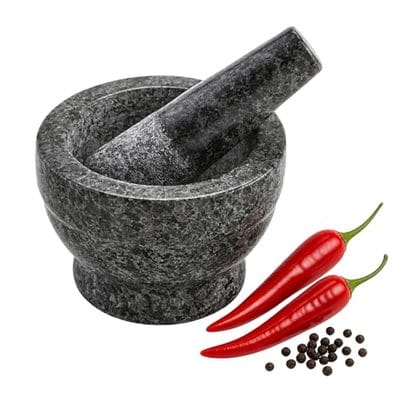
IMUSA USA Small Polished Mortar and Pestle, 3.75”, Granite
For the garlic, allspice, and peppercorn that get crushed fresh at the counter rather than ground by the batch. At 3.75 inches it lives beside the stove instead of in a cabinet.
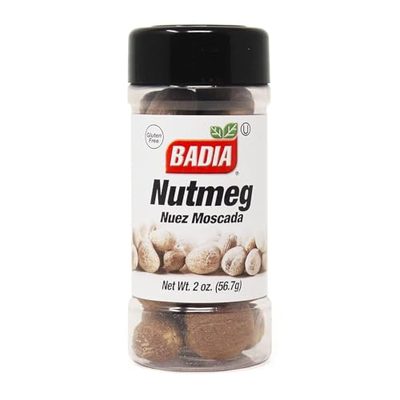
Whole seeds you grate fresh; the recipes that call for grated nutmeg mean this, not the pre-ground jar.