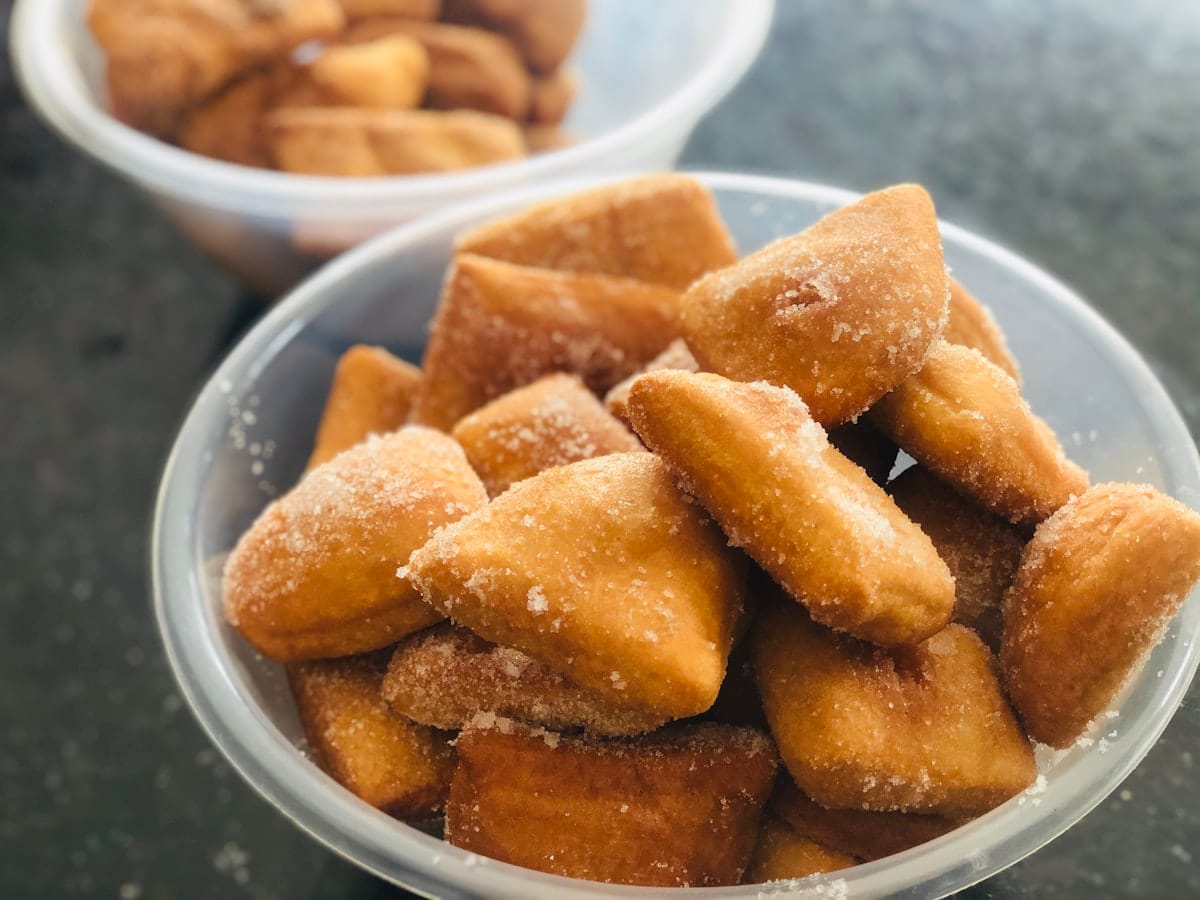
Nuégados de yuca are Salvadoran fried fritters made from grated cassava mixed with cheese and egg, shaped into small rounds, deep-fried until golden, then drenched in warm panela syrup scented with ginger and cloves. A classic Pipil-mestizo sweet traditionally paired with chilate, the spiced corn drink, at markets and fairs across El Salvador.
Where Nuégados Come From — Pipil Roots, Spanish Sugar
What stays with you after eating nuégados for the first time is the syrup. It is not honey, not caramel. It is darker and more mineral, with a back note of cloves that the sweetness does not erase. That quality comes from panela — atado de dulce in Salvadoran kitchens — a raw unrefined cane sugar that dissolves differently than anything refined. I have eaten nuégados at market stalls across Central America, and the syrup is always the thing. It is what makes the dish Salvadoran rather than just fried dough with sugar.
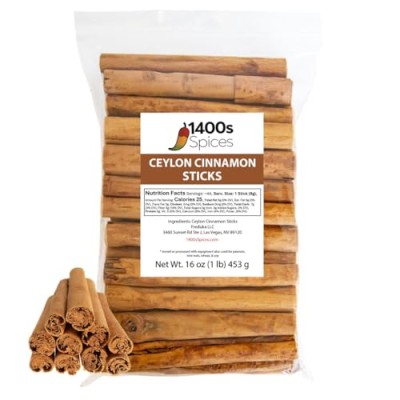
1400S Spices Ceylon Cinnamon Sticks from Sri Lanka, 1lb (Canela Entera)
Ceylon cinnamon is sweeter and milder than cassia — the right choice for atole, conkies, and sweet drinks. These are whole dried sticks from Sri Lanka.
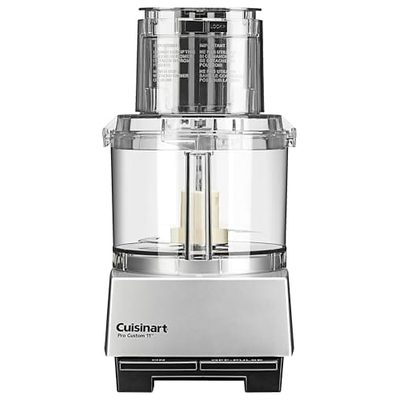
Cuisinart Pro Custom 11-Cup Food Processor with Slicing & Shredding Discs (DLC-8SBCYP1)
Spice pastes built from garlic, citrus and dried chiles need a processor that grinds them smooth in one pass. An 11-cup bowl is sized for batches that get portioned and frozen.
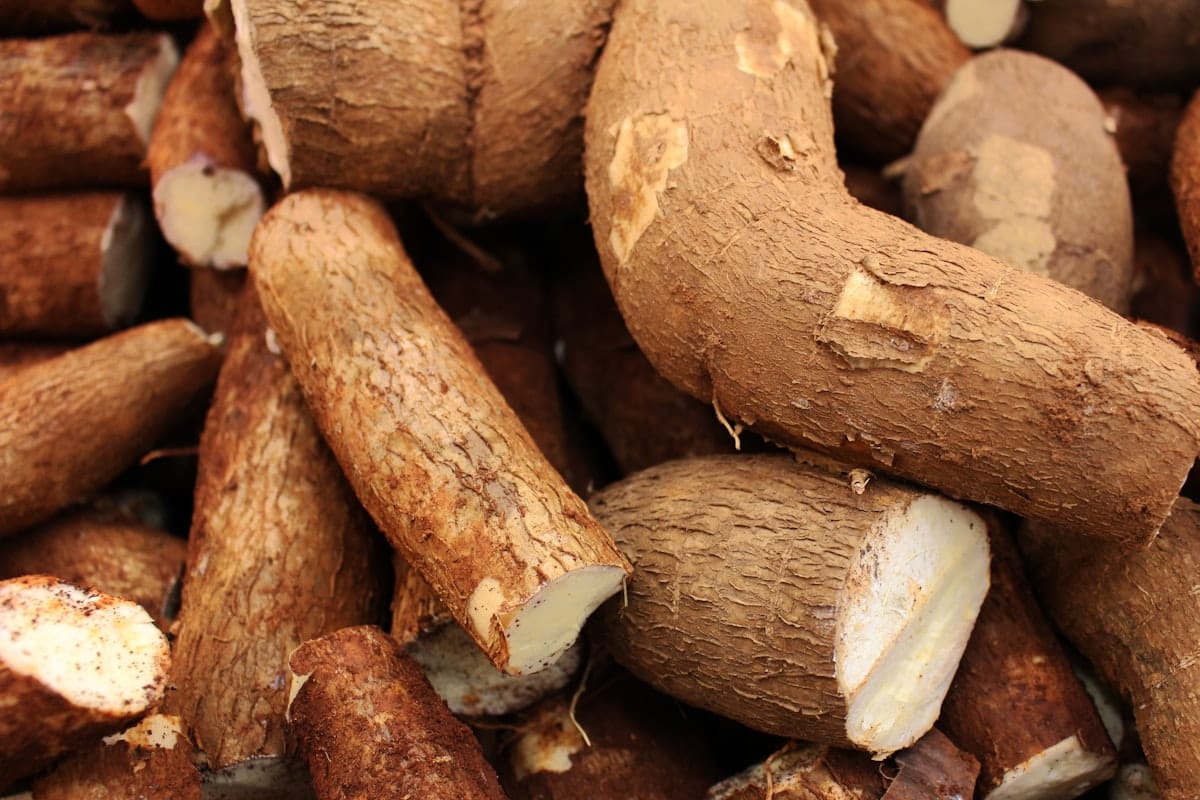
Nuégados de yuca represent a fusion of two culinary traditions: the indigenous Pipil people of El Salvador, who brought cassava knowledge and the starchy root’s particular texture, and the Spanish colonizers who brought the technique of deep frying in oil and the culture of refining sugar into those hard brown cones of panela. The Pipil, who speak Nawat, a language related to but distinct from the Nahuatl of central Mexico and have lived in the central and western regions of El Salvador since before colonial contact, were already working with yuca as a staple root. The Spanish brought the vessel and the fire. The result is a fritter that is identifiably neither one tradition nor the other.
The dish also comes in a corn version, made with masa, and some sources describe a plantain variation. The yuca version is the one most people mean when they say nuégados salvadoreños. It is the one sold at chilaterías, the small afternoon shops that specialize in the pairing that makes nuégados complete. For a broader picture of the food you find in El Salvador, the Salvadoran food guide covers the full picture. Chilate, a thick warm drink made from nixtamalized corn, ginger, and allspice, has its roots in the pre-Columbian Pipil nixtamal corn tradition. The fritters provide the sweetness; the chilate provides the spice and the body. They correct each other.
The Pipil brought the cassava knowledge. The Spanish brought the fire. The panela syrup belongs to both.
What Are Nuégados de Yuca?
Nuégados de yuca are fried cassava fritters from El Salvador, considered one of the country’s emblematic sweets. The cassava is grated fine, then mixed with Salvadoran hard cheese and beaten egg to form a dense, pliable dough. This dough is shaped into small flat rounds, fried in hot oil until deep gold, then bathed in miel de panela, a syrup made by dissolving a cone of raw unrefined cane sugar with cinnamon, cloves, and a slice of ginger. They are a Semana Santa food, most present at Holy Week, and a fixture at markets and fairs year-round. In El Salvador, you eat them sitting down at a chilatería in the afternoon, with a clay cup of chilate in your other hand.
The cassava connects them to a much wider tradition across the region. In Belize, cassava root becomes ereba, the flatbread central to Garifuna cooking, or the sweet cassava pone baked in Belizean kitchens. In Honduras, a close variant called nuéganos uses the same root. What nuégados de yuca do that the others do not is that panela syrup, which is not a glaze or a drizzle but a bath. You submerge the fritters. If you want to see how the same root goes in a completely different direction, yuca frita con chicharrón takes cassava into savory territory with fried pork and a curtido garnish. The same ingredient, a different world.
Ingredients
For the fritters:
- 2 lbs (900 g) fresh yuca (cassava), peeled and finely grated (frozen grated yuca, thawed and squeezed very dry, also works)
- 1 cup (120 g) queso duro blando (Salvadoran semi-hard salty cheese), finely grated — dry farmer’s cheese or cotija work as diaspora substitutes
- 2 large eggs, lightly beaten
- 2 tablespoons all-purpose flour
- 1 teaspoon baking powder
- ¼ teaspoon salt
- Vegetable oil for deep frying, about 3 cups
For the panela syrup (miel de panela):
- 8 oz (225 g) panela (also called piloncillo or atado de dulce in El Salvador), roughly chopped or grated
- 1½ cups water
- 1 cinnamon stick
- 3 whole cloves
- 1 thin slice of fresh ginger, about ½ inch (optional — some households include it, others do not)
Instructions
- Peel the yuca and grate it finely on the smallest holes of a box grater, or pulse it in a food processor until it is fine and shredded. Then place the grated yuca in the center of a clean kitchen towel, gather the corners, and squeeze firmly over the sink. You want to remove as much liquid as possible. This step is not optional. Wet yuca produces fritters that are dense in the middle and collapse in the oil. Squeeze until almost no more liquid comes out.
- In a large bowl, combine the squeezed yuca, grated cheese, beaten eggs, flour, baking powder, and salt. Work the mixture with your hands until it holds together when you press it firmly. If it feels too loose or sticky, add flour one tablespoon at a time. The dough should hold its shape when pressed but not be dry or crumbly.
- Heat the vegetable oil in a deep, heavy pot over medium-high heat until it reaches 350°F (175°C). If you do not have a thermometer, drop a small piece of dough into the oil. It should sizzle immediately and rise to the surface within a few seconds. If it sinks and stays down, the oil is not hot enough.
- Shape the dough into small thick rounds, about 2 inches across and ½ inch thick. They do not need to be perfect. Nuégados are street food and their irregular shapes are part of what they are.
- Fry in small batches, four or five at a time, turning once, until they are deep golden brown on both sides, about 5 to 7 minutes total. Do not crowd the pot. Remove with a slotted spoon and drain on paper towels.
- While the fritters fry, make the syrup. Combine the panela, water, cinnamon stick, cloves, and ginger slice (if using) in a small saucepan over medium heat. Stir until the panela dissolves completely, then let it simmer without stirring for 8 to 10 minutes, until the syrup coats the back of a spoon. Remove the ginger slice, cinnamon stick, and cloves.
- Arrange the warm nuégados on a serving platter or in a shallow bowl. Spoon the warm panela syrup generously over them. You want each fritter coated, not just drizzled. Serve immediately, while both the fritters and the syrup are still warm.
Nuégados are street food and their irregular shapes are part of what they are.
What to Know Before You Fry Nuégados
Moisture is everything. The squeeze step in the recipe is where most failed batches begin. Fresh yuca carries a significant amount of water, and if you do not remove it, the dough will not hold together in the oil. If you are using frozen grated yuca, thaw it completely first and then squeeze even harder than you would with fresh.
The panela is specific. Panela, piloncillo, and atado de dulce are all names for the same thing: raw unrefined cane sugar sold in a hard cone or block. It dissolves into a darker, less sweet syrup than refined sugar would. You can find it at Latin American and Caribbean grocery stores. Do not substitute brown sugar if you can avoid it. The mineral complexity of panela is what makes the syrup taste the way it does. The canonical Salvadoran syrup is cinnamon and cloves; ginger is an optional addition that some households include.
The cheese matters. Queso duro blando — the semi-hard, salty Salvadoran cheese — gives the fritters their slight saltiness and helps bind the dough. Dry farmer’s cheese or finely grated cotija are the closest diaspora substitutes. Avoid fresh, wet cheeses like fresh mozzarella or quesillo, which will throw off the moisture balance.
Nuégados are best same-day. They soften after a few hours as the syrup is absorbed. If you need to make them ahead, fry the fritters and store them without syrup, then warm them in a low oven and add the syrup fresh.
The corn variation. Some Salvadoran households make nuégados with masa harina instead of yuca, producing a softer, more porous fritter. If you want to try this version, substitute 2 cups of masa harina for the grated yuca and add water gradually until you reach a firm dough. The syrup is the same.
Frequently Asked Questions
What is the difference between nuégados de yuca and nuégados de maíz?
Nuégados de yuca use grated cassava root as the base, which gives them a denser, chewier texture. Nuégados de maíz use masa, the nixtamalized corn dough also used for tortillas and tamales, which produces a softer, more porous fritter. Both are traditional in El Salvador, both are served with the same panela syrup, and both are often paired with chilate. The yuca version is the one most associated with El Salvador as a national sweet.
What is the difference between nuégados de yuca and yuca frita con chicharrón?
Nuégados de yuca and yuca frita con chicharrón use the same cassava root but are entirely different dishes. Nuégados start with raw-grated yuca mixed with cheese and egg, fried into fritters, and then bathed in sweet miel de panela syrup — they are a dessert or sweet snack, most present at Semana Santa and afternoon chilaterías. Yuca frita con chicharrón uses whole cassava pieces that are boiled first and then fried until crispy, served savory with curtido slaw and chicharrón or dried fish (pepescas). One is sweet and syrup-soaked; the other is savory, crispy, and accompanied by pickled cabbage. They share an ingredient and nothing else.
Can I make nuégados de yuca without cheese?
The cheese is doing more than adding flavor. It contributes fat that helps bind the dough and a slight saltiness that balances the sweet syrup. You can reduce the amount if you prefer, but removing it entirely will make the dough harder to hold together. If you cannot find Salvadoran queso duro blando, dry farmer’s cheese or finely grated cotija are the closest substitutes. Avoid fresh, wet cheeses.
What is chilate and why is it served with nuégados?
Chilate is a thick, warm drink made from nixtamalized corn, ginger, and allspice. It is not sweet. That is the point. The unsweetened, spiced corn drink and the panela-syrup-soaked fritters balance each other: the chilate cuts through the richness of the syrup, and the nuégados provide the sweetness the drink does not have. The pairing is traditional across El Salvador, served at afternoon chilaterías, and the two things together are more coherent than either one alone. The drink has roots in the pre-Columbian Pipil nixtamal corn tradition. Nuégados are to El Salvador what pupusas are in terms of national identity, but on the sweet side of the table.
Can I use frozen cassava to make nuégados de yuca?
Yes. Frozen grated yuca is available at many Latin American and Caribbean grocery stores and works well as a substitute for fresh. The important thing is to thaw it completely and then squeeze out as much moisture as possible before mixing the dough. Frozen yuca tends to hold more water than fresh, so squeeze harder and longer. The result will be slightly less firm in texture but otherwise the same dish.
How do I make the panela syrup for nuégados?
Combine 8 oz of panela (piloncillo or atado de dulce) with 1½ cups of water, a cinnamon stick, and three whole cloves in a small saucepan over medium heat. Stir until the panela dissolves, then let it simmer for 8 to 10 minutes until it coats the back of a spoon. Remove the spices before serving. The syrup should be warm and pourable, not thick like candy. If it hardens as it cools, add a small amount of warm water and stir over low heat.
Are nuégados the same as buñuelos?
Nuégados and buñuelos are related but not the same. Buñuelos is a broader category of fried dough found across Spain and Latin America, often made with wheat flour, eggs, and baking powder, and typically lighter and more puffed. Nuégados de yuca are specifically made with cassava, which gives them a denser, chewier texture. The panela syrup is also distinctive to the Salvadoran version. They are a specific regional expression of the buñuelo tradition, shaped by the ingredients and cooking culture of El Salvador rather than the Spanish original.
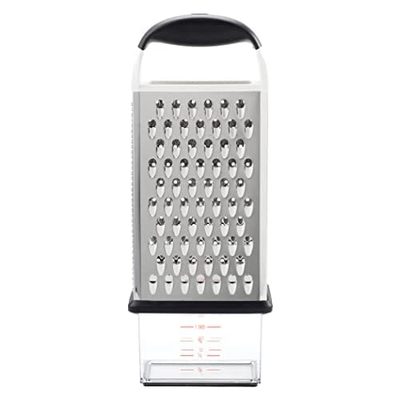
Fresh coconut and hard cheese both want a four-sided box grater: finer than a rasp for cheese, coarser than a food processor for coconut.
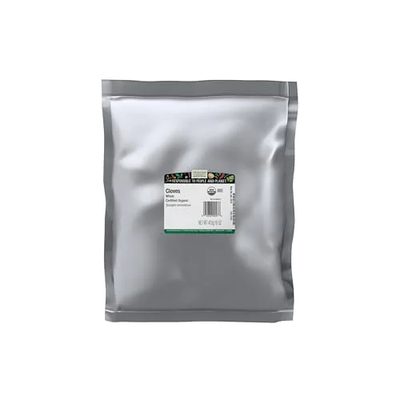
Frontier Co-op Whole Cloves, Organic, Hand Select, 16 oz
Spice pastes, dark stews and braised meats all call for whole cloves ground or simmered into the dish. Whole cloves keep their volatile oils far longer than ground.
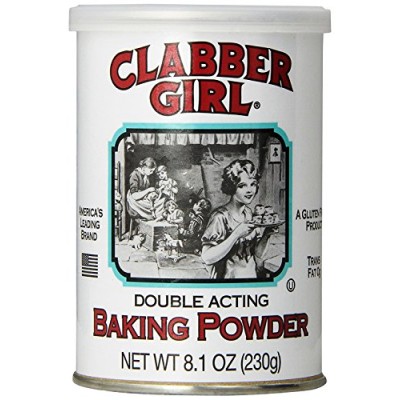
Clabber Girl Double Acting Baking Powder, 8.1 oz
Double-acting polvo para hornear — the lift behind rosquillas and quick breads.
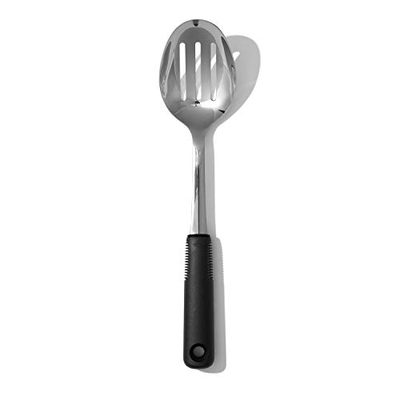
OXO Good Grips Stainless Steel Slotted Spoon
Lifting beans out of cooking liquid or scooping panades from oil needs holes that drain without trapping. A long handle keeps a hand above the pot.