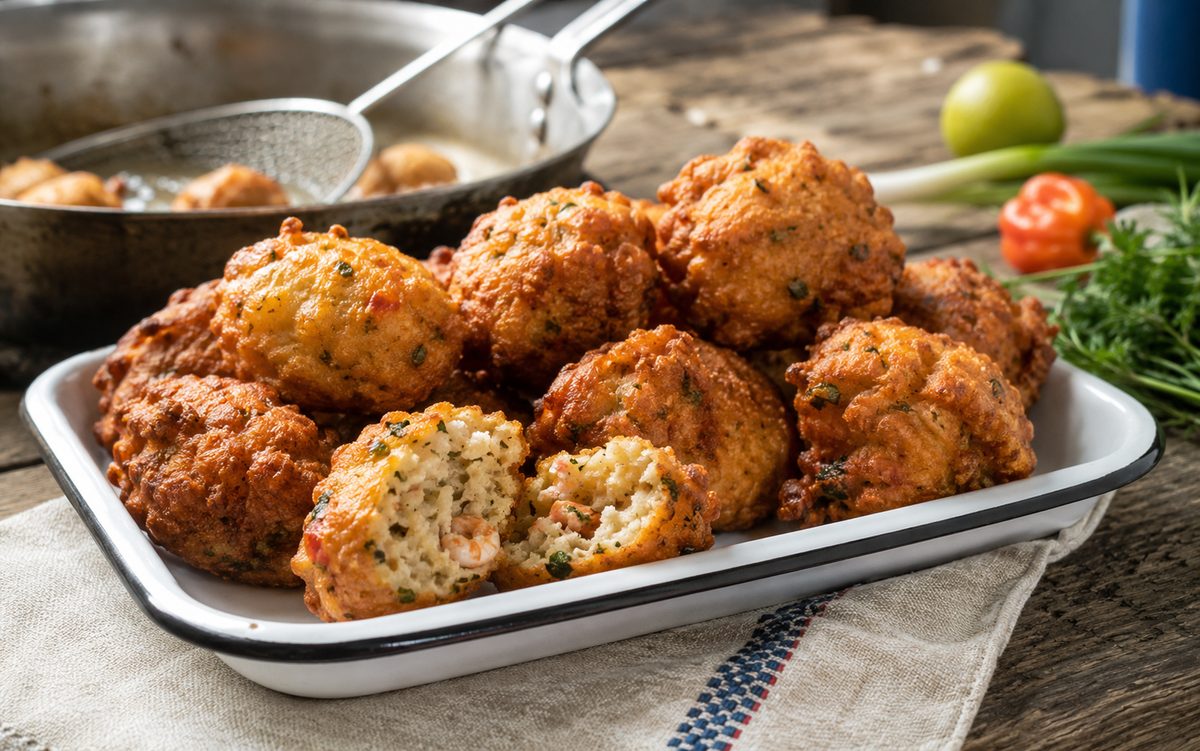
Haitian marinad is a savory fritter: a seasoned batter of flour and water, lifted with baking powder, mixed with a homemade epis base, scotch bonnet heat, and shrimp or salted cod, then fried until golden. Vendors sell marinad as a popular Haitian street food, and many cooks also make it at home for cleaner ingredients and better hygiene.
Ingredients
Marinad comes together from a handful of everyday pantry staples and an aromatic epis base. The protein is yours to choose. Native and alternate names come first, with common alternatives in parentheses.
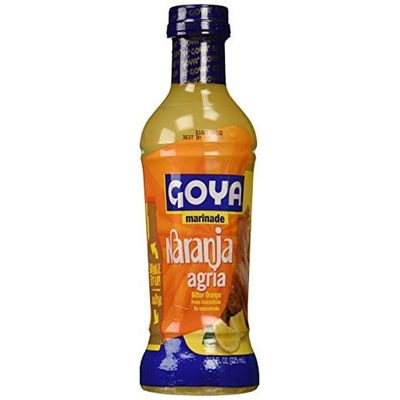
Goya Bitter Orange Naranja Agria
Sour orange carries the pickled onion on panuchos and the marinade under cochinita. Bottled and ready to pour, it beats the lime-and-vinegar fake most recipes fall back on.
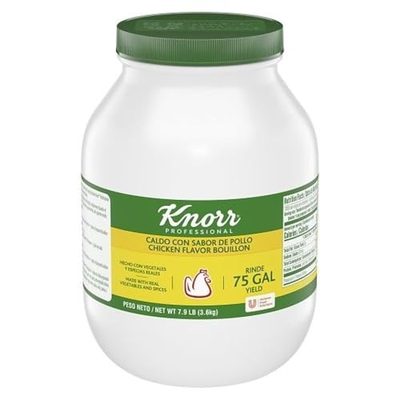
Granulated chicken bouillon for seasoning broth, rice and stews. A tablespoon goes into the pot before anything else does.
For the batter
- All-purpose flour.
- Water.
- Baking powder or baking soda.
For the protein (choose one, or leave out for a vegetarian version)
- Shrimp (krevit).
- Salted cod (mori).
For the epis and aromatics
- Garlic.
- Onions.
- Bell peppers.
- Scallions (chives).
- Fresh parsley.
- Thyme.
For the heat
- Scotch bonnet pepper (or habanero).
For the seasonings and acid
- Chicken bouillon (Maggi).
- Black pepper.
- Salt.
- Sour orange juice (or lime juice).
For frying
- Oil, for frying.
A note on quantities: the Haitian home cooks this recipe follows never give a cup or tablespoon measurement for the flour, water, protein, or aromatics. Flour, water, protein, and aromatics all go in by feel. Cooks judge the batter by texture instead. It should look and pour like pancake batter, thick rather than runny. The only quantity these sources agree on with any precision is time, not volume. That number is a 10- to 15-minute rest before frying. Build the batter to that pancake-batter consistency. Use the amount of flour and water your kitchen calls for, rather than a fixed measurement.
Instructions
- Finely chop or blend the peppers, onions, garlic, and parsley into an aromatic base.
- In a mixing bowl, combine the flour, baking powder (or baking soda), and water. Mix until the batter reaches the consistency of pancake batter.
- Stir the aromatic base into the batter, along with your protein of choice, shrimp or salted cod. Leave both out for the vegetarian version.
- Season the batter with the Maggi bouillon, black pepper, and salt, then stir in the sour orange juice or lime juice.
- Let the batter rest for 10 to 15 minutes, until small bubbles form on the surface.
- Heat oil for frying. Drop spoonfuls of the batter into the hot oil.
- Fry the fritters until they turn golden brown and cook through.
Why Haitian Marinad Batter Needs to Rest Before Frying
The batter’s consistency decides whether marinad turns out crisp or greasy. Cooks keep it thick, not runny. A batter that’s too soft doesn’t hold together in the oil. It turns into a heavy fritter that soaks up far more oil than it should.
That’s also why the rest matters. Cooks let the mixed batter sit for 10 to 15 minutes before it goes anywhere near the oil. Small bubbles rising to the surface are the signal that it’s ready. Skip the rest, and there’s no way to tell if the batter has settled into the right texture. Some cooks use a small scoop to portion the batter so every fritter fries at the same size. An ice cream scoop is one option. Uneven sizes mean uneven cooking: the small ones burn before the big ones cook through.
What Makes Haitian Marinad Authentic
A few details separate marinad made the traditional way from a plain fried dough ball. The batter has to carry a real epis base, not just flour and water. Cooks build that base from garlic, onions, bell peppers, scallions, parsley, and thyme. That base is what gives marinad its identity as a seasoned fritter rather than a generic one.
Heat is not optional. Cooks expect authentic marinad to bring real spice from the scotch bonnet or habanero pepper in the batter. A version that skips the pepper, or barely uses it, reads as a softened, generic take on the dish.
Sour orange juice is another tell. It gives the batter a specific golden color and a brightness that lime juice alone doesn’t fully replicate. Cooks reach for it when they can get it. No matter how cooks season the batter, the fried result should land in the middle: a crisp shell outside, a soft center inside, without tasting like it soaked up the frying oil.
Marinad’s place on the street backs up the same standard. It sells from the same carts as griot, part of the fritay plate of fried Haitian street food. Vendors sell it out on the road, and that familiarity is part of why home cooks hold it to a real standard rather than a shortcut version. Marinad is snack and street food, not breakfast; the Haitian morning bowl is labouyi bannann, the plantain porridge. Many cooks make marinad at home specifically because they trust their own ingredients and kitchen hygiene over a street vendor’s, even while treating the street version as the dish’s most recognizable form.
Tips and Variations
Cooks agree on the core of marinad and diverge on a few real points, all grounded in how home cooks actually make it.
Processing technique is the biggest split. Some cooks blend the peppers, onions, garlic, and parsley with a little water into a smooth green liquid before it goes into the batter. Others chop everything by hand instead, so the finished fritter keeps visible flecks of pepper and onion rather than a uniform green tint.
Protein is flexible by design. Shrimp and salted cod are the two traditional choices, but a vegetarian version exists too, built from the same seasoned batter and aromatics with no protein added at all. One source in this batch of home-cook recipes adds ginger powder to the mix, a variation the others don’t include, so treat it as optional rather than a defining ingredient.
The flour is what separates marinad from akra, the grated-malanga fritter that binds on the root’s own starch. Along the Belizean coast the same fried-snack slot goes to conch fritters, batter and seafood in one bite. Cooks handle acid two ways. Most cooks work sour orange juice or lime juice directly into the batter for brightness. One source instead uses vinegar to clean the shrimp or fish before cooking, relying less on citrus in the batter itself.
You may also see the dish spelled “marinade” online and in video titles. It’s the same fritter, not a wet seasoning sauce. This recipe uses “marinad” throughout, matching the dish’s most common spelling in Haitian home cooking.
Frequently Asked Questions
What is marinad?
Marinad is a Haitian fritter made from a seasoned flour batter, lifted with baking powder, mixed with an epis base and scotch bonnet heat, and often studded with shrimp or salted cod, then fried until golden. It’s a popular Haitian street food that many cooks also make at home.
Is marinad the same thing as a marinade?
No. A marinade is a liquid used to season meat or fish before cooking. Marinad is a fritter: cooks fry it and serve it as a finished dish on its own, not a sauce or soaking liquid. The two words look similar, but they name different things.
Can I make marinad without shrimp or fish?
Yes. A vegetarian version of marinad exists, built from the same seasoned batter, epis, and scotch bonnet heat, with no shrimp or salted cod added at all.
Why does marinad batter need to rest before frying?
Resting the batter for 10 to 15 minutes lets it settle into the right consistency, and small bubbles rising to the surface signal it’s ready. Frying batter that hasn’t rested risks an uneven, less crisp fritter.
Why is marinad sometimes spelled “marinade”?
Both spellings refer to the same Haitian fritter. “Marinade” shows up often in recipe titles and videos, but it names the identical dish as “marinad,” not a wet seasoning sauce.
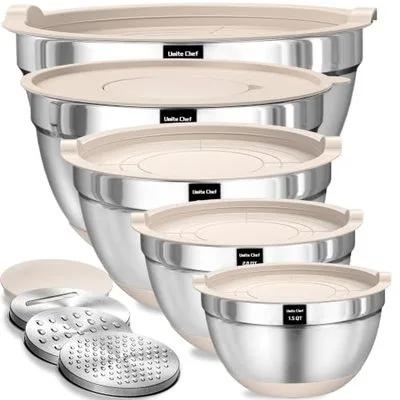
Umite Chef Mixing Bowls with Airtight Lids Set, 8PCS Stainless Steel Nesting Bowls with Grater Attac
Tamale day means masa, filling, and soaked leaves staged at once. Eight nested bowls with airtight lids mix the batch and then store the leftovers, no transfer to another container.
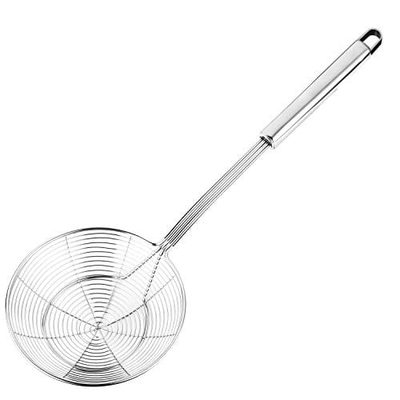
A stainless steel spider strainer with wide mesh head skims and strains solids from broths, pasta water, or frying oil.
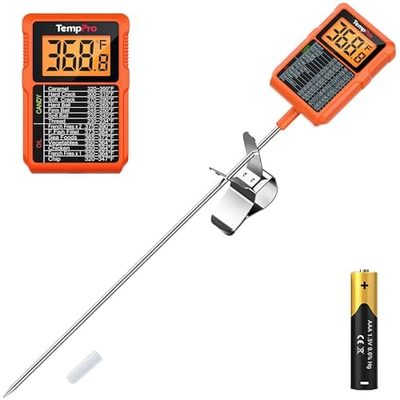
TempPro TP510 Digital Candy Thermometer with Pot Clip (Formerly ThermoPro)
A clip-on thermometer is the only way to hold oil at 350°F for fry jacks, which soak up grease rather than puffing if the oil drops. Reads 100 to 400°F, and the 10-inch probe stays above the oil level.
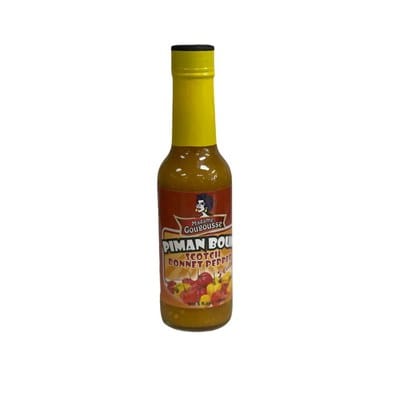
Pourable scotch bonnet and cane vinegar: the straightforward hot sauce for anyone who wants the heat without the pickled vegetables. A counterpart to pikliz rather than a replacement for it.