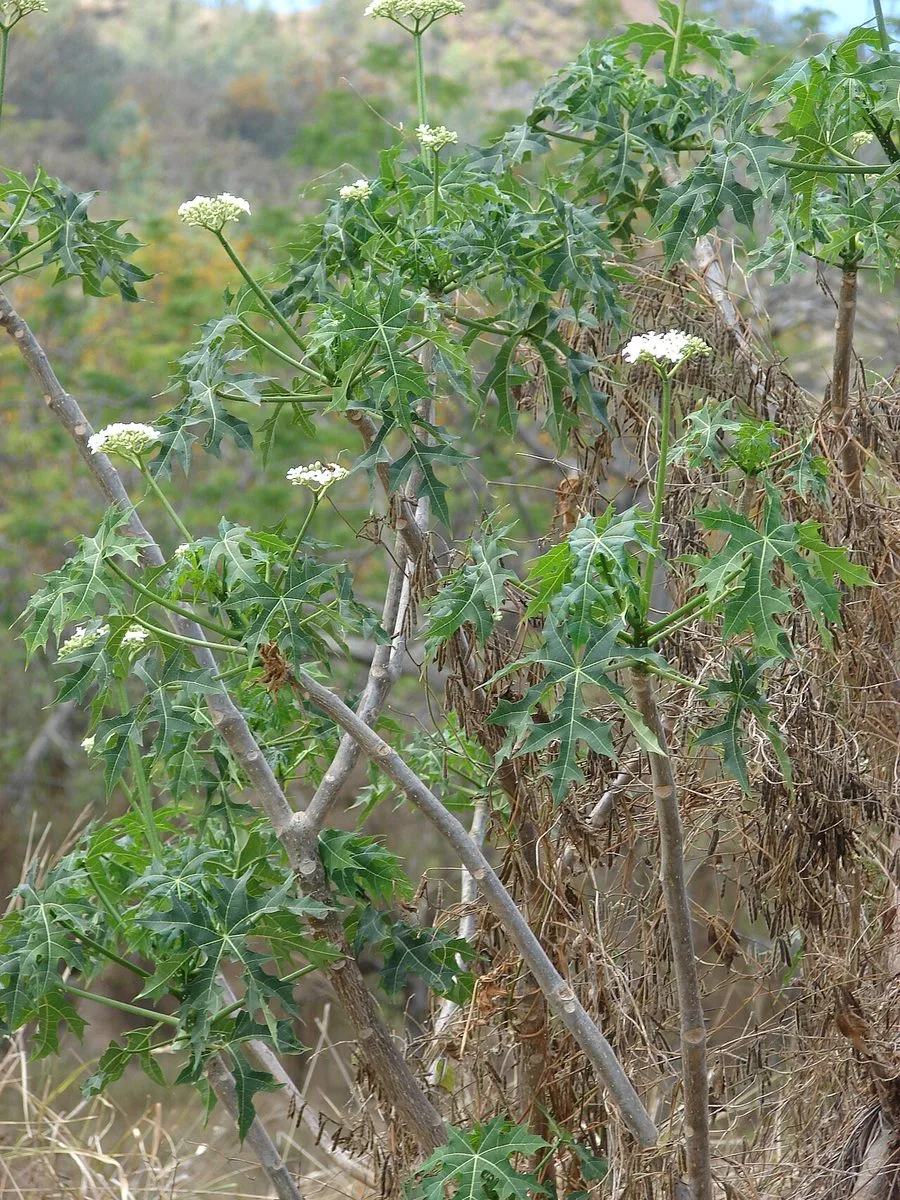
Chaya grows in every Yucatec yard, north of Belize and across in the Yucatan. The Maya call it the tree that feeds you. Ts’anchak is the white soup we make from it. A clear chicken broth, the chaya cooked soft in it, no achiote, no color. You finish it at the table with pepita, with egg, with habanero in sweet lime. Caldo de chaya is the name you will hear in Spanish. Ts’anchak is the name from before.
What is ts’anchak?
Ts’anchak is a Yucatec Maya chaya soup, known in Spanish as caldo de chaya or sopa de chaya. It is a clear chicken broth with chaya leaves cooked soft, made without achiote, so the broth stays pale. It is served with ground toasted pumpkin seed, hard-boiled egg, and charred habanero in sweet lime added at the table.
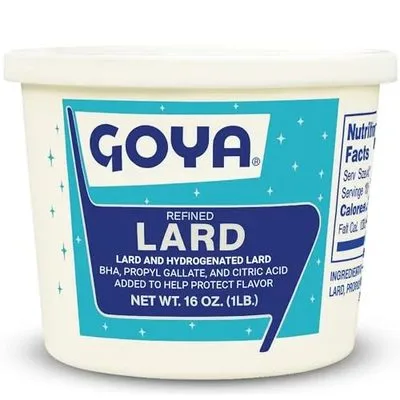
Pure lard (manteca) for making masa dough and frying - the fat traditional recipes rely on for texture and flavor.
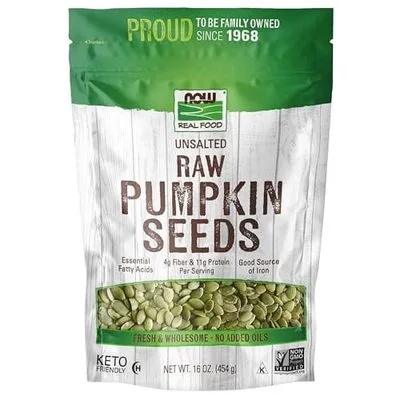
Pumpkin seeds (pepitas) that can be toasted as a garnish or ground into a paste to thicken and enrich sauces and stews.
Where ts’anchak comes from
Chaya has fed the Maya since before the Spanish came. It is a leaf bush, what people call tree spinach, and it carries more iron and more vitamin than the spinach you buy in a bag. In the Yucatec north it is in every yard because it grows from a cut branch stuck in the ground and it does not stop.
This soup is the plain way to eat it. Not the pipián, not the tamal, the soup. A good broth, the chaya, and the things you put on top. The same bowl is eaten in Mérida and in Corozal. It is one dish on both sides of the line.
One thing you must know. Chaya you cook. Never raw. The leaf has something in it that cooks out with the heat, so you boil it well, twenty minutes at least. And do not cook it in an aluminum pot. That is the old rule and it is a good one.
Ingredients
- 2 cups chaya leaves, packed, stems pulled off (or substitute spinach plus a handful of Swiss chard if you have no chaya)
- 6 cups chicken broth, good and clean
- 1/2 white onion, chopped
- 2 cloves garlic
- 1 xcatic chile, or 1 small yellow chile, left whole
- 2 tablespoons lard or oil
- Salt
For the table:
- 1/2 cup pepitas (pumpkin seeds), toasted and ground with a little salt
- 3 hard-boiled eggs, chopped or in wedges
- 2 habaneros, charred on the comal
- Sweet lime juice (lima), or regular lime
- Corn tortillas
Instructions
- Wash the chaya well. Pull the leaves from the thick stems. The stems you do not need.
- Heat the lard in a pot, not aluminum. Cook the onion and garlic until soft. Put in the whole xcatic chile and let it warm in the oil a minute.
- Pour in the chicken broth and bring it to a boil. Salt it.
- Add the chaya. Bring it back to a boil, then lower it and let it simmer twenty minutes. Is important, this time. The chaya has to cook through. The broth stays pale because there is no achiote in it.
- While it simmers, toast the pepitas in a dry pan until they pop and turn gold. Grind them with a little salt to a coarse meal. Char the habaneros on the comal until the skin blisters black in spots.
- Mix the charred habanero, chopped, with sweet lime juice and salt. This is the chile for the table. Careful with it. It is hot.
- Taste the soup for salt. Take out the whole chile before serving if you do not want more heat in the pot.
Tips and variations
- Masa dumplings. Some make it heavier with chochoyotes, little masa balls with a thumbprint in the middle, dropped in the last ten minutes. That turns the soup into more of a stew.
- The garnish is the dish. Set out the ground pepita, the egg, and the habanero in sweet lime. Everyone fixes their own bowl. The pepita is what makes it Maya, not just a green soup.
- No chaya? Spinach will stand in, but it is milder and you do not need the long cooking. It is not the same. If you can get chaya, get chaya.
- Keep it pale. No achiote, no tomato. The point of ts’anchak is the white broth. The color version is a different dish.
Serving
Serve it hot in deep bowls with warm corn tortillas. Each person adds ground pepita, egg, and the habanero in sweet lime to their own bowl. It is an everyday soup, light and green, the kind of thing you eat when you want the chaya more than the meat.
Shop This Recipe
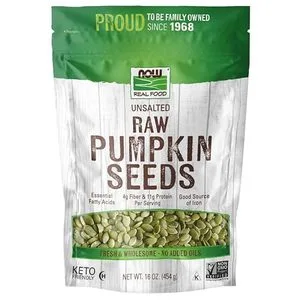
Pepitas (Pumpkin Seeds)
Toasted and ground, pepitas are the pumpkin-seed garnish that makes a Maya soup Maya. The most authentic finish for the bowl.
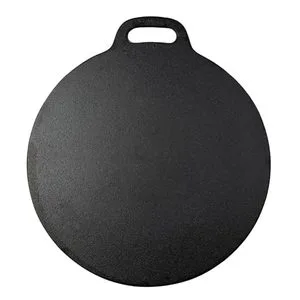
Cast Iron Comal
A cast iron comal for charring the habanero and warming tortillas, the flat griddle every Yucatec and Belizean kitchen runs on.
Related recipes
Frequently asked questions
What is ts’anchak?
Ts’anchak is a Yucatec Maya chaya soup, called caldo de chaya or sopa de chaya in Spanish. It is a clear chicken broth with chaya cooked soft, no achiote, served with ground pepita, egg, and charred habanero in sweet lime.
What is chaya?
Chaya is a leafy green native to the Yucatan, called tree spinach or the Maya tree of life. It grows from a cut branch and is richer in iron and vitamins than spinach.
Can you eat chaya raw?
No. Chaya must be cooked, about twenty minutes, because the raw leaf contains a compound that cooks out with heat. Cook it well and do not use an aluminum pot.
What is the difference between caldo de chaya and sopa de lima?
Caldo de chaya is a pale chaya-leaf soup finished with pepita and egg. Sopa de lima is a citrus chicken soup with tortilla strips and sour lime. Different soups, both Yucatec.
What do you put on caldo de chaya?
Ground toasted pepitas, chopped hard-boiled egg, and charred habanero mixed with sweet lime juice, all added at the table, with corn tortillas on the side.
What can I use instead of chaya?
Spinach will stand in, with a handful of Swiss chard if you have it. It is milder than chaya and does not need the long cooking, so it is not quite the same soup. If you can get chaya, use chaya.
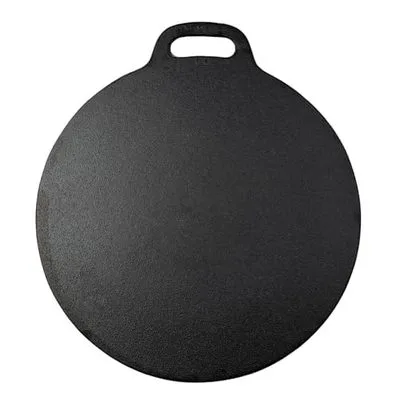
Victoria 12-Inch Cast Iron Tawa Comal Pan (Made in Colombia)
A pre-seasoned cast iron comal is what Latin American home cooks reach for. Twelve inches is sized for corn tortillas, johnnycakes, and toasting pepitas, and the weight holds heat a thin griddle can't.