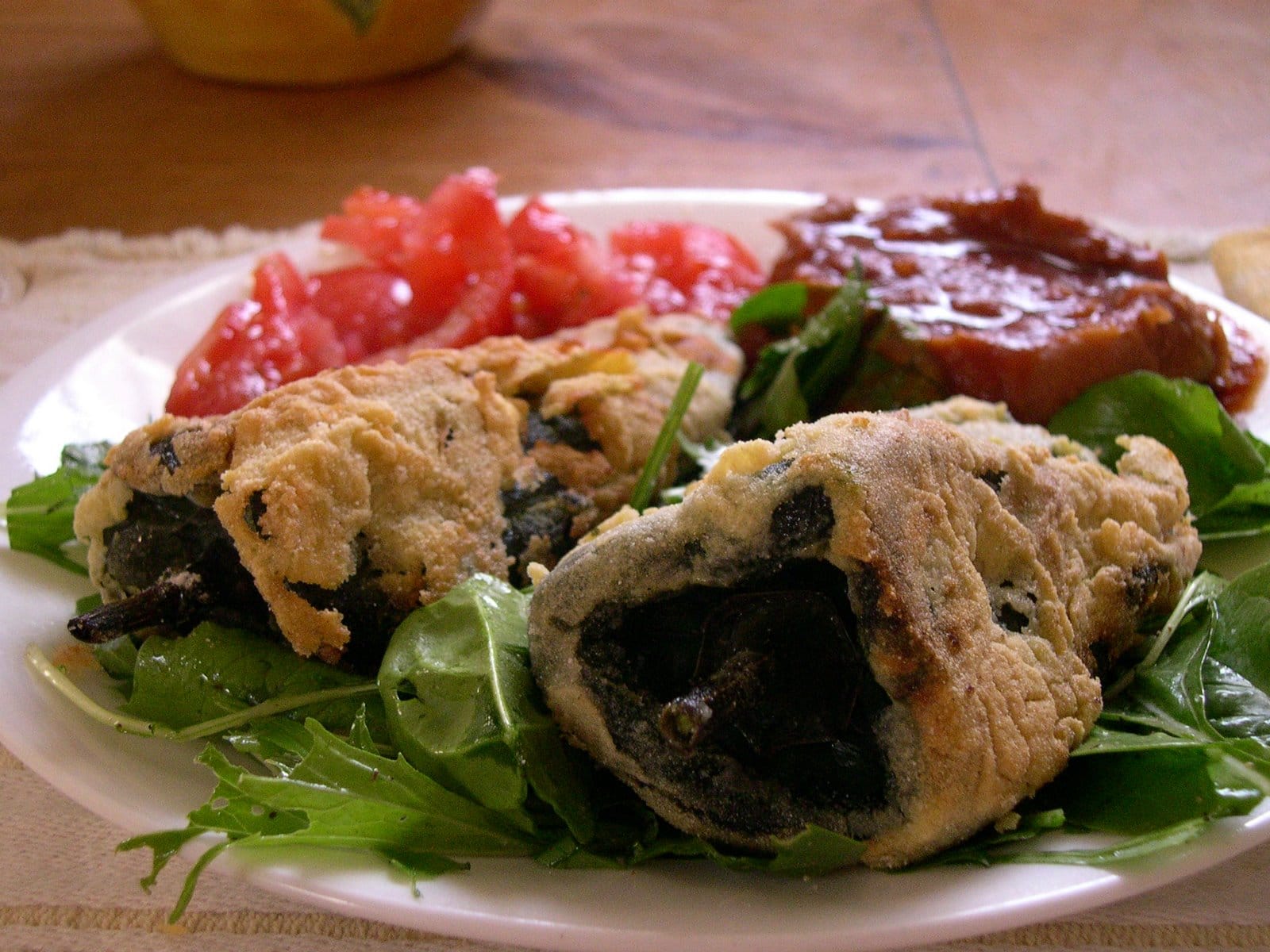
Guatemalan chiles rellenos are roasted, peeled bell peppers stuffed with a picadillo of ground beef or pork and diced vegetables, then dipped in a whipped egg batter, fried golden, and served in a light tomato sauce. Unlike the Mexican version, they use no cheese and no chili-walnut sauce.
Ingredients
The pepper comes first, and it matters which one. Guatemalan cooks reach for the sweet bell pepper, the chile pimiento, not the dark poblano you would use across the border in Mexico. Everything else builds the picadillo around it.
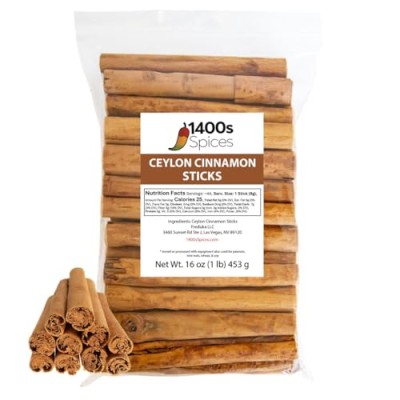
1400S Spices Ceylon Cinnamon Sticks from Sri Lanka, 1lb (Canela Entera)
Ceylon cinnamon is sweeter and milder than cassia — the right choice for atole, conkies, and sweet drinks. These are whole dried sticks from Sri Lanka.
Frontier Co-op Whole Cloves, Organic, Hand Select, 16 oz
Spice pastes, dark stews and braised meats all call for whole cloves ground or simmered into the dish. Whole cloves keep their volatile oils far longer than ground.
For the peppers:
- 4 large bell peppers (chile pimiento)
For the picadillo:
- 1 lb (450 g) ground beef or pork
- 2 small potatoes, peeled and diced small
- 1 carrot, finely diced
- ½ cup frozen or fresh peas
- 1 small onion, finely chopped
- 2 garlic cloves, minced
- 1 tomato, chopped
- salt and black pepper
- a pinch of ground cloves
- 1 small cinnamon stick
For the egg batter:
- 3 eggs, separated
- 2 tablespoons flour, plus more for dusting
- salt
For the tomato sauce:
- 4 ripe tomatoes
- 1 small onion
- 1 garlic clove
- 1 tablespoon oil
- 1 bay leaf
- salt
For frying:
- neutral oil, about ½ inch deep in the pan
To serve: crumbled queso fresco, chopped fresh parsley, white rice, corn tortillas, or a crusty French roll (pan francés).
A word on the spice. The clove and cinnamon are the warmth underneath the meat, the thing that tells you a Guatemalan hand made the filling. Keep them restrained. You want depth, not a dessert.
Instructions
- Roast the bell peppers over an open flame or under the broiler until the skin blisters and blackens all over.
- Put the peppers in a covered bowl or a bag and let them steam for 10 minutes, then peel off the skin.
- Cut a slit lengthwise in each pepper and gently remove the seeds, keeping the stem and the pepper itself intact.
- Brown the ground meat with the onion and garlic. Season with salt, pepper, the pinch of clove, and the cinnamon stick.
- Add the diced potato, carrot, peas, and chopped tomato. Cook until the vegetables are tender and the mixture is dry, not wet. Remove the cinnamon stick, then let the filling cool completely.
- Stuff each pepper with the cooled picadillo. The cooled part is not optional. Warm filling makes the batter slide right off in the oil.
- Make the sauce. Blend the tomatoes, onion, and garlic, then simmer in oil with the bay leaf and salt for 10 to 15 minutes, until it thickens slightly. Keep it light.
- Beat the egg whites to stiff peaks. Beat in the yolks one at a time, then the flour and a pinch of salt.
- Dust each stuffed pepper lightly with flour, then dip it in the egg batter until it is coated all over.
- Fry in hot oil, turning once, until golden on both sides. Drain on paper.
- Serve the peppers in or under the warm tomato sauce. Crumble queso fresco over the top and finish with chopped parsley. Or tuck one into a French roll as chile relleno en pan.
Warm filling makes the batter slide right off in the oil.
How Guatemalan Chiles Rellenos Differ from the Mexican Version
This is the part people get wrong, so let me be plain about it. Guatemalan chiles rellenos are a Ladino dish, the cooking that came out of the meeting of Indigenous and Spanish kitchens. The pepper is the sweet pimiento. The filling is a picadillo of meat and vegetables. There is no cheese, and there is no chili-walnut sauce. If you have eaten chiles en nogada in Mexico, or the poblano stuffed with cheese that most American restaurants call a chile relleno, you have eaten something else. Not better, not worse. Different dish, different intention.
The corridor shares a name, not a dish.
The sauce tells you the same thing. In Guatemala the tomato sauce is light, served under the pepper or alongside it, never poured over the top like a blanket. The plate finishes with crumbled queso fresco and a scatter of parsley. The egg batter is doing the work that cheese does elsewhere: it gives you the soft, fried coat without the heaviness.
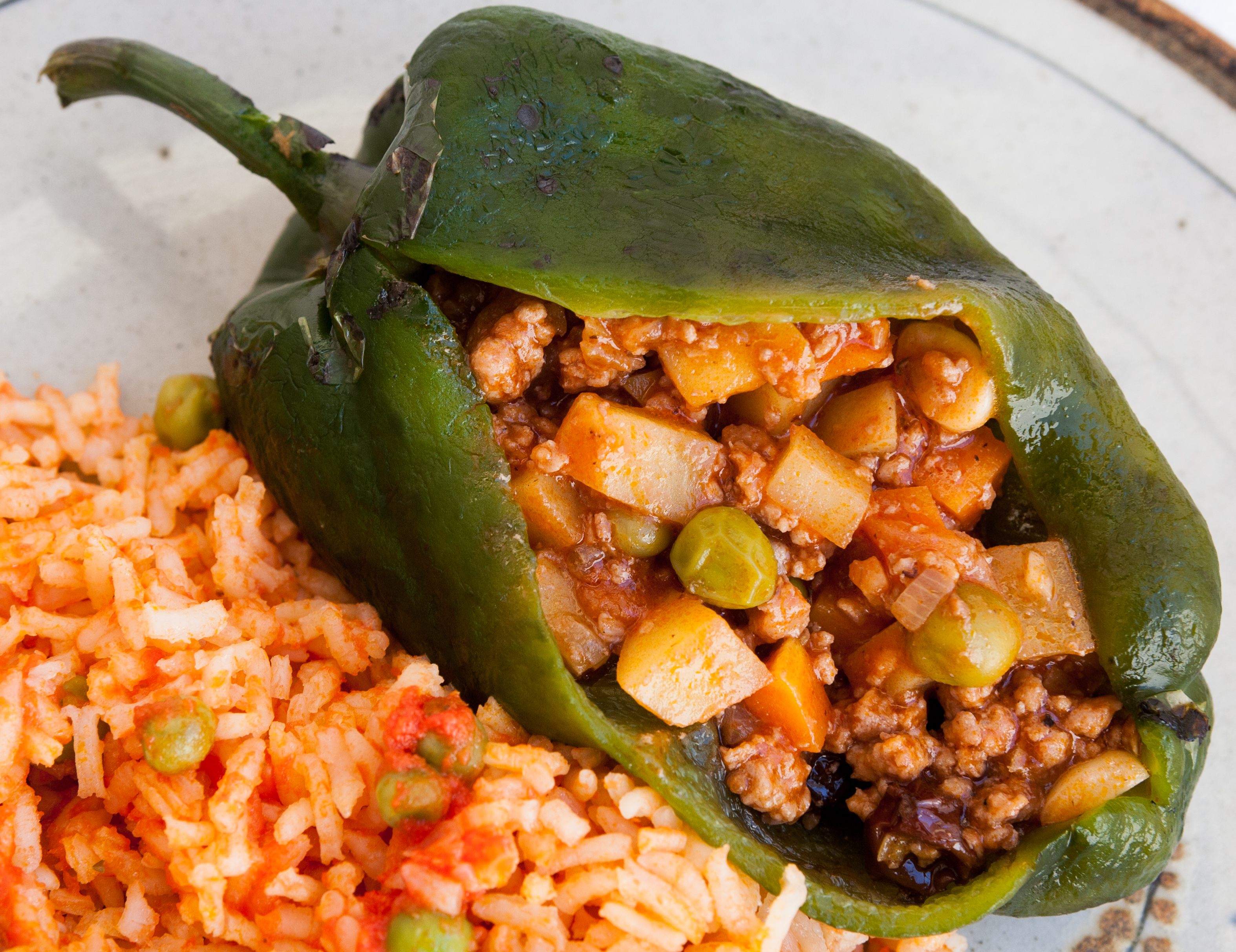
As for when people eat it, this is a main dish that turns up year-round, not a holiday-only plate. It is a standard of Guatemalan comedores and fondas, the everyday restaurants that feed the country. You find it at weekend family tables and at Semana Santa fairs in the spring. And it is famous tucked inside a crusty French roll and sold from street stalls as pan con chile relleno, the kind of food you eat standing up with a napkin in your hand, the way good street food is meant to be eaten.
I want to be honest about one thing, because I write for a Belizean audience and the name will trip people up. The corridor shares a name, not a dish. In Belize, the relleno Belizeans know is a different dish entirely, a dark recado soup, and there is also a white relleno that has nothing to do with a fried stuffed pepper. Belize, the Yucatán, and Guatemala share a lot of kitchen DNA. This particular dish is Guatemalan, full stop.
Tips for Keeping the Batter On
Cool the filling all the way down before you stuff the peppers. I said it in the steps and I will say it again here, because it is the single mistake that ruins the dish. Warm filling steams under the batter and the coat slides off. After the peppers are stuffed, dust them with flour before the egg dip so the batter has something to grip.
Beat the whites to true stiff peaks. That airy coat is what fries up light and stays put. If the whites are soft, the batter will be thin and greasy.
A vegetarian version is real, not a compromise. Drop the meat and build the picadillo from potato, carrot, and peas. It holds together fine and it is genuinely how some cooks make it.
You can do most of the work ahead. Roast and stuff the peppers a day in advance, keep them in the refrigerator, and make the batter and fry only just before you serve. The fried coat does not keep, so that last step belongs to the moment you sit down.
Frequently Asked Questions
What is the difference between Guatemalan and Mexican chiles rellenos?
The Guatemalan version uses a sweet bell pepper stuffed with a picadillo of meat and diced vegetables, dipped in egg batter, fried, and served with a light tomato sauce and crumbled queso fresco. There is no cheese filling and no chili-walnut sauce. The Mexican versions most people know use poblano peppers with a cheese filling, or the chiles en nogada with a walnut sauce. Same family, different dish.
What goes in the picadillo for Guatemalan chiles rellenos?
Ground beef or pork browned with onion and garlic, then diced potato, carrot, peas, and a little tomato. The warmth comes from a pinch of ground cloves and a small cinnamon stick cooked into the meat and removed before stuffing. Salt and black pepper round it out. Cook the filling until it is dry, not wet.
What is chile relleno en pan?
It is a Guatemalan chile relleno tucked inside a crusty French roll, pan francés, and eaten as a sandwich. You will find it sold from street stalls, especially around fairs and market days. The bread soaks up a little of the sauce and the egg coat, which makes it one of the better things you can eat standing up.
Why does the egg batter fall off my chiles rellenos?
Almost always because the filling was still warm when you stuffed the peppers. Warm filling steams under the batter and pushes it off in the oil. Cool the picadillo completely first, dust the stuffed pepper with flour before the egg dip, and beat the egg whites to stiff peaks so the coat is sturdy enough to hold.
Can I make Guatemalan chiles rellenos ahead of time?
Yes, up to a point. You can roast, peel, and stuff the peppers a day ahead and keep them refrigerated. Make the tomato sauce ahead too. But the egg batter and the frying have to happen just before serving, because the fried coat does not hold once it cools. Do that last step at the last minute.