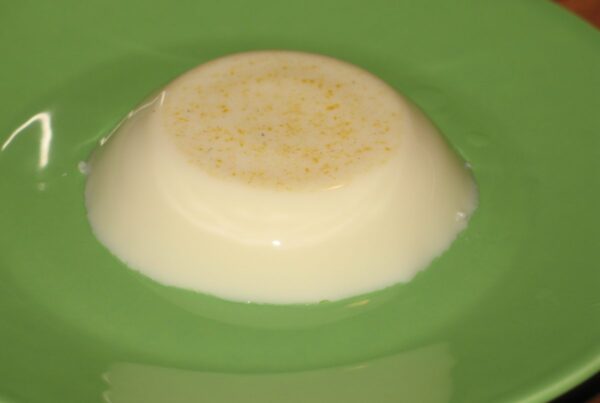
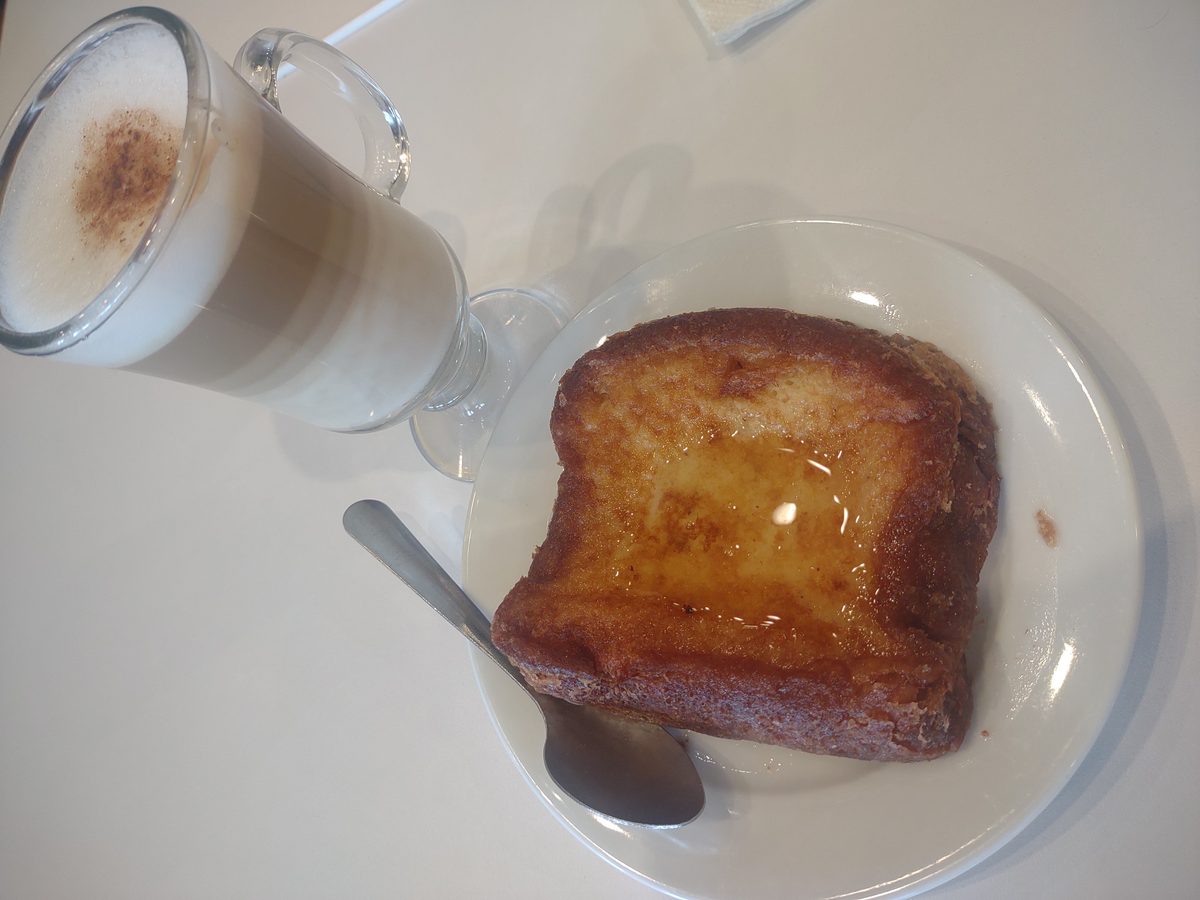
Salvadoran torrejas are slices of pan de yema, a dense egg-yolk sweet bread, dipped in whipped egg batter, fried golden, then steeped in a warm panela syrup scented with cinnamon, cloves, and sometimes orange peel. A Christmas and Semana Santa staple in mestizo and Pipil households across El Salvador.
Why Salvadoran Families Make Torrejas at Christmas and Semana Santa
Torrejas are not an everyday sweet. In Salvadoran Catholic homes, they belong to two seasons: Christmas (Navidad) and Holy Week (Semana Santa). The smell of the bread hitting the hot oil is as much a marker of those holidays as the tamales pisques cooling on the counter. You do not make torrejas on a Tuesday.
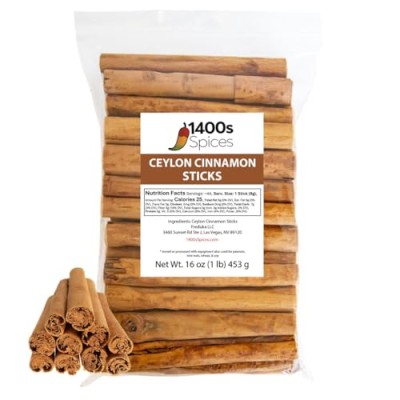
1400S Spices Ceylon Cinnamon Sticks from Sri Lanka, 1lb (Canela Entera)
Ceylon cinnamon is sweeter and milder than cassia — the right choice for atole, conkies, and sweet drinks. These are whole dried sticks from Sri Lanka.
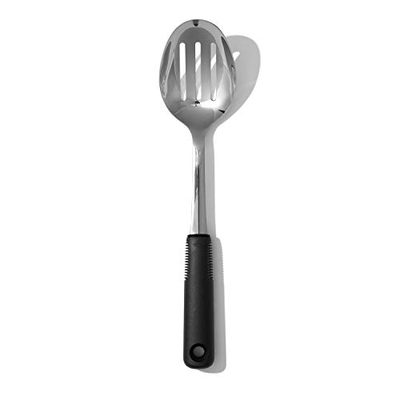
OXO Good Grips Stainless Steel Slotted Spoon
Lifting beans out of cooking liquid or scooping panades from oil needs holes that drain without trapping. A long handle keeps a hand above the pot.
You do not make torrejas on a Tuesday.
The dish traces to Spain, where torrijas (fried bread soaked in wine or milk) were a Lenten staple documented as early as the 15th century. Spanish colonists brought the tradition during the colonial period. The Salvadoran adaptation replaced wine with panela (called dulce de atado in El Salvador and across Central America), which was the practical choice: refined white sugar was costly, but panela, the unrefined whole cane sugar pressed into cones and blocks, was what local producers made from freshly pressed sugarcane. That substitution turned a Spanish penitential food into something richer and more candy-like. The tradition extended through El Salvador’s mestizo Catholic population through enculturation (documented at 196flavors.com), following the Catholic ritual calendar generation to generation.
Torrejas are not attributed to any single indigenous group. They are a dish of El Salvador’s Catholic mestizo tradition, the majority population, which the 2007 census placed at 86.3% of the country. That census recorded the indigenous population, primarily Pipil concentrated in western departments like Sonsonate and Ahuachapán, at only 0.2%, a figure widely held to undercount it. The Pipil cultural connection runs through the Catholic calendar they also observe, not through a specific indigenous claim on the recipe.
The traditional pairing is chilate, a warm drink made from toasted nixtamal corn, unsweetened, with allspice — mildly earthy and gently bitter. The sweetness of the panela syrup and the slight bitterness of chilate work together in a way that makes both things more themselves. Salvadoran migrants in the US maintain the tradition: a 2026 report in La Nacion documented Salvadoran communities in Los Angeles, Houston, and the DC Metro preparing torrejas for Semana Santa, which tells you how strongly the dish is tied to season and identity for those who grew up with it.
For anyone building a broader picture of Salvadoran cooking, torrejas sit at the holiday end of the spectrum. The everyday table might start with pupusas; torrejas are what ends Nochebuena or the Good Friday meal.
Ingredients
- 8 slices pan de yema (egg-yolk sweet bread), cut 3/4 inch thick, 1 to 2 days old
- 1 cup whole milk
- 4 large eggs, separated
- 2 tablespoons all-purpose flour
- Neutral oil for frying (vegetable or canola), enough for 1/2 inch depth in the skillet
- 250g panela (piloncillo/rapadura), broken into pieces (about 1 packed cup)
- 1 1/2 cups water
- 1 large cinnamon stick (Ceylon preferred)
- 4 to 5 whole cloves
- 1 strip orange peel, about 3 inches (optional)
Pan de yema is an egg-yolk sweet bread enriched with sugar, shortening, and cinnamon. It is denser than brioche and less sweet than a dinner roll, and it holds its structure in the milk bath in a way that ordinary sandwich bread cannot. Outside Central America, dense challah (2 days old) is the most workable substitute. Firm brioche is acceptable. Avoid sandwich bread.
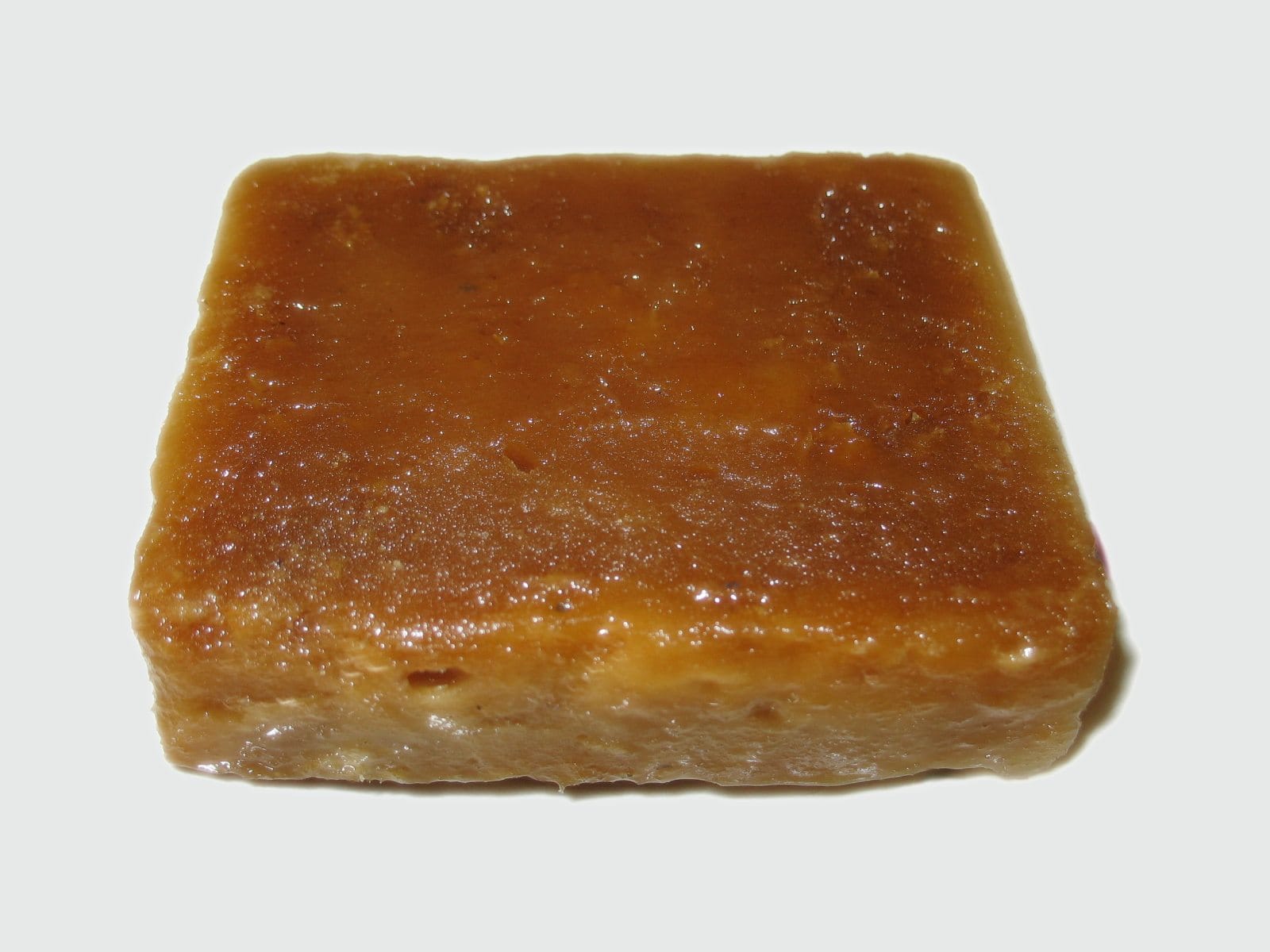
Panela is unrefined whole cane sugar, never refined, sold as a cone or block. Look for it at Latin grocery stores under the name piloncillo (Mexico) or rapadura (Brazil). Brown sugar is not a substitute; it lacks the depth that comes from leaving the molasses intact.
Instructions
- Slice the pan de yema into 3/4-inch rounds. If freshly cut, arrange in a single layer and let sit uncovered at room temperature for 20 minutes to dry slightly.
- Make the syrup: combine panela, water, cinnamon stick, cloves, and orange peel (if using) in a medium saucepan. Bring to a low boil, stirring until the panela dissolves, then reduce heat and simmer uncovered for 12 to 15 minutes until the syrup thickens enough to coat a spoon. Remove cinnamon stick and orange peel. Keep warm on low heat.
- Prepare the egg batter: separate the eggs. In a clean bowl, beat egg whites with an electric mixer until they reach soft peaks, glossy and holding a gentle fold. Add the egg yolks and flour and fold gently until just combined. Avoid deflating the whites; the air in them is what gives the fried coating its lift.
- Pour milk into a wide shallow bowl.
- Heat 1/2 inch of oil in a large skillet over medium heat until shimmering (about 350 degrees F / 175 degrees C). To test: drop a small amount of egg batter into the oil. It should sizzle immediately.
- Working one slice at a time: dip the bread in milk on both sides briefly, about 2 to 3 seconds, just a thin coat. Transfer immediately to the egg batter and turn to coat both sides evenly.
- Lower the coated slice carefully into the hot oil. Fry for 60 to 90 seconds per side, until the edges look set and the surface is golden. Do not flip early. Remove with a slotted spoon and drain briefly on paper towel.
- Repeat with remaining slices, adjusting heat as needed if the oil gets too hot between batches.
- Arrange all fried torrejas in a single layer in a baking dish or deep pan. Pour the warm panela syrup over them. Let them soak for at least 4 to 6 hours before serving. Overnight is better.
Serve at room temperature. Not warm, not cold from the refrigerator. Room temperature, in the syrup, the day after you made them or the morning of the celebration. That is the dish.
Let them soak for at least 4 to 6 hours before serving. Overnight is better.
How to Get the Syrup Soak Right (and What to Do When Pan de Yema Is Hard to Find)
The soak is not optional. The torrejas need time in the syrup for the panela to work through the egg crust and saturate the bread itself. Four to six hours is the minimum; overnight is traditional for a reason. Cut the soak to an hour and you have fried bread with syrup sitting on top. Wait overnight and you have something else entirely: dense, fragrant, steeped through.
Syrup consistency: The panela syrup should be thin enough to pour but thick enough to coat a spoon lightly. If it sets too firm in the pan after cooling, add 2 to 3 tablespoons of warm water and reheat gently. If it is still too thin after 15 minutes of simmering, cook for another 5 minutes.
Bread age: Pan de yema should be 1 to 2 days old, confirmed by both recetassalvador.com and yeselsalvador.com. Fresh bread is too soft; it will crumble in the milk bath before you reach the egg batter. Outside Central America, salvadorankitchen.com notes that dense challah (also 2 days old) works acceptably. Firm brioche is a second option. Avoid anything sold as sandwich bread.
Storage: Covered in the syrup at room temperature, torrejas keep for up to 2 days. Refrigerated, up to 5 days. Remove from the refrigerator 30 minutes before serving, because the panela syrup firms up when cold and you want it fluid.
A documented variation: Some Salvadoran cooks scatter raisins into the soaking dish so they plump in the syrup alongside the bread. Not universal, but recorded in several sources. If you are building a Salvadoran holiday table that also includes curtido, note that torrejas are made the night before everything else. For the cluster of Salvadoran Semana Santa sweets, empanadas de plátano are the other holiday treat — their finish is a dusting of cinnamon sugar rather than the long panela soak that defines torrejas.
Orange zest in the batter: A small amount of orange zest folded into the egg batter, separate from the strip in the syrup, deepens the citrus note through the whole slice rather than just the outer coat.
Frequently Asked Questions
What are Salvadoran torrejas?
Salvadoran torrejas are slices of pan de yema, a dense egg-yolk sweet bread, dipped in a whipped egg batter, fried golden, then steeped for several hours in panela syrup with cinnamon and cloves. They are a classic Christmas and Semana Santa dessert in El Salvador, served at room temperature after an overnight soak.
How are torrejas different from French toast?
French toast is served hot, immediately after frying, with the egg-and-milk batter as the primary flavoring. Torrejas are a make-ahead dessert: the defining step is the long soak in panela syrup, which saturates the bread over several hours. Torrejas also use whipped egg whites for the batter, which gives the fried coat more lift than a simple egg-and-milk dip. The syrup soak is what makes torrejas what they are.
What bread do you use for Salvadoran torrejas?
The traditional bread is pan de yema, also called torta de yema, a dense egg-yolk sweet bread baked specifically for this purpose. It should be 1 to 2 days old so it holds together in the milk bath. Outside El Salvador, dense challah or firm brioche are the most workable substitutes. Do not use sandwich bread; it will not survive the battering process.
What is panela and where can I find it?
Panela is unrefined whole cane sugar, pressed into cone or block form. It is sold as piloncillo in Mexico, rapadura in Brazil, and chancaca in Peru and Bolivia. Look for it at Latin grocery stores. It is not the same as brown sugar: brown sugar is refined white sugar with molasses added back, while panela is never refined at all. The flavor difference is significant. If panela is unavailable, dark brown sugar combined with a small piece of raw cane sugar is the closest approximation, though the depth of flavor will be somewhat different.
Can I make torrejas ahead of time?
Yes, and in fact you should. Torrejas are a make-ahead dessert by design. The required soak time is at least 4 to 6 hours, and most families prepare them the day before Christmas Eve dinner or the Good Friday table. They keep covered in the syrup at room temperature for up to 2 days, or refrigerated for up to 5 days. Remove from the refrigerator 30 minutes before serving.
Are torrejas the same as Spanish torrijas?
Related, not identical. Spain’s torrijas, documented since the 15th century as noted in Wikipedia’s entry on torrijas, are typically soaked in milk or wine, fried, and finished with honey or cinnamon sugar. El Salvador’s torrejas share a common Spanish colonial ancestor but use panela syrup as the soaking medium, making the result denser and more candy-like. The spelling also differs: Spain uses torrijas (single r); Central America uses torrejas (double r). In El Salvador, torrejas are always a dessert; Spanish torrijas can serve as a breakfast or snack. The Guatemalan cousin, Guatemalan molletes, is a different preparation entirely: a small filled sweet roll soaked in syrup, not an unfilled slice.
How are Salvadoran torrejas different from Guatemalan torrejas?
Both are fried sweet bread soaked in syrup, but the syrup is the key difference. Salvadoran torrejas soak in panela syrup with cinnamon and cloves, and are made primarily for Semana Santa (Christmas secondary). Guatemalan torrejas traditionally use a syrup enriched with allspice, prunes, and raisins — a Moorish-Spanish flavor profile — and are associated more with Christmas. The bread and frying technique are similar; the soaking medium and primary occasion set them apart.
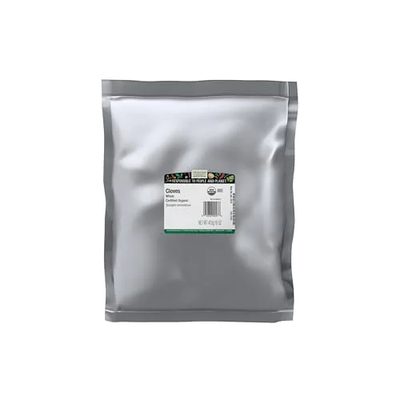
Frontier Co-op Whole Cloves, Organic, Hand Select, 16 oz
Spice pastes, dark stews and braised meats all call for whole cloves ground or simmered into the dish. Whole cloves keep their volatile oils far longer than ground.
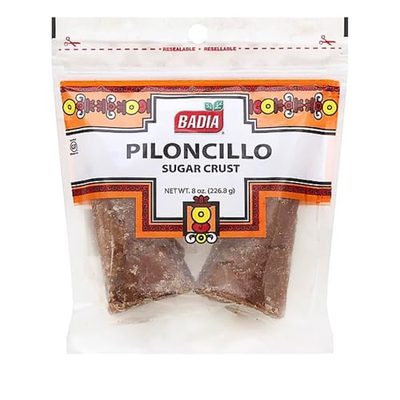
Unrefined cane sugar in cone form, the panela these syrups and sweets are built on.