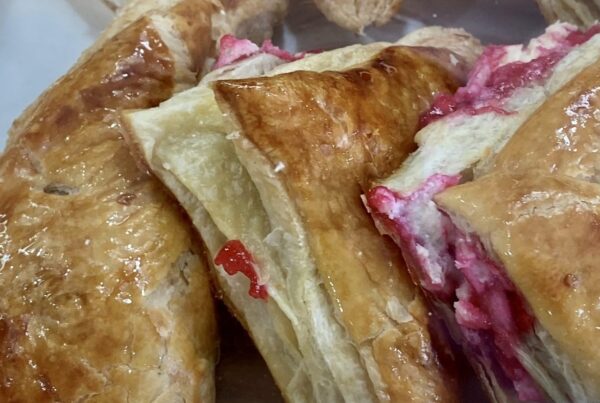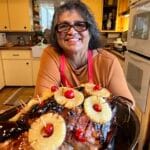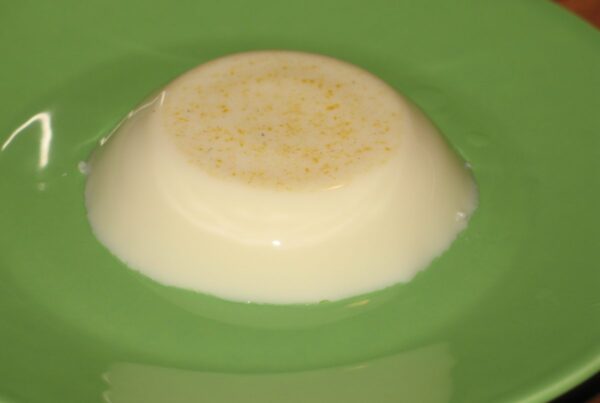
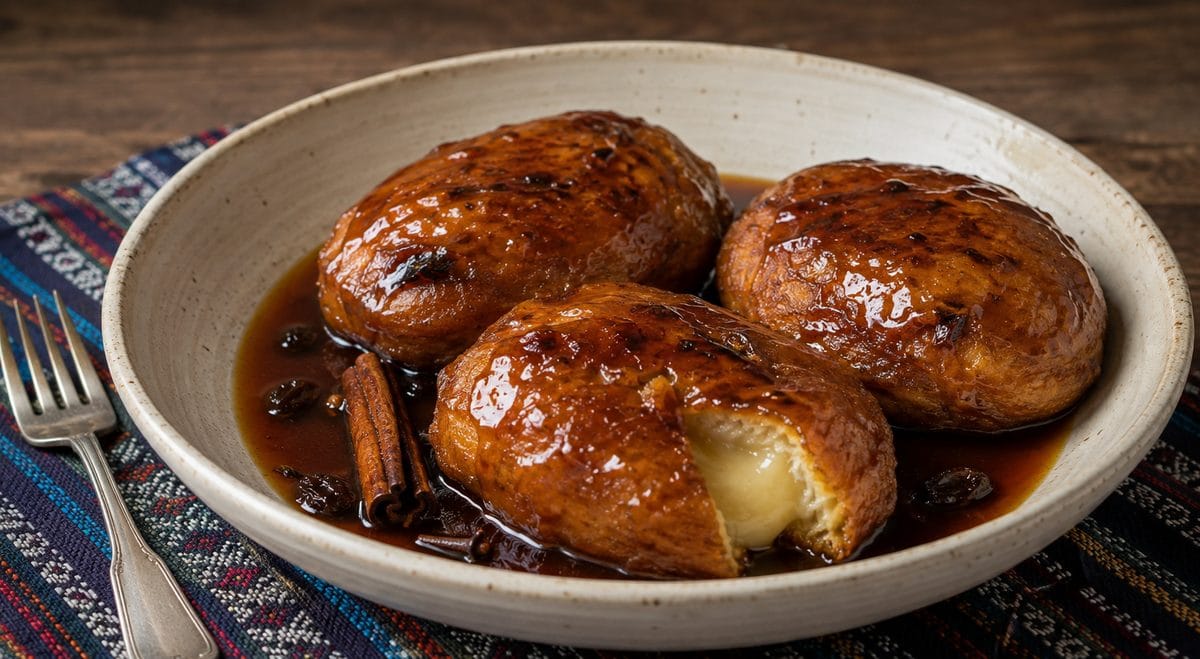
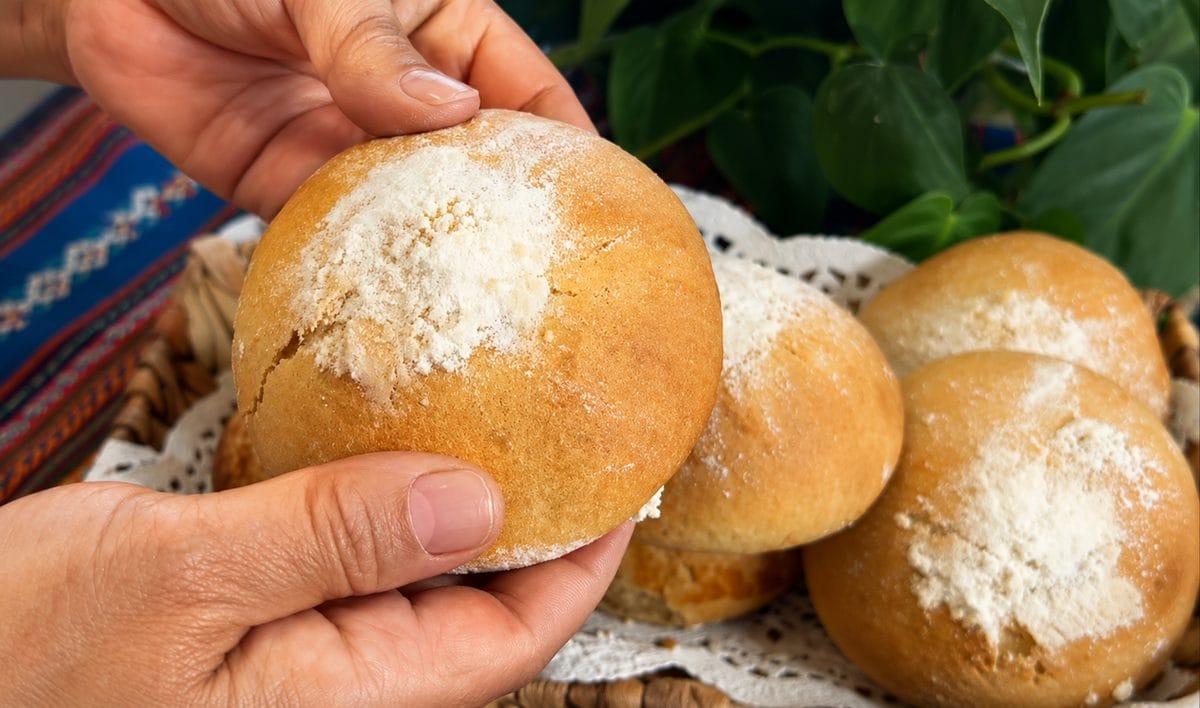
Molletes guatemaltecos are sweet bread rolls split, filled with manjar custard, dipped in whipped egg batter, fried golden, then steeped in warm panela-cinnamon syrup. They appear on the Guatemalan table twice a year: on the Day of the Dead (Día de Todos los Santos, November 1), where they sit alongside fiambre in cemetery ofrenda spreads, and during Semana Santa (Holy Week). They are not related to Mexican molletes, which are savory open-faced sandwiches. This is a Ladino colonial sweet — the mestizo, Spanish-influenced tradition — with no Maya antecedent.
What makes molletes guatemaltecos a feast-day tradition — not a Mexican dish
The name causes real confusion. Search “molletes” and you land on Mexican cuisine: open-faced bolillo bread topped with refried beans and melted cheese, served for breakfast. That is a different country’s food tradition, a different bread, a different preparation, and a different meal occasion. The Guatemalan mollete shares the name and nothing else.
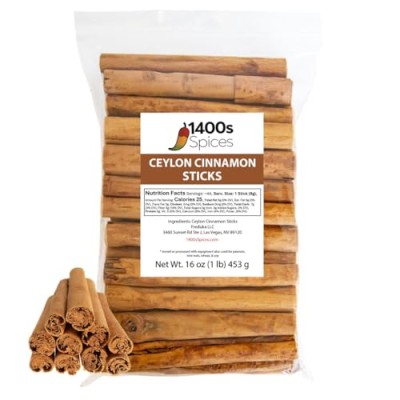
1400S Spices Ceylon Cinnamon Sticks from Sri Lanka, 1lb (Canela Entera)
Ceylon cinnamon is sweeter and milder than cassia — the right choice for atole, conkies, and sweet drinks. These are whole dried sticks from Sri Lanka.
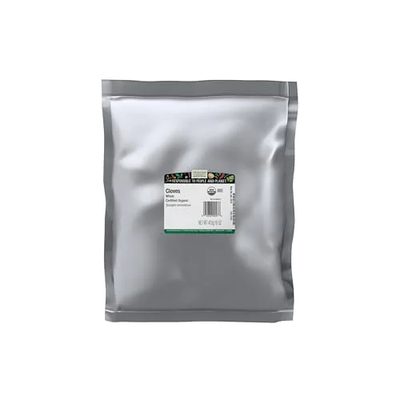
Frontier Co-op Whole Cloves, Organic, Hand Select, 16 oz
Spice pastes, dark stews and braised meats all call for whole cloves ground or simmered into the dish. Whole cloves keep their volatile oils far longer than ground.
The Guatemalan mollete shares the name with the Mexican version and nothing else.
Guatemalan molletes trace to the colonial era, specifically to Totonicapán, in the highlands west of Antigua. According to the Spanish Academy Antigüeña, bakers in that region developed the dish during Easter week, when they did not operate their ovens in the usual rhythm. They produced large sweet breads, pan de manteca or pan dulce, to distribute to townspeople during the holiday. Those townspeople began submerging the breads in a syrup of panela (raw cane sugar), anise, clove, ginger, fig leaf, orange leaf, and cinnamon. The method preserved the bread and made it substantial as an offering. The dish spread across Guatemala and became part of the country’s Semana Santa food calendar alongside torrejas and garbanzos en miel.
Today molletes guatemaltecos are equally associated with Día de Todos los Santos on November 1. They appear on cemetery altars and in ofrenda spreads alongside fiambre, Guatemala’s elaborate cold-salad dish that is also strictly once-a-year. The combination of molletes and fiambre on All Saints’ Day is the most distinctively Guatemalan feast-day pairing in the fall calendar. The bread holds well at room temperature for hours, which is practical for cemetery visits stretching through the afternoon.
The distinction between molletes and torrejas is worth stating plainly because the two appear at the same table during Holy Week. If the bread has a filling, it is a mollete. If not, it is a torreja. Both are dipped in beaten egg, fried, and steeped in panela syrup. The manjar custard inside the mollete is what sets it apart. Some families also make Christmas versions filled with sweetened cream and sweet wine instead of the cornstarch custard.
This is a Ladino tradition: the mestizo, Spanish-colonial heritage community that forms the majority of Guatemala’s urban and highland population. It is not associated with specific Maya communities, who have their own distinct food traditions for the same religious seasons. You will find molletes guatemaltecos in Guatemala City bakeries, in highland market towns, and in the kitchens of Guatemalan families throughout the diaspora. They sit at the intersection of colonial Spanish technique (egg-dipped fried bread, panela syrup) and the Central American ingredient pantry (panela, canela, clavo).
For a broader picture of what Guatemalan cooking looks like across the seasons, see our Guatemalan Food Guide.
Ingredients
For the bread
- 14 small pan de manteca or pan dulce rolls (about the size of a dinner roll; brioche rolls are the closest substitute if unavailable)
For the manjar (custard filling)
- 2¼ cups whole milk
- ½ cup granulated sugar
- 6 tablespoons cornstarch
- 1 cinnamon stick
- ¼ teaspoon salt
- 1 teaspoon vanilla extract
For the egg batter
- 3 eggs, separated
- 2 tablespoons all-purpose flour
- 1 tablespoon sugar
For frying
- 2 cups vegetable oil
For the panela syrup (miel)
- 1 cup panela (piloncillo), grated or broken into pieces
- 1½ cups water
- ¼ cup rum (optional; omit for a child-friendly version)
- Zest from one lime
- ¼ teaspoon allspice
- 3 whole cloves
- 1 cinnamon stick
- ¼ cup raisins, plus extra for garnish
For garnish
- Red decorating sugar (optional)
Instructions
- Make the manjar. Heat 2 cups of the milk with the sugar, cinnamon stick, and salt in a saucepan over medium heat until it just reaches a boil. In a separate bowl, whisk the cornstarch with the remaining ¼ cup cold milk until completely smooth with no lumps. Add ½ cup of the hot milk to the cornstarch mixture, stir quickly to temper it, then pour everything back into the saucepan. Stir constantly over medium-low heat until the custard thickens, about 3 to 4 minutes. Remove from heat, stir in the vanilla, and let it cool completely. Refrigerate until firm enough to scoop, at least 1 hour, or up to 3 days ahead.
- Make the panela syrup. Combine the panela, water, lime zest, allspice, cloves, cinnamon stick, and raisins in a wide saucepan. Bring to a boil, stirring to dissolve the panela, then reduce heat and simmer for 15 minutes until slightly reduced and aromatic. Add the rum if using. Keep warm over the lowest heat setting while you fry the molletes.
- Prepare the rolls. Using a serrated knife, cut the top off each roll to create a small lid, setting it aside. Hollow out the center slightly, removing about a tablespoon of crumb from the cavity. Tuck 3 to 4 raisins into the hollow, then spoon in enough manjar to fill the cavity generously. Replace the lid and press it lightly to seal. Set filled rolls aside on a tray.
- Make the egg batter. Beat the egg whites to stiff peaks. They should hold their shape when you lift the beater. In a separate small bowl, lightly beat the egg yolks. Fold the yolks into the whites along with the flour and sugar until just combined. Work gently to keep the batter light.
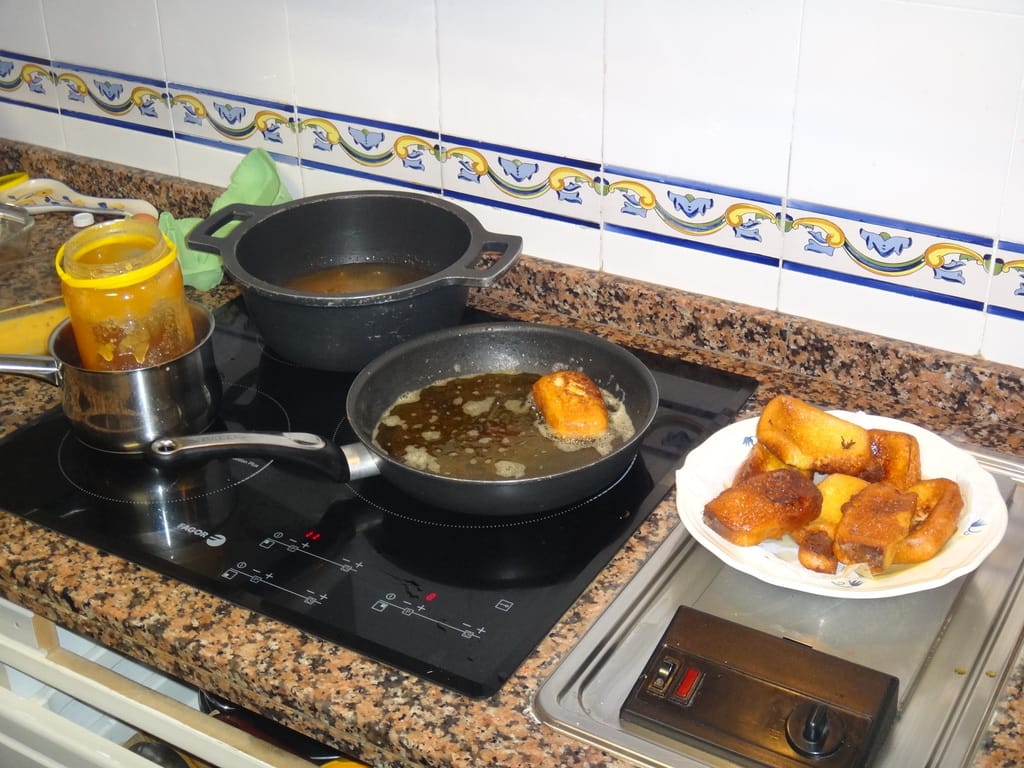
- Fry the molletes. Heat the oil in a deep skillet over medium heat to 350°F (175°C). Working in batches, dip each filled roll into the egg batter, coating all sides evenly. Carefully lower into the hot oil and fry for about 1 minute per side until the coating is golden. Do not crowd the pan. Fry 3 or 4 at a time.
- Remove excess oil. This traditional step matters: drain the fried molletes in a colander set over the sink, then pour a cup of boiling water over them briefly. The water rinses off the surface grease and keeps the final texture clean rather than heavy.
- Steep in syrup. Transfer the drained molletes to the warm panela syrup. Cook gently over low heat for 3 to 4 minutes, turning them once, until the bread absorbs some syrup and softens into it. The bread should be moist and flavored throughout, not just glazed on the outside.
- Serve immediately, spooning extra syrup over the top and scattering raisins and red decorating sugar across the plate if you like.
Why molletes guatemaltecos belong to the Guatemalan feast calendar, not to Mexico
During Holy Week in Guatemala, the sweet table runs on three desserts: molletes, torrejas, and garbanzos en miel. All three involve panela syrup. All three are rooted in colonial Spanish technique: fried egg-coated bread, steeped chickpeas, caramelized cane sugar. The Guatemalan kitchen absorbed these methods from Spanish colonizers and made them its own, integrating local panela and highland spices in place of European refined sugar and continental aromatics.
The manjar custard inside the mollete is what sets it apart. Remove the filling and what you have is a torreja.
The critical disambiguation deserves its own moment: a Mexican mollete is a savory breakfast item. It is a bolillo roll split and toasted, spread with refried beans, and topped with melted cheese and salsa. It is closer to a grilled cheese sandwich in concept than to any dessert. When a recipe site calls something a “mollete,” whether it refers to the Guatemalan sweet or the Mexican savory depends entirely on which country’s cuisine is being discussed. The word comes from the Spanish for a soft, enriched roll. From that starting point, Guatemala and Mexico went in completely opposite directions.
The Guatemalan version is the dessert tradition. The Ladino community that developed it treated it as a festive sweet for religious solemnity: filling, spiced, not too sweet, and substantial enough to serve as an offering at a cemetery in the afternoon. That last quality is what anchors molletes to Día de Todos los Santos as much as to Holy Week. They survive hours at room temperature without degrading, which makes them practical for the long day of All Saints.
For a comparison with another Guatemalan sweet that appears at the same Semana Santa table, see our recipe for Rellenitos de Plátano.
How to make molletes guatemaltecos ahead — and what to do with leftovers
The manjar is the part to make first. It keeps well in the refrigerator for up to 3 days, tightly covered, and firms up better with time, making it easier to fill the rolls without it sliding out. Make it the day before and the whole process becomes less rushed.
The rum in the syrup is optional and easily omitted. Some families use sweet wine in the filling instead of or alongside the rum in the syrup, which is closer to the recipe the Spanish Academy Antigüeña documents. Others make a version with cream, sugar, and raisins rather than cornstarch custard for a richer filling. Some families in Guatemala use sweetened mashed black beans as the filling. All of these are legitimate variations; the technique is the constant.
If pan de manteca is unavailable outside Guatemala, brioche rolls are the closest substitute in most supermarkets. They have a similar enriched crumb and sufficient structure to hold the filling when fried. Small dinner rolls in the soft white category also work, though they absorb the syrup faster and can become quite soft.
Leftovers keep for up to a day in the refrigerator, stored in the syrup. After 24 hours the egg coating loses its distinct texture and the bread becomes thoroughly saturated: still good, but softer and more like a soaked bread pudding than fried sweet bread. For this reason, molletes are best made and eaten the same day.
Reheating: warm them gently in their syrup over very low heat. The microwave makes the egg batter rubbery and is worth avoiding.
Frequently Asked Questions
What are Guatemalan molletes?
Guatemalan molletes are a traditional dessert made from small sweet bread rolls that are split, filled with a cornstarch-thickened milk custard called manjar, sealed, dipped in whipped egg batter, fried, and then steeped in a warm spiced syrup made from panela (raw cane sugar), cinnamon, cloves, and raisins. They are eaten on Día de Todos los Santos (November 1) and during Semana Santa, and occasionally at Christmas.
How are molletes guatemaltecos different from Mexican molletes?
They share only the name. Mexican molletes are a savory dish: a bolillo roll split and toasted, spread with refried beans, and topped with melted cheese and salsa. They are a breakfast or snack item. Guatemalan molletes are a sweet dessert made from custard-filled fried bread steeped in spiced syrup. The two have no culinary connection.
What is the filling inside Guatemalan molletes?
The traditional filling is manjar, a firm cornstarch-thickened milk custard flavored with cinnamon and vanilla, similar to a blancmange or pastry cream. Some versions use a filling of cream, sugar, raisins, and sweet wine instead. A few families use sweetened black beans as the filling, drawing on the same technique used for rellenitos de plátano.
When do Guatemalans eat molletes?
Molletes appear on the Guatemalan table on Día de Todos los Santos (November 1), where they are brought to cemeteries as ofrendas alongside fiambre. They also appear during Semana Santa (Holy Week), at the same table as torrejas and garbanzos en miel. Christmas versions exist as well, though they are less universal. The Día de Todos los Santos and Semana Santa traditions are both primary.
Can I make molletes guatemaltecos without rum?
Yes. The rum in the panela syrup is optional in every version of this recipe. Omit it entirely for a child-friendly dessert, or substitute sweet wine. The syrup is fully flavored by the panela, cinnamon, cloves, allspice, and lime zest without the alcohol.
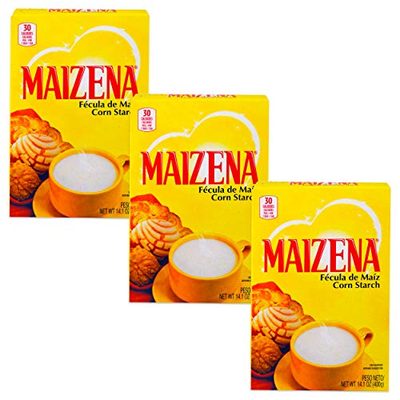
Maizena Corn Starch, 14.10 Ounces (14.1 Ounce (Pack of 3))
Cornstarch is what Belizean cooks reach for to thicken the meat pie filling.
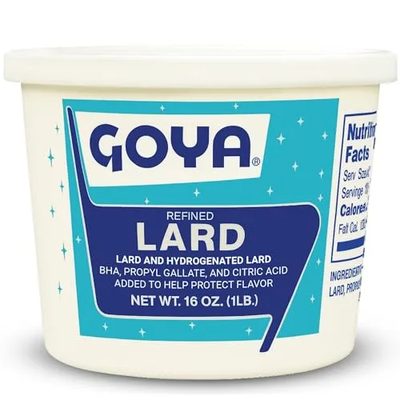
Pure lard (manteca) for making masa dough and frying - the fat traditional recipes rely on for texture and flavor.
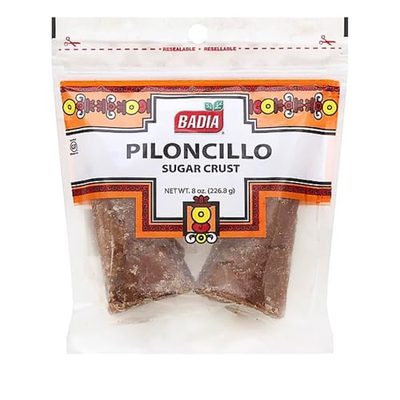
Unrefined cane sugar in cone form, the panela these syrups and sweets are built on.