Hailing from the coastal villages of Belize, Hudut Bapuru Falumoun is a beloved dish that showcases the unique fusion of African, Garifuna, and Caribbean influences in Belizean cuisine. This recipe has been enjoyed by generations of families, particularly in the Stann Creek and Toledo districts, and is often served during special occasions or communal gatherings.
Hudut (also spelled hudutu) is a traditional Garifuna dish from Belize: mashed green and ripe plantains served alongside a coconut fish stew called sere. The plantains are boiled, then pounded in a wooden mortar until they hold together in a dense, smooth ball. That ball is the fu-fu. The sere is made separately by cooking fish in fresh coconut milk with onion, cilantro, and pepper. The two components are served together in a bowl and eaten by hand, pulling pieces of fu-fu through the stew.

Hudut is a staple in Garifuna communities in Dangriga, Hopkins, and Punta Gorda. It is typically prepared for communal gatherings and Garifuna Settlement Day celebrations on November 19.

Belize Hudut Ingredients:
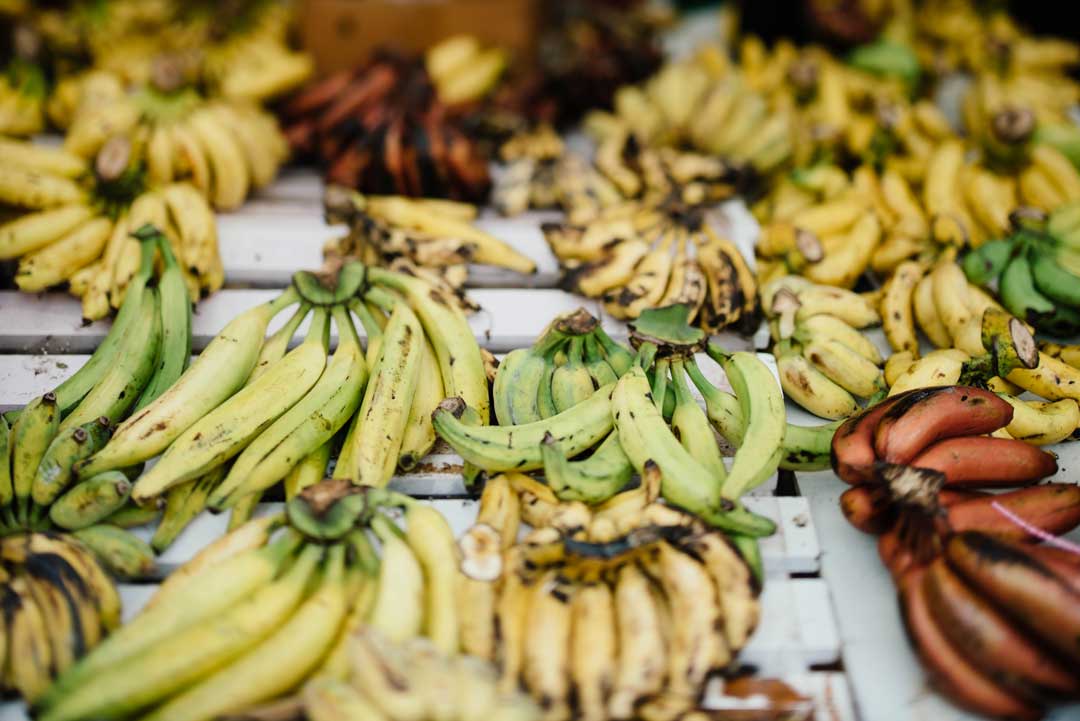
- 6-7 green plantains
- 2 coconuts, finely grated
- 2 lbs. fish (snapper or grouper work best), well-seasoned
- 1 white onion, finely chopped
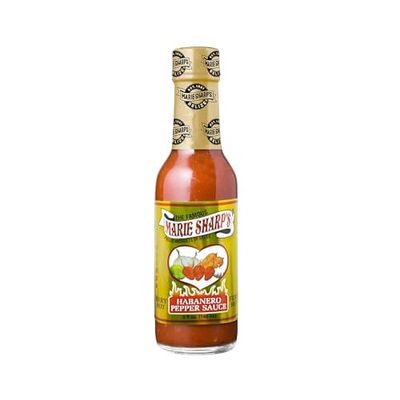
- Pepper sauce to taste (typically Marie Sharp’s or homemade)
- 4 leaves of cilantro, finely chopped
- 1 teaspoon oregano
- 1 clove garlic, minced
- 1/2 teaspoon black pepper
- Okra (optional)
Dietary Alternatives:
- For a vegan option, substitute the fish with fried tofu or tempeh
- For those with nut allergies, use coconut milk alternatives like almond milk or soy milk
Belizean Hudut Recipe Instructions:
- Grate coconut, pour water over it, and squeeze milk into a cooking pot to make sere.
- Add spices, fish (or vegan alternative), and onion to the pot, and cook until done, stirring constantly so the milk does not curdle.
- Meanwhile, peel and wash green plantains. Cook them in water without salt.
- When soft and cooled, place plantains into a mortar and pound with a fufu pounder or mortar stick. Dip the stick in cold water frequently to prevent sticking.
- Pound until plantains hold together and become soft and sticky.
- Remove plantains from the mortar and serve with fish and coconut milk sere.
Serves: 4 Preparation Time: 20 minutes Cook Time: 30 minutes Total Time: 50 minutes
Nutritional Information (per serving): Calories: 710 Protein: 40g Carbohydrates: 68g Fiber: 7g Fat: 34g Sodium: 130mg
Serving Suggestions:
- Pair with a refreshing, tropical fruit salad or a side of coleslaw for added texture and flavor
- Serve with an ice-cold Belikin beer or a glass of fresh limeade
Tips and Tricks:
- Choose firm green plantains for the best texture
- Gently reheat leftovers over low heat, stirring to prevent sticking
We’d love to hear about your experience with this Hudut Bapuru Falumoun recipe. Share your thoughts, modifications, or any creative variations in the comments section below. Let’s continue to refine this traditional Belizean dish together!
Do you enjoy dishes featuring coconut? Check out these other coconut recipes:
For a full overview of the Garifuna food tradition in Belize, see Garifuna food: traditional dishes of the Garifuna people.
What is the difference between sere and hudut?
Sere and hudut are two components of the same dish, not two separate dishes. Sere is the coconut fish broth: fish cooked in freshly squeezed coconut milk with onion, cilantro, garlic, and pepper until the broth is thick and fragrant. Hudut refers to the mashed plantain component: green and ripe plantains boiled and pounded together until they form a sticky, dough-like ball (fu-fu).
When Garifuna cooks say they are making hudut, they mean the full dish: sere plus fu-fu. When they say sere alone, they usually mean the broth served without mashed plantains, closer to a coconut fish soup.
The distinction matters at restaurants. A menu listing sere will bring you a bowl of coconut fish broth. A menu listing hudut will bring you the broth with a ball of pounded plantain on the side or in the bowl.
How do you eat hudut?
Hudut is eaten by hand. Pull a small piece of fu-fu from the plantain ball, press it between your fingers to form a small cup or scoop, then drag it through the sere to pick up fish and broth. No utensils are needed or traditional. The fu-fu should be firm enough to scoop without breaking apart.
Some people eat with a spoon, but in Garifuna homes the hand method is standard. Children learn young: the texture of the fu-fu tells you when the plantains were pounded correctly.
Garifuna hudut FAQ
What is hudut in Belize? Hudut is a traditional Garifuna dish from Belize consisting of two components: fu-fu (mashed green and ripe plantains, pounded in a wooden mortar) and sere (a coconut milk fish stew). The two are served together and eaten by hand. Hudut is a staple in Garifuna communities in Dangriga, Hopkins, and Punta Gorda.
What is the difference between sere and hudut? Sere is the coconut fish broth component of hudut: fish cooked in freshly squeezed coconut milk with onion, cilantro, and pepper. Hudut is the full dish: sere plus fu-fu (mashed plantains). Sere alone is a coconut fish soup; hudut always includes both the broth and the pounded plantain.
What does hudut mean? Hudut refers to the mashed plantain component of the dish in the Garifuna language. In common use it names the full meal: the pounded plantain fu-fu served with sere, a coconut fish stew. The word comes from the Garifuna (Garinagu) language, spoken in Belize, Honduras, Guatemala, and Nicaragua.
How do you eat hudut? Hudut is eaten by hand. Pull a small piece of fu-fu from the plantain ball, press it into a scoop shape, and drag it through the sere to pick up fish and broth. In Garifuna homes, utensils are not traditional. The fu-fu should hold together firmly enough to scoop without breaking.
Is hudut the same as hudutu? Yes. Hudut and hudutu are the same dish with two different spellings of the same Garifuna word. Hudut is the spelling used in Belize today. Hudutu is an older transliteration that appears in earlier cookbooks and is more common among Garifuna diaspora communities in the United States and Honduras. Both refer to pounded plantains served with sere.
Should you add okra to hudut? Some cooks add okra to the sere. It thickens the broth and is a common addition in communities around Punta Gorda. The case against it is simple: okra goes slimy when it cooks, and in a broth already thick from coconut milk, that texture tips into too much for some people. Isela leaves it out for exactly that reason. Both versions are traditional.
Shop This Recipe
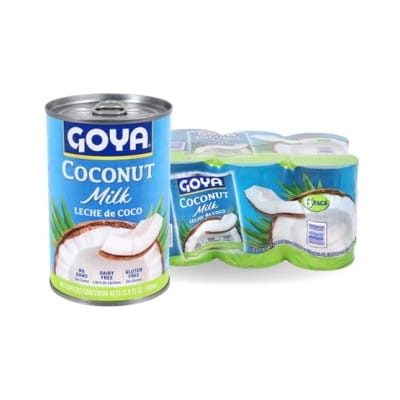
Goya Coconut Milk 13.5 oz (6-pack)
Creole bread's richness is two full cups of coconut milk kneaded into the dough. A six-pack means the next bake is already covered.