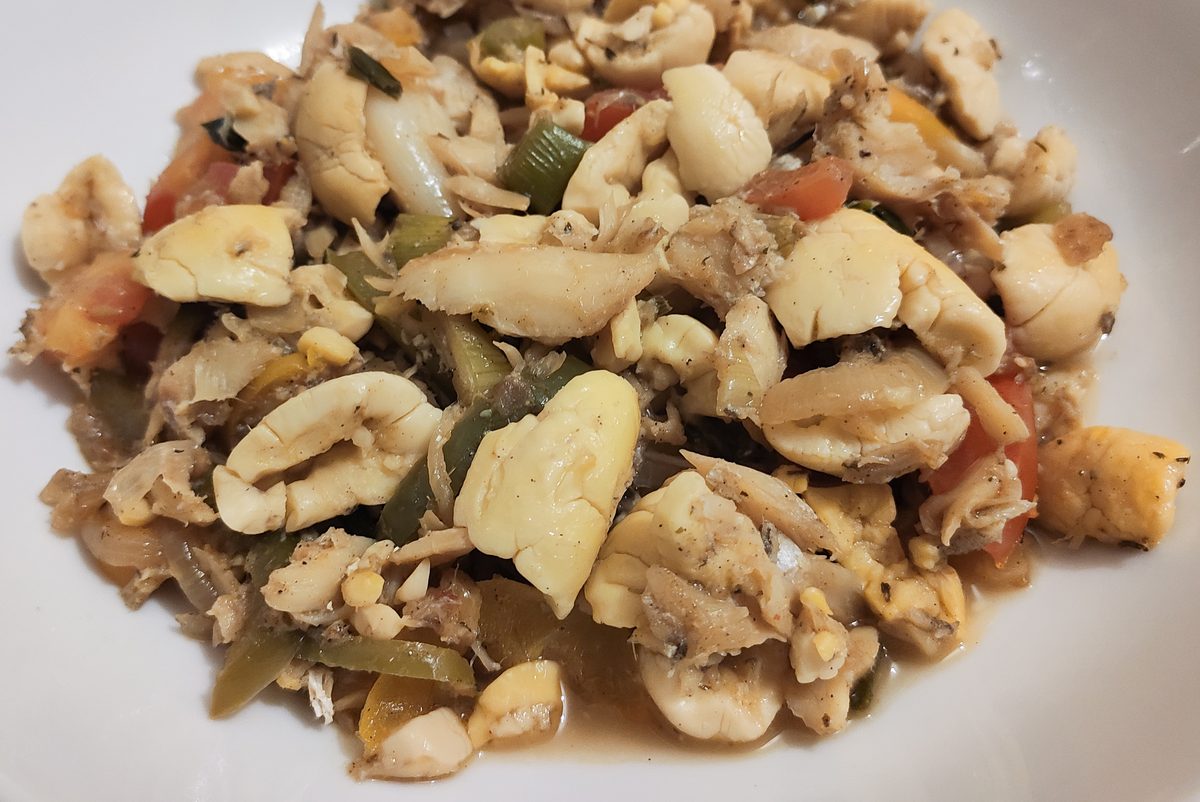
Ackee and saltfish is Jamaica’s national dish: salted cod boiled free of its salt, then folded through cooked ackee with onion, scallion, thyme, and Scotch bonnet. The ackee cooks down soft and yellow and reads like scrambled eggs on the plate, though it is a fruit. It is a breakfast dish as often as a dinner one.
Ingredients
Two ingredients carry this dish and both need handling before they meet. The saltfish has to be boiled out, and the ackee has to be cooked without being stirred to pieces. Everything else is aromatics.
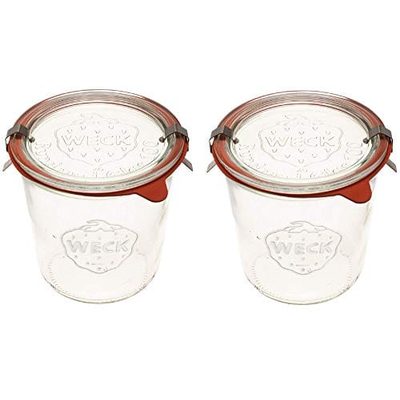
WECK Canning Jars 742 Mold Jars, 1/2 Liter Tall Jar Set (2 Jars)
Spice pastes, ground spices and toasted seeds all keep longer in glass with a silicone seal than in plastic. Tall gasket-sealed glass jars are the editorial pick for paste and spice storage.
The two main components
- 1 can (19 oz / 540 g) ackee, drained, or about 2 dozen fresh ackees.
- 8 oz (225 g) boneless saltfish (salted cod).
Aromatics and vegetables
- 1 medium onion, sliced.
- 3 scallions (spring onions), chopped.
- 3 garlic cloves, minced.
- 1 tbsp fresh thyme leaves, or 1 tsp dried.
- 1 Scotch bonnet pepper.
- 1/2 red and 1/2 green bell pepper, sliced.
- 1 medium tomato, chopped, optional.
To cook
- 1 tsp black pepper.
- 2 tbsp (30 ml) cooking oil, vegetable or olive.
Amounts here are a worked starting point for 4 servings; the cooks themselves go by eye. Salt is deliberately missing from the list. The fish brings enough of it on its own, and the cooks say so plainly: taste before you add any, and most of the time you will not need it.
Instructions
- Desalt the fish. Put the saltfish in water, boil it, pour the water off, and repeat three times in all. Each round takes out more salt.
- If you are using fresh ackee, remove the seed and the red centre. A cook describes that inner part as the poisonous piece, and it comes out before anything else happens.
- Warm the ackee through. Canned ackee needs very little: cooks scald it in hot water for a minute or two, or cover it and let it simmer in the pot for at least five minutes. Overcooking here is what turns the dish to mush later.
- Heat oil in a pan and sauté the onion, scallions, garlic, bell peppers, and Scotch bonnet, cut into rings.
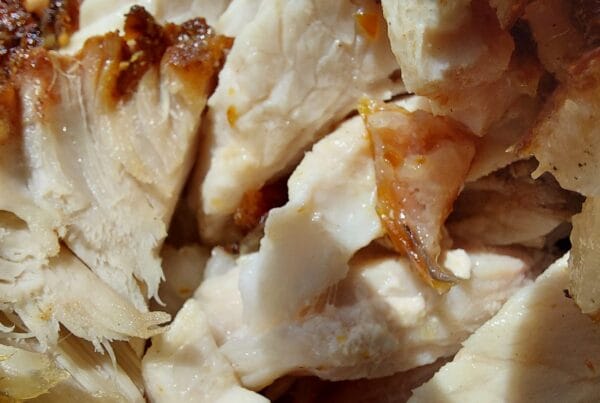
- Flake the desalted saltfish and add it to the pan, letting it sweat off with the vegetables so the flavors marry.
- Fold in the cooked ackee gently, moving the spoon from the bottom and up rather than stirring across. The fruit breaks apart easily.
- Season with black pepper, add tomato now if you are using it, and simmer a few minutes to bring it together.
Ackee Has to Be Ripe, and That Is Not a Preference
Ackee is the one Caribbean fruit that comes with a real safety rule attached, so it is worth stating plainly before the cooking notes. The edible aril starts out high in a toxin called hypoglycin, and those levels decline as the fruit ripens to concentrations considered safe (source). Eating unripe ackee can bring on Jamaican vomiting sickness, a serious hypoglycemic illness. The black seeds are never eaten.
Jamaican practice handles this with timing rather than testing. The fruit is left to open fully on the tree before it is picked, which is described as the ackee having yawned or smiled (source), and only then is it harvested. A closed pod is not ready, no matter how good it looks. Canned ackee, the version most people outside Jamaica cook with, is processed from fruit picked that way.
Ackee is Jamaica’s national fruit, and ackee and saltfish is the country’s official national dish (source). It gets treated as a vegetable in the kitchen despite being a fruit, which is why it lands on a breakfast plate next to fish rather than in a bowl with sugar.
Fold It, Do Not Stir It
Ackee falls apart easily, and the difference between distinct yellow pieces and a pan of mush is mostly how you move the spoon. One cook puts it as take your time and fold it, rather than stirring hard enough to break the fruit down.
Heat is the other half. Canned ackee is already cooked, so it needs warming through rather than boiling: a minute or two scalded in hot water, or five minutes covered in the pan. Longer than that and you are back to mush no matter how carefully you fold.
Salt runs the other way. Boiling the fish three times is what makes the dish edible, and after that the residual salt usually seasons everything. Cooks add black pepper and taste before reaching for anything else, and one notes he leaves salt out on purpose to keep his blood pressure down.
What Jamaicans Argue About: Tomato, and Cans
Tomato goes in for color and to let the flavors marry, and it is the ingredient most likely to differ from one kitchen to the next. Add it at the end with the black pepper, or leave it out.
The second is canned versus fresh. Canned ackee is the practical choice abroad and it is what most of the diaspora cooks with. In Jamaica, ackee from the tree is considered the only authentic starting point. If you are working from a can, you skip the seed and pickings step entirely, since the fruit arrives cleaned and cooked.
Seasoning beyond the aromatics is cook’s choice. At least one of these cooks reaches for all-purpose seasoning, and the dish carries most of its flavor from the saltfish, the scallion, thyme, and pepper regardless.
Tips and Variations
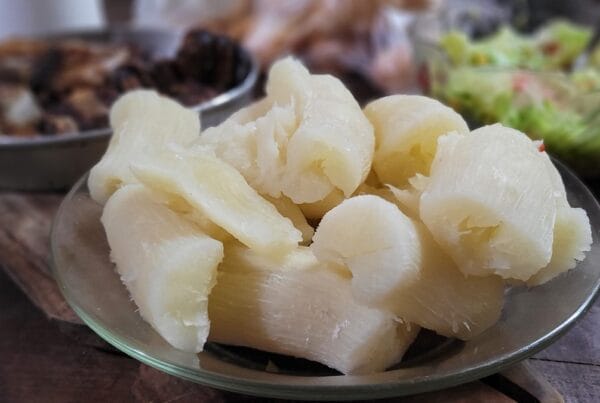
Serve it with fried dumplings, which Jamaicans also call johnny cakes. Bammy, the cassava flatbread, takes the same seat on the plate and is what you want if you would rather have something dense and chewy than something fried and soft. The same fried dough turns up across the region, and our Belizean johnny cakes are baked rather than fried, so the name travels further than the method does. Boiled green bananas, boiled yellow yam, fried plantain, or plain bread all work in the same slot.
Scotch bonnet is cook’s choice too. Some slice it into rings so it seasons the pan without dominating it, others chop it straight in. Cut it finer for more heat throughout, coarser for less.
Storage and Make-Ahead
The desalting is the step to do ahead. Boil the fish out the day before, flake it, and keep it refrigerated, and the dish itself then takes minutes on the morning you want it.
Chopping the onion, scallion, and peppers ahead works the same way. Both of those are the reason this reads as a weekend breakfast that somehow appears quickly.
Leftovers keep in an airtight container in the refrigerator for two to three days. Reheat gently in a pan rather than hard, because ackee that has already been cooked once will break down further with rough handling or high heat.
Frequently Asked Questions
What is ackee and saltfish?
It is Jamaica’s official national dish: salted cod boiled to remove the salt, then folded through cooked ackee with onion, scallion, thyme, bell pepper, and Scotch bonnet. Ackee is a fruit, but it cooks and eats like a vegetable.
Is ackee safe to eat?
Ripe ackee is. The aril contains high levels of a toxin called hypoglycin when unripe, and those levels fall as the fruit ripens. Jamaican practice is to let the pod open fully on the tree before picking. Unripe ackee can cause Jamaican vomiting sickness, and the seeds are never eaten.
How do you get the salt out of saltfish?
Boil it, pour the water off, and repeat, three rounds in total. After that the fish usually carries enough residual salt to season the whole dish, so taste before adding more.
Why did my ackee turn to mush?
Either it was overheated or it was stirred. Canned ackee only needs warming through, a minute or two scalded in hot water or five minutes covered in the pan, and it should be folded in from the bottom up rather than stirred across.
Can I use canned ackee?
Yes, and most cooks outside Jamaica do. Canned ackee arrives cleaned and cooked, so you skip removing the seed and the red pickings and go straight to folding it into the pan. Cooks in Jamaica still consider fruit from the tree the authentic version.
How much saltfish do I need per can of ackee?
About 8 oz (225 g) of boneless saltfish to one 19 oz (540 g) can of ackee, which serves four. Weigh it before soaking, not after, and taste the pan before adding any salt because the fish carries its own.
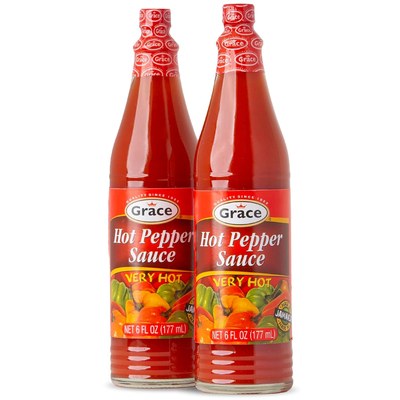
Scotch bonnet blended with West Indian red peppers: the everyday bottle that sits on a Jamaican table rather than a specialty sauce bought for one dish. The two-pack is the sensible buy for a household that cooks Jamaican food regularly.