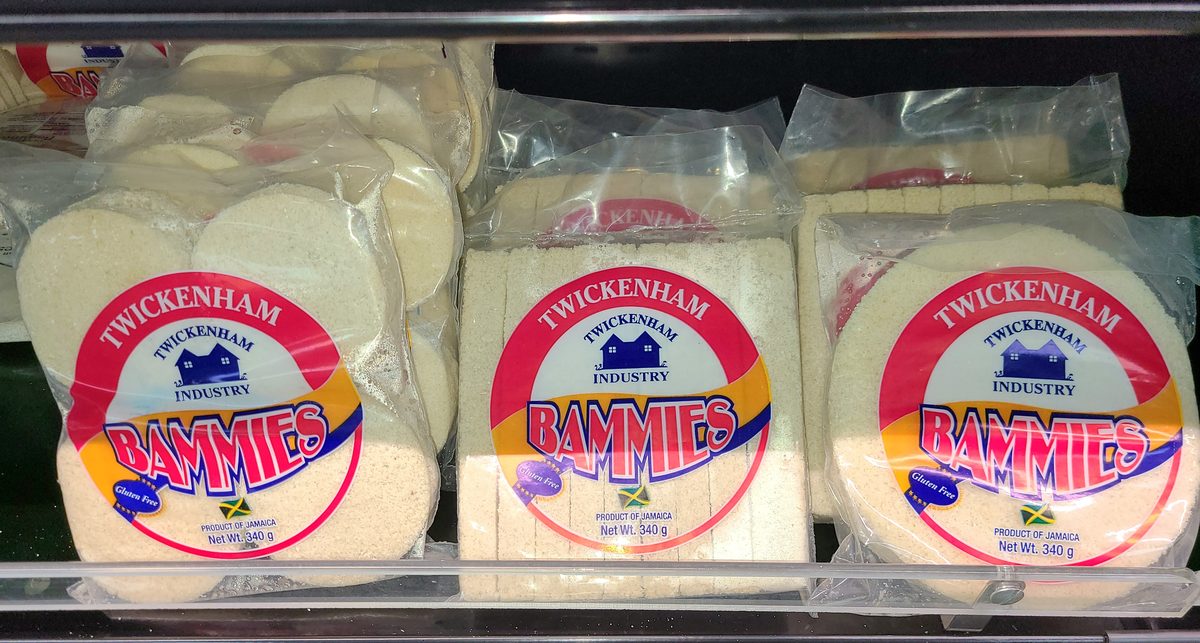
Bammy is a Jamaican cassava flatbread: grated cassava wrung dry, pressed into a disc and slow-cooked, then soaked in coconut milk and fried golden. It is one of the island’s oldest foods, and the version most people meet is a bought disc that gets soaked and fried rather than made from the root.
Ingredients
Amounts here make four bammies. Two different jobs live in this recipe. Making bammy from cassava is one. Reviving a bammy, homemade or bought, is the other, and it is the one most kitchens actually do.
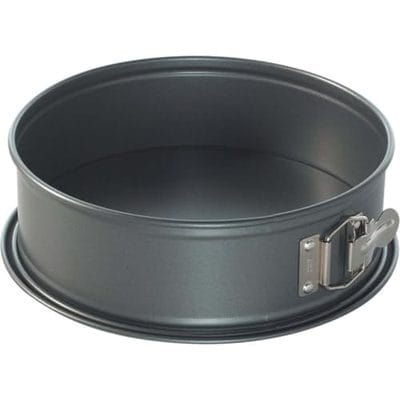
Nordic Ware Springform, 2-Piece Set 9 Inch Pan, 10 Cup Capacity
A 9-inch springform is what dense cakes and cheesecakes call for. The clip release lets you unmold without inverting the cake.
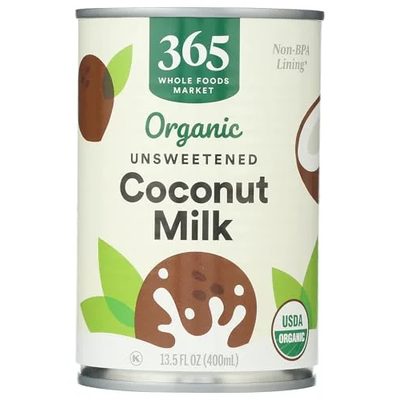
Full-fat coconut milk with nothing added - the choice for recipes where fat carries flavor and texture matters, from soups to baking.
To make the bammy
- 2 lb (900 g) fresh cassava, peeled.
- 1 tsp salt.
For the soak
- 1 cup (240 ml) coconut milk, regular milk, or water, for the soak.
- Salt.
- 1 tbsp sugar, if you want it slightly sweet.
- 1/4 tsp each grated nutmeg and cinnamon, optional.
- 1 tsp bottled jerk seasoning, if you want it savory instead.
To fry
- 3 tbsp (45 ml) oil, for frying.
The soak is where cooks put their signature. One flavors the milk with cinnamon and salt, another with nutmeg and brown sugar, another with jerk seasoning outright. The bammy itself is close to neutral, so whatever goes in the soak is what you taste.
Instructions
- Grate the fresh cassava, then wring it out to drive off the juice. This is the step the whole tradition turns on, and it is not optional.
- Keep the grated cassava a little damp rather than bone dry. That residual moisture is what lets the heat work through the disc as it cooks.
- Pack it into a round mold. A mini springform pan works, and slow-cook it on the stove until it sets into a firm flat disc.
- Soak the bammy in coconut milk, milk, or water, seasoned however you like it. Cooks give this anywhere from a minute to 25 minutes.
- Air dry the soaked bammy 15 to 20 minutes before it goes near oil. Skip this and it drips oil afterwards.
- Fry until golden brown on both sides.
The Soak Is Not Optional, and Nobody Agrees How Long
Bammy out of the pack is genuinely tough. The soak is what makes it edible, and it is also the only chance to get flavor into it, which is why cooks treat the liquid as the recipe rather than as a rehydration step.
On duration they are all over the map. The four cooks here say about a minute, at least five minutes, ten minutes, and about 25 minutes. That is not a rounding difference, it is a real disagreement, and it depends on how dry your bammy is to begin with. Start at five, press the disc with a finger, and give it longer if the centre is still firm.
Then let it air dry 15 to 20 minutes. It sounds like a step to skip and it is not: a bammy that goes into oil still wet with milk sits there dripping oil long after it comes out.
Homemade and Store-Bought Are Not the Same Thing
Commercial bammy is light-baked and dehydrated so it survives a shelf. Homemade is moist, and cooks describe the inside as white, soft, and slightly gummy, held together by how strong the cassava starch is rather than by any binder.
Coconut in the dough is a real variation with a real trade-off. It tastes better and it shortens the shelf life, so it suits a bammy you are eating today rather than one you are keeping.
None of that changes the wringing. Grated cassava has to be pressed until the juice is gone before it becomes bread, whichever version you are making.
The Oldest Bread in the Region
Bammy is older than every other bread on this site. It descends from casabe, the flatbread the Taíno were eating before Columbus, and it has been made the same essential way since (source). Grate, press, cook flat.
That is why it turns up under different names across the whole Caribbean, and why we already have it in Belize. Our Belizean cassava bread is the same tradition and the same process: grated cassava, wrung dry, shaped and dried. The Garifuna version, ereba, uses bitter cassava through a traditional press and anchors Garifuna foodways across Belize, Honduras, and Guatemala.
The difference is what happens at the end. Belizean cassava bread is dried out to a thin, brittle round and eaten crisp. Jamaican bammy is a thick disc that gets soaked soft again and fried. Same root, same pressing, opposite finish.
Tips and Variations
Decide sweet or savory before you mix the soak. Nutmeg, cinnamon, and a little sugar send it toward breakfast; jerk seasoning in the milk sends it toward the fish plate. Doing both at once gets you neither.
Serve it with fried fish, with escovitch fish, or at breakfast alongside ackee and saltfish. Bammy is the cassava alternative to festival in the same seat on the plate, and the two are not interchangeable in flavor: festival is sweet and airy, bammy is dense and chewy, and an old one can turn bitter.
Storage and Make-Ahead
Bammy is built for keeping, which is the whole reason the tradition exists: pressed cassava discs store far longer than fresh cassava does.
Cooked discs keep refrigerated for several days before the soak-and-fry stage, and this is where the coconut trade-off matters. Coconut in the dough tastes better and shortens how long the bammy keeps, so leave it out of a batch you are storing.
Fried bammy is best eaten straight away. If you are cooking for a crowd, soak and air-dry the discs ahead, then fry them to order rather than frying early and holding them.
Frequently Asked Questions
What is bammy?
A Jamaican cassava flatbread, descended from the Taíno flatbread casabe. Grated cassava is wrung dry, pressed into a disc and cooked flat, then soaked in coconut milk and fried before serving.
How long should bammy soak?
Cooks disagree widely, from about a minute to 25 minutes. It depends how dry the bammy is. Start around five minutes and press the middle with a finger: if it is still firm, give it longer.
Why does my fried bammy drip oil?
It went into the pan still wet from the soak. Air dry the soaked bammy 15 to 20 minutes before frying.
Why do you wring out the cassava?
Removing the juice from grated cassava is the step the entire tradition is built on, in Jamaica and everywhere else cassava bread is made. Our Belizean cassava bread recipe covers the wringing in detail.
Is store-bought bammy the same as homemade?
No. Commercial bammy is light-baked and dehydrated for shelf life. Homemade is moist, with an inside cooks describe as white, soft, and slightly gummy, and it often includes coconut, which tastes better but keeps less well.
How much cassava does one bammy take?
About 8 oz (225 g) of peeled cassava per bammy, so 2 lb (900 g) makes four. Expect to lose a good deal of weight in the wringing, since what you are pressing out is water.
Goya Coconut Milk 13.5 oz (6-pack)
Creole bread's richness is two full cups of coconut milk kneaded into the dough. A six-pack means the next bake is already covered.
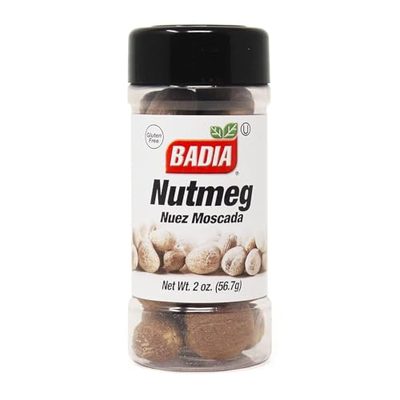
Whole seeds you grate fresh; the recipes that call for grated nutmeg mean this, not the pre-ground jar.