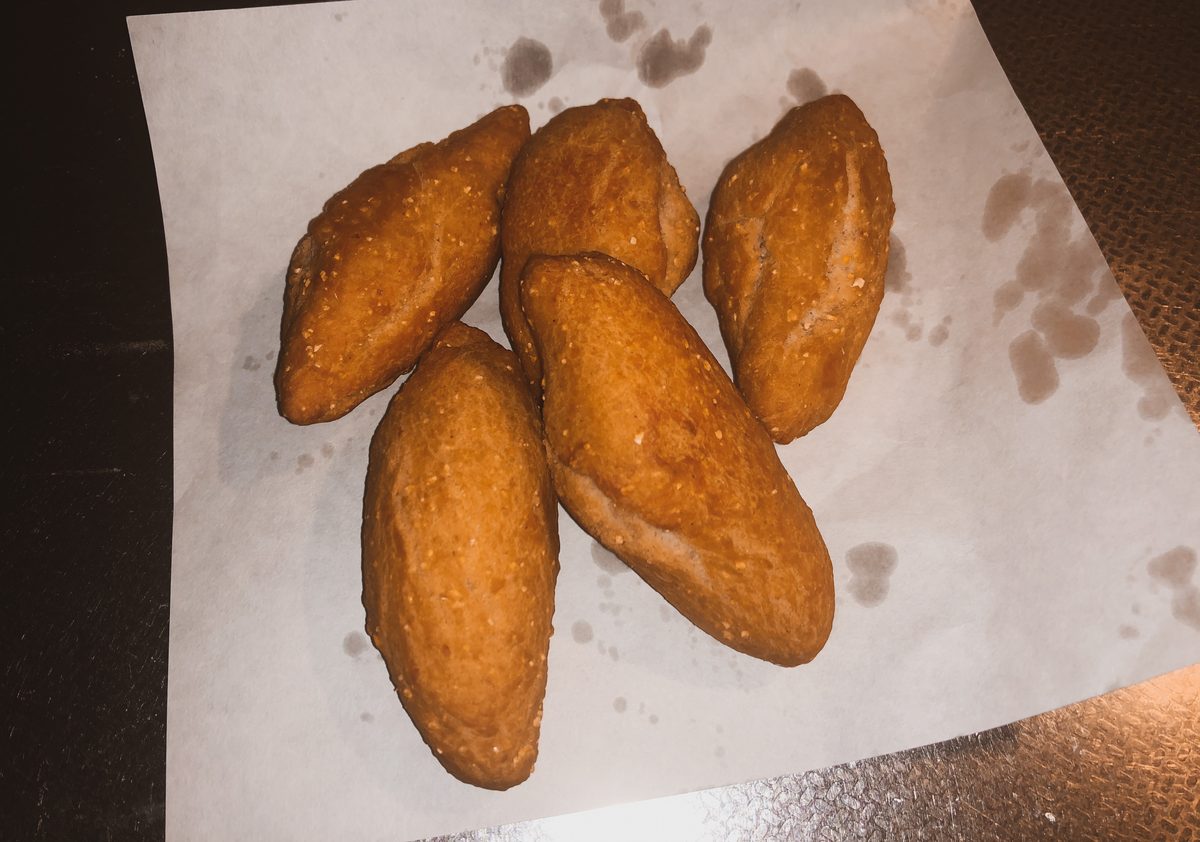
Jamaican festival is a sweet fried dough of flour and cornmeal, rolled long and thin and fried until the outside crisps and the inside stays soft. It is the standard partner to jerk chicken and escovitch fish, and the cornmeal is what separates it from an ordinary fried dumpling.
Ingredients
Amounts here make about 10 festivals. The proportions are forgiving. What is not optional is the cornmeal.
WECK Canning Jars 742 Mold Jars, 1/2 Liter Tall Jar Set (2 Jars)
Spice pastes, ground spices and toasted seeds all keep longer in glass with a silicone seal than in plastic. Tall gasket-sealed glass jars are the editorial pick for paste and spice storage.
Nestlé Carnation Evaporated Milk, 12 fl oz, 4-Pack
Flan, custard, and Belizean coconut tart filling all build on evaporated milk's reduced water content. The 12oz can is the diaspora pantry standard.
The dough
- 1 1/2 cups (190 g) flour: all-purpose with baking powder, or self-raising on its own.
- 1/2 cup (80 g) cornmeal.
- 1/4 cup (50 g) sugar, brown or granulated.
- 2 tsp baking powder, if you are using all-purpose flour.
- 1/2 tsp salt.
Flavor
- 1 tsp vanilla, extract or powder.
- 1/2 tsp cinnamon powder.
- 1/4 tsp grated nutmeg.
To bring it together and fry
- About 1/2 cup (120 ml) water.
- Oil for frying, about 2 cups (475 ml).
Water is the binder the Jamaican cooks this recipe follows reach for, often with the vanilla stirred into it. Milk is the contested one, and it gets its own section below.
Instructions
- Sift the flour and the cornmeal together. Both of them, not just the flour, which is what keeps the mixture smooth.
- Mix in the sugar, baking powder, salt, cinnamon, and nutmeg.
- Add water gradually, with the vanilla stirred in, until the dough comes together soft. Add it slowly: this is easier to correct dry than wet.
- Rest the dough about 30 minutes if you have the time. Some cooks insist on it to relax the dough, others go straight to the pot.
- Pinch off small pieces and roll each between your palms into a long oblong, tapered at the ends. The motion is exactly like rolling Play-Doh.
- Fry in oil over medium heat, in a thick-bottomed pot, until golden brown all over.
Cornmeal Is What Makes It Festival
Drop the cornmeal and you have a fried dumpling. It is the cornmeal that gives festival its outer crunch, and the reason a recipe built on flour alone comes out tasting like something else entirely.
Shape carries the same weight. Festival is long and tapered, not round. Cooks are direct about it: they should be as long as they should be, and a round one reads as a dumpling to anyone Jamaican looking at your plate.
The target is a split texture. Crispy on the outside while soft and fluffy on the inside is the standard, and the pot is what decides it. A thick-bottomed pot over medium heat keeps the outside from browning before the middle has cooked, which is the single most common way festival goes wrong.
The Milk Question, and Two Other Splits
Milk is the live argument. One Jamaican cook says flatly never put milk in festival, and others acknowledge that people do it while not doing it themselves. Reference descriptions of the dish list milk or evaporated milk in the dough, so both versions are out there. Water is what the cooks here use.
Flour is the second split, and it is mechanical rather than cultural. Self-raising flour on its own, or all-purpose flour with baking powder added. Either works. Just do not use self-raising and then add baking powder on top of it.
Resting is the third. One cook holds the dough 30 minutes before shaping so it relaxes; others shape and fry immediately. If your dough fights you when you roll it, that is the argument for resting.
What Festival Is Served With
Festival is a side, and with jerk it is the default one. It goes with fried fish, escovitch, seafood, jerk pork and jerk chicken (source). If you have eaten jerk chicken from a drum pan, festival was almost certainly in the same box.
The pairing with escovitch fish is the one worth understanding. The fish arrives sharp with vinegar and Scotch bonnet, and festival is sweet. The sweetness is not a garnish, it is the counterweight, which is why a plain fried dumpling in the same seat does not work as well.
Breakfast is worth a caveat. Reference descriptions put festival next to ackee and saltfish, but the Jamaican cooks this recipe follows reach for fried dumplings and plantain with ackee, not festival. Both turn up on Jamaican tables. Fried dumpling is the one the cooks name. In Belize that seat at breakfast belongs to fry jacks, fried dough as well but unsweetened and torn open to hold beans or eggs rather than eaten alongside.
Tips and Variations
Sift both flours. It is a step people skip and it is the difference between a smooth dough and one with lumps of cornmeal that never hydrate. Vanilla comes as extract or as powder, and one cook treats the powdered kind as the secret to the flavor.
Keep the heat at medium and resist crowding the pot. Festival needs long enough in the oil for the middle to cook through, and a pot that has lost its heat browns the outside fast while leaving the centre raw.
Storage, and Why Festival Is Best Fresh
Festival is at its best within an hour of coming out of the oil, when the outside is still crisp and the inside is still soft. It is worth timing it to the meal rather than making it early.
The dough can be mixed ahead and refrigerated, which suits the cooks who rest it anyway. Bring it back to room temperature before rolling so it does not fight you.
Fried festival keeps two days in an airtight container but goes dense. Refresh it in a hot oven for a few minutes rather than a microwave, which steams the crust soft.
Frequently Asked Questions
What is Jamaican festival?
A sweet fried dough made from flour and cornmeal, rolled into long tapered pieces and fried until golden. It is crisp outside and soft inside, and it is the standard side with jerk chicken, fried fish, and escovitch.
What is the difference between festival and a fried dumpling?
Cornmeal and sugar. Festival contains cornmeal, which gives it its crunch, and it is sweeter and softer than a fried dumpling. It is also shaped long and tapered rather than round.
Should there be milk in festival?
Cooks disagree. One says never put milk in festival, others acknowledge people do, and reference descriptions of the dish include milk or evaporated milk. The versions this recipe follows use water.
Why is my festival raw in the middle?
The oil is too hot or the pot is too thin. Use a thick-bottomed pot over medium heat so the outside browns at the same pace the inside cooks.
Do I have to rest the dough?
Not necessarily. One cook rests it about 30 minutes to relax the dough before shaping, while others shape and fry straight away. Rest it if the dough is springing back as you roll.
How many festivals does this make?
About ten, from 1 1/2 cups (190 g) of flour and 1/2 cup (80 g) of cornmeal. That is roughly a three-to-one flour-to-cornmeal ratio, which is the proportion to hold if you scale it up.
Clabber Girl Double Acting Baking Powder, 8.1 oz
Double-acting polvo para hornear — the lift behind rosquillas and quick breads.
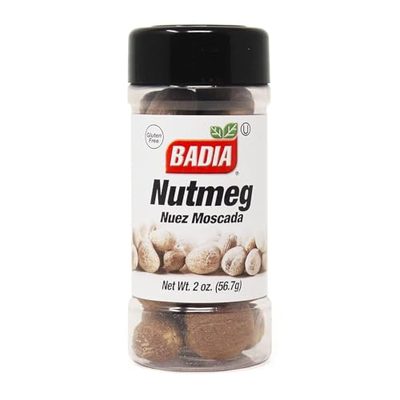
Whole seeds you grate fresh; the recipes that call for grated nutmeg mean this, not the pre-ground jar.