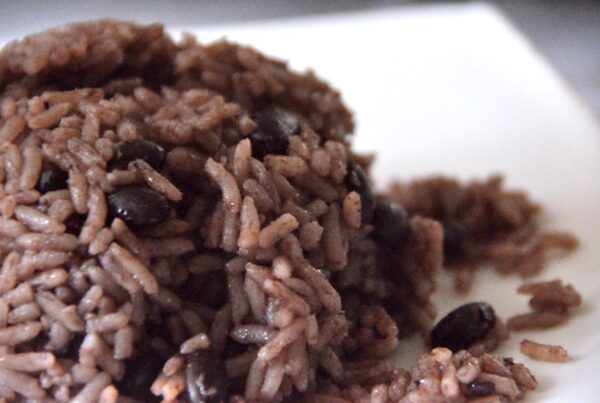
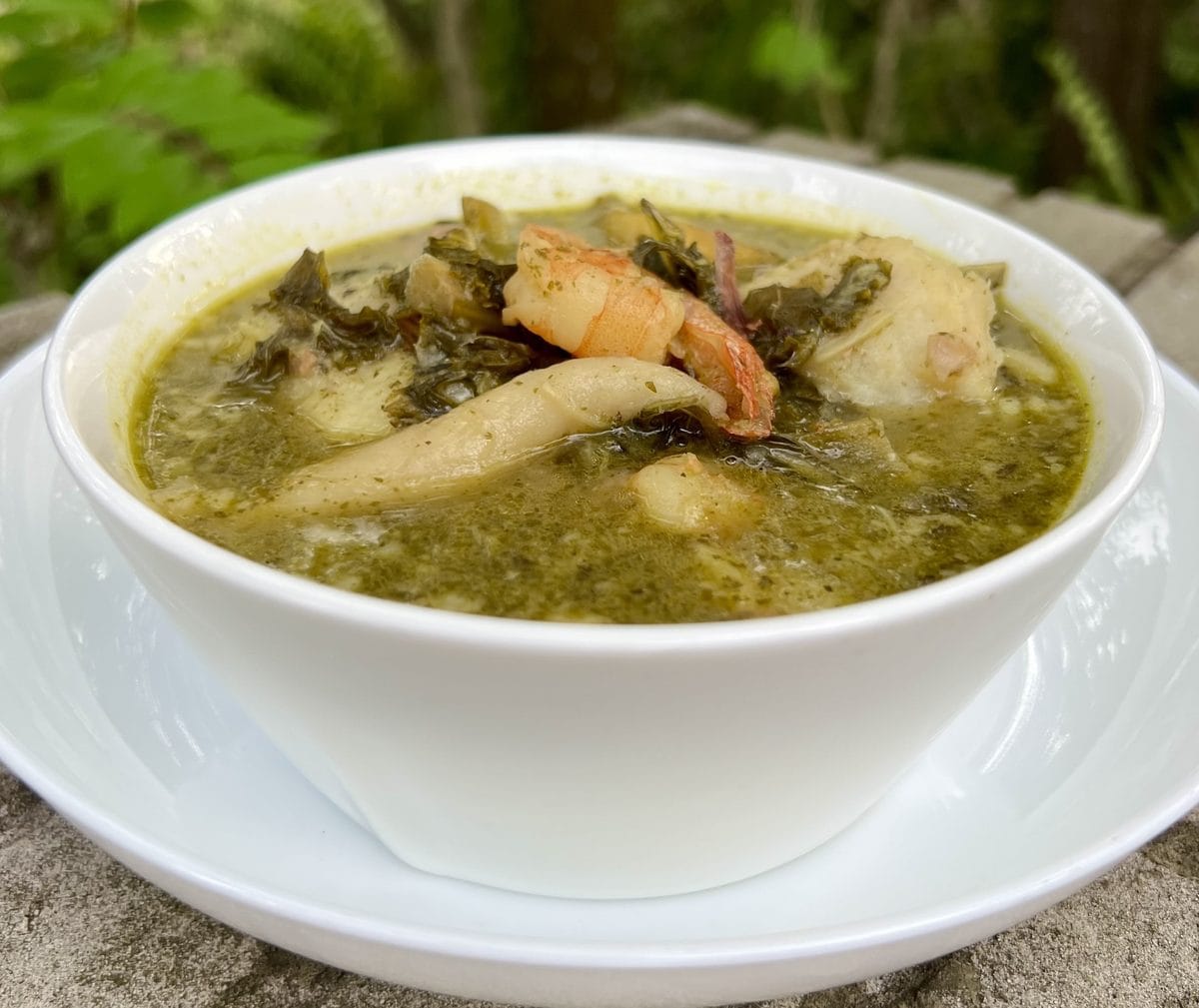
Jamaican pepperpot soup is a thick green callaloo soup, not a dark meat stew. Salted beef and smoked pigtail go in first and cook down with beef bones until the marrow gives up, then yellow yam, coco and Irish potato go in behind them. Coconut milk goes in next, and a heap of callaloo dissolves into it until the pot turns thick and green. Spinners and okra finish it. One Jamaican cook describes the result as a creamy rich warm soup, closer to a cream of broccoli than to anything you would call a stew, except that the green is callaloo.
It is cold-weather food in Jamaica, cooked in what Jamaicans call the winter season to warm you. The name it shares with Guyana’s pepperpot causes real confusion, so that is worth settling before the pot goes on.
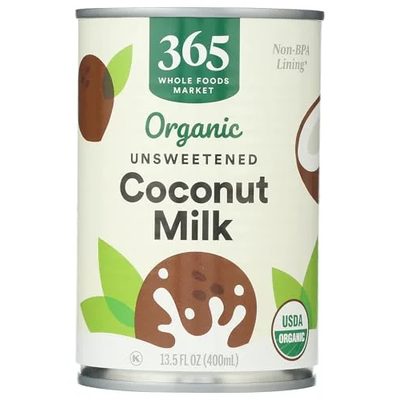
Full-fat coconut milk with nothing added - the choice for recipes where fat carries flavor and texture matters, from soups to baking.
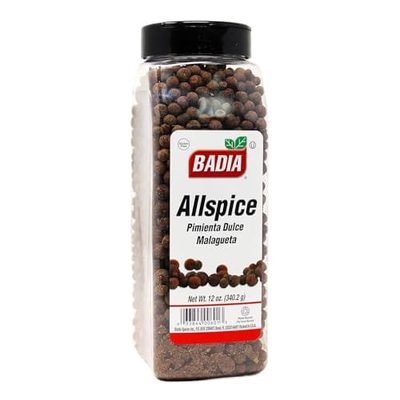
Whole allspice berries you grind fresh; the warm, complex spice flavor is strongest when ground right before use, unlike pre-ground powder.
Jamaican Pepperpot Is Not Guyanese Pepperpot
These are two different dishes wearing one name. Guyanese pepperpot is a slow-cooked meat stew built on cassareep, the dark syrup boiled down from bitter cassava juice, and it is one of Guyana’s national dishes, traditionally served at Christmas (source). Guyanese cooks are strict about it: browning sauce will not work, soy sauce will not work, and one insists on cassareep sourced through the Ministry of Amerindian Affairs because labels claiming Pomeroon often are not the real thing.
The Jamaican soup has no cassareep in it at all. It is a green vegetable soup with cured meat, coconut milk and ground provisions, and reference descriptions put it in the same family: a pre-Columbian dish of Arawak and Taino origin, most closely associated with callaloo as a soup, in contrast to the meaty Guyanese pepperpot (source). Both descend from an Amerindian pot. They stopped resembling each other a long time ago.
Ingredients
Amounts here fill a large pot and serve eight generously, in bowls of about 1 1/2 cups (350 ml). This soup is worth making in quantity because it improves on the second day.
The meat
- 1 lb (450 g) salted beef, cut into 1 in (2.5 cm) pieces.
- 8 oz (225 g) smoked pigtail, cut into 1 in (2.5 cm) pieces.
- 1 lb (450 g) beef soup bones, the marrow ones.
- 1/4 cup (60 ml) vinegar and the juice of 1 lime, for washing the meat.
The greens and provisions
- 1 lb (450 g) Jamaican callaloo, leaves and tender stems, chopped. That is roughly 8 packed cups.
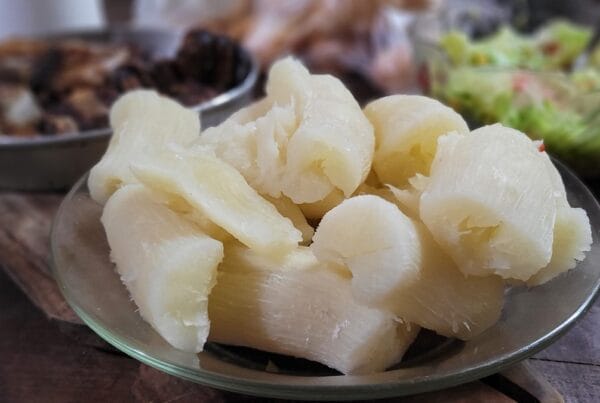
- 1 lb (450 g) yellow yam, peeled and cut into 1 in (2.5 cm) cubes.
- 8 oz (225 g) coco, also sold as malanga or taro, peeled and cubed.
- 12 oz (340 g) Irish potato, about 2 medium, peeled and cubed.
- 8 oz (225 g) fresh okra, topped and cut into 1/2 in (1 cm) rounds.
- Juice of 1 lemon or lime, about 2 tbsp (30 ml), for rubbing the cut provisions.
Liquid and seasoning
- 12 cups (2.8 L) water, plus boiling water to top up.
- 1 cup (240 ml) coconut milk.
- 1 tsp pimento berries, about 8 whole allspice.
- 4 sprigs fresh thyme.
- 1 whole Scotch bonnet pepper.
- 1 medium onion, about 5 oz (140 g), chopped.
- 4 scallions, crushed and chopped.
- 3 garlic cloves, crushed.
- 1/2 tsp black pepper, and salt only at the end, to taste.
The spinners
- 1 cup (125 g) all-purpose flour, 1/2 tsp salt and about 1/3 cup (80 ml) water, rolled into thin spinners.
Instructions
- Wash the salted beef and pigtail with vinegar and lime juice, then rinse. If your salted beef is very heavily cured, cover it with water, bring it to a boil for 10 minutes and pour that water off before you start.
- Put the beef, pigtail and marrow bones into the pot with 12 cups (2.8 L) of water and bring it up to a boil.
- Add the pimento berries, thyme, onion, scallion and garlic now rather than later, so they have the whole cook to marry into the broth.
- Drop to a slow simmer and leave it for 1 1/2 to 2 hours, until the meat is falling off the bone and the marrow has gone into the water. Top up with boiling water only, never cold.
- Peel and cut the yam, coco and potato while that goes, and rub the cut pieces with lemon or lime juice so they do not darken.
- Add the yam and coco and simmer 20 minutes, then the potato for another 15. The potato is doing double duty here: cooks add it partly because it helps thicken the soup.
- Pour in the coconut milk.
- Add the callaloo in handfuls. It collapses fast. Give it 15 to 20 minutes, until the leaves have dissolved into the coconut milk and the pot has gone thick and green.
- Roll the flour, salt and water into thin spinners and drop them into the simmering soup.
- Add the okra last and lay the whole Scotch bonnet on top. It needs only 5 to 10 minutes; any longer and the okra overcooks. Lift the pepper out before it splits unless you want the heat.
- Taste now, and only now, add salt. Cured beef and pigtail carry a great deal of their own.
Where the Thickness Comes From
No flour or cornstarch goes near this pot. Two things thicken it instead. The first is the callaloo, which cooked long enough in coconut milk dissolves rather than wilts, so what was a stack of greens becomes the body of the soup. The second is the Irish potato, and Jamaican cooks say so directly: the potato is in there partly to help thicken the soup nicely.
Underneath both sits the beef bone. Jamaican cooks are specific that the flavour must be pulled from the marrow, which is why the bones go in at the start and the pot runs slow for two hours rather than fast for one. A pepperpot built on stock cubes instead of bones tastes like green soup. It does not taste like pepperpot.
If the finished pot is thinner than you want, keep it on the heat uncovered rather than reaching for flour. The provisions release starch as they sit, and it tightens on standing anyway.
The Lime Rub and the Hot-Water Rule
Two small habits separate a good pot from a muddy one, and neither is obvious.
The first is the lime. Cut yam and coco oxidise quickly, and a Jamaican cook washes the cut faces with lemon juice specifically so they do not oxidise and go brown. In a green soup that shows more than it would in a brown one: darkened provisions turn the whole bowl grey.
The second is what you top the pot up with. Over two hours the level drops, and cooks are firm that it goes back up with hot water, never cold, so the pot does not stop cooking. Cold water costs you time you have already spent.
Where the Cooks Disagree
Salt is the live argument. One Jamaican cook salts the beef directly at the start of the cook. Another stops you and says you do not necessarily need it yet, because the cured beef already brings enough sodium into the pot. Salting at the end is the safer of the two, since you cannot take it back out.
The pepper splits the same way, and not only in Jamaica. Some cooks leave the Scotch bonnet whole to take the flavour without the heat. Others burst it deliberately for what one calls ultimate heat. Whole is the default when you are feeding people whose tolerance you do not know.
Storage and Make-Ahead
The meat stage holds well ahead of time. Boil the beef, pigtail and bones a day early, refrigerate the broth and meat together, lift the set fat off the top, then bring it back to a boil and carry on from the provisions.
Finished soup keeps four days refrigerated and reheats better than most. It thickens hard in the fridge as the yam and coco keep drinking, so loosen it with boiling water when you warm it through.
It freezes for three months, though the potato goes soft. If you know you are freezing a batch, leave the potato out and add it fresh on the day you serve it.
Equipment
An 8 quart (7.5 L) heavy pot is the right size for these amounts. Anything smaller and the callaloo has nowhere to go when it first hits the pot, before it wilts down.
A pressure cooker will bring the salted beef and pigtail to falling-off-the-bone in about 35 minutes under pressure instead of two hours, which is a reasonable trade on a weeknight. Release the pressure, then continue on the stovetop from the provisions so you keep control of how far each one cooks.
Tips and Variations
Buy the callaloo by weight, not by bunch. Bunches vary wildly and this soup needs a real pile of it, since a pound wilts to a fraction of its raw volume.
Frozen or tinned callaloo works when fresh is not available, and it is already cooked, so add it with the coconut milk rather than giving it twenty minutes. Fresh spinach is not a substitute for the flavour, only for the colour.
Carrot, cho-cho and a wedge of pumpkin all appear in Jamaican pots alongside the provisions listed above, and so does a packet of beef soup mix. None of them is required. Add the carrot and cho-cho with the potato, and the pumpkin early enough to break down into the soup.
Borrow one trick from the Guyanese side of the name. Their cooks lay a piece of paper towel flat on the surface of the pot to soak up the rendered oil, then lift it away. Salted beef and pigtail render heavily over two hours, and a spoon takes soup with the fat where the towel takes only the fat.
Nutrition below is estimated from standard ingredient labels, per 1 1/2 cup (350 ml) bowl, eight bowls to the pot. The sodium number moves a lot depending on how heavily your salted beef was cured and whether you parboiled it.
Related Recipes Across the Region
Jamaica’s other landmark soup is mannish water, and the two are opposites built from the same instincts. Both run for hours on bone. Mannish water is deliberately thin and made from goat head and feet; pepperpot is deliberately thick and made from cured beef and greens.
The salted-meat-and-coconut-milk pot shows up again in stew peas, which uses the same cured beef and pigtail combination against red peas instead of callaloo.
Across the water, Belize treats the same leaf differently. Our creamed callaloo soup is smooth and finished with cream, where the Jamaican pot keeps the leaf in pieces and reaches for coconut milk. Same green, two different ideas about what to do with it.
The pigtail and ground provisions are shared territory too. A Belizean boil up puts pig tails, yam, coco and green banana in one pot, but keeps everything separate and barely covered rather than cooking it into a soup.
And for the region’s other great thick pot, Haitian soup joumou takes the same approach from a different direction: beef, provisions and long simmering, with squash rather than callaloo carrying the body.
Frequently Asked Questions
What is Jamaican pepperpot soup?
A thick green soup built on callaloo, cured meats like salted beef and smoked pigtail, ground provisions such as yellow yam and coco, coconut milk, okra and pimento. It is a soup, not a stew, and it is eaten in Jamaica’s cooler months.
Is Jamaican pepperpot the same as Guyanese pepperpot?
No. Guyanese pepperpot is a dark slow-cooked meat stew built on cassareep and served at Christmas. The Jamaican dish is a green callaloo soup with coconut milk and no cassareep at all. They share a name and an Amerindian ancestry, nothing else.
What makes the soup thick?
The callaloo and the Irish potato. Cooked long enough in coconut milk the leaves dissolve and become the body of the soup, and Jamaican cooks add the potato partly because it helps thicken the pot. No flour or cornstarch is used.
Can I use spinach instead of callaloo?
Spinach gives you the colour but not the flavour, and it collapses far faster. Frozen or tinned callaloo is the better substitute, added late since it is already cooked.
When should I add the salt?
Cooks disagree. One salts the beef at the start; another says you do not need it yet because the cured beef supplies enough. Tasting at the end and salting then is the safer approach.
Why rub the yam with lime?
So the cut surfaces do not oxidise and darken. In a green soup, grey provisions show, and a Jamaican cook rubs them with lemon or lime juice for exactly this reason.
When do the okra and the spinners go in?
Both go in at the end, after the coconut milk and the callaloo. Okra needs only 5 to 10 minutes or it overcooks, and the spinners cook in the same window.
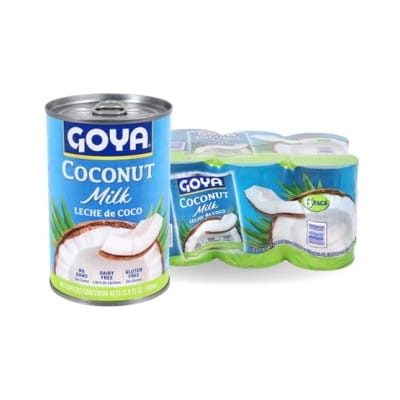
Goya Coconut Milk 13.5 oz (6-pack)
Creole bread's richness is two full cups of coconut milk kneaded into the dough. A six-pack means the next bake is already covered.
Maizena Corn Starch, 14.10 Ounces (14.1 Ounce (Pack of 3))
Cornstarch is what Belizean cooks reach for to thicken the meat pie filling.