Jamaican roti is flour, baking powder, salt, sugar and fat, cooked on a dry hot pan in about three minutes. The ingredient list is unremarkable and that is the point: the cooks say outright that it is technique, not ingredients, that makes a roti a roti. The technique is the layering.
Ingredients
Amounts here make 6 roti. Nothing on this list is unusual, which is why the method section matters more than it normally would.
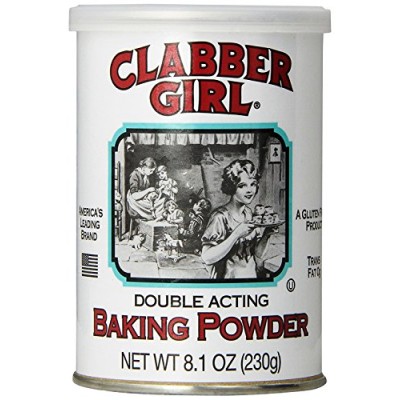
Clabber Girl Double Acting Baking Powder, 8.1 oz
Double-acting polvo para hornear — the lift behind rosquillas and quick breads.
The dough
- 3 cups (375 g) all-purpose flour.
- 2 tsp baking powder.
- 1 tsp salt.
- 1 tbsp granulated sugar.
- 2 tbsp (28 g) butter or margarine.
- About 1 cup (240 ml) cold water, or milk for a softer roti.
For the layers and the pan
- 1/4 cup (60 ml) cooking oil, for glazing the dough.
Instructions
- Combine the flour, baking powder, salt, and sugar.
- Rub the butter or margarine into the flour until it is well worked through.
- Add the water or milk gradually and bring it together into a soft, slightly sticky dough.
- Cover and rest the dough about 20 minutes.
- Roll a portion out flat, brush the surface with oil, then roll or fold it back into a ball. This is the step that builds the layers.
- Rest the layered balls again briefly, then roll each one out to its final thickness. Push down through the centre, turn it over and repeat, so it rolls out evenly.
- Cook on a hot flat pan or skillet over medium heat, about a minute and a half to three minutes total, flipping once or twice until golden brown spots appear and the dough swells.
- Release the layers: clap the hot roti between your hands.
The Layering Is the Recipe
Roll the dough, oil it, and roll it back up. That is the whole difference between a roti and a flatbread. The film of oil keeps the dough from fusing to itself, so what you rolled up cooks as separate sheets rather than a single slab.
One cook does it as a cone: cut the rolled disc halfway to the centre, roll it into a cone, and tuck the point into itself. Another simply rolls it up and coils it. Either way the mechanism is the same, which is oil between the turns.
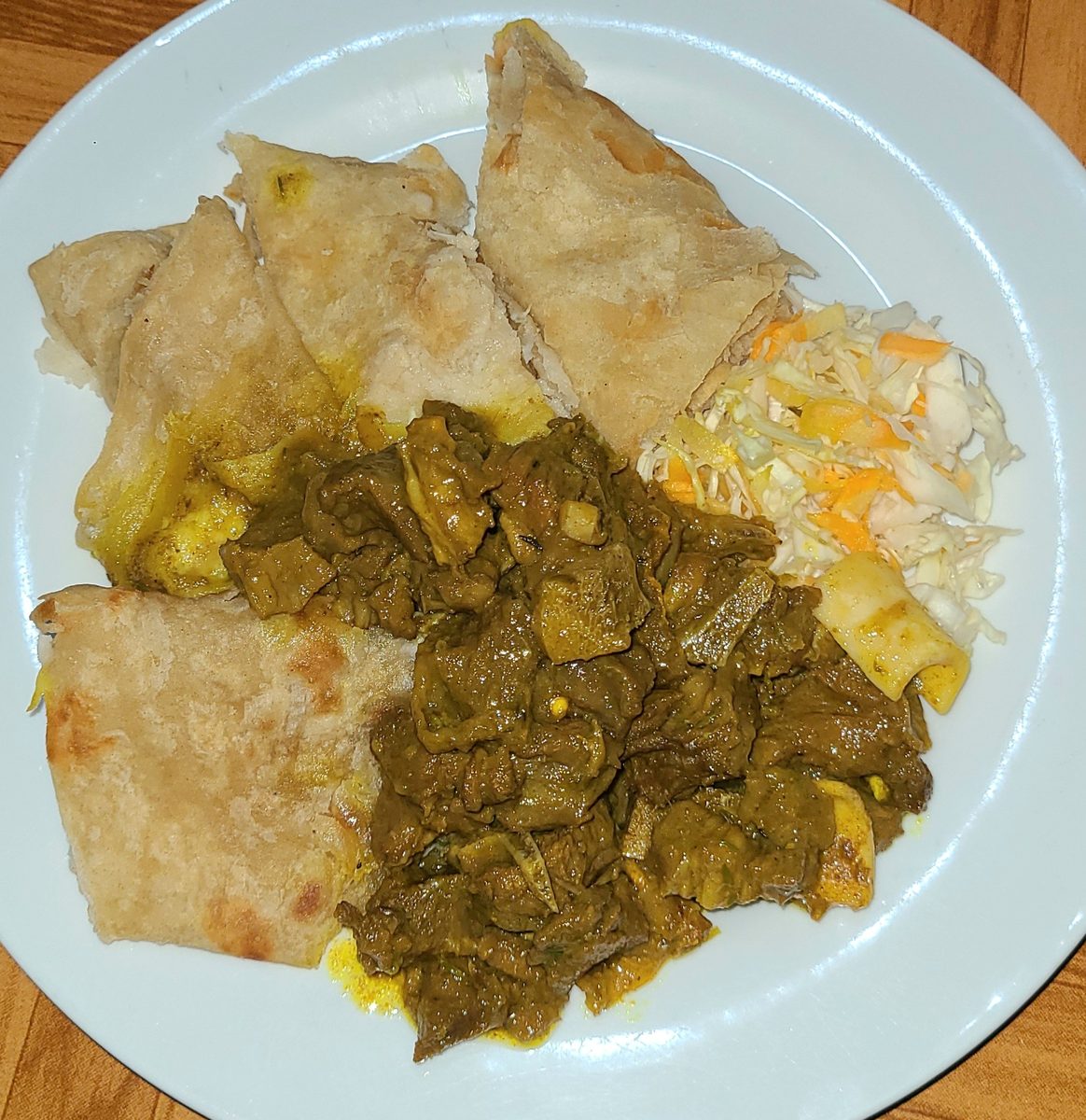
Then the release. A cooked roti is clapped between the hands and the layers separate into the soft folds that catch curry. If yours comes off the pan as one stiff disc, it is the layering step that went wrong, not the cooking.
Three Minutes on the Pan
This is fast bread. A minute and a half to three minutes total, flipped once or twice, on a hot flat pan over medium heat. Watch for two signs: golden brown spots, and the dough starting to swell, which tells you the leavening and the layers are doing their job.
The cooks split on the pan itself. One greases it before the dough goes down and insists the oiled side of the roti faces the pan first. Another puts the dough straight onto a dry pan and brushes oil onto the roti after the first flip. Both produce roti; the greased-pan version is more forgiving if your pan sticks.
Heat settings differ too, one saying medium and the other naming a dial number, which tells you the real instruction is to watch the bread rather than the knob. Too hot and you get scorched spots before the inside cooks.
Roti Came With the Indentured Ships
Roti is not originally Caribbean. It was brought to the islands by indentured labourers from the Indian subcontinent and became a staple across the region (source), which is the same migration that put curry into Caribbean kitchens.
That history is why roti reads differently from island to island. Trinidad and Guyana, with the largest Indo-Caribbean populations, developed a whole vocabulary of them: sada, dhalpuri, paratha. Jamaica’s version is the plain layered roti here, eaten as the bread that goes with curry rather than as a category of its own.
The same indentured migration reached Jamaica’s pastry too. The curry in a Jamaican beef patty arrived on those ships, which is why a patty and a roti taste like relatives despite being completely different breads.
Storage and Make-Ahead
Roti is best hot off the pan, when the layers are still soft and steamy. It is a fifteen-minute bread once the dough is made, so cook it to the meal rather than ahead of it.
The dough is the make-ahead component. Mix it, layer it into balls, and keep them covered in the refrigerator for a day, then bring them back to room temperature before the final roll.
Cooked roti keeps two days wrapped, and it stiffens. Warm it briefly on a dry pan, not in a microwave, and clap it again to loosen the layers. It also freezes for up to three months with parchment between each one.
Tips and Variations
Milk instead of water gives a softer roti, and one of these cooks uses it deliberately for that reason. Cold water gives the plainer version. Both are standard.
Serve it with curry chicken, which is the pairing the cooks name. Where a plain bread is wanted alongside a saucy dish, Jamaica’s other options are fried dumplings and bammy, and the difference is what each one does with sauce: roti wraps and absorbs, dumpling mops, bammy holds its shape against it.
Frequently Asked Questions
What makes roti flaky?
Layering. The rolled dough is brushed with oil and rolled back into a ball so it cooks as separate sheets. Skip that step and the bread has no layers, whatever else you do right.
How long does roti take to cook?
About a minute and a half to three minutes total on a hot flat pan over medium heat, flipping once or twice. Look for golden brown spots and for the dough to swell.
Why do you clap the roti after cooking?
To separate the layers you built into the dough. Clap it between your hands while it is hot and it loosens into soft folds.
Should I grease the pan?
Cooks differ. One greases the pan and puts the oiled side of the roti down first; the other cooks it on a dry pan and brushes oil onto the roti after the first flip. Grease the pan if yours tends to stick.
Water or milk in the dough?
Cold water for the plain version, milk for a softer one. One of these cooks uses milk specifically instead of water, and the other uses cold water. Both are correct.
How many roti does this make?
Six, from 3 cups (375 g) of flour. That feeds four to six alongside a curry, since roti is filling out of proportion to its size.

Scotch bonnet blended with West Indian red peppers: the everyday bottle that sits on a Jamaican table rather than a specialty sauce bought for one dish. The two-pack is the sensible buy for a household that cooks Jamaican food regularly.